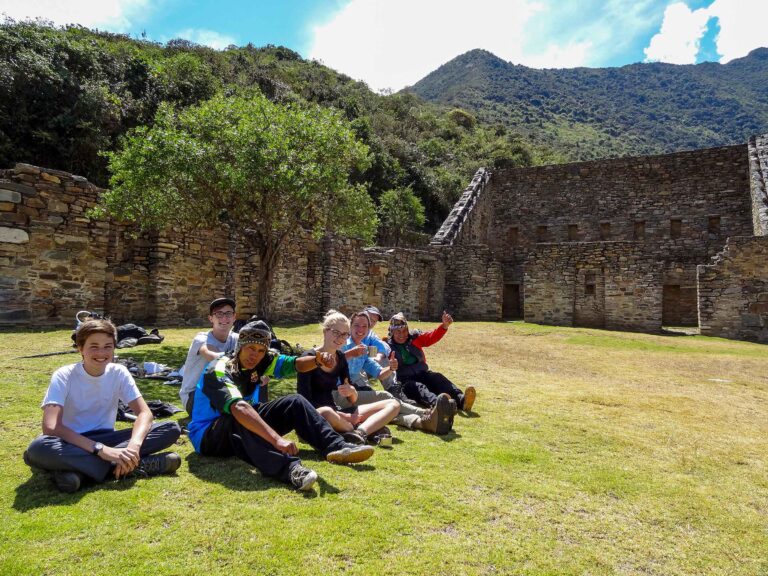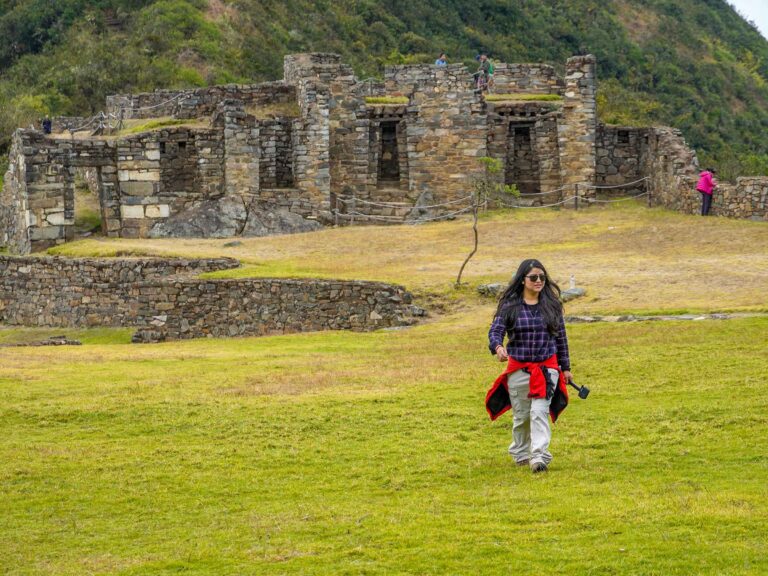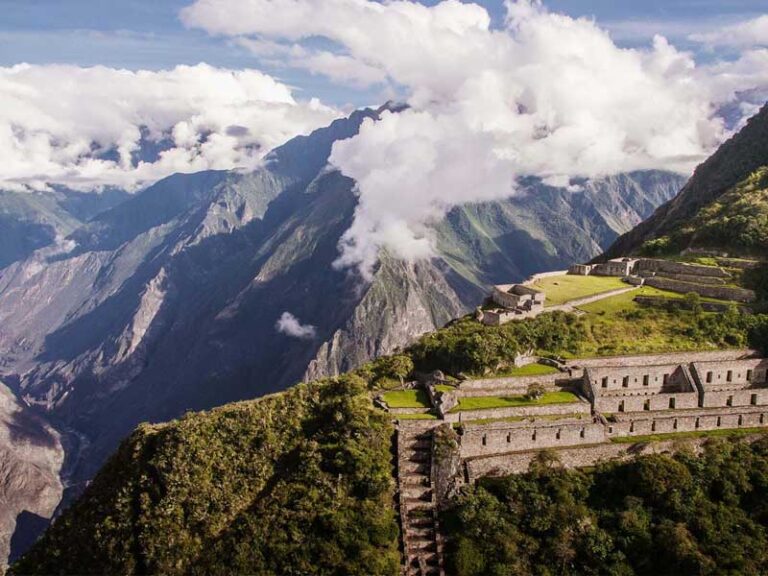

Exploring the Choquequirao Trek in Peru is one of the most extraordinary adventures for travelers seeking remote Inca ruins, mountain landscapes, and authentic trekking experiences far from crowded tourist routes. Hidden deep within the Andes above the Apurímac River, Choquequirao remains one of the most mysterious archaeological sites of the Inca civilization.
This guide explores the history, architecture, trekking routes, cultural significance, and archaeological significance of Choquequirao, helping travelers understand why this hidden Inca city is considered one of Peru’s most rewarding trekking destinations.
Choquequirao Unveiling the Secrets of the Inca Civilization
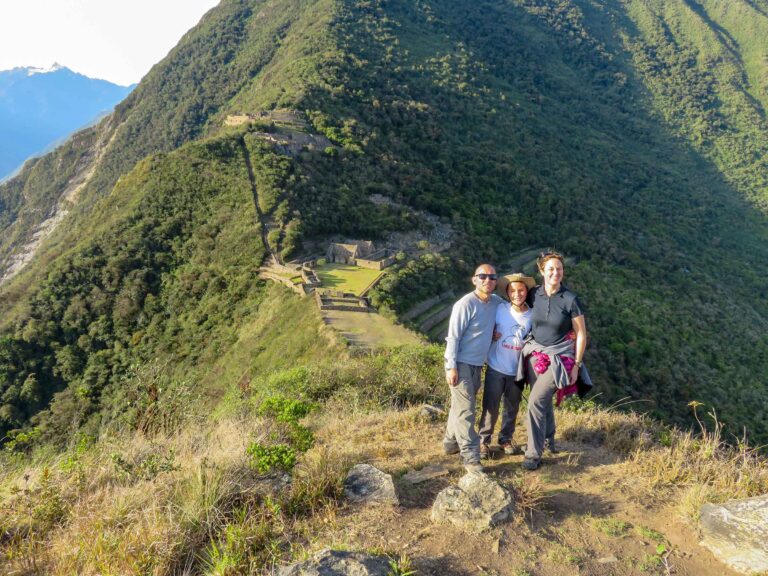
Perched high on a ridge overlooking the Apurímac River, Choquequirao spans more than 1,800 hectares across the dramatic Andes mountains.
Its remote location and difficult access have helped preserve the site’s authenticity and archaeological integrity for centuries.
Unlike many more-visited archaeological destinations in Peru, Choquequirao still offers a raw and immersive trekking experience where travelers can explore Inca ruins amid silence, mountains, and untouched landscapes.
The journey to Choquequirao is itself part of the adventure.
Most trekking routes begin near the village of Cachora, then descend into the Apurímac Canyon and climb steep mountain trails toward the archaeological complex.
Along the route, trekkers experience cloud forests, remote valleys, river crossings, high mountain viewpoints, and constantly changing Andean scenery.
Travelers interested in Peru’s ancient trekking routes may also enjoy this Cusco trekking guide.

Choquequirao Unveiling the Secrets of the Inca Civilization
The Hidden Inca City of Choquequirao
The name Choquequirao translates from Quechua as “Cradle of Gold.”
Historians believe the site was constructed during the reign of Pachacuti Inca Yupanqui, the visionary ruler who expanded much of the Inca Empire and commissioned major sites such as Machu Picchu.
Choquequirao likely functioned as both a ceremonial center and an important administrative complex connected to routes between Cusco and the Amazon region.
Its strategic location allowed the Incas to control communication, agriculture, and trade across difficult mountain terrain.
Some historians also believe Choquequirao may have served as a refuge during the final years of resistance against the Spanish conquest.
Why Choquequirao Feels Different From Machu Picchu
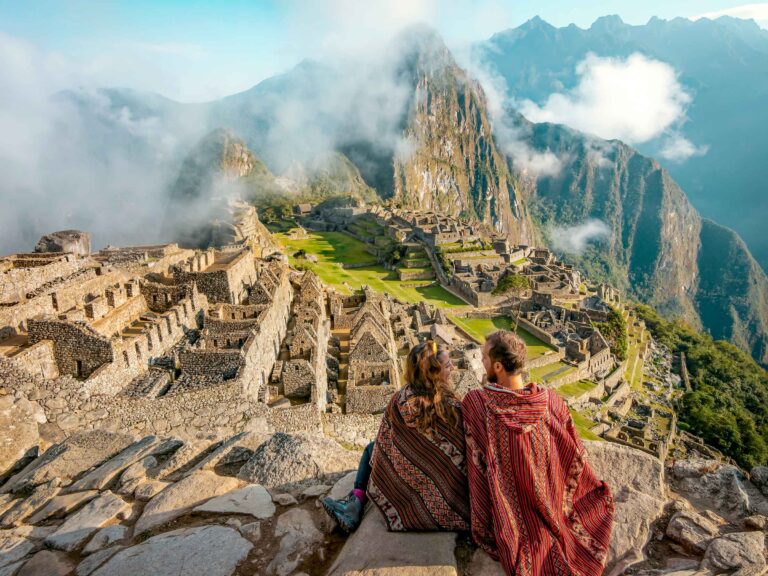
While Machu Picchu attracts thousands of daily visitors, Choquequirao remains isolated and far less explored.
This isolation creates a much deeper sense of discovery and adventure for travelers willing to complete the demanding trek.
Visitors often experience:
- Remote mountain landscapes
- Minimal crowds
- Long trekking routes
- Authentic wilderness environments
- Undisturbed archaeological areas
- Greater immersion in Andean nature
Many travelers describe Choquequirao as one of the last truly hidden archaeological treasures in Peru.
Travelers comparing Peru’s iconic Inca sites may also explore this Machu Picchu travel guide.

The Architecture of Choquequirao
Choquequirao showcases the extraordinary engineering and architectural skills of the Inca civilization.
The archaeological complex contains:
- Ceremonial plazas
- Residential sectors
- Agricultural terraces
- Ritual temples
- Water channels
- Storage buildings known as qullqas
The site’s stonework demonstrates the precision and craftsmanship typical of advanced Inca construction techniques.
Massive stones were carefully cut and assembled without mortar, creating structures capable of resisting earthquakes and harsh mountain conditions.
One of the most fascinating sectors is the llama terraces, where white stone figures of llamas are embedded into agricultural terraces overlooking the canyon.
The Archaeological Importance of Choquequirao
Choquequirao provides archaeologists with valuable insight into the political, religious, and economic organization of the Inca Empire.
Unlike Machu Picchu, which primarily served as a royal estate, Choquequirao appears to have functioned as both an administrative and a ceremonial center.
The presence of qullqas indicates the site played an important role in storing and redistributing food and resources throughout the region.
Archaeological discoveries continue to reveal new information about Inca engineering, agriculture, religion, and mountain settlement strategies.
Much of the complex remains hidden beneath dense vegetation, meaning ongoing excavations continue to uncover new sectors and structures.

The Trek to Choquequirao
The Choquequirao Trek is considered one of Peru’s most challenging and rewarding hiking adventures.
Most trekking itineraries require several days of hiking through steep mountain terrain and high-altitude environments.
The route typically includes:
- Deep canyon descents
- Steep uphill climbs
- Remote campsites
- River crossings
- Cloud forest sections
- Panoramic Andean viewpoints
Because of the demanding terrain, proper acclimatization and physical preparation are strongly recommended before beginning the trek.
Travelers preparing for high-altitude adventures may also benefit from this Peru altitude travel guide.
Best Time to Visit Choquequirao
The best season for trekking to Choquequirao is usually during the dry season between May and September.
These months generally provide clearer skies, safer trail conditions, and better mountain visibility.
The rainy season from November to March can create muddy, slippery trails and increase the difficulty of river crossings and steep sections.
Because the trek involves intense sun exposure during the day and cooler temperatures at night, layered clothing is essential.
Wildlife and Landscapes Along the Route
The Choquequirao route passes through diverse ecosystems filled with native Andean wildlife and mountain vegetation.
Trekkers may encounter:
- Andean condors
- Hummingbirds
- Vizcachas
- Llamas and alpacas
- Native orchids
- Cloud forest vegetation
The changing landscapes throughout the trek create one of the most visually diverse hiking experiences in Peru.
From deep canyons and cloud forests to high mountain ridges and archaeological terraces, the route constantly reveals new scenery.

Choquequirao and Sustainable Tourism
As interest in Choquequirao grows, sustainable tourism practices are becoming increasingly important.
The site’s isolation has helped preserve its archaeological and environmental integrity, but future tourism development must remain carefully managed.
Responsible tourism supports local communities while helping protect the fragile ecosystems and archaeological structures surrounding the site.
Many trekking operators now focus on minimizing environmental impact and promoting conservation awareness among travelers.
Preparing for the Choquequirao Trek
Preparation is essential for completing the Choquequirao Trek safely and comfortably.
Travelers should prepare for:
- Long hiking days
- Steep ascents and descents
- High-altitude conditions
- Remote camping environments
- Rapid weather changes
Recommended trekking gear includes:
- Proper hiking boots
- Layered trekking clothing
- Sun protection
- Trekking poles
- Rain protection
- Hydration systems
Travelers with limited trekking experience may prefer guided tours with experienced local operators familiar with the route and mountain conditions.
Explore the Best Choquequirao Treks in Peru
Kondor Path Tours offers guided trekking experiences designed for travelers seeking remote Inca archaeology, mountain landscapes, and authentic hiking adventures in the Peruvian Andes.
- Choquequirao Trek – 3 Days
- Choquequirao Trek – 4 Days
- Choquequirao Trek – 5 Days
- Choquequirao Trek to Machu Picchu – 7 Days
- Choquequirao Trek – 8 Days
- Choquequirao Trek – 9 Days
- Choquequirao 4 Day Lodge Trek
Conclusion
Choquequirao remains one of the most extraordinary archaeological and trekking destinations in Peru.
Its combination of remote mountain landscapes, hidden Inca ruins, challenging trekking routes, and rich cultural history creates a truly unforgettable adventure in the Andes.
For travelers seeking a deeper and less crowded alternative to Machu Picchu, Choquequirao offers a unique opportunity to experience the mystery, engineering, and spirit of the Inca civilization.
As archaeological discoveries continue revealing new secrets beneath the mountains and cloud forests, Choquequirao stands as one of the most fascinating hidden treasures of the ancient Andes.