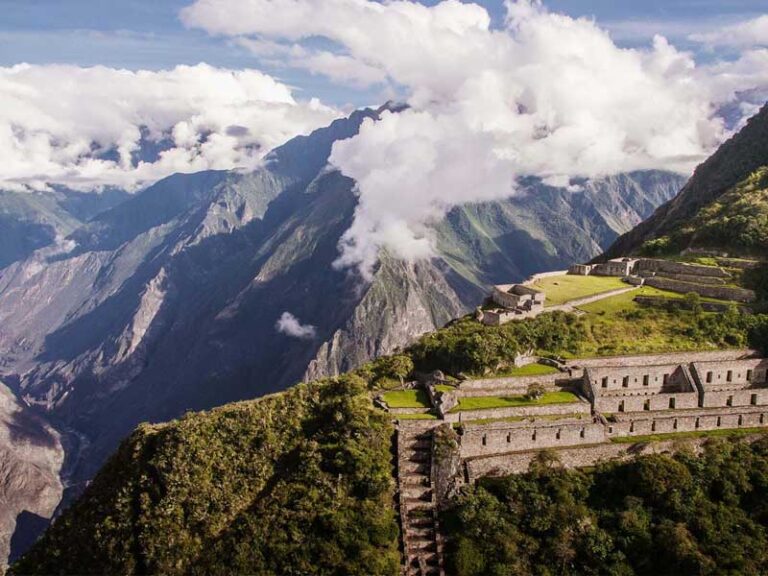

Planning the Choquequirao Trek in Peru is an incredible opportunity to experience one of the most remote and rewarding hiking adventures in the Andes. Hidden deep within the mountains above the Apurímac Canyon, Choquequirao offers dramatic landscapes, ancient Inca ruins, high-altitude trekking, and a far less crowded alternative to Machu Picchu.
This practical trekking guide explains everything travelers need to know about the Choquequirao Trek, including route difficulty, terrain, altitude, preparation, trekking conditions, cultural highlights, and what to expect during this unforgettable adventure in Peru.
Choquequirao Trek at a Glance
When it comes to exploring Peru’s most impressive trekking destinations, the Choquequirao Trek stands out for its combination of archaeological discovery, mountain scenery, and physical challenge.
Unlike the crowded Inca Trail, the Choquequirao route remains quieter and more remote, allowing trekkers to experience the Andes in a much more immersive and authentic way.
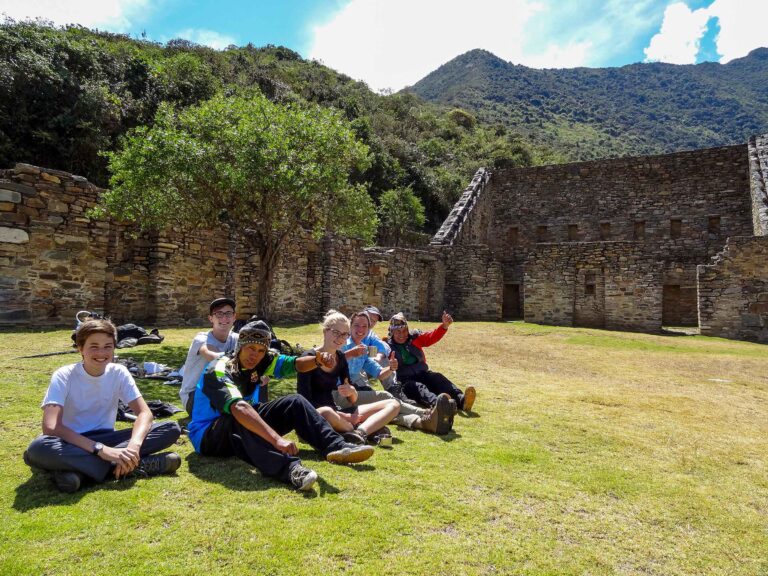
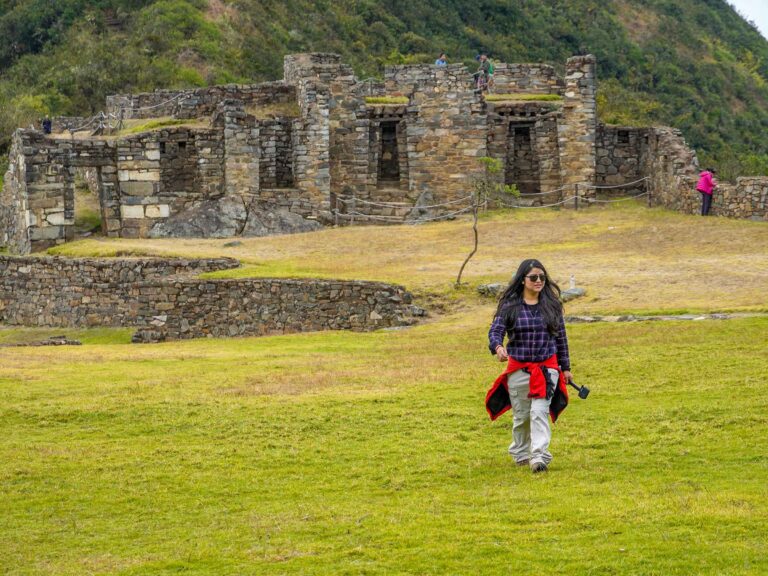
The trek leads to the ancient Inca city of Choquequirao, often called the “sister city of Machu Picchu” for its architectural similarities and historical significance.
However, Choquequirao feels completely different from Machu Picchu due to its isolation, rugged access, and limited number of visitors.
The route offers a deeper sense of exploration and adventure while showcasing breathtaking Andean landscapes and remote archaeological treasures.
Travelers interested in Peru’s alternative hiking routes may also enjoy this Cusco trekking guide.

Chochequirao Trek at a Glance
What Makes the Choquequirao Trek Unique?
The Choquequirao Trek is widely recognized as one of Peru’s best off-the-beaten-path hiking adventures.
What makes the experience unique is the combination of:
- Remote Inca archaeology
- Deep canyon landscapes
- Steep mountain trails
- Cloud forests and high-altitude scenery
- Minimal tourist crowds
- Authentic wilderness environments
For many trekkers, the route feels more adventurous and physically demanding than the Inca Trail.
The sense of solitude throughout the Apurímac Canyon creates a completely different trekking atmosphere from that of more commercial hiking destinations in Peru.
The Journey to Choquequirao
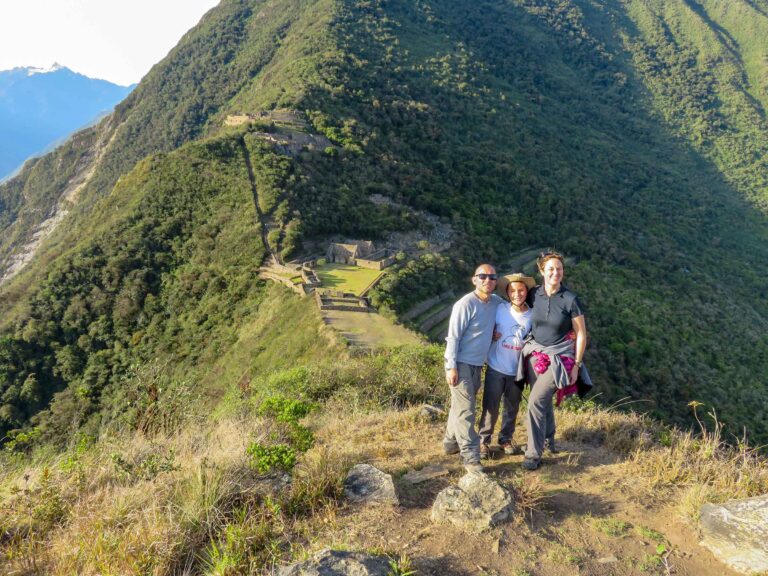
The trek usually begins near the village of Cachora and gradually descends toward the Apurímac River before climbing steep mountain trails toward Choquequirao.
The route covers approximately 64 kilometers (40 miles) round-trip, depending on the chosen itinerary.
Most trekking programs last 4 to 5 days, though longer expeditions can continue toward Machu Picchu via remote mountain routes.
Trekkers experience dramatic changes in scenery throughout the route, including:
- Dry canyon landscapes
- Cloud forests
- Mountain ridges
- River crossings
- High-altitude viewpoints
- Remote camping areas
The changing landscapes create one of the most visually impressive trekking experiences in Peru.

How Difficult Is the Choquequirao Trek?
The Choquequirao Trek is considered challenging and is best suited for travelers with good physical fitness and some hiking experience.
The route involves:
- Steep descents and ascents
- Long hiking days
- High-altitude conditions
- Strong sun exposure
- Remote mountain terrain
The most difficult sections are usually the climb out of the Apurímac Canyon and the repeated elevation changes throughout the trek.
Trekkers should prepare physically before arrival through hiking, cardio training, and endurance exercises.
Travelers preparing for high-altitude trekking may also benefit from this Peru altitude travel guide.
The History and Importance of Choquequirao
Choquequirao, meaning “Cradle of Gold” in Quechua, was an important ceremonial and administrative center of the Inca Empire.
Historians believe the site was built during the reign of Pachacuti, the same Inca ruler associated with Machu Picchu.
The archaeological complex contains:
- Agricultural terraces
- Ceremonial plazas
- Religious temples
- Residential sectors
- Water channels
- Storage buildings
Because much of the site remains covered by vegetation, archaeologists continue to uncover new sectors and structures.
Travelers interested in deeper archaeological history may also explore this Choquequirao archaeology guide.

Wildlife and Nature Along the Trek
The Choquequirao route passes through diverse ecosystems rich in Andean wildlife and mountain vegetation.
Trekkers may encounter:
- Andean condors
- Hummingbirds
- Vizcachas
- Cloud forest vegetation
- Native orchids
- Alpacas and llamas
The combination of wildlife and changing landscapes creates an unforgettable trekking environment filled with natural beauty and ecological diversity.
Who Should Do the Choquequirao Trek?
The Choquequirao Trek is ideal for travelers seeking:
- Remote trekking adventures
- Less crowded alternatives to Machu Picchu
- Challenging hiking experiences
- Archaeological exploration
- Authentic Andean landscapes
- Multi-day trekking expeditions
Travelers seeking luxury trekking or easier hiking routes may prefer shorter alternatives to the Sacred Valley or the Inca Trail.
Choquequirao is best for hikers who are comfortable with physical challenges and long mountain trekking days.
Best Time to Trek to Choquequirao
The best season for the Choquequirao Trek is usually during Peru’s dry season between May and September.
These months provide:
- More stable weather
- Clearer mountain views
- Safer trail conditions
- Better trekking visibility
The rainy season between November and March can make trails muddy and significantly more difficult.
Because mountain weather changes quickly, layered clothing and rain protection are essential throughout the trek.
Preparing for the Choquequirao Trek
Preparation is essential for completing the trek safely and comfortably.
Recommended preparation includes:
- Acclimatizing in Cusco before the trek
- Improving cardiovascular endurance
- Using quality hiking boots
- Packing layered trekking clothing
- Bringing trekking poles
- Carrying sun protection and hydration systems
Hiring experienced local guides also improves safety and provides valuable cultural and historical insights during the journey.
Travelers interested in Peru’s mountain culture may also enjoy this Sacred Valley travel guide.

Choquequirao vs Machu Picchu
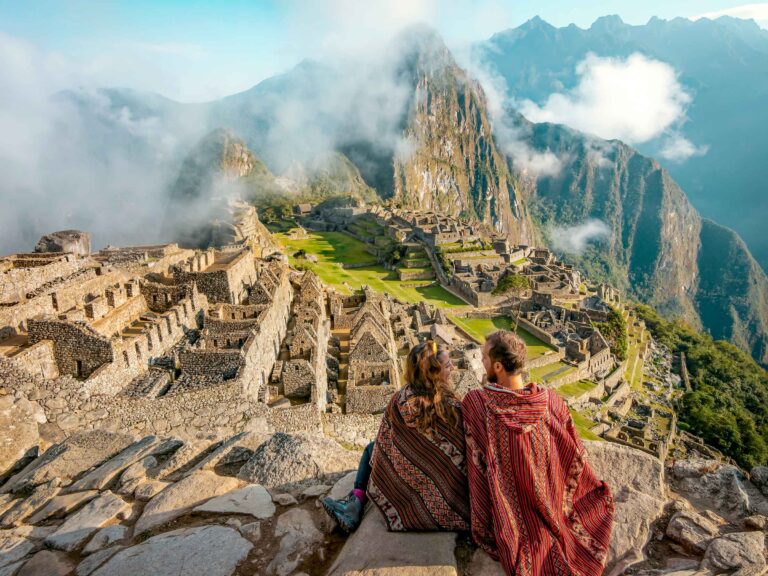
Although both archaeological sites share Inca architectural similarities, the experiences are very different.
Machu Picchu is more accessible and receives large numbers of visitors every day.
Choquequirao, in contrast, remains remote and far less visited.
This creates a stronger sense of exploration, solitude, and connection with the surrounding mountains.
Many trekkers choose Choquequirao specifically for a more adventurous, less commercial trekking experience.
Explore the Best Choquequirao Treks in Peru
Kondor Path Tours offers guided trekking adventures for travelers seeking to explore remote Inca archaeology, mountain landscapes, and authentic Andean trekking.
- Choquequirao Trek – 3 Days
- Choquequirao Trek – 4 Days
- Choquequirao Trek – 5 Days
- Choquequirao Trek to Machu Picchu – 7 Days
- Choquequirao Trek – 8 Days
- Choquequirao Trek – 9 Days
- Choquequirao 4 Day Lodge Trek
Conclusion
The Choquequirao Trek is one of Peru’s most extraordinary hiking adventures for travelers seeking remote landscapes, challenging mountain routes, and ancient Inca archaeology.
Its combination of physical challenge, breathtaking scenery, and historical significance creates an unforgettable trekking experience in the Andes.
For hikers seeking a quieter, more adventurous alternative to Machu Picchu, Choquequirao offers one of the most authentic and rewarding trekking journeys in Peru.
From dramatic canyon crossings to hidden Inca terraces above the clouds, every section of the Choquequirao Trek reveals the remarkable beauty and mystery of the ancient Andes.