Embarking on the Short Inca Trail is a dream for many adventure seekers. This 2-day trek offers a condensed yet fulfilling experience. It’s perfect for those with limited time.
The trail spans about 10 kilometers, showcasing breathtaking landscapes. You’ll traverse cloud forests and ancient Inca ruins. The journey culminates at the iconic Machu Picchu.
Planning is crucial for a successful trek. Understanding the trail’s demands and preparing accordingly can enhance your experience. This guide aims to answer your pressing questions.
Permits are essential and should be secured in advance. The best time to hike is during the dry season. This typically runs from May to September.
Weather can be unpredictable, so pack wisely. Essentials include sturdy boots, a rain jacket, and sunscreen. Acclimatization to the altitude is also important.
Guided tours are available, offering convenience and expertise. They often include transportation, meals, and accommodation. This can make your trek more enjoyable.
The Short Inca Trail is less crowded than the classic route. This provides a more intimate experience with nature and history. It’s suitable for families and older travelers.
Respect for the environment and cultural heritage is paramount. This trek offers a unique blend of adventure, history, and natural beauty. Prepare well to make the most of your journey.
The Short Inca Trail is a popular trekking route in Peru. It offers a shorter alternative to the classic 4-day trek. This trail is ideal for those with time constraints.
The trek spans approximately 10 kilometers. Within this distance, hikers experience diverse landscapes. From lush cloud forests to stunning Inca ruins, the scenery is mesmerizing.
This trail begins near Ollantaytambo, winding toward Machu Picchu. Despite its shorter length, the journey is enriched with history. You’ll explore lesser-known Inca sites along the way.
The Short Inca Trail is designed for moderate hikers. It involves both uphill and downhill sections. A moderate level of fitness is advisable for this adventure.
The highlight is reaching Intipunku, the Sun Gate. From here, the first glimpse of Machu Picchu is unforgettable. It’s a moment of awe and anticipation for many travelers.
Key features of the Short Inca Trail include:
For travelers eager to experience the grandeur of the Andes but constrained by time, the Short Inca Trail presents the perfect opportunity. It combines cultural exploration with natural beauty in a memorable two-day adventure.
The Short Inca Trail is a fantastic choice for time-strapped travelers. If you have a busy schedule, this 2-day trek fits perfectly. It offers a condensed, yet immersive, Inca experience.
This trek is less physically demanding than the full trail. It’s ideal for those who prefer a lighter adventure. The mix of adventure and comfort is a compelling combination for many.
The shorter trail is less crowded, allowing a more intimate experience. Fewer trekkers mean quieter moments for reflection. You can enjoy nature without the hustle and bustle of larger groups.
Choosing the Short Inca Trail doesn’t mean sacrificing the highlights. Trekkers still see breathtaking sights. The journey leads to breathtaking views and unforgettable historical sites.
Key reasons to choose the Short Inca Trail include:
In sum, the Short Inca Trail offers a convenient yet enriching experience. It bridges the gap between adventure and comfort seamlessly. It’s a perfect snapshot of Peru’s natural wonders and rich history.
The Short Inca Trail is moderate in difficulty. It requires some physical fitness. However, it’s accessible for many hikers.
This trek involves both uphill and downhill walking. Prepare for a mix of terrains. Some sections are steeper than others.
A good fitness base is beneficial. Regular walking or hiking helps. Cardio exercises improve endurance for the trail.
Acclimatizing to the altitude is crucial. The trail reaches significant elevations. Give your body time to adjust to avoid sickness.
Weather can impact difficulty. Be ready for rain or temperature swings. Proper gear mitigates challenges these conditions pose.
Here’s a quick difficulty breakdown:
The Short Inca Trail is achievable for many, with preparation. Trekkers should not underestimate it but plan properly. Most importantly, enjoy the journey with awareness and respect for your limits.
The Short Inca Trail offers a compact yet fulfilling adventure. It unfolds over two eventful days, culminating at Machu Picchu.
Day 1 starts at the quaint trailhead of Kilometer 104. Hikers embark on a journey through lush cloud forests and diverse flora.
The first major site is the stunning Wiñay Wayna. This ancient Inca site showcases impressive terrace and architectural features.
After exploring Wiñay Wayna, continue to the Sun Gate, or Inti Punku. Here, you catch your first breathtaking glimpse of Machu Picchu.
The first day ends in Aguas Calientes. Rest and recharge in this vibrant town nestled at the base of Machu Picchu.
Day 2 begins with an early morning bus ride. Head straight to Machu Picchu to witness the magical sunrise over the ruins.
A guided tour awaits you. Explore the majestic citadel, learning about its rich history and significance.
The return journey takes you back to Aguas Calientes. From there, board a train back to Cusco, completing your remarkable trek.
Here’s a brief itinerary summary:
These two days strike a balance between challenge and reward. The itinerary is well-suited for those with limited time. It offers a snapshot of the natural and historical wonders of the Inca Trail.
Hiking the Short Inca Trail requires proper documentation. Permits are a crucial part of the planning process. They are issued on a limited basis and tend to sell out quickly.
A valid passport is necessary to secure your trail permit. It’s essential that your passport details are current. Any changes require communication with your tour operator.
Permits are non-transferable and closely linked to your passport information. These permits cover both the trail and entry to Machu Picchu.
Booking your permit months in advance ensures availability. Coordinate with a reliable tour operator to handle this.
Here’s a list of required documentation:
Having all documents in order streamlines your journey. Always keep digital and physical copies for easy access. This preparation helps prevent logistical issues during the trek.
Choosing the right time to hike the Short Inca Trail can enhance your experience. The best time is during the dry season from May to September. This period offers the most stable weather conditions.
During these months, rain is less likely, and the trail is often in optimal condition. However, dry weather can mean colder nights. Layering your clothing is important for staying comfortable.
While the trail is accessible year-round, the wet season from November to March poses challenges. Heavy rainfall can make paths muddy and slippery. Fog can also obscure the stunning views of the Andes.
The shoulder months, April and October, provide an intermediate option. These months balance fewer crowds with more moderate weather. If you’re seeking an adventure without peak-season buzz, consider planning your trek around these times.
In summary, consider the following when planning your trek:
Selecting the right time considers both environmental and personal preferences. Aim for a season that aligns with your goals and comfort level. This choice can significantly impact your Inca Trail experience.
Altitude can present unique challenges when hiking the Short Inca Trail. Preparation is crucial for a safe and enjoyable trek. First, spend a few days acclimating in Cusco or a similar location before starting the trail.
Stay hydrated by drinking plenty of water, as this helps your body adjust to higher elevations. Avoid alcohol and caffeine, as they can contribute to dehydration. Eat a balanced diet to maintain energy levels.
Consider bringing altitude sickness medication such as acetazolamide. However, consult your doctor before taking any new medication. Additionally, take it easy during the first days of your stay.
Recognize the signs of altitude sickness, such as headache, nausea, or dizziness. If you experience any symptoms, inform your guide immediately. Taking preventive measures can improve your overall trekking experience.
In summary, here are some tips to help you acclimate:
By planning and taking care of your health, you can minimize the effects of altitude. This ensures a more enjoyable and successful journey through the Andes.
Packing wisely for the Short Inca Trail enhances your trekking experience. Essentials vary slightly based on the season, but certain items are indispensable year-round. Sturdy hiking boots top the list, providing vital support and grip on varied terrain.
Weather in the Andes can be unpredictable. Bring a waterproof rain jacket and a hat to protect against rain and sun. Layered clothing, including thermal layers, is essential to handle temperature changes from day to night.
Daypacks are practical for carrying daily necessities. Ensure it’s comfortable with padded straps. Inside, stock trail snacks like energy bars or dried fruits to maintain energy levels. Lightweight gear ensures you aren’t weighed down.
Carry adequate water or a purification method. Staying hydrated is key to combat altitude effects. Sunscreen and sunglasses are crucial to protect against the strong Andean sun. Insect repellent can ward off pesky bugs along the trail.
For night-time, pack a warm sleeping bag, or confirm if your tour operator provides one. Toiletries should be compact, with biodegradable soap recommended to minimize environmental impact. Basic first-aid supplies add an extra layer of safety.
Here’s a quick packing list for your Short Inca Trail adventure:
Additional essentials include:
Efficient packing prepares you well for the journey, allowing you to focus on the breathtaking experience.
Opting for a guided tour of the Short Inca Trail enhances your trekking adventure. Most tour packages offer comprehensive services to ensure a smooth experience. They typically cover transportation, meals, and accommodation.
Transportation is often provided from Cusco to the trailhead and back from Machu Picchu. This arrangement makes logistics hassle-free. Meals during the trek are prepared by skilled chefs, offering local and nutritious dishes to fuel your journey.
Guided tours also generally include a professional guide. These experienced guides offer valuable insights into the trail’s history and the significance of Inca ruins encountered along the way.
Here’s what you can usually expect in a guided tour package:
Choosing a guided tour ensures you can enjoy the beauty and history of the Inca Trail with peace of mind.
Reaching the Short Inca Trail’s trailhead involves planning. The journey begins in Cusco, the nearest city. Most trekkers start their journey from here, leveraging its convenient transportation options.
From Cusco, travelers often take a train to the town of Ollantaytambo. This scenic train ride offers stunning views of the Sacred Valley, setting the perfect tone for the adventure ahead.
Once in Ollantaytambo, transportation arrangements vary. Some choose to continue by train directly to the trailhead at Kilometer 104. Others prefer a short bus or car transfer to reach this starting point.
Remember these primary steps for reaching the trailhead:
Ensure logistics are well-coordinated for a smooth start to your trek. Choosing the right transportation method enhances your trekking experience from the outset.
The Short Inca Trail offers an array of breathtaking sights. This two-day journey is filled with natural beauty and historical landmarks. Trekkers often find themselves in awe of the diverse landscapes encountered along the way.
As you start the trek, expect to traverse lush cloud forests. These are rich in biodiversity, providing a natural habitat for unique flora and fauna. Birdwatchers will especially appreciate the colorful avian species flying above.
Moving forward, ancient Inca ruins emerge. Wiñay Wayna is a notable site where trekkers often pause. This archaeological site showcases terraces and structures that offer a glimpse into Inca history and ingenuity.
Views of the Andes mountains dominate the backdrop. Peaks and valleys create a picturesque setting, inviting photographers to capture the moment. These vistas are an invigorating highlight of the trail experience.
Key sights along the trail include:
The journey culminates at Machu Picchu. Arriving at this iconic site rewards trekkers with an unforgettable panorama, adding a sense of accomplishment. Each segment of the trail offers its unique wonders, making the trek an enriching experience.
While trekking the Short Inca Trail, accommodation is typically prearranged through tour operators. Most packages include a stay at a hotel in Aguas Calientes, the closest town to Machu Picchu. These hotels offer basic yet comfortable amenities to relax after the hike.
The accommodations generally provide a good night’s rest. Rooms are equipped with essentials like beds, linens, and often hot showers. Many trekkers find these comforts greatly appreciated after a day on the trail.
Breakfast is usually included with your hotel stay. This meal fuels you for your visit to Machu Picchu or for the journey back to Cusco.
Key accommodation features:
While not luxurious, these lodgings cater well to trekkers’ needs. The focus here is on convenience and ease, making it simpler to explore Machu Picchu the following day.
Food provisions on the Short Inca Trail are typically included in guided tour packages. Meals are prepared to cater to trekkers, often provided during stops along the route. These meals are designed to be nutritious and energy-boosting, keeping hikers fueled for the journey.
Some tour operators even offer portable lunches. These usually consist of balanced meals, including carbohydrates and proteins, providing essential energy needed for the trek. It’s important to inform your tour operator in advance about any dietary restrictions you may have.
Regarding water, tour operators advise trekkers to bring their own bottles. It’s crucial to stay hydrated, especially at high altitudes. While some operators may supply purified water, it’s safer to carry a personal water purification system or tablets.
Here’s a quick checklist of what to expect:
Trekkers should ensure they have enough sustenance and hydration to make the hike enjoyable.
The Short Inca Trail is less crowded than the classic version. Trekking this trail offers a more intimate experience for visitors, with fewer crowds. This is due to the limited number of daily permits compared to the longer trail.
During peak season, from May to September, more trekkers are seen. However, the experience remains manageable, providing enough space to enjoy the surroundings. The trail’s popularity can affect bookings, so early planning is advisable.
To sum up, expect:
This creates a more personal journey through stunning landscapes and historical sites.
Absolutely, the Short Inca Trail is suitable for families and older travelers. Its moderate length and accessible terrain make it an ideal choice for varied age groups. With only two days of hiking, the trail avoids the endurance challenge of the longer trek.
Families can enjoy bonding experiences, discovering new sights together. The Short Inca Trail doesn’t require extensive hiking experience, yet a moderate fitness level is still recommended. This ensures a more enjoyable trekking experience for everyone involved.
The benefits include:
However, acclimatization is crucial, especially for older travelers. Spending time in Cusco before the trek helps mitigate altitude effects. It’s advisable to consult a healthcare provider if you have health concerns. This ensures a safer, fulfilling adventure on the trail.
The Short Inca Trail is rich with historical significance and breathtaking views. Trekkers will encounter several remarkable Inca sites throughout the journey.
One of the first prominent sites is Chachabamba. This archaeological site served as a religious and administrative center. The ruins offer insight into the advanced architecture of the Incas.
Another notable site is Wiñay Wayna. This site is one of the most stunning on the trail, featuring beautiful terraced landscapes. It is a highlight for many trekkers due to its unique construction and historical relevance.
The trek also passes through impressive cloud forests. These rich ecological zones are not Inca sites, but they enhance the natural beauty of the journey.
The experience of visiting these sites adds depth to the trek. Each location tells its own story, contributing to the allure of the Short Inca Trail.
Visiting Machu Picchu after completing the Short Inca Trail is indeed possible. The entry to this iconic site is often included in guided tours.
However, if you prefer to explore independently, you can plan accordingly. Be sure to secure a Machu Picchu entrance ticket separately.
Independent exploration offers more flexibility with your schedule. You can take additional time to appreciate the site’s splendor at your own pace.
Exploring on your own allows for a personal connection to this wonder. Whether in a group or solo, the magic of Machu Picchu is unforgettable.
The Short Inca Trail is subject to specific rules to protect its environment and heritage. Knowing these regulations ensures a safe and respectful trek.
First, permits are mandatory for anyone wishing to hike the trail. These permits have limited availability and should be booked well in advance.
The number of trekkers is capped each day to minimize impact. This helps preserve the trail’s natural and cultural resources.
Following these guidelines enhances your experience. Respect for the trail and its regulations safeguards it for future generations. Compliance ensures a fulfilling and responsible trek.
Preserving the integrity of the Short Inca Trail is a shared responsibility. Trekkers should be mindful of both environmental and cultural considerations.
The trail passes through fragile ecosystems rich in biodiversity. It’s essential to minimize any negative impact during your visit.
Culturally, the trail is intertwined with the history of the Incas. Honoring these sites means respecting their significance and preserving them for future visitors.
By adhering to these practices, you contribute positively to preserving this incredible region. Your mindful actions ensure the trail remains a treasure trove of history and natural beauty.
Embarking on the Short Inca Trail can be an amazing adventure. However, several common mistakes can hinder your experience if not addressed properly.
One frequent error is underestimating the difficulty. Many trekkers don’t consider the steep paths and changing weather. Always prepare with adequate training and research.
Additionally, not securing permits ahead of time can dash your plans. They are limited and tend to sell out quickly. Book well in advance to secure your spot.
Neglecting acclimatization is another pitfall. Altitude can seriously affect your health, so spend some time at a high altitude before starting the trek.
Awareness of these mistakes and proper preparation will enhance your trek. It allows you to focus solely on enjoying the remarkable journey ahead.
Embarking on the Short Inca Trail requires good preparation and knowledge. Here are crucial tips to make your journey memorable.
Firstly, prioritize a high level of fitness. Regular cardio workouts help build stamina for the trek. Integrate activities like hiking and stair climbing in your routine.
Hydration is vital, so carry enough water. Consider purification tablets or a filtration system in case you need a refill along the trail.
Additionally, altitude can pose challenges. Gradual acclimatization in Cusco helps minimize risks. Listen to your body and rest when needed.
With thoughtful preparation and adherence to these tips, your Short Inca Trail adventure can be both safe and thrilling. Remember to savor every step of the way.
For those planning the Short Inca Trail, some quick answers can help clarify initial doubts. Here is a brief overview of common queries.
Being well-prepared with this essential information can lead to a smoother, more enjoyable trek experience. These points address initial concerns and set the groundwork for further planning. Always verify details with your tour operator to ensure up-to-date information. With these insights, you’re a step closer to embarking on your adventure on the legendary Inca Trail.
The distance from kilometer 104 of the railway (starting point of the walk) to Machu Picchu is 11 km (6.14 miles).
The Short Inca Trail to Machu Picchu is a special hiking path. It is used by all approved travel companies that operate the Inca Trail network. Some travel companies do not include the bus ticket from Machu Picchu to Aguas Calientes. Because of this, the distance may vary in miles or kilometers.
Note: Biodegradable Containers and Biodegradable Forks
Your trip does not include breakfast on Day 1. With such an early start,
Hotels usually include a buffet breakfast, so visitors can coordinate with their hotel a day or more in advance to prepare a box breakfast to take away. You can also buy breakfast at the Ollantaytambo train station or, lastly, buy some snacks the day before in the center of Cusco, where there are several mini-markets or local stores.

Our 2-day Short Inca Trail to Machu Picchu service is private and affordable. Therefore, our trekking guide will gladly come to your hotel in Ollantaytambo so that you can walk together to the Ollantaytambo train station, since the population of Ollantaytambo is small and thus the train service is available.
The first and final payments for 2 Days of the Short Inca Trail to Machu Picchu are digital via PayPal.
5. We plan to go to Cusco at the end of Day 2. Can we be picked up and dropped off in two towns (Ollantaytambo pickup and Cusco drop-off)?
Our return to Cusco is by train, with the travel route from Aguas Calientes to the Poroy train station. From POROY, we travel by private vehicle to the city of Cusco (a 20-minute trip) for price reasons, since the train ticket from AGUAS CALIENTES to POROY or OLLANTAYTAMBO costs the same.

But we will gladly organize the return by train from Aguas Calientes to the Ollantaytambo train station. We pick up your main bags in Ollantaytambo and begin the land trip to Cusco via Pachar and Izcuchaca.
NOTE: Bringing the vehicle from Cusco to Ollantaytambo slightly increases the price value.
The travel time from Ollantaytambo to Cusco is 1 hour and 40 minutes via Pachar, Pomatales Valley.
If the answer to the above question is yes, is there time to pick up our luggage in Ollantaytambo? (I assume our hotel will hold it for us.)
A double yes
I read your policy, but am confused (we have never canceled a trip, but it’s good to know!)
We invite you to read our terms and conditions for the Inca Trail (short or classic): https://www.kondorpathtours.com/terms-conditions/.
I see that November falls during the wet season, and I read comments recommending mid-morning visits to Machu Picchu because of earlier poor visibility.
For Short Inca Trail walkers, the group decides when to visit Machu Picchu, coordinated with the tour guide. There is no specific time to enter Machu Picchu, but you cannot re-enter once you enter.
Between August and December, there are clouds due to the warm and phreatic winds of the rugged Andes.
Because Machu Picchu is inside the cloud forest, it could rain anytime. The weather improves between 8 and 11 a.m.
He is fast, and I hike pretty slowly, but I can go many more miles. We usually walk at a steady pace and use handheld radios to communicate and decide where he will wait for me.
The network of Inca Trails, such as the Short Inca Trail, prohibits walking on your own since there are rules to follow under the responsibility of the operating travel agency and the tour guide in charge of leading the organized groups.
On the Short Inca Trail, there are three checkpoints. The first is located at kilometer 104 of the railway, and the second is through Wiñaywayna and Machu Picchu, where visitors must walk in an organized group. There are exceptions, but the tour guide will decide by informing the park rangers and signing a responsible document.
From 01 to 08, there is one tour guide for foreign visitors. From 9 to 16 foreign visitors, two tour guides led groups of walkers along the Short Inca Trail. If part of the group walks slowly or quickly, the two tour guides split the group and meet at designated points. Kondor Path Tours organizes the Short Inca Trail trekking circuit only as a private service at affordable prices if three people are in your group! The three people will have to stay together.
Standard site tickets are valid for only 2 hours and don’t allow backtracking.
About ten years ago, you could no longer re-enter Machu Picchu or have free time to explore Machu Picchu on your own after the guided tour. The walkers of the Short Inca Trail have a specific circuit to carry out their guided tour, not being able to enter the following sites:
Visitors who need to re-enter Machu Picchu to explore independently must purchase a new ticket. This new ticket will allow you to visit Machu Picchu following one of the two primary circuits to complete the 2-hour walk inside Machu Picchu, not staying longer, so as not to start traffic on the circuit to be toured, because the visits are a constant movement.

According to Machu Picchu’s master plan, regulations became stricter to preserve the archaeological site by controlling visitor flow.
Therefore, specific circuits exist for those who arrive directly by train or the Inca Trail. Only Short Inca Trail walkers can choose when to start the guided tour of Machu Picchu, and the alternate hiking routes, as well as those who arrive by train, etc.
They must buy entrance tickets to Machu Picchu at a specific time, depending on availability. Every hour, 600 people enter Machu Picchu.

It remains closed until further notice.
Drones and selfie sticks are prohibited.
Completing the Short Inca Trail can be an enriching journey. Preparation and planning are key to optimizing the adventure.
Ensure you meet all requirements, such as permits and acclimatization. Packing appropriately for changing weather conditions can enhance your comfort and safety.
Upon reaching Machu Picchu, take the time to soak in the history and natural beauty. The culmination of your trek will be unforgettable.
By embracing these tips and advice, you’ll find the Short Inca Trail not just a trek, but a meaningful exploration of both nature and Inca legacy. Your experience can become a cherished memory of cultural and historical discovery.

Machu Picchu and Hiram Bingham’s Legacy: Rediscovery, Debate, and Historical Impact Machu Picchu, a marvel of Inca engineering,…
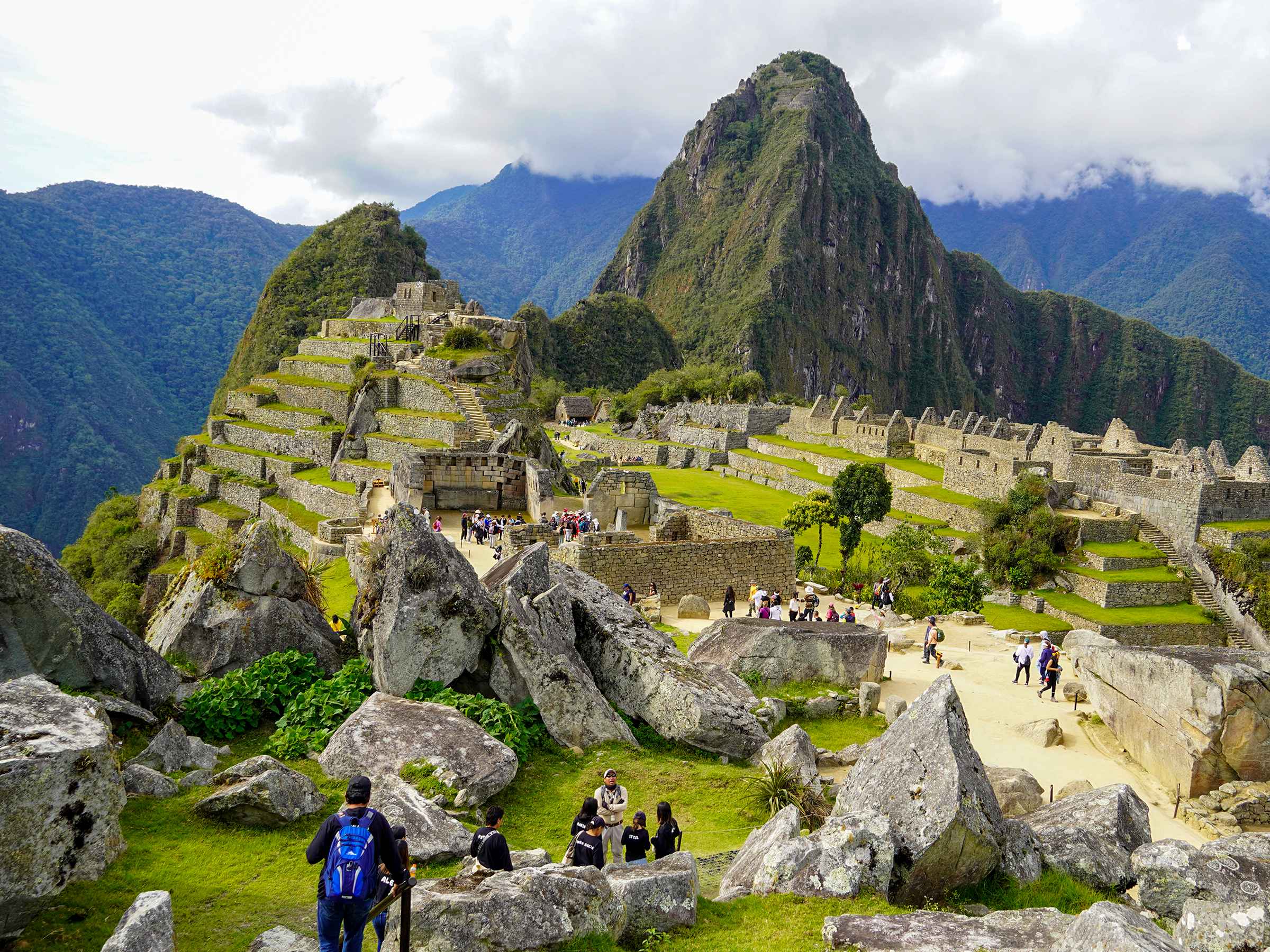
Machu Picchu Seismic Design: How Inca Engineering Defied Earthquakes Machu Picchu stands as a marvel of ancient engineering.…

Machu Picchu Terrace Engineering: How the Incas Mastered Mountain Agriculture Machu Picchu stands as a marvel of ancient…

Machu Picchu Quarry Sources: Where the Incas Obtained Their Building Stone Machu Picchu stands as a marvel of…

Machu Picchu Sacred Mountains Guide: Spiritual Meaning of the Andean Landscape Machu Picchu, the renowned 15th-century Incan citadel,…
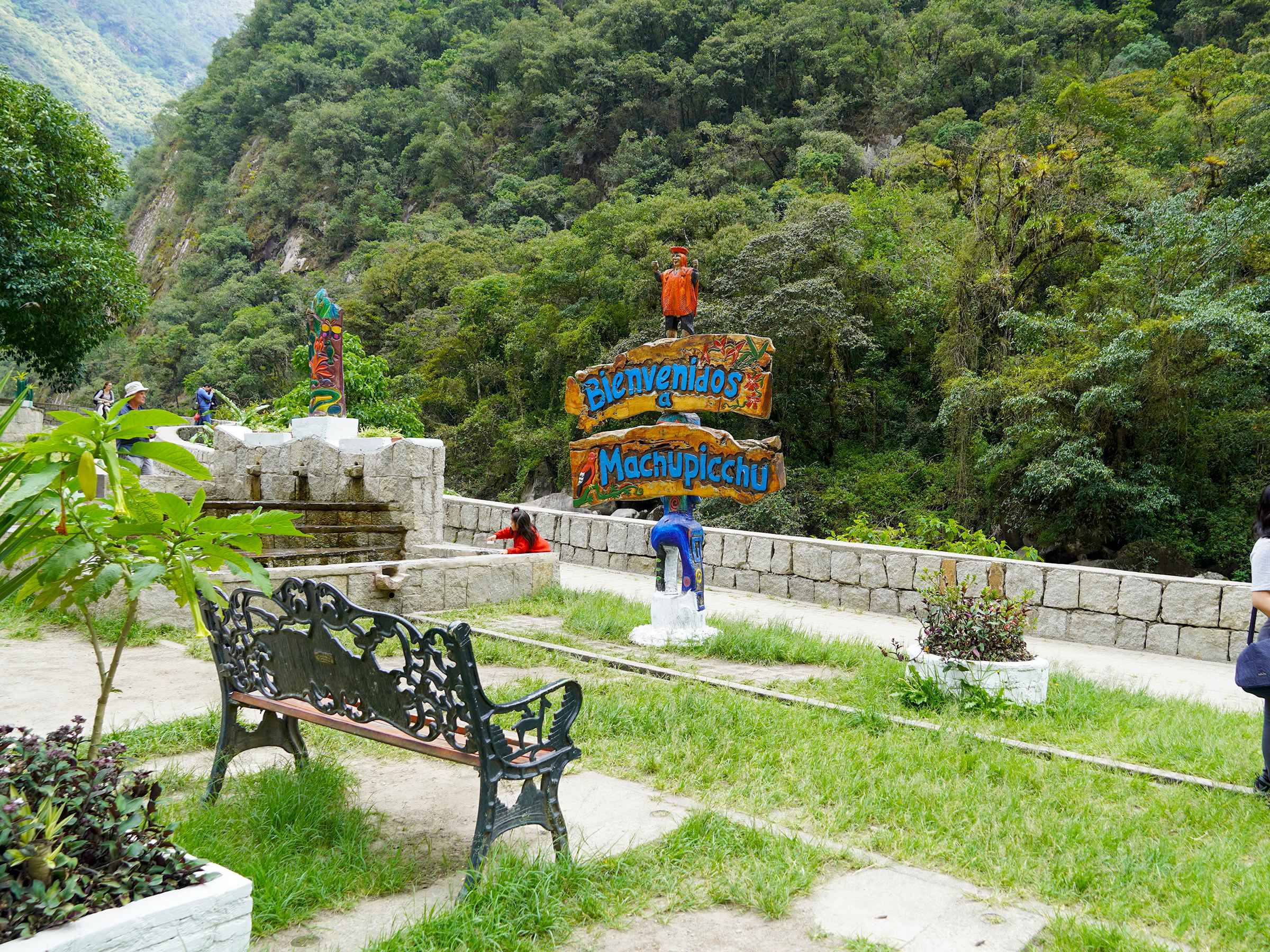
Aguas Calientes Town: The Charming Gateway to Machu Picchu Nestled in the heart of the Andes, Aguas Calientes…

Peru Altitude Guide Peru is a land of breathtaking landscapes and rich cultural heritage. Its diverse geography includes…

Machu Picchu Climb Machu Picchu is a dream destination for many travelers. Nestled high in the Andes, it…

Discover the Amazing Sacred Valley Cusco Nestled in the heart of the Andes, the Sacred Valley of Cusco…

Best time to go to Machu Picchu Machu Picchu is a dream destination for many travelers. Nestled in…

Cusco Altitude Cusco, a city nestled in the Andes, is renowned for its breathtaking altitude. At 11,152 feet…
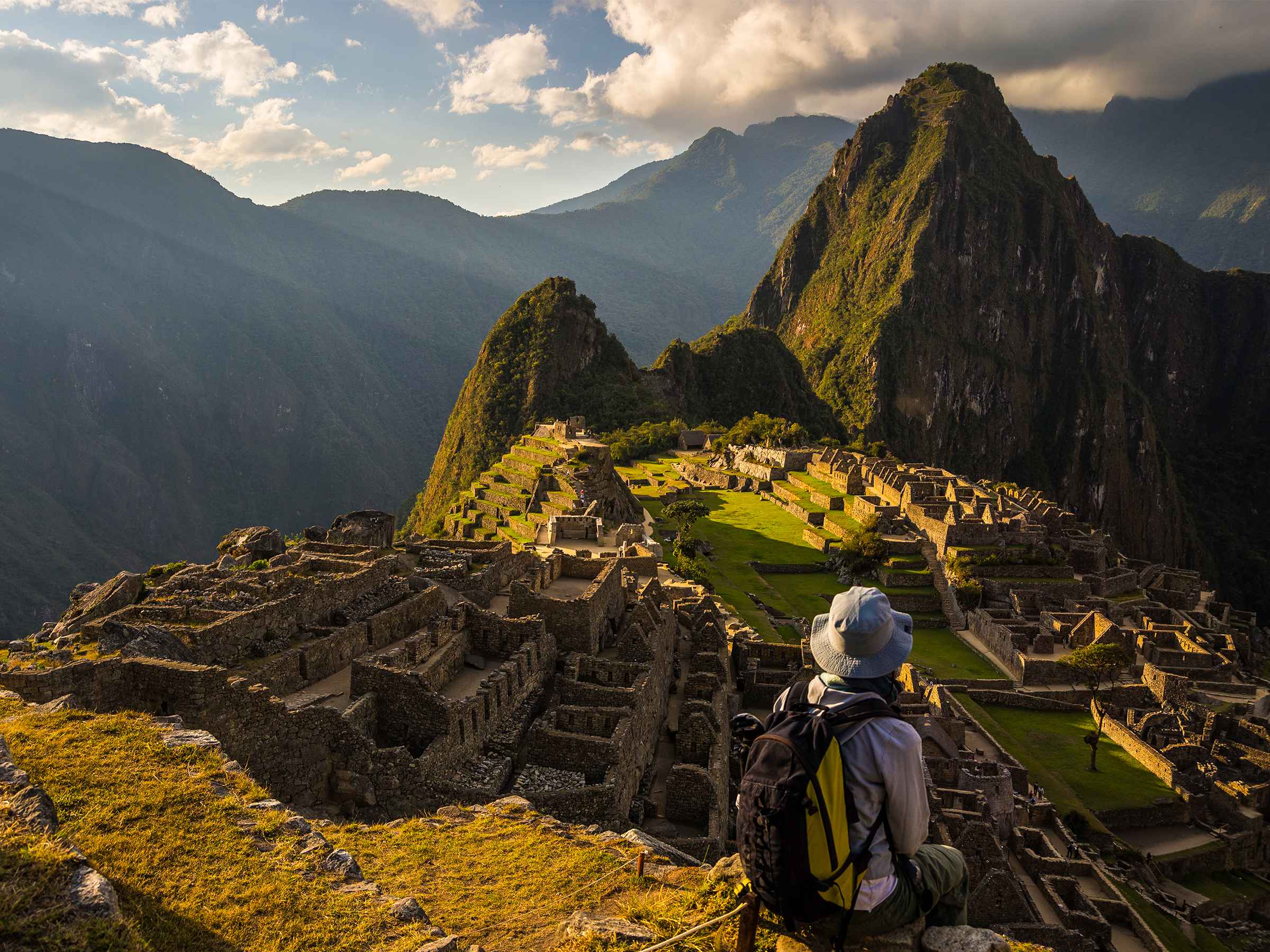
Where is Machu Machu Picchu is a name that sparks curiosity and wonder. Nestled high in the Andes…