
Participating in an Ayahuasca retreat in Peru can become one of the most transformative spiritual experiences for travelers seeking emotional healing, self-discovery, and deeper personal awareness. Rooted in Amazonian traditions dating back centuries, Ayahuasca ceremonies continue to attract people from around the world interested in sacred plant medicine and spiritual growth.
This guide explores Ayahuasca retreats in Peru, including traditional practices, preparation, ceremonies, safety considerations, integration, and the cultural importance of this sacred Amazonian tradition.
Understanding Ayahuasca and Amazonian Healing Traditions
Ayahuasca is a traditional plant medicine used for centuries by indigenous communities throughout the Amazon basin for spiritual ceremonies, healing rituals, and emotional cleansing.
The brew is commonly prepared using the Banisteriopsis caapi vine and the leaves of Psychotria viridis, creating a ceremonial drink associated with introspection, visions, emotional release, and spiritual insight.
For Amazonian cultures, Ayahuasca is not viewed as recreational but as a sacred spiritual practice deeply connected to nature, ancestral wisdom, and traditional healing systems.
The preparation of Ayahuasca itself reflects generations of inherited knowledge and ceremonial tradition passed down through experienced healers and spiritual guides.
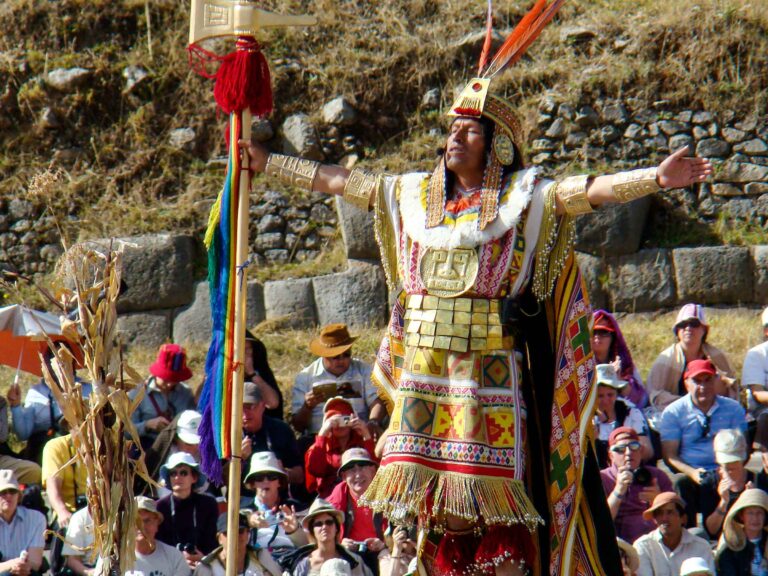
Travelers interested in Peru’s spiritual traditions may also explore Andean spiritual experiences and ceremonies in Cusco.

Ayahuasca Retreats in Peru
The Role of Shamans and Traditional Healers
Traditional healers, often known as shamans, curanderos, or ayahuasqueros, play a central role in Ayahuasca ceremonies.
These spiritual guides usually undergo years of training and apprenticeship to learn ceremonial practices, plant knowledge, healing techniques, and traditional songs known as icaros.
During ceremonies, shamans guide participants through the experience while helping maintain a safe and respectful ceremonial environment.
In many Amazonian and Andean traditions, these ceremonies are considered sacred spiritual practices connected to nature, energy, and ancestral knowledge.
Why Peru Became a Leading Destination for Ayahuasca Retreats
Peru has become one of the world’s most recognized destinations for Ayahuasca retreats because of its strong connection to Amazonian healing traditions and indigenous cultures.
The country’s rainforests, spiritual heritage, and experienced ceremonial practitioners attract travelers seeking authentic cultural and spiritual experiences.
Peru also recognizes traditional medicine practices as part of its cultural heritage, helping preserve indigenous knowledge and ceremonial traditions.
The combination of natural landscapes, spiritual traditions, and local cultural identity creates a unique setting for transformational retreats and healing journeys.
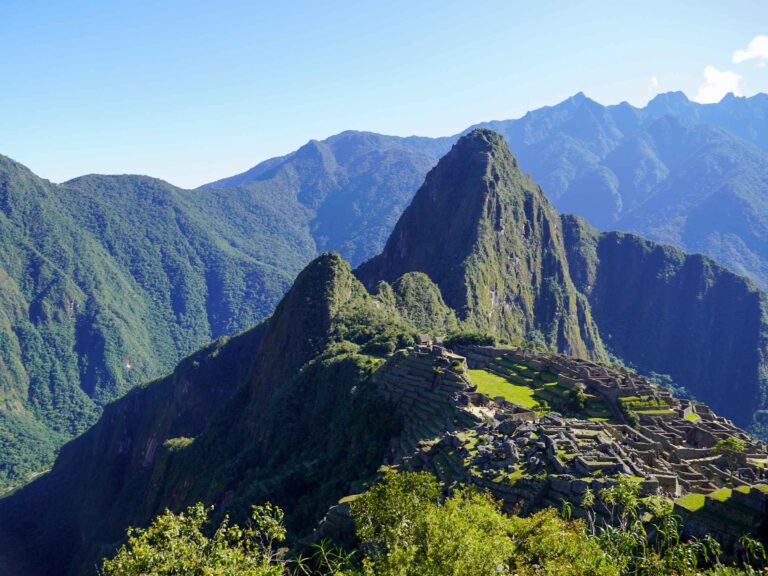
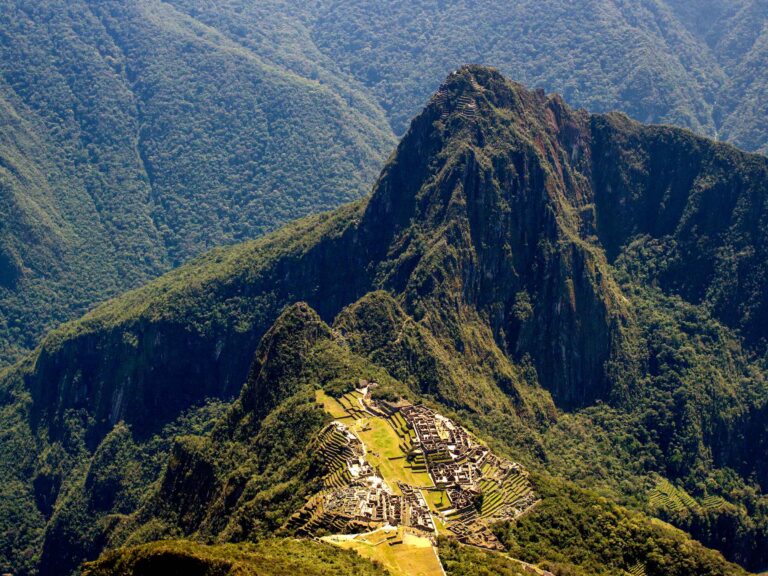
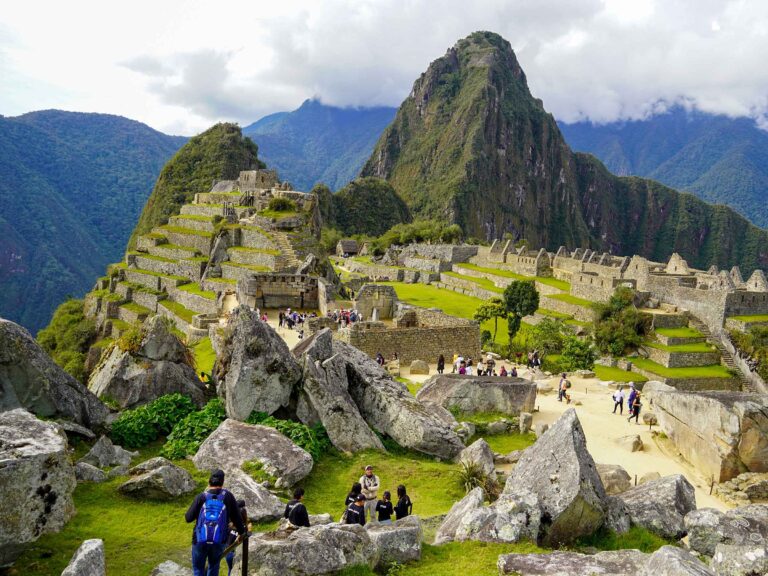
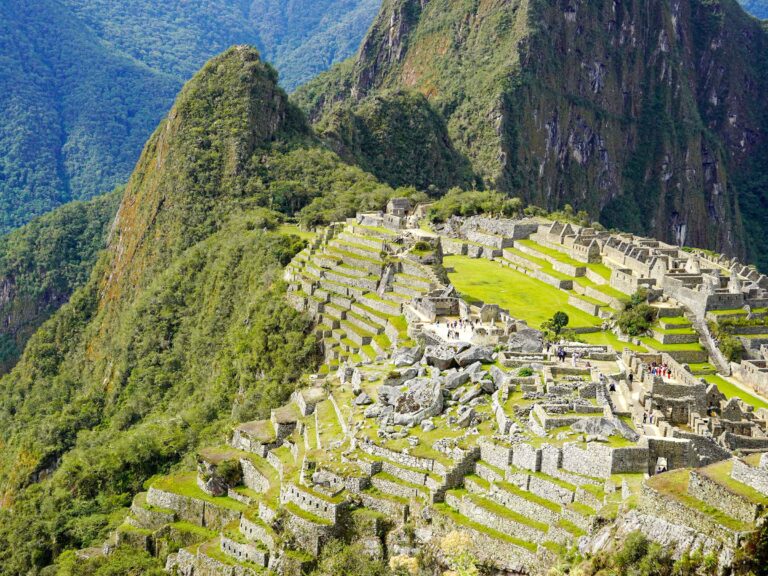
Travelers interested in Peru’s cultural traditions may also enjoy this Cusco, Sacred Valley and Machu Picchu guide.

Preparing for an Ayahuasca Retreat in Peru
Preparation is considered an important part of the Ayahuasca experience.
Most retreat centers recommend participants follow dietary and lifestyle guidelines before attending ceremonies.
Preparation commonly includes:
- Avoiding alcohol and recreational substances
- Reducing processed foods and excessive sugar
- Maintaining emotional and mental balance
- Practicing meditation or self-reflection
- Getting adequate rest before the retreat
Many participants also spend time reflecting on personal intentions and emotional goals before beginning the experience.
Understanding the Ayahuasca Dieta
The pre-retreat diet is traditionally designed to prepare the body and mind for ceremonial participation.
This preparation often focuses on simple meals, reduced stimulation, and avoiding certain foods or medications that may interfere with the ceremony.
Participants should always communicate honestly with retreat facilitators regarding medications, physical health conditions, or emotional concerns before attending any ceremony.
Responsible preparation helps create a safer and more respectful ceremonial environment for everyone involved.
Mental and Emotional Readiness
Ayahuasca ceremonies are often deeply emotional and introspective experiences.
Participants may confront personal fears, memories, emotional patterns, or unresolved experiences during ceremonies.
Approaching the retreat with openness, emotional readiness, and realistic expectations is essential.
Rather than seeking instant solutions, many travelers view the experience as part of a longer personal growth and self-discovery process.
Travelers interested in spiritual growth experiences may also explore the Andes Mystical Heart Journeys.

A shaman in the Coafan region prepares ayahuasca, Ecuador, 2009. (Photo by Wade Davis/Getty Images)
What Happens During an Ayahuasca Ceremony?
Ayahuasca ceremonies commonly take place at night in ceremonial spaces designed for reflection and spiritual work.
Participants usually gather in silence while the shaman begins the ceremony through prayers, blessings, and traditional icaros.
The effects of Ayahuasca vary greatly between individuals and may include:
- Emotional release
- Intense introspection
- Personal reflections
- Visual experiences or symbolic imagery
- Heightened emotional awareness
- Physical sensations or purification
Each experience is deeply personal and may differ significantly from one participant to another.
The Importance of Integration After the Ceremony
Integration refers to the process of reflecting on and applying insights gained during the retreat experience.
Many retreat centers encourage participants to continue self-reflection through journaling, meditation, counseling, or group discussions after ceremonies.
For many people, the most meaningful personal growth occurs after the retreat, as lessons and emotions gradually become integrated into daily life.
Healthy integration practices can help participants process experiences in a balanced and grounded way.

Choosing a Responsible Ayahuasca Retreat
Choosing a responsible and ethical retreat center is one of the most important decisions travelers can make.
Before booking a retreat, participants should carefully research:
- Safety practices
- Experience of facilitators and shamans
- Retreat environment and accommodations
- Medical screening processes
- Participant reviews and testimonials
- Respect for indigenous traditions and communities
Responsible retreat centers prioritize participant safety, transparency, and respect for Amazonian cultural traditions.
Spiritual Tourism and Cultural Respect in Peru
Ayahuasca retreats are closely connected to indigenous knowledge and Amazonian spiritual traditions.
Travelers should approach these experiences respectfully and with cultural sensitivity.
Supporting ethical retreats and local communities helps preserve ancestral traditions while promoting responsible tourism practices in Peru.
Respect for local customs, ceremonies, and spiritual beliefs is essential to participating in any traditional healing experience.
Travelers interested in Andean spirituality may also enjoy the Wachuma Ceremony in Cusco.

Facing Fear and Personal Transformation
For many participants, Ayahuasca ceremonies become opportunities for self-reflection, emotional awareness, and personal transformation.
The experience may encourage individuals to confront fears, emotional patterns, or limiting beliefs that have remained unresolved for years.
While ceremonies can be emotionally challenging, many travelers describe the process as meaningful, introspective, and deeply personal.
The journey often encourages greater self-awareness, mindfulness, and appreciation for personal growth.
Spiritual Sessions and Retreat Experiences in Peru
Kondor Path Tours offers spiritual and cultural experiences designed for travelers interested in traditional ceremonies, personal reflection, and Andean spiritual practices in Peru.
- 1 Day Private Ayahuasca Retreat Cusco
- 2 Day Ayahuasca Retreat Peru
- 3 Day Ayahuasca Retreat Peru
- 4 Day Ayahuasca Retreat Peru
- 5 Day Ayahuasca Retreat Peru
- Wachuma Ceremony Cusco
Related Spiritual and Cultural Guides
- Qoricancha Temple in Cusco
- Cusco, Machu Picchu and the Sacred Valley
- Cusco Cathedral and Colonial Heritage
- Cusco Complete Travel Guide
Conclusion
Ayahuasca retreats in Peru continue to attract travelers seeking spiritual reflection, emotional healing, and meaningful cultural experiences rooted in Amazonian traditions.
Approached responsibly and respectfully, these ceremonies can become deeply personal journeys of introspection and self-discovery.
Understanding the cultural context, preparing adequately, and participating with realistic expectations are essential parts of the experience.
For many travelers, Ayahuasca retreats offer not only spiritual exploration but also a deeper connection with Peru’s living traditions, indigenous wisdom, and sacred landscapes.