
Beat the Heights: Essential Prevention Tips for Altitude Sickness in Cusco, Peru
Understanding Altitude Sickness: What You Need to Know
Altitude sickness, also known as acute mountain sickness (AMS), occurs when you ascend to high elevations too rapidly, and your body struggles to adapt to the lower oxygen levels. This condition is not just a minor inconvenience; it can range from mild symptoms to severe health risks if not managed properly. Understanding altitude sickness is the first step in preventing it and ensuring a safe and enjoyable trip to high-altitude destinations like Cusco, Peru.
The reduced air pressure and lower oxygen concentration at high altitudes cause AMS. When you ascend above 2,500 meters (8,200 feet), the air becomes thinner, and your body needs time to acclimatize to these changes. The severity of altitude sickness can vary based on factors such as the rate of ascent, altitude reached, and individual susceptibility. Symptoms can start to appear within hours of reaching high altitudes, making it crucial to be aware of and prepared for them.
While altitude sickness is a common concern for travelers heading to mountainous regions, it’s important to note that not everyone will experience it. However, being informed about the condition, its symptoms, and prevention strategies can significantly reduce your risk and ensure that your adventure in Cusco remains a positive experience.
Altitude sickness results from the lack of oxygen that originates when an unacclimated person ascends above 2,000 m.s.n.m. In less than 1 or 2 days.
The city of Cusco is situated at an elevation of 3,350 meters.
Symptoms usually occur within 48 hours.
Possible symptoms of altitude sickness:
- Nausea
- Vomiting
- Stomach ache
- A headache
- Lack of appetite
- Physical tiredness
- Insomnia or difficulty falling asleep
Prevention of Altitude Sickness:
However, no matter how optimum a person may be, their physical state does not prevent altitude sickness. Due to the maturity of the nervous system, the susceptibility to contraction is inversely proportional to the subject’s age. Therefore, drugs are not recommended to prevent altitude sickness; it is advised to adapt and acclimate progressively to the altitude.
When you arrive at your accommodation in Cusco, you usually receive a coca mate (coca tea), which gives you two hours of rest. Coca tea is essential to thoroughly enjoying the rest of the trip.
You don’t have to make any effort if you decide to take a walk in the city of Cusco. It is convenient to stroll. However, it is considered optimal under certain conditions, but not in high demand, particularly on the first day.
One key to avoiding altitude sickness is staying hydrated (drink at least 3 liters of water daily), eating little, consuming enough coca mate for its known healing and digestive properties, and following a low-carb diet. Avoid alcohol, tobacco, and heavy food.
If you feel short of breath, ask for assistance upon arrival at Cusco airport.
If you have any doubts, you should consult your doctor before making the trip to Cusco to obtain more information about altitude sickness and learn how to act if you suffer any symptoms.
Why Cusco is a High-Altitude Destination
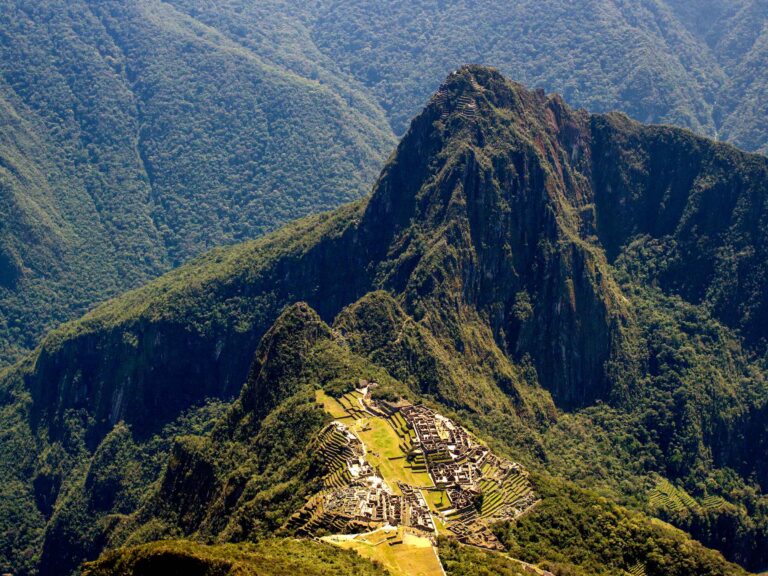
Cusco, the historic capital of the Inca Empire, is perched at an impressive altitude of approximately 3,400 meters (11,200 feet) above sea level. This elevation makes it one of the highest major cities in the world and a prime location for experiencing the effects of high altitude. The city’s unique position in the heart of the Andes offers breathtaking views and a rich tapestry of cultural heritage. Still, it also presents challenges for those unaccustomed to such heights.
Cusco’s elevation is a key reason why altitude sickness is a common concern for visitors. The city’s thin air means that there is significantly less oxygen available for your body to use, which can lead to symptoms of AMS if you are not properly acclimatized. The combination of steep terrain, historic sites, and outdoor activities can further increase the physical demands placed on your body, making proper preparation essential.
Understanding Cusco’s high altitude is crucial for planning a safe and enjoyable trip. By taking the necessary precautions and allowing your body time to adjust, you can fully appreciate the beauty and history of this remarkable destination without the discomfort of altitude sickness.
Symptoms of Altitude Sickness: Recognizing the Signs
Recognizing the symptoms of altitude sickness is vital for early intervention and effective management. The onset of AMS can be subtle, but identifying the signs can help you take action before the condition worsens. Common symptoms of mild altitude sickness include headache, nausea, dizziness, fatigue, and shortness of breath. These symptoms can often be mistaken for general travel fatigue; therefore, it’s essential to be vigilant, especially if they appear shortly after arriving at a high altitude.
As AMS progresses, symptoms can become more severe and debilitating. Moderate altitude sickness may present with increased headache intensity, persistent nausea and vomiting, difficulty sleeping, and swelling of the hands, feet, or face. Severe altitude sickness, which includes high altitude cerebral edema (HACE) and high altitude pulmonary edema (HAPE), is a medical emergency and requires immediate descent and medical attention. Symptoms of HACE include confusion, impaired coordination, and difficulty walking, while HAPE may cause a persistent cough, fluid accumulation in the lungs, and extreme shortness of breath.
Being able to identify these symptoms and understand their severity can help you make informed decisions about your health and safety while traveling in high-altitude regions, such as Cusco. If you or someone in your group begins to exhibit signs of altitude sickness, taking prompt action can prevent the condition from escalating and ensure a safe and enjoyable trip.
Risk Factors: Who is Most Vulnerable?
Altitude sickness can affect anyone, regardless of age, fitness level, or previous experience with high altitudes. However, certain factors can increase your vulnerability to AMS. One of the primary risk factors is the rate of ascent. Rapidly ascending to high altitudes without allowing sufficient time for acclimatization significantly increases the risk of developing altitude sickness. If you are traveling to Cusco from sea level or low-altitude regions, it’s essential to plan a gradual ascent whenever possible.
Individual susceptibility also plays a significant role in the likelihood of experiencing altitude sickness. Some people are naturally more prone to AMS due to genetic factors or personal health history. Previous experiences with altitude sickness can be an indicator of your susceptibility, although this is not always the case. It’s essential to be aware of your body’s response to high altitudes and take preventive measures accordingly.
Other risk factors include the level of physical exertion at high altitudes and pre-existing medical conditions. Engaging in strenuous activities, such as hiking or trekking, without proper acclimatization can increase the risk of AMS. Additionally, individuals with respiratory or cardiovascular conditions may be more vulnerable to the effects of high altitude. Consulting with a healthcare professional before your trip can help you understand your personal risk factors and take appropriate precautions.
Essential Tips for Preventing Altitude Sickness
Prevention is key when it comes to altitude sickness, and several strategies can be employed to reduce your risk. One of the most effective methods is gradual acclimatization. This involves spending a few days at intermediate altitudes before ascending to higher elevations. For example, if you’re traveling to Cusco, consider spending a couple of nights in a nearby lower-altitude city like Arequipa or the Sacred Valley to allow your body to adjust.
Staying well-hydrated is another crucial factor in preventing altitude sickness. Dehydration can exacerbate the symptoms of AMS, so it’s essential to drink plenty of water throughout your trip. Avoid alcohol and caffeine, as these can contribute to dehydration and interfere with your body’s ability to acclimatize. Instead, focus on consuming hydrating fluids and electrolyte-rich beverages.
Pacing yourself and avoiding overexertion is also essential. Give your body time to adapt by taking it easy during the first few days at high altitude. Engage in light activities and avoid strenuous exercise until you feel more acclimatized. Listening to your body and recognizing when to rest can help prevent the onset of altitude sickness and ensure a more enjoyable experience.
The Role of Acclimatization in High-Altitude Travel
Acclimatization is the process by which your body gradually adjusts to the lower oxygen levels at high altitudes. This natural adaptation is crucial for preventing altitude sickness and ensuring your overall well-being during your trip. The key to successful acclimatization is giving your body enough time to adapt, which means ascending slowly and allowing for rest periods at intermediate altitudes.
Spending your first few days at a moderate altitude, such as the Sacred Valley, can help your body begin the acclimatization process before you reach the higher altitude of Cusco. During this time, it’s essential to stay active but avoid overexertion. Light activities, such as gentle walks and short hikes, can help your body acclimate without putting too much strain on it.
In addition to gradual ascent and rest, it’s essential to monitor your body’s response to the altitude and adjust your plans accordingly. If you start to experience symptoms of altitude sickness, consider descending to a lower altitude until you feel better. It’s also helpful to communicate with your travel companions and guide, as they can provide support and assistance if needed.
Hydration and Nutrition: Fueling Your Body for the Heights
Proper hydration and nutrition are essential components of preventing altitude sickness and ensuring your body is well-prepared for the demands of high-altitude travel. Staying hydrated helps maintain your body’s fluid balance and supports the acclimatization process. Aim to drink at least 3-4 liters of water per day, and increase your intake if you are engaging in physical activities.
In addition to water, consider incorporating electrolyte-rich beverages into your hydration routine. Electrolytes, such as sodium, potassium, and magnesium, are essential for maintaining proper fluid balance and supporting muscle function. Sports drinks or electrolyte tablets can be a convenient way to replenish these vital minerals and prevent dehydration.
Nutrition also plays a crucial role in preparing your body for high altitude. Consuming a balanced diet with a mix of carbohydrates, proteins, and healthy fats can provide the energy and nutrients your body needs to function optimally. Carbohydrates are particularly important, as they are the primary source of energy for your muscles and brain. Focus on whole grains, fruits, and vegetables to ensure you are getting a variety of vitamins and minerals.
Medications and Supplements: What to Consider
In addition to acclimatization, hydration, and nutrition, certain medications and supplements can help prevent and manage altitude sickness. One of the most commonly recommended medications is acetazolamide (Diamox), which helps your body adjust to high altitudes by increasing the rate of breathing and reducing fluid build-up. It is typically taken 24-48 hours before ascending to high altitudes and continued for a few days after arrival.
Before taking acetazolamide, it’s essential to consult with your healthcare provider to ensure it’s appropriate for you and to discuss any potential side effects. Some individuals may experience tingling in the fingers and toes, increased urination, or a metallic taste in the mouth. Your healthcare provider can help you weigh the benefits and risks and determine the best dosage for your needs.
Herbal supplements, such as ginkgo biloba, have also been suggested to help with altitude acclimatization. Ginkgo biloba is believed to improve blood circulation and oxygen delivery to the tissues, which may help reduce the symptoms of altitude sickness. However, the effectiveness of such supplements can vary, and it’s essential to discuss their use with your healthcare provider before incorporating them into your prevention plan.
What to Do if You Experience Symptoms
Despite your best efforts to prevent altitude sickness, there is still a possibility that you may experience symptoms. If you start to feel unwell, it’s essential to take immediate action to prevent the condition from worsening. The first step is to recognize the symptoms and assess their severity. Mild symptoms, such as headache and nausea, can often be managed with rest, hydration, and over-the-counter pain relievers.
If your symptoms persist or worsen, it’s crucial to descend to a lower altitude as soon as possible. Descending even a few hundred meters can provide significant relief and reduce the risk of complications. In severe cases, such as high altitude cerebral edema (HACE) or high altitude pulmonary edema (HAPE), immediate descent and medical attention are necessary. These conditions can be life-threatening and require prompt treatment.
In addition to descending, consider using supplemental oxygen if available. Oxygen therapy can help alleviate symptoms and improve your overall well-being. It’s also beneficial to communicate with your travel companions and guide, as they can provide support and assistance in managing your symptoms. If necessary, seek medical help from a local healthcare provider to ensure you receive appropriate care and treatment.
Conclusion: Enjoying Your Trip to Cusco Safely
Cusco, with its rich history, vibrant culture, and stunning landscapes, is a destination that promises an unforgettable adventure. By understanding the risks of altitude sickness and taking proactive measures to prevent it, you can fully immerse yourself in the magic of this ancient city without the discomfort and challenges of AMS. Gradual acclimatization, proper hydration, balanced nutrition, and awareness of symptoms are key strategies for ensuring a safe and enjoyable trip.
As you prepare for your journey, remember that altitude sickness can affect anyone, regardless of age or fitness level. Being informed and prepared can make all the difference in your experience. Consult with your healthcare provider, plan your itinerary with acclimatization in mind, and stay vigilant for any signs of altitude sickness. With the proper precautions, you can beat the heights and create lasting memories in the heart of the Andes.
Traveling to high-altitude destinations like Cusco requires a thoughtful approach to health and safety. By following these essential prevention tips, you can minimize the risk of altitude sickness and focus on the incredible beauty and cultural richness that await you. Enjoy your journey, take in the breathtaking views, and let the spirit of the Andes guide you through an unforgettable adventure.