
Unveiling the Secrets of Puka Pukara: A Journey Through Peru’s Majestic Archaeological Complex
Nestled in the breathtaking landscapes of Peru, Puka Pukara stands as a silent sentinel of history, inviting adventurers and history enthusiasts alike to unravel its mysteries. This majestic archaeological complex, located just a stone’s throw from the vibrant city of Cusco, is more than just a collection of ancient stone walls; it is a testament to the ingenuity and resilience of the Inca civilization. As you wander through the labyrinthine pathways and gaze upon the sprawling terraces, you will feel the whispers of the past echoing around you. Join us on a journey that uncovers the secrets of Puka Pukara, exploring its strategic significance, architectural marvels, and the legends that have woven through the ages. Whether you’re a seasoned traveler or a curious novice, this exploration promises to ignite your passion for history and offer a unique glimpse into the heart of Peru’s cultural heritage. Prepare to be captivated!

Guide to visit Puca Pucara
Historical Significance of Puka Pukara
Puka Pukara, meaning “Red Fortress” in Quechua, holds an esteemed place in the annals of Inca history. Perched at an elevation of approximately 3,700 meters above sea level, this archaeological complex was a strategic military and administrative hub during the height of the Inca Empire. Its commanding location offered panoramic views of the surrounding valleys and mountains, making it an ideal lookout point for monitoring and controlling movements within the region. The fortress-like structure signifies the Incas’ strategic acumen and their ability to harness the natural landscape to their advantage.
Historical records suggest that Puka Pukara was built during the reign of Pachacuti Inca Yupanqui, one of the most celebrated rulers of the Inca civilization. Pachacuti is credited with expanding the empire and consolidating its power, and Puka Pukara played a crucial role in these endeavors. The complex served as a military outpost and a checkpoint along the Inca road system, known as the Qhapaq Ñan, which connected various parts of the vast empire. The fortress’s presence ensured the security of the routes and facilitated the transportation of goods, troops, and information.
Beyond its military and administrative functions, Puka Pukara also held ceremonial significance. The site is believed to have been used for rituals and religious ceremonies, reflecting the Incas’ deep connection with their deities and the natural world. The presence of water channels and baths within the complex indicates that it may have been a place of purification and spiritual renewal. The dual role of Puka Pukara as a fortress and a ceremonial site underscores the multifaceted nature of Inca architecture and their ability to create spaces that served both practical and spiritual purposes.
Architectural Features of the Complex
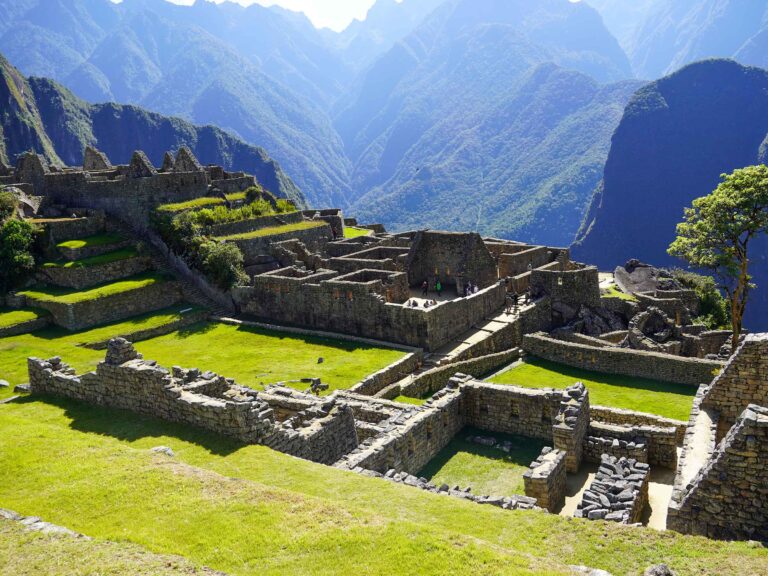
The architectural marvels of Puka Pukara are a testament to the ingenuity and craftsmanship of the Inca civilization. The complex is characterized by its imposing walls, constructed from precisely cut stones that fit together seamlessly without mortar. This technique, known as ashlar masonry, is a hallmark of Inca architecture and demonstrates their advanced engineering skills. The stones were meticulously shaped and polished to create a smooth surface, and their interlocking design provided stability and resistance to earthquakes, which are common in the region.
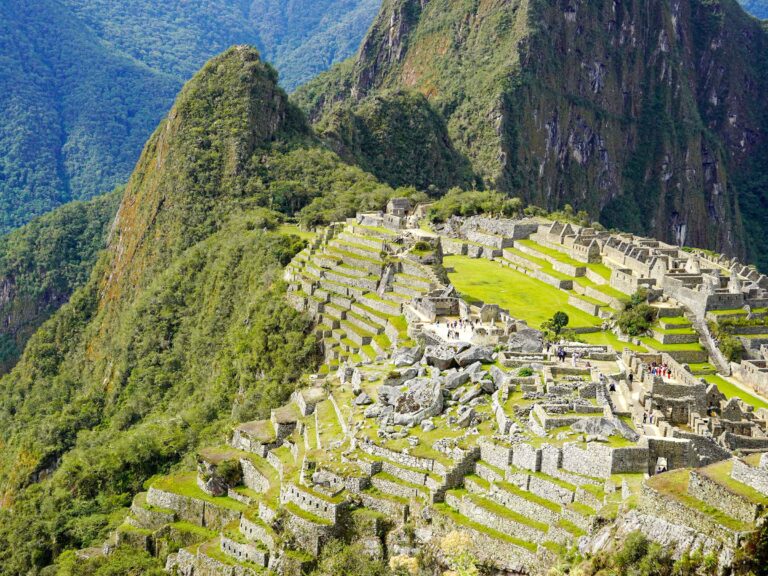
One of the most striking features of Puka Pukara is its tiered terraces, which cascade down the hillside in a series of steps. These terraces were not only aesthetically pleasing but also served practical purposes. They helped to prevent soil erosion and manage water runoff, ensuring that the site remained stable and sustainable. The terraces were also used for agricultural purposes, allowing the Inca to cultivate crops in the challenging mountainous terrain. The careful planning and execution of these terraces reflect the Incas’ deep understanding of their environment and their ability to adapt to it.
The layout of Puka Pukara is another remarkable aspect of its architecture. The complex is divided into several distinct sections, each with its own unique function. The main entrance, flanked by large stone walls, leads to a central plaza that was likely used for gatherings and ceremonies. Surrounding the plaza are various buildings, including storage rooms, living quarters, and administrative offices. The presence of these structures indicates that Puka Pukara was a self-sufficient community, capable of supporting its inhabitants and fulfilling its strategic and ceremonial roles.

The Role of Puka Pukara in Incan Society
Puka Pukara’s role in Incan society was multifaceted and essential to the empire’s functioning. As a military outpost, it played a crucial role in maintaining the region’s security and stability. The fortress’s strategic location allowed the Inca to monitor and control the movement of people and goods along the vital trade routes. Soldiers stationed at Puka Pukara could respond quickly to threats or invasions, ensuring the safety of the surrounding areas and maintaining the integrity of the empire’s borders.
In addition to its military functions, Puka Pukara also served as an administrative center. The presence of storage rooms and administrative offices within the complex suggests that it was used to manage and distribute resources, collect taxes, and oversee local governance. The Inca Empire was highly organized and relied on a complex administrative system to maintain control over its vast territories. Puka Pukara was an integral part of this system, providing a hub for the collection and dissemination of information and resources.
Puka Pukara’s ceremonial significance cannot be overlooked. The presence of ritual baths and water channels within the complex indicates that it was a site of spiritual importance. The Inca believed in the sanctity of water and its ability to purify and renew. Rituals and ceremonies conducted at Puka Pukara would have reinforced the spiritual connection between the people and their deities, fostering a sense of unity and cultural identity. The site’s dual role as a military and ceremonial center highlights the interconnectedness of the Incas’ political, social, and religious spheres.

Exploring the Surrounding Landscape
The landscape surrounding Puka Pukara is as captivating as the complex itself, offering a diverse range of natural and cultural attractions. The site is located in the heart of the Sacred Valley, a region renowned for its stunning beauty and historical significance. The valley is flanked by towering mountains and lush green fields, creating a picturesque setting that invites exploration and adventure. Hiking trails crisscross the area, leading visitors through breathtaking scenery and offering opportunities to discover hidden gems along the way.
One of the most notable nearby attractions is the Tambomachay archaeological site, located just a short distance from Puka Pukara. Known as the “Bath of the Inca,” Tambomachay features a series of aqueducts, canals, and waterfalls that showcase the Inca’s advanced hydraulic engineering skills. The site is believed to have been a place of rest for the Inca elite and a ceremonial center dedicated to the worship of water. The intricate stonework and serene atmosphere of Tambomachay make it a must-visit destination for anyone exploring the Sacred Valley.
The surrounding landscape is also home to a rich array of flora and fauna. The region’s diverse ecosystems provide habitats for a variety of plant and animal species, many of which are unique to the Andes. Birdwatchers will delight in the opportunity to spot a range of avian species, including the Andean condor, one of the largest flying birds in the world. The combination of natural beauty and cultural heritage makes the area around Puka Pukara a treasure trove of experiences for nature lovers and history enthusiasts alike.
How to Get to Puka Pukara
Reaching Puka Pukara is an adventure in itself, offering travelers a chance to experience Peru’s stunning landscapes and rich cultural heritage. The complex is conveniently located just 7 kilometers from Cusco, making it easily accessible for visitors. Cusco is well-connected to major cities in Peru and other countries, with frequent flights arriving at Alejandro Velasco Astete International Airport. From the airport, travelers can take a taxi or public transportation to the city center.
Once in Cusco, there are several options for reaching Puka Pukara. Many visitors choose a guided tour, which offers expert insights into the site’s history and significance. Tours typically include transportation to and from the complex, as well as visits to other nearby attractions such as Tambomachay and Sacsayhuamán. For those who prefer to explore independently, taxis and buses are readily available from Cusco to the site. The journey takes approximately 20 minutes by car, making it a convenient day trip.
For the more adventurous traveler, hiking to Puka Pukara is a rewarding option. The Inca Trail, a network of ancient pathways, offers a scenic route that leads from Cusco to the complex. The hike provides an immersive experience, allowing visitors to follow in the footsteps of the Inca and take in the breathtaking scenery along the way. The trail is well-marked and suitable for hikers of moderate fitness, though hikers should be prepared for the high altitude and variable weather.
Best Time to Visit Puka Pukara
The best time to visit Puka Pukara largely depends on the type of experience you seek and your preferences for weather and crowd levels. Peru’s climate is divided into two main seasons: the dry and rainy seasons. The dry season, which runs from May to October, is generally considered the best time to visit Puka Pukara. During these months, the weather is typically sunny and mild, with clear skies that offer stunning views of the surrounding landscape.
The dry season is also the peak tourist season, so visitors can expect larger crowds at popular sites like Puka Pukara. However, the complex’s well-preserved condition and the expansive nature of the site mean it rarely feels overcrowded. The pleasant weather makes it an ideal time for outdoor activities such as hiking and exploring the Sacred Valley. Additionally, several cultural festivals take place during the dry season, providing a unique opportunity to experience the vibrant traditions and celebrations of the local communities.
The rainy season, which runs from November to April, brings more variable weather. While the rain can make travel and outdoor activities more challenging, it also has its advantages. The landscape becomes lush and verdant, with blooming flowers and flowing rivers creating a picturesque setting. The lower tourist numbers during this period mean visitors can enjoy a more tranquil, intimate experience at Puka Pukara. For those who don’t mind a bit of rain, the rainy season offers a different perspective on the region’s beauty.
Tips for Exploring Puka Pukara
Exploring Puka Pukara requires some preparation to ensure a safe and enjoyable experience. One of the most critical considerations is acclimatizing to the high altitude. At an elevation of 3,700 meters, altitude sickness can be a concern for visitors who are not accustomed to such heights. It is recommended to spend a few days in Cusco before visiting Puka Pukara to allow your body to adjust. Staying hydrated, avoiding strenuous activities, and consuming coca tea, a traditional remedy, can help mitigate the effects of altitude sickness.
Comfortable footwear is essential for navigating the uneven terrain of Puka Pukara. The site features stone pathways and terraces that can be slippery, especially after rain. Wearing sturdy, non-slip shoes will provide the support and grip needed to explore the complex safely. Additionally, the high altitude and variable weather conditions mean that temperatures can fluctuate throughout the day. Dressing in layers and bringing a hat, sunscreen, and rain gear will ensure that you are prepared for any weather.
Hiring a knowledgeable guide can significantly enhance your visit to Puka Pukara. Guides can provide valuable insights into the site’s history, architecture, and cultural significance, bringing the ancient stones to life with their stories. Many guided tours also include visits to nearby attractions, offering a comprehensive experience of the region. Whether you choose to explore independently or with a guide, taking the time to immerse yourself in the site thoroughly and its surroundings will make your visit to Puka Pukara a memorable and enriching experience.
Other Nearby Archaeological Sites to Visit
The region around Puka Pukara is rich in archaeological treasures, offering visitors a chance to delve deeper into the history and culture of the Inca civilization. One of the most famous nearby sites is Sacsayhuamán, a massive fortress located just outside of Cusco. Known for its impressive stone walls, some weighing over 100 tons, Sacsayhuamán is a testament to the Incas’ engineering prowess. The site also offers panoramic views of Cusco and the surrounding landscape, making it a popular destination for both history buffs and photographers.
Another must-visit site is Q’enqo, a labyrinthine complex that features a series of tunnels, chambers, and altars carved into the rock. Q’enqo is believed to have been a ceremonial center, and its intricate carvings and mysterious passages continue to captivate visitors. The site’s unique design and the presence of a large amphitheater-like area suggest that it was used for rituals and public ceremonies. Exploring the winding pathways of Q’enqo offers a fascinating glimpse into the spiritual and cultural practices of the Inca.
A visit to the Sacred Valley would not be complete without seeing the archaeological site of Pisac. Located about 33 kilometers from Cusco, Pisac is renowned for its well-preserved terraces, temples, and residential areas. The site overlooks the picturesque Urubamba River and offers stunning views of the valley below. Pisac is also home to a vibrant market where visitors can purchase traditional crafts, textiles, and souvenirs. The combination of historical significance and local culture makes Pisac a highlight of any trip to the region.
Conclusion: The Legacy of Puka Pukara
Puka Pukara stands as a remarkable testament to the ingenuity, resilience, and cultural richness of the Inca civilization. Its strategic location, architectural marvels, and multifaceted role in Inca society highlight the sophistication and complexity of this ancient empire. As visitors wander through the stone pathways and terraces of Puka Pukara, they are transported back in time, gaining a deeper understanding of the Incas’ connection to their environment, their spiritual beliefs, and their administrative prowess.
The legacy of Puka Pukara extends beyond its historical significance. The site continues to inspire awe and admiration among modern-day visitors, drawing people from around the world to experience its beauty and mystery. The preservation and study of Puka Pukara contribute to our collective knowledge of the past, offering valuable insights into the achievements and challenges of the Inca civilization. As we uncover the secrets of Puka Pukara, we are reminded of the importance of preserving our cultural heritage and honoring the legacy of those who came before us.
Whether you are a seasoned traveler, a history enthusiast, or a curious novice, a journey to Puka Pukara promises to be a captivating and enriching experience. The site’s breathtaking landscapes, architectural wonders, and rich history offer a unique glimpse into the heart of Peru’s cultural heritage. As you stand amidst the ancient stones of Puka Pukara, listening to the whispers of the past, you will find yourself connected to a legacy that continues to shape and inspire the world today.

Kondor Path Tours has earned an outstanding reputation on TripAdvisor, consistently receiving high ratings and glowing reviews from travelers. Guests frequently highlight the agency’s exceptional organization, knowledgeable guides, and attention to detail, ensuring every journey is seamless and memorable.
From expertly planned itineraries to personalized customer service, Kondor Path Tours stands out as a trusted name for exploring Peru’s wonders.
Curious about what others are saying? Check out the TripAdvisor reviews here to see why Kondor Path Tours is a top choice for unforgettable adventures in Peru!