Vinicunca, also known as Rainbow Mountain, is a breathtaking natural wonder located in Peru’s Andes Mountains. With its vibrant colors and striking landscapes, it’s no wonder that adventurers from around the world flock to experience its beauty. The mountain’s unique hues are a result of mineral deposits, creating a spectrum of colors that is both enchanting and surreal.
However, at an altitude of approximately 5,200 meters (about 17,060 feet), visiting Vinicunca requires careful preparation and acclimatization to avoid the challenges of altitude sickness. This spectacular destination offers not only a visual feast but also a physical challenge, making acclimatization an essential part of your journey. In this guide, we will discuss crucial strategies for acclimatizing effectively and ensuring a safe and enjoyable visit to this stunning destination.
As you ascend to higher altitudes, the air becomes thinner, and oxygen levels decrease. This can lead to altitude sickness, a condition that affects many travelers. The lack of oxygen at such elevations can make even simple tasks strenuous, underscoring the importance of acclimatization. Symptoms range from mild headaches and dizziness to severe complications that can ruin your trip or even become life-threatening. Understanding these risks is the first step toward a successful trek.
Giving your body time to adapt can significantly reduce the risk of altitude sickness. This process involves physiological changes, such as increased breathing rate and red blood cell production, helping your body cope with reduced oxygen availability. Proper acclimatization allows you to enjoy your visit to Vinicunca without the discomfort and risks associated with rapid altitude gain. Moreover, acclimatization can enhance your overall experience, allowing you to fully appreciate the stunning vistas without the distraction of physical discomfort.
It is generally recommended to spend 2 to 3 days acclimatizing in Cusco or nearby areas before attempting the trek to Vinicunca. Cusco, at an altitude of 3,400 meters (11,152 feet), provides an ideal environment for this gradual adaptation. This gradual acclimatization allows your body to adjust to the higher elevations, reducing the likelihood of severe altitude sickness symptoms. During these days, you can explore Cusco’s rich cultural heritage while your body adjusts to the thinner air. Engaging in light activities and avoiding strenuous exertion during this period can further aid acclimatization.
These techniques can help increase oxygen intake and improve circulation, making it easier for your body to cope with high altitudes. By focusing on your breathing, you can enhance oxygen delivery to your muscles and organs, reducing the physical strain of high-altitude trekking.
Diaphragmatic breathing, also known as deep breathing, involves taking slow, deep breaths that fully expand your lungs. This technique encourages the use of the diaphragm rather than shallow chest breathing, which is less efficient. Here’s how you can practice it:
Practicing diaphragmatic breathing regularly can help you acclimate more efficiently and reduce the effects of altitude. Incorporating this breathing technique into your daily routine, even before your trip, can build a habit that will support you at higher elevations.
Here are some practical steps to minimize your risk. By taking preventive measures, you can ensure that your experience at Rainbow Mountain is both safe and memorable.
Staying hydrated is vital at high altitudes. The dry mountain air can lead to quicker dehydration, exacerbating altitude sickness symptoms. Drink plenty of water before and during your trek to avoid dehydration. Additionally, maintain a balanced diet rich in carbohydrates, as they provide energy and help your body use oxygen more efficiently. Foods like whole grains, fruits, and vegetables can support your body’s energy needs and aid acclimatization.
Whenever possible, opt for a gradual ascent to allow your body time to adjust. Ascending too quickly doesn’t give your body enough time to acclimatize, increasing the risk of altitude sickness. Avoid rapid altitude gains, and consider breaking up your journey with rest days in higher-altitude locations. This approach not only helps with acclimatization but also allows you to explore more of the region.
Consult with a healthcare professional before your trip about medications such as acetazolamide (Diamox), which can help prevent altitude sickness. This medication works by encouraging acclimatization processes in the body, but it’s essential to start taking it a day or two before ascending. Be sure to discuss any potential side effects and dosage recommendations. Having a medical kit with necessary medications can also provide peace of mind during your trek.
Common symptoms include:
If you experience any of these symptoms, it’s essential to rest and, if possible, descend to a lower altitude. Early recognition and response can prevent the progression to more severe conditions. Ignoring symptoms can lead to more severe conditions, such as high-altitude cerebral edema (HACE) or high-altitude pulmonary edema (HAPE). These conditions require immediate medical attention and can be life-threatening if not addressed promptly.
This can impact your physical performance and cause fatigue more quickly. Understanding this factor can help you pace yourself during the trek and avoid overexertion. Knowing your limits and listening to your body are crucial components of a successful high-altitude trek.
To manage oxygen levels effectively, consider the following tips:
Following a structured approach can make the difference between a challenging experience and an enjoyable adventure.
Visiting Vinicunca is an unforgettable experience, but it requires careful preparation to ensure a safe and enjoyable trek. By understanding the importance of acclimatization, practicing effective breathing techniques, and taking preventive measures against altitude sickness, you can make the most of your adventure at Rainbow Mountain. Remember, the key to a successful visit is to allow your body the time and resources it needs to adapt to the high-altitude environment. By following these guidelines, you not only protect your health but also enhance your appreciation of the stunning beauty that awaits you. Safe travels and enjoy the breathtaking beauty of Vinicunca!
Vinicunca is in the Cusco region and has two well-defined rainy and dry seasons. The temperature along the route to Vinicunca, the Rainbow Mountain, can range from 0 °C to 25 °C, depending on the season.

The rainy season runs from November through March. Due to climatic variations and frequent rainfall, engaging in adventure tourism or taking long walks in Cusco is not advisable. But if you can do small tours within the city,
This season runs from April to October. This time is perfect for all types of sightseeing in Cusco; rainfall is minimal. However, carrying a rainponcho among your things is always suggested because, despite being in the dry season, there is the possibility of witnessing rain.
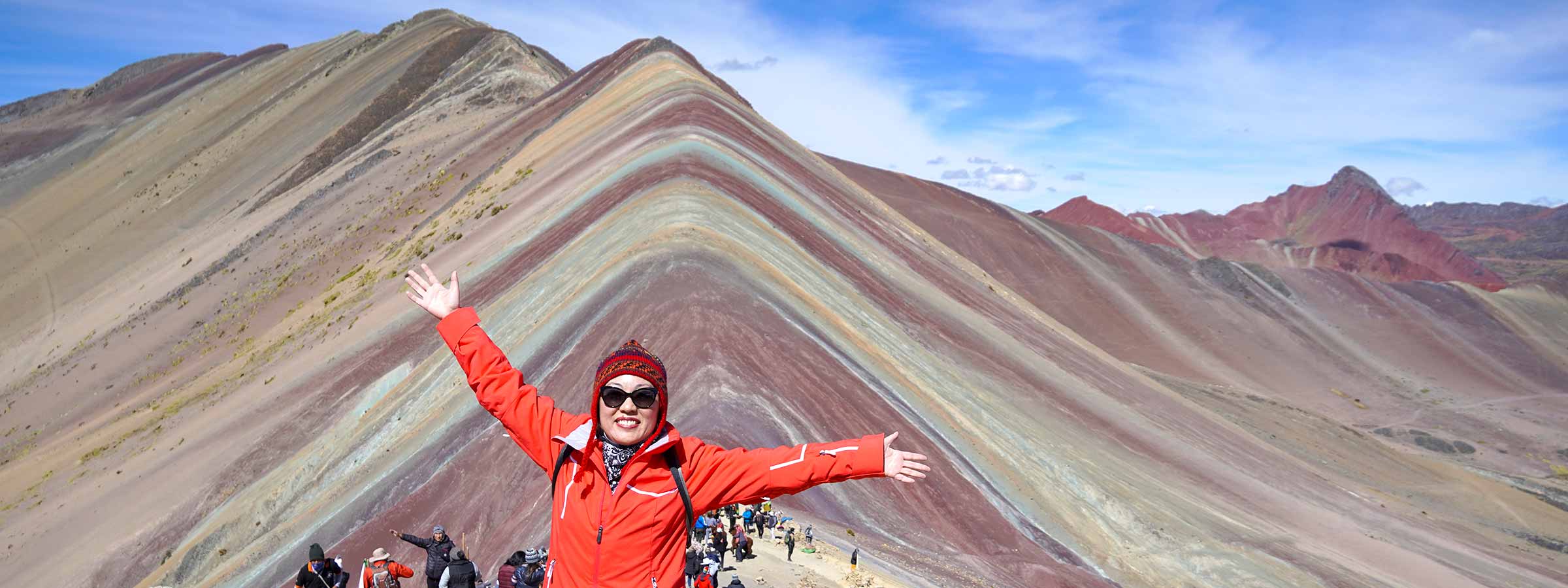
How to Acclimatize in Vinicunca
In the highlands of Cusco, you can feel an intense cold accompanied by the wind. People must undergo acclimatization to avoid altitude sickness, or soroche.
But don’t worry if this is your first time in Cusco. We will share some recommendations to help you acclimate during your stay.
Acclimatization is not a quick process, but it is not complicated either. For acclimatization in Vinicunca, you will need 2 to 3 days to undertake the tour; this way, you can address possible symptoms of altitude sickness.
The highest point on the route to Vinicunca will be 5,020 masl (16,470 ft), and the lowest point will be 3,339 masl (10,955 ft).
Next, we will share some tips to help you acclimatize and reach Vinicunca without any inconvenience.
Planning activities to help us acclimate to the acclimatization process is advisable.
Walking slowly or very slowly during the ascent would be best. We recommend that you do not exceed the amount of gear you plan to carry on your hike.

The trek to Vinicunca is moderate, from level I to level VI, so you should keep hydrated.
Kondor Path Tours recommends a medical check-up before starting the trek, in addition to acclimatization. The latter is recommended for health reasons, as in the event of altitude sickness, we could relieve symptoms with painkillers. If you have any allergies to medications, a warning is suggested.
Symptoms of altitude sickness in Vinicunca:
Consuming coca leaf tea is not superfluous for altitude sickness (soroche); it can help reduce symptoms.

Since the time of the Incas, the coca leaf has been ingested for the properties it possesses, for the people’s good. The best way to eat the coca leaf to avoid or reduce the symptoms of altitude sickness is by chewing the coca, thus generating a juice that should be consumed.
Another way to consume the coca leaf is through mate, which can alleviate symptoms of altitude sickness.
There are two more practical ways for travelers to consume coca leaves for their health.
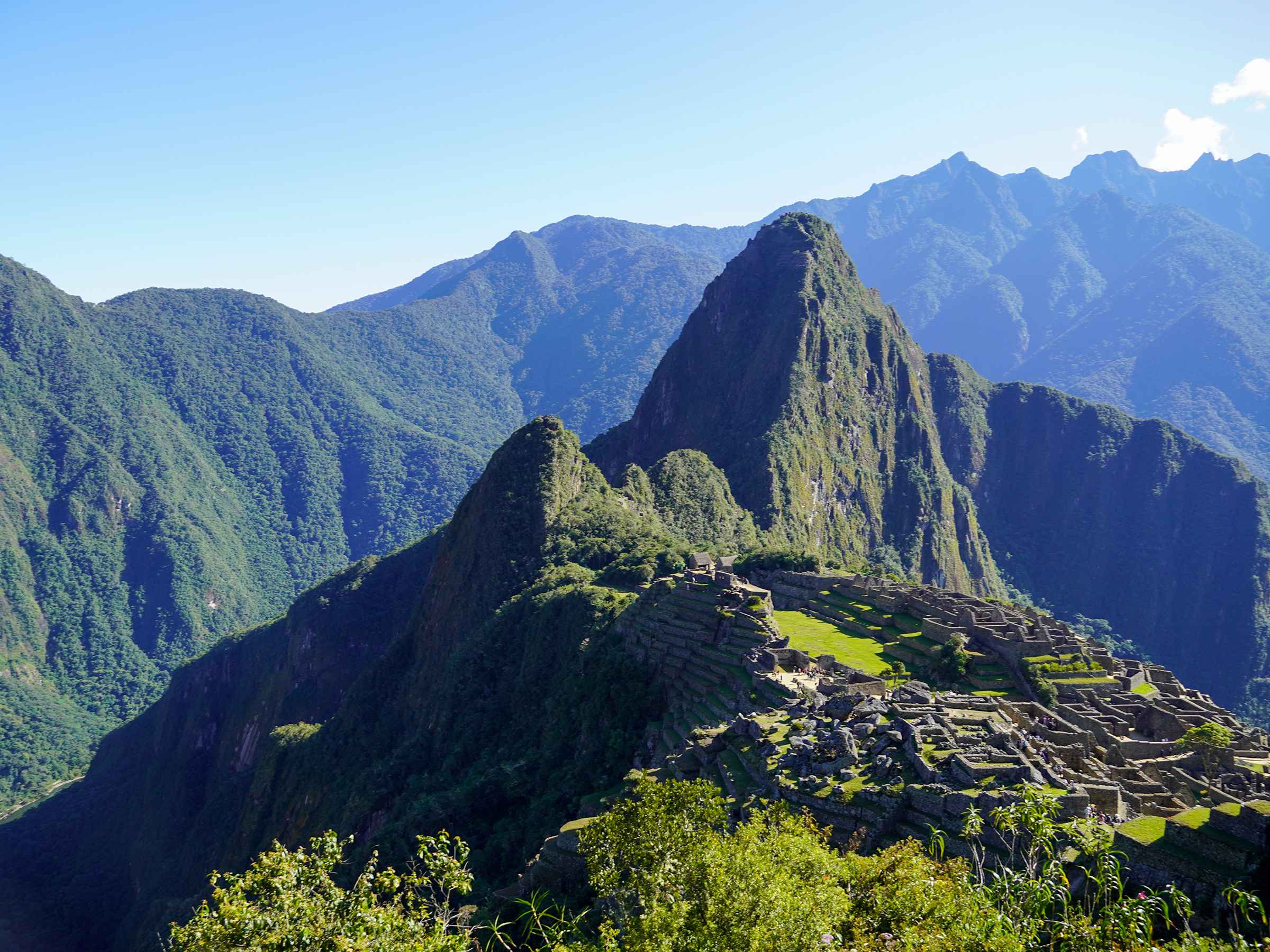
Last-Minute Machu Picchu: How Travelers Still Visit Without Tickets from Cusco The Reality of Last-Minute Travel in Cusco…

Machu Picchu and Hiram Bingham’s Legacy: Rediscovery, Debate, and Historical Impact Machu Picchu, a marvel of Inca engineering,…
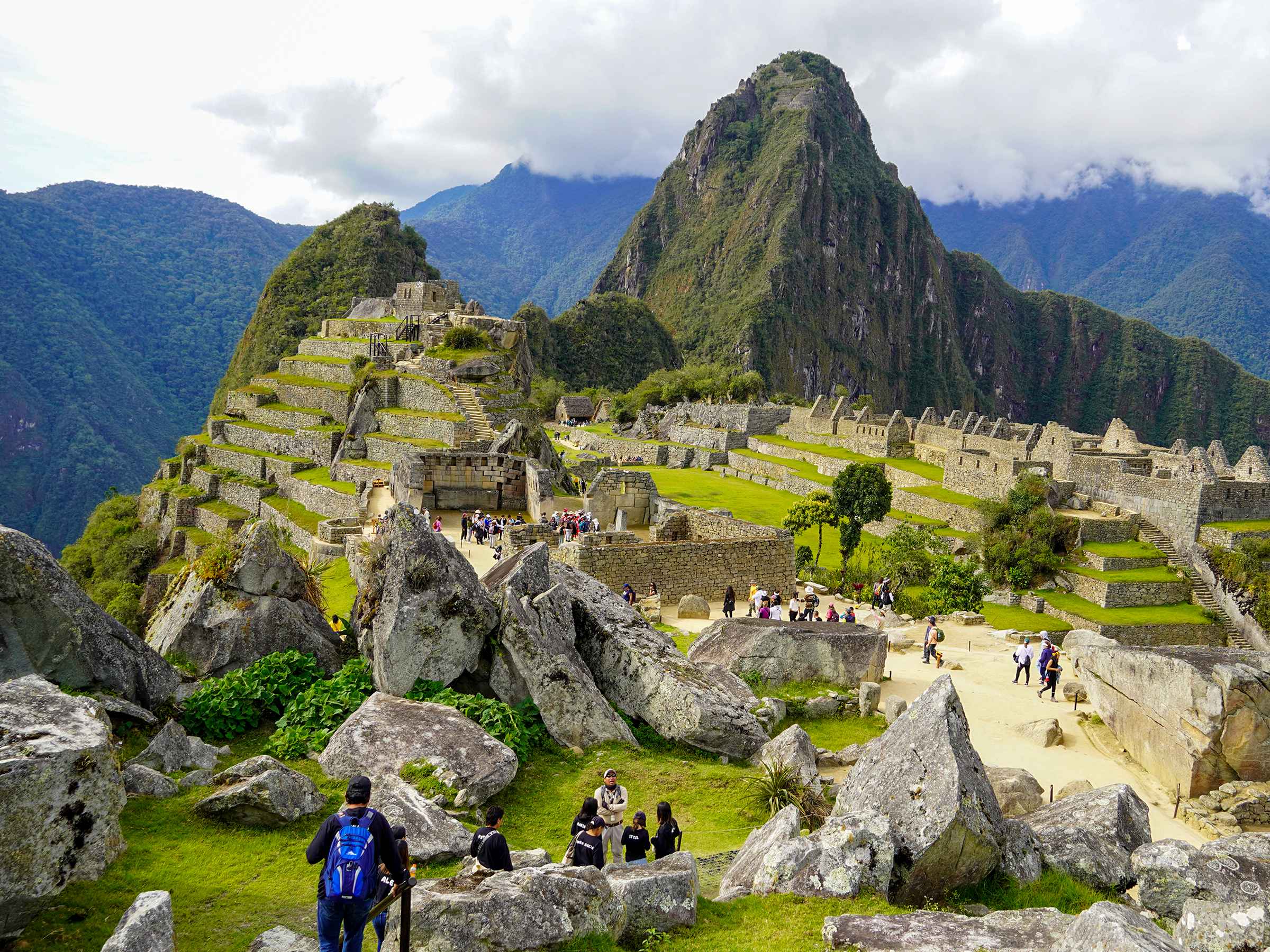
Machu Picchu Seismic Design: How Inca Engineering Defied Earthquakes Machu Picchu stands as a marvel of ancient engineering.…

Machu Picchu Terrace Engineering: How the Incas Mastered Mountain Agriculture Machu Picchu stands as a marvel of ancient…

Machu Picchu Quarry Sources: Where the Incas Obtained Their Building Stone Machu Picchu stands as a marvel of…

Machu Picchu Sacred Mountains Guide: Spiritual Meaning of the Andean Landscape Machu Picchu, the renowned 15th-century Incan citadel,…
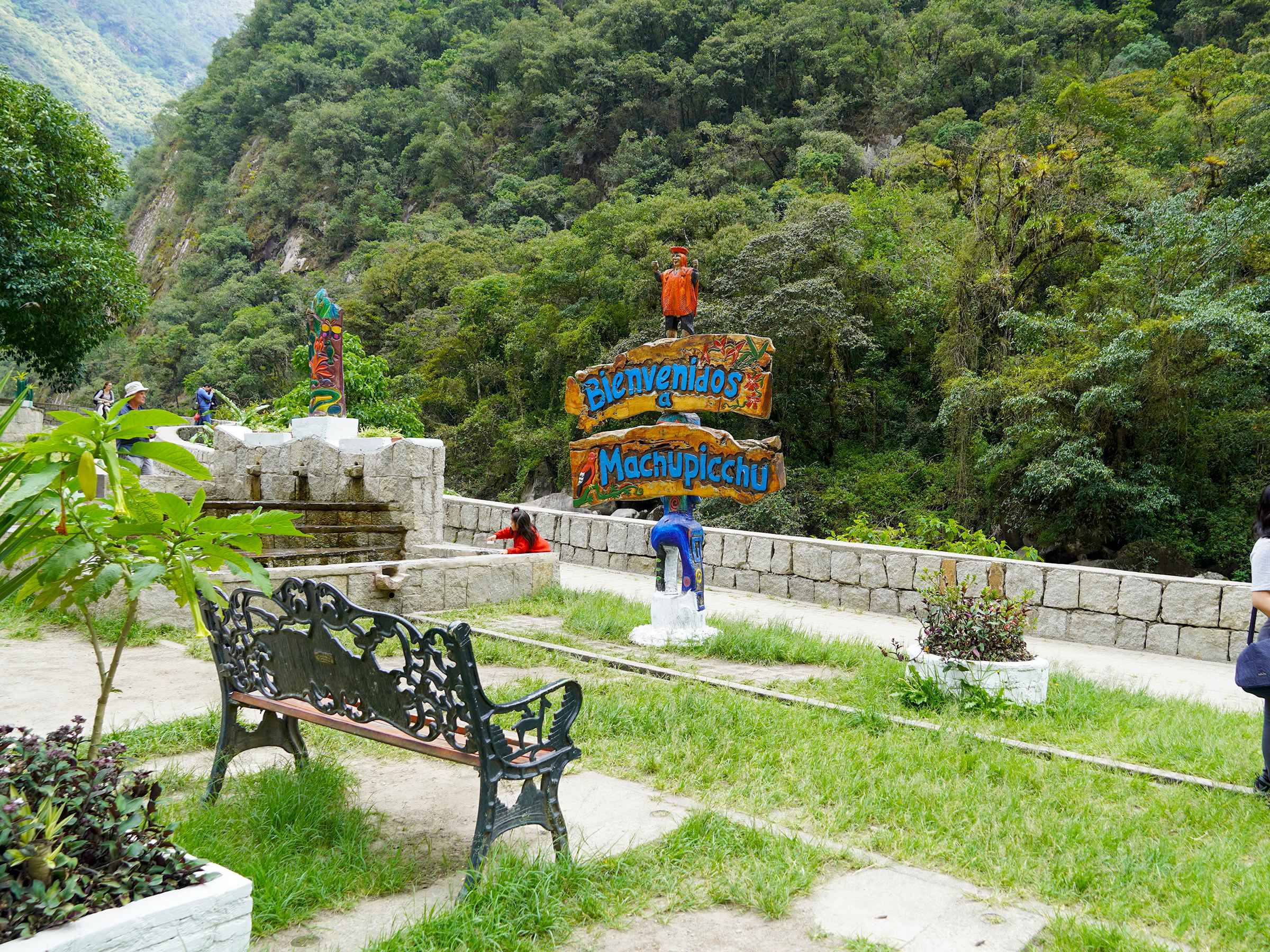
Aguas Calientes Town: The Charming Gateway to Machu Picchu Nestled in the heart of the Andes, Aguas Calientes…

Peru Altitude Guide Peru is a land of breathtaking landscapes and rich cultural heritage. Its diverse geography includes…

Machu Picchu Climb Machu Picchu is a dream destination for many travelers. Nestled high in the Andes, it…

Discover the Amazing Sacred Valley Cusco Nestled in the heart of the Andes, the Sacred Valley of Cusco…

The best time to visit Machu Picchu in Peru depends on what matters most to you: weather, crowds,…

Cusco Altitude Cusco, a city nestled in the Andes, is renowned for its breathtaking altitude. At 11,152 feet…