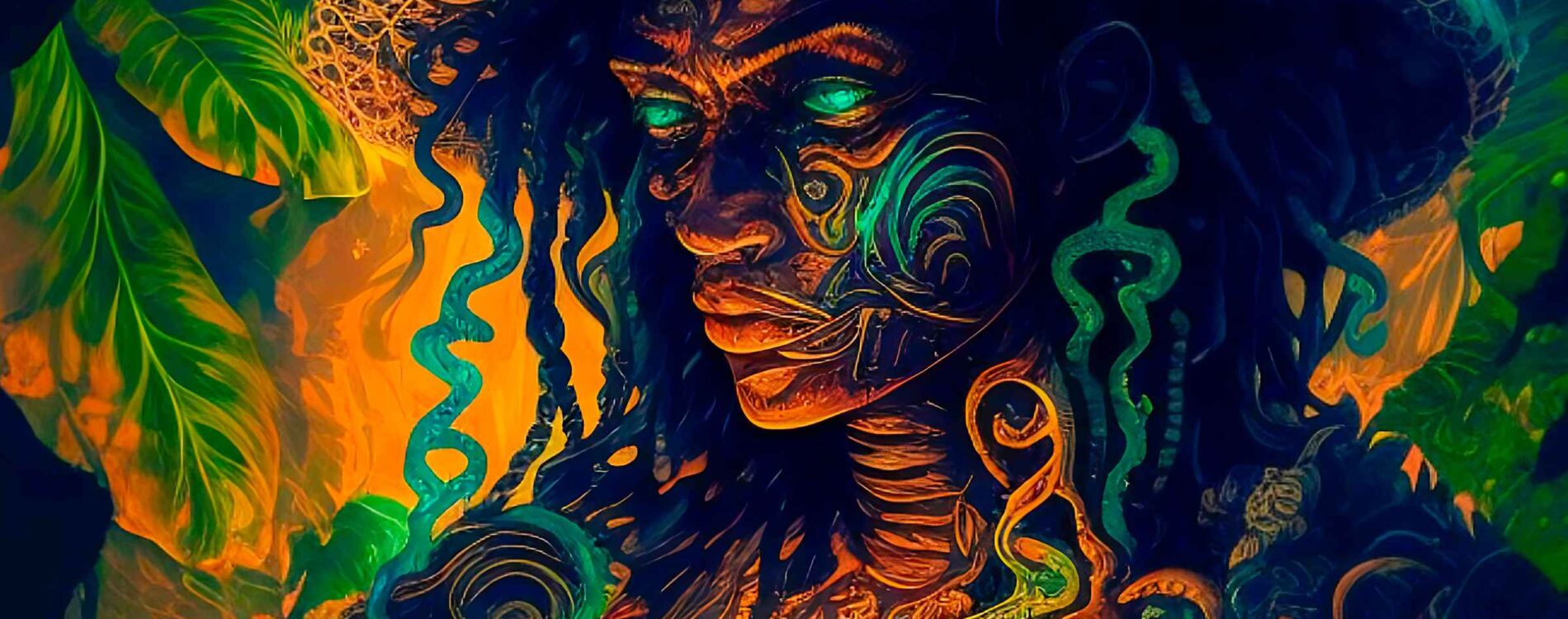
Ayahuasca is a powerful plant medicine made from the Banisteriopsis caapi vine and the leaves of the Psychotria viridis shrub. The brew has been used for centuries by indigenous tribes in the Amazon for healing and spiritual purposes. The active ingredient in Ayahuasca is DMT (dimethyltryptamine), a potent psychedelic compound that can induce altered states of consciousness.

The roots of Ayahuasca trace back thousands of years, with indigenous tribes in the Amazon basin using it as a sacred tool for healing and divine connection. Each tribe has its unique preparation and ceremonial methods, which have been passed down through generations. Understanding these origins is crucial for appreciating the depth and significance of the Ayahuasca tradition.
Recent scientific studies have begun to explore the effects of Ayahuasca on the human brain. Research suggests that the brew alters brain function, increasing communication between various regions and potentially leading to neurogenesis, or the growth of new neurons. These findings offer a glimpse into how Ayahuasca may facilitate emotional healing and personal insight.
DMT, or dimethyltryptamine, is the psychoactive compound in Ayahuasca responsible for its mind-altering effects. Naturally occurring in many plants and animals, DMT is often called the “spirit molecule” due to its powerful impact on consciousness. Understanding how DMT interacts with the brain can provide insights into the transformative potential of Ayahuasca ceremonies.

In Peru, Ayahuasca ceremonies are often led by experienced shamans or curanderos. These spiritual leaders guide participants through the experience, ensuring that the environment is safe and conducive to healing. The ceremonies typically involve traditional chants, music, and rituals that honor the cultural heritage of the Amazonian tribes.
Shamans are central figures in Ayahuasca ceremonies, acting as spiritual guides and healers. They use their deep knowledge of plant medicine and spiritual practices to create a safe and sacred space for participants. Understanding the role of the shaman can deepen your appreciation of the ceremony’s spiritual and cultural dimensions.
Ayahuasca ceremonies are rich with rituals and traditions that have been preserved for centuries. These may include the use of specific songs, known as icaros, and the burning of sacred herbs to cleanse the space. Each element of the ceremony is designed to enhance the healing experience and honor the spirits of the Amazon.
For many participants, Ayahuasca ceremonies are a profound spiritual journey. The experience often involves exploring deep-seated emotions and memories, leading to revelations about one’s life and purpose. This spiritual exploration is a key reason why many people seek out Ayahuasca as a tool for personal growth and healing.

Before participating in an Ayahuasca ceremony, it’s important to prepare both physically and mentally. Most retreats recommend a special diet that excludes alcohol, caffeine, pork, and other substances that can interfere with the Ayahuasca experience. The diet is believed to help cleanse the body and mind, making the experience more profound.
The dietary restrictions before an Ayahuasca ceremony are not merely suggestions; they are integral to the experience. Abstaining from certain foods and substances helps to purify the body and mind, preparing you for the intense journey ahead. This discipline also demonstrates respect for the sacredness of the ceremony.
Preparing mentally and emotionally is just as crucial as physical preparation. This involves setting intentions for the ceremony, engaging in mindfulness practices, and addressing any fears or anxieties. A clear and open mindset can significantly enhance your ability to receive the insights and healing Ayahuasca offers.
Practical preparations, such as choosing appropriate clothing and packing essential items, are also important. Comfortable attire, a journal for recording insights, and personal items for comfort can make your experience more pleasant. Ensuring you have all necessary preparations can help you focus fully on the experience.
There are numerous Ayahuasca retreats in Peru, each offering a unique experience. When selecting a retreat, consider factors like the qualifications of the shamans, the safety measures in place, and the types of support offered before and after the ceremony. It’s crucial to choose a reputable retreat that prioritizes the well-being of its participants.
The qualifications and experience of the shamans leading the ceremony are paramount. Research their background, training, and the lineage of their practice. A skilled shaman can profoundly impact your experience, guiding you safely through the spiritual journey.
Safety is a critical consideration when choosing a retreat. Investigate the retreat’s protocols for handling emergencies and supporting participants throughout the ceremony. A retreat with robust safety measures ensures that you can focus on your spiritual journey without worry.
The support offered after the ceremony is vital for integrating your experience into daily life. Look for retreats that provide post-ceremony counseling, group discussions, and ongoing support. This aftercare is essential for processing the insights and emotions that arise during the ceremony.
The Ayahuasca ceremony usually takes place at night and can last several hours. Participants gather in a ceremonial space, often in a maloca (a traditional Amazonian hut), where they consume the Ayahuasca brew. The shamans then lead the group through the ceremony with icaros, traditional healing songs that help guide the journey.
The setting of an Ayahuasca ceremony plays a crucial role in shaping the experience. Ceremonies typically take place in a maloca, a spacious, round structure that provides a communal and sacred space. The atmosphere is often enhanced with candles, incense, and natural elements, creating an environment conducive to deep introspection and healing.
Icaros, or traditional healing songs, are an integral part of the Ayahuasca ceremony. These songs, sung by the shamans, are believed to guide the participants’ journey, offering protection and facilitating healing. The melodies and rhythms of the icaros can influence the emotional and spiritual experience of the ceremony.
Participants often experience a range of emotions and visions during the ceremony. It’s important to surrender to the process and trust the guidance of the shaman. Understanding that the journey may bring both challenging and beautiful insights can help participants navigate the experience with openness and acceptance.
Ayahuasca can induce a wide range of effects, from vivid visions and emotional releases to profound spiritual insights. Many people report experiencing a deep connection with nature and the universe, as well as a sense of clarity about their life and purpose. However, the experience can also be challenging, as Ayahuasca often brings suppressed emotions and memories to the surface.
The visual and sensory experiences induced by Ayahuasca are often described as vivid and otherworldly. Participants may encounter vibrant colors, intricate patterns, and visions of spiritual or symbolic significance. These experiences can be both awe-inspiring and deeply transformative.
Ayahuasca has the potential to bring suppressed emotions and past traumas to the surface. While this process can be challenging, it is often a catalyst for profound emotional healing. Participants frequently report feelings of release and relief as they confront and process these emotions.
Many participants describe gaining profound insights into their lives and spiritual paths during an Ayahuasca ceremony. These revelations can offer clarity about one’s purpose, relationships, and personal challenges. The insights gained often lead to lasting changes in perspective and behavior.
After the ceremony, integration is a key part of the Ayahuasca experience. This involves reflecting on the insights gained during the ceremony and incorporating them into daily life. Many retreats offer integration support, such as group discussions, counseling, and mindfulness practices, to help participants process their experiences.
Integration is the process of incorporating the insights and lessons from the Ayahuasca experience into your daily life. This may involve journaling, meditation, or engaging in creative expression. The goal of integration is to ensure that the transformative effects of the ceremony are long-lasting and meaningful.
Many retreats offer supportive practices to aid in the integration process. These may include yoga, breathwork, and group sharing sessions, which provide participants with tools to process and understand their experiences. Access to these resources can significantly enhance the integration journey.
The impact of an Ayahuasca ceremony can extend far beyond the immediate experience. Participants often report lasting changes in their mindset, emotional resilience, and spiritual awareness. Embracing the integration process can ensure that these changes are positive and enduring.
The Ayahuasca experience is unique to each individual, and many participants report significant personal transformations. Some find relief from mental health issues like depression and anxiety, while others gain new perspectives on their relationships and life goals. The healing potential of Ayahuasca is vast, but it’s important to approach the experience with respect and an open mind.
Ayahuasca has shown promise in alleviating symptoms of depression, anxiety, and PTSD. The brew’s ability to bring suppressed emotions to the surface can lead to breakthroughs in mental health. Participants often describe feeling lighter and more at peace following the ceremony.
Many participants report gaining new perspectives on their relationships with loved ones. Ayahuasca can illuminate patterns and dynamics that may have been previously unseen, offering opportunities for healing and reconciliation. These insights can lead to healthier and more fulfilling relationships.
For some, the Ayahuasca experience provides clarity about their life’s purpose and direction. Participants often describe feeling a renewed sense of motivation and commitment to their goals. This newfound clarity can be a powerful catalyst for personal and professional growth.
Countless people have shared their stories of transformation after participating in Ayahuasca ceremonies in Peru. For example, John, a 35-year-old teacher, described his experience as “the most profound journey of self-discovery and healing I’ve ever undertaken.” Similarly, Maria, a healthcare worker, found that Ayahuasca helped her “let go of past traumas and embrace a new sense of peace and purpose.”
Participants’ testimonials often highlight the profound healing they experienced during and after the ceremony. Many share how Ayahuasca helped them confront and release deep-seated traumas, leading to emotional liberation and healing. These stories offer hope and inspiration for those considering the journey.
Ayahuasca ceremonies often lead to significant personal growth and transformation. Participants frequently describe newfound clarity, resilience, and a deeper understanding of themselves. These narratives underscore the potential of Ayahuasca to serve as a powerful tool for personal development.
Many participants speak of the strong sense of community and connection they felt during the ceremony. Sharing the experience with others can create lasting bonds and a sense of belonging. These connections often continue long after the ceremony, providing ongoing support and friendship.
As Ayahuasca’s popularity grows, it’s important to consider the ethical and environmental implications of participating in ceremonies. The demand for Ayahuasca has led to concerns about the sustainability of the plants used to make the brew, as well as the commodification of indigenous practices. When choosing a retreat, look for those that support local communities and practice sustainable harvesting methods.
The increasing demand for Ayahuasca has raised concerns about the sustainability of the plants used to make the brew. Overharvesting can threaten the ecological balance of the Amazon rainforest. Participants must consider the environmental impact of their choices when selecting a retreat.
Respecting the cultural heritage of Ayahuasca is crucial. This means acknowledging the wisdom and practices of the indigenous communities who have preserved this tradition for generations. It’s important to approach the ceremony with humility and reverence for its cultural significance.
Opting for ethical retreats that prioritize sustainability and support local communities is essential. These retreats often work closely with indigenous groups, ensuring fair compensation and the preservation of cultural traditions. By choosing such retreats, participants can contribute positively to the local economy and cultural preservation.
Many reputable retreats work closely with indigenous communities, ensuring that they benefit from the growing interest in Ayahuasca. This might include fair compensation for shamans, investment in community projects, and efforts to preserve cultural traditions. By choosing such retreats, participants can contribute to the well-being of these communities.
Ensuring that shamans receive fair compensation for their work is vital. This not only supports the shamans and their families but also helps preserve the traditional knowledge and practices they uphold. Participants should seek retreats that are transparent about their compensation practices.
Many responsible retreats invest in local community projects, such as education, healthcare, and infrastructure development. These investments can significantly improve the quality of life for indigenous communities. Participants can feel good knowing that their involvement in Ayahuasca ceremonies contributes to these positive outcomes.
Supporting cultural preservation is a key aspect of ethical Ayahuasca tourism. Retreats that prioritize the preservation of indigenous languages, arts, and rituals play a crucial role in maintaining cultural diversity. Participants should look for retreats that actively engage in cultural preservation initiatives.
The journey to Peru’s wilderness begins in Cusco, the historic capital of the Inca Empire and a city steeped in history and culture. Before embarking on your Ayahuasca retreat, take some time to explore Cusco’s ancient ruins, vibrant markets, and colonial architecture. This bustling city is the gateway to the Andes and the Amazon, offering modern amenities and traditional charm.

The Experience of Participating in Ayahuasca in Peru
From Cusco, travelers can journey through the Sacred Valley, a picturesque region with Inca ruins and traditional villages. The road to the Amazon takes you through stunning mountain landscapes, winding rivers, and dense forests, providing a glimpse into Peru’s natural beauty.

Upon arriving in the Amazon, travelers can choose from a variety of Ayahuasca retreat centers nestled in the heart of the rainforest. These centers offer a range of accommodations, from rustic jungle lodges to eco-friendly retreat centers, providing a comfortable and immersive experience in nature.
Participating in an Ayahuasca retreat in Peru’s wilderness offers a unique opportunity to connect with nature and experience the healing properties of this sacred medicine. Led by experienced shamans, Ayahuasca ceremonies are held in traditional Maloca huts, where participants drink the brew and embark on a profound journey of self-discovery and healing.

In addition to the Ayahuasca ceremonies, retreat participants can explore the Amazon rainforest and connect with its incredible biodiversity. Guided jungle treks, wildlife spotting excursions, and visits to local communities provide a deeper understanding of the rainforest’s importance and beauty.
After the retreat, travelers can return to Cusco to reflect on their experiences and integrate the insights gained from their Ayahuasca journey. This period of reflection allows participants to make sense of their experiences and incorporate them into their daily lives.
Participating in an Ayahuasca ceremony in Peru can offer profound personal insights and healing. However, it’s important to approach the experience with preparation, respect, and awareness of the cultural and environmental context. By choosing a reputable retreat and engaging in thoughtful preparation and integration, you can maximize the potential benefits of this ancient Amazonian practice.
Proper preparation is essential for a successful Ayahuasca experience. This includes physical, mental, and practical preparations that ensure you are ready for the journey. Taking the time to prepare thoroughly can enhance the depth and impact of the ceremony.
Approaching Ayahuasca with respect for its cultural and spiritual significance is crucial. This means honoring the traditions and wisdom of the indigenous communities that have preserved this sacred practice. Respectful participation is key to a meaningful and transformative experience.
For those seeking deep personal transformation, an Ayahuasca experience in Peru can be a powerful catalyst for change and growth. With the right mindset, preparation, and support, participants can embark on a journey that offers profound healing and insight.
Embarking on an Ayahuasca retreat in Peru’s wilderness offers a transformative journey through some of the country’s most stunning landscapes. From the historic city of Cusco to the vast wilderness of the Amazon rainforest, Peru’s diverse landscapes provide the perfect backdrop for a profound spiritual experience. Whether you’re seeking healing, transformation, or a deeper connection with nature, Peru’s Ayahuasca retreats offer an unforgettable journey that will stay with you long after you return home.

Machu Picchu and Hiram Bingham’s Legacy: Rediscovery, Debate, and Historical Impact Machu Picchu, a marvel of Inca engineering,…
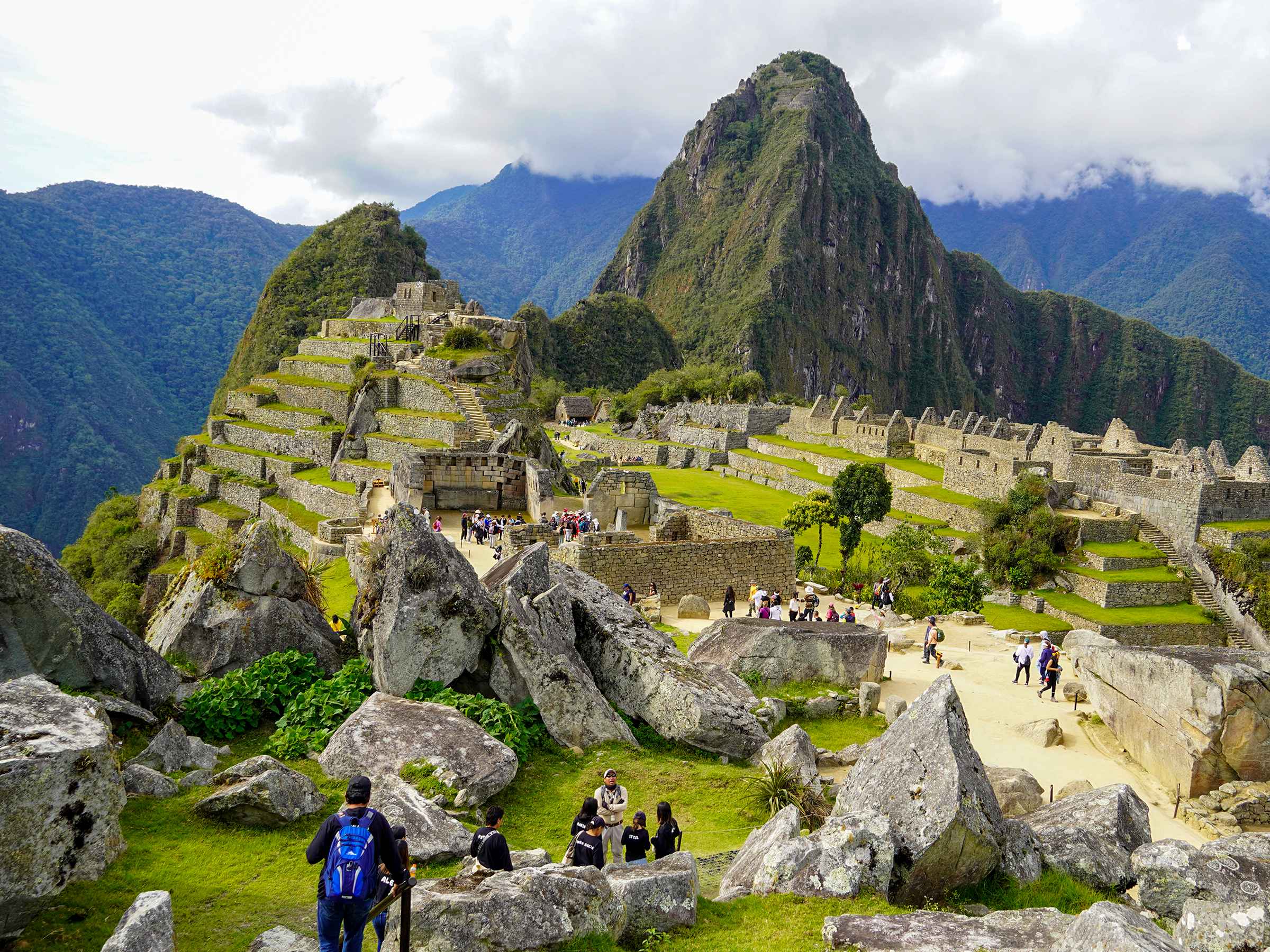
Machu Picchu Seismic Design: How Inca Engineering Defied Earthquakes Machu Picchu stands as a marvel of ancient engineering.…

Machu Picchu Terrace Engineering: How the Incas Mastered Mountain Agriculture Machu Picchu stands as a marvel of ancient…

Machu Picchu Quarry Sources: Where the Incas Obtained Their Building Stone Machu Picchu stands as a marvel of…

Machu Picchu Sacred Mountains Guide: Spiritual Meaning of the Andean Landscape Machu Picchu, the renowned 15th-century Incan citadel,…
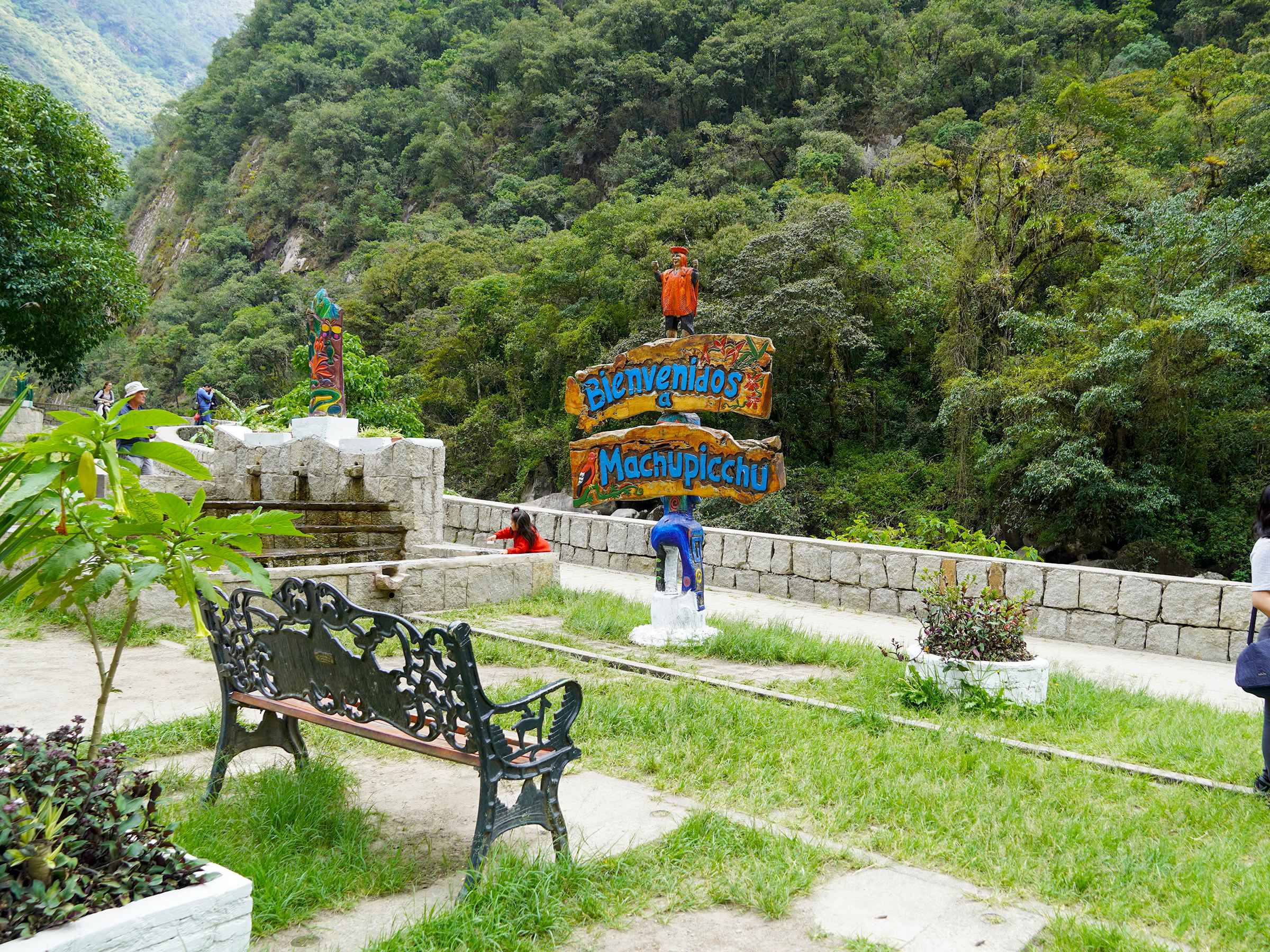
Aguas Calientes Town: The Charming Gateway to Machu Picchu Nestled in the heart of the Andes, Aguas Calientes…
Peru Altitude Guide Peru is a land of breathtaking landscapes and rich cultural heritage. Its diverse geography includes…

Machu Picchu Climb Machu Picchu is a dream destination for many travelers. Nestled high in the Andes, it…

Discover the Amazing Sacred Valley Cusco Nestled in the heart of the Andes, the Sacred Valley of Cusco…

Best time to go to Machu Picchu Machu Picchu is a dream destination for many travelers. Nestled in…

Cusco Altitude Cusco, a city nestled in the Andes, is renowned for its breathtaking altitude. At 11,152 feet…
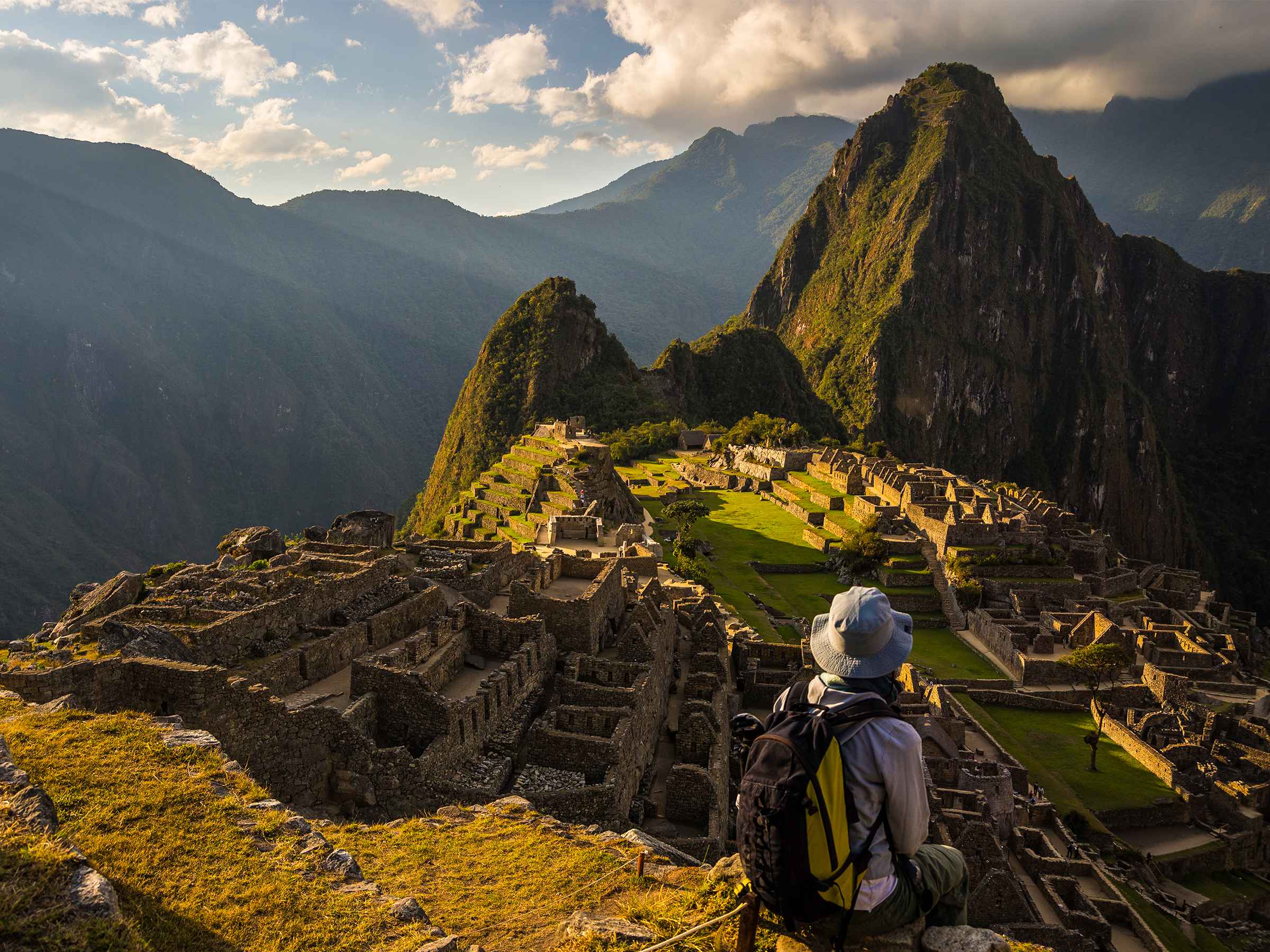
Where is Machu Machu Picchu is a name that sparks curiosity and wonder. Nestled high in the Andes…