
Peru’s painted mountains are a stunning sight to behold, captivating travelers and geologists alike with their vibrant colors and unique formations. Known for their rich hues and striking patterns, these natural wonders offer a glimpse into the geological history of the Andean Mountains. But what exactly makes these mountains so colorful, and where can you find them beyond the famous Rainbow Mountain? Let’s embark on a journey to uncover the secrets of Peru’s painted mountains.
The Andean Mountains, spanning across seven countries in South America, are the longest continental mountain range in the world. They have been shaped over millions of years by tectonic activity, volcanic eruptions, and the relentless forces of erosion. Understanding the geological history of these mountains is key to appreciating the colorful landscapes they present today.
The Andes were formed as a result of the subduction of the Nazca Plate beneath the South American Plate. This tectonic activity began around 200 million years ago and continues to this day, causing the mountains to rise and evolve over time. As the plates collided, layers of sedimentary rock were pushed upwards, creating the towering peaks we see today.
The geological processes that formed the Andes are complex and multifaceted. The continuous movement of the tectonic plates not only raises the mountains but also influences volcanic activity in the region. This volcanic activity contributes to the mineral richness found in the Andean rocks. Over time, these minerals have undergone various transformations, further contributing to the unique geological features of the mountains.
Volcanic activity has played a significant role in shaping the Andean landscape. The Andes are home to numerous volcanoes, some of which are still active today. Volcanic eruptions have deposited layers of ash and lava, which over time have been compressed into rock. This volcanic rock is rich in minerals that contribute to the vibrant colors of the painted mountains.
Moreover, volcanic activity is responsible for the creation of geothermal areas within the Andes. These geothermal areas are characterized by hot springs and geysers, which further contribute to the chemical processes that result in the vivid colors of the mountains. The interaction between volcanic activity and the geological formations of the Andes creates a dynamic and ever-changing landscape.
The vibrant colors of Peru’s painted mountains can be attributed to the diverse mineral deposits found within the rock layers. Over millions of years, these minerals have been exposed to the elements, resulting in oxidation and other chemical reactions that give the mountains their striking hues. For example, iron oxide produces red and orange tones, while copper oxide results in greens and blues.
These minerals are not evenly distributed, leading to a patchwork of colors across the landscape. The specific combination and concentration of minerals in any given area determine the exact hues that are visible. The ongoing geological processes ensure that these colors continue to evolve, creating a living tapestry of natural beauty.
While the geological history provides a foundation for understanding the formation of these mountains, it is the unique combination of minerals and environmental factors that create their vivid colors. Here are some key reasons why the mountains in Peru are so colorful:
Peru is rich in mineral diversity, with deposits of iron, copper, sulfur, and other elements scattered throughout the region. These minerals are responsible for the wide range of colors found in the painted mountains. Each mineral reacts differently to environmental conditions, resulting in a kaleidoscope of colors that change with the light and weather.
The mineral diversity in Peru is a direct result of its complex geological history. The collision of tectonic plates and volcanic activity has brought a variety of minerals to the surface. Additionally, the region’s unique climate and altitude contribute to the preservation and transformation of these minerals, ensuring that the mountains remain colorful and vibrant.
The process of weathering and erosion plays a significant role in exposing the colorful layers of rock. Wind, rain, and temperature fluctuations cause the rocks to break down over time, revealing the vibrant minerals beneath. This ongoing process ensures that the colors of the painted mountains remain dynamic and ever-changing.
Weathering and erosion are natural forces that continually reshape the landscape. As rocks are exposed to the elements, they undergo physical and chemical changes. These changes can enhance or alter the colors of the minerals, creating a dynamic and ever-evolving palette. The interaction between weathering, erosion, and mineral composition is a key factor in the ongoing vibrancy of Peru’s painted mountains.
The high altitude and unique climate of the Andes also contribute to the mountains’ colorful appearance. The thin atmosphere allows for more intense sunlight, enhancing the colors of the rocks. Additionally, the cold temperatures at higher elevations slow down the weathering process, preserving the vivid hues for longer periods.
The high altitude of the Andes creates a unique set of environmental conditions. The intense sunlight not only enhances the colors of the rocks but also influences the chemical reactions that produce these colors. The cold temperatures and low humidity at high elevations help preserve the mineral-rich layers, allowing them to retain their vivid hues for extended periods.
Human activity in the Andean region has also played a role in shaping the landscape. Traditional agricultural practices, such as terracing, have altered the natural environment, impacting the exposure and erosion of mineral layers. These practices have contributed to the accessibility and visibility of the painted mountains’ colorful features.
Moreover, the cultural significance of these landscapes has influenced how they are preserved and interacted with. Indigenous communities have long revered these mountains, and their practices have helped maintain the delicate balance of the ecosystem. The relationship between humans and the painted mountains is a testament to the enduring connection between people and their environment.
While Rainbow Mountain, or Vinicunca, is the most famous of Peru’s painted mountains, there are many other equally stunning locations to explore. These lesser-known mountains offer a more tranquil experience for those seeking to escape the crowds.
by Eduardo Flores (https://unsplash.com/@eduardoflorespe)
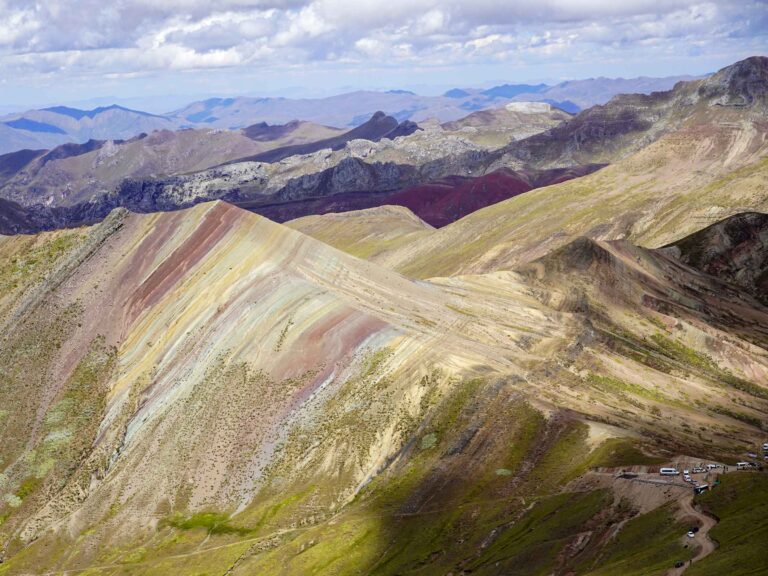
Palcoyo Mountain, located near the city of Cusco, is often referred to as the “Alternative Rainbow Mountain.” It features similar vibrant colors but with a gentler trek, making it more accessible to a wider range of visitors. The scenic hike to Palcoyo offers breathtaking views of the surrounding landscapes and the chance to see other unique geological formations, such as the Stone Forest.
Palcoyo Mountain is a hidden gem that provides a more serene experience compared to the bustling trails of Rainbow Mountain. The journey to Palcoyo is a relatively easy trek, allowing visitors to appreciate the vibrant colors without the physical demands of more challenging hikes. The Stone Forest, a nearby geological wonder, adds an extra layer of intrigue to this destination, offering a glimpse into the diverse geological features of the region.
Ausangate Mountain, part of the Cordillera Vilcanota range, is another hidden gem in Peru’s painted mountain landscape. Known for its snow-capped peaks and colorful valleys, Ausangate offers a more challenging trek for adventurous travelers. The region is also home to traditional Andean communities, providing an opportunity to learn about local culture and customs.
Ausangate Mountain is a majestic destination that combines natural beauty with cultural richness. The trek around Ausangate is a multi-day adventure that takes travelers through breathtaking landscapes, including turquoise lakes and vibrant valleys. The presence of traditional Andean communities along the route offers a chance to engage with local culture and traditions, enriching the overall experience.
The Seven-Color Mountain, or Montaña de Siete Colores, is a lesser-known but equally stunning destination. Located in the Arequipa region, this mountain showcases a spectacular array of colors, from deep reds to vibrant greens. The trek to the summit is challenging but rewarding, offering panoramic views of the surrounding volcanic landscapes.
The Seven-Color Mountain is a testament to the diverse and vibrant landscapes found throughout Peru. The trek to its summit is a journey through a kaleidoscope of colors, each layer revealing a new aspect of the mountain’s geological history. The panoramic views from the top provide a breathtaking perspective of the surrounding volcanic landscapes, making the challenging ascent well worth the effort.
Beyond the well-known painted mountains, Peru is home to numerous lesser-known gems that offer unique experiences for adventurous travelers. These hidden landscapes provide an opportunity to explore the country’s geological diversity without the crowds.
Lesser-known painted mountains, such as those found in remote regions of the Andes, offer a sense of discovery and exploration. These hidden gems are often less frequented by tourists, allowing for a more intimate experience with the natural environment. Each of these destinations presents its own set of challenges and rewards, providing a deeper connection to the stunning landscapes of Peru.
Peru’s painted mountains are not only a testament to the country’s geological diversity but also a source of cultural and spiritual significance. For centuries, these vibrant landscapes have been revered by indigenous communities as sacred sites and places of worship.
The Andean people have long held a deep connection to the natural world, viewing the mountains as living entities with spiritual power. The vibrant colors of the painted mountains are seen as a reflection of the earth’s vitality and energy, inspiring reverence and awe among those who visit.
The cultural significance of the painted mountains is deeply embedded in the traditions and beliefs of the Andean people. These mountains are considered sacred, and their vibrant colors are seen as manifestations of the earth’s spirit. The connection between the natural world and cultural practices is a fundamental aspect of Andean life, influencing everything from religious ceremonies to daily rituals.
In recent years, the painted mountains have become popular destinations for ecotourism, attracting visitors from around the world who seek to experience their beauty firsthand. This increased interest has brought attention to the importance of conservation efforts to protect these natural wonders for future generations.
Local communities, tour operators, and government agencies are working together to promote sustainable tourism practices and preserve the fragile ecosystems of the painted mountains. By supporting responsible travel, visitors can help ensure that these stunning landscapes remain vibrant and accessible for years to come.
Indigenous communities play a crucial role in the preservation and conservation of Peru’s painted mountains. These communities have lived in harmony with the natural environment for centuries, and their traditional practices have contributed to the sustainable management of the landscape.
The involvement of indigenous communities in conservation efforts is essential to the long-term protection of the painted mountains. By incorporating traditional knowledge and practices into modern conservation strategies, these communities are helping to safeguard the natural and cultural heritage of the region.
The increasing popularity of Peru’s painted mountains presents both challenges and opportunities for conservation and tourism. While the influx of visitors can provide economic benefits to local communities, it also poses a threat to the delicate ecosystems of the region.
Balancing tourism and conservation is a complex task that requires collaboration between all stakeholders. By promoting sustainable tourism practices and raising awareness of the importance of conservation, it is possible to ensure that the painted mountains remain a source of inspiration and wonder for generations to come.
Peru’s painted mountains are a breathtaking example of the planet’s geological diversity and natural beauty. From the famous Rainbow Mountain to the lesser-known Palcoyo and Ausangate, these vibrant landscapes offer a unique opportunity to explore the intersection of nature, culture, and history.
Whether you’re a seasoned traveler or a first-time visitor, the painted mountains of Peru are sure to leave a lasting impression. Their vivid colors and dramatic formations serve as a reminder of the incredible forces that have shaped our world and the enduring connection between humans and the natural environment.
In conclusion, the painted mountains of Peru are a must-see destination for anyone seeking to experience the wonders of the natural world. With their rich geological history, cultural significance, and stunning beauty, these vibrant landscapes continue to inspire awe and admiration among all who visit.
Exploring Peru’s painted mountains is a journey through time and nature, offering a glimpse into the geological processes that have shaped the earth over millions of years. These mountains are living testaments to the dynamic forces of nature and the enduring beauty of the natural world.
Each visit to the painted mountains is a unique experience, as the changing light and weather conditions reveal new aspects of the landscape. The interplay between natural processes and human culture creates a rich tapestry of history and tradition, offering a deeper understanding of the world around us.
Peru’s painted mountains are an invitation to explore and discover the wonders of the natural world. Whether you’re seeking adventure, cultural enrichment, or simply a moment of awe, these vibrant landscapes offer something for everyone.
By visiting the painted mountains, you become part of a long tradition of exploration and discovery. Each step along the trail is an opportunity to connect with the earth and appreciate the beauty and complexity of the world we live in.
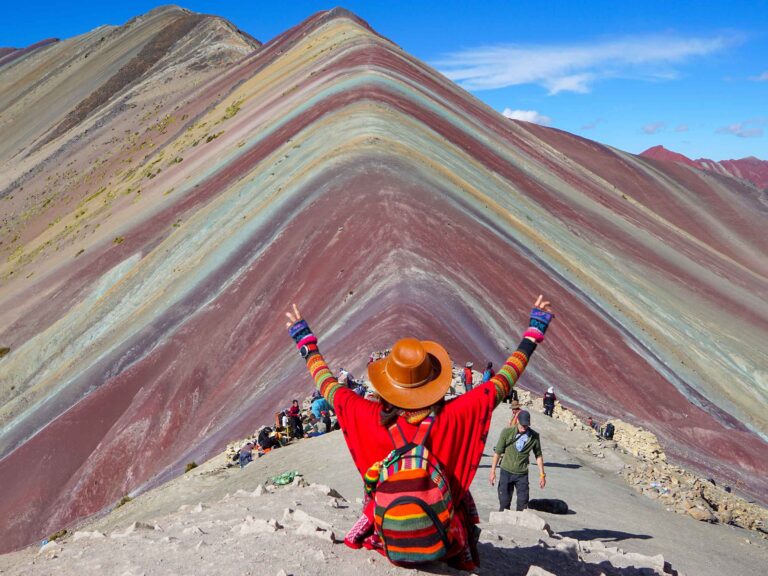
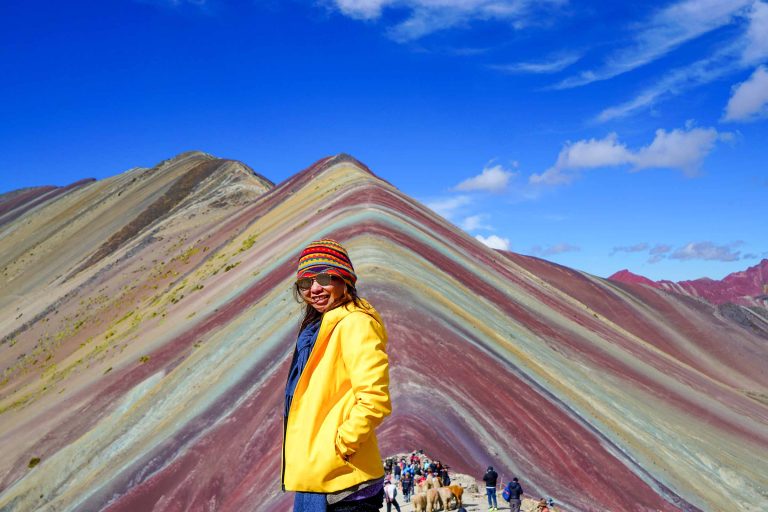
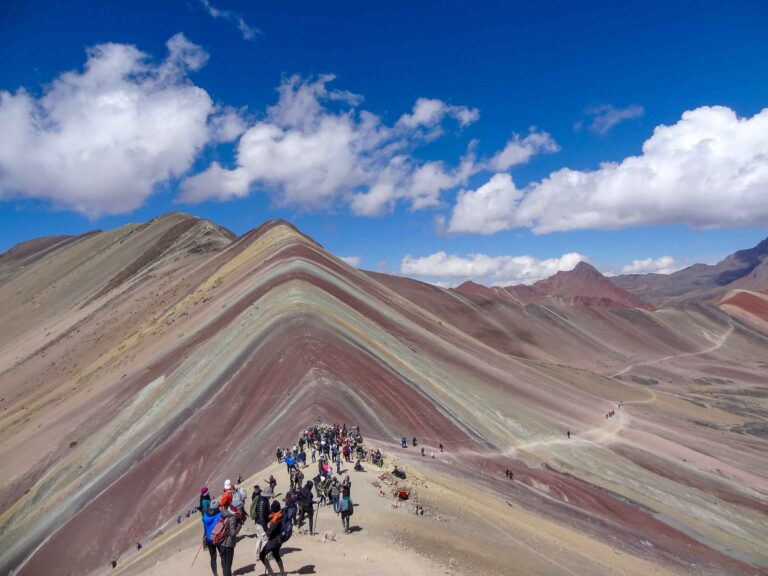
The Peru Painted Mountains, also known as the Rainbow Mountains or Vinicunca, are a natural wonder in the Andes Mountains of Peru. These mountains are famous for their vibrant colors, which resemble a rainbow and are believed to be caused by the area’s natural mineral deposits.
The Peruvian Painted Mountains are situated in the Cusco region of Peru near the Ausangate Mountain, considered a sacred mountain in Incan culture. The Rainbow Mountains are part of the Vilcanota mountain range and are approximately 5,200 meters (17,060 feet) above sea level.

Peru Painted Mountains
The colorful layers of the Peru Painted Mountains formed over millions of years through geological processes in the region. The minerals in the rocks, such as iron oxide, copper sulfate, and sulfur, created the distinctive hues of red, green, yellow, and blue visible today.
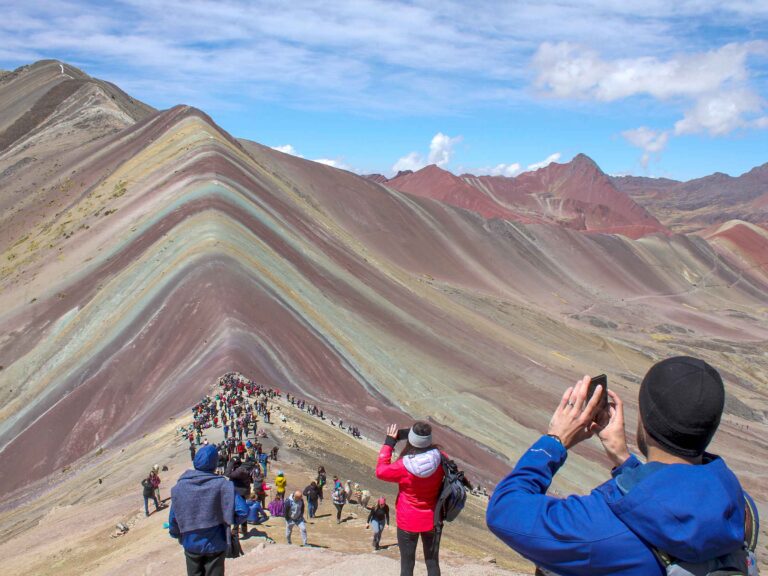
Tourists recently discovered the Peruvian Painted Mountains, and they have since become a popular destination for hiking and trekking. Visitors can take a day hike from Cusco to the base of the mountains or opt for a multi-day trek through the surrounding Andean landscape.
While the Peru Painted Mountains are beautiful and awe-inspiring, they are located at a high altitude and can be physically demanding. Visitors should prepare for the height by acclimatizing in Cusco a few days before the hike and taking the necessary precautions to avoid altitude sickness.
Overall, the Peruvian Painted Mountains are a unique and breathtaking natural wonder that offers a glimpse into the geological history and beauty of the Andes Mountains.
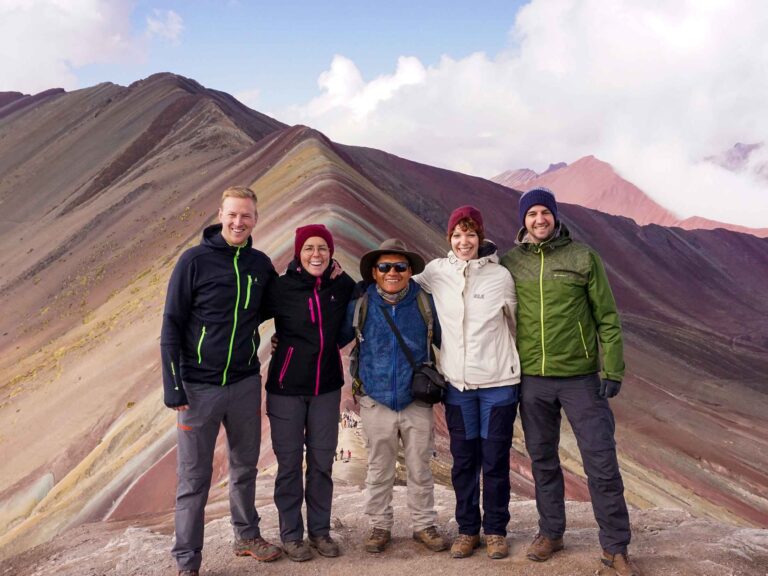
During my trip to Peru’s Painted Mountains, I spent a day and a half in Cusco before embarking on the 4-day Inca Jungle Trek to Machu Picchu. I then visited the stunning Humantay Lake, which sits at an altitude of 4,200 m. Finally, I ventured to Rainbow Mountain, the highest point of all the places I visited.
With a whole week to acclimatize, I felt prepared for the challenge. However, even with my preparations, I still found the hike exhausting, and it proved to be one of the most challenging physical tests I’ve ever faced. To add to the difficulty, I was also experiencing the worst day of my menstrual cycle.

Besides acclimatizing, there are a few things you can and should do to help you deal with altitude: chewing coca leaves, drinking coca tea, having snacks and water, and taking time to breathe, to name a few. If you want to know more about how to deal with altitude (this is important!), click here for information on altitude and acclimatization.
To better cope with the high altitude of Peru’s Painted Mountains, you should keep some helpful tips in mind. These include chewing coca leaves, sipping tea, staying hydrated with snacks and water, and taking frequent breaks to breathe correctly. For more information on managing altitude sickness, click here under’ altitude and acclimatization.’
Peru is a country of diverse landscapes and rich cultural heritage, boasting two of the most iconic landmarks…
Rainbow Mountain of Palcoyo Tours in Peru If you’re seeking an extraordinary adventure in Peru, the Rainbow Mountain…
The Rainbow Mountain Trek Peru: Nature and Color in the Andes The Rainbow Mountain Trek in Peru has…
Exploring the Beauty of Rainbow Mountain: What to Know Before You Go Rainbow Mountain, also known as Vinicunca,…
Rainbow Mountain Trek a Hikers Guide Peru’s Rainbow Mountain, also known as Vinicunca, is a breathtaking destination for…
Deep in the heart of the Peruvian Andes lies a breathtaking natural wonder that has captured the imagination…
Explore Rainbow Mountain Rainbow Mountain, locally known as Vinicunca, is a breathtaking natural wonder in the Peruvian Andes.…
Exploring the Wonders of Peru’s Rainbow Mountain Peru’s Rainbow Mountain is a marvel of nature. Known locally as…
Palccoyo Rainbow Mountain – The Ultimate Guide The newest undiscovered treasure in the Ausangate Andes, south of Cusco,…
Exploring the Wonders of Rainbow Mountain in Cusco Peru Rainbow Mountain, officially known as Vinicunca, is a breathtaking…
Inca Jungle Trek Ultimate Travel Guide to Machu Picchu Embarking on the Inca Jungle Trek to Machu Picchu…
Exploring the Wonders of Cusco’s Rainbow Mountain Nestled in the heart of the Andes, Rainbow Mountain is a…