
Inca Trail Machu Picchu Frequently Asked Questions
Embarking on the iconic Inca Trail to Machu Picchu is a dream for many adventurers. This ancient path, steeped in history and natural beauty, offers a journey through stunning landscapes and rich cultural heritage. As you prepare for this unforgettable journey, you might have numerous questions about what to expect and how to get ready. To help you navigate this world-famous trek, we’ve compiled a comprehensive FAQ guide addressing common concerns related to health, preparation, permits, trail experience, altitude, and more. This guide aims to ensure that you are well-prepared and can fully enjoy the adventure ahead.
Safety and health are paramount when undertaking the Inca Trail. Understanding the potential risks and how to mitigate them will ensure you have a safe and enjoyable trek.
Safety on the Inca Trail is a top priority for all involved. The trail is considered safe for travelers who take appropriate precautions. Hiring a reputable tour operator ensures you have experienced guides who are trained in first aid and know the trail well. They are well-versed in the terrain and potential hazards, providing peace of mind. It’s essential to follow their advice and stay hydrated, rested, and aware of your surroundings. Being proactive about your safety can make a significant difference in your trekking experience.
Altitude can be a significant challenge for many hikers on the Inca Trail. The trail’s elevation varies, with the highest point, Dead Woman’s Pass, reaching 4,215 meters (13,828 feet). Acclimatization is key to minimizing altitude sickness. Spending a few days in Cusco before your trek helps your body adjust. Stay hydrated and ascend gradually, allowing your body to adapt. Listening to your body and not pushing too hard can prevent complications and enhance your trek’s enjoyment.
Before embarking on the Inca Trail, it’s essential to take several health precautions. Consult with a healthcare professional to ensure you’re fit for the trek. Vaccinations may be recommended, so check with a travel health clinic in advance. Pack a personal first aid kit with essentials like blister packs, pain relievers, and any personal medications. Being prepared for minor health issues can prevent them from becoming major disruptions.
The Inca Trail is not just a trek; it’s an exploration of history, culture, and breathtaking natural beauty.
Understanding its significance and logistics can enhance your experience.
The Inca Trail is a historic trail network that leads to the ancient city of Machu Picchu. The classic route is a 4-day, 26-mile trek through the Andes, offering stunning views of mountains, cloud forests, and archaeological sites. The trail was once a part of the vast network of roads built by the Inca civilization, showcasing their engineering prowess. Every step on the trail is a walk through history, with remnants of ancient settlements and sacred sites along the way.
The Inca Trail is more than just a hiking path; it’s a journey through history. This trail was a part of the extensive road system of the Inca Empire, which connected distant parts of the empire. It played a crucial role in communication, trade, and governance. Walking the trail allows you to follow in the footsteps of the Incas, experiencing the route they once traveled. The trail’s preservation allows us to appreciate the ingenuity and resilience of this ancient civilization.
The best time to hike is during the dry season, from May to September. During these months, you can expect clear skies and more stable weather conditions. This period also offers the best visibility for the breathtaking vistas. However, the trail is open from March to December, with February being closed for maintenance. Each season offers a unique perspective, with varying flora and fauna, so consider what you wish to experience.
Proper preparation is crucial for a successful and enjoyable trek on the Inca Trail. Understanding the trail’s difficulty and preparing accordingly can make your journey more rewarding.
The Inca Trail is considered a moderately difficult trek. It requires a reasonable level of fitness due to the varied terrain, altitude, and long hiking days. The trail includes steep inclines, rocky paths, and challenging descents. Preparing with regular cardiovascular and strength training exercises can help you tackle the trail confidently. Mental preparation is equally important, as the trek can be as much a mental challenge as a physical one.
Packing smart is crucial for a successful trek. Essential items include a sturdy pair of hiking boots, a waterproof jacket, layered clothing, a hat, sunscreen, a reusable water bottle, and a good-quality backpack. Lightweight, moisture-wicking fabrics are recommended for comfort. Don’t forget to pack your camera to capture the breathtaking scenery! Packing light but efficiently ensures you have everything you need without being weighed down.
Physical preparation is essential for tackling the Inca Trail. Regular cardiovascular exercises, such as running, cycling, or swimming, can build endurance. Incorporating strength training, especially for the legs and core, will help with the demanding terrain. Practice hiking with a backpack to simulate trail conditions. Gradually increase the intensity of your workouts as your departure date approaches to ensure you’re in peak condition for the trek.
Permits and regulations are crucial aspects of planning your Inca Trail trek.
Understanding these requirements ensures a smooth and hassle-free experience.
Yes, a permit is required to hike the Inca Trail. Due to its popularity, the number of daily permits is limited to 500, including guides and porters. It’s advisable to book your trek several months in advance, especially if you plan to go during the peak season. Booking through a licensed tour operator is essential, as they handle the permit process on your behalf.
Obtaining an Inca Trail permit requires planning and early booking. Permits are issued on a first-come, first-served basis, and they sell out quickly, particularly for the high season. Work with a reputable tour operator to secure your permit. They will need your passport details, so ensure your passport is valid and available when booking.
There are no specific age restrictions for the Inca Trail. However, it’s essential to consider the physical demands of the trek. The trail can be challenging, with long hiking days and high altitudes. Families with children or older adults should assess their group’s fitness levels and consult with a healthcare professional if you have any concerns about your ability to complete the hike.
The on-trail experience is filled with wonder and discovery.
Understanding what to expect each day can enhance your appreciation and enjoyment of the journey.
Each day on the Inca Trail involves several hours of hiking, with breaks for meals and rest. The days typically start early to maximize daylight hours and reach your campsite by afternoon. Evenings are spent enjoying meals and sharing stories with fellow hikers. Guides provide daily briefings to prepare you for the upcoming day’s challenges and highlights, ensuring you’re well-informed and ready for the adventure.
The trail is home to diverse flora and fauna. You might encounter hummingbirds, llamas, and various orchid species. The cloud forests are rich in biodiversity, offering a unique opportunity to observe nature in its most pristine form. Birdwatchers will delight in the variety of avian species, while plant enthusiasts can marvel at the array of plant life, from towering trees to delicate flowers.
Campsite conditions on the Inca Trail vary, but they are generally well-organized.
Campsites are designated and have basic facilities, including tents and communal dining areas. Some sites have toilets, but they may be basic. Your tour operator will provide necessary camping gear, including tents and sleeping bags. The camaraderie at campsites, sharing stories and meals, often becomes a memorable part of the journey.
Altitude and safety are critical considerations for a successful trek.
Understanding how to manage these factors can prevent issues and enhance your experience.
Preventing altitude sickness involves acclimatizing properly, staying hydrated, and ascending slowly. Consider using altitude sickness medication if you’re prone to symptoms. It’s important to eat light meals and avoid alcohol before and during the trek. Pay attention to your body and inform your guide immediately if you feel unwell. Guides are trained to handle altitude issues and can assist with any symptoms you experience.
In case of an emergency, your guide will be trained to handle the situation. All reputable tour operators are equipped with first aid kits and have protocols for contacting emergency services if necessary. Ensure you have travel insurance that covers trekking at high altitudes. Familiarize yourself with the insurance policy details and keep emergency contact information accessible during the trek.
Common health issues on the Inca Trail include blisters, altitude sickness, and dehydration. Blisters can be prevented with well-fitted boots and by using blister prevention products. Drinking plenty of water and using electrolyte solutions can prevent dehydration. Altitude sickness can range from mild headaches to severe symptoms, so it’s crucial to monitor your health and seek assistance if needed.
Arriving at Machu Picchu is the culmination of your journey, offering a chance to explore one of the world’s most iconic archaeological sites.
Arriving at Machu Picchu is the highlight of the trek.
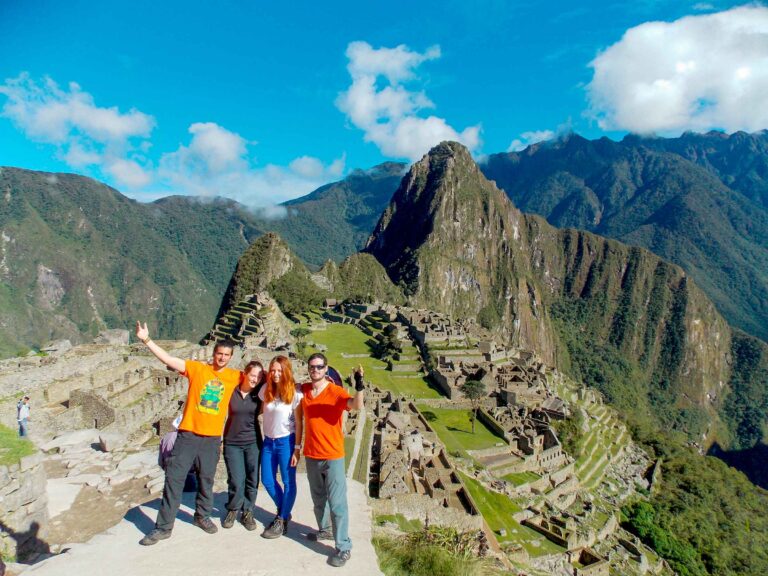
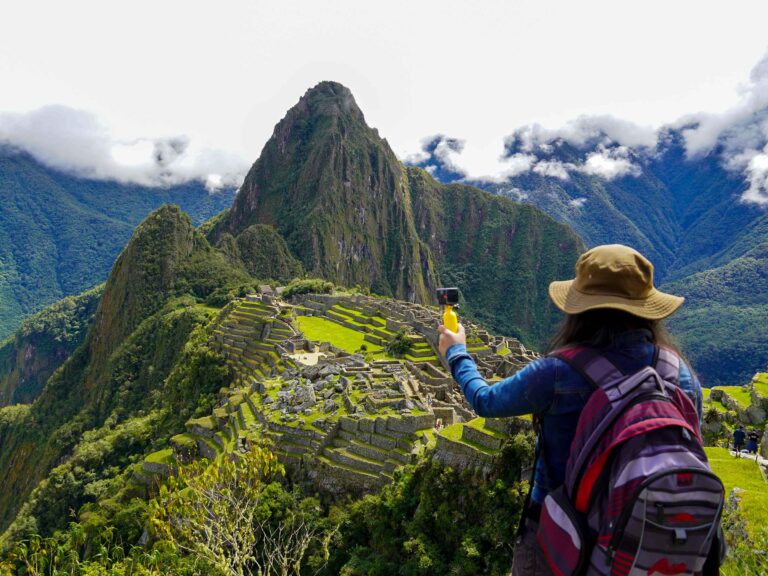
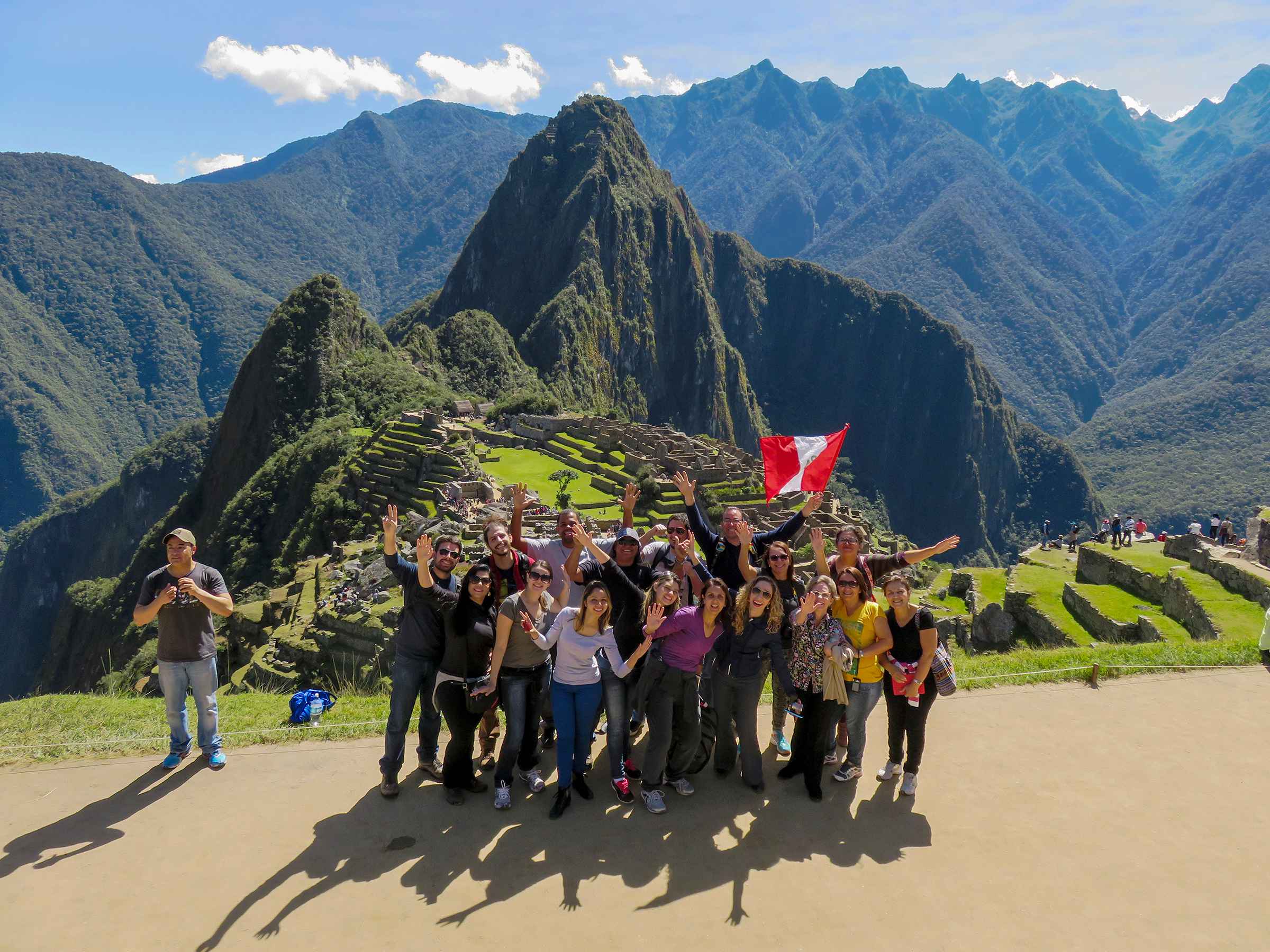
You’ll reach the Sun Gate in the early morning, witnessing the first light over the ancient city. This moment is often emotional, as the first glimpse of Machu Picchu is breathtaking. Your guide will offer a tour of the site, sharing its rich history and significance. Afterward, you can explore at your own pace, taking in the awe-inspiring architecture and natural beauty.
After your visit to Machu Picchu, you’ll take a bus to Aguas Calientes and then a train back to Cusco. The journey offers a chance to relax and reflect on your trek. Your tour operator will arrange all transportation, ensuring a smooth return journey. The train ride provides stunning views of the surrounding landscape, a fitting end to your adventure.
During the guided tour of Machu Picchu, you’ll explore various areas of the site, including the Temple of the Sun, the Intihuatana stone, and the Room of the Three Windows. Your guide will provide insights into the architecture, cultural significance, and daily life of the Incas. The tour offers a deeper understanding of the site’s importance and the ingenuity of its builders.
Making the most of your Inca Trail experience involves preparation, attitude, and respect for the environment and culture.
To maximize your Inca Trail experience, maintain a positive attitude, pace yourself, and enjoy the journey. Engage with fellow hikers, immerse yourself in the stunning surroundings, and embrace the cultural significance of this ancient trail. Take time to reflect and appreciate the opportunity to walk in the footsteps of the Incas, connecting with history and nature.
Some insider tips include starting your trek well-rested, carrying some cash for small expenses, and being open to new experiences. Respect the environment and local customs, and always carry your trash out to preserve the trail’s natural beauty. Embrace the unexpected, as weather and trail conditions can change, and flexibility can enhance your adventure.
Supporting local communities can enhance your trek and contribute positively to the region. Consider purchasing locally-made crafts and products as souvenirs. Choose tour operators that prioritize fair wages and sustainable practices. Engage with locals respectfully, learning about their culture and way of life. Your actions can make a positive impact, supporting the preservation of this remarkable area.
What is the Inca Trail?
The “Inca Trail” you have read about on the internet is a specific hiking route in Peru that starts in the Sacred Valley, goes through Inti-Punku (Sun Gate), and then reaches the famous ruins of Machu Picchu.
There are many Inca trails in Peru, and the ancient Inca civilization established the Andes mountains hundreds of years ago. But there is only one official trek on the “Camino del Inca.” This is the only trek that allows visitors to enter Machu Picchu National Park on foot.
All other treks include visiting the Inca city of Machu Picchu and taking a rest in the town.
What is the availability of permits to do the Inca Trail?
Limited Permits: The Peruvian government imposes a daily limit on the number of permits issued for the Inca Trail to manage environmental impact and ensure a sustainable experience.
Peak Seasons: The high tourist seasons, typically from May to September, see increased demand for Inca Trail permits. During these months, permits may sell out quickly.
Book in Advance: To secure a spot on the Inca Trail, especially during peak seasons, it is advisable to book your trek well in advance. Some travelers book their permits several months in advance.
Are permissions available for anyone to hike the Inca Trail independently?
No, authorized tour operators manage access to the Inca Trail. These operators hire certified Peruvian tour guides to take hikers from Cusco to the trailhead and Machu Picchu National Park.
Depending on your itinerary, Kondor Path Tours guides will accompany you to Aguas Calientes and back to Cusco. A licensed Peruvian tour guide must accompany all hikers.
Will our walk be private?
Kondor Path Tours’ treks have always been private. We will continue to organize private tours and hikes, but in 2025 we will also offer open walks and small-group trips. Click here to see availability.
Does the Inca Trail have an age restriction?
There is no official age limit for making the Inca Trail. People of all ages can do the 4-day trek or the 2-day Inca Trail.
The 4-Day Inca Trail is much more challenging than the short version. Both hikes require permits that must be purchased through a licensed tour operator. The permits are included, but people cannot buy them to hike the Inca Trail.
The Classic Inca Trail, sometimes called the 26-mile (41-kilometer) 4-Day Inca Trail, consists of three nights of camping. To view permits, visit the official government website.
Permits usually run out many months in advance. The highest point is Dead Woman’s Pass (approximately 14,000 feet (4,260 m).
The 2-Day Short Inca Trail is 7.5 miles (12 km) long, also known as the short or easy 1-day Inca Trail trek. The highest point is 2,730 meters (8,800 feet). The official Machu Picchu website lets you check permit availability.
Permits are rarely sold out and can be purchased at the last minute, at least five days before you plan to start the hike. The price includes one night at a hotel in Aguas Calientes.

Can these hikes be included in our Peru travel package?
YEAH! We can add these hikes to any itinerary.
The 4-Day Inca Trail can be combined with hotels, time to acclimatize, guided tours, and activities in the Sacred Valley—a classic 9-day excursion on the Inca Trail.
The 2-day Inca Trail can be combined with hotels, where you will have time to acclimatize, guided tours, and day hikes in the Sacred Valley—a 7-day vacation walking in Machu Picchu.
Why are permits required?
The Inca Trail is the only trek leading to Machu Picchu National Park, so permits are required for the 2- and 4-day tours.
Permits are required to control access to Machu Picchu National Park and limit the daily number of people on the trails.
Licensed tour operators will obtain your permits. Note: Permits are on a first-come, first-served basis.

Can anyone make the Inca Trail?
Anyone can make the Inca Trail if they are physically fit enough to carry a small backpack and hike in the Peruvian Andes at high altitudes.
The 4-Day Inca Trail is divided into specific daily distances, and we will spend the night in a designated camp each night.
The walking distance is the same for everyone, and the Peruvian government and the operators determine which camps are chosen. You can walk at your own pace as long as you have the physical ability to complete the allotted distance each day.
Can the 4-day tour be completed in less time?
No, the four-day tour (Camino Inca de 4 Dias) must be completed in four days, just like the one-day tour. The Inca Trail begins in the Sacred Valley and is a one-way route. You cannot do the Inca Trail in reverse, starting from Machu Picchu.
Is the porter service included in the cost of the 4-day tours?
Yes, the porter service is included in the cost of the 4-day tours provided by Kondor Path Tours.
The porters carry all the cooking equipment, the tents, and up to 5.5 kg of your personal belongings, including the sleeping bag and mat.
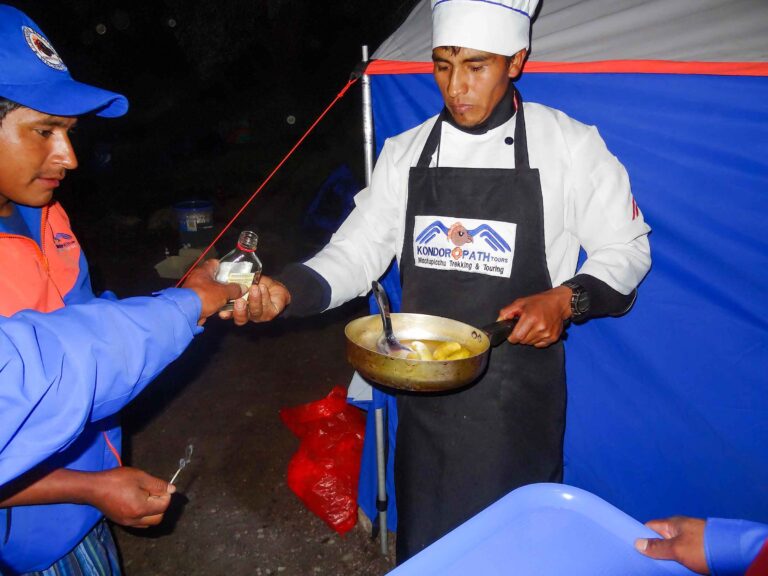
The level of service offered by Kondor Path Tours is pleasing to our walkers: 2 porters for each hiker, small groups, Therma-Rest mats, and high-quality meals prepared by a specialized chef on the trail.

Are permits required to make the Inca Trail?
Yes, permits are required for each tour and must be obtained through a licensed operator. You cannot make the Classic Inca Trail on your own.
Permits cannot be changed, refunded, transferred, or canceled. Your spot will be empty if you don’t show up for your walk. Licenses for the 4-day tour often sell out months in advance.
Is there an age limit for hikers?
There is no age limit for hikers. Here’s a parental checklist to help you decide if your kids should do the hike.
Inca Trail Machu Picchu Frequently Asked Questions
Are there more accessible hikes available?
Yeah! In the Sacred Valley, leisurely walks, including a support vehicle, can be adapted to your needs. No permits are needed, and they can be arranged on the go.
What are the essential things to know about the Inca Trail treks, and how to prepare?
- Variations in cost: All operators have exact fixed expenses, such as permits, tickets, buses, and trains. Variations in rates are due to the number of porters provided, the salaries of the porters and guides, the size of the groups, and taxes.
- The difficulty of the hiking trail: The path is not difficult, though it features steep slopes, irregular stone steps, and rough cobblestone sections. If you are inexperienced, you can do it too. However, the altitude, rugged terrain, and low oxygen levels can make the hike difficult.
- Insufficient time to acclimatize: The Inca trail route does not include time to acclimatize, so you must acclimatize for at least two days in Cusco or tour the sacred valley. If you are over 50, you must have adapted to the climate for at least 2 days.
- Adequate preparation: You do not need luxury or modern equipment for the hike, but you must have sufficient footwear to avoid discomfort on the walk and a backpack that fits your body shape, with a capacity of 24 liters for women and 28 liters for men. You can contact a Kondor Path Tours travel specialist for additional advice.
- Fitness: If you have not done a multi-day walk in the last eight months, it is recommended that you test your endurance by doing weighted walks close to home. Once you start the hike, you are committed. The guides are trained to handle health issues or injuries, but will not allow you to begin the trek if they feel you are not in good physical shape.

What is needed to make a reservation, and when should it be made?
- Dates: You choose the dates. You can opt for a private walk or join a small group. We will check if permits are available (minimum of two people).
- Confirm Availability: Contact our US office by phone or email to ask questions or confirm availability.
- Passports: Each person needs a passport. Scan or photograph your passport and email it.
- Payment: Call our office in Cusco to process the 30% deposit using any major credit card.
Who definitely should not make the Inca Trail?
- People with difficulty walking, either on flat surfaces or on slopes.
- People over 70, unless they are dedicated hikers at their place of residence.
- People with chronic illnesses that affect their mobility or activity level.
- Pregnant women, since there are no medical services available near the road.
- Remember, if you have questions or need more information, you can contact our office in Cusco at +51 991 391 255

Conclusion
Embarking on the Inca Trail to Machu Picchu is a once-in-a-lifetime adventure that offers more than just beautiful landscapes. By addressing these frequently asked questions, you can better prepare for the journey ahead and ensure a safe, memorable experience. Whether you’re drawn by the history, the challenge, or the allure of the unknown, the Inca Trail promises an adventure that will stay with you long after the trek is over.