Embarking on an ayahuasca retreat in Peru can be a life-changing experience. This Amazonian plant medicine has been used for centuries by indigenous people for healing and spiritual growth. If you’re considering this journey, understanding the process, traditions, and necessary preparations is essential. In this guide, we’ll explore ayahuasca retreats in Peru, the Amazonian healing traditions, and how to prepare for this transformative experience.
Ayahuasca is a powerful plant medicine traditionally used in the Amazon basin for spiritual and healing purposes. The brew is made from the Banisteriopsis caapi vine and the leaves of Psychotria viridis. Together, these plants create a potent concoction that induces deep introspection, emotional release, and spiritual insights.
The preparation of ayahuasca involves more than just combining two plants; it is a complex process that requires knowledge and respect for the plants’ properties. The Banisteriopsis caapi vine contains MAO inhibitors, which allow the DMT in the Psychotria viridis leaves to produce its visionary effects.
In Amazonian cultures, ayahuasca is revered not merely as a substance but as a sacred practice deeply intertwined with their traditions and worldview. The historical use of ayahuasca spans centuries, with each indigenous tribe having its own unique rituals and interpretations of the experience. This long-standing tradition highlights the profound cultural significance and deep respect for ayahuasca within these communities.
They undergo rigorous training, often involving years of apprenticeship, to master the art of guiding ceremonies and interacting with the spiritual realm. These healers not only prepare the brew but also protect and guide participants through their journeys, ensuring a safe and transformative experience.
Peru is a popular destination for ayahuasca retreats due to its rich history and connection to Amazonian traditions. The country’s lush rainforests and experienced shamans provide an authentic setting for this spiritual journey. Moreover, the Peruvian government recognizes and protects traditional medicine practices, ensuring that retreats operate responsibly and ethically.
The diverse and vibrant landscape of Peru offers an ideal backdrop for ayahuasca retreats. From the dense Amazon rainforests to the majestic Andes Mountains, Peru’s natural beauty complements the spiritual depth of the ayahuasca experience. This connection to nature enhances the ceremony’s impact, creating a profound sense of harmony and integration with the earth.
The Peruvian government’s recognition of traditional medicine practices underscores the country’s commitment to preserving indigenous wisdom and heritage. This legal framework not only protects the rights of indigenous communities but also ensures that ayahuasca retreats adhere to ethical standards. This respect for tradition and culture is crucial for maintaining the integrity of the ayahuasca experience.
Many centers collaborate with local indigenous communities, ensuring that the benefits of these retreats extend beyond the participants to the local people. This approach fosters a sense of responsibility and respect for the land and its inhabitants, enriching the overall experience.
Here are some key considerations:
When selecting a retreat, prioritize safety and authenticity. Look for centers that employ experienced shamans and have positive reviews from past participants. Verify that the retreat follows ethical guidelines and respects local traditions and communities.
Ensuring your safety during an ayahuasca retreat is paramount. Research the retreat’s safety protocols, including the availability of medical assistance and emergency procedures. Responsible retreats will prioritize participant safety, providing a secure environment for exploration and healing.
Look for retreats that engage with local shamans and adhere to traditional practices, ensuring that your experience is both genuine and respectful of indigenous knowledge.
Reading reviews and testimonials from past participants can provide valuable insights into the retreat’s quality and effectiveness. Look for consistent positive feedback on the professionalism of the staff, the retreat atmosphere, and the transformative potential of the ceremonies.
Ayahuasca can bring suppressed emotions to the surface, allowing you to confront and release them. It’s essential to approach this journey with an open mind and a willingness to surrender to the process.
Let go of preconceived notions and expectations, and let the medicine guide you through its own wisdom. This openness will facilitate deeper insights and more profound healing.
Emotional readiness involves acknowledging and accepting your current mental state. Consider engaging in practices like meditation, journaling, and therapy to explore your emotions before the retreat. Building a support network of friends, family, or mental health professionals can also provide comfort and reassurance.
Accept that the experience may challenge you, but remember that these challenges are opportunities for growth and healing. This surrender is not about losing control, but rather about gaining a deeper understanding of yourself.
Before the retreat, you’ll need to follow specific dietary restrictions to ensure your safety. Most centers recommend avoiding certain foods, alcohol, and medications for at least two weeks before the ceremony. This detox helps purify your body and heightens your sensitivity to the medicine.
This diet typically includes abstaining from red meat, processed foods, and caffeine, while focusing on simple, plant-based meals. This detoxification process cleanses the body, preparing it for the ayahuasca experience.
Certain medications, particularly those affecting the serotonin system, can have dangerous interactions with ayahuasca. It is essential to consult with a healthcare professional to ensure that any medications you are taking are safe to combine with ayahuasca. This precaution minimizes health risks and ensures a smoother experience.
Physical fitness can impact your ayahuasca journey, as a healthy body supports a resilient mind. Engage in regular exercise and maintain a balanced lifestyle to promote overall well-being. This preparation will enhance your ability to navigate the emotional and physical demands of the ceremony.
Here’s what you can expect during a typical ceremony:
Ayahuasca, a powerful plant medicine used for centuries by indigenous tribes in the Amazon rainforest, has gained popularity in recent years for its potential to heal trauma, provide spiritual insights, and promote personal growth. For many, the idea of participating in an Ayahuasca retreat can be daunting, as the brew is known to induce intense visions and emotional experiences. However, for those willing to confront their fears and embark on a journey of self-discovery, an Ayahuasca retreat in Peru can be a transformative experience. This guide will explore conquering your fears and preparing for an Ayahuasca retreat in Peru.

Conquering Your Fears a Guide to Ayahuasca Retreats in Peru
Before embarking on an Ayahuasca retreat, it’s essential to understand the source of your fears. Are you afraid of the unknown, losing control, or facing suppressed emotions? By identifying these, you can address your concerns and mentally and emotionally prepare for the experience ahead.

Educating yourself about Ayahuasca and the retreat process can help alleviate fears and uncertainties. Read books, watch documentaries, and seek out reputable sources of information to learn more about Ayahuasca’s history, cultural context, and potential benefits.

A shaman in the Coafan region prepares ayahuasca, Ecuador, 2009. (Photo by Wade Davis/Getty Images)
Setting clear intentions for your Ayahuasca journey can help guide your experience and provide a sense of purpose. Whether you’re seeking healing, spiritual insight, or personal growth, clearly defining your intentions can help you navigate the psychedelic experience.

When selecting an Ayahuasca retreat in Peru, choosing a reputable center with experienced shamans and a strong safety record is crucial. Research retreat centers carefully, read reviews, and ask questions to ensure you feel comfortable and safe with your choice.
Preparing yourself physically and mentally for an Ayahuasca retreat is essential. Follow the recommended pre-retreat diet, which typically excludes alcohol, drugs, and certain foods. Engage in practices that promote mental clarity and emotional well-being, such as meditation, yoga, and journaling.

During the retreat, approach the Ayahuasca ceremonies with an open mind and a willingness to surrender to the experience. Trust in the wisdom of the medicine and the guidance of the shaman. Remember that challenging experiences are often a necessary part of the healing process.
After the retreat, integrate the insights and lessons learned during your Ayahuasca journey. Reflect on your experiences, journal, and seek support from therapists, integration coaches, or fellow participants. Remember that the real work begins after the retreat as you incorporate your newfound insights into your daily life.
Embarking on an ayahuasca retreat in Peru is a profound way to conquer your fears and embark on a journey of healing and self-discovery. By understanding the traditions, preparing adequately, and embracing the transformative power of plant medicine, you can unlock new levels of personal growth and spiritual awareness.
Remember, the journey with ayahuasca is deeply personal and unique to each individual. Approach it with respect, openness, and a commitment to your personal growth. With the right mindset and preparation, an ayahuasca retreat can be a life-changing experience that empowers you to face your fears and live more authentically.
The transformation initiated by ayahuasca is an ongoing process that extends beyond the ceremony. Continue to engage with the insights and lessons learned, integrating them into your daily life. This commitment to growth will ensure that the benefits of your ayahuasca experience endure and evolve.
Approach your ayahuasca journey with gratitude for the opportunity to explore and heal. This attitude of appreciation will enhance your experience, fostering a sense of connection and reverence for the wisdom of the plant medicine and the traditions that support it.

Machu Picchu and Hiram Bingham’s Legacy: Rediscovery, Debate, and Historical Impact Machu Picchu, a marvel of Inca engineering,…
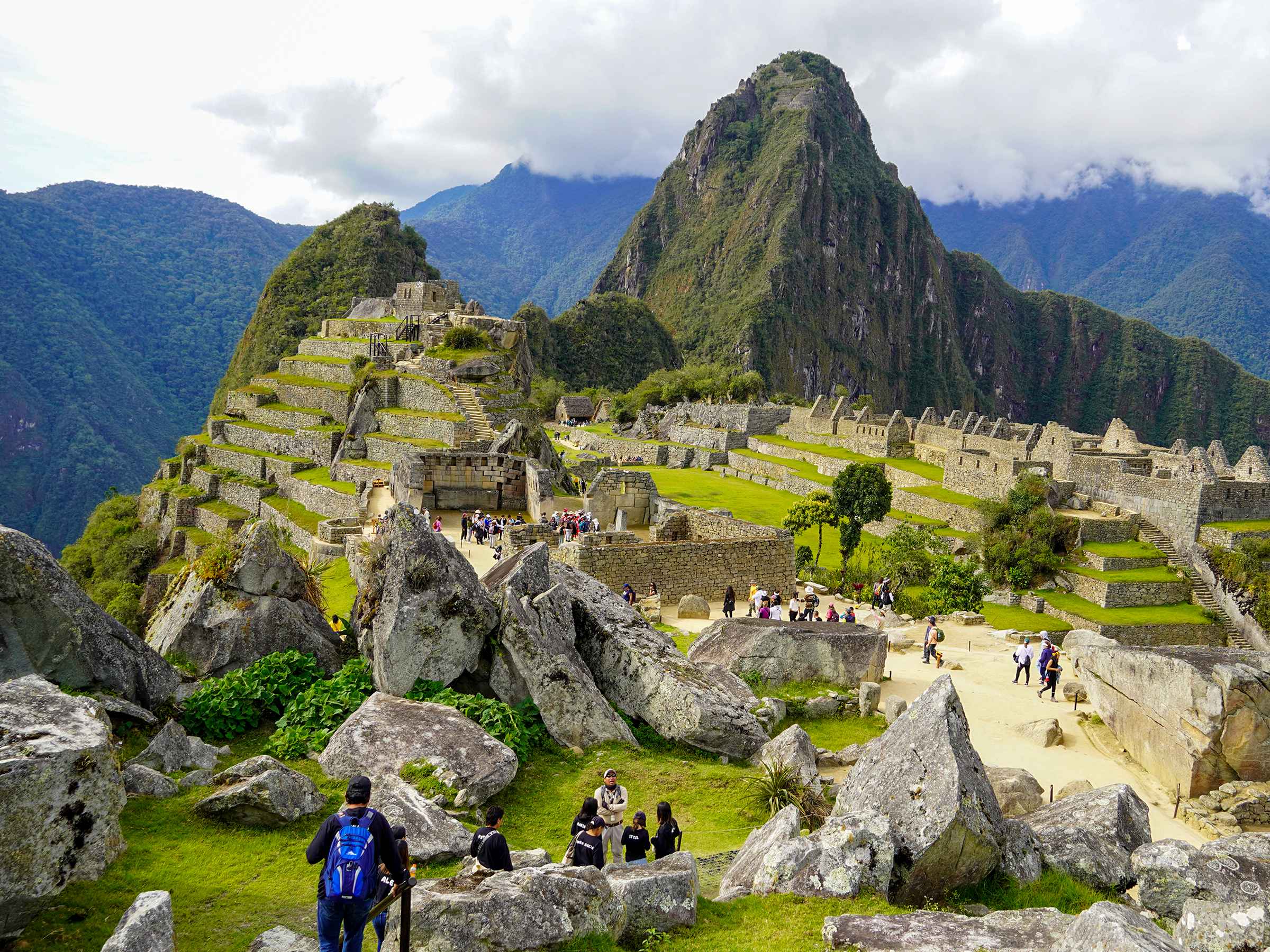
Machu Picchu Seismic Design: How Inca Engineering Defied Earthquakes Machu Picchu stands as a marvel of ancient engineering.…

Machu Picchu Terrace Engineering: How the Incas Mastered Mountain Agriculture Machu Picchu stands as a marvel of ancient…

Machu Picchu Quarry Sources: Where the Incas Obtained Their Building Stone Machu Picchu stands as a marvel of…

Machu Picchu Sacred Mountains Guide: Spiritual Meaning of the Andean Landscape Machu Picchu, the renowned 15th-century Incan citadel,…
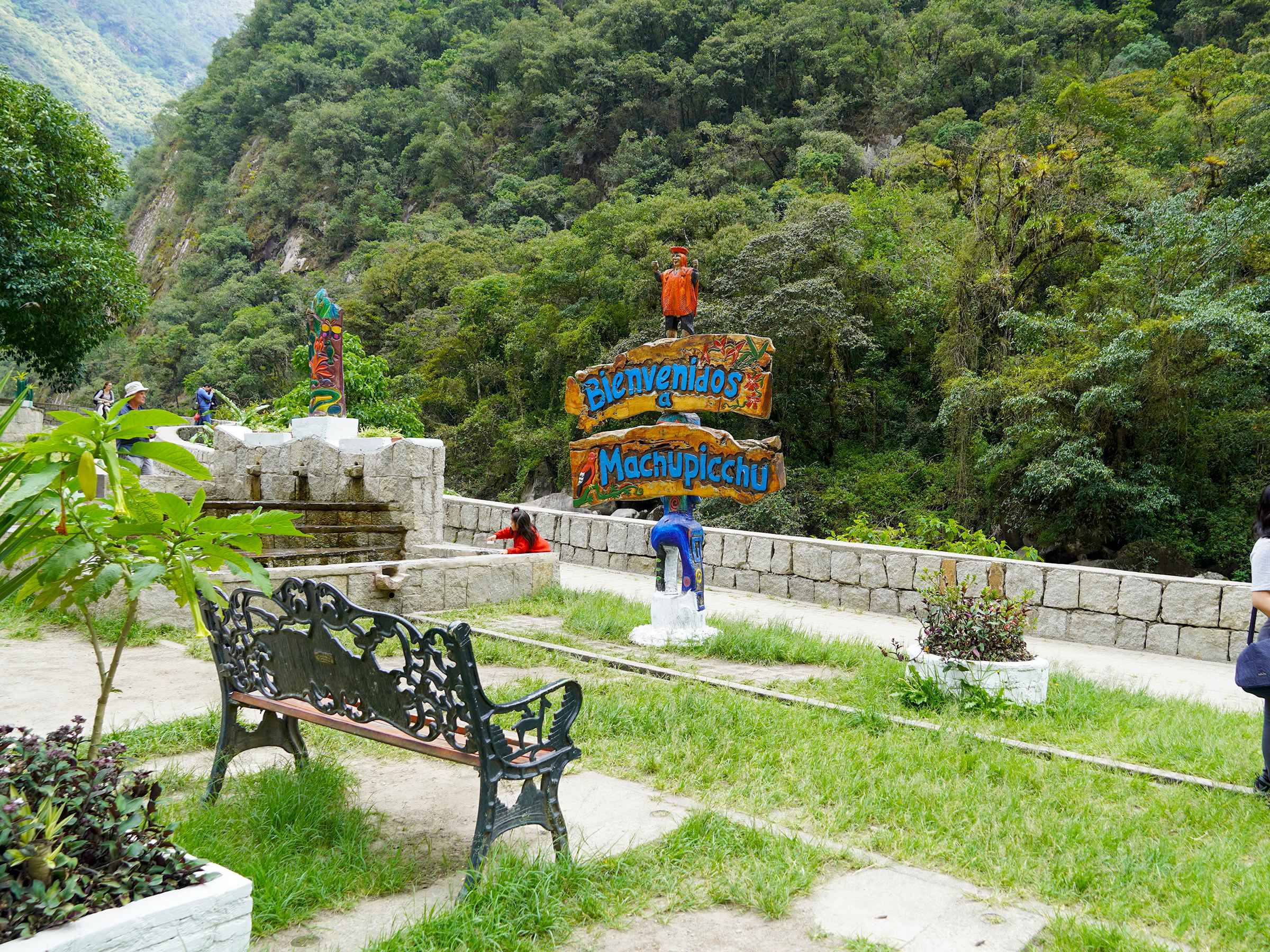
Aguas Calientes Town: The Charming Gateway to Machu Picchu Nestled in the heart of the Andes, Aguas Calientes…
Peru Altitude Guide Peru is a land of breathtaking landscapes and rich cultural heritage. Its diverse geography includes…

Machu Picchu Climb Machu Picchu is a dream destination for many travelers. Nestled high in the Andes, it…

Discover the Amazing Sacred Valley Cusco Nestled in the heart of the Andes, the Sacred Valley of Cusco…

Best time to go to Machu Picchu Machu Picchu is a dream destination for many travelers. Nestled in…

Cusco Altitude Cusco, a city nestled in the Andes, is renowned for its breathtaking altitude. At 11,152 feet…
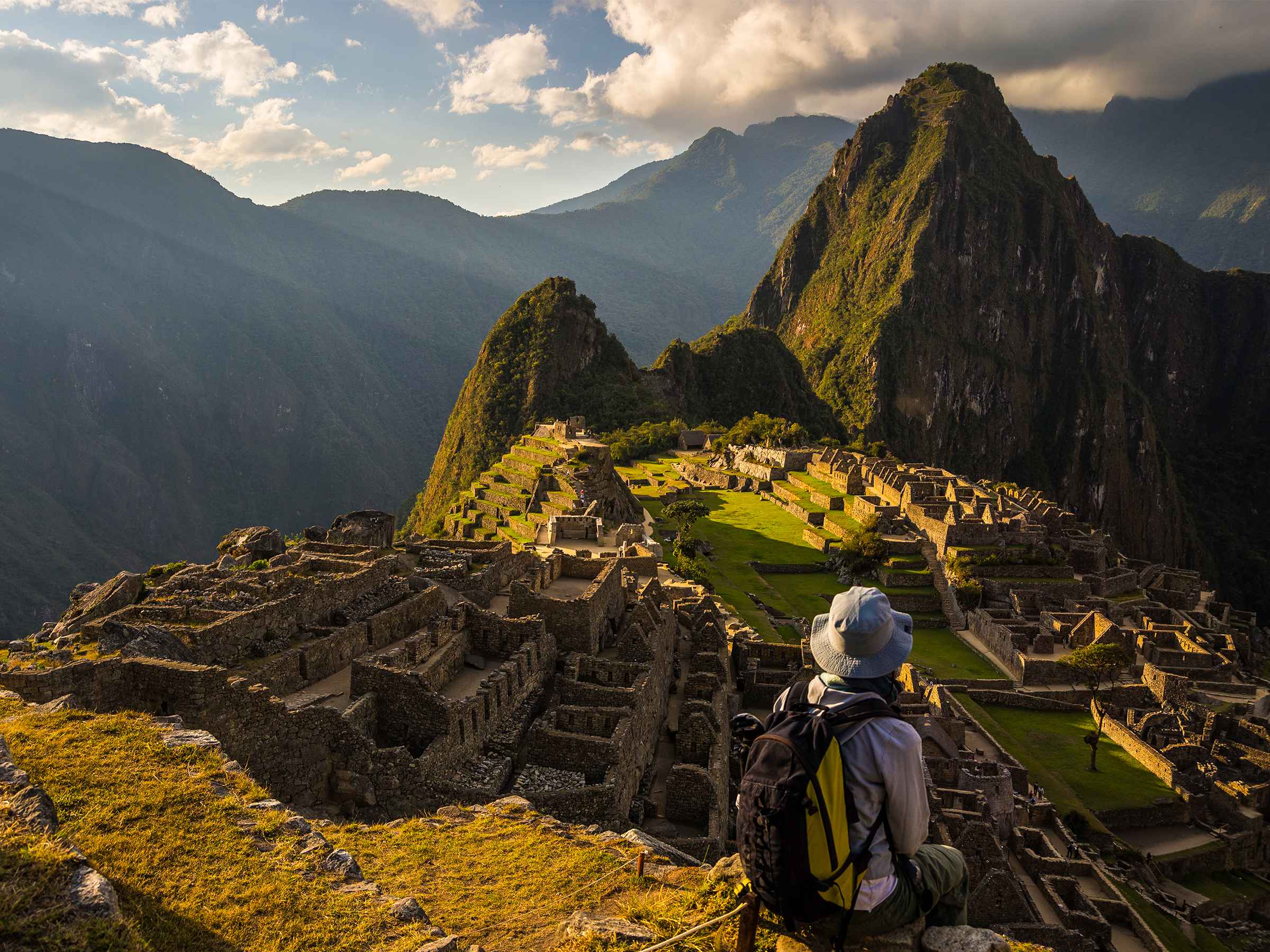
Where is Machu Machu Picchu is a name that sparks curiosity and wonder. Nestled high in the Andes…