
Your Essential Guide to Exploring the Sacred Valley of the Incas

Your Essential Guide to Exploring the Sacred Valley of the Incas


Tabla de Contenidos

Sacred Valley Travel Guide: Exploring the Wonders of Sacred Valley

The Sacred Valley, also known as the Urubamba Valley, is a region in Peru’s Andean highlands. It stretches from the town of Pisac to Ollantaytambo and is just a short distance from the famed city of Cusco. This valley is not only known for its picturesque landscapes but also for its historical significance as a major center of the Inca Empire.

The Sacred Valley is west of the sloping edges of the mountain city of Cusco. This area is rich in fields, farms, landscapes, and ancient Inca ruins. The famous ruins of Machu Picchu are neighbors of other Inca ruins in Pisac, Ollantaytambo, Vilcabamba, and Choquequirao.

Compared to the cold city of Cusco, the Sacred Valley is a sunny paradise where travelers can explore the remains of numerous Inca palaces, fortresses, and temples, and stroll through charming Andean towns that continue to produce some of the country’s best handicrafts.

Geography and Location of the Sacred Valley

Nestled between the Andes Mountains, the Sacred Valley is characterized by its dramatic geography. The valley is carved by the Urubamba River, which flows through its length, providing water and fertile land for agriculture. The surrounding mountains create a stunning backdrop, with peaks that reach over 5,000 meters. This unique geography has played a crucial role in the valley’s history and development.

The Urubamba River: Lifeline of the Valley

The Urubamba River is more than just a scenic waterway; it has been the lifeblood of the Sacred Valley for centuries. Its waters have nurtured fertile soil, enabling the growth of staple crops such as corn and potatoes. Moreover, the river has served as a vital transportation route, allowing the Incas and later civilizations to traverse the valley with ease.

The Andean Mountains: Guardians of the Valley

Towering over the Sacred Valley, the Andean Mountains have both protected and isolated its inhabitants. Their formidable peaks have acted as natural barriers, preserving the valley’s unique ecosystems and cultural heritage. The mountains have also influenced the local climate, creating microclimates that support diverse flora and fauna.

Climate and Seasons of the Sacred Valley

The Sacred Valley’s climate varies significantly with altitude, offering a range of weather conditions throughout the year. The valley experiences two main seasons: the dry season (May to September) and the wet season (October to April). Each season brings its own charm, from lush greenery in the rainy months to clear, sunny skies in the dry period.

History of the Sacred Valley and the Incas

The Sacred Valley holds a special place in the history of the Incas. It was considered sacred due to its fertile lands and strategic location. The Incas developed advanced agricultural techniques here, creating terraces on steep mountain slopes to grow crops such as maize and potatoes. These terraces can still be seen today, showcasing the ingenuity of Inca engineering.

The Role of the Sacred Valley in Inca Civilization

The Sacred Valley was more than just an agricultural hub for the Incas. It was also a spiritual and political center. The Incas built several vital cities and religious sites in the valley, including Pisac, Ollantaytambo, and Machu Picchu. These sites served as administrative centers, religious sanctuaries, and military strongholds, reflecting the valley’s significance in the Inca Empire.

Pisac: A Center of Trade and Worship

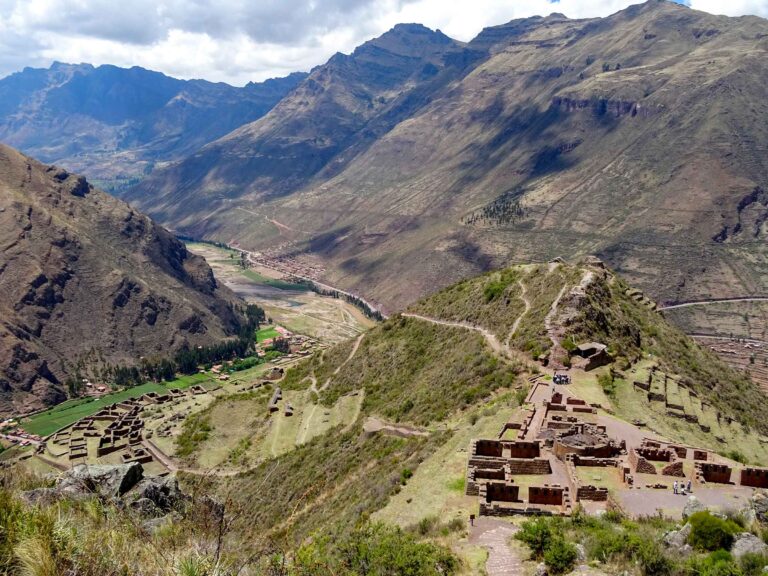
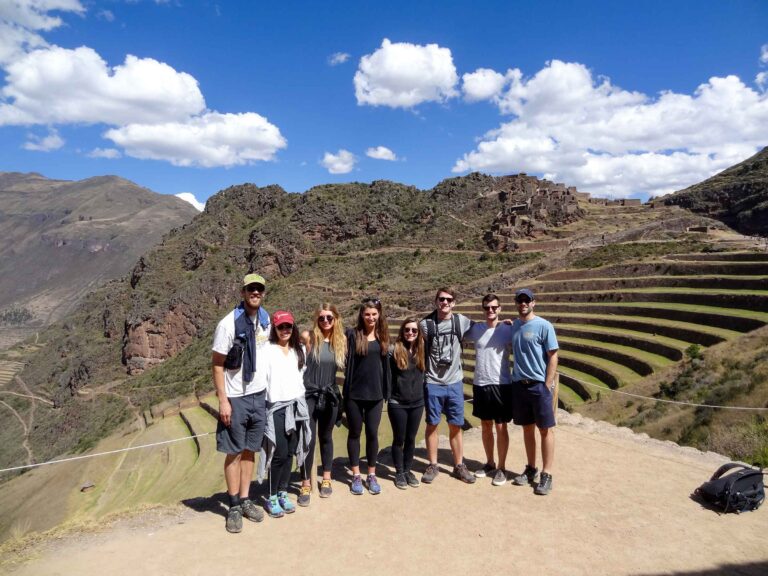
Pisac was a crucial site in the Sacred Valley, known for its bustling markets and religious significance. The town’s strategic position allowed it to thrive as a trade hub, connecting the highlands with the jungle. Its impressive ruins include ceremonial structures and agricultural terraces, demonstrating the Incas’ architectural prowess.

Ollantaytambo: A Living Inca Town

Ollantaytambo stands out as one of the best-preserved Inca towns, still inhabited by descendants of the ancient civilization. Its layout reflects the Incas’ urban planning skills, with streets and buildings that have remained essentially unchanged. The town’s fortress served as a key military site, guarding the valley against invaders.

Machu Picchu: The Lost City of the Incas

Machu Picchu, often hailed as the crown jewel of Inca architecture, remains shrouded in mystery. Perched atop a mountain ridge, it showcases the Incas’ ability to harmonize construction with nature. The site’s purpose is still debated, with theories ranging from a royal estate to a religious retreat, adding to its allure.

Culture and Communities of the Sacred Valley

Local artisans selling traditional crafts in a market in the Sacred Valleyby Pamela Huber (https://unsplash.com/@pamelahuber)

The culture of the Sacred Valley is as vibrant as its landscapes. The valley is home to several indigenous communities that have preserved their traditions and way of life for centuries. Visitors to the valley can experience the rich cultural heritage through local festivals, traditional crafts, and authentic cuisine.

Traditional Festivals and Celebrations

Throughout the year, the Sacred Valley hosts a variety of traditional festivals that celebrate the region’s cultural heritage. These festivals often include colorful parades, traditional music and dance, and religious ceremonies. One of the most famous festivals is Inti Raymi, the Festival of the Sun, which honors the Inca sun god and marks the winter solstice.

Inti Raymi: The Festival of the Sun

Inti Raymi is a vibrant celebration that draws thousands to Cusco and the Sacred Valley each June. Participants dress in elaborate costumes and reenact Inca rituals, paying homage to Inti, the sun god. This festival not only commemorates Inca traditions but also strengthens cultural identity and community bonds.

Qoyllur Rit’i: A Pilgrimage of Faith

Qoyllur Rit’i, held annually, is a pilgrimage that combines pre-Columbian and Catholic traditions. Devotees trek to the Sinakara Valley to honor the Lord of Qoyllur Rit’i, a fusion of indigenous and Christian beliefs. The event includes music, dance, and ritualistic offerings, reflecting the syncretism of Andean spirituality.

Tinku: A Festival of Strength and Unity

Tinku, celebrated in various Andean communities, is a festival characterized by traditional dances and mock battles. Participants engage in symbolic fights to honor Pachamama, the earth goddess, and to settle disputes. This festival underscores the importance of strength, unity, and reconciliation in Andean culture.

Handicrafts and Artisanal Markets

The Sacred Valley is known for its vibrant artisanal markets, where visitors can find a wide range of traditional crafts. From intricately woven textiles to hand-carved wooden items, these markets offer a glimpse into the craftsmanship and creativity of the local communities. Supporting these artisans not only helps preserve their cultural heritage but also provides a unique souvenir from your travels.

Textiles: Weaving Stories Through Fabric

The art of textile weaving in the Sacred Valley dates back centuries, with each piece telling a unique story. Local artisans use natural dyes and traditional techniques to create vibrant patterns that represent their cultural heritage. Purchasing these textiles supports the continuation of these age-old practices and provides insight into the weavers’ lives.

Pottery: Crafting the Earth

Pottery in the Sacred Valley is not just an art form; it is a connection to the earth and history. Artisans craft clay into beautiful, functional pieces, often incorporating traditional motifs and designs. These pottery items are both practical and decorative, serving as a testament to the skill and creativity of local craftsmen.

Silverwork: The Art of Metal Crafting

Silverwork in the Sacred Valley showcases the intricate metal-crafting skills passed down through generations. Artisans create stunning jewelry and decorative items, often inspired by Inca symbolism and nature. These pieces reflect the fusion of ancient techniques with contemporary design, making them prized possessions for collectors and visitors alike.

Landscapes and Natural Environment

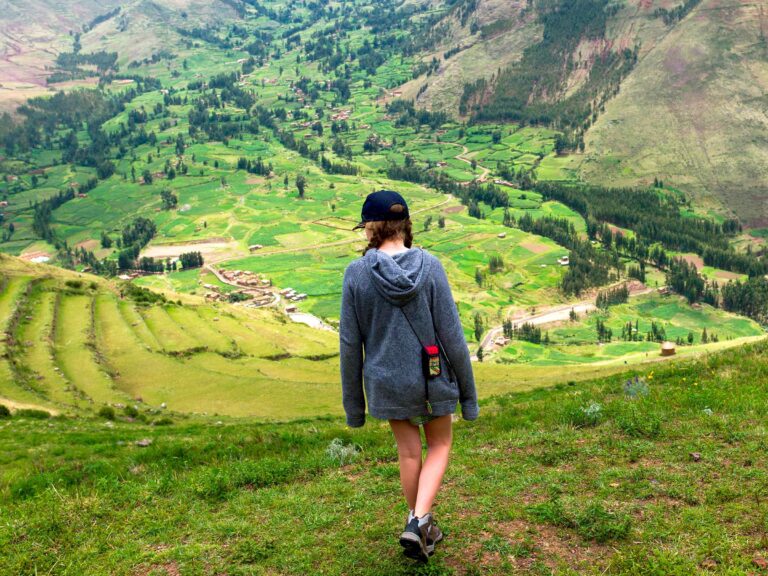
The natural beauty of the Sacred Valley is undeniable. The valley’s diverse landscapes range from lush green valleys to towering mountains, making it a paradise for nature lovers and outdoor enthusiasts.

Hiking and Outdoor Activities

The Sacred Valley offers numerous opportunities for outdoor activities, including hiking, biking, and horseback riding. Popular hiking trails include the Inca Trail to Machu Picchu and the trek to the stunning Rainbow Mountain. These trails offer breathtaking views of the valley and allow visitors to experience the natural beauty up close.

The Inca Trail: A Journey Through History

The Inca Trail is one of the most iconic hikes in the world, leading adventurers through stunning landscapes and ancient ruins. The trail follows paths once used by the Incas, offering a glimpse into their engineering prowess and connection to nature. Completing this trek is both a physical challenge and a spiritual journey.

Rainbow Mountain: A Kaleidoscope of Colors

Rainbow Mountain, or Vinicunca, is a geological wonder known for its vibrant, multicolored slopes. The trek to its summit is challenging, but the breathtaking views are a worthy reward. The colors are the result of mineral deposits, creating a natural masterpiece that captivates visitors.

Maras and Moray: Hidden Gems of the Valley

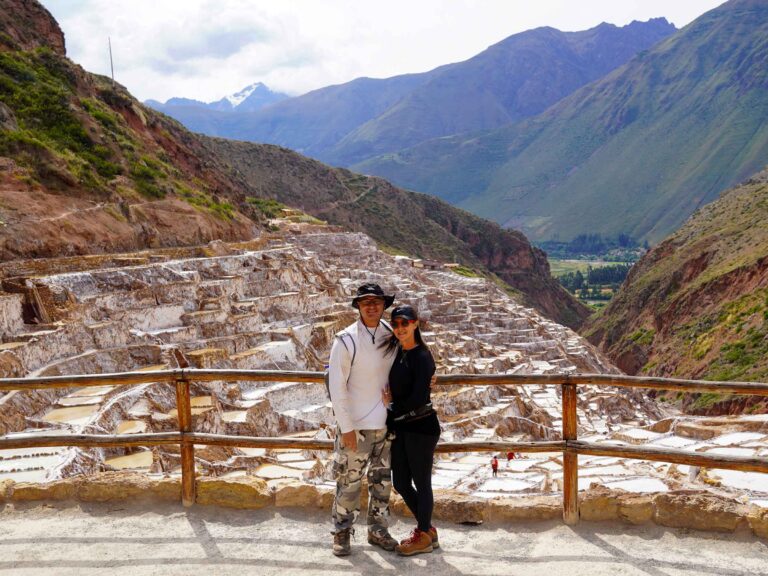
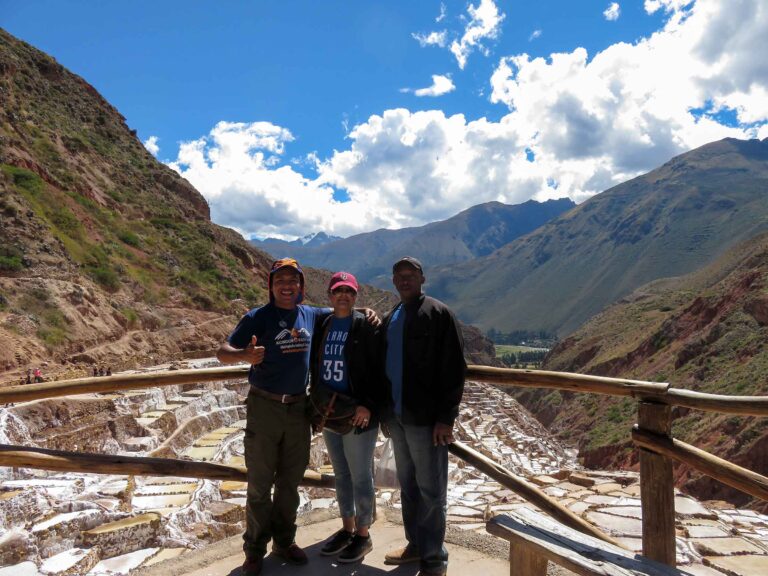
The Maras salt mines and Moray agricultural terraces are lesser-known yet fascinating sites in the Sacred Valley. The salt mines showcase ancient techniques still in use today, while Moray’s circular terraces reveal the Incas’ agricultural experiments. Both sites offer unique insights into the valley’s historical and environmental significance.

Unique Flora and Fauna

The Sacred Valley is home to a diverse range of flora and fauna. The valley’s unique ecosystems support a variety of plant and animal species, some of which are endemic to the region. Visitors may spot llamas, alpacas, and even the elusive Andean condor soaring above the mountains.

Andean Wildlife: A Biodiversity Hotspot

The Sacred Valley’s diverse habitats are home to a wide array of wildlife, from majestic Andean condors to playful viscachas. Birdwatchers can delight in spotting rare species, while nature enthusiasts may encounter llamas and alpacas in their natural environment. This biodiversity highlights the importance of conservation efforts in the region.

Plant Life: A Botanical Wonderland

The Sacred Valley’s varied climate zones support a rich tapestry of plant life, from high-altitude grasses to lush cloud forests. Native plants, such as the quinoa plant and various orchids, are integral to the ecosystem and local culture. Exploring these botanical wonders offers a deeper appreciation for the valley’s natural beauty.

Conservation Efforts: Protecting the Sacred Valley

Efforts to preserve the Sacred Valley’s natural environment are crucial to maintaining its ecological balance and cultural heritage. Local communities and organizations work together to protect endangered species and promote sustainable tourism practices. These initiatives ensure that future generations can continue to experience the valley’s breathtaking landscapes.

Practical Information for Understanding the Sacred Valley

When planning a trip to the Sacred Valley, there are a few practical considerations to keep in mind to make the most of your visit.

Best Time to Visit

The best time to visit the Sacred Valley is during the dry season, which runs from May to September. During this time, the weather is generally sunny and mild, making it ideal for outdoor activities and exploring the valley’s attractions.

Seasonal Highlights: What to Expect

Each season in the Sacred Valley offers unique experiences and highlights. The dry season provides clear skies and optimal hiking conditions, while the wet season brings lush landscapes and fewer crowds. Understanding these seasonal variations can help you plan the perfect itinerary.

Packing Tips: Preparing for the Valley

Packing for the Sacred Valley requires consideration of the region’s diverse climate and activities. Layered clothing is essential for temperature fluctuations, and sturdy footwear is a must for hiking. Don’t forget essentials like sunscreen and a reusable water bottle to stay hydrated and protected from the sun.

Travel Insurance: A Wise Investment

Travel insurance is recommended for anyone visiting the Sacred Valley, offering peace of mind in the event of unexpected events. Coverage should include medical emergencies, trip cancellations, and loss or theft of belongings. Ensuring you’re protected allows you to enjoy your adventure without worry.

Getting Around the Sacred Valley

The Sacred Valley is easily accessible from Cusco, with several transportation options available. Buses and taxis are standard modes of transport, but for a more immersive experience, consider hiring a local guide or joining a tour. This allows you to learn more about the valley’s history and culture from knowledgeable locals.

Local Guides: Enhancing Your Experience

Hiring a local guide can enrich your visit to the Sacred Valley, offering insights into the region’s history, culture, and natural wonders. Guides often share personal stories and lesser-known facts, providing a deeper connection to the valley. Their expertise ensures a more fulfilling and memorable journey.

Public Transportation: Navigating the Valley

Public transportation in the Sacred Valley is affordable and convenient, with buses and colectivos connecting major towns and attractions. Familiarizing yourself with the routes and schedules can help you navigate the valley efficiently. This option is ideal for budget-conscious travelers seeking an authentic experience.

Renting a Car: Freedom to Explore

Renting a car offers the freedom to explore the Sacred Valley at your own pace, with the flexibility to visit off-the-beaten-path locations. The valley’s roads are generally well-maintained, but it’s essential to be prepared for mountainous terrain and changing weather conditions. This option is best suited for confident drivers seeking adventure.

Sacred Valley Travel Guide

For those planning a trip to the Sacred Valley, here’s a quick travel guide to help you get started:

  1. Accommodation: The valley offers a range of accommodation options, from luxury hotels to cozy guesthouses. Consider staying in Ollantaytambo or Urubamba for easy access to the valley’s main attractions.

Luxury Retreats: Indulge in Comfort

The Sacred Valley boasts a selection of luxury accommodations, offering world-class amenities and breathtaking views. These retreats provide the perfect setting for relaxation, with spa services, gourmet dining, and personalized experiences. Staying in a luxury hotel allows you to unwind in style after a day of exploration.

Eco-Friendly Lodges: Sustainable Stays

For environmentally conscious travelers, eco-friendly lodges in the Sacred Valley offer sustainable accommodations that minimize their environmental impact. These lodges often incorporate renewable energy, locally sourced materials, and community involvement. Choosing an eco-friendly stay supports conservation efforts and promotes responsible tourism.

Budget-Friendly Options: Affordable Comfort

The Sacred Valley also offers a variety of budget-friendly accommodations, from hostels to guesthouses, providing comfortable stays without breaking the bank. These options often include communal spaces where travelers can connect and share experiences. Opting for budget accommodations allows you to allocate more resources to activities and experiences.

  1. Attractions: Don’t miss visiting the ancient Inca sites of Pisac and Ollantaytambo, as well as the world-renowned Machu Picchu. Other notable attractions include the Maras salt mines and the Moray agricultural terraces.

Pisac: A Market and Archaeological Marvel

Pisac is renowned for its vibrant market, where visitors can shop for local crafts and produce. The town’s archaeological site offers stunning views and a glimpse into Inca life. Exploring Pisac provides a balance of cultural immersion and historical exploration.

Ollantaytambo: The Inca Legacy Lives On

Ollantaytambo’s well-preserved ruins and charming town offer a unique blend of history and culture. The fortress and temple complex are must-see attractions, while the city itself invites leisurely exploration. Visiting Ollantaytambo is like stepping back in time to the height of the Inca Empire.

Machu Picchu: A Once-in-a-Lifetime Experience

No trip to the Sacred Valley is complete without visiting Machu Picchu, the iconic symbol of the Inca civilization. The site’s awe-inspiring architecture and panoramic views leave a lasting impression on all who visit. Booking tickets in advance and planning your visit carefully ensures a smooth, unforgettable experience.

  1. Cuisine: Be sure to try traditional Peruvian dishes such as ceviche, lomo saltado, and quinoa soup. The Sacred Valley is known for its fresh produce, which is often featured in local cuisine.

Ceviche: A Taste of the Sea

Ceviche, a popular Peruvian dish, features fresh fish marinated in citrus juices and spiced with chili peppers. This refreshing dish is a must-try for seafood lovers, offering a burst of flavors that reflect Peru’s coastal heritage. Enjoying ceviche in the Sacred Valley highlights the diversity of Peruvian cuisine.

Lomo Saltado: A Fusion of Flavors

Lomo saltado is a stir-fry dish that combines marinated beef, onions, tomatoes, and peppers, served with rice and potatoes. This fusion of Asian and Peruvian influences creates a savory and satisfying meal. Sampling lomo saltado provides a delicious introduction to the country’s culinary traditions.

Quinoa Soup: A Nutritious Delight

Quinoa soup, a staple of Andean cuisine, is a hearty, nutritious dish made with the region’s native grain. This wholesome soup often includes vegetables and spices, offering a comforting and flavorful experience. Tasting quinoa soup connects visitors to the agricultural heritage of the Sacred Valley.

Embrace the Journey

Embracing the journey through the Sacred Valley allows travelers to connect with the past and present profoundly. Each step taken in the valley offers a new perspective, a new story, and a new memory. The Sacred Valley’s magic lies in its ability to touch the hearts of all who visit.

Preserving the Legacy

Preserving the Sacred Valley’s cultural and natural heritage is vital for future generations. Visitors can contribute by respecting local customs, supporting sustainable tourism, and advocating for conservation efforts. Protecting this invaluable legacy ensures that its wonders remain for years to come.

Returning with a New Perspective

A journey to the Sacred Valley often leaves travelers with a renewed sense of wonder and appreciation for the world’s diverse cultures and landscapes. The experiences and connections made in this enchanting region enrich one’s understanding of humanity and the natural world. Returning home, visitors carry with them the spirit of the Sacred Valley, inspired to explore more of what the world has to offer.

Carefully sculpted by the Incas, the valley and its main attractions constantly reflect the importance of lunar and solar movements in the Inca culture. The temple fortresses of Pisac and Ollantaytambo exemplify the Incas’ ability to integrate nature with magnificent feats of human engineering. Due to its lower elevation, the Sacred Valley area is ideal for travelers to acclimatize to the altitude before tackling any significant mountains around Cusco.

Soroche, or mountain sickness, is a real threat in the area and should be taken seriously by anyone arriving by plane from sea level. Adventure travelers will especially love this section of Peru. Some of the most spectacular walks in the world are here. The Inca Trail, which leads to Machu Picchu, is the most popular, but many lesser-known trekking opportunities in the Sacred Valley are impressive. With spectacular Inca ruins, countless colonial churches, and modern markets, this area has plenty to see and do as you prepare to top the area’s higher-altitude attractions.

The best time to visit is April through May or October through November, when you can avoid the tourist crowds that arrive during the high season of June through September. Even if you don’t plan to visit all the attractions in the Sacred Valley, we recommend purchasing the Cusco Tourist Ticket, which covers many entrance fees to the main ruins. Entrance fees are usually included if you make arrangements through a tour operator.

History of the Sacred Valley

It is known in Quechua and Spanish as Vilcamayo and El Valle Sagrado de los Incas. This fertile valley, watered by the Urubamba River from Pisac to Ollantaytambo, has a settlement history dating back to 800 BC and the Chanapata civilization. The valley provided some of the best agricultural opportunities in the region.

As Peru’s early tribes evolved from nomadic hunters to a settled farming society, it became a popular place to live. The Sacred Valley was essential for the development of pre-Columbian Peru. The Incas, in turn, lasted until the arrival of the Spanish a hundred years later. The Incas believed the valley was as sacred as the territorial correlation with the Milky Way.

Their mythology held that the founders of the region, the Ayar Brothers, emerged from the Ollantaytambo pyramid. Ollantaytambo also served as the battlefield for one of the last triumphant defeats of the Spanish army. Manco Inca withdrew from Cusco, and his forces redirected the Patacancha River to hold off Pizarro’s soldiers while simultaneously gaining support from the jungle. The Pizarro tribes withdrew but eventually returned with reinforcements. The people still speak Quechua, and the farming methods remain fundamental.

When to Go

The best time to visit the Sacred Valley is during the dry season, from mid-April to November. The Sacred Valley is no different from the rest of Peru, and the dry season coincides with the peak tourist season. June through September is especially busy. If you plan to hike the Inca Trail, be sure to book early, as last-minute spots are difficult, if not impossible, to find. There are significantly fewer tourists from November to April during the rainy season, but the walks can be more strenuous. The Inca Trail is closed for maintenance in February, but other treks in the region remain open.

Sacred Valley Safety

Proper acclimatization and physical fitness are the primary safety considerations for most hikers in the Sacred Valley. Pushing yourself on a hike without being fit or allowing enough time to acclimate to the altitude can be dangerous.

Sacred Valley Travel Guide

Sacred Valley Travel Guide

Many guides speak multiple languages, and it is vital to get a guide who can talk about the language you feel most comfortable with in case of an emergency. Regarding safety, the guides have the final word on all walks if they think something is unsafe or if the group needs a break. Respect your guide’s decision, recognize their superior experience and knowledge of the area, and prioritize the group’s safety.

Sacred Valley Acclimatization

While neighboring Cusco is approximately 3,300 meters above sea level, the Sacred Valley is about 2,500 meters, making acclimatization easy.

If you are arriving by air from sea level, it is generally recommended that you allow at least 2 days to acclimate to the altitude. The best advice to overcome possible altitude sickness or soroche is to drink plenty of water and give up alcohol.

Your appetite may be affected, and eating smaller meals may help your body adjust. If you plan to trek or climb in the area, you’ll want to give your body at least a few days to adjust. Strenuous physical activity can exacerbate the symptoms of altitude sickness.

Things To See and Do in The Sacred Valley

The Sacred Valley offers much to see and do, and it takes a few days to see everything. Make your base in small towns such as Pisac, Urubamba, or Ollantaytambo, and explore the surrounding areas.

Pisac, in particular, is a great starting point. The city is home to the famous and unmissable Pisac Market. What must be seen at the Pisac fortress ruins apart from the market? The Sacred Valley also has some fascinating museums, such as El Museo Catcco in Ollantaytambo, which offers insight into local history.

However, the main reason for visiting this region is the seemingly limitless number of scenic walks and hikes through the Sacred Valley. Many walks involve traversing beautiful scenery on your way to or past various ruin sites.

SACRED VALLEY TREKKING

The Sacred Valley and Cusco area are prime territory for anyone wanting to stretch their legs in the spectacular mountain scenery. In addition to the famous Inca Trail, the area offers a variety of walks and trails suitable for different physical abilities. Whether you’re a natural ibex or prefer leisurely afternoon walks, you can find something to suit your tastes. Ollantaytambo and Yucay, in particular, are great bases for exploring the rolling hills of the Urubamba Valley.

He strongly suggests that guides accompany you on longer and more arduous journeys. The best time of year to hike is from May to November and possibly December when the trails are dry. Also, before embarking on any trip, you should acclimatize to the higher altitudes, as mountain sickness is a severe threat in this region. Some highly recommended hiking opportunities in the Sacred Valley are listed below.

Pumamarca Ruins

Enjoy spectacular views of the Andean mountains and remote Andean villages from the Pumamarca ruins. Among the trekking opportunities in the Sacred Valley, this one rewards hikers with stunning views of the Andean mountains and remote villages. The trail follows the banks of the Patacancha River, where you will eventually find the small but well-preserved Inca ruins of Pumamarca. Completing the circuit from Ollantaytambo takes about five hours.

To start, take the road north of Ollanta through the Patacancha. When the road crosses the river, it becomes a trail, and you will follow this past the town of Munaypata. Turn left, follow the path down the valley and terraces, and then turn left onto the agricultural terraces before you.

Pinkuylluna

Pinkuylluna. If you’re not up for a whole-day trip, Mount Pinkuylluna, which rises behind Ollantaytambo, is an excellent choice among the short hike opportunities in the Sacred Valley.

The path offers a pleasant walk for a few hours, passing through agricultural terraces. Because the course is not well marked in some places, hiring a guide in town is best to avoid getting lost.

Huayoccari

Check out ancient Inca rock hangings and magnificent mountain views on this remote trek winding toward Huayoccari village.

Salcantay

Summit the challenging slopes of Nevado Salkantay and descend towards the ruins of Patallacta, near the entrance to Machu Picchu.

Ausangate and Cordillera Vilcanota

Visit one of Peru’s more remote and pristine areas. This tourist-free trek meanders past Andean llama herders and up to Nevado Ausangate.

Vilcabamba

Challenge yourself with a trek to Espiritu Pampa and the famous Vitcos ruins.

Choquequirao

Avoid the tourist trails and climb to the Machu Picchu sibling ruins of Choquequirao.

Huayoccari

This trek is a sure win for the solitude-seeking adventurer compared to other hiking opportunities in the Sacred Valley. These offer slightly fewer trails that tourists travel. Along this two-day trek from Yucay to the small Andean town of Huayoccari, you’ll encounter some of the most enchanting mountain scenery, from Inca terraces overlooking the San Juan River ravine to Sakrachayac and ancient cave paintings. After a night of camping, you will make the arduous ascent to Paso Tuqsana (4,000 meters) and descend to Lake Yanacocha. From here, you will follow the trail to Huayoccari.

WHAT TO BRING FOR THE TREKKING TO THE SACRED VALLEY

Most treks in the Sacred Valley are done with a guide and an equipment company that provides camping equipment (tents, sleeping bags, stoves, and cooking equipment).

You will be responsible for your clothing; the essentials are hiking boots and comfortable pants (many people wear quick-drying pants, although they are unnecessary). A combination of short-sleeved and long-sleeved shirts suitable for layering, an insulating layer (preferably fleece or wool, as both keep you warm even when wet), and an outer layer to block wind and protect you from precipitation,

Wearing a warm hat at night is a great idea to protect your face from the sun during the day. After a long day in hiking boots, how about a second pair of camping shoes for the night? The two everyday items prohibited on the Inca Trail are plastic water bottles and trekking poles with exposed metal tips.

To avoid the water bottle problem, carry refillable containers or hydration systems. Plastic ends are preferable if you bring trekking poles, but taped metal tips are allowed.

Conclusion

The Sacred Valley of Peru is a destination that offers something for everyone. Whether you’re interested in history, culture, or nature, the valley’s wonders are sure to captivate and inspire you. By exploring the Sacred Valley, you’ll gain a deeper understanding of the rich heritage and natural beauty that define this remarkable region. Whether you’re trekking through ancient ruins or immersing yourself in local traditions, the Sacred Valley promises an unforgettable experience.

Inquire Now

Contact form footer
Need help? Speak with us