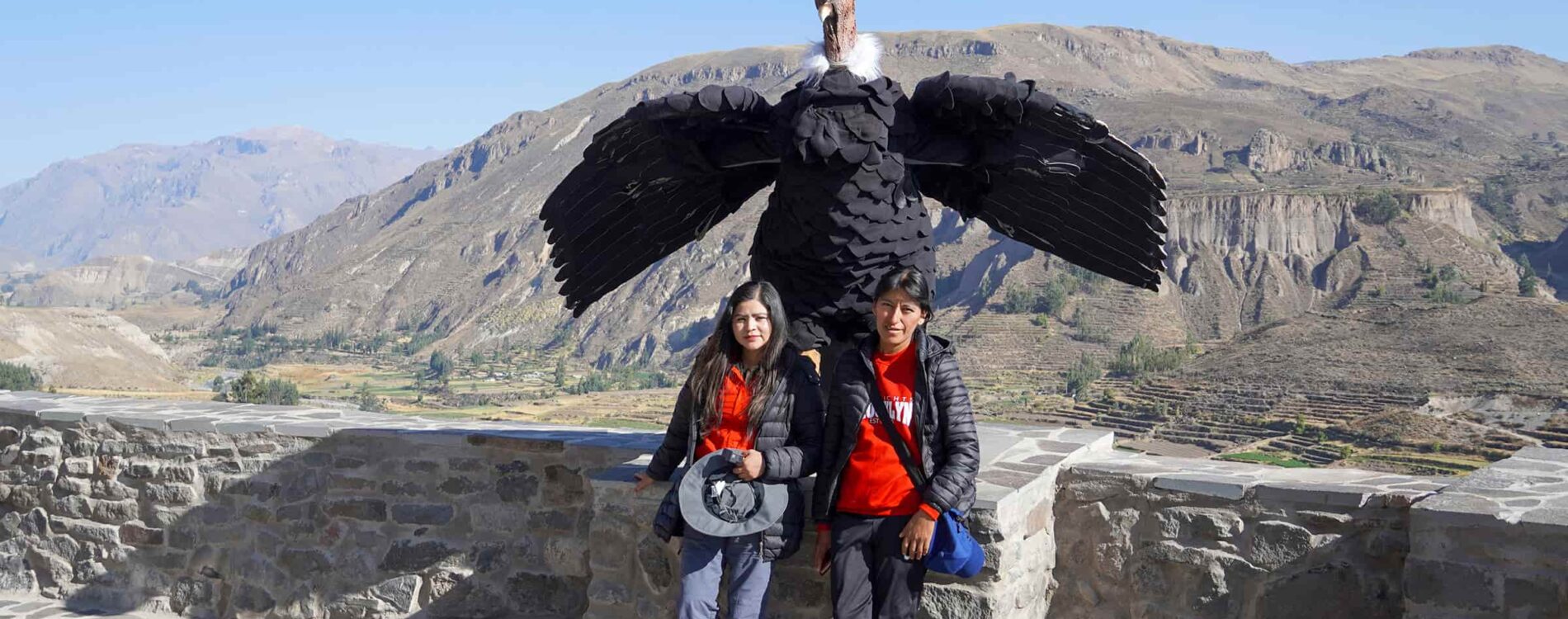
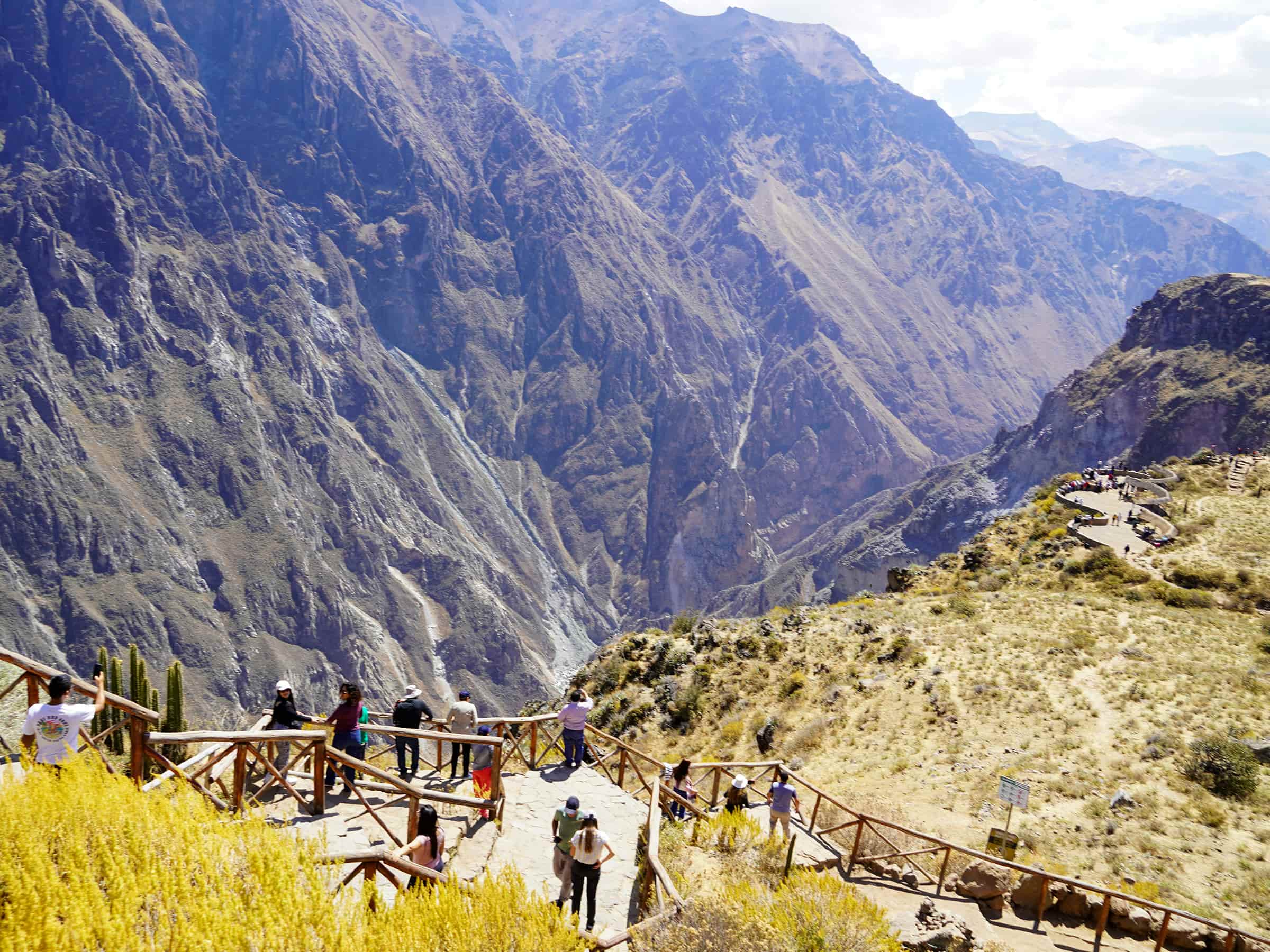
The Colca Canyon, located in southern Peru, is one of the deepest canyons in the world, stretching over 100 kilometers. It’s a haven for biodiversity, home to unique flora and fauna, including the majestic Andean condor. The canyon’s ecosystem supports numerous species, some of which are endemic, making it a critical area for wildlife conservation. The preservation of this natural wonder is vital for maintaining biodiversity and ecological balance.
For eco-travelers seeking a sustainable and environmentally friendly adventure, Colca Canyon offers a unique opportunity to immerse yourself in nature while supporting conservation efforts. With its stunning landscapes, diverse flora and fauna, and rich cultural heritage, Colca Canyon is the perfect destination for those seeking to experience Peru’s natural beauty responsibly.
Join us as we explore Colca Canyon tours designed for eco-travelers and discover how you can positively impact the environment while experiencing the wonders of nature.
Responsible Ecotourism Colca Canyon Trek
The geological structure of the Colca Canyon is a testament to the powerful forces of nature over millions of years. The canyon was carved by the Colca River, which continues to shape its walls, creating a dynamic landscape that provides insights into the Earth’s history. Understanding the geological processes that formed the canyon adds depth to our appreciation and underscores the importance of preserving such natural phenomena.
The Colca Canyon is more than just a dramatic landscape; it’s a biodiversity hotspot. The variations in altitude and climate create diverse habitats, supporting a wide range of species. From the high-altitude puna grasslands to the subtropical forests, each zone hosts unique plant and animal life. Conservation efforts focus on protecting these diverse ecosystems to maintain the canyon’s rich biodiversity.
The Colca River is a vital water source for local communities and wildlife. Efficient water resource management is crucial to ensure sustainability. Projects aimed at maintaining water quality and availability are essential. These initiatives involve community participation and the implementation of traditional and modern water management practices, which are crucial for the survival of local agriculture and ecosystems.

Responsible ecotourism in the Colca Canyon involves practices that minimize environmental impact while supporting local communities. It’s about making informed choices that help conserve the canyon’s natural and cultural heritage. This includes respecting local customs, supporting sustainable businesses, and ensuring that tourism activities do not harm the environment.
Understanding and respecting the cultural heritage of the indigenous people of the Colca Canyon is a key aspect of responsible ecotourism. Travelers are encouraged to engage respectfully with local communities, recognizing traditional customs and practices. This cultural sensitivity enriches the travel experience and fosters mutual respect and understanding between visitors and locals.
Supporting businesses that prioritize sustainability is vital. This includes staying in eco-friendly accommodations and selecting tour operators who adhere to sustainable practices. Sustainable businesses often reinvest in the community and environment, helping to ensure that tourism benefits are distributed fairly and contribute to the area’s long-term well-being.
Education is a cornerstone of responsible ecotourism. Visitors should take the time to learn about the ecological and cultural significance of the Colca Canyon. Many local guides provide valuable insights into the area’s natural and cultural history, enhancing the travel experience and fostering a deeper connection to the environment.
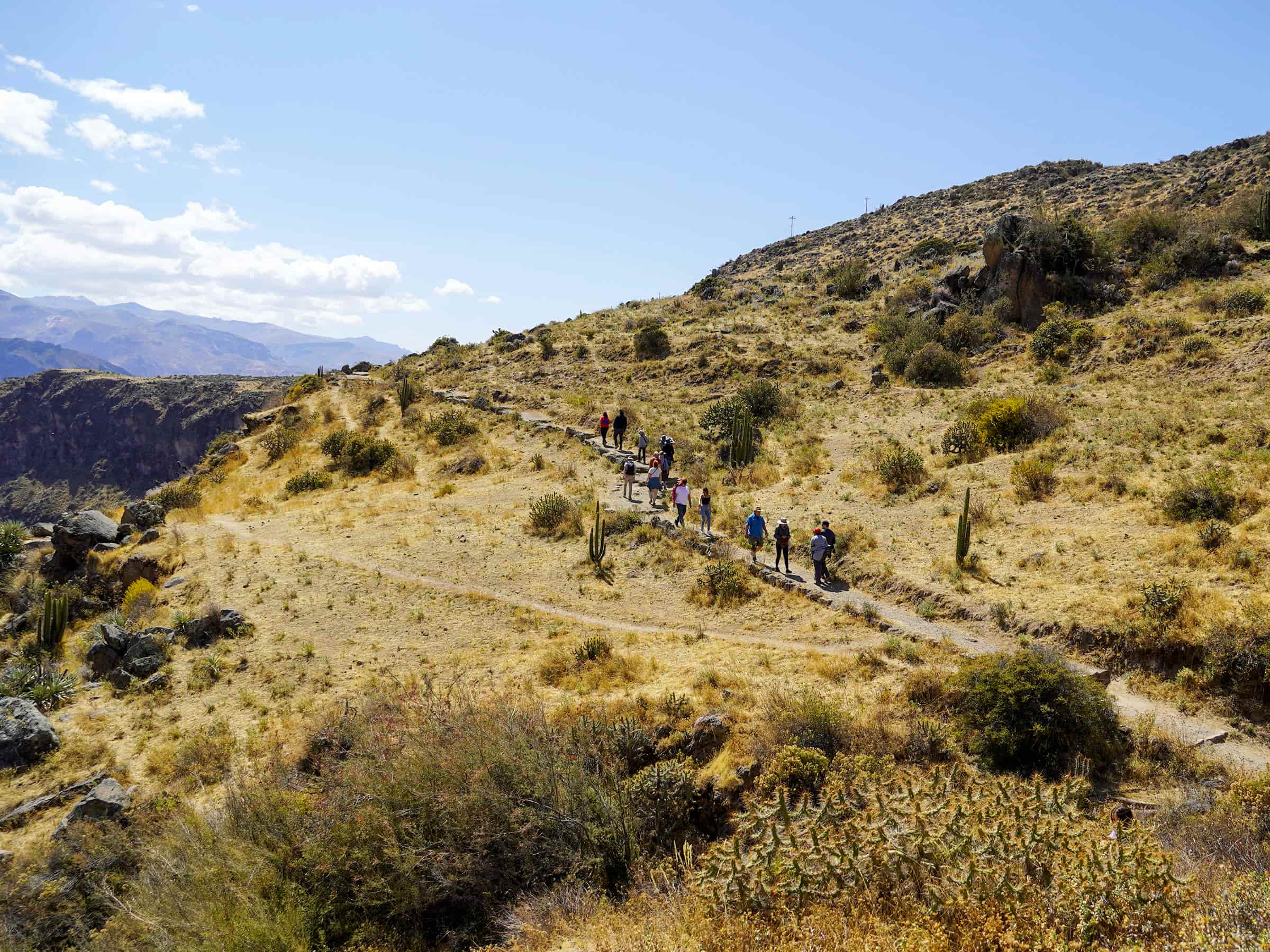
When trekking through the Andes, it’s essential to follow sustainable practices. This means sticking to marked trails to prevent erosion, carrying reusable water bottles to reduce plastic waste, and ensuring that all waste is packed out and disposed of properly. Sustainable trekking not only protects the environment but also enhances the experience for future visitors.
Preserving the integrity of trails is crucial to sustainable trekking. Hikers should remain on designated paths to avoid damaging native vegetation and causing soil erosion. Respect for trail etiquette includes yielding to others on narrow paths and minimizing noise pollution to maintain the tranquility of the natural surroundings.
Effective waste management is a fundamental aspect of sustainable trekking. Trekkers should adopt a “leave no trace” philosophy, carrying out all waste and disposing of it responsibly. Using biodegradable products and reducing single-use plastics can significantly reduce environmental impact, ensuring the natural beauty of the Andes is preserved.
Choosing eco-friendly gear and supplies can substantially reduce your ecological footprint. Opt for durable, reusable items, such as metal water bottles and cloth bags. Selecting clothing made from sustainable materials and ensuring that your gear is lightweight and efficient helps minimize environmental impact while enhancing your trekking experience.

Trekking in the Colca Canyon provides a unique opportunity to support local communities. Many residents rely on tourism for their livelihood, offering services such as guiding, accommodation, and cultural experiences. By choosing local guides and staying in community-run lodges, you contribute directly to the local economy. This support helps communities maintain their traditional ways of life and invest in conservation initiatives.
Community-based tourism initiatives empower local residents by offering opportunities to showcase their culture and traditions. These initiatives often include homestays, cultural workshops, and guided tours led by locals. Participating in such programs not only enriches the travel experience but also ensures that the economic benefits of tourism are retained within the community.
Tourism can be a powerful tool for economic empowerment, offering locals a sustainable source of income. By purchasing locally made products and services, tourists help stimulate the local economy. This economic empowerment supports community development projects, such as education and healthcare, improving the overall quality of life for residents.
Supporting local communities in the Colca Canyon also means helping to preserve their cultural heritage. Tourism provides a platform for cultural exchange, where visitors can learn about traditional crafts, music, and cuisine. This interaction fosters pride in cultural identity and encourages the preservation of customs for future generations.
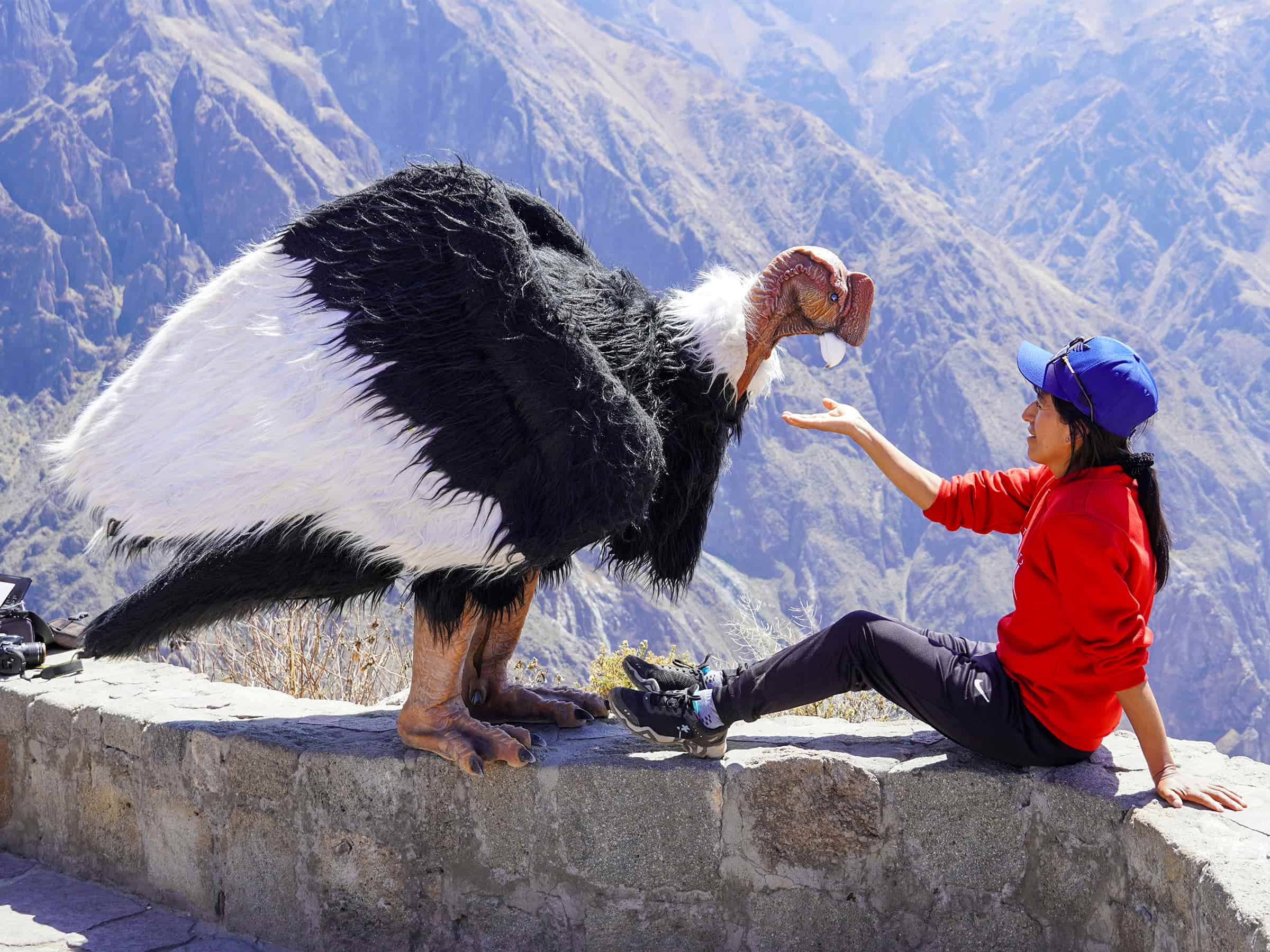
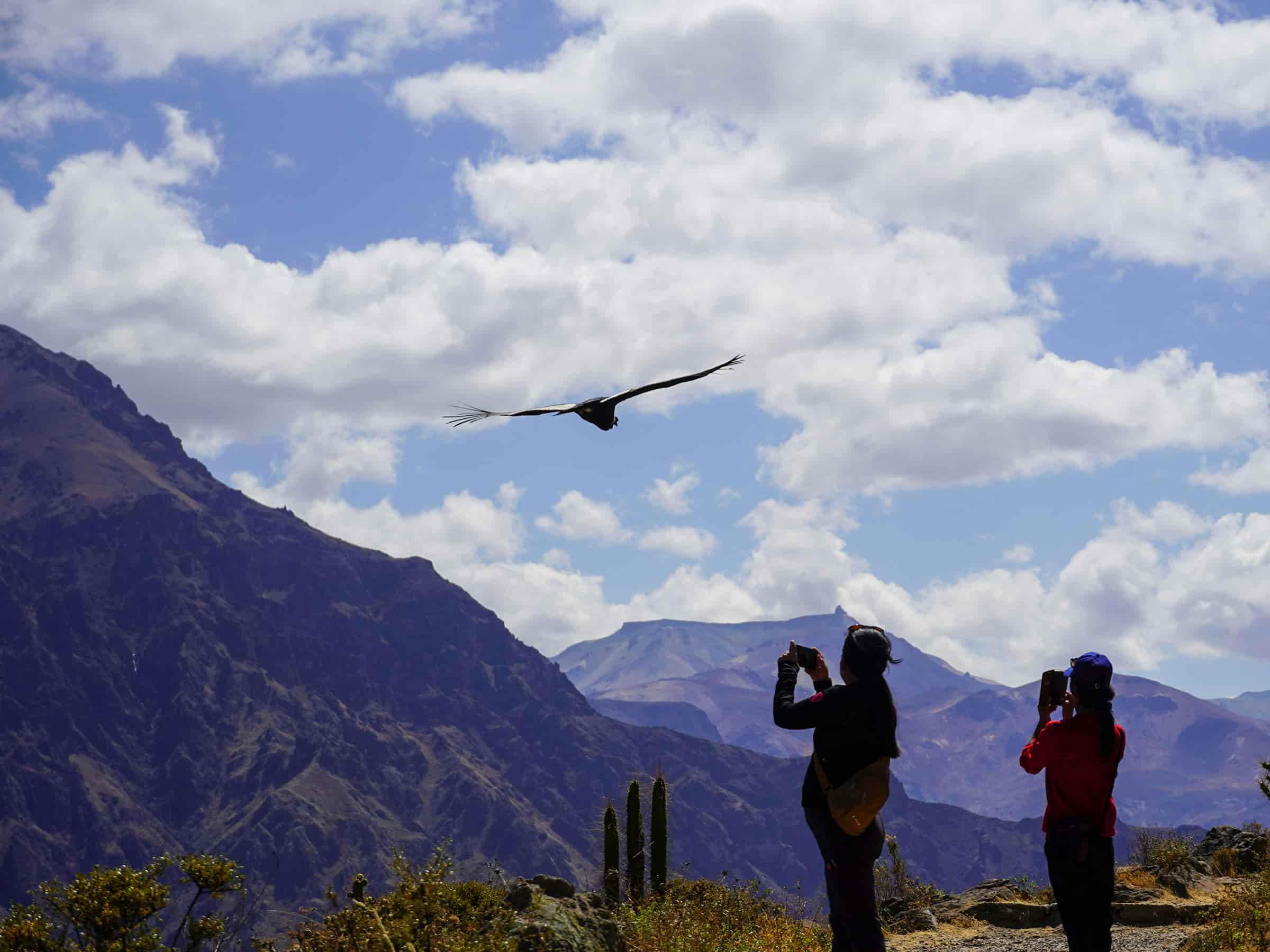
One of the highlights of a Colca Canyon trek is the chance to observe the Andean condor, one of the largest flying birds in the world. However, it’s crucial to practice ethical wildlife viewing. This means maintaining a respectful distance, using binoculars for a closer look rather than disturbing the birds, and avoiding feeding or attempting to touch wildlife. Ethical viewing helps protect condors and other species, ensuring they can thrive in their natural habitat.
Respectful interactions with wildlife are essential to conservation efforts. Visitors should observe animals from a safe distance to avoid causing stress or altering their natural behaviors. Using quiet movements and speaking softly helps minimize human impact on wildlife, ensuring a harmonious coexistence between humans and nature.
Engagement with local conservation programs and research initiatives can enhance understanding and support for wildlife protection. Many organizations in the Colca Canyon focus on the study and preservation of the Andean condor and other species. Participating in educational tours or volunteering with these programs can contribute significantly to conservation efforts.
Technology plays a pivotal role in enhancing wildlife observation without causing disturbance. Binoculars, zoom-lens cameras, and mobile apps can provide detailed views and information on wildlife from a distance. These tools enable travelers to appreciate the beauty of the Andean condor and other species responsibly.
Responsible travel is about making choices that positively impact the environment and local communities. In the Colca Canyon, this means respecting cultural traditions, supporting conservation efforts, and reducing your ecological footprint. Responsible travelers are mindful of their actions and their potential impact, leading to more meaningful and sustainable travel experiences.
Respecting cultural traditions and engaging meaningfully with local communities are hallmarks of responsible travel. Travelers should approach cultural experiences with openness and humility, seeking to learn and understand rather than imposing their own perspectives. This respectful engagement fosters genuine connections and enriches the travel experience.
Environmental stewardship involves taking proactive steps to protect and preserve the natural environment. This includes minimizing waste, reducing energy consumption, and supporting conservation initiatives. Responsible travelers prioritize environmental health, understanding that their actions contribute to the long-term sustainability of the Colca Canyon.
Supporting community and conservation efforts is integral to responsible travel. Whether through financial contributions, volunteer work, or awareness-raising activities, travelers can play a vital role in protecting the Colca Canyon’s cultural and natural heritage. This support helps ensure that the region remains a vibrant and thriving destination for future generations.
Nature conservation in the Colca Canyon involves preserving its unique ecosystems and species. Efforts include reforestation projects, habitat restoration, and wildlife protection. By participating in conservation activities or donating to local environmental organizations, trekkers can contribute to the long-term health of the canyon’s ecosystems.
Reforestation projects aim to restore native vegetation, which is crucial to maintaining the canyon’s ecological balance. By planting indigenous trees and plants, these efforts help prevent soil erosion, support wildlife habitats, and enhance biodiversity. Participating in or supporting these projects contributes to the resilience of the Colca Canyon’s ecosystems.
Wildlife protection initiatives focus on safeguarding the diverse species that inhabit the Colca Canyon. These efforts include monitoring animal populations, enforcing anti-poaching laws, and creating protected areas. Travelers can support these initiatives through responsible tourism practices and by spreading awareness of the importance of wildlife conservation.
Collaborations with local communities are essential for successful conservation efforts. These partnerships ensure that conservation strategies are culturally appropriate and economically viable. By involving locals in decision-making and providing them with sustainable livelihoods, conservation initiatives are more likely to succeed and endure.
To practice responsible ecotourism in the Colca Canyon, consider the following tips:
Understanding the cultural and ecological aspects of the Colca Canyon enhances the travel experience. Engage with local literature, documentaries, and online resources to gain insights into the region’s history, traditions, and conservation challenges. This preparation ensures a more informed and respectful approach to your visit.
Opt for multi-functional clothing and gear to minimize your luggage. Eco-friendly products, such as biodegradable toiletries and solar-powered devices, reduce environmental impact. Prioritize reusable items made from sustainable materials to reduce your ecological footprint.
Participate in local festivals, workshops, and cultural tours to deepen your understanding of the community. Approach these experiences with curiosity and respect, recognizing the value of cultural exchange. This immersion enriches your travel experience and fosters meaningful connections.
Implement waste-reduction techniques, such as carrying a reusable water bottle and a shopping bag. Avoid single-use plastics and participate in local recycling programs. Conscious waste management protects the environment and sets a positive example for other travelers.
Research and select accommodations and tour operators committed to sustainability. Look for certifications or memberships in recognized environmental organizations as indicators of their commitment. Supporting these businesses encourages broader adoption of sustainable practices in the tourism industry.

Trekking and hiking are famous in Colca Canyon, allowing eco-travelers to explore the region’s stunning landscapes and diverse ecosystems. Several trekking routes are available, ranging from easy day hikes to more challenging multi-day treks. Along the way, you’ll have the opportunity to spot a variety of wildlife, including Andean condors, vicuñas, and alpacas, and learn about the region’s rich cultural heritage from your local guides.
Colca Canyon is home to several conservation projects to protect the region’s natural beauty and biodiversity. By participating in a Colca Canyon tour, you can support these efforts and help ensure that the canyon remains a pristine wilderness for years. Some conservation projects you may encounter on your tour include reforestation, wildlife conservation, and sustainable farming initiatives.

In addition to its natural beauty, Colca Canyon is rich in cultural heritage, with several traditional villages throughout the region. By participating in a Colca Canyon tour, you’ll have the opportunity to immerse yourself in the local culture, interact with the locals, and learn about their traditional customs and way of life. Be sure to take the time to explore these villages, support local artisans, and experience the rich cultural heritage of Colca Canyon.
Before embarking on your eco-friendly adventure to Colca Canyon, planning is essential to ensure a safe and enjoyable experience. To minimize environmental impact, pack light and bring eco-friendly products, such as reusable water bottles and biodegradable toiletries. It’s also a good idea to educate yourself about the region’s flora, fauna, and local customs and traditions to ensure a respectful and responsible visit.
Responsible ecotourism in the Colca Canyon is about more than just enjoying stunning views and thrilling hikes. It’s about making a positive impact on the environment and local communities while ensuring that future generations can enjoy this remarkable region. By adopting sustainable practices and supporting conservation efforts, you can help preserve the natural and cultural heritage of the Colca Canyon.
With mindful travel practices, we can ensure that the Colca Canyon remains a vibrant and thriving destination for years to come. Embrace the journey, respect the land, and become a steward of the stunning Colca Canyon.
A tour of Colca Canyon offers eco-travelers the perfect opportunity to immerse themselves in nature while supporting conservation and sustainable tourism. Whether trekking through its rugged terrain, learning about the local culture, or supporting conservation projects, Colca Canyon will surely leave you amazed. So pack your bags, lace up your hiking boots, and prepare for the eco-friendly adventure of a lifetime in Colca Canyon.
What to Expect: Colca Canyon Trek Everything You Need to Know Colca Canyon, with its towering cliffs and…
The Colca Canyon is a stunning natural wonder in the heart of the Peruvian Andes. It attracts adventurers…
Ultimate Guide to Colca Canyon Tours If you’re planning a visit to Peru, the Colca Canyon is a…
Embarking on a journey from Arequipa to the Colca Canyon is an adventure that promises breathtaking landscapes, rich…
Journey into the Depths of Colca Canyon: Nestled in the Andes of southern Peru, Colca Canyon is one…

Culture Contact in Colca Canyon Colca Canyon isn’t just a natural marvel; it’s a place where ancient traditions…
Colca Canyon Trek a Must Do for Nature Enthusiasts in Peru Peru is a country rich in breathtaking…

Colca Canyon Food Experiences Colca Canyon is a feast for the senses, offering more than just breathtaking views.…

Interesting Places to Visit in the Colca Valley The Colca Valley, nestled in the heart of Peru, is…