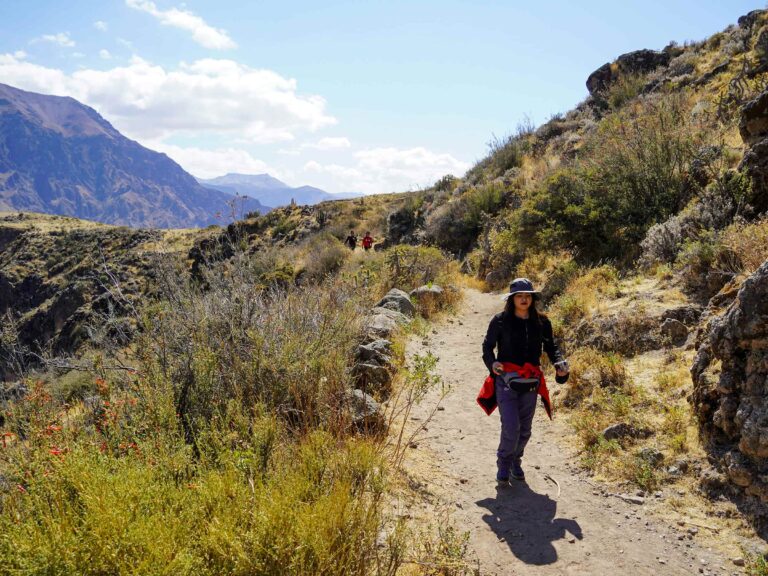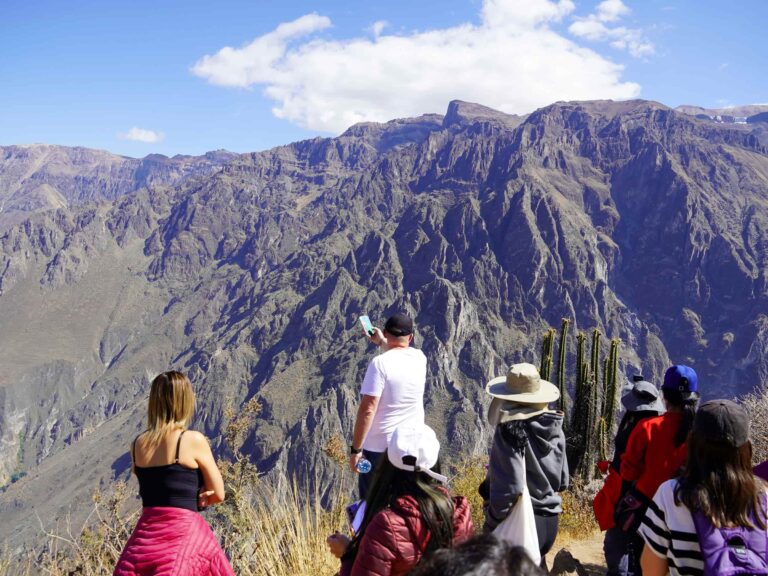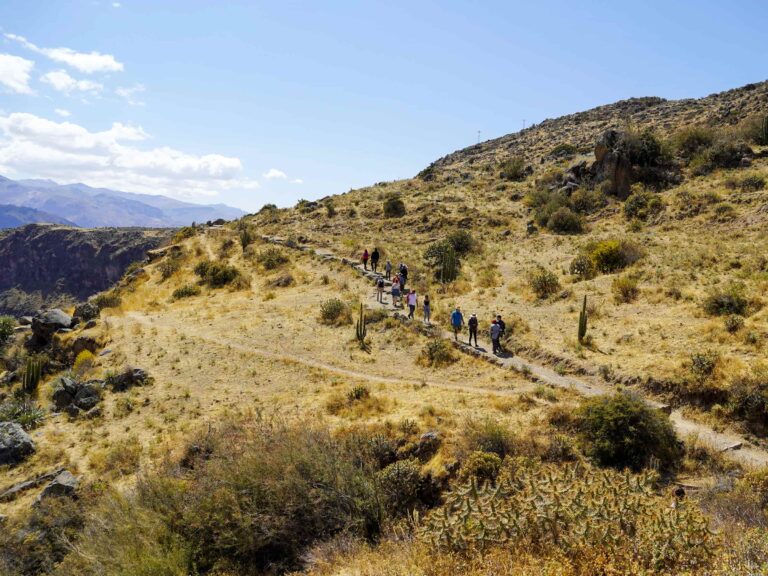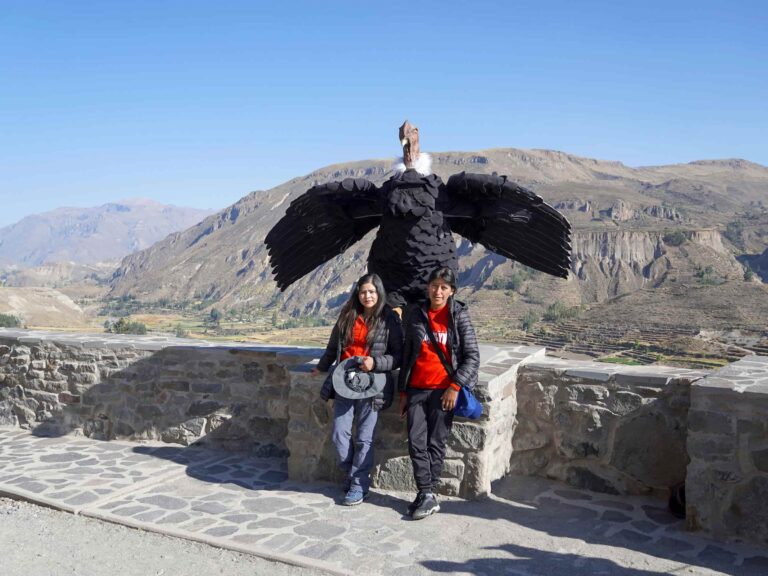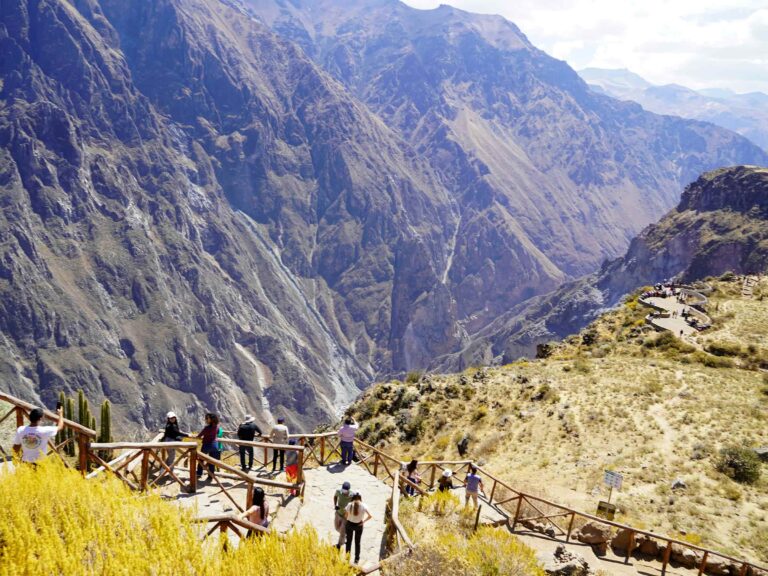

Experiencing the Colca Canyon tour in Peru is much more than admiring dramatic landscapes and deep canyons. It is also an opportunity to connect with Andean communities that continue to preserve ancient traditions, agriculture, music, textiles, and ways of life passed down through generations.
This guide explores the cultural encounters travelers can experience in Colca Canyon, including traditional villages, local customs, handicrafts, festivals, gastronomy, and meaningful interactions with the people of the Peruvian Andes.
Culture Contact in Colca Canyon
Colca Canyon isn’t just a natural marvel; it’s a place where ancient traditions and modern life beautifully intertwine.
The indigenous people of the canyon have preserved their customs over centuries, offering a living testament to traditional Andean village life.
Their traditions are reflected in every aspect of daily life, from vibrant textiles and agricultural terraces to festivals, music, and spiritual ceremonies.
The towns of Chivay and Cabanaconde serve as cultural centers where visitors can better understand the region’s history and local traditions.
Through interactions with local communities, travelers can learn about the significance of terraced farming systems that have sustained Andean populations for centuries.
These terraces are not only agricultural marvels but also symbols of resilience and ingenuity in one of the world’s most challenging mountain environments.
Travelers interested in Peru’s traditional communities may also enjoy this Cusco cultural heritage guide before exploring southern Peru.
Art and craftsmanship are integral to the cultural identity of Colca Canyon.
The intricate textiles woven by local artisans are not merely decorative crafts but expressions of cultural identity and ancestral knowledge.
Each pattern and color often carries symbolic meanings connected to local beliefs, nature, and family traditions.
Visitors can explore local markets where artisans sell handmade crafts directly, supporting the preservation of traditional skills and the local economy.
These markets provide a vibrant cultural atmosphere where travelers can engage directly with local communities and gain a deeper appreciation for Andean craftsmanship.
The culinary traditions of Colca Canyon offer another avenue for cultural exploration.
The local cuisine reflects the agricultural richness of the Andes and centuries of culinary tradition.
Travelers can enjoy traditional dishes prepared using local ingredients and ancestral cooking methods.
Participating in cooking experiences allows visitors to learn more about regional ingredients, farming traditions, and the importance of food within Andean culture.
This hands-on cultural exchange creates a deeper connection between travelers and local communities.
Travelers exploring Peru’s traditional gastronomy may also enjoy this complete Cusco travel guide for additional cultural experiences.
One of the most rewarding aspects of visiting Colca Canyon is the opportunity to experience authentic Andean village life firsthand.
These encounters provide insight into daily routines, agricultural practices, family traditions, and the values that continue shaping community life in the Andes.
The peaceful rhythm of village life offers a meaningful contrast to the fast pace of modern urban environments.
Travelers can participate in community-led experiences that demonstrate traditional farming methods still practiced throughout the canyon.
These activities often include planting, harvesting, animal care, and learning about sustainable agricultural techniques adapted to the high Andes.
Local markets also function as important social spaces where visitors can observe the commerce, hospitality, and social connections that characterize everyday life in Colca Canyon.
Festivals play a crucial role in the cultural encounters within Colca Canyon.
Traditional festivals involving music, dance, costumes, and religious rituals are among the most vibrant expressions of Andean cultural identity.
These celebrations often honor agricultural cycles, local saints, mountains, rivers, and ancient spiritual traditions.
Participating in or observing these festivals allows visitors to witness the strong sense of community and pride preserved throughout the canyon.
Many festivals blend Catholic traditions introduced during the colonial period with much older Andean beliefs and ceremonies.
This cultural fusion remains one of the defining characteristics of Peru’s Andean regions.
Travelers should approach each interaction with an open mind and a willingness to learn.
Respectful cultural interaction is essential when visiting local communities.
Travelers are encouraged to dress modestly, ask permission before taking photographs, and, whenever possible, learn a few basic Quechua or Spanish phrases.
These gestures demonstrate respect and often create more meaningful cultural exchanges.
By approaching local traditions with curiosity and humility, visitors contribute positively to the preservation of Andean cultural heritage.
Sustainable tourism practices also help preserve the cultural integrity of Colca Canyon while supporting local economies.
Choosing responsible tour operators and supporting local artisans, restaurants, and accommodations directly benefit the communities.
Travelers can further reduce their environmental impact by minimizing waste, respecting local customs, and participating in eco-friendly activities.
These actions help ensure that future generations can continue experiencing the unique culture and landscapes of Colca Canyon.
Culture contact in Colca Canyon offers travelers an opportunity to develop a deeper appreciation for global diversity, traditional knowledge, and human resilience.
These meaningful travel experiences often inspire personal growth, empathy, and a stronger understanding of cultural preservation.
Through respectful interaction, travelers and local communities both benefit from the exchange of ideas, traditions, and perspectives.
The experience of connecting with Andean communities transforms a simple sightseeing trip into a much more authentic cultural journey.
Meaningful travel experiences in Colca Canyon encourage travelers to embrace responsible global citizenship.
By supporting cultural preservation and sustainable tourism, visitors help sustain traditions that have endured for centuries in the Peruvian Andes.
These interactions help strengthen cultural awareness and appreciation across different parts of the world.
Visiting Colca Canyon is more than exploring one of the world’s deepest canyons; it is an invitation to connect with a living cultural heritage.
Whether travelers are exploring terraced landscapes, participating in local festivals, learning traditional crafts, or engaging in conversations with local families, the cultural encounters in Colca Canyon offer unforgettable insights into Andean life.
Incorporating these cultural experiences into a Peru itinerary creates a more meaningful and responsible travel experience while helping to preserve the region’s traditions for future generations.
As travelers stand above the dramatic canyon landscapes, they also become part of an ongoing story shaped by history, culture, community, and resilience.
[ez-toc]Colca Canyon Cultural Encounters: Meeting the Locals
Colca Canyon, located in southern Peru, is both a natural wonder and a region rich in cultural heritage.
The canyon is home to traditional villages where travelers can immerse themselves in local customs and discover the traditions of the Andean people.
These cultural encounters provide valuable insight into Peru’s living heritage and ancestral mountain communities.
Yanque and Maca: The Heart of Colca Canyon
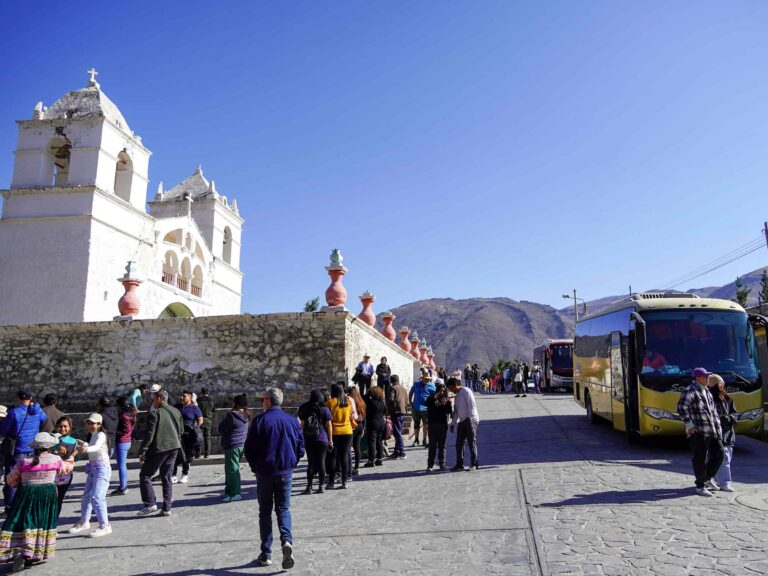
Two of the most picturesque villages in Colca Canyon are Yanque and Maca, located along the Colca River.
These communities are home to descendants of the Collagua and Cabana cultures who have inhabited the canyon for centuries.
Visitors can explore local markets, colonial churches, and traditional plazas while interacting with residents and learning about their way of life.
The villages preserve much of their original Andean identity despite the growth of tourism in the region.
Culture Contact in Colca Canyon
Traditional Customs and Traditions
The people of Colca Canyon continue to preserve many traditional customs passed down through generations.
One important celebration is the annual Cruz Velacuy festival held during the rainy season.
During this event, local communities gather to honor mountains, rivers, and agricultural cycles through music, dance, and religious ceremonies.
These celebrations reveal the strong spiritual connection Andean communities maintain with nature and the surrounding landscape.
Textile and Craftsmanship
The communities of Colca Canyon are especially recognized for their traditional textiles and handicrafts.
Local artisans produce colorful woven fabrics, embroidery, pottery, and handmade crafts inspired by Andean culture and symbolism.
Travelers purchasing these handmade products directly from local artisans help support cultural preservation and sustainable local economies.
The craftsmanship of Colca Canyon reflects centuries of inherited artistic knowledge and cultural identity.

Traditional Cuisine
No visit to Colca Canyon is complete without experiencing the region’s traditional cuisine.
Popular dishes include rocoto relleno, chupe de camarones, alpaca, adobo de chancho, and local Andean soups made with native ingredients.
These culinary traditions reflect the agricultural richness of southern Peru and the cultural identity of the Andean highlands.
Sampling local dishes is an important part of understanding daily life and traditions in Colca Canyon.

Cultural Immersion Experiences
Several cultural immersion experiences allow travelers to engage more deeply with local communities in Colca Canyon.
Visitors can participate in Pachamama ceremonies, traditional music workshops, agricultural activities, and artisan demonstrations.
These experiences create meaningful cultural exchanges while supporting local traditions and community tourism initiatives.
Travelers interested in Peru’s cultural landscapes may also enjoy exploring the Arequipa and Colca Canyon tours available throughout southern Peru.

Explore Colca Canyon and Arequipa Tours
Kondor Path Tours offers guided travel experiences designed for travelers who want to explore the landscapes, culture, traditions, and communities of southern Peru.
Conclusion
A visit to Colca Canyon offers travelers the opportunity to explore not only spectacular natural landscapes but also one of Peru’s richest living cultural traditions.
Whether interacting with local communities, learning traditional crafts, participating in festivals, or exploring Andean villages, travelers gain a deeper appreciation of the region’s heritage.
These cultural encounters transform the journey through Colca Canyon into a meaningful and unforgettable travel experience in Peru.
By supporting respectful cultural exchange and sustainable tourism, visitors also help preserve the traditions and identity of the Andean communities that continue to call Colca Canyon home.