
Planning a Colca Canyon trekking adventure in Peru is one of the best ways to experience dramatic Andean landscapes, traditional villages, condor viewpoints, and one of the world’s deepest canyons. Located near Arequipa in southern Peru, Colca Canyon combines hiking, culture, wildlife, and breathtaking scenery into one unforgettable travel experience.
This guide explains everything travelers need to know about trekking Colca Canyon, including hiking routes, altitude, difficulty levels, condor sightings, weather conditions, cultural encounters, packing recommendations, and the best tours available in the region.
What to Expect: Colca Canyon Trek Everything You Need to Know
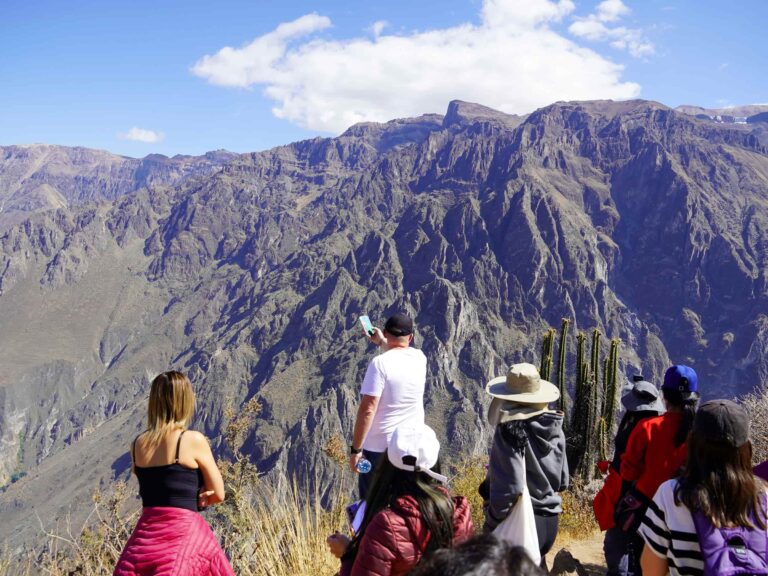
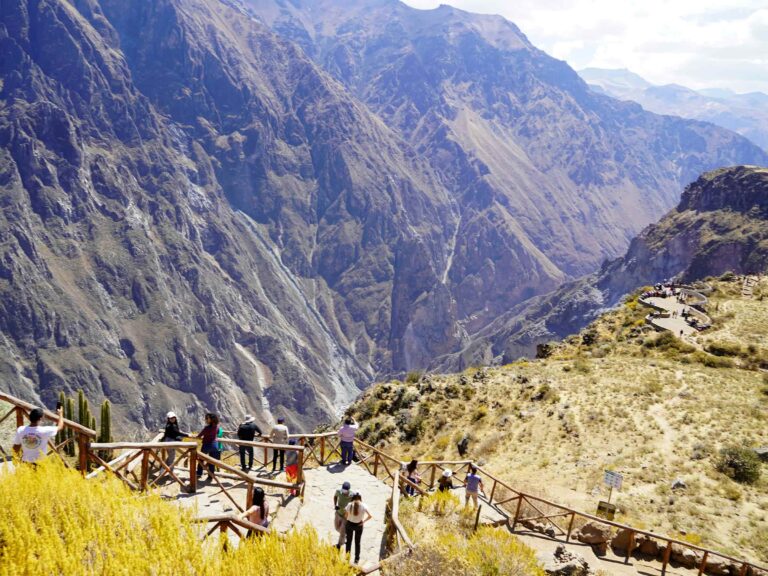
Colca Canyon, with its towering cliffs and vast vistas, is one of the most spectacular trekking destinations in Peru. Reaching depths of over 3,270 meters (10,730 feet), the canyon is nearly twice as deep as the Grand Canyon in the United States.
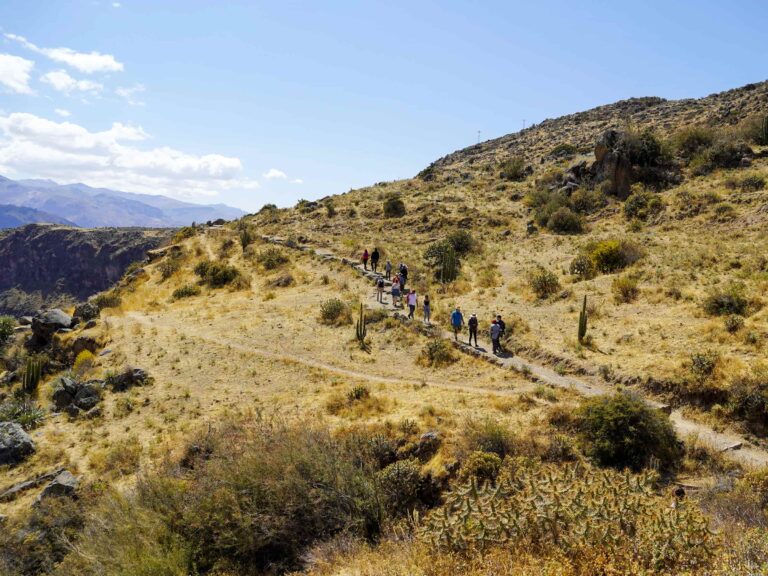
The dramatic geography of Colca Canyon offers a powerful trekking experience, with steep trails, panoramic mountain views, lush oasis villages, and ancient agricultural terraces built long before the Inca Empire.
Beyond the landscapes, the trek also offers a cultural journey through traditional Andean communities where local customs and agricultural traditions continue shaping everyday life.
Travelers exploring southern Peru may also enjoy this guide to cultural encounters in Colca Canyon.
If you’re an adventure enthusiast looking for a trekking experience like no other, Colca Canyon offers breathtaking scenery, challenging trails, and authentic cultural immersion throughout the Andes.
The canyon’s trails weave through valleys filled with native flora, terraced farmland, rivers, and remote villages that preserve much of their traditional identity.
For many hikers, Colca Canyon is one of the most memorable trekking experiences in Peru because it combines adventure, nature, wildlife, and local culture in a single destination.
Colca Canyon Trek Everything You Need to Know
Why Trek Colca Canyon in Peru?
Trekking through Colca Canyon allows travelers to explore one of Peru’s most extraordinary natural landscapes while experiencing authentic Andean culture.
The region is famous for:
- Massive canyon landscapes
- Traditional villages
- Ancient agricultural terraces
- Natural hot springs
- Andean condor sightings
- High-altitude trekking routes
Unlike more crowded trekking destinations in Peru, Colca Canyon often feels quieter and more connected to local Andean life.
The combination of rugged terrain and cultural encounters makes the trek especially rewarding for travelers seeking both adventure and authenticity.
One of the Main Highlights of the Colca Canyon Trek Is Seeing the Andean Condors
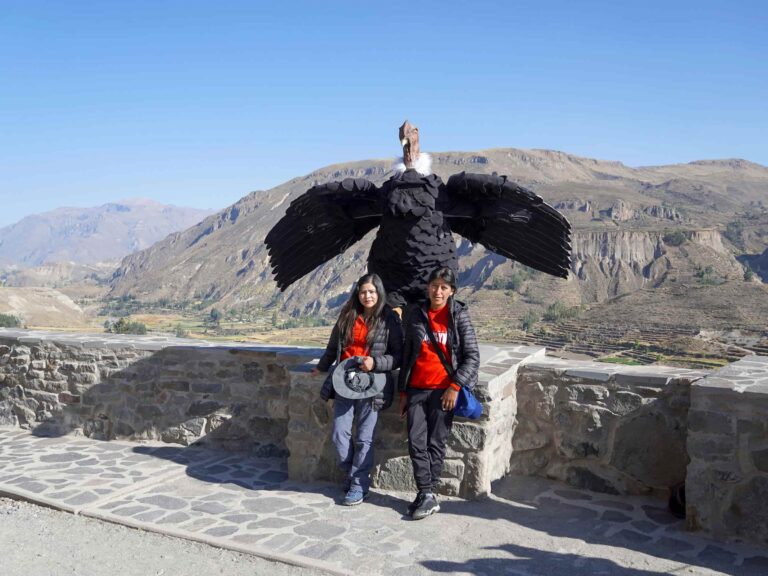
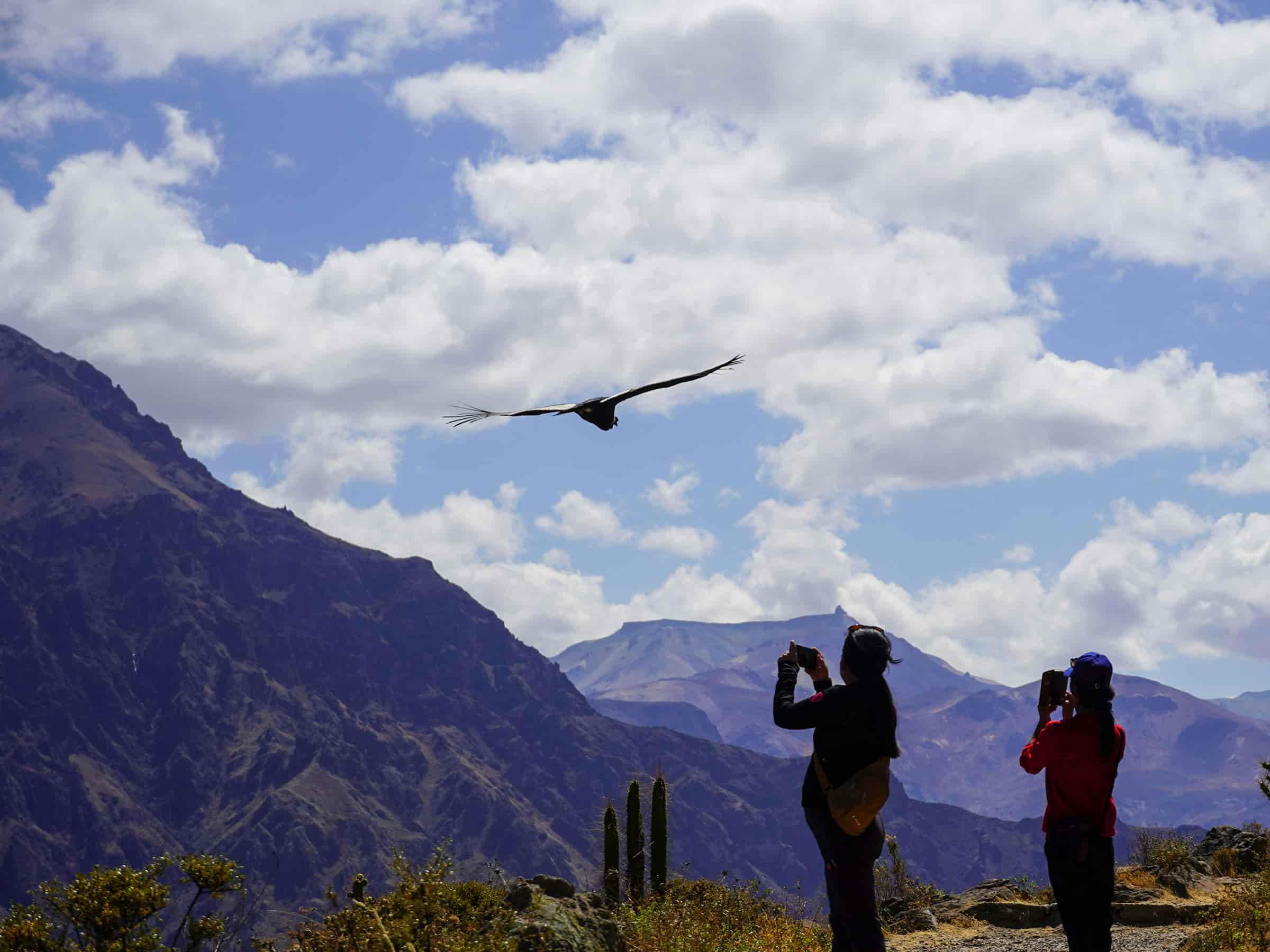
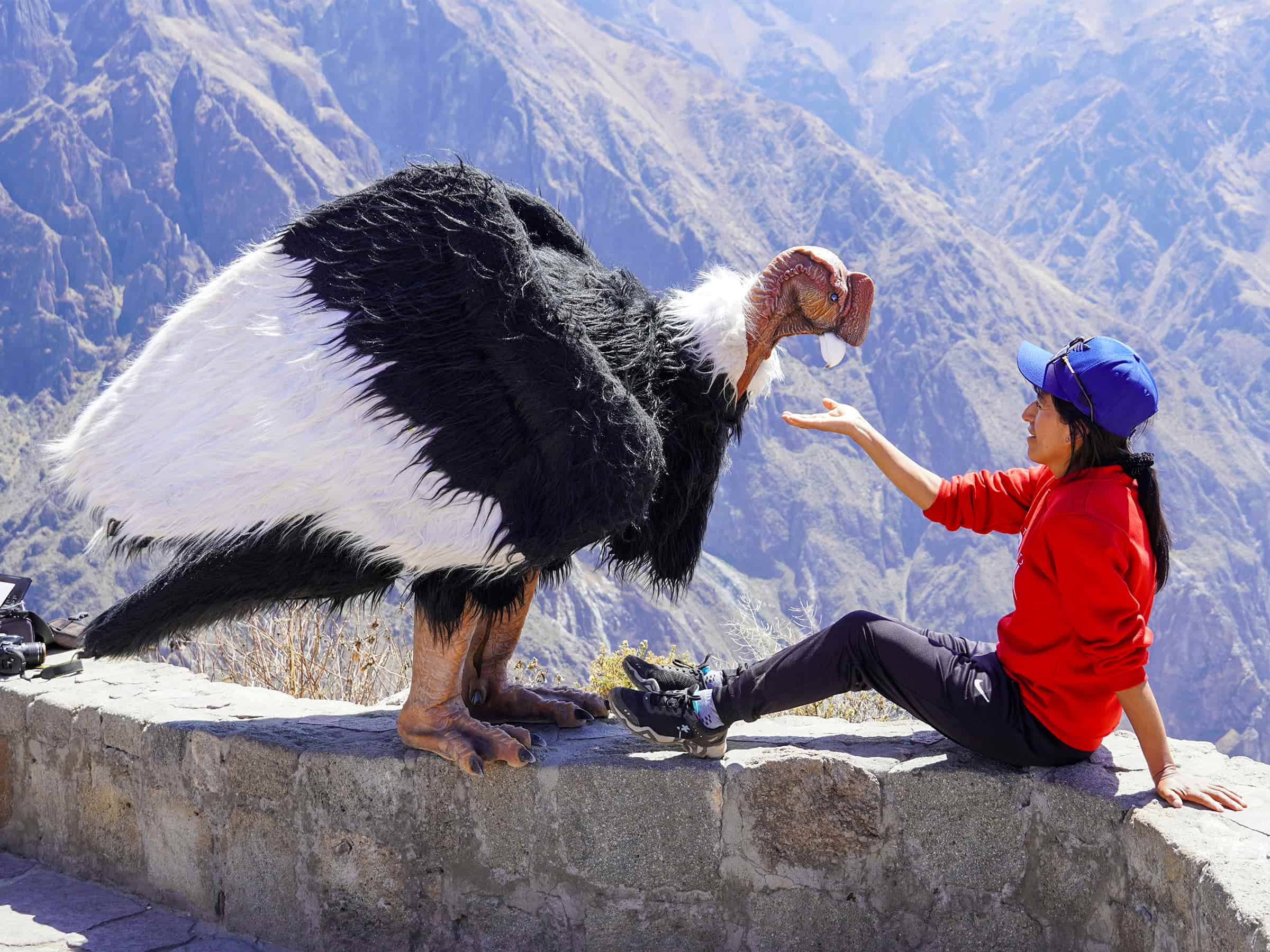
One of the most unforgettable experiences during the Colca Canyon trek is observing the majestic Andean condor soaring above the canyon.
With wingspans reaching over 3 meters (10 feet), these enormous birds are among the largest flying birds in the world.
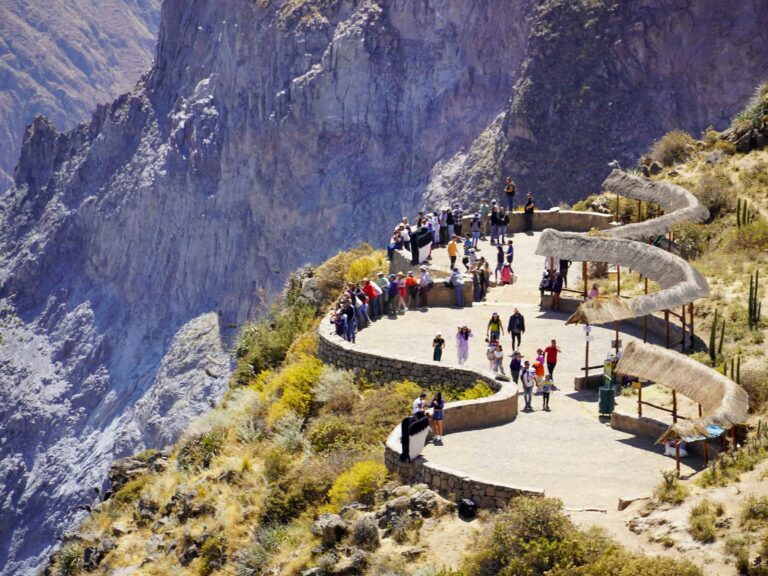
The best location for condor sightings is Cruz del Condor, a panoramic viewpoint where condors glide through thermal currents rising from the canyon walls.
Watching these birds fly across the canyon at sunrise is considered one of the greatest wildlife experiences in Peru.
Travelers interested in Peru’s wildlife and mountain landscapes may also enjoy exploring the Colca Canyon tour experiences.

Natural Hot Springs and Oasis Villages
Another major highlight of the Colca Canyon trek is the opportunity to relax in natural hot springs surrounded by mountain scenery.
After long hiking days, soaking in thermal baths offers welcome relief for tired muscles and a chance to recover before continuing the journey.
Many trekking routes also pass through oasis villages located at the bottom of the canyon, where palm trees, swimming pools, and green vegetation create a striking contrast with the surrounding cliffs.
These remote villages offer peaceful overnight stops and unique insights into daily life in the canyon.

How Difficult Is the Colca Canyon Trek?
The Colca Canyon trek is generally considered moderately difficult.
The biggest challenge is the steep terrain combined with high altitude conditions.
Trekkers should expect:
- Long descents into the canyon
- Steep uphill climbs
- Rocky and uneven trails
- Warm daytime temperatures
- High altitude hiking conditions
The ascent out of the canyon is often considered the most physically demanding section of the trek.
However, with proper preparation, hydration, and pacing, most travelers with moderate fitness levels can complete the hike.
Preparing for Your Colca Canyon Trekking Adventure
Preparation is essential for enjoying the trek safely and comfortably.
Cardiovascular fitness, endurance training, and acclimatization significantly improve the trekking experience.
Activities such as hiking, jogging, cycling, and stair climbing can help prepare the body for steep Andean trails.
Travelers should also spend time acclimatizing in Arequipa or another high-altitude destination before beginning the trek.
Those planning multiple Peru adventures may also benefit from this Rainbow Mountain travel guide for additional altitude preparation tips.
Packing the Right Trekking Gear
Packing proper gear is essential for changing weather conditions and rugged terrain inside the canyon.
- Comfortable hiking boots with ankle support
- Lightweight layered clothing
- Waterproof jacket or poncho
- Sunscreen and sunglasses
- Reusable water bottle
- Trekking poles
- Basic first aid supplies
- Small trekking backpack
Temperatures can vary significantly between daytime and nighttime, making layered clothing especially important.
Best Time to Trek Colca Canyon
The best time to hike Colca Canyon is during the dry season between May and November.
During these months, weather conditions are generally clearer, and trails are safer for trekking.
The rainy season from December to April can make trails slippery and more difficult due to mud and occasional landslides.
Morning departures are often recommended because temperatures are cooler and condor activity is usually highest earlier in the day.
Daily Life During the Trek
The Colca Canyon trek is usually completed over two or three days, depending on the chosen route and itinerary.
Each day involves several hours of hiking through changing landscapes and small Andean communities.
Trekkers often stay in locally run lodges or simple accommodations in canyon villages.
Meals frequently include traditional Andean ingredients such as quinoa, potatoes, corn, vegetables, and local soups.
These overnight stops create opportunities to experience local hospitality and support community tourism within the region.
Traditional Villages and Cultural Encounters
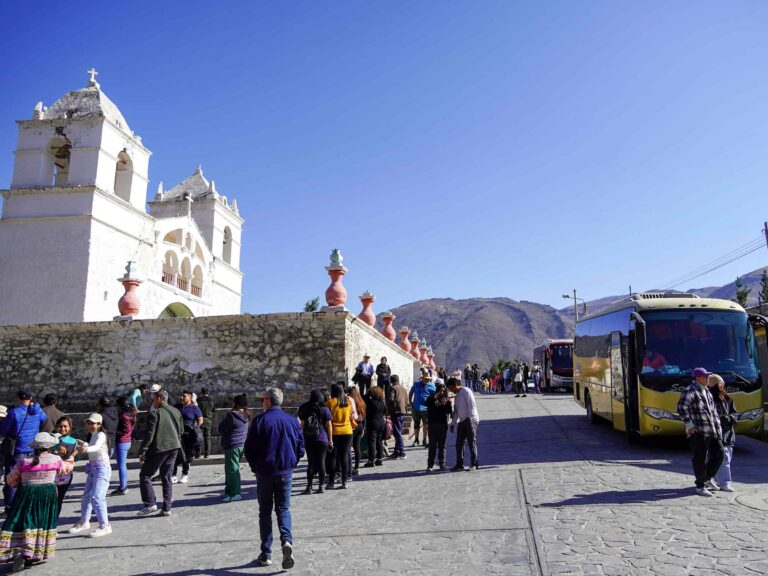
Throughout the trek, travelers pass through traditional villages inhabited by descendants of the Collagua and Cabana cultures.
These communities preserve agricultural traditions, textile production, music, and cultural customs that remain deeply connected to Andean identity.
Local markets, handmade crafts, and traditional clothing offer valuable insight into the region’s living culture.
Respectful interaction with local communities helps create a more meaningful and authentic travel experience.
Popular Colca Canyon Trek Routes
Several trekking routes are available depending on the available time and fitness level.
- 2 Day Colca Canyon Trek: Ideal for travelers with limited time who still want to experience the canyon.
- 3 Day Colca Canyon Trek: Offers a more relaxed pace and deeper cultural immersion.
- Full Day Tours: Best for condor viewing and scenic exploration without overnight hiking.
Choosing the right itinerary depends on fitness level, travel schedule, and desired trekking intensity.
The Best Colca Canyon Treks and Tours
- Colca Canyon Tour in Arequipa Full Day
- Colca Canyon 2 Day Tour
- Colca Canyon 3 Day Trek
- Colca Canyon 2 Day Trek
- City Tour Arequipa
- Arequipa Sillar Route
Travel Tips for Trekking Colca Canyon
- Spend time acclimatizing before the trek.
- Stay hydrated throughout the hike.
- Use sunscreen because UV radiation is strong at high altitudes.
- Carry cash for local purchases in villages.
- Start hiking early to avoid midday heat.
- Respect local customs and communities.
Travelers exploring Peru’s mountainous regions may also enjoy this Colca Canyon cultural guide for a deeper understanding of local Andean traditions.
In Conclusion
Trekking through Colca Canyon is one of the most rewarding hiking experiences in Peru.
The combination of dramatic canyon landscapes, condor sightings, oasis villages, hot springs, and traditional Andean culture creates a journey that goes far beyond a typical hiking adventure.
Whether travelers choose a challenging multi-day trek or a shorter scenic route, Colca Canyon offers unforgettable views and meaningful cultural experiences throughout the Andes.
For hikers, photographers, nature lovers, and cultural travelers alike, Colca Canyon remains one of Peru’s most extraordinary trekking destinations.