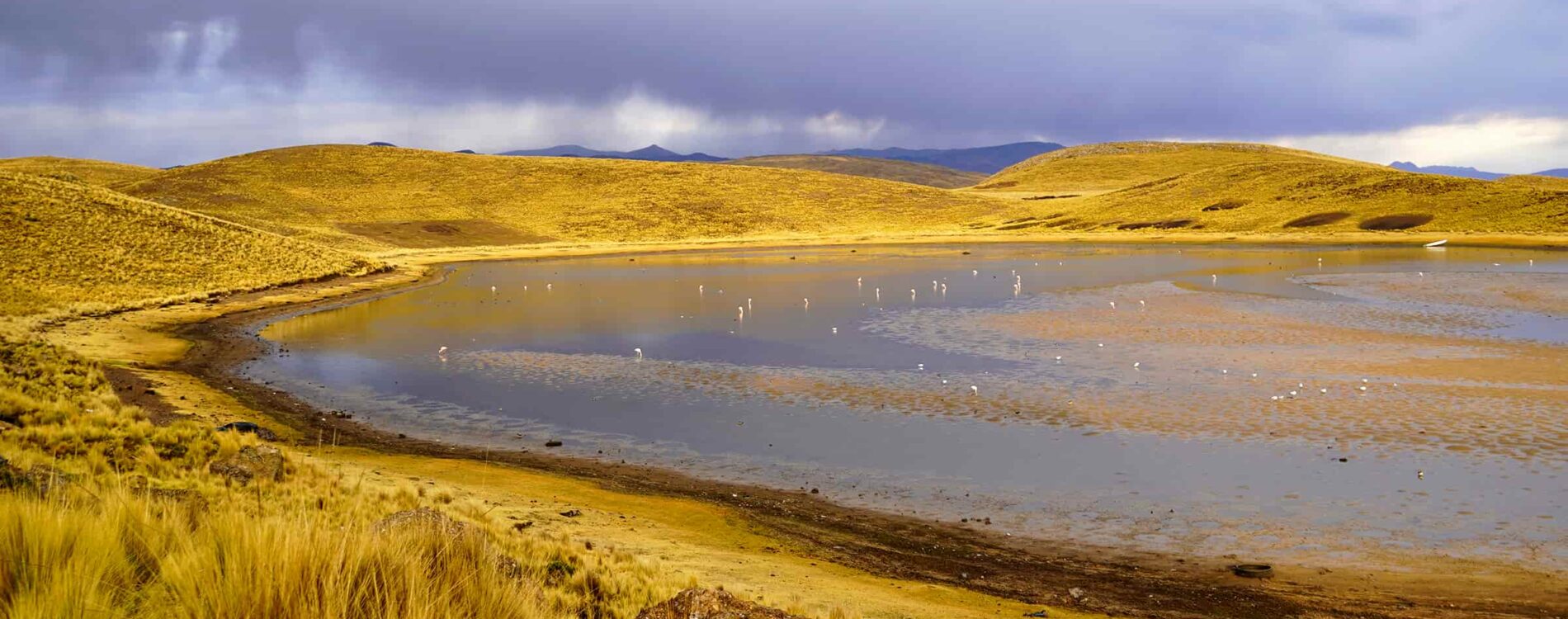
Exploring the breathtaking beauty of Puno, Peru, can be an unforgettable experience. Situated at an elevation of over 12,500 feet, Puno is renowned for its stunning landscapes and rich cultural heritage. However, the high altitude poses a unique challenge: altitude sickness. In this article, we’ll delve into what altitude sickness is, how it affects travelers in Puno, and, most importantly, how to prevent it.
Altitude sickness, also known as acute mountain sickness (AMS), occurs when you cannot get enough oxygen from the air at high altitudes. It can affect anyone, regardless of age or physical fitness level, and typically occurs when you rapidly ascend to high elevations without allowing your body time to adjust.
At higher altitudes, the air is thinner, meaning there is less oxygen available. This decreased oxygen availability makes it more challenging for your body to function efficiently. The body must work harder to get the oxygen it needs, which can lead to a range of symptoms as it struggles to adapt.
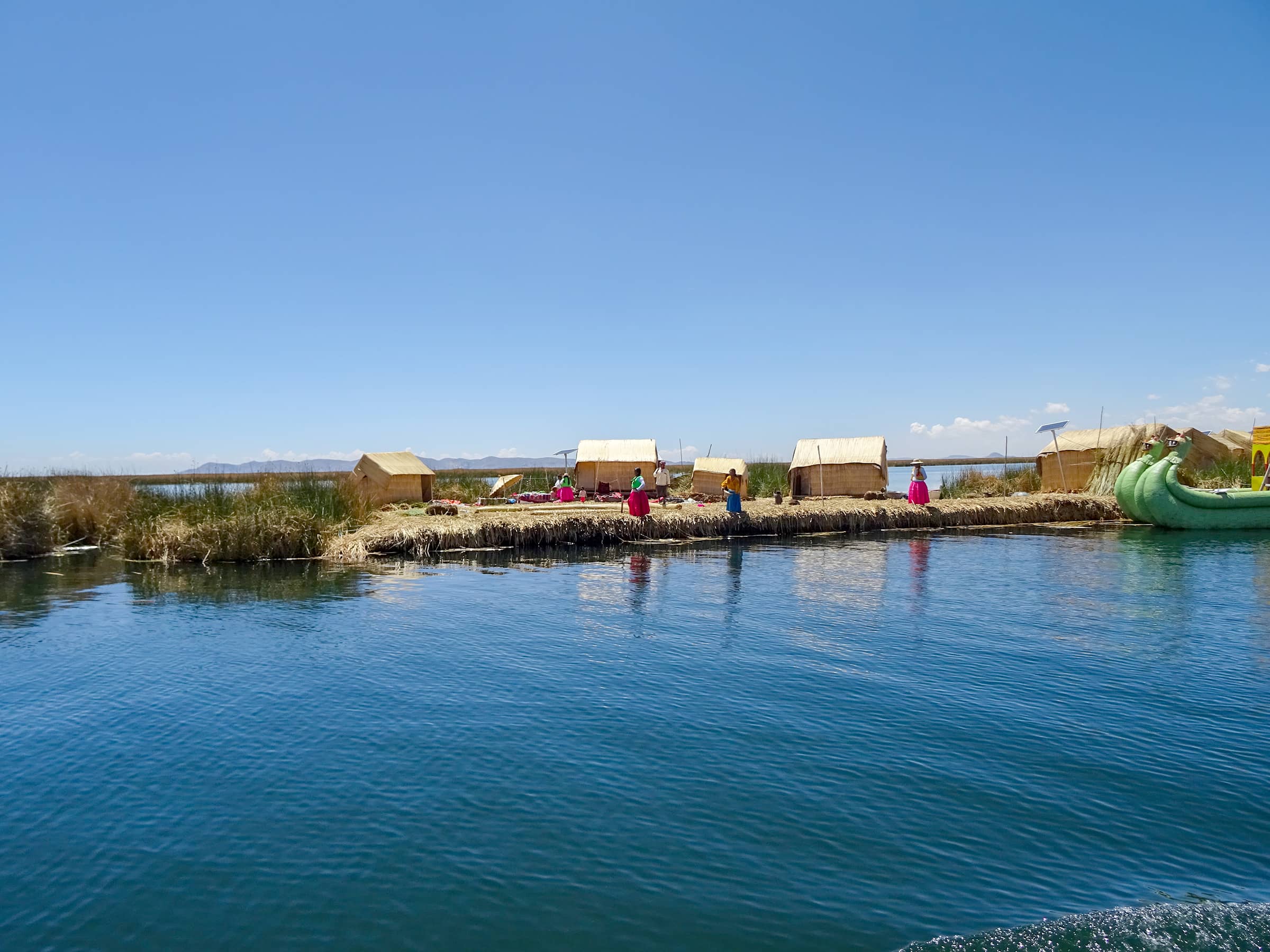
Puno Altitude Sickness
Altitude sickness is generally categorized into three types: acute mountain sickness (AMS), high-altitude pulmonary edema (HAPE), and high-altitude cerebral edema (HACE). AMS is the most common and least severe form, presenting symptoms such as headaches and dizziness. HAPE and HACE are severe and can be life-threatening, affecting the lungs and brain, respectively.
While altitude sickness can affect anyone, certain factors may increase your risk. These include a rapid ascent without acclimatization, a personal history of altitude sickness, and specific health conditions such as respiratory or cardiovascular issues. Understanding these risk factors can help in planning a safer trip to high-altitude locations like Puno.
 Common symptoms of altitude sickness include headaches, dizziness, fatigue, nausea, and shortness of breath. These symptoms usually appear within a few hours of arriving at a high altitude and can range from mild to severe. In extreme cases, altitude sickness can lead to life-threatening conditions such as high-altitude pulmonary edema (HAPE) or high-altitude cerebral edema (HACE).
In the early stages, altitude sickness often presents with mild symptoms that can be mistaken for general travel fatigue. These include slight headaches, mild dizziness, and a feeling of lethargy. Recognizing these early signs is crucial, as it allows for timely intervention and prevents the condition from worsening.
If not addressed promptly, mild symptoms can escalate. More severe symptoms include intense headaches, persistent nausea, and vomiting, which can significantly impact your ability to enjoy or even continue your travels. Monitoring symptom progression is essential to determine when to seek more intensive interventions.
In rare cases, altitude sickness can progress to HAPE or HACE, both of which are medical emergencies. Symptoms of HAPE include extreme difficulty breathing, a cough producing frothy sputum, and chest tightness. HACE symptoms involve confusion, loss of coordination, and altered mental status. Immediate descent and medical attention are critical in these situations.
Puno is located on the shores of Lake Titicaca, the highest navigable lake in the world. Its high elevation makes it a prime spot for experiencing altitude sickness. The thin air at such altitudes means there’s less oxygen available, making it harder for your body to function properly without adequate acclimatization.
The geographical location of Puno, nestled in the Andes, contributes significantly to its high altitude. The environment, characterized by its beautiful yet challenging terrain, adds to the complexity of acclimatizing. The dramatic elevation changes encountered while traveling to Puno can catch travelers off-guard, increasing the risk of altitude sickness.
Puno is not only a geographic marvel but also a cultural treasure trove, attracting tourists from around the globe. Its cultural events, like the famous Candelaria Festival, draw in crowds who may not be fully prepared for the altitude challenge. Understanding the cultural context of Puno helps travelers appreciate the need for acclimatization amidst their eagerness to explore.
While locals are generally acclimatized to the high altitude, visitors often face significant challenges. The difference in oxygen levels can affect even the most seasoned travelers. This disparity highlights the importance of preparation and awareness for anyone planning a visit to this high-altitude region.
Preventing altitude sickness involves a combination of preparation, gradual acclimatization, and paying attention to your body’s signals. Here are some effective strategies:
Gradual acclimatization is one of the most effective ways to prevent altitude sickness. Spend a few days at a moderate altitude before ascending to Puno to give your body time to adjust. For instance, consider staying in Cusco, which is at a slightly lower elevation, before heading to Puno.
Acclimatization can begin before you even arrive in Peru. If possible, spend time in locations with moderate altitudes to allow your body to begin adjusting. This pre-trip acclimatization can set a solid foundation for a smoother transition to higher elevations like Puno.
Once in Peru, plan your ascent to Puno gradually. Avoid flying directly to high-altitude locations if possible. Instead, travel by land through progressively higher elevations, giving your body the time it needs to adapt to the changing oxygen levels.
Upon reaching Puno, give your body a chance to adjust by taking it easy for the first few days. Engage in light activities and avoid sudden physical exertion. This period of acclimatization is crucial for ensuring that your body can handle the altitude without undue stress.
Dehydration can exacerbate the symptoms of altitude sickness. Drink plenty of water before and during your stay in Puno. Avoid excessive alcohol and caffeine, as they can contribute to dehydration.
Proper hydration is vital at high altitudes where the air is dry and can lead to increased fluid loss. Drinking ample water helps maintain your body’s fluid balance, which is crucial for efficient oxygen transport and overall physiological function.
While water is the best choice for hydration, other beverages like herbal teas can also be beneficial. However, steer clear of diuretics like coffee and alcohol, which can dehydrate you further. Incorporate hydrating drinks into your daily routine to support your body’s acclimatization process.
Keep track of your fluid intake and watch for signs of dehydration, such as dry mouth or dark urine. Carry a reusable water bottle and refill it regularly to ensure you’re consistently hydrating throughout your stay in Puno.
When you arrive in Puno, take it easy for the first 24 to 48 hours. Avoid strenuous activities and give your body time to adapt. This means no heavy hiking or intense sightseeing on your first day.
Plan a relaxed itinerary for your initial days in Puno, incorporating leisurely activities that allow for rest and acclimatization. Prioritize acclimatization-friendly experiences, such as exploring local markets or enjoying cultural performances, to avoid overexertion.
Pay close attention to how your body responds to the altitude. If you feel fatigued or experience symptoms of altitude sickness, rest and allow yourself time to recover. Being attuned to your body’s signals is essential for a safe and enjoyable trip.
While rest is crucial, gentle physical activity can also aid acclimatization by encouraging efficient oxygen use. Engage in light walks or yoga to maintain circulation and support your body’s adaptation process without overloading it.
Consume light, high-carbohydrate meals to help maintain your energy levels. Heavy meals can make it more difficult for your body to acclimatize.
Focus on meals that are easy to digest and provide a steady source of energy. Foods rich in carbohydrates, such as grains and fruits, are ideal for high-altitude environments. These foods offer quick energy that helps sustain physical activity and supports acclimatization.
Eat smaller, more frequent meals to avoid overburdening your digestive system. Large, rich meals can divert energy away from your body’s acclimatization efforts, so it’s best to eat in moderation while at high altitudes.
Sampling local cuisine can be an enjoyable part of your Puno experience. Opt for traditional dishes that align with light, high-carbohydrate recommendations, allowing you to enjoy cultural flavors while supporting your body’s adjustment to the altitude.
Certain medications, such as acetazolamide, can help prevent and reduce the symptoms of altitude sickness. Consult with a healthcare professional before your trip to see if these medications are appropriate for you.
Acetazolamide is a medication that can aid acclimatization by promoting breathing and enhancing oxygen absorption. It is often prescribed to travelers heading to high altitudes, but it should be used under medical supervision to ensure its suitability for your health needs.
In addition to acetazolamide, other medications may be recommended based on individual needs and medical history. Discuss your travel plans with a healthcare provider to determine the best pharmaceutical approach for preventing altitude sickness.
If prescribed medication, adhere to the recommended timing and dosage instructions. Starting medication prior to ascent and continuing as directed can optimize its effectiveness in preventing altitude sickness symptoms.
Some travelers find relief from altitude sickness symptoms by using portable oxygen supplements. These can be particularly helpful if you experience symptoms despite taking preventive measures.
Portable oxygen canisters or concentrators are available for travelers needing supplemental oxygen at high altitudes. These devices provide an immediate boost of oxygen to alleviate symptoms and support acclimatization.
While portable oxygen can be beneficial, it should not replace other acclimatization strategies. Use oxygen supplements as a temporary measure to manage symptoms, ensuring that you continue to focus on hydration, rest, and gradual acclimatization.
Research the availability of oxygen supplements in Puno and other high-altitude destinations. Being prepared with access to supplemental oxygen can provide peace of mind and an extra layer of protection against altitude sickness.
If you start experiencing symptoms of altitude sickness, it’s important to act quickly. Here are some remedies to alleviate symptoms:
The most effective remedy for altitude sickness is to descend to a lower altitude. If symptoms persist or worsen, seek medical attention immediately.
Descending to a lower altitude can provide almost immediate relief from altitude sickness symptoms. The increased oxygen availability at lower elevations aids recovery and reduces the risk of severe complications.
Include contingency plans in your travel itinerary that allow for a quick descent if needed. Familiarize yourself with the locations of lower-altitude areas and transportation options to ensure a smooth and swift descent if symptoms escalate.
In cases where descent does not provide relief, or symptoms are severe, consult a medical professional promptly. Access to medical facilities with experience in treating altitude-related conditions is vital for ensuring your health and safety.
Rest is crucial if you’re experiencing altitude sickness. Make sure to stay hydrated and avoid any physical exertion until you feel better.
Allow your body ample time to rest and recover from the stress of altitude sickness. Create a comfortable environment for relaxation, avoiding noisy or crowded places that may hinder recovery.
Continue to hydrate consistently, as this supports your body’s recovery and helps flush out toxins. Opt for electrolyte-rich fluids to replenish essential minerals lost through increased urination at high altitudes.
Refrain from engaging in any strenuous activities until symptoms subside. Keeping physical activity to a minimum allows your body to allocate energy towards healing and acclimatization.
In Puno, coca leaves are a popular natural remedy for altitude sickness. Locals often chew coca leaves or drink coca tea to alleviate symptoms. While the effectiveness of coca leaves is anecdotal, many travelers find them helpful.
Coca leaves have been used traditionally in Andean cultures for their perceived medicinal properties. Chewing coca leaves or drinking coca tea is a cultural practice that many believe aids in alleviating altitude sickness symptoms.
While scientific evidence on the effectiveness of coca leaves is limited, many travelers report experiencing relief from symptoms after using them. Trying coca products can be a culturally immersive way to explore traditional remedies.
When experimenting with herbal remedies like coca leaves, use them responsibly and in moderation. Be aware of any legal restrictions on the use and transport of coca products outside of Peru.
Most cases of altitude sickness are mild and can be managed with self-care. However, if you experience severe symptoms such as difficulty breathing, confusion, or loss of coordination, seek medical attention immediately. These could be signs of HAPE or HACE, which require urgent treatment.
Recognizing severe symptoms early is crucial for preventing serious health outcomes. Difficulty breathing, a persistent cough, and neurological symptoms like confusion or disorientation are red flags that warrant immediate medical evaluation.
HAPE and HACE are critical conditions that require prompt intervention. Understanding the symptoms associated with these complications can prepare you to take swift action if they arise during your travels.
Familiarize yourself with the locations of medical facilities equipped to handle altitude-related emergencies in Puno. Having a plan for accessing emergency care can make a significant difference in outcomes if severe symptoms develop.
Timely medical intervention is essential for addressing severe altitude sickness and preventing long-term complications. If symptoms persist despite self-care measures, do not delay seeking professional medical assistance.
Knowing when to abandon your itinerary and descend to a safer altitude is a critical component of altitude sickness management. Be willing to adjust travel plans if symptoms persist or worsen despite initial remedies.
Provide healthcare providers with detailed information about your symptoms, travel itinerary, and any pre-existing medical conditions. Clear communication can aid in accurate diagnosis and effective treatment of altitude-related conditions.
Planning ahead can make a significant difference in your experience with altitude sickness. Here are some additional tips:
Know what to expect before you go. Research Puno’s altitude and climate to prepare adequately.
Researching Puno’s climate, altitude, and cultural context helps set expectations for your trip. Understanding the environmental and cultural nuances of your destination can enhance your travel experience and preparedness.
Plan an itinerary that incorporates acclimatization periods, light activities, and rest days. Flexibility in your travel plans allows you to respond to your body’s needs without compromising your overall experience.
Consider scheduling a health check-up before your trip to ensure you’re fit for high-altitude travel. Discuss any concerns with your healthcare provider and obtain personalized recommendations for managing altitude sickness.
Make sure your travel insurance covers altitude sickness and related emergencies.
Review your travel insurance policy to confirm coverage for altitude-related medical emergencies. Ensure your policy includes provisions for evacuation, medical treatment, and travel modifications due to altitude sickness.
Choose a travel insurance policy that aligns with your itinerary and health needs. Policies offering comprehensive coverage for high-altitude activities provide peace of mind and financial protection during your travels.
Keep a copy of your insurance policy details and emergency contact information easily accessible. In the event of an emergency, having this information readily available can expedite the process of obtaining assistance and care.
Bring essential items like a reusable water bottle, light snacks, and any prescribed medications.
Create a packing list that includes altitude-specific essentials, such as hydration gear, layered clothing, and nutritional supplements. Having these items on hand supports acclimatization and comfort during your stay in Puno.
Pack a first-aid kit with altitude-specific medications and supplies, such as acetazolamide and portable oxygen. Being prepared with health and safety gear ensures you can respond promptly to altitude sickness symptoms.
Include items that enhance your cultural experience, such as local maps, phrasebooks, and guides. Practical items like reusable bags and eco-friendly products contribute to a sustainable and responsible travel approach.
With the right preparation, you can conquer the heights of Puno and create unforgettable memories in this incredible region of Peru. From exploring the cultural heritage to marveling at natural wonders, your journey in Puno promises to be both enriching and exhilarating.
As you reflect on your trip, consider the ways in which acclimatization and preparation enhanced your experience. Sharing your insights and strategies with fellow travelers can contribute to a community of informed and conscientious adventurers.
The lessons learned from navigating Puno’s altitude can serve you well in future high-altitude travel endeavors. Armed with knowledge and experience, you’ll be well-prepared to explore new heights and discover the wonders of the world with confidence.
Puno is high. Around 3,800 meters. That’s not just a number. It’s a change your body feels fast. If you came from Lima or Arequipa, the jump is big. Even if you spent a few days in Cusco, Puno can still hit harder. The air is dry, colder than expected, and thinner. You walk a few blocks, and suddenly you’re out of breath. Some travelers say they felt fine until they climbed the hotel stairs. Others say it started on the bus ride. The headache comes first. Then the dizziness. Then the weird stomach. It’s not dramatic, but it’s real.
Some say it’s like being jetlagged and hungover at the same time. Others say it’s just annoying. It usually starts within the first 6 to 12 hours. If you ignore it, it gets worse. Especially if you’re doing boat tours or hikes around Lake Titicaca.
Forget the textbook advice. Here’s what people in Puno actually do:
Some travelers carry altitude pills like sorojchi, but you need to take them before arriving. Others use oxygen bottles, but they’re not common in Puno. Some hotels offer oxygen in the lobby. Not always, but you can ask. Locals say garlic soup helps. Some say it’s just a myth. Others swear by it.
If you push through, it gets worse. You’ll feel exhausted, even on short walks. You’ll get cranky. You won’t enjoy the lake. And if you’re doing the full-day tour to Uros and Taquile, you might have to skip the second part. Some people end up in clinics. Not common, but it happens. Especially if you’re older or coming from sea level.
Compared to Cusco, Puno is higher. Compared to Arequipa, it’s way higher. If you came from Lima, it’s a huge jump. If you came from Cusco, you might feel better. But not always. Everyone’s body reacts differently. Some say they felt worse in Puno than in Cusco. Others say the opposite. It depends.
One guy said he felt fine until he climbed the stairs at the hotel. Then headache. Another said she felt dizzy just walking to the dock. Someone else said coca tea helped, but only after two cups. A couple said they skipped Taquile and stayed on the boat. They didn’t regret it.
Puno’s stunning landscapes and rich history make it a must-visit destination. By understanding altitude sickness and taking proactive steps to prevent it, you can enjoy everything Puno has to offer without interruption. Listen to your body, acclimate slowly, and be prepared with remedies and preventive measures to ensure a safe and enjoyable trip.

Machu Picchu and Hiram Bingham’s Legacy: Rediscovery, Debate, and Historical Impact Machu Picchu, a marvel of Inca engineering,…
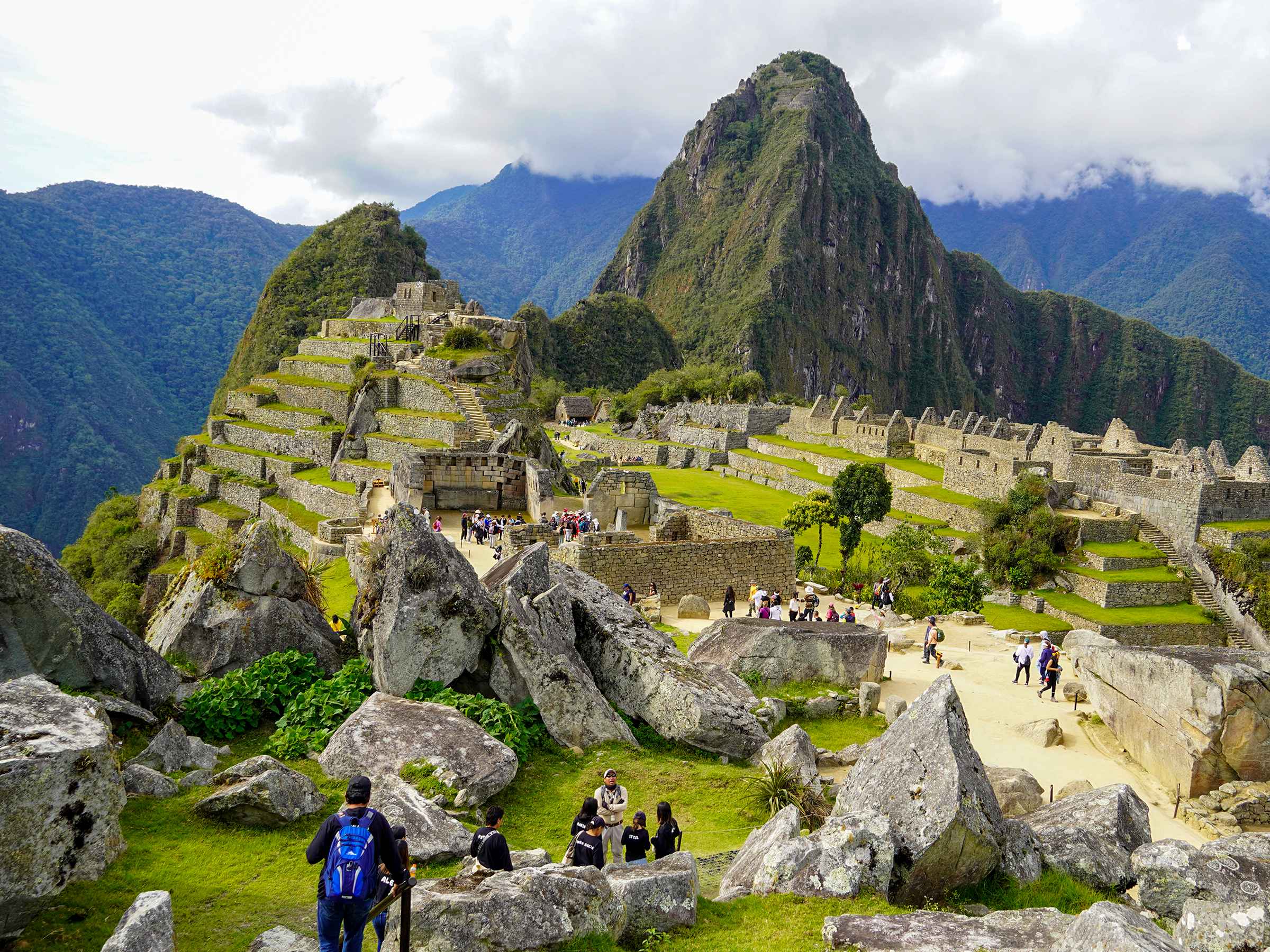
Machu Picchu Seismic Design: How Inca Engineering Defied Earthquakes Machu Picchu stands as a marvel of ancient engineering.…

Machu Picchu Terrace Engineering: How the Incas Mastered Mountain Agriculture Machu Picchu stands as a marvel of ancient…

Machu Picchu Quarry Sources: Where the Incas Obtained Their Building Stone Machu Picchu stands as a marvel of…

Machu Picchu Sacred Mountains Guide: Spiritual Meaning of the Andean Landscape Machu Picchu, the renowned 15th-century Incan citadel,…
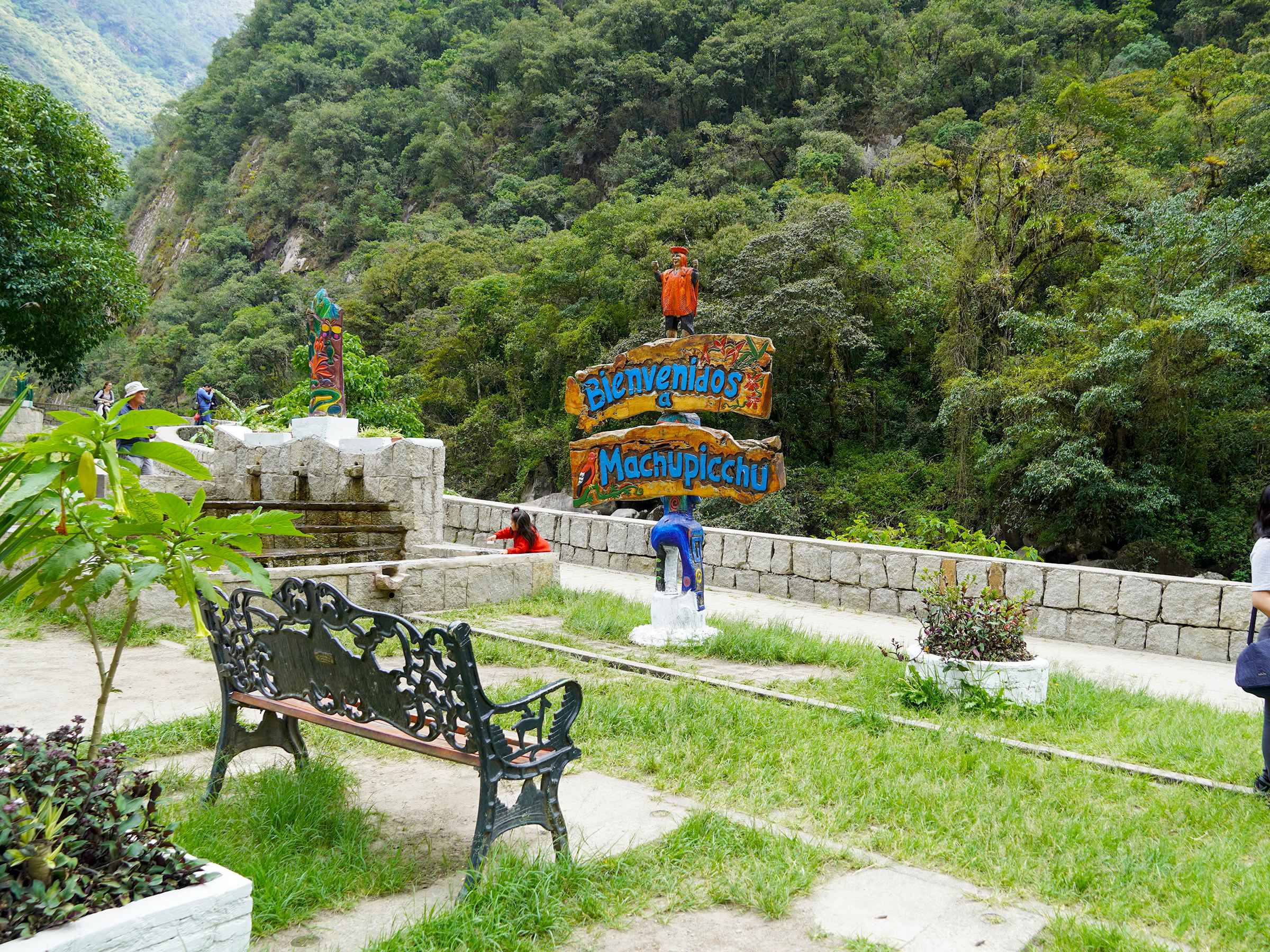
Aguas Calientes Town: The Charming Gateway to Machu Picchu Nestled in the heart of the Andes, Aguas Calientes…

Peru Altitude Guide Peru is a land of breathtaking landscapes and rich cultural heritage. Its diverse geography includes…

Machu Picchu Climb Machu Picchu is a dream destination for many travelers. Nestled high in the Andes, it…

Discover the Amazing Sacred Valley Cusco Nestled in the heart of the Andes, the Sacred Valley of Cusco…

Best time to go to Machu Picchu Machu Picchu is a dream destination for many travelers. Nestled in…

Cusco Altitude Cusco, a city nestled in the Andes, is renowned for its breathtaking altitude. At 11,152 feet…
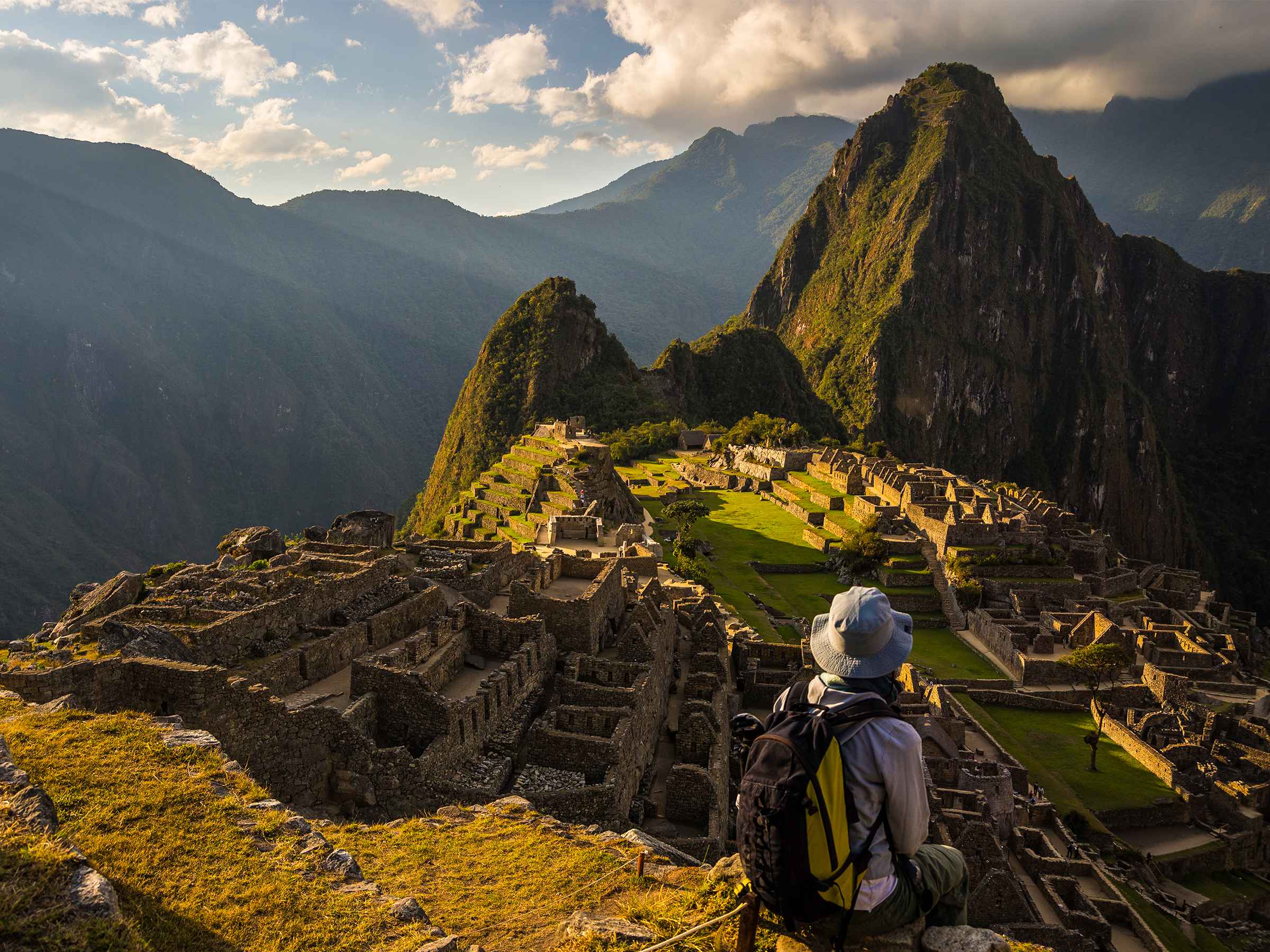
Where is Machu Machu Picchu is a name that sparks curiosity and wonder. Nestled high in the Andes…