
Lares Trek Preparation Guide: What to Know Before Reaching Machu Picchu

Lares Trek Preparation Guide: What to Know Before Reaching Machu Picchu


Planning your Lares Trek to Machu Picchu

Embarking on the Lares Trek to Machu Picchu is a journey filled with breathtaking scenery, rich culture, and unforgettable experiences. Unlike the more crowded Inca Trail, the Lares Trek offers a unique path to the ancient city, weaving through the heart of the Andes. To make the most of this adventure, careful planning is essential. This guide provides key insights and tips to help you prepare for your trek.

The Lares Trek is a breathtaking journey through the Peruvian Andes, offering a unique blend of natural beauty, cultural immersion, and physical challenge. This lesser-known trek is an excellent alternative to the more crowded Inca Trail, providing an intimate experience of the Andean landscape and its communities. If you’re considering embarking on this adventure, here’s everything you need to know to plan your Lares Trek.

Planning your Lares Trek to Machu Picchu

Planning your Lares Trek to Machu Picchu

Understanding the Lares Trek

Before diving into the planning process, it’s important to understand what the Lares Trek entails. This trek is a high-altitude hike that spans approximately 33 kilometers (20 miles) and typically takes three to four days to complete. It leads you through remote Andean villages where you can engage with local communities and learn about their traditional way of life.

The Route and Its Challenges

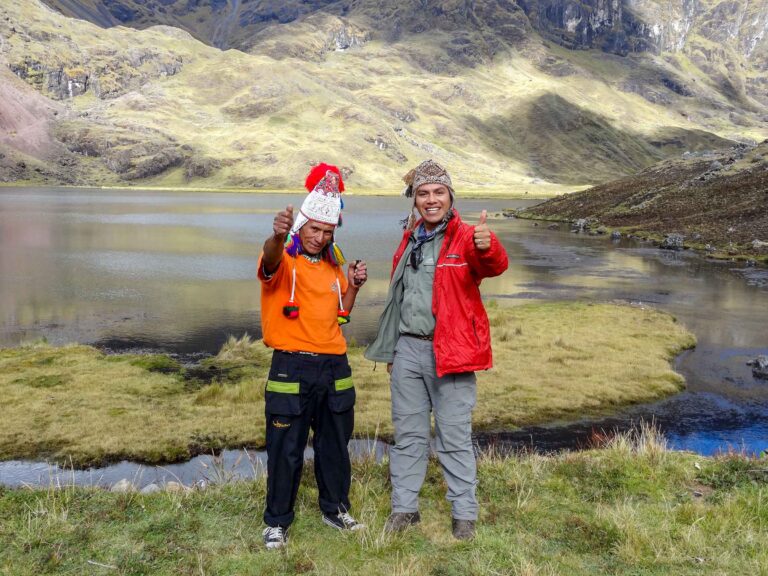
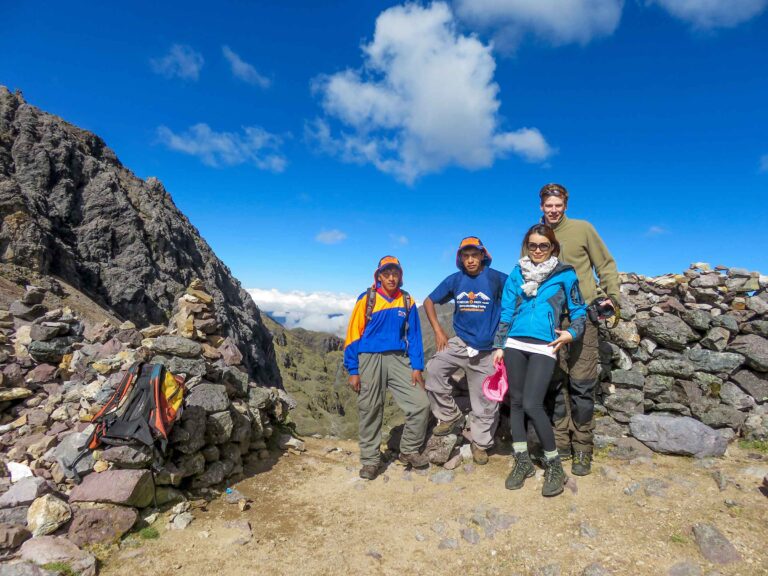
The Lares Trek is renowned for its picturesque landscapes that change dramatically as you move through the trail. Starting in the lush Sacred Valley, you ascend through rugged terrain, encountering steep passes that test your endurance. The trek offers a variety of environments, from verdant valleys to rocky mountain paths, each presenting its unique set of challenges. As you progress, each day brings new altitudes and conditions, requiring stamina and perseverance.

Cultural Immersion

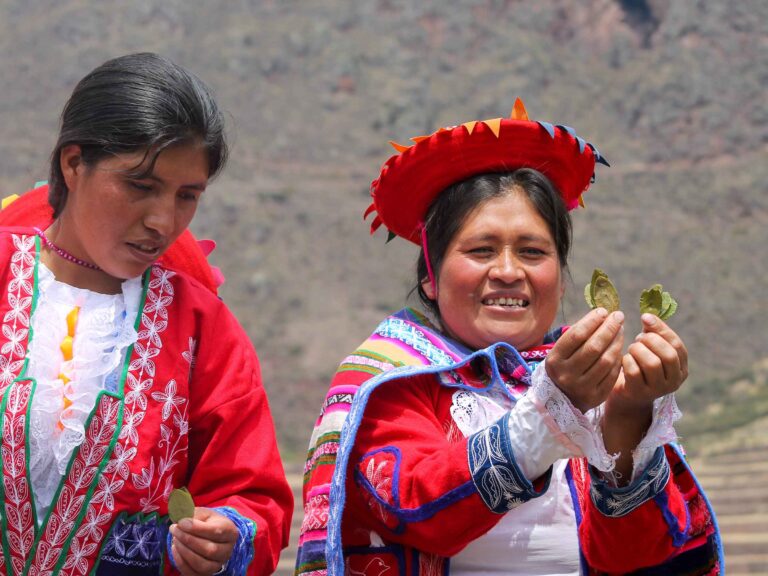
As you traverse the Lares Trek, you will have the opportunity to immerse yourself in the vibrant culture of the Quechua people. These indigenous communities have preserved their traditions and way of life for centuries. Engaging with locals, you’ll witness traditional farming techniques, weaving practices, and perhaps participate in cultural exchanges that offer a window into their world. This cultural immersion is a highlight of the trek, providing a deeper appreciation of the region’s heritage.

Accessibility and Permits

One of the advantages of the Lares Trek is its accessibility. Unlike the Inca Trail, the Lares Trek does not require permits, making it an excellent option for those who make last-minute travel decisions. However, the trek’s high altitude means that physical preparedness and appropriate acclimatization are crucial. Trekkers must be ready to handle the demands of the trail, especially if they are not accustomed to high altitudes.

Planning Your Lares Trek

When to Go

The best time to undertake the Lares Trek is during the dry season, which runs from May to September. During these months, the weather is relatively stable, with sunny days and cooler nights, making for ideal trekking conditions. The absence of rain reduces the risk of slippery trails and enhances the overall experience. In contrast, the wet season, from November to March, can bring heavy rains, which not only make trails challenging but can also obscure the stunning views that the trek is known for.

Choosing a Trekking Company

While it’s possible to hike the Lares Trek independently, many travelers opt for a guided tour. A reputable trekking company provides not only logistical support but also enriches the experience with local knowledge. Guides offer insights into the landscape, culture, and history, turning a simple hike into an educational journey. Porters and cooks ensure your comfort, allowing you to focus on enjoying the trek. Researching and selecting a company with experienced guides and a strong safety record is vital to ensure a safe and enjoyable trek.

Preparing for the Altitude

Altitude sickness is a common concern for trekkers in the Andes. The highest point of the Lares Trek reaches approximately 4,400 meters (14,435 feet) above sea level. To minimize the risk, spend a few days in Cusco or the Sacred Valley to acclimatize before starting your trek. Acclimatization is a gradual process; take it slow to give your body time to adjust to the thinner air. Staying hydrated, eating light meals, and avoiding alcohol can also help your body cope with the altitude, ensuring you remain healthy and energized throughout your trek.

Packing for the Lares Trek

Packing wisely is crucial to ensure a comfortable and successful trek. Here’s a checklist of essential items to bring:

Clothing

  • Layers: Pack moisture-wicking base layers, insulating mid-layers, and a waterproof outer layer to adapt to changing weather conditions. Layering helps you stay comfortable as temperatures vary throughout the day, from chilly mornings to warm afternoons.
  • Trekking boots: Ensure they are well-broken-in to prevent blisters. A good pair of boots provides support and grip, essential for navigating the uneven terrain you will encounter.
  • Hat and gloves: Necessary for the chilly mornings and evenings. The high-altitude environment can lead to significant temperature drops after sunset, so having warm accessories is crucial.

Gear

  • Backpack: Choose a comfortable, supportive pack with a capacity of 30-40 liters. Your backpack should be able to carry all your essentials without straining your back or shoulders.
  • Sleeping bag: A warm sleeping bag rated for temperatures below freezing is essential. Nights in the Andes can be cold, and a good sleeping bag ensures you stay warm and get a good night’s rest.
  • Trekking poles: Helpful for stability on uneven terrain. They can reduce strain on your knees and provide additional balance on rocky or steep sections.
  • Headlamp: For navigating campsites at night. A reliable headlamp ensures you can safely move around in the dark and is also useful for early morning starts.

Essentials

  • Water bottle and purification tablets: Safe drinking water isn’t always available along the trail. Staying hydrated is key to combating altitude sickness, so having a reliable method for purifying water is crucial.
  • Sunscreen and sunglasses: The high altitude increases UV exposure. Protecting your skin and eyes from the harsh sun is important to prevent burns and sun damage.
  • First aid kit: Include band-aids, pain relievers, and altitude sickness medication. A well-stocked kit allows you to address minor injuries or illnesses promptly.
  • Snacks: High-energy snacks like nuts and dried fruit will keep you fueled throughout the trek. Having readily accessible energy boosts can help maintain your stamina during long hiking days.

What to Expect on the Trail

Daily Routine

Each day on the Lares Trek presents new landscapes and challenges. You’ll typically start early in the morning, trekking for several hours before stopping for lunch. The journey is as much about the experience as it is about the destination, with each segment offering a sense of accomplishment. Evenings are spent at campsites, where you’ll enjoy meals prepared by your guides. These moments provide time to relax, share stories with fellow trekkers, and rest for the next day’s adventure.

Cultural Interactions

One of the highlights of the Lares Trek is the opportunity to interact with local Quechua communities. You’ll pass through traditional villages where you can observe daily life and purchase handmade textiles directly from the artisans. These interactions provide a deeper understanding of the region’s rich culture and traditions. Engaging with locals not only enriches your travel experience but also supports these communities economically.

Reaching Machu Picchu

The Lares Trek concludes with a visit to Machu Picchu. After completing the trek, you’ll take a train from the town of Ollantaytambo to Aguas Calientes, the gateway to Machu Picchu. It’s recommended to spend the night in Aguas Calientes and visit the archaeological site early the next morning to avoid crowds. Arriving early allows you to explore the ruins in the serene morning light, offering a more intimate experience of this iconic site.

Tips for a Successful Trek

  • Stay Positive: Trekking at high altitudes can be challenging, but maintaining a positive attitude will help you overcome difficulties. A good mindset can turn obstacles into opportunities for growth and learning.
  • Pace Yourself: Listen to your body and take breaks as needed to prevent exhaustion. Pacing ensures you can enjoy the trek fully without overexerting yourself.
  • Respect the Environment: Practice Leave No Trace principles by packing out all trash and minimizing your impact on the environment. Preserving the natural beauty of the trail ensures it remains pristine for future trekkers.
  • Document Your Journey: Capture the stunning landscapes and memorable moments with a camera or journal. Documenting your trek allows you to relive the adventure and share it with others.

Choosing the Right Time

The best time to undertake the Lares Trek is during the dry season, which runs from May to September. During these months, you can expect clear skies and milder temperatures, making trekking conditions more enjoyable. The wet season can be challenging from November to March due to heavy rains and muddy trails.

Selecting a Route

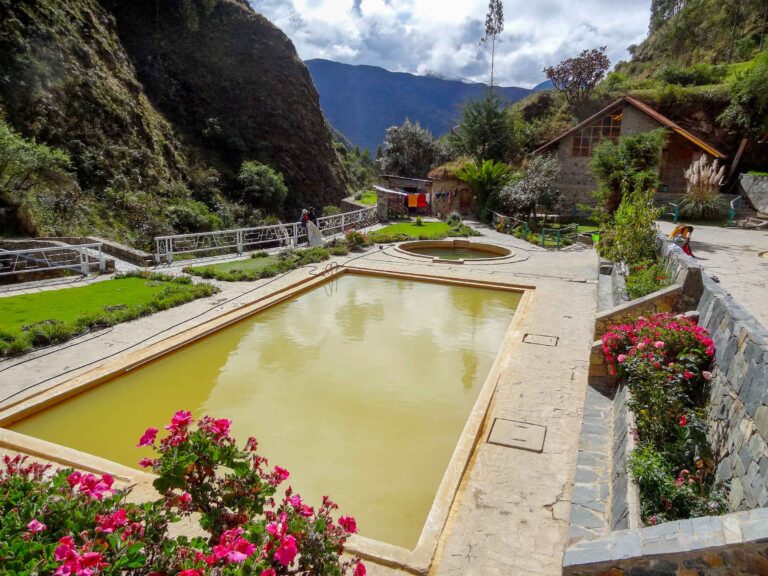
The Lares Trek offers several routes, each with unique attractions and varying difficulty levels. The most popular route starts in Lares, known for its hot springs, and ends in the Sacred Valley near Ollantaytambo. This route typically takes three to four days and covers a distance of approximately 33 kilometers (20 miles). Consider your fitness level, interests, and available time when choosing a path.

Preparing for the Trek

Physical Fitness

The Lares Trek involves hiking at high altitudes, with some passes exceeding 4,600 meters (15,000 feet). To prepare, focus on cardiovascular exercises and strength training, particularly for your legs and core. It’s also beneficial to go on practice hikes, preferably at elevation, to acclimate your body to the demands of the trek.

Altitude Acclimatization

Spend a few days in Cusco or the Sacred Valley before starting the trek to acclimatize to the altitude. This will help reduce the risk of altitude sickness, which can be a significant challenge on the trail.

Packing Essentials

  • Pack light, but ensure you have all the essentials, including:
  • Warm clothing: Layering is critical, as temperatures can vary greatly.
  • Waterproof gear: A rain jacket and pants are essential, even in the dry season.
  • Comfortable hiking boots: Ensure they are well broken in to prevent blisters.
  • Sleeping bag: Rated for cold temperatures, as nights can be freezing.
  • Sun protection: Sunglasses, sunscreen, and a hat are crucial for protection against the solid Andean sun.
  • Water purification: A water filter or tablets are necessary for safe drinking water.

Hiring a Guide or Joining a Group

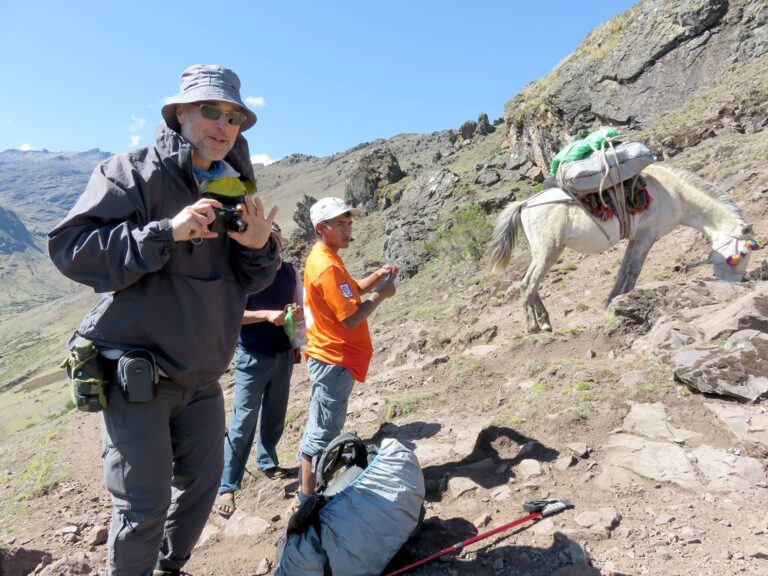
While it’s possible to trek independently, hiring a local guide or joining a guided group can enhance your experience. Guides provide valuable insights into the region’s culture and history, ensure safety, and handle logistics like permits and transportation. Most guided tours also include meals, camping equipment, and pack animals to carry gear.

Respecting the Environment and Local Communities

The Lares Trek takes you through remote Andean communities and pristine natural environments. Respect the local culture by asking permission before taking photos and being mindful of local customs. Practice Leave-No-Trace principles to minimize your impact on the environment.

Diverse Landscapes

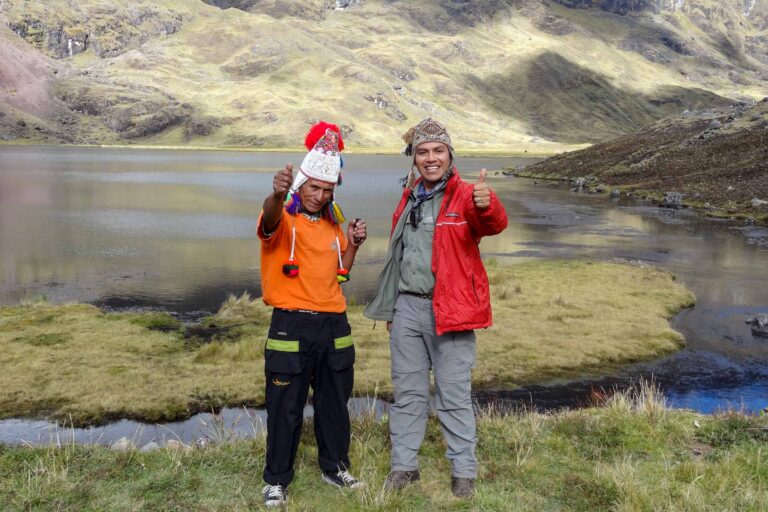
The Lares Trek takes you through various landscapes, from lush valleys and high-altitude lakes to rugged mountains and snowy peaks. Each day presents new scenery, ensuring that the trek never feels monotonous. The changing landscapes also provide a habitat for a wide range of flora and fauna, making it a delight for nature enthusiasts.

Rich Cultural Experiences

The Lares Trek’s deep immersion into the local culture sets it apart. The trek passes through several Andean villages, where trekkers can interact with the Quechua-speaking communities. These encounters offer a glimpse into the traditional lifestyles, customs, and crafts of the Indigenous people. Visiting local markets and witnessing traditional weaving techniques are just a few of the cultural highlights.

Solitude and Serenity

Unlike the busy Inca Trail, the Lares Trek offers a sense of solitude and peace. The trails are less traveled, allowing trekkers to enjoy the natural beauty and cultural experiences without the distraction of large crowds. This tranquility makes the Lares Trek ideal for those seeking a more personal and reflective journey.

Planning Your Lares Trek Adventure

Choosing the Right Route

The Lares Trek has several variations, with routes ranging from two to four days. The route choice depends on your fitness level, time constraints, and interests. Some routes focus more on cultural experiences, while others offer more challenging hikes with stunning mountain vistas.

Best Time to Go

The best time to trek in the Lares region is during the dry season, from May to September. During these months, the weather is generally clear and sunny, providing excellent conditions for trekking and photography. However, preparing for cold temperatures, especially at night, is essential.

What to Pack

Packing wisely is crucial for a comfortable trekking experience. Essential items include warm clothing, waterproof gear, comfortable hiking boots, a sleeping bag, and a camera to capture the breathtaking scenery. Don’t forget to bring sunscreen, sunglasses, and a hat to protect against the intense Andean sun.

Acclimatization

The Lares Trek involves hiking at high altitudes, with some passes exceeding 4,000 meters (13,000 feet). To prevent altitude sickness, it is important to spend a few days acclimatizing in Cusco or the Sacred Valley before starting the trek.

Lares Tours

Final Thoughts

The Lares Trek to Machu Picchu is more than just a hike—it’s a journey through history, culture, and some of the most breathtaking landscapes on earth. With careful planning and preparation, you can make the most of this incredible adventure.

Whether you’re drawn by the allure of Machu Picchu, the beauty of the Andes, or the cultural richness of the region, the Lares Trek offers an unforgettable experience. Equip yourself with the knowledge and tools outlined in this guide, and embark on a journey that promises to leave you with memories for a lifetime.

Happy trekking!

Inquire Now

Contact form footer
Need help? Speak with us