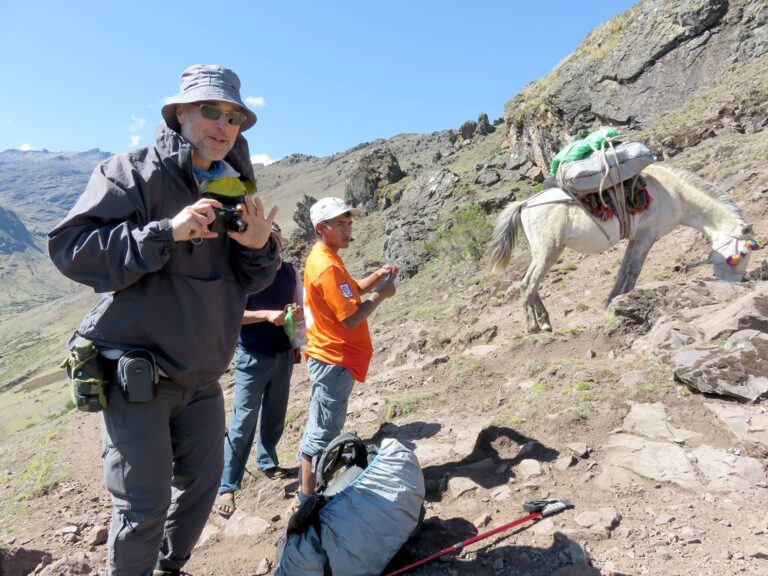

The Lares Trek is one of the most visually diverse routes in the Andes. From high-altitude lakes to remote villages and open valleys, the constantly changing scenery makes it an ideal trek for travelers who want to capture more than just the destination.
If you’re planning this route, you can explore Lares Trek itineraries to understand how different paths offer unique visual experiences.

Why the Lares Trek Stands Out Visually
Unlike more structured routes, the Lares Trek offers a raw, ever-changing landscape. Each section of the trail presents a different environment, creating endless opportunities for photography.
- Wide mountain valleys with grazing alpacas
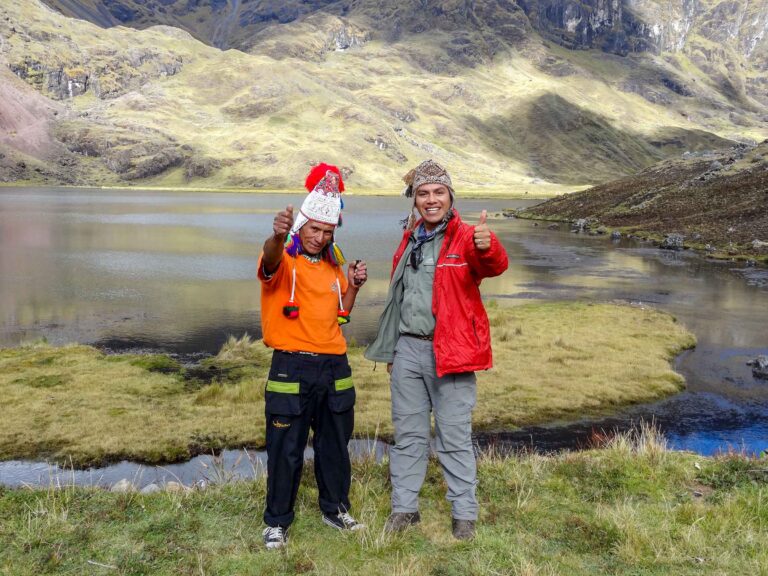
- Glacial lakes reflecting snow-capped peaks
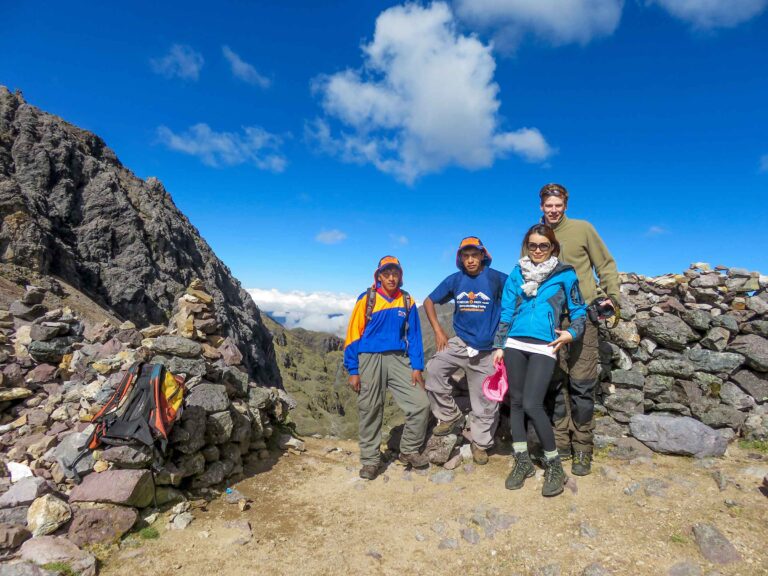
- High passes with panoramic Andean views
This variation is what makes the route visually unique.
Best Moments to Capture the Landscape
Light changes quickly in the Andes, and timing plays a key role in capturing strong images.
- Early morning: soft light and clear skies
- Late afternoon: warm tones across the mountains
- Cloudy conditions: dramatic and moody landscapes
Being ready at the right moment makes a big difference.
Photographing Andean Culture
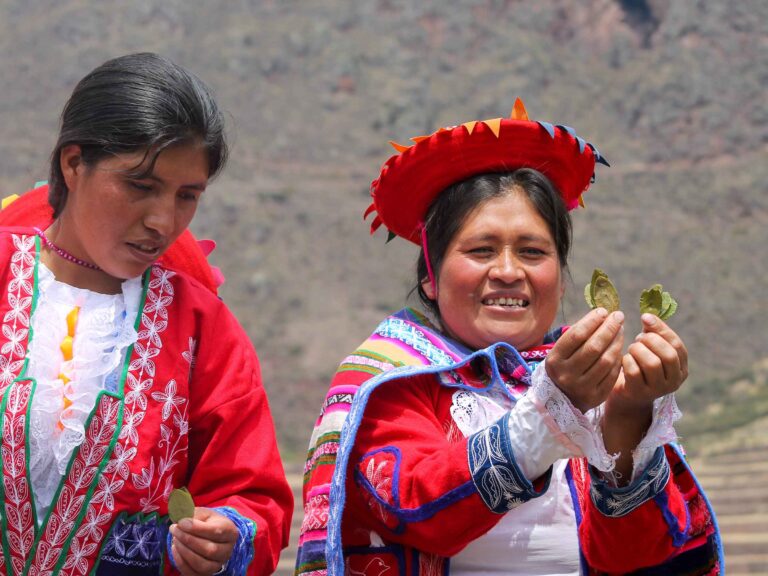
One of the most powerful aspects of the Lares Trek is the presence of local communities. The cultural element adds depth beyond landscapes.
- Traditional clothing and textiles
- Daily life in remote villages
- Interactions between people and the environment
Always ask for permission before taking photos and respect local customs.

Key Scenic Highlights Along the Route
- High-altitude lakes with clear reflections
- Mountain passes above 4,000 meters
- Remote valleys with minimal human presence
- Natural hot springs in Lares
These locations provide some of the most photogenic moments of the trek.
Explore how this route compares visually:
Inca Trail
Salkantay Trek
Lares Trek
Gear and Practical Tips
- Carry a lightweight camera setup
- Protect gear from rain and dust
- Use layers to adapt to temperature changes
- Keep batteries warm at high altitude
Conditions change quickly, so preparation is essential.
Why Photographers Choose the Lares Trek
The Lares Trek offers something different from other routes: space, silence, and freedom to observe the landscape without crowds.
This allows for more natural compositions and a deeper connection with the environment.
Is the Lares Trek Worth It for Photography?
For travelers interested in capturing authentic Andean landscapes and culture, the Lares Trek provides one of the most complete visual experiences in Peru.
Ready to experience the Lares Trek through your own lens?
Browse Lares Trek options and choose the route that fits your travel style.