When people think of trekking in Peru, the Inca Trail often comes to mind. However, there’s another trail that offers a unique blend of cultural richness and stunning natural beauty: the Lares Trek. This lesser-known route offers trekkers a chance to experience the vibrant cultural life of the Andean communities, explore breathtaking natural landscapes, and relax in soothing hot springs.
The Lares Trek is a captivating journey through the Lares Valley, located in the Cusco region of Peru. Unlike the more crowded Inca Trail, the Lares Trek offers a more peaceful, intimate experience. This route typically begins in the small town of Lares, known for its natural hot springs, and winds through the Andes Mountains, passing through traditional villages and stunning landscapes.
The majestic Peruvian Andes, the Lares Trek is a journey that takes adventurers through a world of breathtaking landscapes and vibrant cultural experiences. Often overshadowed by the renowned Inca Trail, the Lares Trek offers a unique and less crowded alternative for those seeking an authentic Andean adventure.
This trek perfectly blends natural beauty and cultural immersion, profoundly connecting the land and its people. In this blog post, we’ll explore the wonders of the Lares Trek and why it’s a must-visit destination for trekkers and cultural enthusiasts alike.

The journey commences in the quaint town of Lares, renowned for its inviting natural hot springs. These thermal pools offer a warm welcome and a soothing prelude to the trek. The town itself is a picturesque introduction to the region, with its rustic charm and friendly locals setting the tone for the adventure ahead.
As trekkers set out from Lares, the trail weaves its way through the majestic Andes Mountains. The path is marked by diverse terrains, from lush valleys to rugged mountain passes. Each step presents a new vista, as the landscape unfolds in an ever-changing tapestry of natural beauty.
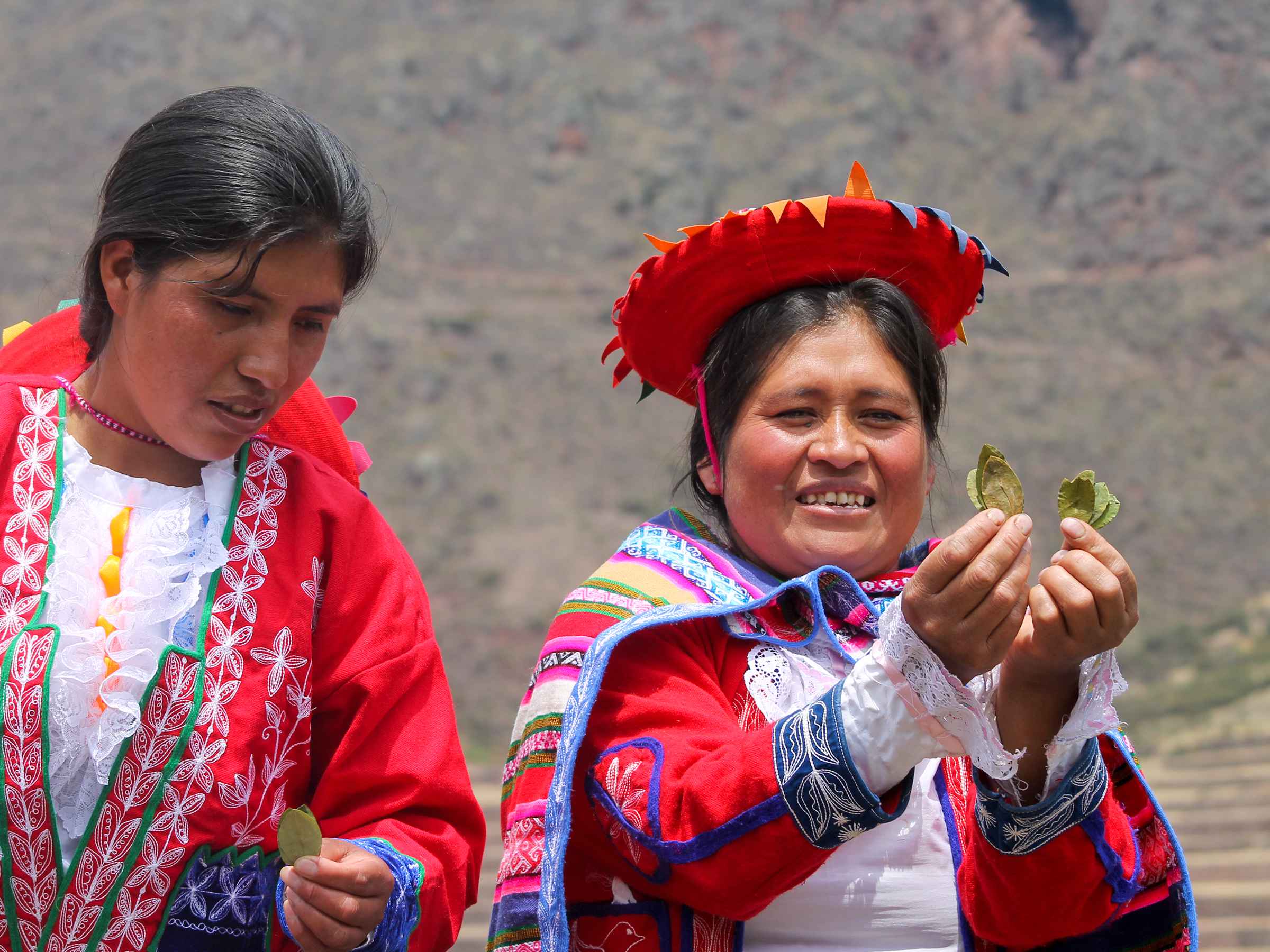
One of the highlights of the Lares Trek is the opportunity to explore the traditional villages that dot the route. These communities offer a glimpse into the daily lives of the indigenous people, with their vibrant textiles and time-honored customs providing a rich cultural experience. Trekkers can engage with locals and learn about their way of life, which has remained largely unchanged for generations.
The trek can vary in length, but it usually takes about three to four days to complete, making it an accessible option for those with limited time. This flexibility allows trekkers to tailor their experience according to their schedule and fitness level, ensuring that the Lares Trek is open to a wide range of adventurers.

The Lares Trek a Cultural and Natural Wonderland
While the Inca Trail is renowned for its archaeological sites, the Lares Trek is celebrated for its cultural immersion. The Lares Valley is home to several indigenous communities that have preserved their traditional way of life for centuries. This trek offers a rare opportunity to interact with local Quechua-speaking villagers, learn about their customs, and witness their vibrant textiles and crafts.
Unlike treks focused on historical ruins, the Lares Trek is a deep dive into living culture. While the Inca Trail leads trekkers to the famed Machu Picchu, the Lares Trek immerses them in the living traditions of the Andean people. This focus on cultural exchange over archaeological exploration offers a different kind of enrichment.
In the Lares Valley, indigenous communities have successfully maintained their traditional lifestyles, offering a living testament to their resilience and cultural pride. These communities continue to speak Quechua, wear traditional clothing, and engage in age-old agricultural practices, providing an authentic cultural experience for trekkers.
Travelers can see firsthand how these communities live off the land. The locals tend to herds of llamas and alpacas and cultivate potatoes and other crops at high altitudes. This agrarian lifestyle is integral to their culture and provides a fascinating insight into sustainable living practices that have persisted for centuries.
The vibrant textiles of the Lares Valley are a highlight of the trek. These textiles, adorned with intricate patterns and vivid colors, are not only beautiful but also hold deep cultural significance. They represent the skilled craftsmanship of the local people, a tradition passed down through generations.
The cultural life in the Lares Valley is a highlight of the trek. As you journey through the valley, you’ll encounter villagers dressed in traditional Andean clothing, often adorned with colorful textiles. These textiles are not just beautiful; they hold deep cultural significance and are a testament to the skilled craftsmanship passed down through generations.
The traditional clothing worn by the villagers is more than just attire; it is a canvas that tells the story of their culture. Each piece is meticulously crafted, with patterns and colors that convey identity, status, and heritage. This clothing is an expression of cultural pride and continuity, offering trekkers a visual narrative of Andean life.
Visitors often have the chance to visit local schools, where children learn both Spanish and Quechua. This bilingual education is crucial for preserving the indigenous culture while also providing access to broader opportunities. By supporting education, these communities ensure that their cultural heritage is passed on to future generations.
In the evenings, trekkers can gather around a communal table to enjoy traditional Andean meals, often featuring locally sourced ingredients such as quinoa, potatoes, and trout. Sharing meals with local families provides insight into their daily lives and fosters a deep connection between visitors and hosts. These shared experiences create lasting bonds and mutual understanding.
Throughout the year, the Lares Valley comes alive with vibrant festivals and celebrations. These events offer a unique opportunity for trekkers to witness traditional music, dance, and rituals, further enriching their cultural experience. Participating in these festivities allows visitors to engage with the community and celebrate their traditions.
The natural beauty of the Lares Trek is unparalleled. As you hike through the valley, you’ll be treated to panoramic views of snow-capped peaks, crystal-clear lakes, and lush green pastures. The landscape is a photographer’s dream, with every turn offering a new vista.
The trek offers breathtaking views that captivate the senses. From the towering snow-capped peaks to the serene, crystal-clear lakes, every aspect of the landscape is a feast for the eyes. These vistas are not only visually stunning but also provide a sense of tranquility and connection to nature.
One of the highlights of the trek is the opportunity to see a variety of wildlife, including llamas, alpacas, and the elusive Andean condor. Birdwatchers will delight in spotting hummingbirds, eagles, and other avian species that inhabit this diverse ecosystem. The rich biodiversity of the region adds another layer of wonder to the trek.
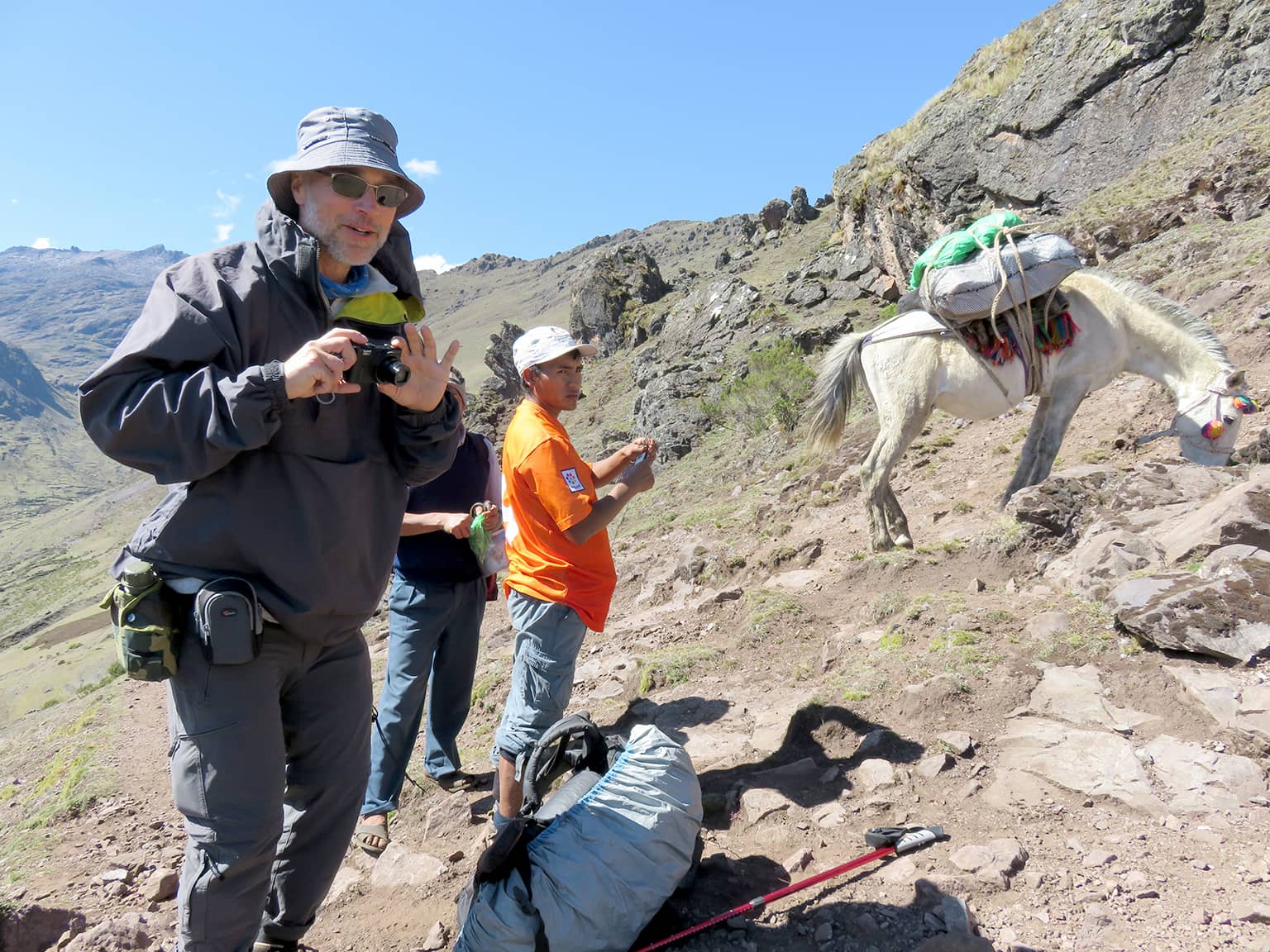
The trek also passes through several high-altitude passes, where the air is crisp and the views are awe-inspiring. These challenging sections reward trekkers with a sense of accomplishment and a deeper appreciation for the rugged beauty of the Andes. The sheer magnificence of the surroundings matches the physical demands of the trek.
The Lares Valley is home to a diverse range of flora, with unique ecosystems that thrive in the varying altitudes. From the vibrant wildflowers that dot the landscape to the ancient trees that stand sentinel over the valleys, the plant life adds a dynamic and colorful element to the trek.
The Lares Trek begins or ends (depending on the direction you choose) with a visit to the natural hot springs in the town of Lares. These thermal baths are not only a relaxing way to soothe tired muscles but also hold cultural significance for the local communities.
In Andean culture, hot springs are considered sacred and are often used for spiritual purification and healing. The mineral-rich waters are believed to have therapeutic properties, and many locals visit regularly for both physical and spiritual rejuvenation. For trekkers, these hot springs offer a perfect opportunity to relax and recover.
The hot springs are deeply embedded in the cultural and spiritual practices of the Andean people. They are places of reflection and renewal, where individuals can connect with the earth and seek spiritual cleansing. For visitors, participating in these rituals can provide a deeper understanding of Andean spirituality.
The hot springs serve as a community hub, where locals and visitors alike gather to socialize and share stories. This communal aspect of the hot springs fosters a sense of connection and belonging, as people from diverse backgrounds come together in a shared experience. The social atmosphere adds a warm and welcoming dimension to the trek.
For those planning to visit the hot springs, it’s essential to come prepared. Bringing swimwear, towels, and a change of clothing can enhance the experience, allowing trekkers to enjoy the soothing waters fully. Additionally, understanding the cultural etiquette and respecting local customs ensures a respectful and rewarding visit.
The Lares Trek offers a unique blend of cultural immersion and natural beauty that is hard to find elsewhere. Trekkers can connect with indigenous communities, learn about their traditions, and witness their way of life up close. This cultural aspect, combined with the stunning landscapes and the soothing hot springs, makes the Lares Trek a genuinely unforgettable experience.
While the Inca Trail may be more famous, the Lares Trek provides a more intimate and authentic adventure. It’s a journey that not only challenges the body but also enriches the mind and soul, leaving trekkers with a deeper understanding and appreciation of the Andean culture and environment. The trek is a holistic experience, combining physical exertion with cultural and spiritual enrichment.
The Lares Trek leaves a lasting impression on those who embark on it. The connections made with local communities, the awe-inspiring natural beauty, and the cultural experiences all contribute to a profound sense of fulfillment. Many trekkers find that the journey transforms their perspective, offering insights that extend beyond the trail.
While the Inca Trail is a bucket-list adventure for many, the Lares Trek offers an alternative that is equally rewarding. The quieter trails, lack of crowds, and focus on cultural engagement create a distinct experience that appeals to those seeking a more personalized and reflective journey.
For those considering the Lares Trek, careful planning can enhance the experience. Choosing the right time of year, preparing for the altitude, and selecting a reputable guide service are all key factors in ensuring a successful trek. With the right preparation, the Lares Trek promises an adventure that is as rewarding as it is unforgettable.
In conclusion, the Lares Trek is a hidden gem in the world of trekking. Whether you’re drawn to the cultural experiences, the breathtaking scenery, or the allure of the hot springs, this trek promises an adventure that is as rewarding as it is unforgettable.
The Lares Trek winds through some of the most stunning scenery in the Andes. The trek showcases the region’s diverse landscapes, from lush valleys and sparkling glacial lakes to rugged mountains and high-altitude passes. Each day on the trail presents new vistas, including panoramic views of snow-capped peaks such as Mount Veronica and Mount Sawasiray.

One of the trek highlights is the opportunity to witness the rich biodiversity of the Andean highlands. Trekkers may encounter various wildlife, including Andean foxes, llamas, alpacas, and bird species. The changing ecosystems along the route offer a glimpse into the region’s unique flora, including vibrant wildflowers and hardy puna grasses.
The Lares Trek’s deep cultural immersion distinguishes it from other Andean trails. The trek passes through remote Quechua villages, where traditional ways of life are still practiced. These communities are the descendants of the Incas, and their connection to the land and their ancestors is evident in their daily activities, from farming and weaving to their colorful festivals and rituals.
Visiting these villages offers a rare opportunity to interact with the locals and gain insights into their customs and traditions. Trekkers can observe the intricate weaving techniques passed down through generations, learn about the medicinal uses of native plants, and even participate in community activities.
The best time to embark on the Lares Trek is during the dry season, from May to September, when the weather is more stable, and the trails are less muddy. However, this trek can be done year-round, offering unique beauty each season.

Being in good physical condition is essential, as the trek involves hiking at high altitudes and over varied terrain. Acclimatizing to the altitude in Cusco or the Sacred Valley before the trek is crucial to avoid altitude sickness. Appropriate gear, including warm clothing, rain protection, and good hiking boots, is vital for a comfortable and safe journey.
As with any trek, you must respect the natural environment and the local communities you encounter. Follow Leave No Trace principles, dispose of waste properly, and be mindful of your impact on the land and its people.

The Lares Trek offers more than stunning natural beauty; it’s an opportunity to connect with the rich cultural heritage of the Andean people. Whether you’re a seasoned trekker or a cultural enthusiast, the Lares Trek offers an unforgettable experience that deepens your appreciation for the wonders of the Andes. So pack your bags, lace up your boots, and get ready to explore the cultural and natural wonderland of the Lares Trek.
Lares Trek is raw, honest, and will stick with you forever. You’ll see sh*t most tourists never do, meet incredible people, and finish at freaking Machu Picchu.
So stop overthinking it – go.
Traveling responsibly around Cusco means going with care and real thought. Visitors make good changes for people living…
Planning your Lares Trek to Machu Picchu Embarking on the Lares Trek to Machu Picchu is a journey…
Nestled in the Peruvian Andes, the Lares Trek is a hidden gem that offers a unique blend of…
Lares Trek, Peru – The Ultimate Guide One of the many paths to Machu Picchu is the Lares…
Trek Lares Trek Peru The Lares Trek is one of the lesser-known yet equally captivating routes to Machu…
The Trail Adventure to Lares The Lares trail is one of the least known options for adventure sportspeople…