
Imagine standing before the sun-drenched peaks of Machu Picchu, ready for that perfect photo. Choosing the right month can feel like a high-stakes decision, but it’s simpler than you think. The “best” time depends entirely on what you value most: clear skies and energetic crowds, or lush green landscapes and peaceful solitude.
This guide breaks down the pros and cons of the busy dry season, the quiet wet season, and the ideal shoulder months. You will gain a clear understanding of the trade-offs, allowing you to confidently choose the perfect time for your adventure.
Picking the right slot for Machu Picchu turns your trek to this Inca holdout into something that sticks. Mountains wrap it tight. Clouds drift lazily. The setup shifts the light over the stones by month. Each stretch pulls its own way. Want clear shots of the Condor Temple bulk or fewer boots on the path with fog hanging low?
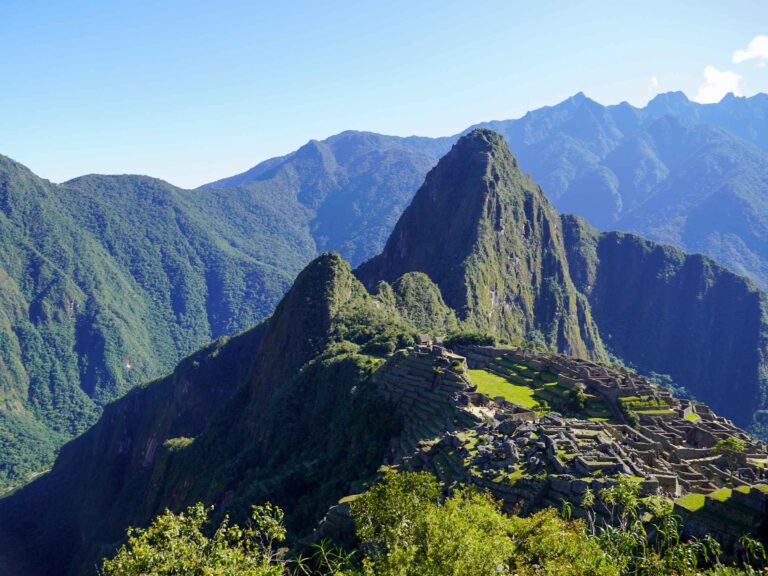
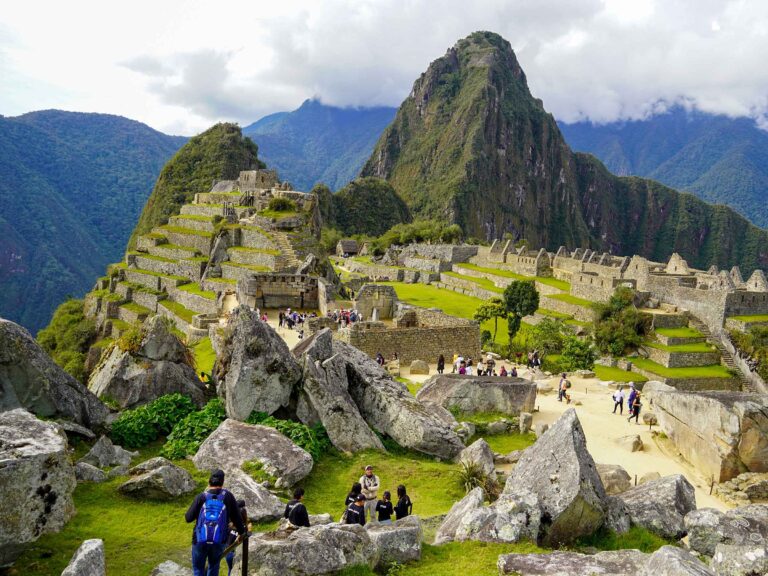
Traveler in Cusco snapping a wide view of Machu Picchu through mist and ridges.
Figure the air patterns. Crowd counts. Monthly quirks. Line up your run to grab the site’s pull full. This place stands as Pachacutec’s stone mark. Nail the timing. Hooks you straight to its core.

Machu Picchu Best Months
When planning your trip to Machu Picchu, the biggest decision is whether you prefer sunny skies or quieter ruins. The weather here doesn’t follow a typical four-season pattern. Instead, the year is split into two distinct periods: the dry season and the wet season, each offering a completely different experience.
The dry season, running roughly from April to October, is the most popular time to visit for a reason. You have the best chance for those classic, postcard-perfect photos under bright blue skies. However, clear skies come with a trade-off: crowds. This is peak tourist season, so you’ll be sharing the views with others. Also, don’t let the Andean sun fool you. Thanks to the high altitude, mornings and evenings are crisp and cold year-round, so layering your clothing is essential.
On the other hand, the wet season (from November to March) transforms the landscape into a lush, vibrant green. The rain showers—which are often short, afternoon bursts rather than all-day downpours—keep the crowds away, offering a more peaceful and mystical visit. You might even watch the fog part to reveal the city, a truly magical sight. If you don’t mind packing a rain jacket, you’ll be rewarded with more solitude and dramatic, moody scenery.
For many travelers, the sweet spot lies in the “shoulder season.” These are the months that bridge the gap between the wet and dry extremes—specifically April, May, September, and October. Think of them as the “Goldilocks” months for visiting Machu Picchu: the weather isn’t too rainy, the crowds aren’t too overwhelming, and the conditions are just right.
The first of these periods, April and May, is especially magical. Coming right after the rainy season, the mountains are still spectacularly lush and green, but the daily downpours have mostly stopped. You get the benefit of that vibrant, emerald scenery with a much higher chance of sunny skies. The Machu Picchu weather in April, for instance, often delivers a perfect mix of comfortable temperatures and smaller crowds than you’d find just a month later.
Later in the year, September and October offer a similar compromise. As the peak dry season winds down, the bulk of the summer travelers have departed, but the weather remains predominantly clear and pleasant. This creates a more relaxed atmosphere throughout the historic site. The benefits of visiting in October are particularly strong, as you can enjoy comfortable hiking conditions and more elbow room before the rainy season truly begins in November.
To help you pinpoint the perfect time for your trip, here is a simple snapshot of what to expect throughout the year. Use this quick-reference guide to compare the trade-offs between Machu Picchu weather, crowd levels, and overall experience.
Choosing to visit Machu Picchu between June and August is a bet on the weather, and it’s usually a winning one. These months are the heart of the Andean dry season, offering the highest probability of crisp, sunny days and brilliant blue skies. The dry, stable paths also make this the undisputed Inca Trail best season to hike. If your top priority is capturing that iconic, postcard-perfect photo with stunning visibility, this is your prime window.
This popularity, however, comes with an obvious trade-off: crowds. In July, the site’s busiest month, the atmosphere is comparable to a popular theme park on a holiday weekend. You’ll be sharing the experience with thousands of fellow travelers, which means waiting your turn at famous photo spots and navigating bustling pathways. While the atmosphere is energetic, it’s far from a quiet, solitary experience. You’ll need to book tickets, trains, and hotels many months in advance to secure your spot.
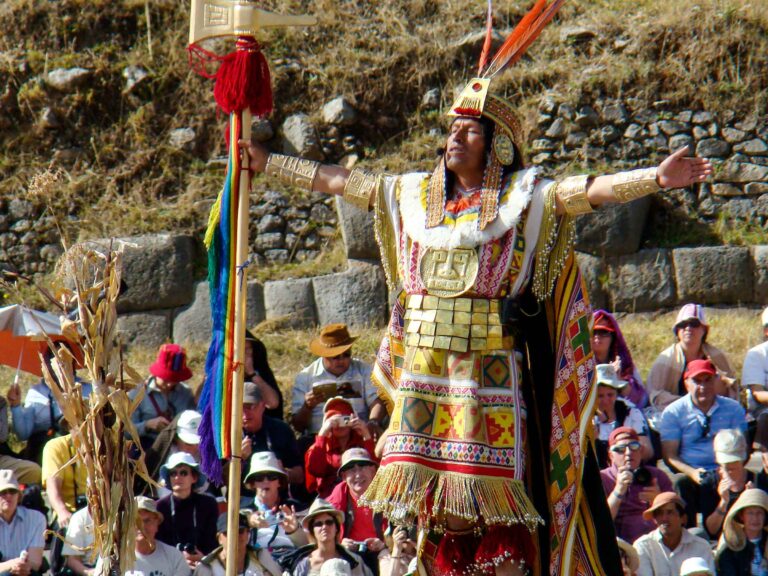
For those visiting in June, there’s a spectacular cultural bonus. The nearby city of Cusco, the ancient capital of the Inca Empire, comes alive for Inti Raymi, the Festival of the Sun. This massive, colorful celebration reenacts an ancient Inca ceremony and is one of Peru’s most important cultural events. Planning your trip around it (typically June 24th) adds an unforgettable layer of history and festivity to your journey.
Finally, what about the famous Machu Picchu sunrise? Excellent sunrise viewing conditions are common, but perhaps not in the way you’d expect. Even in the dry season, cool mountain air often creates a mysterious morning mist. Rather than a sharp sunrise over the peaks, you’re more likely to witness the sun gradually burn through the clouds, magically revealing the citadel below. It’s a breathtaking spectacle.
If you dream of seeing Machu Picchu surrounded by vibrant, emerald-green mountains, this is your moment. Following the end of the rainy season, the entire landscape comes alive with color that is simply stunning. The Machu Picchu weather in April and May marks a sweet spot where sunny days become more frequent, but the mountainsides haven’t yet faded to the drier tones of peak season. This combination creates a photographer’s paradise, offering lush scenery under increasingly clear skies.
Perhaps the biggest advantage of visiting now is striking a fantastic balance between good weather and manageable crowds. The peak season rush is still a month or two away, meaning you have a better chance of avoiding crowds at Machu Picchu’s most iconic viewpoints. Instead of the shoulder-to-shoulder experience of July, the atmosphere is more relaxed. You’ll have more breathing room to soak in the views and explore the ancient stonework without feeling rushed, offering a more personal connection to the site.
For hikers, these months provide near-perfect conditions. The trails have dried out from the wet season, making ascents safer and more enjoyable. The Huayna Picchu hiking conditions, in particular, are excellent, with solid footing on its steep stone steps and pleasant temperatures that aren’t yet scorching hot under the midday sun. It’s an ideal time for active exploration, just before the high-season demand makes securing permits for these popular treks more competitive.
As the peak season crowds from July and August begin to head home, a fantastic window opens up for savvy travelers. September and October represent the tail end of the dry season, offering a wonderful compromise that many consider the best of both worlds. The intense buzz of high season has mellowed into a more relaxed hum, making it much easier for you to find a quiet spot to sit and marvel at the citadel. This is a prime time to avoid crowds at Machu Picchu while still enjoying a high chance of clear, sunny skies.
For those planning a multi-day trek, these months are an absolute dream. The ground is still firm and dry from months of little rain, which makes for excellent and safe hiking conditions. This is arguably the Inca Trail best season to hike, as you get the benefit of peak-season weather but with noticeably fewer people on the trail. This allows for a more serene and personal journey through the Andes, where the ancient path feels more like a private pilgrimage than a popular tourist route.
The primary trade-off is a slightly increased chance of a brief afternoon shower as the dry season wanes, especially as you get later into October. However, most visitors find this a tiny price to pay for the significant reduction in crowds. The benefits of visiting in October are clear: you get to experience the site with more breathing room and tranquility, just before the skies begin to open up more consistently for the coming wet season.
The words “wet season” might sound like a dealbreaker, but for many travelers, the period from November to March holds a unique charm. This is when the Andean landscape is at its most vibrant and green, and the thinner crowds can make the experience feel far more personal. It’s often the cheapest time to travel to Cusco and the Sacred Valley, with better deals on flights and hotels for those on a flexible budget.
Instead of non-stop downpours, the rain often comes in afternoon showers. Mornings can be shrouded in a magical mist that wraps around the ruins, creating an incredibly atmospheric scene. When the clouds part, the citadel is revealed in a dramatic, breathtaking moment—a sight many dry-season visitors miss entirely. This mystical quality makes for unforgettable, moody photographs that capture a different side of Machu Picchu’s personality.
There is one crucial exception to know about: the famous Inca Trail is completely closed for the entire month of February. This closure is for essential maintenance and conservation, giving the ancient path a much-needed rest. You can still reach the citadel by train and enjoy the site with the fewest visitors of the entire year.
Successful planning for rain at Machu Picchu comes down to one word: layers. The weather can change in an instant, so pack a waterproof jacket, water-resistant pants, and sturdy shoes with good grip. Having a light fleece or sweater underneath lets you adapt quickly, keeping you comfortable whether the sun is out or you’re caught in a passing shower.
For lots of trail pounders. The dry run from May through October is the top pick for Machu Picchu. The sun hits the Condor Temple slabs sharply. Intihuatana rock gleams. Snaps come easy. Temps hold 18 to 25 °C or so. Terrace strolls stay simple. Downpours skip mostly. Paths grip solid.
July and August pack the rush. Buzz runs high. Book slots at least 3 months in advance. Clear looks over Huayna Picchu spike. Ridges seem to scrape clouds. Dawn breaks clean. Fine for quiet sits in the stone quiet. Or chase that gold wash over the old bits. Dream clear frames. Bright stretches. Dry time lets you soak the site’s scale raw. Damn. That light on the stones. Gets you every time.
Wet slot, November to April works too. For calm chasers. Soft rains green up the tiers fast. Ties to earth, mom nods in Cusco tales. February dumps the heaviest. Blocks some paths, maybe. But the site stays open.
20 to 26 °C runs warm—foot traffic drops. Roam loose. Light poncho. Grip shoes. Handles the drip. January and March ease the wet. Close feel. Spot rolls in haze. Rain perks the moss coat on rocks. Adds that hidden edge to the Inca yarn. Stroll in light mist. Feels like stumbling on buried goods—one-off vibe.
Wait. Rain messes up the hike? Not always. Soft stuff clears quickly sometimes.
Shoulder slots nail the mix. April. May. September. October. April keeps the green hang from wet days. But the air dries out. Walks flow. September and October are sun-heavy. Lighter boot count than August. 20 C comfy. Morning haze lifts slowly. Uncovers sharp ruins. Ridge lines.
We also got the Sacred Inca Trail. These windows match the old builder’s tie to the land. Skip the jam. Hold the air right. Trails shape up nicely. Soft glow picks out rock feels. Buy your passes a bit early. Set for days blending quiet and looks. Each step through Machu Picchu is different.

The right window for Machu Picchu means matching your wants—dry time. The sun is heavy—shades on. Cap tight. Hill rays bite even on cool days. Wet run. Packable rain shell. Quick dry fits. Boots that hold wet, slick.
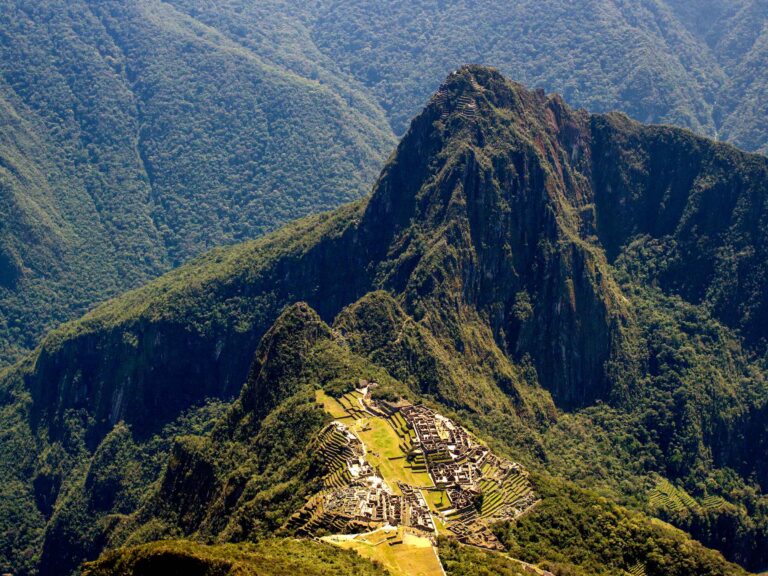
Young path taker grabbing the Machu Picchu haze view from a lookout
Hit early for sunup. Shifts any roam with gold over stones—or late slots if there’s a low count pull. Check entry rules—layer light. Mornings chill. Afternoons warm up. Pre-trip. Dive Cusco ways. Maybe sample old town grub like those standard Cusco plates. Links to the Inca thread. These bits gear you up to hit Machu Picchu primed. Heart wide for the draws.

The right window for Machu Picchu can slot Cusco shindigs. Or Inca nods. Builds the haul. June drops Inti Raymi in Cusco. Sun honor throw. Pair with your site walk. October hits Cusco during Holy Week. Processes blend hill and old world—history echo.
Inti Raymi plays at Sacsayhuaman. Top Inca throw. Steps. Rites. Old gear. – Cusco, your trail spot
These pull more boots. Book ahead heavily. March Carnivals flood Cusco with steps. Tunes. Market hum. Grabs the zone cheer. Site skips these. But Cusco close lets you weave ’em in. The best month choice immerses you in live experiences. Turns your culture visit into something beyond the stones.
The right window for Machu Picchu shifts on your roam style, too. Snap chaser? Dry stretch hands light prime for ruin shade plays. May or September. Moderate boot flow. Quiet seekers land in November or April. Site feels close. Haze adds that lost feel. Like cracking an Andean lock. Family crews? October nails it. Solid air. Low jam. Easy pace. Adventure itch? Wet time tests with slick paths. Pays with green punch. Think your way. Fest buzz or stone hush? That pick ties your Machu Picchu link to your style. Fits how you chase the globe.

The right window for Machu Picchu rides to meet your needs. Clear rays. Green spreads. Or a mix of both. Dry dazzles sharp. Wet wraps are soft. Shoulders like May or September grab the pair. Bashes like Inti Raymi. Or small bits like tasting Cusco ways. Builds the trip. Solid map. Any slot works for the Inca stone room. Let Machu Picchu hit you with its old pull on a Machu Picchu path that drops you into the heart of the Andes. Start picturing steps through old temples. Find a drawer that hums yarn in every corner.
The year is best understood not as good or bad months, but as distinct seasons—dry, wet, and the “shoulder” periods in between—each offering its own unique experience. The choice comes down to what you value most for your adventure.
Whether your dream trip involves misty sunrises with few others around or brilliant blue skies at the height of the season, you now have the clarity to choose your ideal travel window and confidently plan your trip to Peru.
Machu Picchu and Hiram Bingham’s Legacy: Rediscovery, Debate, and Historical Impact Machu Picchu, a marvel of Inca engineering,…
Machu Picchu Seismic Design: How Inca Engineering Defied Earthquakes Machu Picchu stands as a marvel of ancient engineering.…
Machu Picchu Terrace Engineering: How the Incas Mastered Mountain Agriculture Machu Picchu stands as a marvel of ancient…
Machu Picchu Quarry Sources: Where the Incas Obtained Their Building Stone Machu Picchu stands as a marvel of…
Machu Picchu Sacred Mountains Guide: Spiritual Meaning of the Andean Landscape Machu Picchu, the renowned 15th-century Incan citadel,…
Aguas Calientes Town: The Charming Gateway to Machu Picchu Nestled in the heart of the Andes, Aguas Calientes…
Peru Altitude Guide Peru is a land of breathtaking landscapes and rich cultural heritage. Its diverse geography includes…
Machu Picchu Climb Machu Picchu is a dream destination for many travelers. Nestled high in the Andes, it…
Discover the Amazing Sacred Valley Cusco Nestled in the heart of the Andes, the Sacred Valley of Cusco…
Best time to go to Machu Picchu Machu Picchu is a dream destination for many travelers. Nestled in…
Cusco Altitude Cusco, a city nestled in the Andes, is renowned for its breathtaking altitude. At 11,152 feet…
Where is Machu Machu Picchu is a name that sparks curiosity and wonder. Nestled high in the Andes…