The Inca Trail is more than just a hiking route; it’s a journey through time, steeped in history and breathtaking landscapes. As you set foot on this iconic path, you’re not only walking in the footsteps of the ancient Incas but also embracing a transformative adventure filled with stunning vistas, vibrant flora, and rich cultural experiences. However, securing a reservation can often feel daunting amidst the thrill of planning your next great escape. In this ultimate guide, we’ll break down everything you need to know to navigate the reservation process seamlessly, ensuring your trek unfolds smoothly. From understanding the best times to visit to tips for packing efficiently, we’ve got you covered. Get ready to unlock the secrets of the Inca Trail and embark on an unforgettable expedition that will leave you with memories to cherish for a lifetime. Let’s begin your adventure!
The Inca Trail draws hikers worldwide for its ancient paths leading to Machu Picchu. If heading there in 2026, early planning is essential since spots fill up quickly. Peru’s Culture Ministry just shared the booking timeline for the Inca Trail network. This guide breaks it down for you, international backpackers, with steps to grab permits and avoid snags.
Peru’s Culture Ministry, through its Decentralized Direction in Cusco, rolled out the 2026 Inca Trail reservation schedule. It follows rules from the Fifth Additional Final Rule in the Sustainable Tourist Use Guidelines for Machu Picchu’s Historic Sanctuary. Approved back in 2017 under Ministerial Resolution 069-2017-MC, this setup aims to manage crowds and protect the site.

Bookings open in stages during October 2025, all at 9 a.m. Peru time. Here’s the lineup from the official notice:
| Month for Entry | Booking Opens On | Time |
|---|---|---|
| January 2026 | October 1, 2025 | 9:00 a.m. |
| March 2026 | October 2, 2025 | 9:00 a.m. |
| April 2026 | October 3, 2025 | 9:00 a.m. |
| May 2026 | October 6, 2025 | 9:00 a.m. |
| June 2026 | October 7, 2025 | 9:00 a.m. |
| July 2026 | October 9, 2025 | 9:00 a.m. |
| August to December 2026 | October 10, 2025 | 9:00 a.m. |
Note the table skips February 2026. From checks, it likely opens with January on October 1, but confirm directly if planning then. High season, like May to September, sells out fast, sometimes in hours.
Feels straightforward at first. But ramps up in tension when spots vanish quickly.
The Inca Trail is a legendary trek that offers more than just a challenging hike; it’s a journey through the heart of Peru’s ancient history. As you traverse the 26-mile trail, you’ll encounter a diverse array of landscapes, from lush cloud forests to arid high-altitude plains, all while being surrounded by the majestic Andean mountains. Each step brings you closer to the awe-inspiring ruins of Machu Picchu, the ultimate reward for your efforts. This trek is not merely about reaching a destination but about immersing yourself in the rich cultural tapestry and natural beauty that define this unique part of the world.
One of the most fascinating aspects of the Inca Trail is the opportunity to walk in the footsteps of the ancient Incas. The trail was originally a pilgrimage route, used by the Incas to reach the sacred city of Machu Picchu. Along the way, you’ll encounter numerous archaeological sites that offer a glimpse into the past, including intricate stone structures, agricultural terraces, and religious shrines. These remnants of a bygone era provide a captivating context to your journey, making the Inca Trail not just a physical challenge but also a profound historical exploration.
The experience of hiking the Inca Trail is also a personal journey of endurance and discovery. The trail’s varying altitudes and rugged terrain test your physical limits, while the stunning vistas and serene environment offer moments of reflection and tranquility. The camaraderie among fellow trekkers, the guidance of knowledgeable tour operators, and the hospitality of local porters all contribute to an unforgettable adventure. Whether you’re an experienced hiker or a first-time adventurer, the Inca Trail promises a transformative experience that will leave you with lasting memories.
Securing a spot on the Inca Trail requires careful planning and early reservations. Due to its popularity and the Peruvian government’s efforts to preserve the trail, access is limited to 500 people per day, including guides and porters. This means that actual trekkers are limited to around 200 per day. As a result, permits can sell out months in advance, especially during the peak season from May to September. Booking your trek early ensures you secure a permit and avoid the disappointment of missing out on this incredible adventure.
Early reservations also allow you to choose the best tour operators and dates that suit your schedule. The quality of your Inca Trail experience can vary significantly depending on the tour operator you select. Reputable operators with experienced guides, well-maintained equipment, and good reviews tend to fill up quickly. By booking early, you have a better chance of securing a spot with one of these top-rated companies, ensuring a safer and more enjoyable trek.
Moreover, early planning gives you ample time to prepare for the physical demands of the trek. The Inca Trail is a challenging hike that requires a good level of fitness and acclimatization to the high altitudes. Knowing your travel dates well in advance allows you to build a training regimen, gather necessary gear, and make any travel arrangements, such as flights and accommodation, with ease. This proactive approach not only enhances your readiness but also contributes to a more seamless and stress-free adventure.
Securing an Inca Trail permit involves a few key steps that require attention to detail and timely action. First and foremost, you need to decide on your travel dates and book your trek at least six months in advance, especially if you plan to hike during the high season. Permits for the Inca Trail are released in October for the following year and sold on a first-come, first-served basis. Therefore, having a clear plan and booking as soon as permits are available is crucial.
Once you’ve decided on your dates, the next step is to choose a licensed tour operator. Independent trekking on the Inca Trail is not allowed, so you must book through an authorized company. Research different operators, read reviews, and compare their services to find one that aligns with your preferences and budget. Once you’ve selected a tour operator, they will handle the permit application process on your behalf. You’ll need to provide your passport information, and your passport must be valid for at least 6 months beyond your travel dates.
After your tour operator secures your permit, it’s crucial to confirm all details and make any necessary payments promptly. Keep a record of your permit confirmation and any other relevant documents. It’s also advisable to check in with your tour operator periodically to ensure everything is on track. Staying organized and proactive throughout this process will help avoid any last-minute issues and ensure you’re fully prepared for your Inca Trail adventure.
Selecting the right tour operator is a critical component of your Inca Trail adventure. The quality of your experience can be significantly influenced by the operator’s professionalism, expertise, and services. Start by researching several companies, paying close attention to their reputations and reviews from previous trekkers. Look for operators licensed by the Peruvian government, as they adhere to strict safety, environmental conservation, and ethical treatment of porters guidelines.
When comparing tour operators, consider the inclusiveness of their packages. Some operators offer comprehensive packages that include transportation to and from the trailhead, meals, camping equipment, and entry fees to Machu Picchu. Others may offer more basic packages with optional add-ons. Ensure you understand what is included in the price and whether there are any additional costs. It’s also beneficial to inquire about the group size, as smaller groups often offer a more personalized, manageable experience.
Another critical factor is the quality of the guides and support staff. Experienced and knowledgeable guides can significantly enhance your trek by providing valuable insights into the region’s history, culture, and ecology. They can also assist with acclimatization, offer support during challenging sections of the trail, and ensure your safety throughout the journey. Don’t hesitate to ask potential tour operators about the qualifications and experience of their guides and porters. Choosing a reputable, reliable tour operator will lay the foundation for a successful, memorable Inca Trail adventure.
Preparation is key to a successful Inca Trail adventure, encompassing both physical and logistical aspects. Physically, the Inca Trail is demanding, with long days of hiking and significant altitude changes. To prepare, start a training regimen several months before your trip that includes cardiovascular exercises, strength training, and hikes on varied terrain. Focus on building endurance, leg strength, and flexibility. Additionally, if possible, practice hiking at higher elevations to help your body acclimate to the reduced oxygen levels you’ll encounter on the trail.
Logistically, preparing for the Inca Trail involves careful planning and organization. Begin by ensuring all your travel documents are in order, including a valid passport and any necessary visas. Confirm your flight and accommodation bookings, and make a checklist of essential gear and supplies. It’s also important to get travel insurance that covers high-altitude trekking and any potential medical emergencies. Consult with your doctor about any vaccinations or medications you may need, such as altitude sickness medication.
Acclimatization is another crucial aspect of preparation. Arriving in Cusco, which sits at an elevation of 11,152 feet, a few days before your trek begins is highly recommended. This allows your body time to adjust to the altitude and reduces the risk of altitude sickness once you start the hike. Use this time to explore Cusco, stay well hydrated, and avoid strenuous activities. Proper preparation will not only enhance your physical readiness but also ensure a smoother and more enjoyable Inca Trail experience.
Packing for the Inca Trail requires careful consideration to ensure you have everything you need without overloading your backpack. Start with the basics: a sturdy pair of hiking boots well broken in, moisture-wicking clothing, and a comfortable backpack. Layering is key, as temperatures can vary significantly throughout the day. Pack lightweight, breathable layers for the daytime and warmer layers for the cold nights. A good-quality rain jacket and waterproof pants are essential, as weather conditions can be unpredictable.
In addition to clothing, you’ll need a range of gear to support your trek. A high-quality sleeping bag rated for low temperatures is crucial, as nights on the trail can be very cold. Many tour operators provide sleeping mats, but you may want to bring an additional inflatable mat for extra comfort. Trekking poles can be beneficial, especially on steep and uneven terrain. Don’t forget a headlamp with extra batteries, as there are no artificial lights on the trail.
Other essential items include a reusable water bottle or hydration system, a water purification method (such as tablets or a filter), sunscreen, a wide-brimmed hat, and sunglasses to protect against the intense sun at high altitudes. Personal hygiene items like biodegradable soap, wet wipes, and hand sanitizer are essential, as facilities are limited. Finally, pack a small first aid kit with band-aids, blister treatment, pain relievers, and any personal medications you may need. By packing thoughtfully and strategically, you’ll be well-prepared for the challenges and rewards of the Inca Trail.
The Inca Trail is divided into four main sections, each offering its own unique challenges and rewards. On the first day, you’ll start at Km 82, the official beginning of the trail. This section is relatively gentle, with rolling hills and beautiful views of the Urubamba River. You’ll pass through small villages and archaeological sites, getting a taste of what’s to come. The first night is usually spent at the Wayllabamba campsite, where you’ll enjoy your first night under the Andean stars.
The second day is considered the most challenging, as you’ll ascend to Dead Woman’s Pass, the highest point of the trail at 13,828 feet. This section involves a steep and strenuous climb, but the sense of accomplishment and the breathtaking views from the top make it all worthwhile. After a steep descent, you’ll reach the Pacaymayo campsite, where you can rest and recover. The third day takes you through a series of Inca ruins and lush cloud forests, with a mix of ascents and descents. This day is less demanding than the second, allowing you to enjoy the scenery and historical sites at a more leisurely pace.
The final day starts early, as you aim to reach the Sun Gate (Inti Punku) at sunrise. This vantage point offers your first glimpse of Machu Picchu, an awe-inspiring sight that makes all the effort worthwhile. From the Sun Gate, you’ll descend to the ancient city itself, where you’ll have time to explore and marvel at the intricate stonework and impressive architecture. After your guided tour of Machu Picchu, you’ll take a bus down to Aguas Calientes, where you can relax and celebrate the completion of your trek. The journey culminates in a return to Cusco, filled with memories and a deep appreciation for the Inca Trail.
To make the most of your Inca Trail adventure, consider these tips for a memorable and enjoyable journey. First and foremost, pace yourself. The trail is challenging, so listen to your body and take breaks as needed. Drink plenty of water to stay hydrated, and fuel your body with nutritious snacks and meals. Your tour operator will provide meals, but it’s a good idea to bring extra energy bars or trail mix for quick boosts.
Another key tip is to engage with your surroundings and immerse yourself in the experience. Take the time to appreciate the stunning landscapes, diverse flora and fauna, and historical sites along the way. Interact with your guides and fellow trekkers, share stories, and learn from each other. The Inca Trail is as much about the journey as the destination, and the connections you make and the moments you share will enrich your adventure.
Lastly, respect the environment and the local culture. The Inca Trail passes through a delicate ecosystem and culturally significant sites, so it’s essential to follow Leave No Trace principles. Pack out all your trash, stay on designated paths, and avoid disturbing wildlife. Show respect to the local communities and the porters who support your trek. By being mindful and considerate, you’ll help preserve this incredible trail for future generations to enjoy.
The Inca Trail is a once-in-a-lifetime adventure that offers a unique blend of physical challenge, historical exploration, and natural beauty. By understanding the importance of early reservations, choosing the right tour operator, and preparing thoroughly, you can ensure a smooth and successful trek. Packing the right gear and knowing what to expect on the journey will further enhance your experience, allowing you to immerse yourself in the adventure fully.
Throughout your trek, you’ll encounter breathtaking landscapes, ancient ruins, and vibrant cultures that will leave a lasting impression. The sense of accomplishment you’ll feel upon reaching Machu Picchu is unparalleled, and the memories you create along the way will stay with you forever. Whether you’re drawn to the trail for its historical significance, its natural beauty, or the personal challenge it presents, the Inca Trail promises an unforgettable journey.
As you prepare to embark on this incredible adventure, remember that the Inca Trail is more than just a hike; it’s a transformative experience that connects you with the past and the present. Embrace the journey with an open heart and a spirit of adventure, and you’ll unlock the true magic of the Inca Trail. Happy trekking!

Machu Picchu and Hiram Bingham’s Legacy: Rediscovery, Debate, and Historical Impact Machu Picchu, a marvel of Inca engineering,…
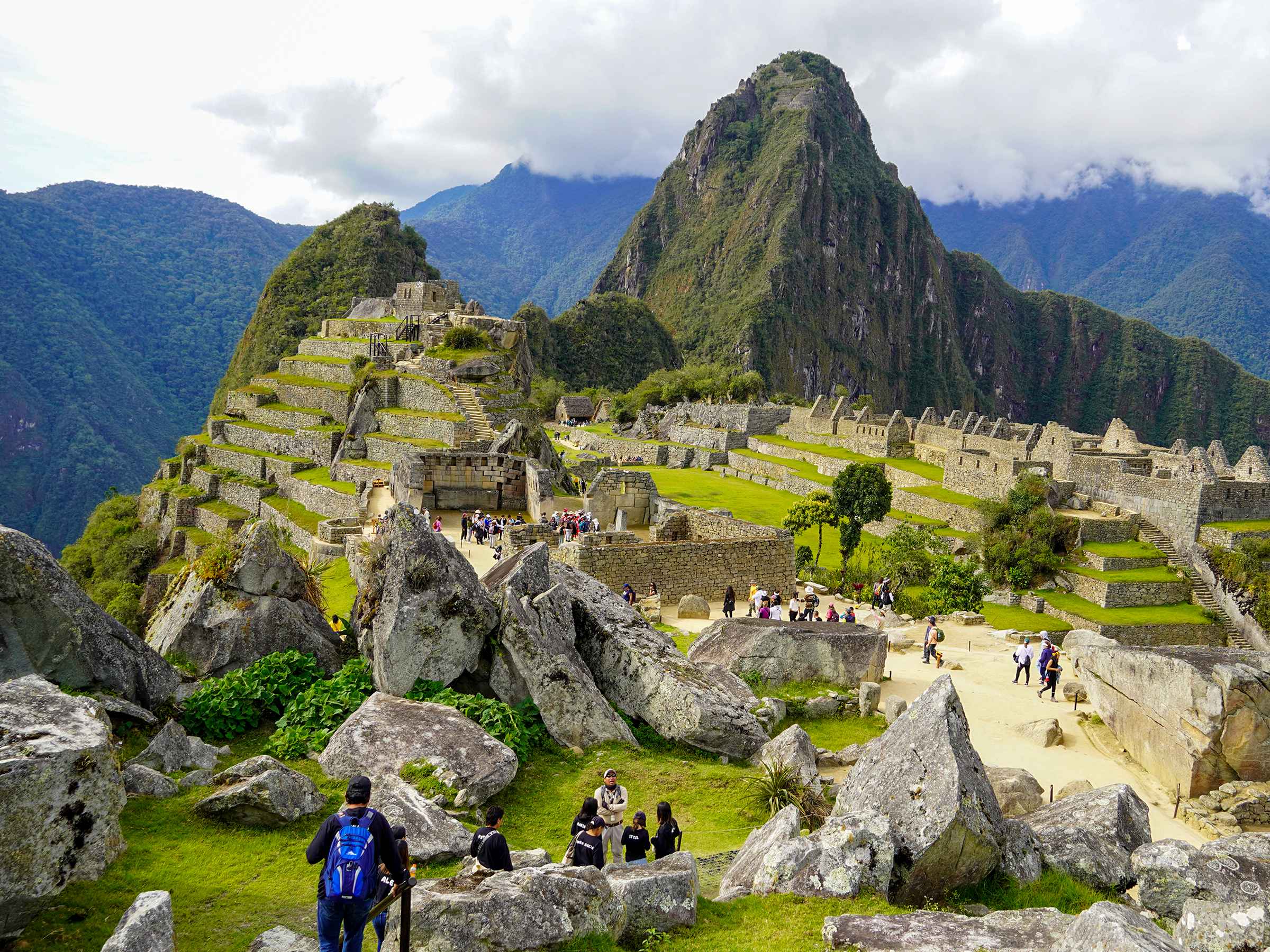
Machu Picchu Seismic Design: How Inca Engineering Defied Earthquakes Machu Picchu stands as a marvel of ancient engineering.…

Machu Picchu Terrace Engineering: How the Incas Mastered Mountain Agriculture Machu Picchu stands as a marvel of ancient…

Machu Picchu Quarry Sources: Where the Incas Obtained Their Building Stone Machu Picchu stands as a marvel of…

Machu Picchu Sacred Mountains Guide: Spiritual Meaning of the Andean Landscape Machu Picchu, the renowned 15th-century Incan citadel,…
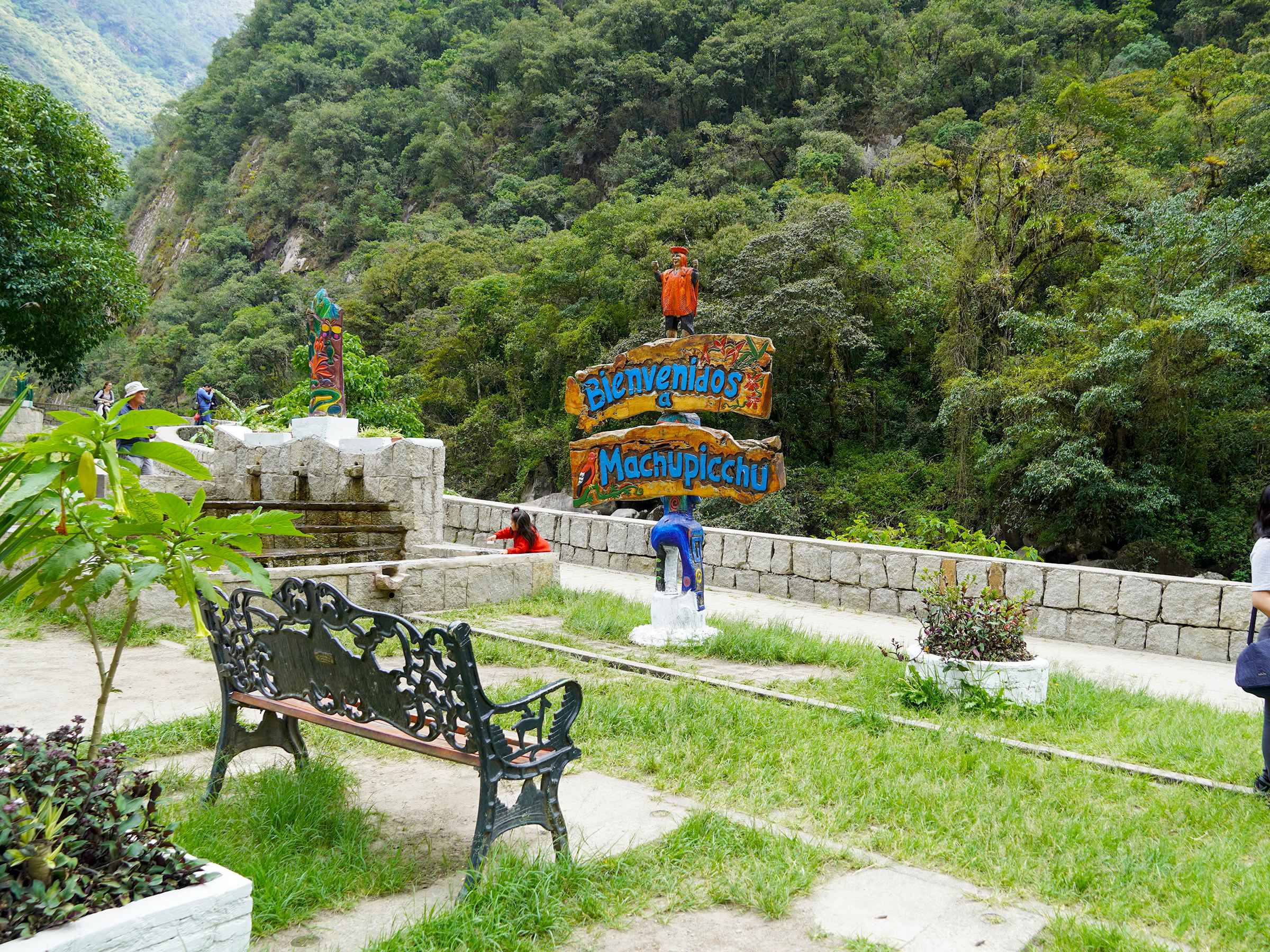
Aguas Calientes Town: The Charming Gateway to Machu Picchu Nestled in the heart of the Andes, Aguas Calientes…

Peru Altitude Guide Peru is a land of breathtaking landscapes and rich cultural heritage. Its diverse geography includes…

Machu Picchu Climb Machu Picchu is a dream destination for many travelers. Nestled high in the Andes, it…

Discover the Amazing Sacred Valley Cusco Nestled in the heart of the Andes, the Sacred Valley of Cusco…

Best time to go to Machu Picchu Machu Picchu is a dream destination for many travelers. Nestled in…

Cusco Altitude Cusco, a city nestled in the Andes, is renowned for its breathtaking altitude. At 11,152 feet…
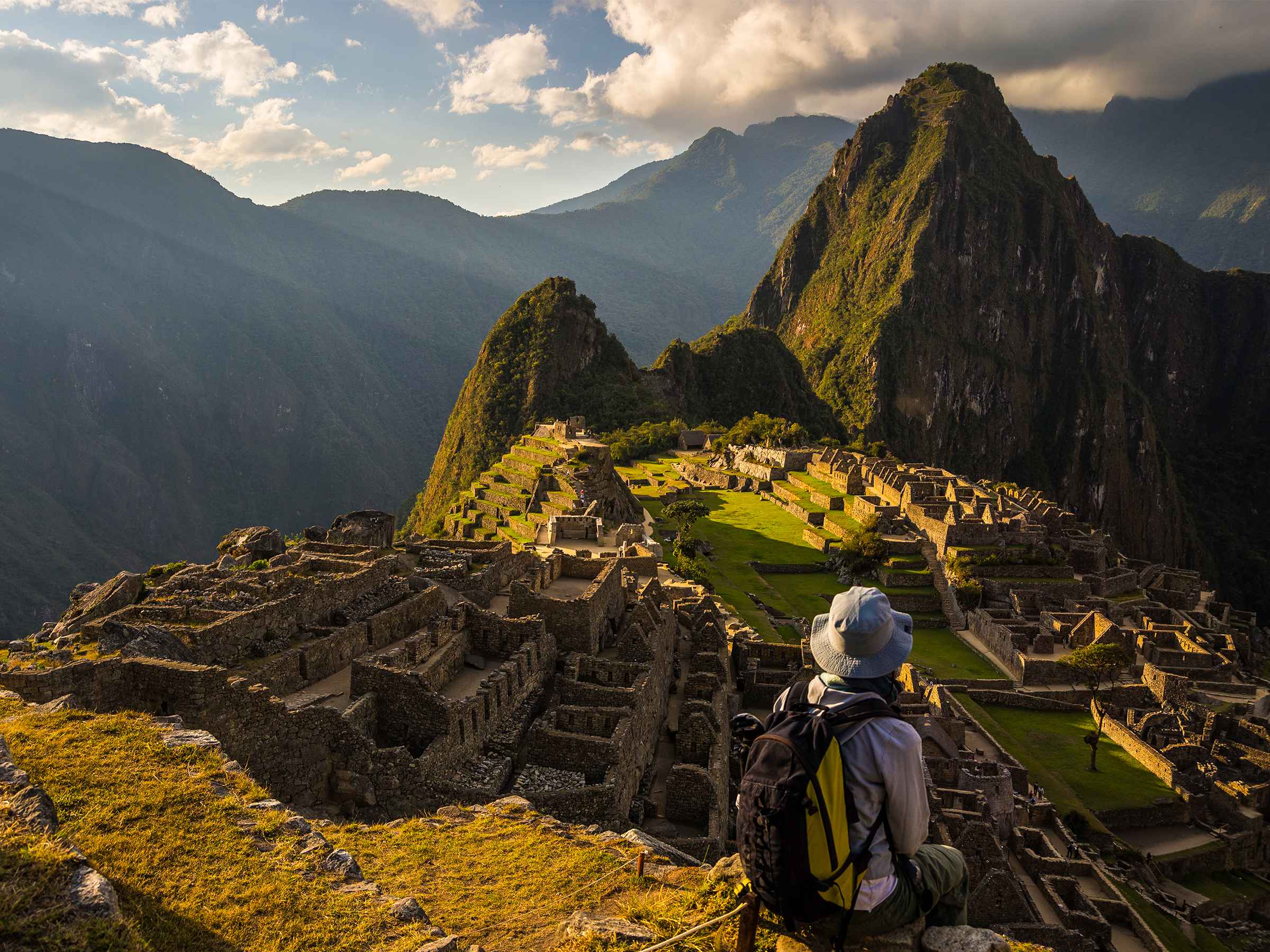
Where is Machu Machu Picchu is a name that sparks curiosity and wonder. Nestled high in the Andes…