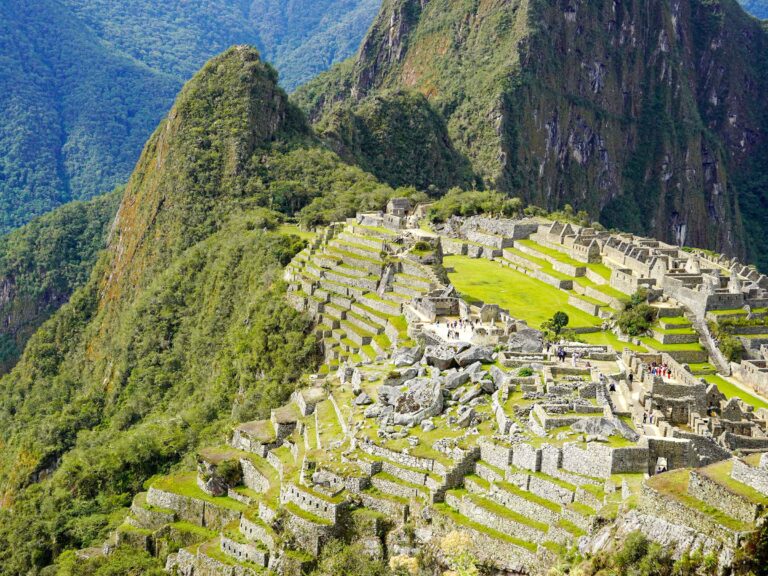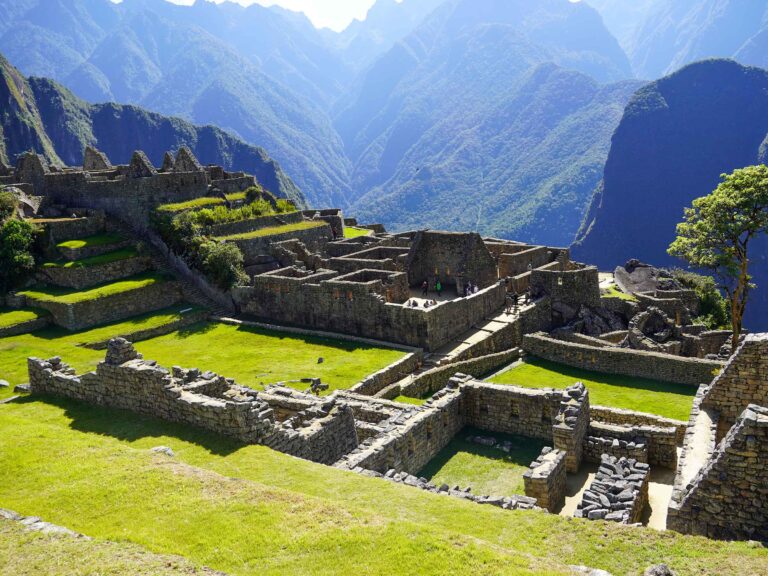

Using authentic Peru travel photography tours and high-quality Andean images can instantly improve the visual experience of your travel blog. From the ancient streets of Cusco to the dramatic landscapes of Machu Picchu and Rainbow Mountain, professional photos help readers connect emotionally with your content.
This guide explains where to find free photos of Cusco and Peru, how to use them correctly, and the best ways to improve engagement, storytelling, and SEO with visually compelling travel photography.

Free Cusco and Peru Photos for Your Travel Blog
Adding stunning visuals to your travel blog can significantly enhance the reader’s experience.
If you’re writing about the culturally rich and breathtaking landscapes of Cusco and Peru, high-quality images can captivate your audience and bring your narratives to life.
Fortunately, you don’t need to break the bank to obtain these images.
In this article, we’ll explore where and how to find free Cusco and Peru photos for your travel blog, ensuring your content stands out in the crowded digital space.
Why High-Quality Travel Photos Matter for Blogging
In the world of travel blogging, visuals play a crucial role.
They do more than fill space; they tell a story, evoke emotion, and create a connection between the reader and the destination.
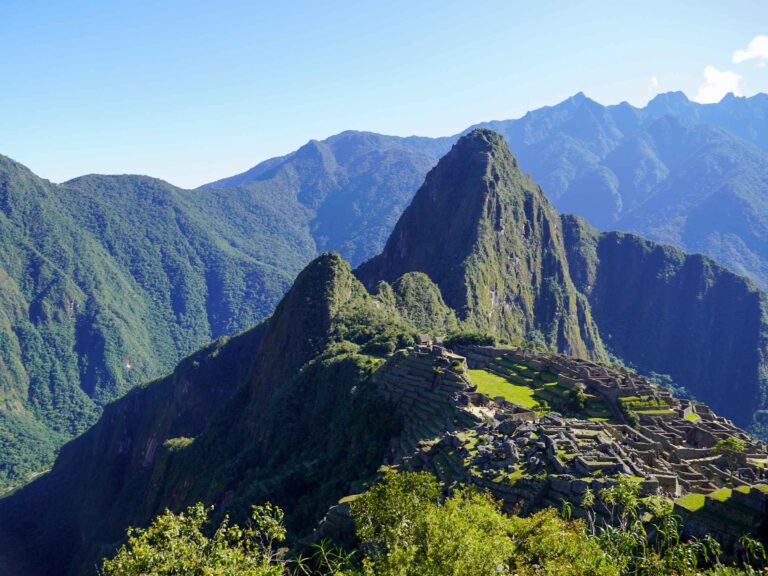
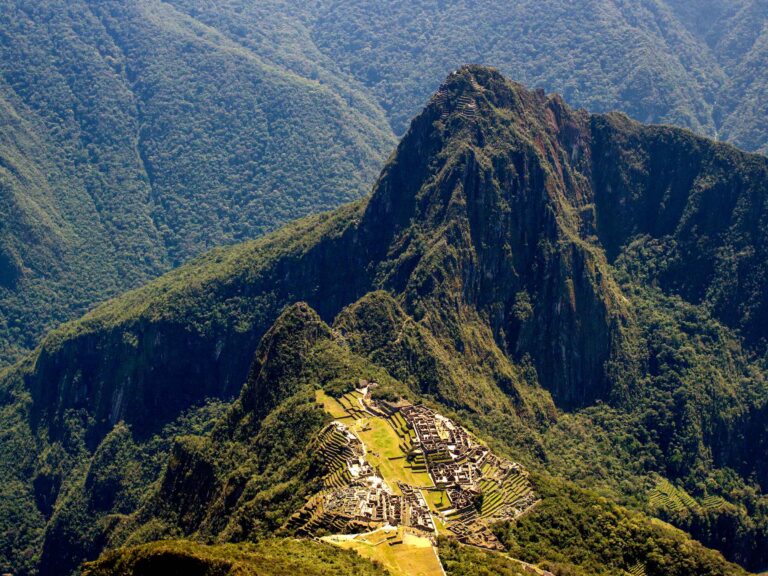
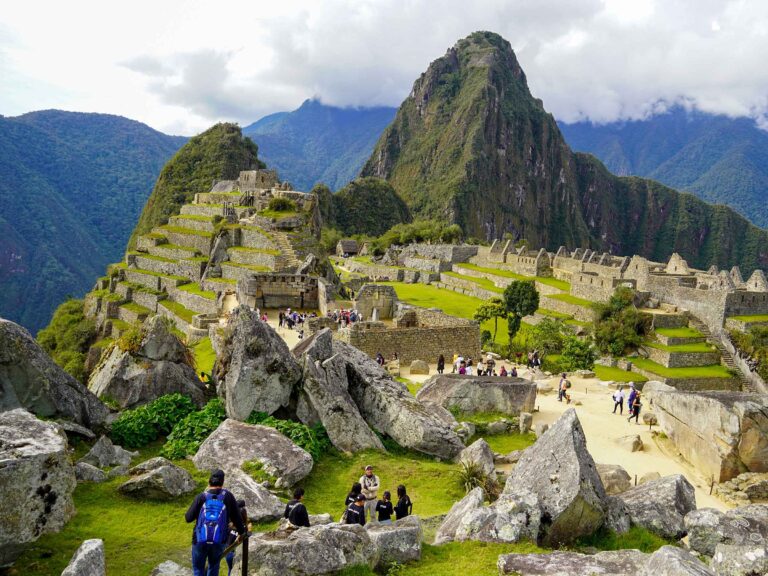
A well-chosen image of Machu Picchu at sunrise or the vibrant streets of Cusco can transport your audience to these places, making your blog post more engaging and memorable.
Visuals complement your storytelling by providing context and helping readers visualize the places you describe.
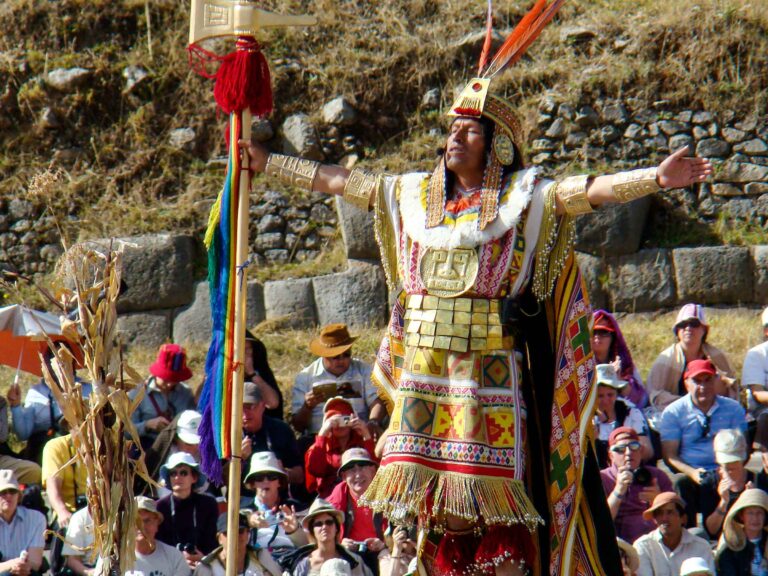
When readers can see the intricate stonework of Incan architecture or the colorful traditional attire of local communities, they gain a deeper understanding of Peru’s culture and history.
Travel creators writing about destinations like Machu Picchu or the Rainbow Mountain in Peru often rely heavily on visual storytelling to increase engagement.

How Images Increase Blog Engagement
Blogs with high-quality images tend to receive more engagement.
Readers are more likely to share visually appealing content on social media, thereby increasing your blog’s visibility and potential traffic.
Images also improve the user experience by making content easier to read and more visually dynamic.
Platforms like Pinterest, Instagram, and Facebook especially reward strong visual content, making photography an essential part of a travel blogging strategy.
Well-optimized images can also increase time on page, improve SEO performance, and encourage readers to explore more content on your site.
Best Websites to Find Free Peru Travel Photos
Several stock photo websites offer free images that you can use on your travel blog.
- Unsplash: Excellent for high-resolution Peru landscape photography.
- Pexels: Great for travel photos, videos, and lifestyle imagery.
- Pixabay: Offers free stock photos, vectors, and travel visuals.
These websites provide excellent resources for bloggers writing about Peru destinations, trekking routes, cultural festivals, and archaeological sites.
Always verify the image license and attribution requirements before publishing.
Using Creative Commons Photos Correctly
When using images under Creative Commons licenses, it’s important to understand the usage rules.
Some photos require attribution, while others are available for commercial use without restrictions.
Platforms like Flickr host large collections of Peru travel photography shared by independent photographers.
Before using any image, review the licensing details carefully to avoid copyright issues.
Giving proper credit to photographers not only respects their work but also adds credibility and professionalism to your blog.
Official Peru Tourism Resources for Images
Government tourism websites and official Peru travel portals often provide free promotional images for editorial and tourism-related use.
These resources are especially useful for obtaining authentic photos of Peru’s landscapes, festivals, archaeological sites, and local traditions.
Official tourism imagery is ideal for articles about destinations such as Cusco, the Sacred Valley, and the Nazca Lines.
Travel bloggers covering destinations such as the Sacred Valley of Cusco or Cusco travel guides can benefit greatly from these image libraries.
Working with Local Photographers in Peru
Collaborating with local photographers is another excellent way to obtain unique Peru travel photos.
Many photographers are happy to exchange image usage for proper attribution and exposure.
Working directly with local creators often yields more authentic and exclusive visuals than generic stock photography.
This approach also supports local artists and helps your content stand out with original imagery.
How to Optimize Images for SEO
Images contribute significantly to travel blog SEO when optimized correctly.
Use descriptive file names, alt text, and captions that clearly explain the image content.
For example, instead of uploading a file named “IMG123.jpg,” use a keyword-rich file name like “machu-picchu-sunrise-view.jpg.”
Alt text improves accessibility and helps search engines understand your images.
Optimized travel photography can also generate traffic through Google Images search results.
Creating a Consistent Visual Style for Your Blog
Maintaining a consistent visual identity helps create a professional travel brand.
Choose images that match your website’s style, tone, and audience expectations.
Whether you prefer vibrant colors, dramatic landscapes, or documentary-style photography, consistency strengthens brand recognition.
Many successful travel blogs use a consistent editing style across all photos to create a recognizable visual identity.
Customizing Travel Photos for Your Brand
Customizing images can help make your blog content more unique and engaging.
Adding branded overlays, titles, quotes, or subtle filters can align visuals with your overall website design.
Tools like Canva and Adobe Express allow bloggers to create custom travel graphics quickly and professionally.
Customized images also perform better on Pinterest and social media platforms where visual branding matters significantly.
Using Galleries and Photo Collections Effectively
Photo galleries are a great way to showcase multiple aspects of a destination.
A well-organized gallery can guide readers through landscapes, cultural experiences, and local attractions in a visually engaging way.
Travel blogs covering destinations like the train journey to Machu Picchu or the Red Valley trek can especially benefit from image-heavy storytelling.
Galleries also encourage readers to stay longer on the page and interact more with your content.
How Travel Photography Builds Emotional Connection
Images help readers emotionally connect with destinations before they ever visit.
A photo of a local market in Cusco, an alpaca in the Andes, or sunrise over Machu Picchu can inspire curiosity and wanderlust.
Strong emotional engagement often leads to more social shares, repeat visitors, and travel inquiries.
For travel businesses and bloggers alike, photography becomes an essential storytelling and conversion tool.
Explore Peru Photography and Travel Experiences
Kondor Path Tours offers immersive travel experiences across Peru, providing opportunities to capture incredible Andean landscapes, local culture, and archaeological wonders.
- Photo Travel Peru Experience
- Machu Picchu Full Day Tour
- Rainbow Mountain Peru Trek
- Sacred Valley Tour from Cusco
Final Thoughts About Using Peru Travel Photography
Incorporating high-quality travel photography from Peru into your blog can dramatically improve reader engagement, storytelling, and SEO performance.
From Cusco’s ancient streets to the breathtaking Andes Mountains, authentic visuals help bring your travel experiences to life.
By using professional images strategically and ethically, travel bloggers can create immersive content that inspires readers and strengthens their brand authority.
Visual storytelling remains one of the most powerful tools for growing a successful travel blog in today’s digital landscape.