The Inca Jungle Trek is not your typical trek to Machu Picchu. Unlike the classic Inca Trail, this route combines multiple activities, such as mountain biking, hiking, and sometimes even zip-lining or rafting, depending on your chosen tour package. This variety makes the Inca Jungle Trek an exhilarating option for adventure seekers. However, understanding the nuances of this trek can enhance your overall experience.
The Inca Jungle Trek is a thrilling alternative to the classic Inca Trail, offering a unique blend of adventure sports and cultural experiences on the way to the iconic Machu Picchu. This multi-day journey takes you through diverse landscapes, from high-altitude mountains to lush jungle canopies, and includes activities like mountain biking, hiking, zip-lining, and optional river rafting. If you’re considering this exhilarating trek, here’s everything you need to know to plan your adventure.

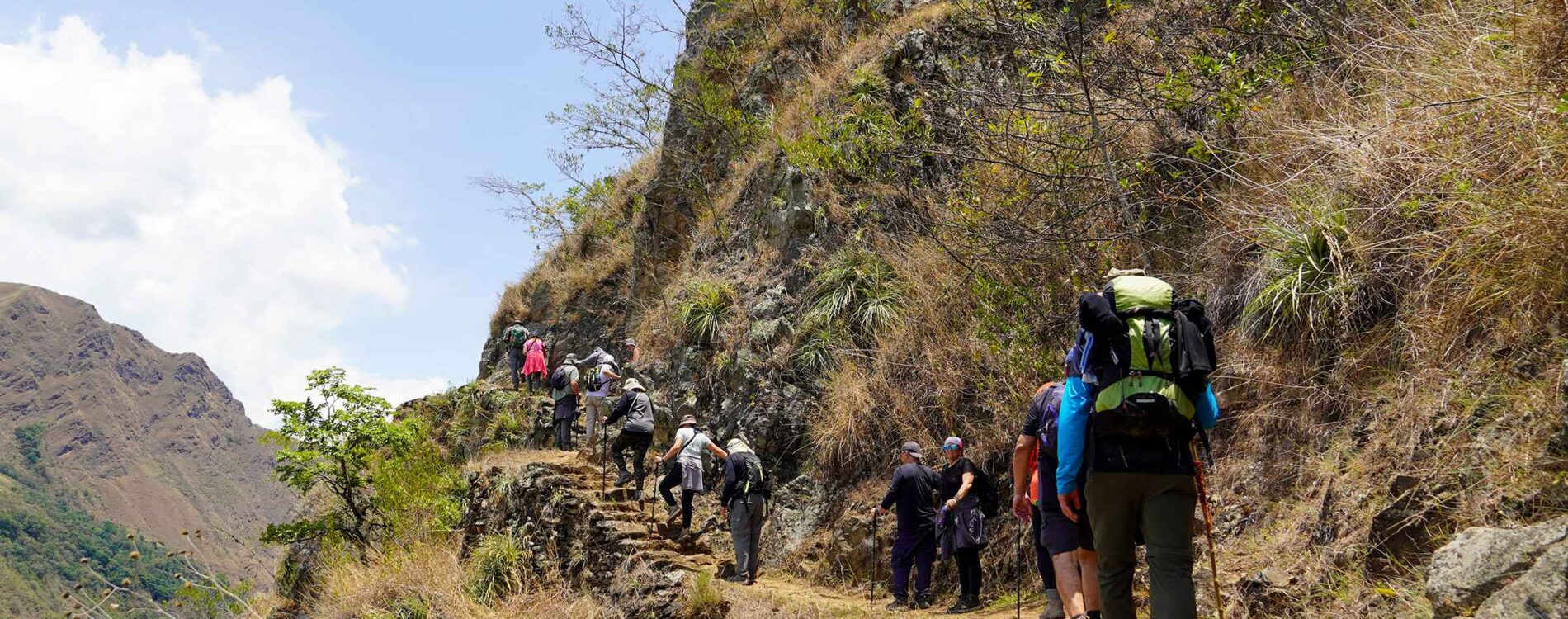
The trek typically spans four days and covers diverse terrains, from lush rainforests to high-altitude mountains. The journey begins with a thrilling bike ride down from the Andes into the Amazon basin, followed by days of trekking through the jungle and along ancient Inca paths. The route is designed to showcase a variety of ecosystems and historical sites, making each day unique.
Beyond the landscapes, cultural encounters are integral to the trek. You’ll pass through small Andean villages, where you can interact with local communities and learn about their traditional ways of life. These interactions enrich the journey, providing insights into the region’s rich cultural tapestry.
The trek’s varied activities require a certain level of physical readiness. While the biking segment is downhill, it can be intense, requiring focus and stamina. Similarly, the hiking paths can be steep and challenging, particularly at higher altitudes. Preparing for these challenges ensures a safer and more enjoyable trek.
Peru’s dry season, from May to September, is the most popular time for trekking. During these months, the weather is more predictable, with less rainfall, making for a more comfortable trek. However, this period also sees more tourists. If you prefer fewer crowds, consider trekking in the shoulder months of April or October. These months offer a balance of good weather and fewer visitors, allowing for a more intimate experience with nature.
It’s important to consider personal preferences when planning your trek. If you enjoy vibrant, bustling environments, the peak season might suit you best. Conversely, if solitude and tranquility are what you seek, the shoulder months provide a quieter setting.
Weather conditions can also affect trail accessibility. While the dry season offers more stable conditions, unexpected weather changes can still occur. Packing versatile clothing and being prepared for sudden weather shifts can enhance your comfort and safety.
Selecting the right tour package is crucial for your Inca Jungle Trek experience. Packages vary widely, with options ranging from basic tours focusing solely on the trek to comprehensive packages including additional adventures and luxury accommodations. Consider your budget, interests, and fitness level when making a choice.
Researching tour companies is essential. Look for operators with strong reputations, positive reviews, and clear safety protocols. Reliable companies prioritize your safety and satisfaction, providing experienced guides and well-maintained equipment.
Customization options can enhance your trek. Some companies offer personalized itineraries, allowing you to tailor the adventure to your preferences. Whether you want to add a day of rafting or focus more on cultural experiences, customization can make your trek truly unique.

Preparing adequately for the trek is crucial to ensure a safe and enjoyable experience. Below is a checklist of items and considerations to help you get ready.
The Inca Jungle Trek is moderately challenging, so a good level of fitness will enhance your experience. Regular cardio exercises, strength training, and hiking practice will help build endurance. Consider visiting a healthcare provider for altitude sickness medication if you are not accustomed to high altitudes.
Adapting your fitness routine to mimic trekking conditions can be beneficial. Incorporate hill climbs, stair workouts, and weighted backpack walks to better prepare your body. Consistency in your training regimen is key to building the necessary stamina and resilience.
Understanding the symptoms of altitude sickness can prevent complications. Symptoms include headaches, dizziness, and nausea. If you experience these, descending to a lower altitude and resting can help alleviate them. Staying hydrated and acclimating properly are proactive measures against altitude sickness.
Nutrition and hydration play significant roles in your trek preparation. A balanced diet rich in carbohydrates, proteins, and healthy fats fuels your body, while staying well-hydrated aids in acclimatization and overall performance.
The mental aspect of trekking is as important as the physical. Preparing mentally for the challenges ahead can significantly impact your trek experience. Visualizing the trek, setting realistic expectations, and maintaining a positive mindset are crucial.
Understanding the potential discomforts, such as long days and changing weather, helps manage expectations. Embracing these challenges as part of the adventure fosters resilience and adaptability.
Mindfulness practices, such as meditation and deep breathing exercises, can enhance focus and reduce stress. These techniques are valuable tools for maintaining a calm and centered state of mind during the trek.
Advance planning can make all the difference. Here’s how to ensure your trek goes smoothly.
Most travelers opt for guided tours, which include transportation, meals, and accommodation. Research various operators, read reviews, and compare prices to find a reputable company that suits your budget and preferences. Booking in advance can secure better deals and availability, especially during peak season.
Understanding what’s included in your tour package is essential. Ensure it covers all necessary aspects, such as transportation to the starting point, meals, and entry tickets to Machu Picchu. Clarifying these details helps avoid unexpected expenses and ensures a smoother experience.
Communication with your tour operator is key. Discuss any specific needs or preferences you have, such as dietary restrictions or accommodation upgrades. A good operator will accommodate your requests, ensuring a personalized experience.
While the Inca Jungle Trek itself doesn’t require a permit like the classic Inca Trail, Machu Picchu does. Ensure your tour operator secures your entry tickets well in advance, especially if you’re traveling during peak season. These tickets have limited availability, and securing them early avoids last-minute disappointments.
Familiarizing yourself with local regulations and guidelines is important. Understanding what is expected in terms of conduct and environmental responsibility ensures a respectful and sustainable trek.
Keeping copies of all permits and important documents is a wise precaution. Having backups, both digital and physical, ensures you’re prepared for any situation where documentation is required.
Accommodations along the trek range from basic hostels to more comfortable lodges. Most tours include lodging, but it’s good to confirm what’s provided. If you prefer more luxurious options, ask your tour operator about upgrades. Understanding the accommodation options helps set appropriate expectations for comfort and amenities.
Exploring local accommodation options can enhance your experience. Staying in locally-owned lodges supports the community and offers a more authentic encounter with the region’s culture.
Evaluating accommodation reviews can provide insight into the quality and service you can expect. Prioritizing places with high ratings and positive feedback ensures a better experience.
For those with extra time, consider extending your adventure with an Amazon jungle hike. Tours from Cusco can take you deeper into the rainforest, offering a chance to experience Peru’s incredible biodiversity.
An Amazon hike offers opportunities to see exotic wildlife, such as monkeys, macaws, and perhaps even a jaguar. Prepare for humid conditions, and pack appropriately for a jungle environment. The rich flora and fauna provide a captivating backdrop, making every moment a discovery.
Guided jungle tours enhance your understanding of the ecosystem. Knowledgeable guides share insights into the plants and animals, enriching your experience with stories and facts about the rainforest’s intricate web of life.
Cultural encounters in the Amazon are unique. Visiting indigenous communities provides a glimpse into traditional lifestyles, fostering appreciation for their symbiotic relationship with nature.
Some tour operators offer packages that combine the Inca Jungle Trek with an Amazon jungle extension. This option allows you to maximize your adventure without the hassle of separate bookings. Combining both experiences provides a comprehensive exploration of Peru’s diverse landscapes and cultures.
Logistical considerations for combining treks include coordinating transportation and ensuring sufficient rest between adventures. Planning these details ensures a seamless transition and an enjoyable overall experience.
Tailoring your combined package to suit your interests enhances the journey. Whether you want more time in the jungle or additional cultural experiences, customization options allow for a personalized adventure.

Planning Your Inca Jungle Trek
The best time to embark on the Inca Jungle Trek is during the dry season, which runs from May to September. You can expect clearer skies and more comfortable hiking conditions during these months. From October to April, the wet season brings more rainfall, making the trails slippery and the biking sections more challenging.
The Inca Jungle Trek typically spans four days and three nights, with each day offering a different set of activities:

Spend a few days in Cusco or the Sacred Valley before starting the trek to acclimate to the altitude and reduce the risk of altitude sickness.
Choose a reputable tour operator with a well-organized itinerary and safety equipment for activities like mountain biking and zip-lining.
Book your trek well in advance, especially if you plan to go during the peak season.
Stay hydrated and eat balanced meals to maintain your energy levels.
Listen to your body and take breaks when needed, especially during the hiking segments.
Embrace the adventure and be open to new experiences, whether trying local foods or interacting with fellow trekkers and locals.
The Inca Jungle Trek is a thrilling, rewarding journey to Machu Picchu, combining the best of adventure sports and cultural exploration. By preparing thoroughly and planning ahead, you can ensure a safe and memorable experience. Whether you’re biking through the Andes, hiking ancient paths, or exploring the depths of the Amazon, this trek promises an unforgettable adventure in one of the world’s most iconic destinations. Embrace the journey with an open heart and mind, and let the wonders of Peru leave an indelible mark on your soul.
Capturing the Short Inca Trail Photos: Tips & Iconic Locations Embarking on the Short Inca Trail is a…
Machu Picchu, the iconic Lost City of the Incas, has captivated the imagination of travelers and historians alike…
How to hike the Inca Trail 4 days to Machu Picchu Embarking on the Inca Trail hike is…
Many dream of embarking on the Inca Trail to Machu Picchu. This ancient trail, set in the stunning Andes…
How to Get to Machu Picchu Peru Machu Picchu is a dream destination for many travelers. Nestled in…
The Inca Jungle Trek offers an extraordinary journey that combines the thrill of adventure with the awe of…
Embarking on the 4-day Inca Trail from Cusco to Machu Picchu is an adventure that combines breathtaking natural…
Understanding the Inca Trail Elevation Challenges The Inca Trail is one of the most famous trekking routes in…
Culinary Delights Along the Inca Trail Embarking on the Inca Trail is a journey through history and breathtaking…
Short Inca Trail vs Classic Inca Trail Choosing between the Short Inca Trail and the Classic Inca Trail…
Short Inca Trail Highlights The Short Inca Trail is a captivating journey through history and nature. This two-day…
The Short Inca Trail to Machu Picchu is a journey through history and a trek through stunning natural…