
The Salkantay Trek: A Cultural and Historical Adventure

The Salkantay Trek: A Cultural and Historical Adventure


Exploring the Wonders of The Salkantay Trek Peru

Embarking on the Salkantay Trek is a journey like no other, leading adventurers through some of the most stunning landscapes in the Peruvian Andes. This trek offers a unique blend of natural beauty, cultural richness, and challenging high-altitude trekking. In this article, we’ll delve into the wonders of the Salkantay Trek, exploring its environmental conditions, weather patterns, and what makes it a must-do for trekking enthusiasts.

The Salkantay Trek is an alternative to the more famous Inca Trail, winding through the majestic Andes mountains and culminating at the awe-inspiring Machu Picchu. This trek is named after Salkantay Mountain, which rises to an impressive 6,271 meters above sea level, making it one of the highest peaks in the region.

The Salkantay Trek is not just a journey through the stunning landscapes of the Peruvian Andes; it’s also a deep dive into the region’s rich cultural and historical tapestry. As trekkers traverse this ancient path, they are offered a unique opportunity to connect with the traditions, history, and spirit of the Inca civilization. This trek is an adventure that transcends physical boundaries, offering a profound understanding of the people and land that have shaped Peru’s history.

salkantay trek 4 days

The Historical Significance of the Trail

The Salkantay Trek is more than just a path through the mountains; it is a journey through history. Ancient Incan routes form the backbone of this trek, and many sections have been walked for centuries. Understanding the trail’s historical context enriches the experience, as trekkers walk in the footsteps of the Incas, who revered these lands as sacred.

Diverse Scenery and Landmarks

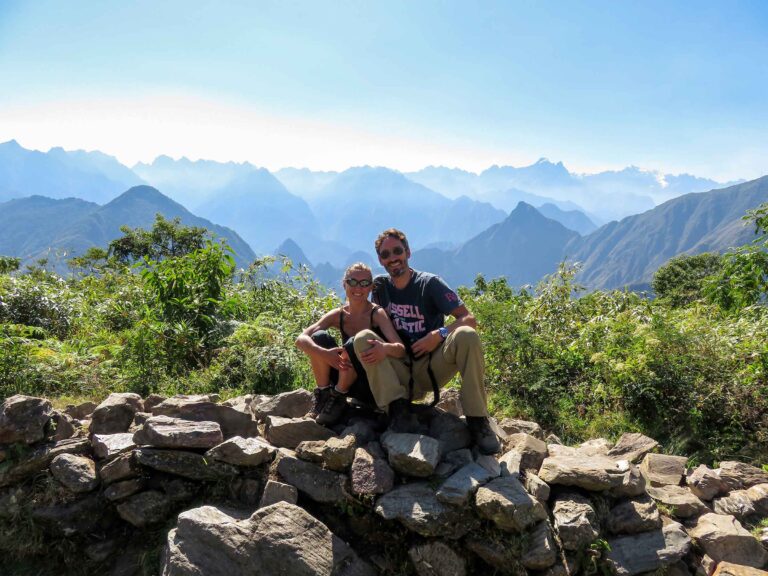
Throughout the trek, the scenery shifts dramatically. From verdant cloud forests to icy mountain passes, each day offers a new visual feast. Trekkers will encounter a variety of landmarks, including ancient ruins, glacial lakes, and unique rock formations. These diverse landscapes not only test one’s physical limits but also provide countless opportunities for breathtaking photography.

A Trek Above 4,000 Meters

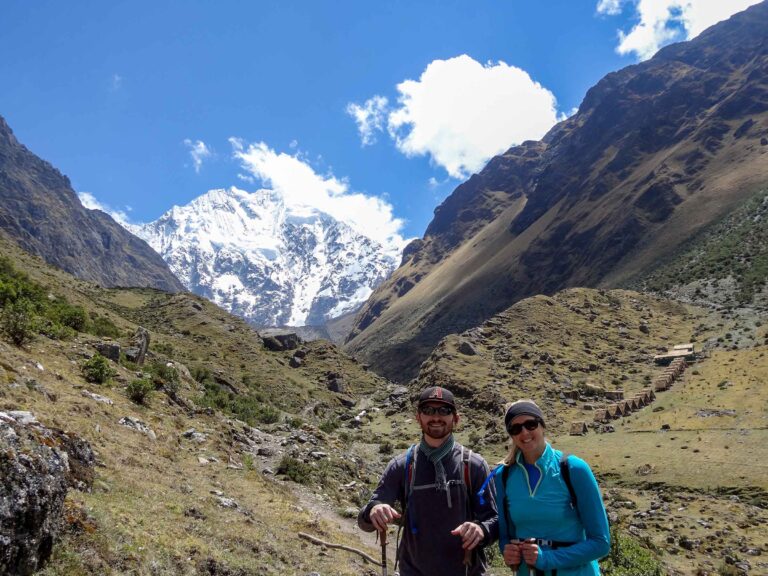
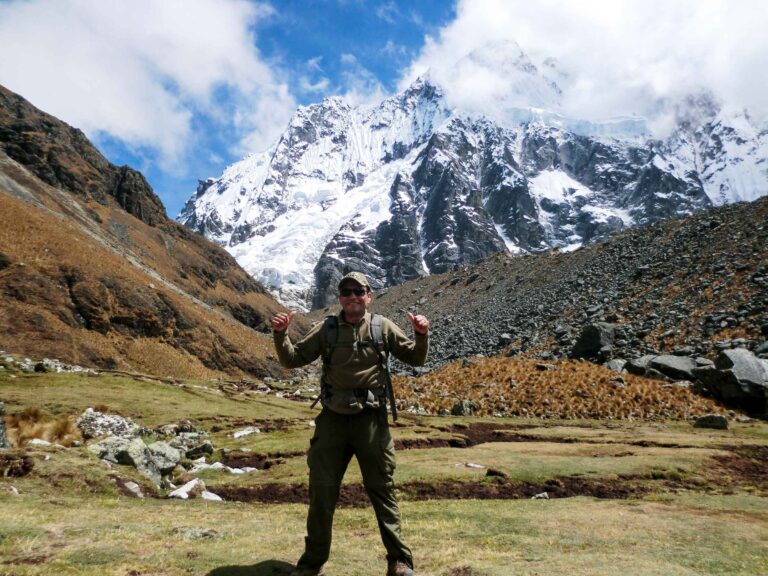
The trek takes you above 4,000 meters, offering breathtaking views of snow-capped mountains, lush valleys, and diverse wildlife. It’s a challenging journey, but the rewards are well worth the effort. As trekkers ascend, the air becomes crisper and the views more expansive, revealing the vast beauty of the Andes in all their glory.

High-Altitude Trekking in the Peru Andes

The Salkantay Trek Peru

The Salkantay Trek Peru

Trekking at high altitudes presents unique challenges and requires preparation. The thin air and lower oxygen levels can affect even the most seasoned trekkers. However, with the right acclimatization, you can enjoy the beauty of the Andean highlands without worry.

Understanding Altitude Sickness

Altitude sickness is a common concern for trekkers in the Andes. Symptoms can range from mild headaches to severe nausea. Understanding the signs and taking preventive measures is crucial. Knowing when to rest and when to seek medical attention can make the difference between a safe journey and a hazardous one.

Altitude Conditions on the Salkantay Trek

The altitude on the Salkantay Trek varies, with some sections reaching over 4,500 meters. Acclimatization is crucial, and it’s advisable to spend a few days in Cusco, which sits at 3,400 meters, to adjust before starting the trek. This gradual acclimatization helps the body adapt to the thinner air and can significantly reduce the risk of altitude-related issues.

Tips for High-Altitude Trekking

  1. Take it slow: Allow your body to adjust to the altitude by pacing yourself. Rushing can exacerbate altitude symptoms and increase fatigue.
  2. Stay hydrated: Drink plenty of water to help prevent altitude sickness. Dehydration can worsen symptoms, so regular water intake is essential.
  3. Rest well: Ensure you get enough sleep to aid in recovery and acclimatization. The body needs time to adjust, and rest is a critical component of this process.
  4. Dietary Adjustments: Eating light, carbohydrate-rich meals can provide the necessary energy for trekking at high altitudes. Avoid heavy foods that can strain the digestive system.
  5. Use of Oxygen Supplements: For those who experience severe altitude issues, oxygen supplements can provide relief. They are not a substitute for acclimatization, but they can be a useful tool in emergencies.

Environmental Conditions in the Salkantay Region

The Salkantay region features diverse ecological zones, from tropical rainforests to high-altitude tundra. This diversity contributes to the trek’s unique appeal and beauty.

Exploring the Biodiversity of the Region

The ecological diversity of the Salkantay region is remarkable. It is home to a wide range of flora and fauna, some of which are endemic to the Andes. Trekkers might spot rare birds, orchids, and even spectacled bears. The opportunity to witness such biodiversity is a significant draw for nature enthusiasts.

Andean Climate Zones

The trek passes through various climate zones, each with its own distinct characteristics:

  • Tropical Zone: Lush vegetation and warmer temperatures. This zone is teeming with life and provides a stark contrast to the barren high-altitude landscapes.
  • Cloud Forest: Misty and humid, with abundant plant life. The cloud forest is a mysterious and enchanting part of the trek, often shrouded in fog and home to an array of exotic wildlife.
  • High Mountain Zone: Colder and more arid, with stunning mountain views. This zone offers some of the most dramatic scenery, with towering peaks and sweeping valleys.

Impact of Environmental Conditions on Trekking

The changing environmental conditions present unique challenges. From slippery trails in the rain to chilly winds at higher altitudes, trekkers must be prepared for a variety of scenarios. Understanding how these conditions affect trekking can help adventurers prepare adequately and ensure a safer journey.

Mountain Weather Patterns in Cusco Andes

The weather in the Andes can be unpredictable, with rapid changes in temperature and conditions. Understanding these patterns is essential for a safe and enjoyable trek.

Preparing for Mountain Weather

  • Layering: Dress in layers to adapt to changing temperatures. This approach allows trekkers to add or remove clothing based on the current weather, ensuring comfort throughout the day.
  • Rain Gear: Be prepared for rain, especially during the wet season (November to April). Waterproof clothing and gear are vital to staying dry and warm.
  • Sun Protection: The sun is intense at high altitudes, so wear sunscreen and a hat. UV exposure is significantly higher, making protection essential to prevent sunburn.

Best Time to Trek

The best time to embark on the Salkantay Trek is during the dry season, from May to October. During this period, you can expect clearer skies and more stable weather conditions. This season is ideal for trekking, offering the best chance for unobstructed views and comfortable temperatures.

Navigating Unpredictable Weather Changes

Despite the best preparation, the weather in the Andes can change unexpectedly. Being flexible with plans and having contingency routes can ensure safety. Trekkers should be prepared to adjust their itinerary based on real-time weather conditions, prioritizing safety above all.

The Salkantay Trek Experience

The Salkantay Trek is more than just a physical challenge; it’s an opportunity to connect with nature and experience the rich cultural heritage of the Andes.

Cultural Insights

Along the trek, you’ll encounter local communities and learn about traditional Andean customs and practices. This cultural immersion adds depth to the trekking experience. Engaging with local guides and villagers can provide insights into the Andean way of life, offering a unique perspective on the region’s history and traditions.

Highlights of the Trek

  • Salkantay Pass: The highest point of the trek at 4,650 meters, offering panoramic views. This is a significant milestone and a testament to the trekker’s endurance and determination.
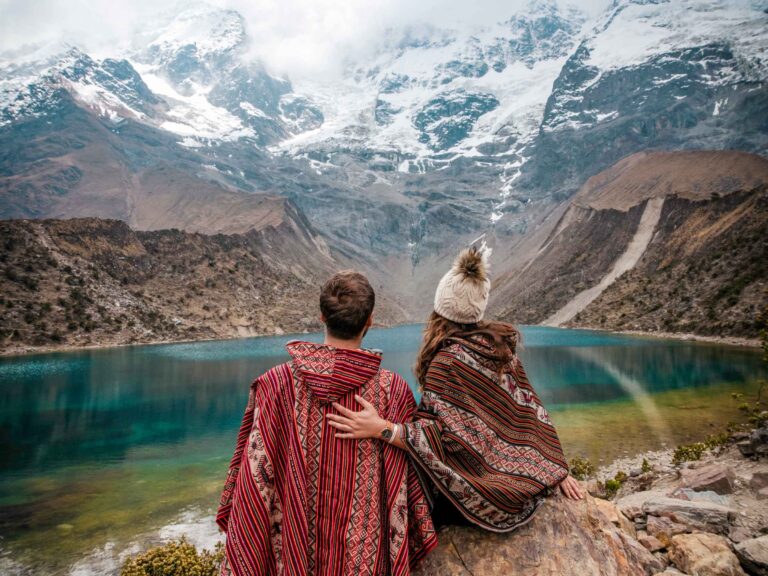
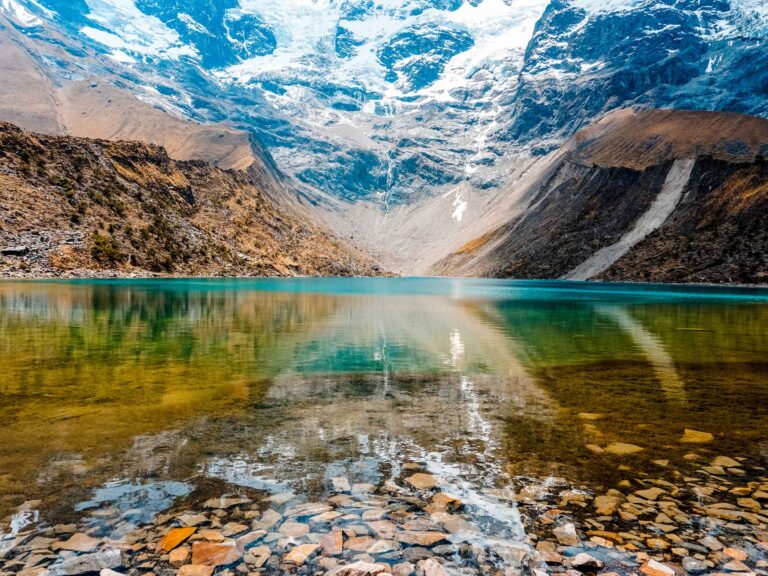
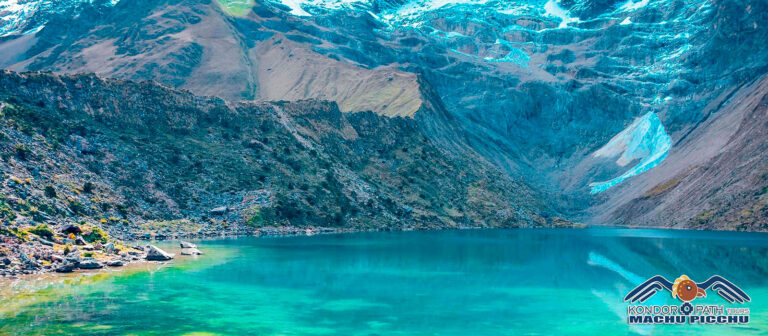
  • Humantay Lake: A stunning turquoise glacial lake surrounded by snow-capped peaks. The lake is a popular spot for reflection and photography, offering a serene setting amidst the rugged mountains.
  • Machu Picchu: The iconic archaeological site and the rewarding end to the trek. Reaching Machu Picchu is a moment of triumph, symbolizing the culmination of a challenging yet rewarding journey.

Personal Growth and Reflection

Trekking the Salkantay is not just a physical journey but also an emotional and spiritual one. The solitude and majesty of the mountains provide an ideal backdrop for personal reflection and growth. Many trekkers find that the experience leaves a lasting impact, offering new perspectives and a sense of accomplishment.

The Salkantay Trek: An Overview

Spanning over 60 kilometers and reaching elevations of up to 4,600 meters, the Salkantay Trek is a challenging yet rewarding journey that leads to the iconic Machu Picchu. The trek is named after the majestic Salkantay Mountain, a sacred peak in Incan mythology that is a constant companion along the trail.

Connecting with Inca Traditions

The Salkantay Trek is steeped in Incan tradition, offering trekkers a chance to experience the spiritual and cultural practices passed down through generations. From the ritual offerings to Pachamama (Mother Earth) to the ancient stone paths that make up part of the trail, every step is a reminder of the Inca people’s deep connection with their environment.

salkantay inca trail 6 days

salkantay inca trail 6 days

Exploring Historical Sites

Along the route, trekkers encounter various historical sites that offer a glimpse into Incan life. These sites include ancient ruins, agricultural terraces, and sacred temples, each with a story. Exploring these remnants of a once-great civilization provides a unique perspective on the Incas’ architectural and engineering prowess.

salkantay 2 day trek

salkantay 2 day trek

Learning from Local Communities

One of the most enriching aspects of the Salkantay Trek is the opportunity to interact with the local communities that call the Andes home. These encounters allow trekkers to learn about the customs, traditions, and daily life of the descendants of the Incas. The warmth and hospitality of the Andean people add a layer of cultural richness to the trekking experience.

The Journey to Machu Picchu

The culmination of the Salkantay Trek is the arrival at Machu Picchu, the most famous symbol of Incan civilization. This awe-inspiring citadel, perched high in the mountains, is a testament to the ingenuity and spiritual depth of the Inca people. For many trekkers, reaching Machu Picchu is not just the end of a physical journey but a spiritual awakening.

Conclusion

The Salkantay Trek is a remarkable adventure that offers trekkers the chance to explore the diverse landscapes and rich cultural tapestry of the Peruvian Andes. Whether you’re drawn by the challenge of high-altitude trekking or the allure of Andean beauty, the Salkantay Trek promises an unforgettable experience.

Prepare well, respect the environment, and immerse yourself in the wonders of this incredible journey. With each step, you’ll discover not only the beauty of the Andes but also a deeper connection to the world around you.

The Salkantay Trek is more than just a trek; it’s a cultural and historical adventure that takes you through the heart of the Andean world. As you journey from the snow-capped peaks to the lush jungles, you are walking in the footsteps of the Incas, experiencing the legacy of a civilization that continues to inspire and captivate the world.

Salkantay Treks

Inquire Now

Contact form footer
Need help? Speak with us