Humantay Lake: The Science and Culture of Peru’s Andean Gem

Humantay Lake: The Science and Culture of Peru’s Andean Gem


Exploring the Beauty of Humantay Lake

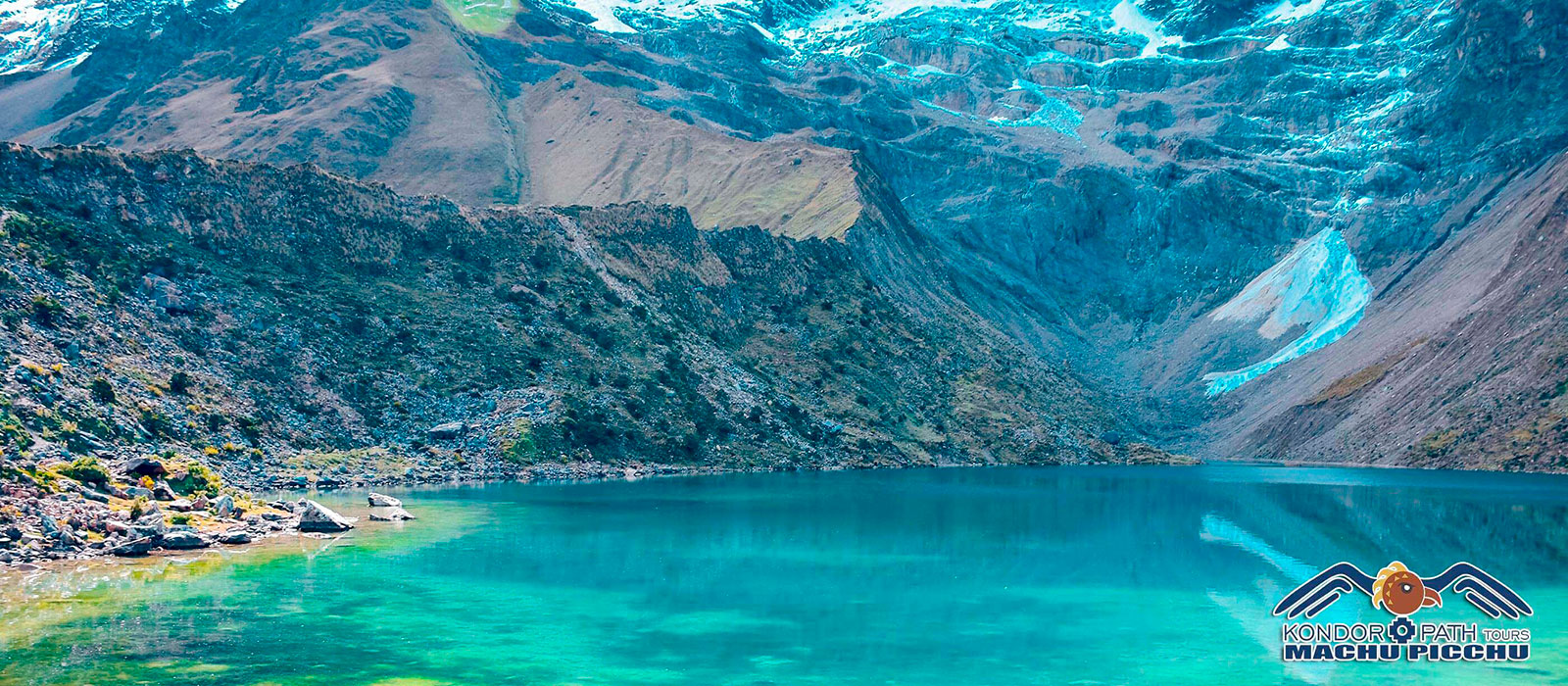
Nestled in the majestic Andes of Peru, Humantay Lake is a sight to behold. Its turquoise waters, fed by glacial melt, captivate all who visit.

  • This high-altitude lake sits at 4,200 meters above sea level. It’s a gem on the Salkantay trek, a popular alternative to the Inca Trail.
  • Travelers from around the world are drawn to its beauty and serenity. The journey to Humantay Lake offers breathtaking views and a chance to connect with nature.
  • The trek is moderately challenging, but the reward is worth every step. Visitors often start their adventure from the village of Soraypampa.
  • The lake holds spiritual significance for local indigenous communities. It’s a place of peace and reflection, surrounded by snow-capped peaks.

Whether you’re an adventure seeker or a nature lover, Humantay Lake promises an unforgettable experience. Prepare to be enchanted by its stunning landscapes and rich cultural heritage.

Discovering Humantay Lake: An Andean Gem

Humantay Lake is a remarkable destination nestled in the Peruvian Andes. Its vibrant turquoise waters draw travelers and photographers alike. This natural wonder is a beloved spot for those seeking tranquility and beauty.

The lake’s striking color comes from minerals present in the glacial melt. This gives it an otherworldly hue that is simply mesmerizing. Visitors often find it hard to capture its true beauty on camera.

Located on the Salkantay Trek, Humantay Lake is a highlight for trekkers. It’s part of a route that offers awe-inspiring views and diverse landscapes. The surroundings offer more than just stunning visuals.

In addition to its physical beauty, the lake holds a deep cultural significance. Local communities consider it a sacred place, rich with history and tradition. This adds a spiritual layer to your visit, enhancing the experience.

When discovering this Andean gem, consider:

  • Its stunning turquoise waters
  • The surrounding snow-capped peaks
  • The cultural significance for indigenous communities
  • Opportunities for peaceful reflection and meditation

It’s a place where nature and culture converge, offering visitors an unforgettable experience.

The Location and Significance of Lake Humantay

Humantay Lake is nestled within the breathtaking Vilcabamba mountain range of Peru. Its location is approximately 4,200 meters above sea level. This scenic spot is near the city of Cusco, a popular starting point for visitors.

The lake’s high altitude sets it apart, providing dramatic panoramic views. It offers an unparalleled backdrop of snow-capped peaks. The journey to this remote location adds to its allure and mystique.

Humantay Lake holds cultural and spiritual significance for local communities. Indigenous peoples view it as a sacred site. They believe it embodies the essence of nature’s powerful forces, offering a spiritual connection.

Several factors highlight its importance, including:

  • Its position as a spiritual site for indigenous traditions
  • Its contribution to local ecological diversity
  • Its role in attracting tourism and promoting economic growth in the area

Visiting Lake Humantay is not just about witnessing natural beauty. It is also about understanding its cultural significance. The harmony between nature and culture enriches every journey to this captivating destination.

How to Get to Humantay Lake Peru

Reaching Humantay Lake begins with arriving at the vibrant city of Cusco. Cusco serves as the main hub for travelers exploring the lake. From Cusco, visitors typically travel to Soraypampa.

Soraypampa is approximately 3 hours by road, accessible by tour buses and private taxis. This quaint village serves as the trek’s starting point. It’s a gateway for all adventurers heading toward the azure waters of Humantay Lake.

The trek from Soraypampa to the lake takes about 1.5 to 2 hours. The path is moderately challenging, winding through stunning scenery. Hikers are rewarded with breathtaking views along the way.

Travelers should plan their journey depending on their preferences. Options include:

  • Hiring a private driver for flexible scheduling
  • Joining an organized tour for ease and guidance
  • Using public transportation for budget-friendly travel

Consider starting the trek early to avoid crowds and enjoy the tranquility of the morning. The earlier, the better for experiencing the lake’s serene beauty. Plan your departure from Cusco accordingly.

Ensure your vehicle is reliable if you opt for independent travel. Unforeseen issues can arise in remote areas. A well-planned journey maximizes the potential for an unforgettable experience.

Independent Travel vs. Guided Tours

Choosing between independent travel and guided tours depends on individual preferences. Each option has its own set of advantages and challenges. Your choice ultimately shapes your experience at Humantay Lake.

Independent travel offers a sense of adventure and flexibility. It allows travelers to set their own pace and schedule. However, it also requires more planning and navigation skills.

Guided tours simplify logistics by providing transportation and expert guidance. They offer insights into the area’s ecology and culture. Guides can share local knowledge, enhancing the overall experience.

Consider these factors when making your decision:

  • Budget constraints and cost considerations
  • Personal interest in cultural or historical information
  • Desire for independence versus reliance on structured itineraries

Ultimately, the decision should align with your travel goals. Both options promise exposure to the unforgettable beauty of Lake Humantay. Choose wisely to ensure a satisfying and memorable adventure.

The Trek to Humantay Lake: What to Expect

Embarking on the trek to Humantay Lake promises a journey filled with awe. The path presents challenges with its winding routes and elevation gain. However, the surrounding beauty compensates for every strenuous step.

Expect panoramic views of snow-capped peaks and verdant valleys. The trek immerses hikers in the majesty of the Peruvian Andes. You’ll encounter diverse flora, lending bursts of color to the landscape.

Wildlife sightings add to the trek’s allure. Observant hikers might spot various bird species native to the region. The area’s biodiversity enchants nature lovers.

Beginners and seasoned hikers will find the trail manageable yet demanding. The lake’s altitude can pose challenges, so pace yourself. Adequate preparation is key to ensuring a safe and enjoyable hike.

The trail leads to the breathtaking sight of Humantay Lake’s turquoise waters. The lake’s color is a stunning contrast against the rugged mountains. This natural spectacle provides a perfect reward for your efforts.

As you approach the lake, take a moment to pause and absorb the view. Use these breaks to catch your breath and take photos. The journey, filled with its trials and triumphs, creates an experience unlike any other.

Tips for Hiking at High Altitude

Hiking at high altitude, such as at Humantay Lake, requires preparation. Ensuring you’re ready is vital to your safety and enjoyment. Acclimatize in Cusco for a few days before beginning the trek.

Proper pacing minimizes the risk of altitude sickness. Slow down and steady your ascent to allow your body to adjust. Breathing deeply helps oxygen circulate more effectively.

Stay hydrated and nourished throughout your hike. Water and snacks provide essential energy and balance. Consider these tips to manage your hike:

  • Rest frequently along the trail.
  • Bring snacks rich in energy, like nuts and fruits.
  • Drink plenty of water to stay hydrated.

Empower yourself with these strategies to conquer high-altitude challenges. Embrace the serenity and natural wonders awaiting at Humantay Lake. A mindful, prepared approach ensures a remarkable experience.

The Best Time to Visit Humantay Lake

Choosing the right time to visit Humantay Lake enhances your experience. The optimal period runs from May to September. These months are the dry season in Peru, offering clear skies and stable weather.

During this time, rain is infrequent, making trekking conditions safer. The trails are less slippery, providing more enjoyable hikes. Furthermore, the days are sunny, highlighting the lake’s vibrant turquoise waters.

Planning a visit during the dry season also offers better photography opportunities. The crisp, clear air improves visibility across the Andean mountains. For those considering a trip to Humantay Lake, here are some tips:

  • Avoid the rainy season from October to April.
  • Pack accordingly for warm days and chilly evenings.
  • Check local weather reports before your trip.

This strategic timing ensures an impressive and memorable journey.

What to Bring: Essential Packing List

Preparing for your trip to Humantay Lake requires careful packing. The high altitude and diverse conditions call for versatile gear. Equipping yourself adequately ensures a comfortable and safe hike.

Key items in your packing list should include:

  • Warm, layered clothing for changing temperatures
  • Waterproof jacket and pants for unpredictable weather
  • Sturdy hiking boots with a good grip
  • Sun protection, including sunglasses and sunscreen
  • Plenty of water and high-energy snacks
  • A camera to capture stunning vistas

Don’t forget to bring altitude sickness medication if needed. Being well-prepared allows you to enjoy the lake’s breathtaking views and natural beauty fully.

Experiencing the Beauty: Activities at Humantay Lake

The pristine beauty of Humantay Lake offers a variety of activities. From quiet reflection to adventure, there’s something for everyone to enjoy.

Hiking around the lake provides ever-changing views of its turquoise waters. As you explore, notice the diversity of plants along the path. Birdwatching enthusiasts will be delighted by the unique species found in this habitat.

Consider taking part in a meditation session by the shores. The lake’s serene environment is perfect for finding inner peace. For those who enjoy sketching, capturing the lake’s beauty on paper could be inspiring.

Other activities at Humantay Lake include:

  • Short walks exploring nearby trails
  • Guided spiritual tours led by local experts
  • Picnicking with a view of the lake
  • Engaging with local guides for cultural insights

No matter the activity, every moment spent at Humantay Lake is an opportunity to connect with nature.

Photography and Nature Observation

Photography at Humantay Lake is incredibly rewarding. The lake’s vibrant colors and backdrop of peaks provide exceptional shots. Whether a professional or hobbyist, you’ll find that each angle offers a new perspective.

Nature observation at Humantay extends beyond the lens. Spend time spotting rare birds and unique plants, enriching your visit with discovery. Quiet observation also deepens your appreciation for this natural wonder.

Consider these activities for photography and observation:

  • Capture images during dawn or dusk for dramatic lighting
  • Take macro shots of local flora
  • Watch for movements of bird species through binoculars
  • Record unique sounds of the natural setting

Each moment offers a chance to create lasting memories of Humantay Lake.

Cultural and Spiritual Aspects

Humantay Lake is more than a natural wonder. It holds cultural and spiritual significance for local communities. The lake is considered sacred, believed to be a source of power and blessings.

Participating in cultural activities enriches your experience. Guided tours often include stories of the lake’s historical and spiritual meaning. Locals may offer traditional ceremonies, providing insight into Andean beliefs.

Cultural and spiritual aspects you can explore include:

  • Engaging in spiritual ceremonies led by local shamans
  • Listening to legends and myths surrounding the lake
  • Learning about the lake’s role in indigenous rituals
  • Visiting nearby sacred sites for a broader perspective

Connecting with these traditions adds depth to your visit and honors the lake’s cultural value.

Responsible Travel and Conservation

Preserving Humantay Lake’s beauty requires responsible travel. Visitors are encouraged to follow eco-friendly practices. Simple actions can help maintain this natural treasure for future generations.

Before visiting, educate yourself on the local ecosystem. Respecting wildlife and plants is vital to conservation. By staying on designated paths, you prevent damage to fragile environments.

Consider these principles of responsible travel:

  • Carry out all waste and use the designated trash areas
  • Support local businesses and eco-conscious initiatives
  • Limit noise pollution to protect wildlife habitats
  • Use biodegradable products when possible

Your mindful choices contribute to the continued health and beauty of Humantay Lake, ensuring it remains a cherished destination for all.

Local Communities and Cultural Experiences

Humantay Lake offers more than stunning views. It’s also a gateway to rich cultural encounters. Visitors can engage with nearby communities and learn about their traditions.

Many local villages offer authentic experiences. These can deepen your appreciation of the region. Consider a homestay to immerse yourself in daily life.

Enjoy these cultural activities:

  • Participate in traditional cooking classes
  • Explore local markets for handmade crafts
  • Attend seasonal festivals and ceremonies
  • Learn about the spiritual beliefs tied to the lake

These interactions provide insight into Andean culture. They create memorable connections and enrich your travel experience.

Frequently Asked Questions about Humantay Lake

Curious travelers often have questions before visiting Humantay Lake. Planning ahead ensures a smooth journey. Here are some common inquiries to guide your trip.

How difficult is the hike to Humantay Lake?

  • The trek is moderately challenging. The main concern is the high altitude. Adequate preparation is key.

What should I wear for the trek?

  • Dress in layers to adapt to changing weather. Reliable hiking shoes are essential.

Is it safe to hike without a guide?

  • Yes, it’s possible to go independently. However, guided tours provide valuable insights and offer logistical support.

Sacred Andean Lake

Humantay Lake has risen to global fame in recent years, but beyond its photogenic beauty lies a rich tapestry of geology, climate science, indigenous culture, ecological significance, and tourism impact. This long-form educational article approaches the lake from a scientific and journalistic perspective—ideal for readers seeking depth and insight.

High in the sky, where the Andes touch the clouds, rests Humantay Lake, a sacred body of water cherished by locals and admired by travelers. Its intense turquoise tones mirror the surrounding mountains, creating a dreamlike panorama untouched by modern noise.

For those who travel to Peru in search of natural harmony, cultural meaning, and pristine landscapes, Humantay Lake offers a rare blend of spirituality and adventure. Every step toward its shores reveals a deeper connection to Andean heritage and the untouched beauty of Peru’s mountain ecosystems.

1. Geological Origins: Born of Ice and Time

Humantay Lake sits at approximately 4,200 meters (13,780 ft) within a glacial cirque carved by the retreating Humantay Glacier, part of the larger Vilcabamba mountain range. These glaciers formed thousands of years ago during the Late Pleistocene, sculpting deep troughs and natural basins.

As temperatures fluctuated, meltwater filled these depressions, eventually creating lagoons like Humantay.

Why the Turquoise Color?

The luminous turquoise hue comes from:

  • Colloidal particles suspended in the meltwater
  • Glacial flour (ground-up minerals from centuries of ice movement)
  • High solar radiation at altitude, enhancing water refraction

Scientifically, these particles scatter sunlight, giving the lake its distinctive glow.

2. The Mountain-Water Relationship

Humantay Lake’s existence depends directly on the glacier above it. Any changes in the glacier—temperature shifts, seasonal snowfall patterns, or long-term melting—directly affect the lake’s volume, clarity, and ecological balance.

Climate Change Implications

Recent studies in the Andes show that:

  • Glaciers have receded significantly in the past 50 years
  • High-altitude ecosystems are among the world’s most vulnerable
  • Tourism pressure can exacerbate soil erosion and vegetation loss

Understanding these dynamics is vital to protecting Humantay for future generations.

3. Ecological Significance

Though the surrounding terrain appears barren, it hosts a delicate ecosystem adapted to extreme conditions.

Local Flora

  • High-altitude grasses
  • Andean shrubs
  • Cushion plants are adapted to cold temperatures

Local Fauna

  • Viscachas (Andean rodents)
  • Caracara birds
  • Highland hummingbirds
  • Occasional deer sightings

These species rely on the stable water cycle maintained by the glacier-lake system.

4. Andean Cultural Heritage

The Andean worldview, known as Cosmovisión Andina, treats mountains as living spiritual beings called Apus. Humantay Mountain is one such Apu—a protector of water, land, and the people who inhabit the region.

Rituals and Offerings

Local communities sometimes conduct:

  • Coca leaf ceremonies
  • Apacheta offerings
  • Blessings for travelers

These rituals reinforce the cultural bond between humans and the natural world.

5. Modern Tourism: Growth and Challenges

Over the past decade, Humantay Lake has evolved from a relatively unknown location to a major tourist destination. Social media exposure, travel blogs, and adventure tourism companies have propelled its visibility.

Benefits of Tourism

  • Income for local communities
  • Improved infrastructure
  • Greater cultural exchange

Risks

  • Trail erosion from heavy foot traffic
  • Waste management issues
  • Pressure on fragile ecosystems

Balancing conservation and tourism is critical.

6. The Hike: Data & Overview

Elevation:

  • Soraypampa (starting point): ~3,900 m
  • Humantay Lake: ~4,200 m

Trail Profile:

  • 1.5–2 km each way
  • Elevation gain of 300+ meters
  • Steep sections with loose gravel

Duration: 3–4 hours round trip

This data is essential for researchers studying visitor impact and for travelers planning their hike.

7. Weather Patterns & Atmospheric Conditions

High-altitude weather near Humantay is shaped by:

  • Solar radiation
  • Orographic winds
  • Seasonal monsoon patterns

Dry Season (May–October):

  • Lower humidity
  • Clearer skies
  • Higher UV exposure

Rainy Season (November–April):

  • Cloudier
  • Wetter trails
  • More vegetation

These factors influence water chemistry and sedimentation rates.

8. Altitude Physiology

At high elevations, oxygen levels drop to nearly 60% of sea-level concentration. This affects hikers through:

  • Reduced aerobic capacity
  • Increased heart rate
  • Possible altitude sickness

Education on acclimatization is essential for visitor safety.

9. The Future of Humantay Lake

Key Issues to Monitor

  • Glacier retreat
  • Touristic pressure
  • Waste and erosion
  • Unregulated visitor access

10. Preservation Strategies

  • Controlled entry systems
  • Community-led management
  • Trail restoration projects
  • Educational signage

A sustainable approach ensures that Humantay remains pristine.

Traditional dishes on the Humantay Lake adventure

Pachamanca: A Traditional Andean Feast

Pachamanca is one of the most iconic dishes you can experience near Humantay Lake. This traditional Andean cooking method involves marinating meats, such as lamb, pork, and chicken, with herbs and spices, and then cooking them underground with hot stones, potatoes, corn, and other vegetables. The result is a succulent and flavorful feast celebrating Andean culture and cuisine.

Quinoa: The Andean Superfood

Quinoa, a staple in Andean cuisine, is often featured in dishes near Humantay Lake. This nutritious grain is used in soups, salads, and as a side dish, usually accompanied by fresh vegetables and herbs. Quinoa is a delicious staple of the local diet and a superfood rich in protein, fiber, and essential amino acids.

Cuy: A Delicacy with Deep Roots

Trying Cuy (guinea pig) is a must for adventurous eaters exploring Peruvian cuisine. This traditional delicacy has been a staple of Andean diets for centuries and is typically served roasted or grilled, accompanied by potatoes and aji (a Peruvian chili sauce). While it might be an unconventional choice for some, Cuy is a beloved dish in the region and offers a unique taste of Peru’s culinary heritage.

Chicha Morada: A Refreshing Andean Beverage

To quench your thirst, don’t miss out on Chicha Morada, a refreshing drink made from purple corn, fruits, and spices. This sweet and fruity beverage is a staple in Peruvian households and is often enjoyed as a refreshing treat on a warm day or alongside meals.

Local Markets: A Feast for the Senses

Visiting local markets near Humantay Lake is an excellent way to immerse yourself in the region’s culinary scene. Here, you can sample a variety of fresh fruits, vegetables, and traditional snacks, such as tamales and empanadas. It’s also an excellent opportunity to interact with local vendors and learn about the ingredients and flavors that define Peruvian cuisine.

A visit to Humantay Lake is a journey through breathtaking landscapes and a culinary adventure that offers a taste of authentic Peru. From traditional dishes like Pachamanca and Cuy to nutritious staples like quinoa and refreshing drinks like Chicha Morada, the region around Humantay Lake is a culinary treasure trove. As you plan your trip to this natural wonder, indulge in the flavors of the Andes and savor Peru’s authentic cuisine.

Why Humantay Lake Should Be on Your Bucket List

Humantay Lake is more than just a destination; it is a mesmerizing experience—the lake’s turquoise waters and majestic mountain backdrop offer unforgettable views.

Whether you’re hiking the Salkantay trek or seeking tranquility in nature, Humantay Lake delivers. Its blend of natural splendor and cultural depth makes it a must-visit spot. Don’t miss the chance to explore this hidden gem in Peru.

Inquire Now

Contact form footer
Need help? Speak with us