
The Salkantay Trek spans approximately 46 miles (75 kilometers) and typically takes around 5 days to complete. The journey begins in the village of Mollepata and traverses a variety of landscapes, from lush jungles to snowy mountain passes. The trek culminates at the magnificent Machu Picchu, offering hikers a sense of accomplishment and awe.
The Salkantay Trek is a mesmerizing journey that captures the essence of adventure and the spirit of the Andes. Renowned as one of the most scenic treks in Peru, this trail offers hikers a dream come true with its breathtaking landscapes, diverse ecosystems, and the ultimate reward of arriving at the legendary Machu Picchu.

The Salkantay Trek a Hikers Dream Come True
The adventure starts in Mollepata, a quaint village that serves as the gateway to the trek. As you leave Mollepata, the landscape begins to change rapidly. The initial days involve hiking through dense forests, with the sound of chirping birds and flowing streams accompanying you. Reaching Soraypampa, the transition to higher altitudes becomes evident, with the air becoming crisper and the views more expansive.
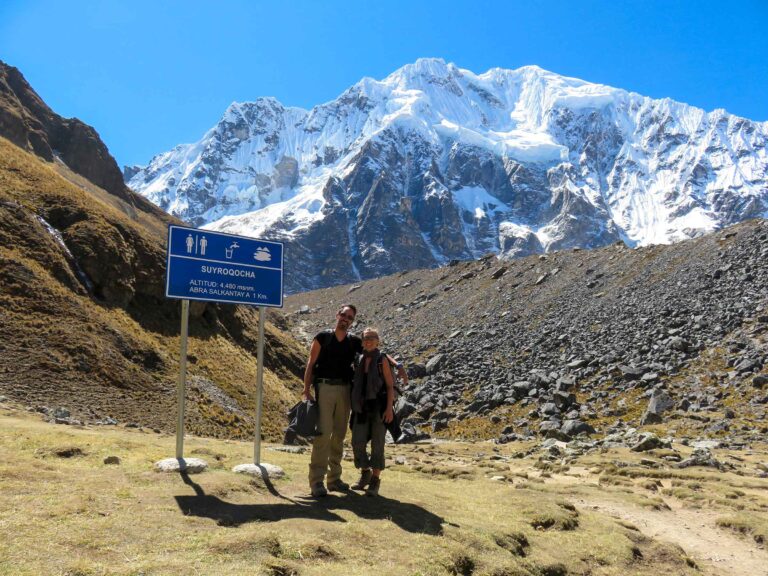
The highlight and challenge of the trek is the ascent to the Salkantay Pass. As you climb to 15,200 feet (4,650 meters), the environment shifts dramatically. The air thins, making each step more deliberate. The pass is often enveloped in a mystical cloud cover, adding to the sense of adventure. It’s a place where the elements of nature command respect, and the views of the Salkantay Mountain are both humbling and breathtaking.
After conquering the pass, the trek descends into the lush cloud forests. This part of the journey is a stark contrast to the barren highlands. The trail meanders through verdant landscapes, with orchids and bromeliads adding splashes of color. The warmth returns, and the anticipation builds as Machu Picchu draws nearer, culminating in a rewarding finale at the ancient site.

The trek takes you through diverse altitudes and environments. Starting at around 9,000 feet (2,750 meters) in Mollepata, you will climb to the highest point at the Salkantay Pass, which is about 15,200 feet (4,650 meters) above sea level. Here, the air is thin, and the landscape is dominated by the towering Salkantay Mountain, which stands at 20,574 feet (6,271 meters).
Altitude can significantly impact hikers, both physically and mentally. At higher altitudes, the decrease in oxygen levels can lead to altitude sickness if not adequately prepared. Symptoms can range from mild headaches to more severe effects like dizziness and nausea. It’s crucial to ascend slowly, allowing your body time to acclimate, and to recognize the signs of altitude sickness early.
The Salkantay Trek exposes hikers to a range of weather conditions. The Salkantay Pass can be brutally cold and windy, so dress in layers to stay warm. Conversely, the cloud forest is humid and lush, necessitating lightweight, breathable gear. Being prepared for rapid weather changes is essential; a sunny morning can quickly turn into a chilly, rain-soaked afternoon.
The varied climates along the trek support a rich diversity of flora and fauna. In the lower regions, the cloud forest is teeming with life, from vibrant bird species to elusive mammals. As you ascend, the vegetation becomes sparse, but the hardy plants and lichens at higher altitudes have their unique appeal. Understanding the biodiversity adds another layer of appreciation to the trek.
The Salkantay Trek is known for its stunning natural beauty and the sense of adventure it inspires. Here are some reasons why it’s a must-do for hiking enthusiasts:
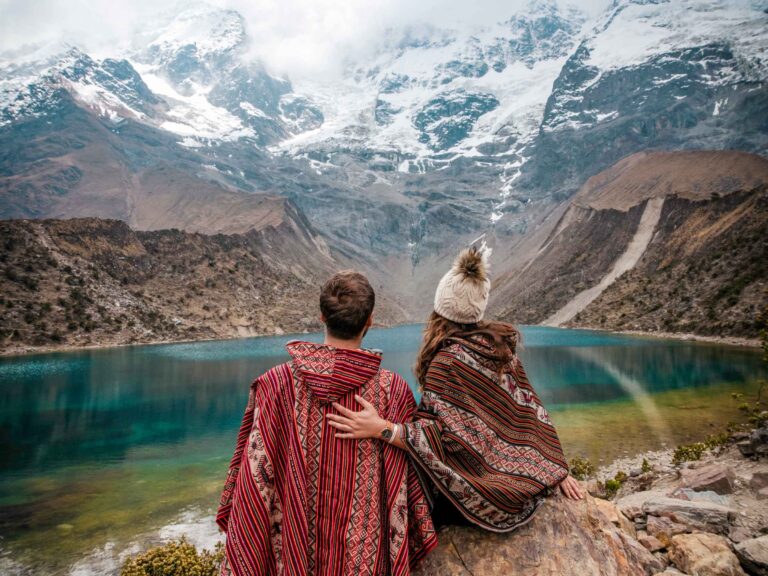
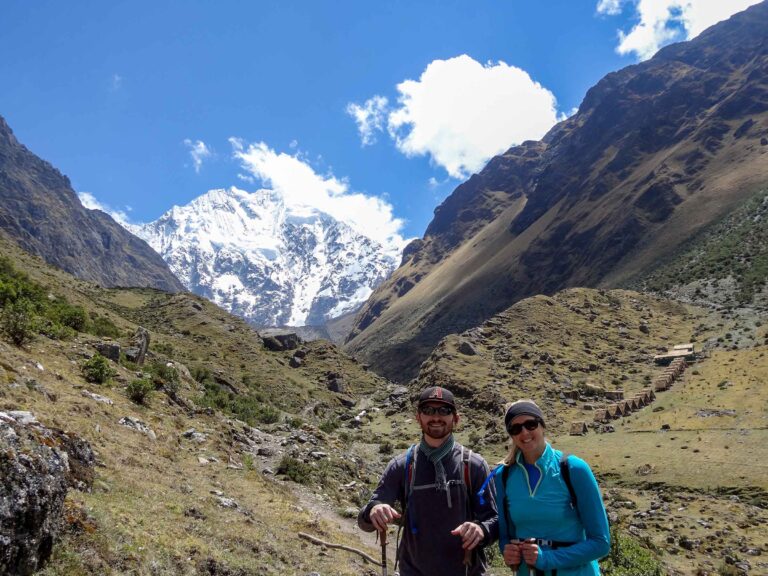
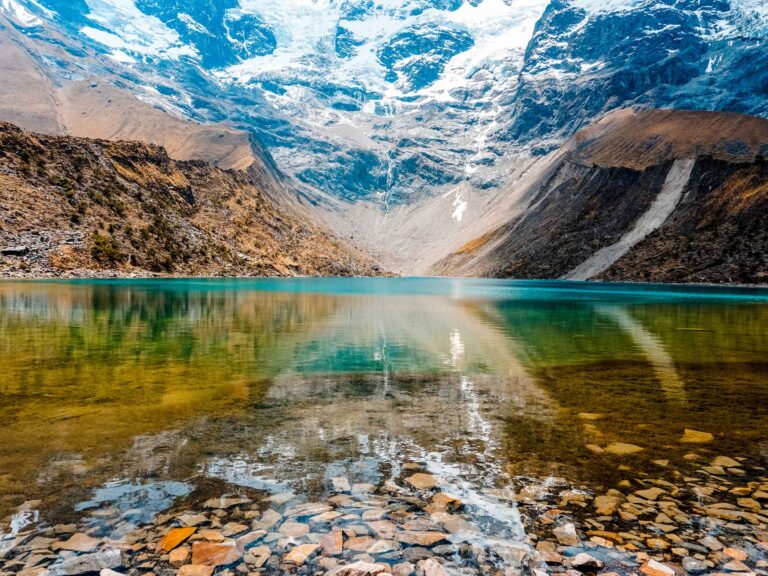
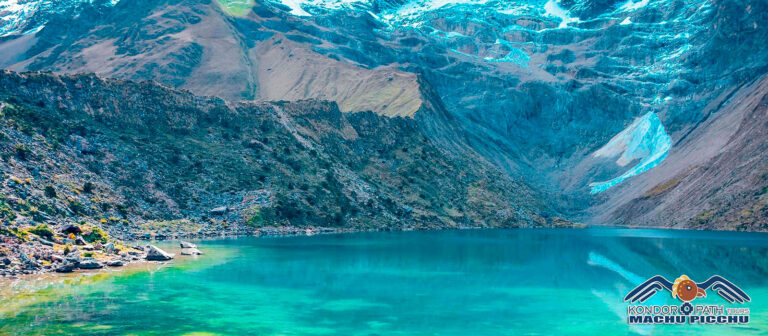
One of the main attractions of the Salkantay Trek is the incredible mountain landscapes. The trek offers panoramic views of snow-capped peaks, tranquil lakes, and verdant valleys. The sight of Salkantay Mountain is unforgettable, especially when seen against a clear blue sky.
The trek is a visual journey through diverse ecosystems. From the arid highlands to the lush cloud forests, every day offers new scenery to explore. The contrast between rugged mountains and serene valleys offers a unique and varied hiking experience, keeping trekkers captivated from start to finish.
While the Inca Trail is the most famous route to Machu Picchu, the Salkantay Trek offers a different experience. It is less crowded, providing a more peaceful and intimate journey. Unlike the Inca Trail, which requires a special permit and books up months in advance, the Salkantay Trek is more accessible.
The Salkantay Trek is more than just a hike; it’s a personal challenge that tests endurance and resilience. The journey demands physical strength and mental fortitude, rewarding hikers with a profound sense of achievement. Each step taken on this less-traveled path is a testament to a spirit of adventure and discovery.
The Salkantay Trek is not just about natural beauty; it also offers a glimpse into the rich cultural life of the Andean communities. As you hike, you’ll encounter local Quechua-speaking people who have lived in harmony with the land for centuries.
Hikers can visit small villages and interact with locals, learning about their traditions and way of life. Many trekkers find this cultural exchange to be one of the highlights of the journey. You may even have the chance to try traditional foods, such as quinoa soup and coca tea, which are staples in the Andean diet.
The Quechua language and traditions are integral to the cultural experience along the Salkantay Trek. Engaging with the locals offers insight into their enduring connection with the land. These interactions provide a deeper appreciation of cultural heritage and a sense of continuity with ancient practices passed down through generations.
As you pass through villages, opportunities to observe local craftsmanship arise. Many Andean communities are known for their intricate textiles and handwoven goods. Purchasing these handicrafts not only supports the local economy but also provides a tangible memento of the cultural richness encountered on the trek.
The trek also passes by several ancient Inca sites, offering a glimpse into the history and architecture of this remarkable civilization. These sites offer a deeper understanding of the region’s cultural significance and its historical connection to Machu Picchu.
The ancient ruins scattered along the trek are remnants of the once-great Inca civilization. These sites offer valuable insights into the architectural prowess and societal structure of the Incas. Visiting these ruins allows hikers to connect with the past, walking in the footsteps of a civilization that has shaped the region’s history.
The Inca sites are not only historically significant but also architectural marvels. The precision and ingenuity of Inca stonework, evident in the terraced hillsides and fortifications, are awe-inspiring. Understanding the engineering techniques employed centuries ago adds an extra dimension to the trek, highlighting the sophistication of Inca society.
If you’re planning to take on the Salkantay Trek, preparation is key. Here are some tips to ensure a successful and enjoyable trek:
The Salkantay Trek is challenging, and it’s important to be in good physical condition. Regular exercise, including hiking and cardiovascular workouts, will help you build the stamina needed for the trek. Acclimatization to the altitude is also crucial, so consider spending a few days in Cusco before starting the trek.
To prepare physically for the Salkantay Trek, incorporating a variety of exercises is beneficial. Cardiovascular workouts, such as running or cycling, increase stamina, while strength training builds the muscle endurance needed for steep climbs. Including hikes with similar elevation gains in your training regimen can also simulate trek conditions, helping your body adapt.
Spending a few days in Cusco before the trek allows your body to adjust to the higher altitude, reducing the risk of altitude sickness. Engaging in light activities and staying hydrated during this period can further aid acclimatization. Recognizing the symptoms of altitude sickness early and taking appropriate measures, such as descending if necessary, is crucial for safety.
Pack wisely for the trek, keeping in mind the varying climates. Essential items include a good-quality sleeping bag, sturdy hiking boots, waterproof clothing, and layers for warmth. Don’t forget sun protection, a hat, and a reusable water bottle.
Selecting the right gear is vital for a comfortable trek. A durable backpack with adequate capacity ensures you can carry essentials without strain. Prioritize waterproof and windproof clothing to cope with the unpredictable weather. High-quality hiking boots that provide ankle support and grip on varied terrain are indispensable for safe, comfortable hiking.
Proper nutrition and hydration are critical to maintaining energy levels during the trek. Pack high-energy snacks, such as nuts and dried fruits, for quick boosts. Staying hydrated is equally important, so carry a reusable water bottle and consider water purification tablets to ensure access to safe drinking water throughout the trek.
While it’s possible to trek independently, many hikers opt for a guided tour. Guided tours provide support, including meals, accommodation, and knowledgeable guides who can enhance your experience with insights into the environment and culture.
Opting for a guided tour offers several advantages. Experienced guides provide valuable insights into the region’s history and ecology, enriching your trekking experience. They also handle logistics, including accommodations and meals, so you can focus entirely on the adventure. For those unfamiliar with the terrain, guided tours offer peace of mind and safety.
For seasoned hikers, trekking independently can be an appealing option. It allows for greater flexibility in terms of pace and schedule, enabling a more personalized experience. However, it requires careful planning, as you’ll be responsible for navigation and securing accommodations, demanding a higher level of self-sufficiency and preparedness.
The trek is named after the magnificent Salkantay Mountain, which stands at an impressive 6,271 meters (20,574 feet) and is one of the highest peaks in the Peruvian Andes. The mountain holds great spiritual significance for the local communities and is considered a guardian deity by the Incas. As hikers traverse the trail, the towering presence of Salkantay inspires and awes them.

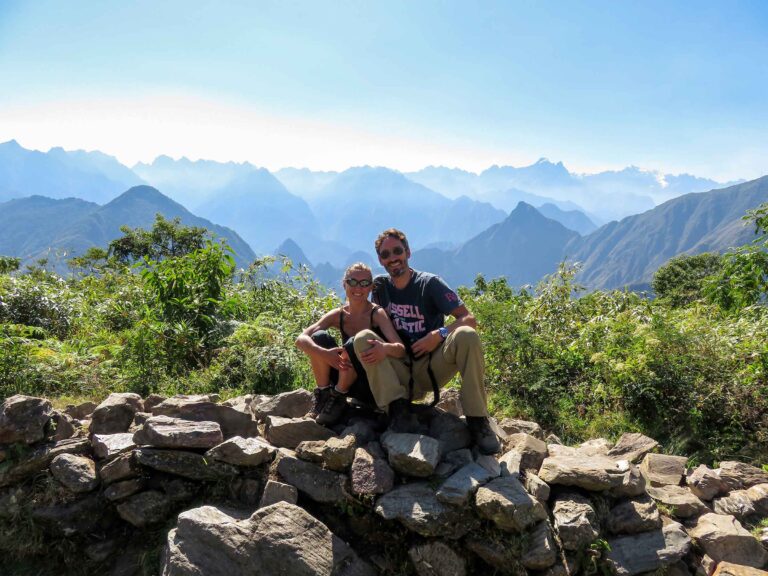
One of the most captivating aspects of the Salkantay Trek is its diverse landscapes. The journey begins in the high-altitude grasslands, where the air is crisp, and the views are endless. As the trail ascends, hikers encounter the stark beauty of the Salkantay Pass, with its sweeping vistas of snow-capped peaks and rugged terrain.
Descending from the Pass, the environment transforms into a lush cloud forest, teeming with exotic flora and fauna. The sound of rushing streams and the vibrant greenery create a tranquil atmosphere, starkly contrasting the earlier alpine landscapes. Further along, the trail meanders through coffee plantations and tropical fruit orchards, showcasing the region’s agricultural richness.

The Salkantay Trek is not just a journey through nature but also a voyage through history and culture. Along the way, hikers can interact with local Andean communities, gaining insights into their traditions and way of life. The trail is also dotted with ancient Inca ruins, offering a glimpse into the architectural prowess and spiritual depth of the Inca civilization.

salkantay inca trail 6 days
The ultimate highlight of the Salkantay Trek is the arrival at Machu Picchu, the iconic Inca citadel that has captivated travelers’ imaginations for centuries. The first sight of the ruins, perched high above the clouds, is a moment of pure magic and a fitting climax to an extraordinary journey.
The Salkantay Trek is truly a hiker’s dream come true. Its combination of breathtaking landscapes, cultural richness, and the thrill of adventure makes it a standout trekking experience. Whether you’re an experienced trekker or a passionate traveler looking for your next challenge, the Salkantay Trek promises an unforgettable journey to one of the world’s most iconic destinations: Machu Picchu. So lace up your boots, pack your bags, and get ready to embark on the adventure of a lifetime.
The Salkantay Trek is a hiker’s dream come true, offering an unparalleled blend of natural beauty, cultural richness, and historical significance. It’s a journey that challenges the body, stimulates the mind, and uplifts the spirit. For those seeking adventure and a deeper connection with the Andean world, the Salkantay Trek promises to leave an indelible mark on the soul.
Exploring the Wonders of Salkantay Trekking Peru The Salkantay Trek is a multi-day hiking route in Peru that…
Embarking on the Humantay Lake hike is a must-do for travelers seeking adventure in the heart of the…
Embarking on the Salkantay Trek is an adventure of a lifetime. This challenging route to Machu Picchu offers…
The Salkantay Trek Peru is a high-altitude alternative to the Inca Trail, known for its scenic landscapes, fewer…
What It’s Really Like to Hike the Andes: The Salkantay Trek Experience Imagine embarking on a journey through…
Nestled in the Andean mountains of Peru, Humantay Lake is a breathtaking natural wonder that attracts visitors from…
Humantay Lake Travel Guide from Cusco Planning your visit to Humantay Lake in Cusco, Peru, is essential to…
The Salkantay Trek to Machu Picchu is one of the most scenic and rewarding hikes in Peru. This…
Humantay Lake Peru High above the valleys of the Peruvian Andes, resting beneath towering snowcapped peaks, lies one…
Exploring the Salkantay Route to Machu Picchu If you’re seeking an adventure that combines breathtaking natural beauty with…
Exploring the Salkantay Trek Experience Embarking on the Salkantay Trek to Machu Picchu is an adventure that promises…
Exploring the Beauty of Humantay Lake Nestled in the majestic Andes of Peru, Humantay Lake is a sight…