Embarking on the 4 Day Inca Trail is more than just a trek; it’s an immersive journey through history, culture, and some of the most breathtaking landscapes on Earth. This iconic trail leads you to the majestic ruins of Machu Picchu, weaving through the Andean mountains and offering an experience that many describe as life-changing. In this article, we’ll dive deep into what the Inca Trail experience entails, exploring its physical and emotional challenges, the stunning nature that surrounds it, and the cultural significance embedded in every step.

The 4 Day Inca Trail Experience
The Inca Trail trek is often described as one of the most rewarding hiking experiences in the world. It spans approximately 26 miles and takes you through diverse terrains—from lush cloud forests to high-altitude mountain passes. Each day presents new challenges and awe-inspiring views, making every moment unique.
Embarking on the 4-day Inca Trail from Cusco to Machu Picchu is an adventure that combines breathtaking natural beauty, challenging trekking, and a deep dive into ancient history. This journey takes you along the path once traveled by the Incas, leading to the awe-inspiring citadel of Machu Picchu. Here’s what you can expect from this unforgettable experience.
The journey typically starts at Kilometer 82, where trekkers check in and begin their ascent into the Andes. The initial trail is gentle, allowing hikers to gradually acclimate to the altitude. As you progress, you’ll pass through small villages and ancient Inca sites, such as Patallacta, setting the stage for the historical wonders to come.
The first day introduces the trail’s diverse environment. Trekkers can feel the excitement building as they walk through the lush greenery, with the mountains looming in the distance. The air is filled with the sounds of nature, and the gentle rustle of the wind is a constant companion. This part of the trail sets the tone for what lies ahead: a blend of tranquility and anticipation.
As night falls, the campsites offer a chance to rest and reflect on the day’s journey. The shared experience of dining under the stars fosters a sense of community among trekkers. Many find the first night both humbling and exhilarating as they prepare for the challenges of the days to come.
Day two is often considered the most challenging, as it involves climbing to the trail’s highest point, Dead Woman’s Pass, at approximately 13,780 feet. The ascent is steep and demanding, testing your physical endurance and mental resilience. However, reaching the summit is incredibly rewarding, offering panoramic views of the mountains and valleys below.
The climb to Dead Woman’s Pass is an actual test of endurance, requiring a steady pace and determination. Trekkers often find themselves pushing their limits, both physically and mentally. The thin air at this altitude can make breathing difficult, adding another layer of challenge to the ascent.
Reaching the summit, however, is a moment of triumph. The expansive views from the top are breathtaking, providing a sense of perspective and accomplishment. Many trekkers take this moment to pause, soaking in the beauty of the Andean landscape and the enormity of their achievement.
The descent from Dead Woman’s Pass is equally challenging, requiring careful navigation of rocky terrain. Yet the journey down is filled with moments of reflection as trekkers reflect on their personal victories and prepare for the next leg of the adventure.
On the third day, the trail descends into a cloud forest, providing a welcome change of scenery. This portion of the trek is rich with history, featuring several well-preserved Inca ruins, including Runkurakay, Sayacmarca, and Phuyupatamarca. Each site offers insight into the lives of the Inca people and their engineering prowess.
The cloud forest is a mystical environment, shrouded in mist and filled with the sounds of hidden wildlife. The trail meanders through this lush landscape, revealing ancient ruins that tell the story of the Inca civilization. Each site visited is a step back in time, offering a glimpse into the daily lives and spiritual practices of the Inca.
Runkurakay, an ancient circular structure, is one of the first significant ruins encountered. Its strategic location suggests it was used as a lookout or a resting place for messengers. As trekkers explore its stone walls, they can’t help but marvel at the ingenuity and craftsmanship of the Inca builders.
Sayacmarca and Phuyupatamarca, with their intricate terraces and ceremonial sites, further illustrate the Inca’s advanced engineering skills. These ruins provide a tangible connection to the past, allowing trekkers to walk in the footsteps of an ancient civilization.
The final stretch of the trail is the most anticipated, leading you to the Sun Gate (Intipunku) at sunrise. As the first rays of light illuminate Machu Picchu, the sense of accomplishment and awe is indescribable. After capturing the iconic view, you’ll descend into the ancient city to explore its mysteries and marvel at its architectural brilliance.
The approach to the Sun Gate is filled with anticipation, as trekkers eagerly await their first glimpse of Machu Picchu. The path is lined with lush vegetation, and the air is tinged with anticipation. As the sun rises, the ancient city is bathed in golden light, creating a breathtaking tableau.
Standing at the Sun Gate, the view of Machu Picchu is nothing short of spectacular. The city appears almost ethereal, nestled among the Andes’ peaks. This moment is often described as life-changing, a culmination of the physical and emotional journey that began days earlier.
Exploring Machu Picchu itself is an unforgettable experience. The intricate stonework, the precision of the architecture, and the grandeur of the site leave a lasting impression. Trekkers find themselves immersed in the history and mystery of this ancient wonder, a fitting end to an incredible journey.

The Inca Trail is a nature lover’s paradise, offering diverse ecosystems and stunning landscapes at every turn. From the vibrant orchids and bromeliads of the cloud forest to the rugged, snow-capped peaks of the Andes, the trail is a testament to Peru’s natural beauty.
The trail is home to a wide variety of plant and animal species, some of which are endemic to the region. Trekking through the lush forests, you might encounter hummingbirds, spectacled bears, or even the elusive Andean condor. The vibrant flora, including orchids and ferns, adds a splash of color to the verdant landscape.
The cloud forests are particularly rich in biodiversity, with a wide array of plant species that thrive in their humid environments. Orchids, bromeliads, and ferns create a vibrant tapestry of color, while the towering trees provide shelter for a host of animal species. Birdwatchers will delight in the opportunity to spot numerous avian species, from the tiny hummingbird to the majestic Andean condor.
The higher altitudes offer a different kind of beauty, with rugged landscapes dominated by hardy shrubs and grasses. The snow-capped peaks of the Andes provide a stunning backdrop, their icy summits glistening in the sunlight. This stark contrast between lush forests and barren highlands is a testament to the diverse ecosystems along the trail.
The trail’s natural beauty is not only a feast for the eyes but also a reminder of the delicate balance of life in this remote region. Conservation efforts are crucial to preserving these ecosystems and the unique species that call them home.
While the Inca Trail is undeniably beautiful, it is not without its challenges. The combination of high altitude, steep ascents, and rugged terrain requires a good level of fitness and determination.
Preparing for the trek involves physical training to build stamina and strength. The high altitude can also pose a challenge, and it’s essential to acclimate properly to avoid altitude sickness. Despite these challenges, the trail is accessible to most with adequate preparation.
Training for the Inca Trail should begin several months in advance, focusing on cardiovascular fitness, strength, and endurance. Hikers are encouraged to incorporate activities such as running, cycling, or hiking into their routine to build the necessary stamina. Strength training is also beneficial, particularly for the legs and core, to handle the demands of the steep ascents and descents.
Altitude is a significant factor on the trail, with the risk of altitude sickness being a genuine concern. Acclimatization is key, and trekkers should plan to spend a few days at higher elevations before starting the trek. This helps the body adjust to the reduced oxygen levels and minimizes the risk of illness.
Despite the physical demands, many find the trail to be accessible with proper preparation. The sense of accomplishment from completing the trek is a powerful motivator, driving trekkers to push through the challenges and enjoy the journey.
The Inca Trail is as much an emotional journey as it is a physical one. The sense of camaraderie among fellow trekkers, the shared experiences, and the connection to a rich cultural history can be profoundly moving. Many find the trek transformative, offering a new perspective on life and a profound sense of achievement.
The shared experience of the trail fosters a strong sense of camaraderie among trekkers. As they navigate the challenges together, bonds are formed that often last long after the journey ends. The support and encouragement from fellow hikers can make all the difference in overcoming the toughest parts of the trek.
The connection to the rich cultural history of the Inca civilization adds another layer of depth to the journey. Walking in the footsteps of the Inca, experiencing the same landscapes they once traversed, creates a profound sense of connection to the past. This cultural immersion enriches the trek, making it a holistic experience that touches both the body and the soul.
For many, the Inca Trail is a transformative journey that offers a new perspective on life and personal growth. The challenges faced and overcome on the trail often translate into a renewed sense of confidence and a deeper appreciation for the beauty of the world.
The Inca Trail is steeped in history and culture, with each step bringing you closer to understanding the Inca civilization. The trail itself is a relic of the past, once used by the Inca to travel between Cusco and Machu Picchu.
Throughout the trek, you’ll encounter several Inca ruins, each with its own story. These archaeological sites provide a glimpse into the past and highlight the ingenuity of the Inca people. From the terraces of Wiñay Wayna to the ceremonial sites at Sayacmarca, these ruins are a testament to a once-great empire.
Each ruin along the trail tells a unique story of the Inca civilization. Wiñay Wayna, with its impressive agricultural terraces, showcases the advanced farming techniques developed by the Inca. This site is a testament to their ability to adapt and thrive in the challenging mountainous environment.
Sayacmarca, perched on a steep ridge, offers insight into the strategic importance of these ancient sites. Its location suggests it was used as a lookout or a refuge, providing protection and a vantage point over the surrounding valleys. Exploring its stone structures gives trekkers a sense of the Inca’s architectural prowess.
The ruins of Phuyupatamarca, known as “The City Above the Clouds,” are particularly enchanting. The site’s name is fitting, as it often appears to float in the mist. Its intricate network of water channels and ceremonial baths highlights the spiritual significance of water in Inca culture.
For many, the Inca Trail is a spiritual journey. The Andes are considered sacred by indigenous peoples, and the trail is believed to pass through a region of great energy. This spiritual aspect adds depth to the trek, making it a truly holistic experience.
The spiritual significance of the Andes is deeply ingrained in the culture of the indigenous people. The mountains, known as “Apus,” are revered as powerful deities, and the trail is seen as a pilgrimage connecting the physical and spiritual worlds. Trekkers often feel this energy, adding a profound dimension to their journey.
Rituals and offerings are a common practice along the trail, as trekkers seek blessings and protection from the mountain spirits. These acts of reverence create a sense of connection to the land and its history, fostering a deeper appreciation for the natural and spiritual world.
For many, the spiritual journey on the Inca Trail is a path to self-discovery. The challenges faced and the beauty encountered encourage introspection and personal growth. This spiritual aspect of the trek is often what makes the journey truly unforgettable.
The 4 Day Inca Trail is more than just a hike; it’s a journey through time, nature, and the human spirit. The combination of physical challenge, stunning landscapes, and cultural richness makes it a unique adventure that leaves a lasting impression.
Whether you’re drawn to the trail for its historical significance, its natural beauty, or the personal challenge it presents, the Inca Trail promises an unforgettable experience. As you stand at the Sun Gate, overlooking the ancient city of Machu Picchu, you’ll understand why this journey is often described as a once-in-a-lifetime opportunity.
The sense of achievement from completing the trail is profound, a testament to the physical and emotional journey undertaken. The memories created and the friendships formed along the way are cherished long after the trek ends. The Inca Trail is not just a destination; it’s a life-changing journey that enriches the mind, body, and spirit.
In conclusion, the 4 Day Inca Trail offers an unparalleled adventure filled with history, culture, and natural wonder. It’s a journey that challenges the body, enriches the mind, and uplifts the spirit, making it an essential experience for any avid traveler or history enthusiast.

salkantay trek 4 days


Capturing the Short Inca Trail Photos: Tips & Iconic Locations Embarking on the Short Inca Trail is a…

Machu Picchu, the iconic Lost City of the Incas, has captivated the imagination of travelers and historians alike…
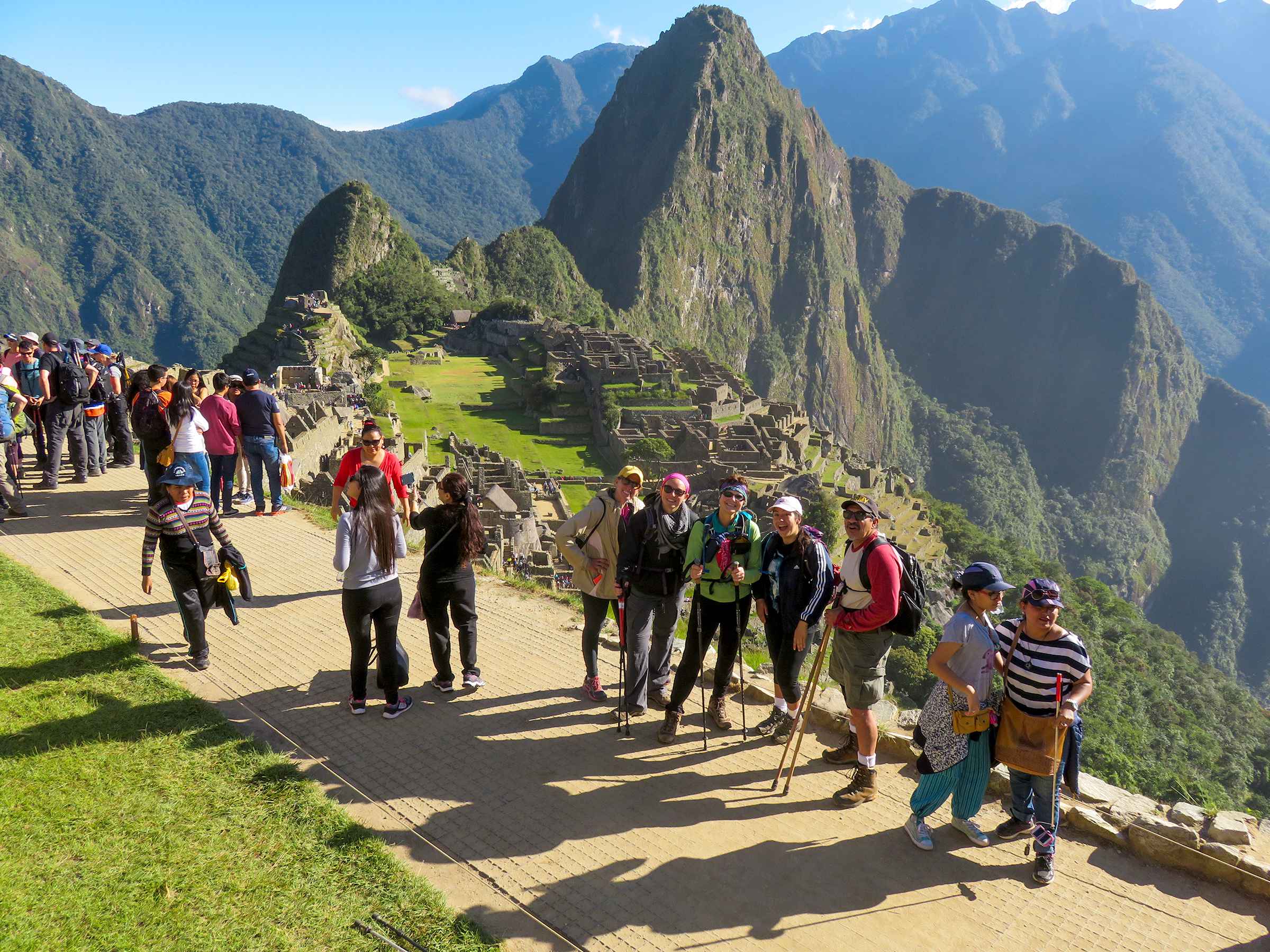
How to hike the Inca Trail 4 days to Machu Picchu Embarking on the Inca Trail hike is…
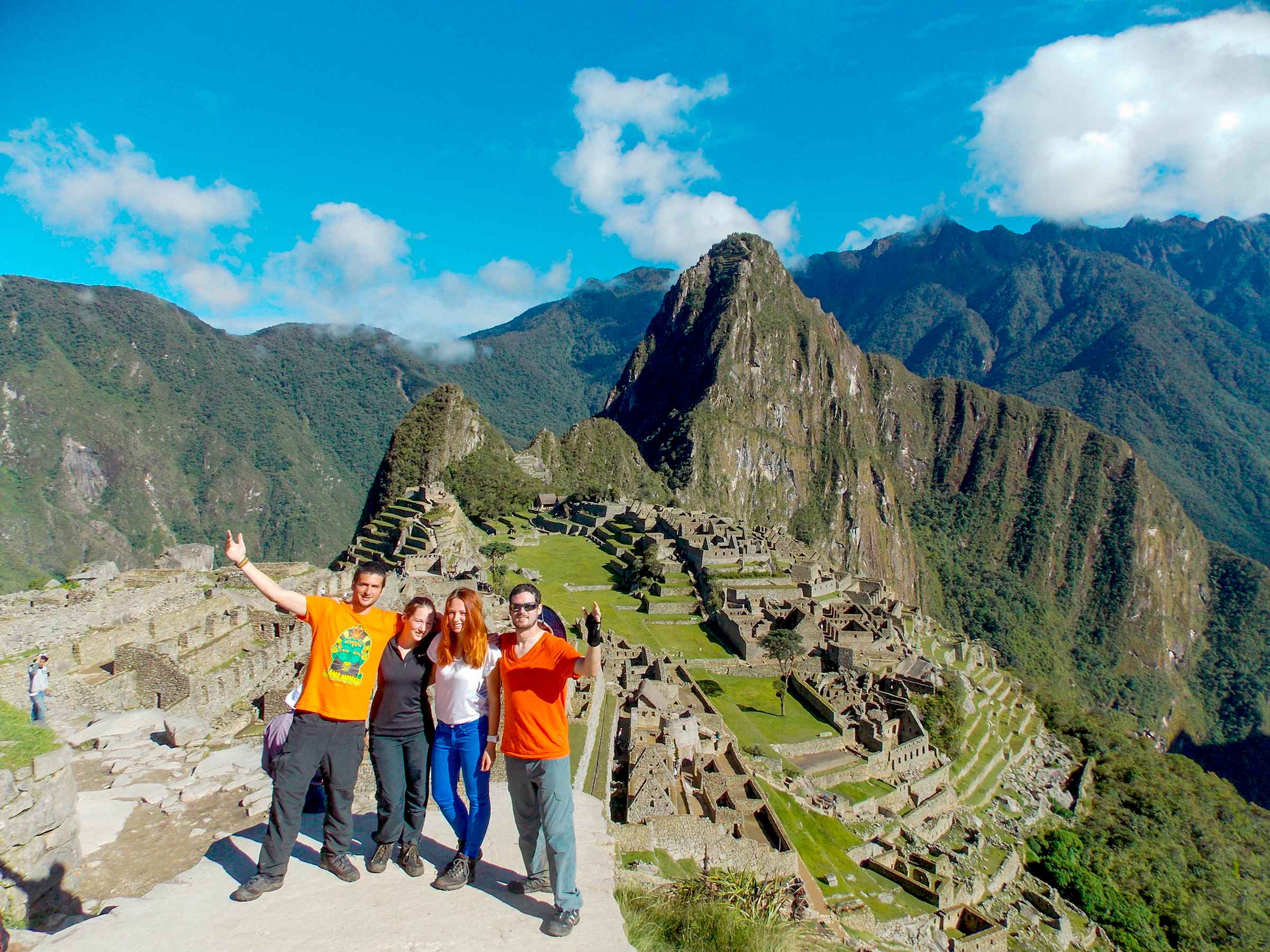
Many dream of embarking on the Inca Trail to Machu Picchu. This ancient trail, set in the stunning Andes…

How to Get to Machu Picchu Peru Machu Picchu is a dream destination for many travelers. Nestled in…

The Inca Jungle Trek offers an extraordinary journey that combines the thrill of adventure with the awe of…
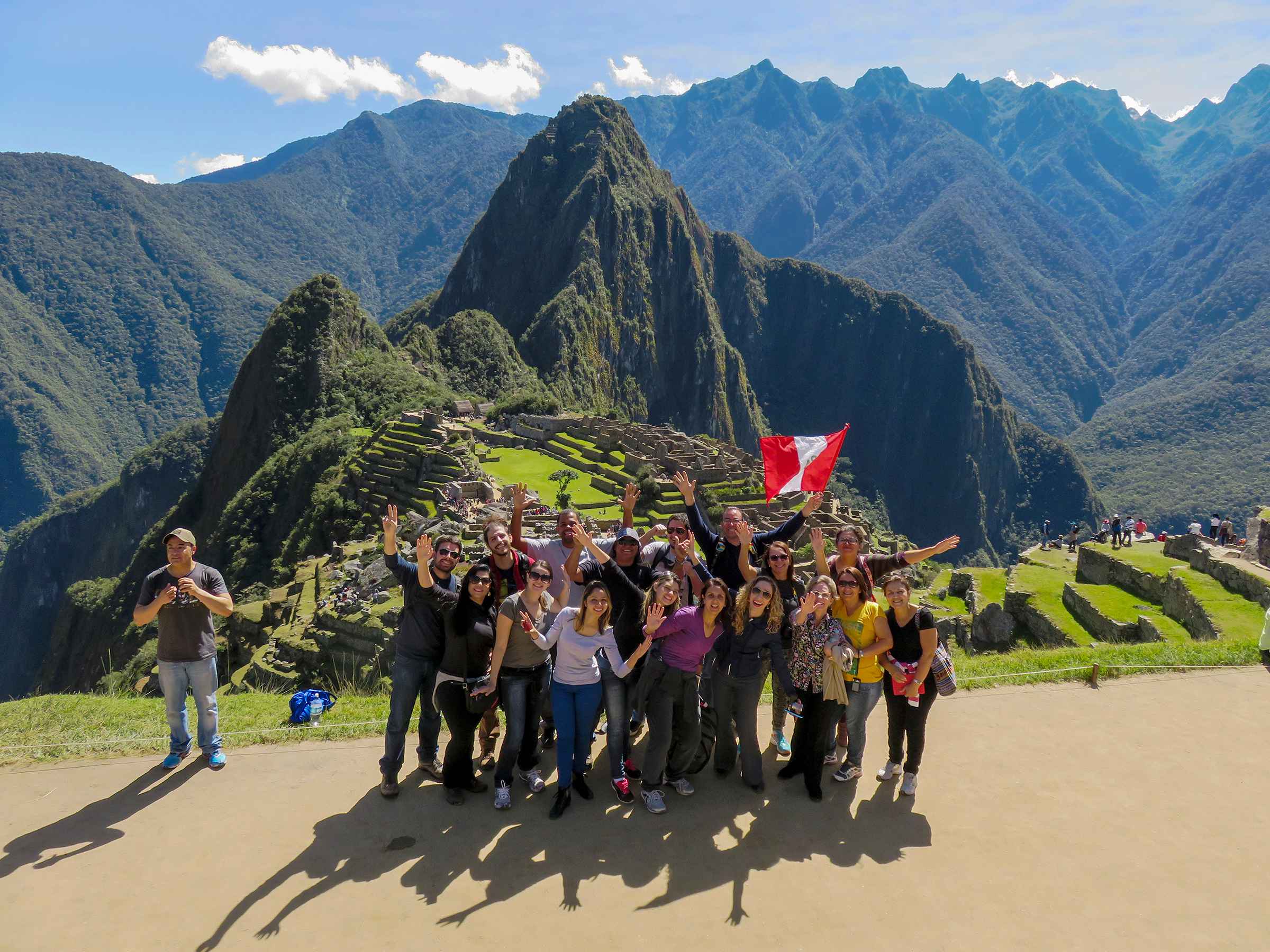
Understanding the Inca Trail Elevation Challenges The Inca Trail is one of the most famous trekking routes in…

Culinary Delights Along the Inca Trail Embarking on the Inca Trail is a journey through history and breathtaking…

Short Inca Trail vs Classic Inca Trail Choosing between the Short Inca Trail and the Classic Inca Trail…

Short Inca Trail Highlights The Short Inca Trail is a captivating journey through history and nature. This two-day…

Planning Your Inca Jungle Trek The Inca Jungle Trek is not your typical trek to Machu Picchu. Unlike…
The Short Inca Trail to Machu Picchu is a journey through history and a trek through stunning natural…