
Spiritual Tour In Machu Picchu

Spiritual Tour In Machu Picchu


Spiritual Tour in Machupicchu

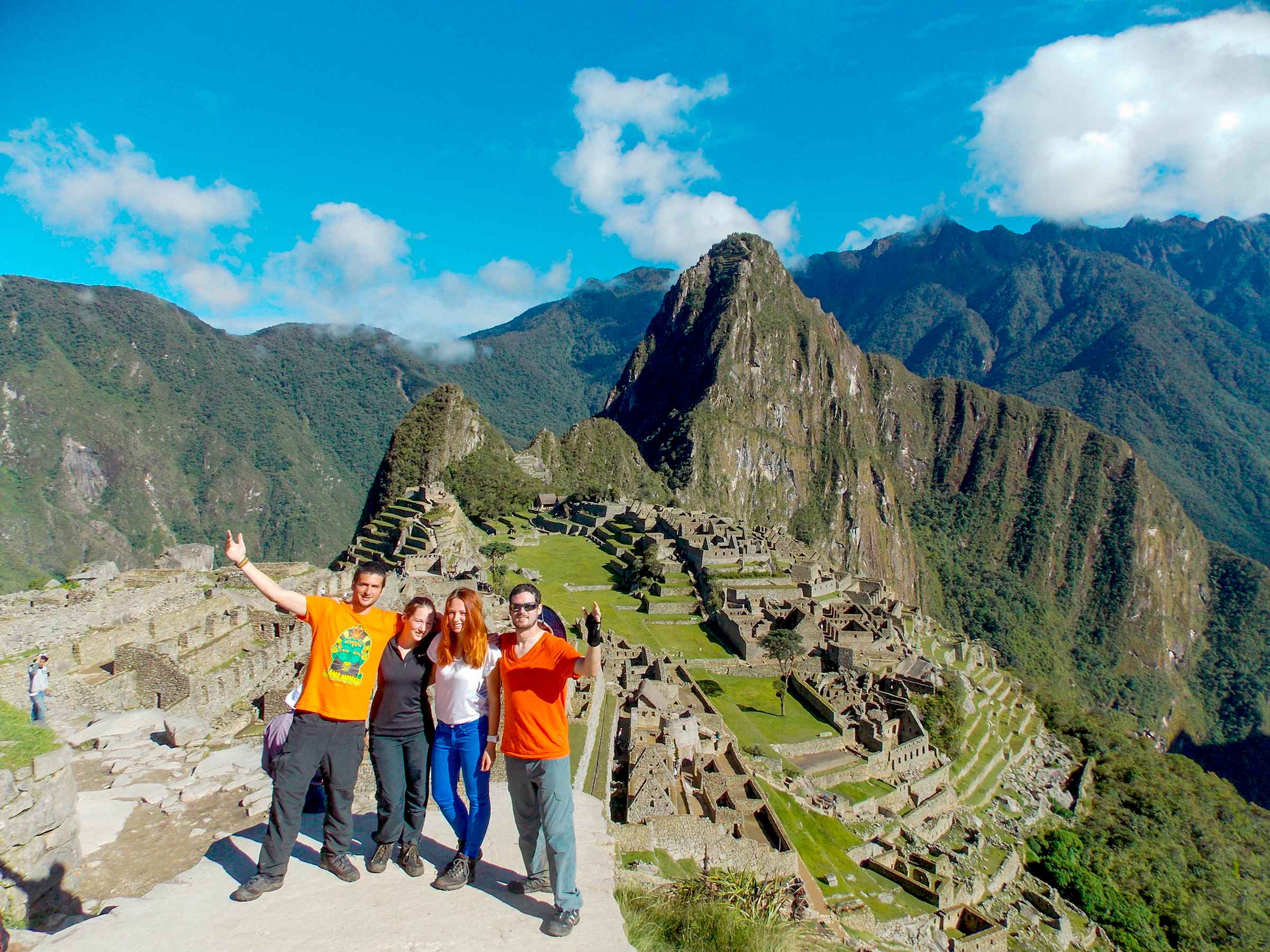
Machu Picchu, the iconic Inca citadel perched high in the Andes Mountains, is not just a marvel of ancient engineering; it is also a profound spiritual hub. For centuries, people have been drawn to this sacred site, seeking to connect with its ceremonial significance and the deep spirituality embedded in its stones. Join us on a spiritual tour of Machu Picchu to uncover the sacred symbolism and ritual spaces that define this majestic site.

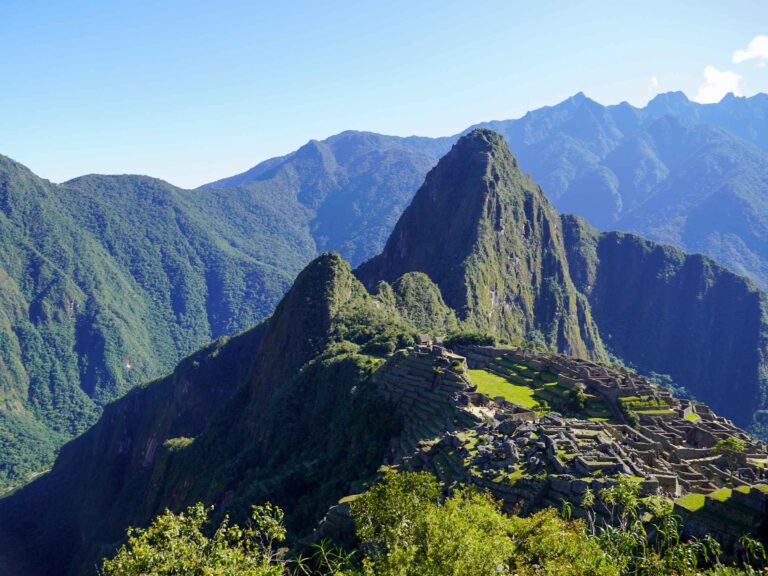
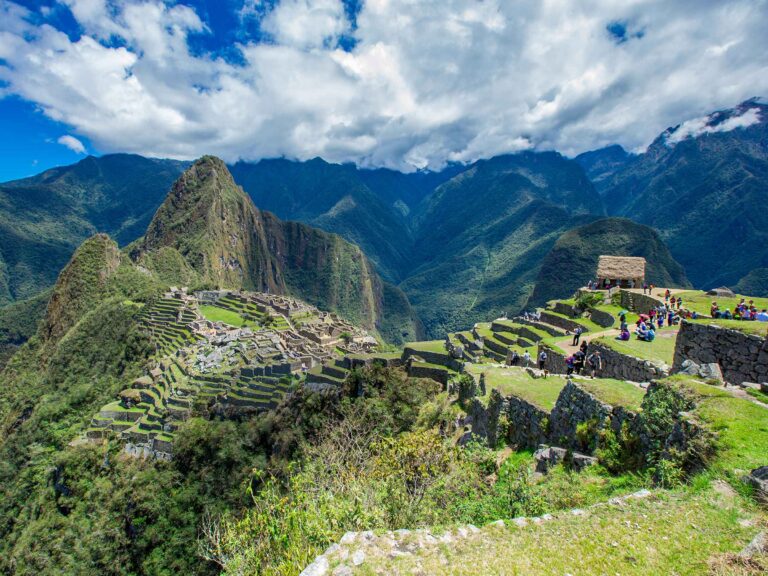
Machu Picchu is more than an archaeological wonder; it is a place of deep ceremonial importance. For the Incas, this site was a sacred city, a place where rituals were performed to honor their gods and connect with the spiritual world. The positioning of Machu Picchu, high above the Urubamba River, symbolizes a closer connection to the heavens.

A Spiritual and Cultural Experience

Rising above the misty Andes of Peru, Machu Picchu invites travelers to explore an ancient world where Inca engineering genius meets timeless spiritual wonder. To stand within Machu Picchu’s ancient walls is to step back into the heart of Inca history. Recognized by UNESCO as one of the world’s greatest cultural wonders, this sacred site reveals a civilization that worshiped nature and the cosmos. In this article, we’ll uncover the spiritual pulse of Machu Picchu and share how you can experience its magic on a truly unforgettable tour.

A Center for Incan Rituals

The Incas believed that natural landscapes were imbued with spiritual energy, and Machu Picchu was no exception. The entire site was designed with this in mind, reflecting the Incas’ understanding of sacred geography. The Sun Temple, Intihuatana stone, and the Room of the Three Windows are just a few of the structures that highlight the ceremonial importance of Machu Picchu.

Beyond its architectural marvels, Machu Picchu’s design elements reveal how the Incas integrated their spiritual beliefs into everyday life. The city was a living altar, where every stone was placed with purpose, often aligned with celestial events significant to their religious calendar. These sacred spaces were not merely static relics of the past but were dynamic centers of worship and contemplation.

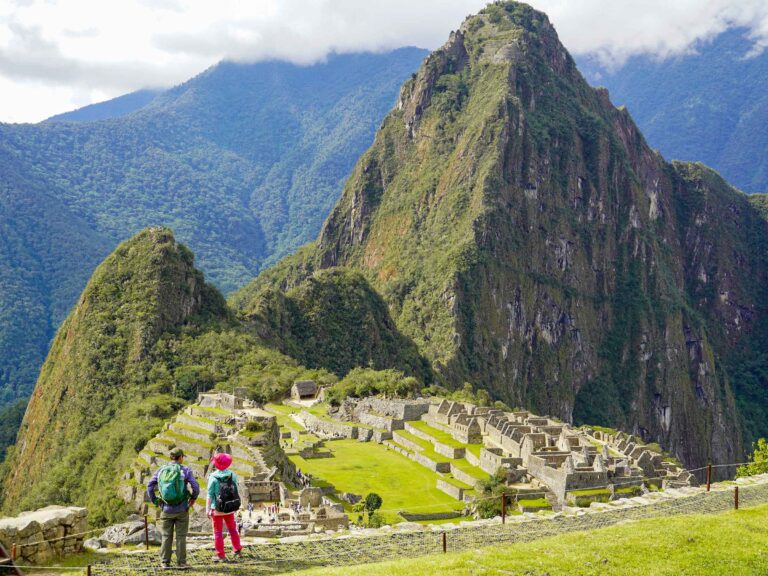
The location itself was chosen for its spiritual significance. The Incas were masters of interpreting the landscape, seeing the mountains as not just physical entities but as sacred guardians. This belief system created a powerful spiritual resonance that still vibrates through Machu Picchu today.

Spiritual Symbolism in Inca Architecture

The architecture of Machu Picchu is steeped in spiritual symbolism. The Incas incorporated their deep respect for nature into the very layout of the city. The trapezoidal shapes, the alignment with cardinal directions, and the integration with the surrounding landscape all reflect a spiritual purpose.

The trapezoidal doors and windows are a distinctive feature of Incan architecture, often interpreted as symbols of protection and stability. This shape was believed to resist earthquakes, showing the Incas’ advanced understanding of engineering, which they attributed to divine inspiration. Additionally, the use of local stones without mortar signifies a harmonious relationship with nature, suggesting that the Incas viewed their constructions as an extension of the earth itself.

Alignment with cardinal directions was another integral aspect of Incan architecture. Structures like the Sun Temple were strategically positioned to capture solar events such as solstices and equinoxes, turning the city into an astronomical observatory. This alignment also emphasized the Incas’ view of the universe as an interconnected web of cosmic forces, with Machu Picchu as a focal point of spiritual energy.

Intihuatana Stone: The Hitching Post of the Sun

One of the most significant spiritual symbols in Machu Picchu is the Intihuatana stone. Often referred to as the “hitching post of the sun,” this stone was used in ceremonies to connect with the solar deity, Inti. During the solstices, the sun’s position aligns perfectly with the stone, a testament to the Incas’ astronomical knowledge and their reverence for the sun.

The Intihuatana stone is more than just a relic; it is a testament to the Incas’ sophisticated understanding of astronomy and spirituality. The stone served as a calendar, guiding the agricultural cycles essential to Incan life. Its precise alignment with the sun during solstices and equinoxes reflects the Incas’ belief in the sun’s divine role in sustaining life.

The rituals performed at the Intihuatana stone were deeply symbolic, often involving offerings and prayers to ensure harmony between the people and the cosmos. This stone was a focal point of ceremonies that reinforced the Incas’ connection to the celestial realm, illustrating their profound respect for the sun as both a life-giver and a deity.

The Sacred Geography of the Andes

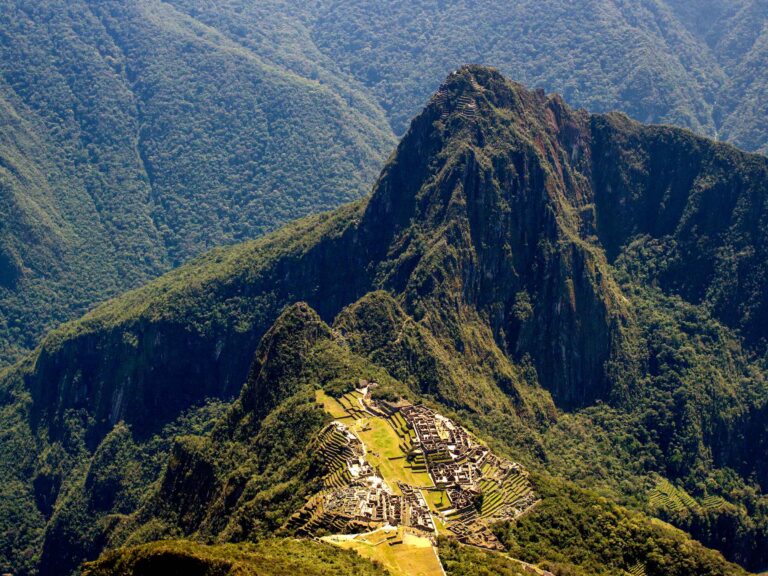
The Andes Mountains themselves hold a sacred place in Incan spirituality. The Incas believed these towering peaks were the abode of the gods, and Machu Picchu’s location within this sacred landscape only enhances its spiritual significance.

Sacred Landscape of Peru

The concept of “sacred landscape” is central to understanding Machu Picchu’s spiritual allure. The Incas saw the mountains, rivers, and valleys as living entities, each with its own spirit. This belief is evident in how Machu Picchu is nestled within the natural contours of the Andes, creating a harmonious blend between human and divine.

The sacred landscape of Peru is a testament to the Incas’ profound connection to the natural world. They perceived the land as a living, breathing entity, where every mountain and river played a role in their cosmology. Machu Picchu, with its seamless integration into this landscape, was seen as a microcosm of the universe, reflecting the balance and harmony the Incas sought in their spiritual and everyday lives.

The placement of Machu Picchu also symbolizes the Incan belief in the mountains as sacred protectors. These natural formations were considered apus, or spirits of the mountains, guardians of the people and channels of divine communication. By building Machu Picchu within this sacred geography, the Incas ensured a direct connection with these powerful spirits, reinforcing their cultural and spiritual identity.

Pachamama: Mother Earth

In Incan cosmology, Pachamama, or Mother Earth, was a vital deity. The Incas practiced rituals to honor her and ensure her favor. Machu Picchu, with its terraces and agricultural areas, was a place where the relationship with Pachamama was celebrated, demonstrating the Incas’ deep respect for the earth and its bounty.

Pachamama was more than just a deity; she was the very essence of life itself. The Incas’ relationship with Pachamama was one of reciprocity, where they offered rituals and ceremonies to express gratitude and seek her blessing for fertile lands and abundant harvests. Machu Picchu’s terraces are a physical manifestation of this relationship, designed not only for agriculture but as a tribute to the nurturing power of the earth.

The integration of agriculture into the spiritual fabric of Machu Picchu highlights the Incas’ belief in the interconnectedness of all things. Rituals performed in honor of Pachamama were not mere formalities but essential acts that sustained the delicate balance between humans and nature. This reverence for Pachamama continues to resonate with visitors, offering a profound lesson in environmental stewardship and respect for our planet.

The Celestial Connection

The Incas’ spiritual beliefs were deeply intertwined with celestial phenomena, seeing the heavens as a reflection of their earthly existence. Machu Picchu’s alignment with the stars and the sun was not accidental but a deliberate choice to create a sacred space that mirrored the cosmos.

The celestial connection at Machu Picchu is evident in its carefully designed architecture and layout. The Incas were adept astronomers, using the movement of stars to guide their agricultural practices and spiritual ceremonies. Structures like the Temple of the Sun were positioned to capture the first rays of dawn during solstices, symbolizing the renewal of life and the cyclical nature of the universe.

This cosmic alignment served as a spiritual compass for the Incas, guiding their rituals and reinforcing their belief in a universe in which the terrestrial and celestial realms were interconnected. Visitors to Machu Picchu today can still witness the breathtaking interplay of light and shadow that occurs during these celestial events, offering a glimpse into the profound spiritual vision of the Inca civilization.

Ritual Spaces of Machu Picchu

Sacred space at Machu Picchuby Merc (https://unsplash.com/@mercedesamyphotography)

Machu Picchu is a site filled with spaces designed for ritual and reflection. As you walk through these ancient paths, you can sense the spiritual energy that permeates the air.

The Sun Temple

The Sun Temple is one of the most important ritual spaces in Machu Picchu. This semicircular building was dedicated to Inti, the sun god, and its windows are strategically positioned to capture the sunlight during the solstices, illuminating the temple in a dazzling display of light and shadow.

The Sun Temple served as a sacred observatory where priests performed ceremonies to honor Inti, the sun god. This connection to the solar deity was central to Incan spirituality, as the sun was considered a direct ancestor of the Sapa Inca, the Incan ruler. The temple’s design, with its curved walls and precisely aligned windows, demonstrates the Incas’ sophisticated understanding of astronomy and their ability to harness natural light for spiritual purposes.

During solstices, the temple becomes a theater of light, where the sun’s rays create a mystical interplay of light and shadow, symbolizing the eternal dance between day and night. This phenomenon was not only a spiritual spectacle but a cosmic affirmation of the Incas’ place within the universe, reinforcing their belief in the cyclical nature of time and existence.

The Room of the Three Windows

The Room of the Three Windows is another significant space within Machu Picchu. The three trapezoidal windows are said to represent the three realms of Incan belief: the underworld, the earthly world, and the celestial realm. This room was likely used for ceremonies that connected these three spiritual planes.

The Room of the Three Windows is a testament to the Incas’ intricate belief system, where the world was divided into three realms: Uku Pacha (the underworld), Kay Pacha (the earthly world), and Hanan Pacha (the celestial realm). Each window serves as a portal to these realms, facilitating spiritual communication and transformation.

Ceremonies in this room would have involved offerings and rituals that honored the spirits of all three realms, seeking balance and harmony across the cosmos. The presence of these windows in such a prominent position underscores the Incas’ understanding of their role in a larger cosmic order, in which the spiritual and physical worlds were inextricably linked.

The Royal Tomb

Beneath the Sun Temple lies the Royal Tomb, a site believed to be used for ancestral worship and burial rituals. The stonework here is intricate, and the presence of niches suggests offerings were made to honor the deceased and seek their guidance.

The Royal Tomb is a sacred space dedicated to honoring the ancestors, reflecting the Incas’ deep reverence for those who came before them. Ancestral worship was central to Incan spirituality, as the spirits of the deceased were believed to continue influencing the living world. The tomb’s intricate stonework and the presence of niches for offerings indicate the importance of maintaining a spiritual connection with the ancestors.

Rituals performed in the Royal Tomb were not merely acts of remembrance but were believed to ensure the continued guidance and protection of the ancestors. This spiritual practice reinforced the Incas’ belief in the cyclical nature of life and death, where the living and the dead were part of an ongoing spiritual journey. Visitors today can reflect on these ancient practices and gain insight into the Incas’ profound understanding of life, death, and the afterlife.

Experiencing a Spiritual Tour

Visiting Machu Picchu is more than a historical exploration; it is an opportunity to engage with its spiritual essence. Many tours now offer a spiritual focus, allowing visitors to participate in traditional ceremonies, meditate in sacred spaces, and learn about the spiritual symbolism embedded in the site.

Meditation and Reflection

A spiritual tour of Machu Picchu encourages moments of meditation and reflection. The serene environment and breathtaking views make it an ideal place to connect with oneself and the universe. Whether you choose to meditate at the Sun Gate or reflect by the terraces, the tranquility of Machu Picchu offers a unique spiritual experience.

Meditation at Machu Picchu allows visitors to tap into the site’s spiritual energy, fostering a sense of inner peace and enlightenment. The tranquil surroundings, combined with the awe-inspiring vistas of the Andes, create an atmosphere conducive to deep contemplation and self-discovery. This meditative practice not only enhances one’s connection to the site but also offers a moment to pause and appreciate the interconnectedness of all things.

Reflection is an integral part of the spiritual journey at Machu Picchu. As you walk through the ancient paths and sacred spaces, take time to ponder the wisdom and spirituality that guided the Incas. This reflection can lead to a deeper understanding of the Incan worldview and a greater appreciation for the natural beauty and spiritual significance of this remarkable site.

Participating in Traditional Ceremonies

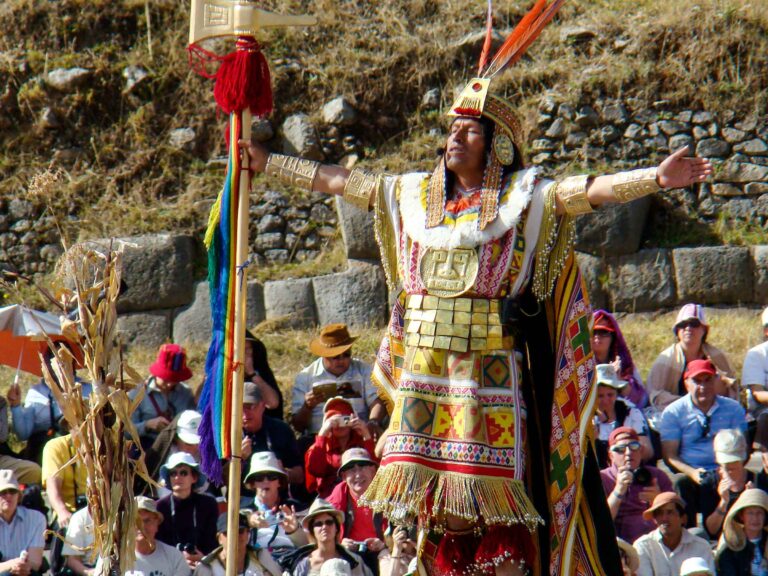
Many visitors can participate in traditional Andean ceremonies led by local shamans. These ceremonies often include offerings to Pachamama, blessings for safe travel, and rituals to connect with the land’s spiritual energy. Participating in these ceremonies provides a deeper understanding of the Incan worldview and its connection to the sacred.

Participating in traditional ceremonies at Machu Picchu offers a unique and immersive cultural experience. Led by local shamans, these rituals are a living testament to the enduring spiritual traditions of the Andes. Offerings to Pachamama, the earth mother, are central to these ceremonies, expressing gratitude and seeking her blessings for prosperity and protection.

These ceremonies are deeply symbolic, incorporating elements of music, chanting, and the use of sacred objects. By participating, visitors gain a firsthand understanding of the Incan belief system and its emphasis on harmony with nature. This experience fosters a deeper connection to the land and its spiritual heritage, leaving a lasting impression on those who partake.

Spiritual Workshops and Retreats

In addition to traditional tours, many visitors opt for spiritual workshops and retreats offered at Machu Picchu. These experiences provide an in-depth exploration of Incan spirituality, focusing on practices such as yoga, meditation, and energy healing. Workshops are often led by experienced practitioners who guide participants through various techniques to enhance their spiritual connection to the site and themselves.

These retreats offer a holistic approach to spirituality, incorporating elements of mindfulness, self-discovery, and personal growth. Participants engage in activities that foster a deeper connection to the site’s energy and their spiritual journey. This immersive experience provides a unique opportunity to explore the spiritual dimensions of Machu Picchu, leaving participants with a renewed sense of purpose and a deeper understanding of their place within the universe.

The Spiritual Essence of Machu Picchu

Hidden in the heart of the Andes, Machu Picchu radiates a profound spiritual energy that once guided the Inca civilization. Its temples and terraces were aligned with the sun, stars, and sacred peaks, serving as a powerful portal between humanity and the cosmos. For the Incas, this was far more than a city—it was a holy sanctuary for honoring nature and the divine.

Spiritual Tour in Machupicchu

Spiritual Tour in Machupicchu

Temples and Ritual Monuments of Machu Picchu

Among Machu Picchu’s most sacred sites is the Temple of the Sun, where priests performed ceremonies to honor Inti, the life-giving deity of the Inca Empire. The enigmatic Intihuatana Stone was carefully carved to track solar movements and mark seasonal changes—serving both as an astronomical tool and a spiritual anchor. The Room of the Three Windows offers another layer of symbolism, reflecting the Incan belief in three interconnected worlds: the sky above, the earthly realm, and the underworld below. Each structure demonstrates how spirituality and astronomy are intertwined in the Incan worldview.

Discovering the Inca Legacy

The splendor of Machu Picchu reflects the brilliance of the Inca Empire at its height. The site’s masterful stone architecture, intricate irrigation systems, and carefully planned terraces reveal not only engineering genius but also a deep bond with nature. The Incas designed every structure to coexist with the mountains, embodying a culture that valued precision, purpose, and balance with the natural world.

Incan Architectural Wonders

The Royal Sector of Machu Picchu reflects the height of Incan craftsmanship—its temples, palaces, and finely cut stones reveal the artistry once reserved for the empire’s elite. Meanwhile, the Agricultural Terraces display remarkable innovation, turning rugged mountainsides into fertile farmland. Their clever drainage and irrigation systems allowed crops to thrive where none should grow.

Plan Your Visit to Machu Picchu
From royal residences to ancient farmlands, each corner of Machu Picchu tells a story of brilliance and balance. When preparing your visit, consider guided tours that illuminate both the architectural achievements and the spiritual essence of this UNESCO World Heritage site.

sacred valley short inca trail 3 day

sacred valley short inca trail 3 day

How to Choose Your Perfect Tour of Machu Picchu

Every traveler experiences Machu Picchu differently. Some seek its mystical and spiritual side, others are fascinated by Incan archaeology or the stunning mountain views. Look for tours that align with your passions—many options blend cultural insights, scenic exploration, and moments of quiet reflection. Selecting the right tour helps you uncover the essence of this sacred site in a way that feels authentic to you.

4-day accessible peru tours

4-day accessible peru tours

Conclusion

Machu Picchu is not just an ancient ruin; it is a living testament to the spiritual richness of the Incan civilization. Its ceremonial importance, spiritual symbolism, and sacred geography make it a powerful place for reflection and connection. Whether you are drawn to its historical significance or its spiritual energy, a visit to Machu Picchu is a journey into the heart of the Andes and the soul of the Inca Empire.

Embark on a spiritual tour of Machu Picchu and discover the sacred landscape that continues to inspire and captivate the hearts of all who visit. This journey offers a unique opportunity to explore the spiritual dimensions of a site that has fascinated and inspired people for centuries, providing insights into the profound wisdom and spirituality of the Inca civilization.

Exploring Machu Picchu is like traveling through time and spirit. Each stone pathway, temple, and terrace whispers stories of the Inca people—their faith, artistry, and connection to nature. As mist drifts through the mountains, visitors feel the sacred pulse of this extraordinary place. From its panoramic beauty to its deep spiritual resonance, Machu Picchu is more than a destination—it’s an experience that transforms how you see the world.

Inquire Now

Contact form footer
Need help? Speak with us