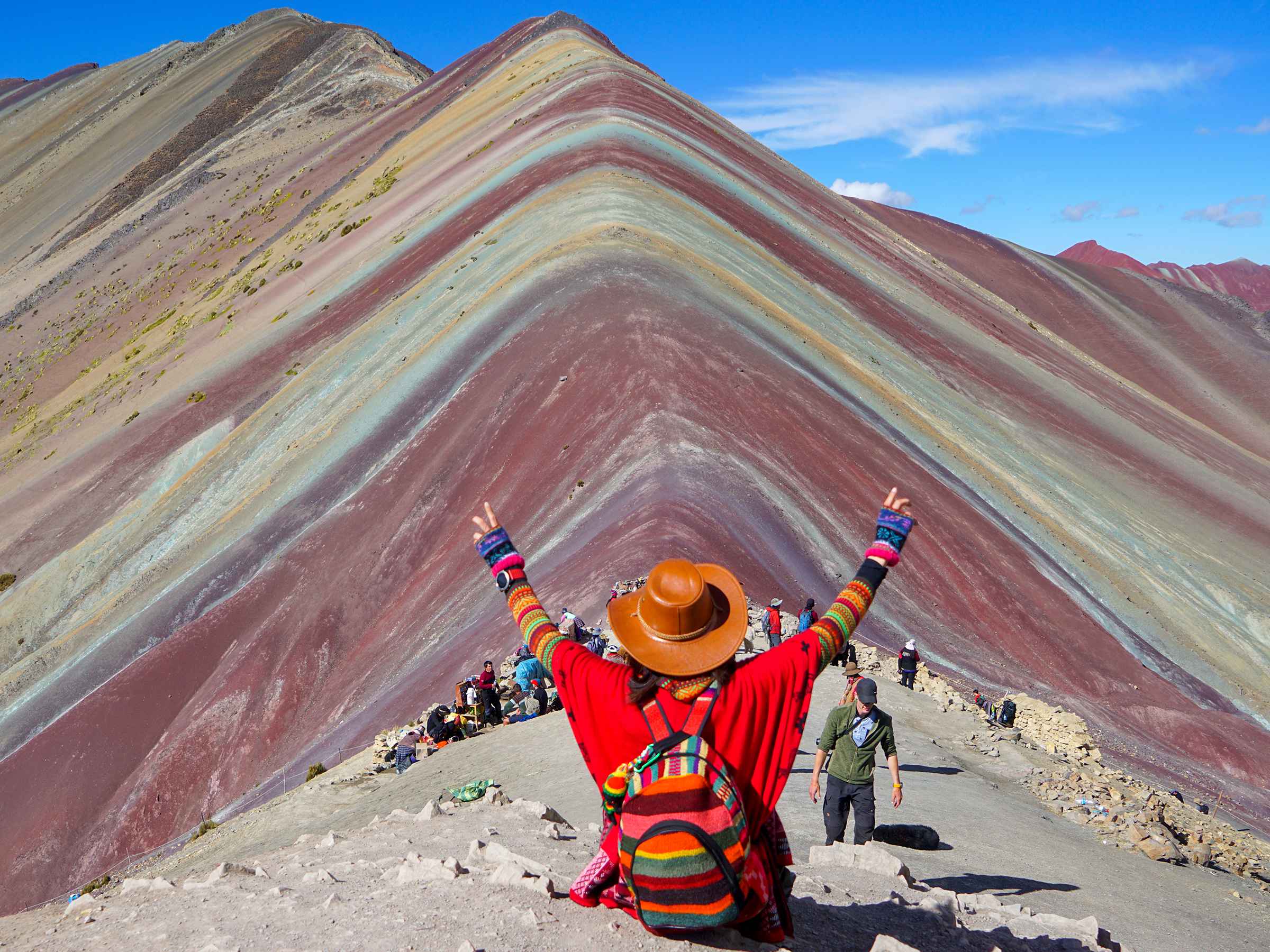
Rainbow Mountain, locally known as Vinicunca, is a breathtaking natural wonder in the Andes of Peru. This vibrant mountain draws adventurers and nature enthusiasts from around the world, offering an unforgettable experience of colorful landscapes and awe-inspiring views. In this article, we will delve into the fascinating aspects of Rainbow Mountain’s location, how to get there from Cusco, and compare the different Rainbow Mountain sites, such as Vinicunca and Palcoyo.

Map of Rainbow Mountain Location in Peru
Rainbow Mountain is situated in the Cusco region of Peru, approximately 100 kilometers southeast of the city of Cusco. Nestled in the Andes, this stunning location is part of the Vilcanota mountain range, which is renowned for its rugged peaks and scenic beauty. The mountain itself stands at an altitude of around 5,200 meters (17,060 feet) above sea level, making it a challenging yet rewarding trek for visitors.
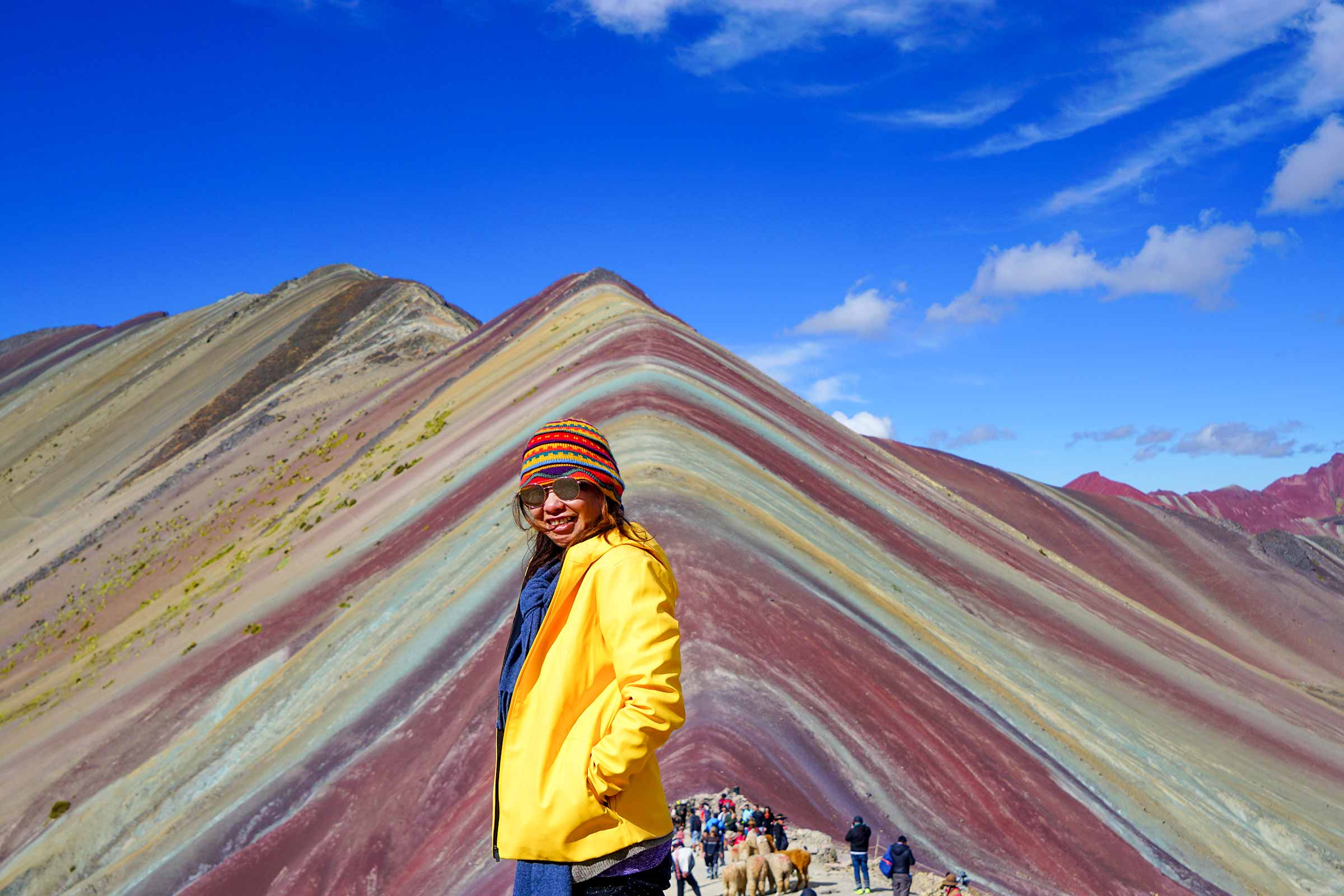
The geographical setting of Rainbow Mountain is a key factor in its allure. Positioned within the Andean mountains, the mountain’s colorful striations are the result of mineral deposits that have been exposed over time by geological activity. The vibrant hues of red, yellow, green, and blue create a surreal landscape that seems almost otherworldly.
The formation of Rainbow Mountain is a story millions of years in the making. It involves a complex layering of sediments, each with different mineral compositions. Over time, these layers were tilted and exposed by tectonic movements. The vibrant colors that we see today are due to the oxidation of these minerals, creating a natural palette that fascinates geologists and artists alike.
The climate around Rainbow Mountain is typical of high-altitude environments. It is characterized by cold temperatures, particularly at night, and a marked contrast between wet and dry seasons. Understanding these weather patterns is crucial for planning a visit, as they influence both the trail conditions and the visibility of the mountain’s colors.
The Andes host a rich array of biodiversity, and Rainbow Mountain is no exception. The surrounding area is home to unique flora and fauna adapted to the high-altitude environment. Visitors may encounter llamas, alpacas, and a variety of bird species during their trek. The presence of these animals adds to the region’s natural appeal.
For those planning a visit, it’s essential to know how far Rainbow Mountain is from Cusco. The distance is approximately 100 kilometers, and the journey by car usually takes about 3 hours. Most travelers opt for organized tours that depart from Cusco early in the morning, allowing them to reach the mountain in time for a day hike.
Visitors can choose from various travel options, including guided tours or private transportation. Tours typically include transportation, meals, and a knowledgeable guide to enhance the experience. Some tours even offer horseback riding for those who prefer not to tackle the challenging hike on foot. Regardless of the chosen method, the journey to Rainbow Mountain offers stunning views of the Peruvian countryside and traditional villages along the way.
Many travelers choose organized tours for the convenience and insights they provide. These tours often include a knowledgeable guide who can share fascinating details about the local culture and the geological history of Rainbow Mountain. The tours are usually well-structured, ensuring that participants can experience the mountain safely and with minimal stress.
For those who prefer a more personalized experience, hiring private transportation is an excellent option. This choice offers greater flexibility in departure times and stops along the way. Private transportation can be more comfortable, particularly for families or groups who wish to travel at their own pace.
The journey from Cusco to Rainbow Mountain can be an adventure in itself. There are several scenic stops along the way, including traditional Andean villages and breathtaking vistas of the surrounding mountains. Travelers can explore these areas, enriching their overall experience and gaining deeper insights into the region’s cultural heritage.
While Vinicunca is the most famous Rainbow Mountain, Palcoyo is another stunning destination in the region that offers a similar experience. Both locations boast colorful mountain landscapes, but there are key differences between the two.
Vinicunca is the more popular of the two, attracting more tourists. The trek to the summit is challenging, with steep inclines and high altitudes, making it suitable for more experienced hikers. The reward, however, is a panoramic view of the vibrant mountain and the surrounding Andean peaks.
The trek to Vinicunca is not for the faint-hearted. It demands a good level of physical fitness due to its steep inclines and high-altitude conditions. Hikers must be prepared for a strenuous journey that tests their endurance. Yet, the sense of achievement upon reaching the summit and witnessing the breathtaking view is unparalleled.
Vinicunca’s popularity often makes it crowded, especially during peak tourist season. The influx of visitors can impact the overall experience, but it also means that facilities like rest stops and guides are readily available. Travelers who thrive in more social environments may find this aspect appealing.
Despite the challenges, reaching the top of Vinicunca is incredibly rewarding. The panoramic view from the summit encompasses the vibrant stripes of the mountain and the expansive Andean landscape. It’s a moment that many describe as life-changing, offering a unique perspective on nature’s artistry.
For those seeking a less crowded experience, Palcoyo is an excellent option. This alternative Rainbow Mountain is located nearby and offers a less strenuous trek with equally stunning views. The trail is shorter and less steep, making it accessible to a wider range of visitors. Additionally, the area around Palcoyo is home to the “Stone Forest,” a unique geological formation worth exploring.
The trek to Palcoyo is much more accessible compared to Vinicunca. The trails are less steep, and the overall journey is shorter, making it ideal for families and those less experienced in hiking. Visitors can enjoy the colorful landscapes without the physical strain associated with Vinicunca.
Palcoyo is lesser-known, allowing for a more tranquil experience. Fewer visitors mean travelers can enjoy the serene beauty of the mountain and take in the surroundings at their own pace. This peaceful setting is perfect for those looking to connect with nature away from the crowds.
One of Palcoyo’s unique attractions is the Stone Forest, a fascinating geological formation featuring towering rock spires. This natural wonder adds an extra dimension to the visit, providing additional opportunities for exploration and photography. The Stone Forest exemplifies the region’s diverse geological features.
The location of Rainbow Mountain is significant for several reasons. Its position within the Andes contributes to the mountain’s geological and mineral richness, creating the vibrant colors that make it famous. Additionally, its remote location offers an escape from urban life, allowing visitors to immerse themselves in the natural beauty and tranquility of the Peruvian highlands.
Rainbow Mountain’s location is not just about its natural beauty; it also holds cultural and environmental importance. The region is home to indigenous communities that have preserved their traditional way of life for generations. Visitors can learn about these cultures and support sustainable tourism practices that benefit the local economy.
The area surrounding Rainbow Mountain is inhabited by indigenous communities that maintain rich cultural traditions. These communities offer visitors a glimpse into their way of life, showcasing traditional crafts, music, and culinary practices. Engaging with these communities enhances the cultural richness of a visit to Rainbow Mountain.
Sustainable tourism is a growing focus around Rainbow Mountain. Efforts are being made to ensure that tourism benefits the local communities without damaging the environment. Travelers are encouraged to participate in eco-friendly practices, support local businesses, and minimize their ecological footprint.
The popularity of Rainbow Mountain poses conservation challenges. The influx of tourists can lead to environmental degradation if not appropriately managed. Ongoing efforts by local authorities and organizations aim to protect the area’s natural beauty while ensuring that tourism remains sustainable and beneficial.
When planning a trip to Rainbow Mountain, consider the following tips to ensure a memorable experience:
Acclimatization is crucial for a successful visit to Rainbow Mountain. Spending time in Cusco helps your body adjust to the high altitude, reducing the risk of altitude sickness. Travelers should be aware of the symptoms and take necessary precautions, such as staying hydrated and avoiding alcohol.
Choosing the right season is vital for an enjoyable experience. The dry season from May to October offers the best conditions for trekking, with clear skies and a lower chance of rain. However, it’s also the most popular time, so planning and booking in advance is recommended.
Packing the right gear is essential for comfort and safety. Warm layers, waterproof clothing, and sturdy hiking boots are necessary due to the variable weather conditions. A daypack with snacks, water, and a first-aid kit ensures you’re prepared for the trek.
Visitors to Rainbow Mountain are encouraged to practice responsible tourism. This includes respecting the natural environment, following established trails, and disposing of any waste. These practices ensure that the beauty of Rainbow Mountain is preserved for future generations.
Rainbow Mountain Trek, also known as Vinicunca or Montaña de Siete Colores, is a mountain in the Andes of Peru, near Cusco. It is characterized by its colorful stripes of sedimentary rock that have been exposed to erosion over time. The mountain reaches 5,200 meters (17,060 feet) and is part of the Vilcanota mountain range.
The Rainbow Mountain trek has become increasingly popular among tourists. It offers breathtaking views of the Andean landscape and Rainbow Mountain’s unique geological formations. The hike is typically rated as challenging due to its high elevation and steep terrain, and visitors are advised to take precautions to prevent altitude sickness. The trek can be completed in one or two days, and options for guided tours and private hikes are available. The Rainbow Mountain Trek offers a unique and unforgettable experience for visitors to Peru.

Rainbow Mountain Peru Location
The Rainbow Mountain trail is typically an arduous trek due to its high elevation, steep terrain, and the risk of altitude sickness. The hike involves ascending to over 5,000 meters (16,400 feet) above sea level, which can be challenging for many hikers not accustomed to such high elevations. The trail is also steep and sometimes slippery, especially in wet or snowy conditions.
Hikers are advised to take necessary precautions to avoid altitude sickness, such as acclimatizing properly by spending a few days at high altitude before the hike, drinking plenty of water, and avoiding alcohol and cigarettes. It is also essential to dress appropriately for the cold and windy conditions at the summit of Rainbow Mountain. Despite its difficulty, the Rainbow Mountain Trek is a rewarding and memorable experience for those up to the challenge.
Yes, assistance is available for those who wish to hike Rainbow Mountain. Numerous tour operators and guides in the Cusco region offer guided hikes to Rainbow Mountain, many of which include transportation to and from the trailhead, camping equipment, meals, and the services of an experienced guide.
It is highly recommended that hikers book a tour or hire a guide, especially if they are inexperienced or unfamiliar with the area. This will ensure their safety and provide a more enjoyable experience, as the tour guide can share valuable insights into local culture, flora, and fauna. Additionally, guides can assist in emergencies or if a hiker experiences altitude sickness or other health issues.

The best time to visit Rainbow Mountain is during the dry season, which typically runs from April to October. During this time, the weather is usually clear and sunny with little to no rainfall, making it ideal for hiking and outdoor activities.
However, it’s important to note that the weather in the Andes can be unpredictable, and temperatures can drop rapidly, especially at higher elevations. Even during the dry season, it’s essential to come prepared with warm layers and rain gear in case of sudden weather changes.

The shoulder months of April, May, September, and October are typically less crowded than the peak summer months of June to August, which is another reason to consider visiting. The best time to visit Rainbow Mountain depends on your preferences and travel plans. Still, the dry season offers the best chances for clear views and comfortable hiking conditions.
Rainbow Mountain in Peru is a must-visit destination for adventurers and nature lovers alike. Its stunning location in the Andes, vibrant colors, and unique geological features make it a truly remarkable sight. Whether you choose to explore the classic Vinicunca or the quieter Palcoyo, you’ll be rewarded with breathtaking views and an unforgettable experience. As you plan your journey, remember to respect the environment and the local communities, ensuring that Rainbow Mountain remains a cherished destination for future generations.
A visit to Rainbow Mountain is more than just a visual feast; it’s an opportunity to connect with nature and culture. By choosing to travel responsibly, you help preserve this natural wonder. Your visit can leave a positive impact on the local communities and inspire others to appreciate and protect the world’s beautiful landscapes.
Sharing your experiences and photographs of Rainbow Mountain can raise awareness of its beauty and the need to conserve it. Social media and travel blogs are excellent platforms to showcase your journey, encouraging others to embark on their own adventures and support sustainable tourism practices.
As you conclude your visit, take a moment to reflect on the journey. The memories and experiences gained from exploring Rainbow Mountain are likely to stay with you for a lifetime. This connection to nature and culture enhances personal growth, offering a deeper appreciation for the world’s diverse environments.
Peru is a country of diverse landscapes and rich cultural heritage, boasting two of the most iconic landmarks…
Rainbow Mountain of Palcoyo Tours in Peru If you’re seeking an extraordinary adventure in Peru, the Rainbow Mountain…

The Rainbow Mountain Trek Peru: Nature and Color in the Andes The Rainbow Mountain Trek in Peru has…
Exploring the Beauty of Rainbow Mountain: What to Know Before You Go Rainbow Mountain, also known as Vinicunca,…

Rainbow Mountain Trek a Hikers Guide Peru’s Rainbow Mountain, also known as Vinicunca, is a breathtaking destination for…

Deep in the heart of the Peruvian Andes lies a breathtaking natural wonder that has captured the imagination…

Explore Rainbow Mountain Rainbow Mountain, locally known as Vinicunca, is a breathtaking natural wonder in the Peruvian Andes.…
Exploring the Wonders of Peru’s Rainbow Mountain Peru’s Rainbow Mountain is a marvel of nature. Known locally as…

Palccoyo Rainbow Mountain – The Ultimate Guide The newest undiscovered treasure in the Ausangate Andes, south of Cusco,…

Rainbow Mountain, also known as Vinicunca, is one of the most unique natural attractions in Peru, located high…

Inca Jungle Trek Ultimate Travel Guide to Machu Picchu Embarking on the Inca Jungle Trek to Machu Picchu…

Exploring the Wonders of Cusco’s Rainbow Mountain Nestled in the heart of the Andes, Rainbow Mountain is a…