Embarking on the Short Inca Trail is a unique adventure that offers a taste of the legendary Inca Empire’s rich history and breathtaking landscapes. If you’re planning to trek this ancient path, preparation is key to making the most of your journey. This guide provides essential tips and a checklist to help you prepare for and enjoy the Short Inca Trail experience.
The Short Inca Trail is a condensed version of the classic Inca Trail, typically spanning two days and one night. This route is perfect for those who are short on time but still want to experience the majesty of the Andes and the thrill of reaching Machu Picchu through the Sun Gate. The trail is about 10 kilometers (approximately 6 miles) and is suitable for most fitness levels, though some sections can be challenging.

The Short Inca Trail is not just a trek through stunning landscapes; it’s a journey through history. The path follows in the footsteps of the ancient Incas, allowing trekkers to walk the same stones once used by this great civilization. Along the way, you’ll encounter archaeological sites that serve as windows into the past, showcasing the impressive engineering and architectural skills of the Incas.
One of the key attractions of the Short Inca Trail is the diverse array of landscapes. As you journey along the trail, you’ll traverse cloud forests rich with biodiversity, cross rivers, and climb mountain passes offering panoramic views. This variety makes each step of the trek an adventure and a feast for the eyes.
For many, hiking the Short Inca Trail is more than a physical challenge; it is a spiritual pilgrimage. The trail is dotted with sacred sites and offers a sense of connection to the ancient culture that revered these mountains. Reaching the Sun Gate and seeing Machu Picchu unfold before you is a moment of profound spiritual significance for many trekkers.

Planning your trek involves several crucial steps, from booking your tour to deciding when to go. Each element of planning can significantly impact your overall experience on the trail.
The first step in planning your trek is to book with a reputable tour operator. Permits for the Inca Trail are limited, so it’s crucial to secure your spot well in advance—ideally, several months before your intended travel date. Licensed tour operators offer various packages, often including transportation, guides, meals, and camping equipment.
Choosing the right tour operator can make or break your trek experience. Look for operators with excellent reviews and a commitment to sustainable and responsible tourism. They should offer knowledgeable guides who are passionate about sharing their insights into the Inca culture and the natural environment.
Tour packages for the Short Inca Trail can vary widely. Some include luxury camping options, while others are more basic. Consider your preferences and budget when selecting a package. Ensure that your package includes necessary permits, as these are essential for legal access to the trail.
Due to the limited number of permits, booking in advance is non-negotiable. Start researching and contacting tour operators as soon as you’ve decided on your travel dates. This proactive approach will give you more options and help you avoid disappointment.
The best time to hike the Short Inca Trail is during the dry season, which runs from May to September. During this period, you can expect clear skies and comfortable hiking conditions. The wet season, from November to March, can bring heavy rains that make the trail slippery and less enjoyable.
Understanding the seasonal weather patterns is essential for planning your trek. The dry season offers the best visibility and more predictable conditions, but it can also be more crowded. In contrast, the wet season, while less crowded, poses challenges with muddy trails and reduced visibility.
The dry season attracts more trekkers, which can lead to busier trails and more crowded campsites. If you prefer solitude, consider trekking at the beginning or end of the dry season. Balancing weather conditions with your desire for a quieter experience is key to choosing your trek dates.
Consider aligning your trek with local festivals or events in Cusco, such as the Inti Raymi in June. These cultural experiences can enhance your trip, offering deeper insights into the local traditions and a chance to celebrate alongside the local community.
Ensure you have all necessary documents, including your passport and permit, as they are required to enter the trail. It’s also wise to carry copies of these documents in case of loss or theft.
Your passport must be valid for the duration of your trip, and you need to carry it with you on the trail. Permits for the Inca Trail are issued in conjunction with your passport, so keeping them together is essential. Double-check your permit details to ensure everything matches your travel documents.
In case of loss or theft, having backup copies of your documents is essential. Keep physical copies in a separate location from the originals. Additionally, consider storing digital copies on a cloud service that you can access from anywhere, providing an extra layer of security.
While not a document per se, travel insurance is a critical part of your preparations. Ensure that your policy covers trekking activities and emergency evacuation, should it be necessary. Having comprehensive insurance provides peace of mind and financial protection.
Preparation is crucial for a successful trek, encompassing physical conditioning, altitude acclimatization, and packing essentials.
While the Short Inca Trail is shorter than the classic route, it’s still a demanding hike that requires a good level of fitness. Engage in regular cardiovascular exercises, such as walking, running, or cycling, to build endurance. Strength training exercises focusing on your legs, core, and shoulders will also be beneficial.
Start a consistent cardio routine at least two to three months before your trek. Activities like jogging, swimming, or cycling can help build the stamina needed for long days of hiking. Gradually increase your workout intensity to mimic the demands of the trail.
Incorporate strength training into your fitness routine to prepare your muscles for the physical demands of the trek. Focus on exercises that strengthen your legs, such as squats and lunges, as well as core exercises like planks and sit-ups. This balanced approach will enhance your overall fitness and prevent injuries.
Don’t overlook the importance of flexibility. Incorporating yoga or stretching into your routine can improve your range of motion and aid in recovery after long hikes. Additionally, ensure you allow adequate rest days to prevent overtraining and fatigue.
Cusco, the starting point for the Short Inca Trail, is located at a high altitude of approximately 3,400 meters (11,150 feet). It’s essential to spend a few days in Cusco before your trek to acclimatize to the altitude and minimize the risk of altitude sickness. During this time, stay hydrated, eat light meals, and avoid alcohol and strenuous activity.
Understanding altitude sickness and its symptoms is key to staying safe. Common symptoms include headaches, nausea, dizziness, and difficulty sleeping. If you experience these, it’s vital to rest and hydrate, and if symptoms persist, seek medical advice.
Spend at least two to three days in Cusco before your trek to give your body time to adjust to the altitude. During this period, engage in light activities and explore the city at a leisurely pace. Drinking plenty of water and consuming carbohydrates can aid in the acclimatization process.
Consult with a healthcare provider about medications like acetazolamide, which can help prevent altitude sickness. Additionally, natural remedies such as coca tea, commonly available in Cusco, are traditionally used to alleviate symptoms and are worth trying.
Packing the right gear is crucial for a successful trek. Here’s a checklist of essentials to include:
Selecting the right footwear is critical. Invest in quality hiking boots that offer support and are waterproof. Layer your clothing to adapt to fluctuating temperatures, starting with a moisture-wicking base layer, followed by an insulating layer, and a weatherproof outer shell.
In addition to clothing, bring essential gear such as trekking poles for added stability, a headlamp for early starts or late finishes, and a lightweight backpack for daily supplies. Consider portable chargers for electronic devices to ensure your camera or smartphone is ready to capture the journey.
Prepare for unexpected situations with a compact first aid kit that includes blister pads, antiseptic wipes, and basic medications. Comfort items like a lightweight travel pillow or earplugs can enhance your rest during the trek and ensure you are refreshed each day.
Embarking on the Short Inca Trail is as much a mental challenge as a physical one. Prepare yourself for the journey by learning about the history and significance of the Inca Empire and Machu Picchu. This knowledge will enrich your experience and provide motivation during challenging moments on the trail.
Understanding the trek’s challenges and setting realistic expectations can significantly impact your mental preparedness. Acknowledge that there will be tough sections and prepare to embrace them as part of the adventure. Visualizing your success at the Sun Gate can be a powerful motivator.
Immerse yourself in the history and culture of the Inca civilization. Read books, watch documentaries, and engage with local history. This deeper understanding will enhance your appreciation of the ruins and landscapes you encounter, turning each step into a learning experience.
Incorporate mindfulness practices such as meditation or deep breathing exercises into your routine to manage stress and enhance focus. These techniques can help you stay present and fully appreciate the trail’s beauty, making the trek a more enjoyable and rewarding experience.
The adventure begins with an early morning train ride from Cusco to the trailhead at Km 104. From there, you’ll start your hike, passing through lush forests, ancient ruins, and breathtaking vistas. The highlight of the day is reaching the Sun Gate, where you’ll catch your first glimpse of Machu Picchu—a truly unforgettable moment.
The journey to the trailhead is an experience in itself. As you travel by train, you’ll enjoy views of the Urubamba River and the surrounding mountains. This scenic ride sets the tone for the adventure ahead and offers a chance to relax and take in the breathtaking Andean landscapes.
As you begin your hike, you’ll pass through forests teeming with wildlife and vibrant plant life. Along the way, you’ll explore ancient ruins like Wiñay Wayna, a beautifully preserved site that offers insight into the agricultural practices of the Incas. Take time to explore these ruins and appreciate their historical significance.
Reaching the Sun Gate is a triumphant moment. As you stand at this iconic spot, the full majesty of Machu Picchu comes into view, bathed in the soft light of the late afternoon. This awe-inspiring sight is the culmination of your day’s efforts and a memory that will last a lifetime.
The second day is dedicated to exploring the iconic site of Machu Picchu. Your guide will provide insight into the history and architecture of the ancient city. Take your time to wander through the ruins, soak in the atmosphere, and capture photos of this marvel of engineering and culture.
With your guide, delve into the intricacies of Machu Picchu’s architecture. Learn about the significance of key structures such as the Temple of the Sun and the Intihuatana stone. Your guide’s knowledge will bring the site to life, enhancing your understanding of its historical and cultural importance.
After the guided tour, take time for personal reflection. Find a quiet spot to sit and absorb the atmosphere, contemplating the ingenuity of the Inca civilization. This moment of solitude allows for a deeper connection to the site and can be a powerful experience.
Capture the beauty of Machu Picchu with your camera, ensuring you have plenty of memories to take home. Early morning or late afternoon light provides the best conditions for photography, highlighting the textures and colors of the stone structures against the backdrop of the surrounding mountains.
Maintaining hydration and energy levels is crucial. Carry sufficient water and drink regularly, especially at altitude. Complement your water intake with electrolyte solutions to replenish lost minerals. Fuel your body with nutritious snacks and meals, focusing on carbohydrates for sustained energy.
Respect fellow trekkers and the environment by adhering to trail etiquette. Yield to those going uphill and maintain a single file on narrow paths. Prioritize safety by sticking to marked trails and being aware of your surroundings, especially in areas prone to landslides or loose rocks.
Engage with local communities and your guide to enrich your understanding of the region’s culture. Show respect and curiosity, and be open to learning from their perspectives. This interaction can provide unique insights and deepen your connection to the trail and its history.
The Short Inca Trail to Machu Picchu is a breathtaking journey through the Andes, offering a condensed version of the classic Inca Trail experience.
Timing is crucial when planning this adventure, as weather, trail conditions, and crowd levels can vary significantly throughout the year. Here’s a guide to help you choose the best time to hike the Short Inca Trail for your ideal trek.
Advantages
Clear Skies and Views: The dry season provides clear skies and excellent visibility, allowing you to fully appreciate the stunning Andean landscapes and archaeological sites along the trail.
Ideal Hiking Conditions: With less rain, the trail is generally drier and less slippery, making for safer, more comfortable hiking.

Inca Trail Hike 3 Days
Crowds: The dry season, especially June to August, coincides with peak tourist season. Expect the trail and Machu Picchu to be busier during these months.
Colder Nights: While days are sunny, nights can be pretty chilly, especially at higher elevations. Be prepared with appropriate clothing and sleeping gear.

Advantages
Fewer Crowds: If you prefer a more solitary experience, the wet season sees fewer tourists on the trail and at Machu Picchu.
Lush Scenery: The rain brings life to the Andean flora, making the landscapes even more vibrant and the cloud forest along the trail particularly lush.
Rain and Mud: Be prepared for rain and potentially muddy conditions on the trail. Waterproof gear and good hiking boots are essential.
Trail Maintenance: The classic Inca Trail is closed in February for maintenance, but the Short Inca Trail remains open. Check for any specific maintenance schedules that might affect your trek.

Advantages
Balanced Conditions: The shoulder months offer a mix of the dry and wet season benefits, with fewer crowds than the peak season and generally good weather.
Moderate Temperatures: Daytime temperatures are comfortable for hiking, and nights are not as cold as in the height of the dry season.
Consider Your Preferences: Decide what’s most important for your trek experience—clear weather, fewer crowds, or lush landscapes.

Planning The Best Short Inca Trail
By choosing the best time to hike the Short Inca Trail based on your preferences and being well-prepared, you can ensure an unforgettable journey to the iconic Machu Picchu.
Planning the Short Inca Trail is an exciting endeavor that promises unforgettable experiences and breathtaking landscapes. By following this planning guide and preparation checklist, you’ll be well-equipped to tackle the trail and create lasting memories. Whether you’re a seasoned hiker or a first-time trekker, the Short Inca Trail offers a unique opportunity to connect with the history and beauty of the Andes and the Inca civilization. Embrace the journey with an open heart and mind, and let the magic of the Inca Trail unfold before you.
Capturing the Short Inca Trail Photos: Tips & Iconic Locations Embarking on the Short Inca Trail is a…

Machu Picchu, the iconic Lost City of the Incas, has captivated the imagination of travelers and historians alike…
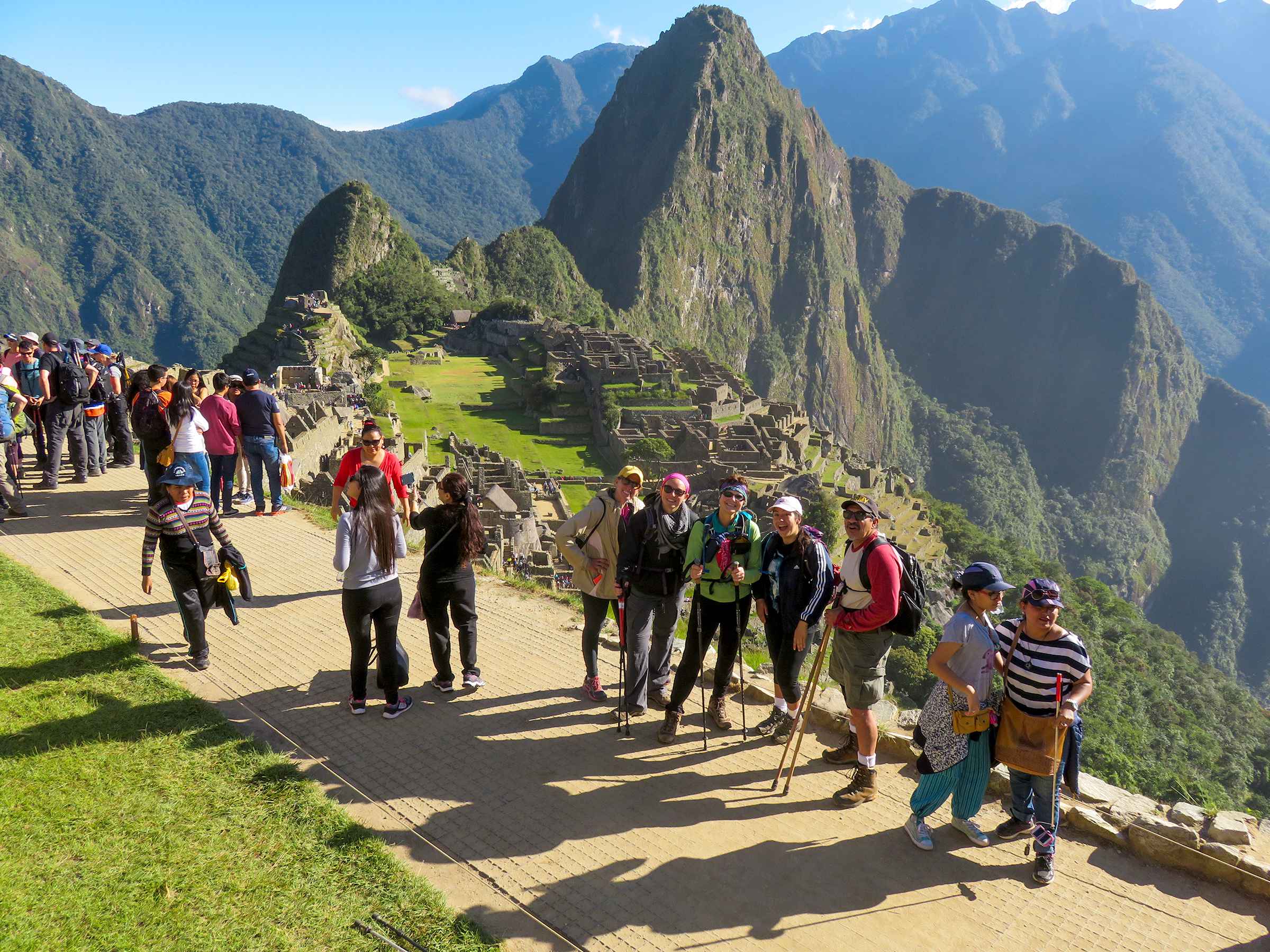
How to hike the Inca Trail 4 days to Machu Picchu Embarking on the Inca Trail hike is…
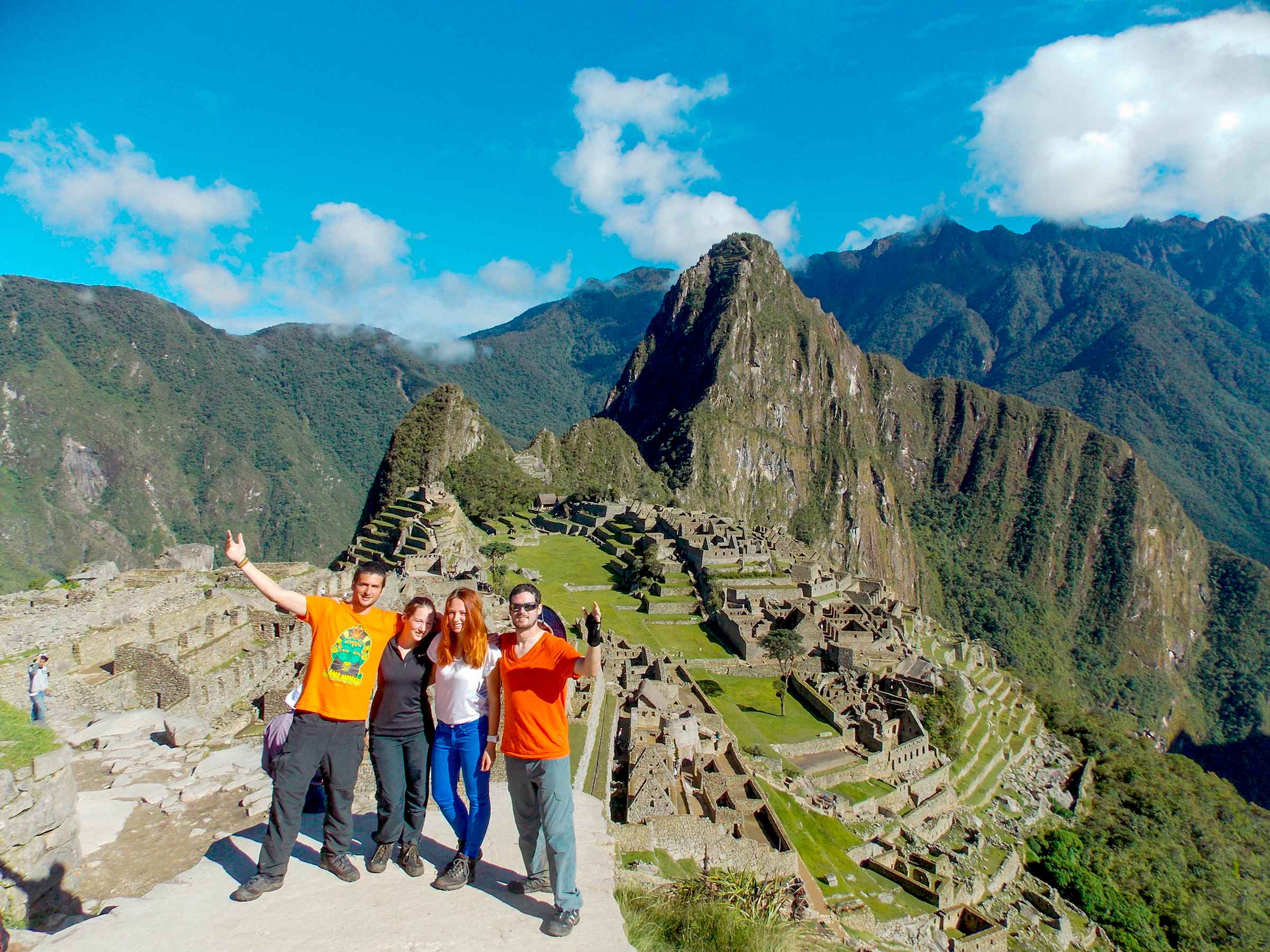
Many dream of embarking on the Inca Trail to Machu Picchu. This ancient trail, set in the stunning Andes…

How to Get to Machu Picchu Peru Machu Picchu is a dream destination for many travelers. Nestled in…

The Inca Jungle Trek offers an extraordinary journey that combines the thrill of adventure with the awe of…

The 4 Day Inca Trail Experience Embarking on the 4 Day Inca Trail is more than just a…
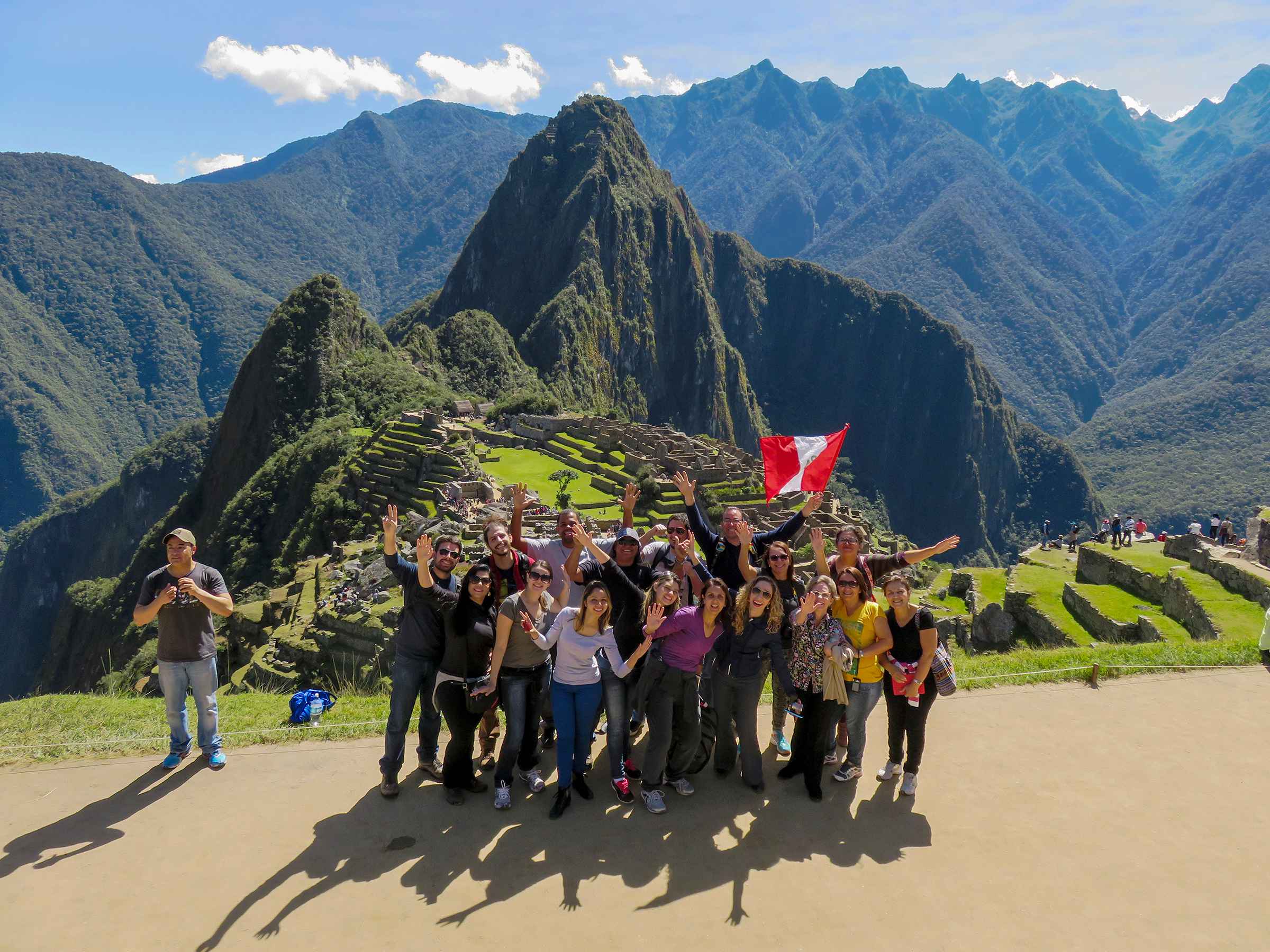
Understanding the Inca Trail Elevation Challenges The Inca Trail is one of the most famous trekking routes in…

Culinary Delights Along the Inca Trail Embarking on the Inca Trail is a journey through history and breathtaking…

Short Inca Trail vs Classic Inca Trail Choosing between the Short Inca Trail and the Classic Inca Trail…

Short Inca Trail Highlights The Short Inca Trail is a captivating journey through history and nature. This two-day…

Planning Your Inca Jungle Trek The Inca Jungle Trek is not your typical trek to Machu Picchu. Unlike…