
Unlocking the Secrets of the Inca Language: A Journey Through Quechua and Its Rich Heritage
The Inca Empire, a marvel of ancient civilization, gifted the world more than majestic ruins and breathtaking landscapes; it also bestowed an extraordinary language—Quechua. This vibrant tongue, echoing through the Andes, is a gateway to understanding the rich cultural heritage of the Andean people. In “Unlocking the Secrets of the Inca Language,” we embark on a captivating journey to uncover the nuances, history, and significance of Quechua. From its poetic expressions to its role in daily life, Quechua represents not just a mode of communication but a profound connection to the past. As we delve into its intricacies, you’ll discover how this language has managed to survive and thrive amidst the tides of modernity, preserving the wisdom and traditions of generations. Join us in exploring this linguistic treasure and uncovering the secrets that lie at the heart of the Andes.
Historical Significance of Quechua
The Inca Empire, stretching across vast regions of South America, was a civilization that left an indelible mark on history. Among its many contributions, the Quechua language stands out as a significant cultural legacy. As the administrative and unifying language of the Inca state, Quechua facilitated communication across diverse ethnic groups within the empire, promoting cohesion and governance. The language’s prominence was such that it continued to be used even after the Spanish conquest, adapting and evolving in the face of new influences.
Quechua’s historical significance is also deeply intertwined with the religious and ceremonial practices of the Inca. It was the medium through which oral traditions, myths, and legends were conveyed, ensuring the transmission of cultural knowledge and spiritual beliefs. The language was integral to temple rituals and to significant events, embedding itself in the spiritual fabric of Andean society. This sacred aspect of Quechua has contributed to its reverence and preservation through the centuries.
Moreover, Quechua’s role as a lingua franca during the Inca Empire facilitated the sharing of agricultural, architectural, and astronomical knowledge among different regions. The Incas’ advanced understanding of these fields was communicated and refined through Quechua, leading to innovations that supported the empire’s expansion and sustainability. This historical context highlights Quechua not just as a language, but as a vehicle of intellectual and technological advancement that played a crucial role in the Inca civilization’s achievements.
The Structure and Characteristics of Quechua
Quechua is renowned for its unique and intricate structure, which sets it apart from many other languages. It is an agglutinative language, meaning that it forms words and conveys meaning by stringing together various morphemes—each representing a specific grammatical or semantic function. This characteristic enables the creation of complex words that convey detailed information succinctly. For instance, a single Quechua word can encapsulate what might require an entire English sentence.
The phonetic system of Quechua is relatively simple, with a limited number of consonants and vowels compared to many Indo-European languages. This simplicity, however, does not diminish its expressiveness. The language employs a variety of suffixes and prefixes to modify word meanings, making it highly adaptable and nuanced. The use of suffixes to indicate relationships, possession, and various grammatical aspects allows for precise communication and adds depth to the language.
Another distinctive feature of Quechua is its reliance on evidentiality, a grammatical distinction that indicates the source and reliability of information. Speakers of Quechua must specify whether they personally experienced something, heard it from someone else, or inferred it from evidence. This aspect of the language underscores the importance placed on knowledge and its transmission, reflecting the cultural emphasis on accuracy and credibility in communication. Such linguistic features offer valuable insights into the cognitive and social frameworks of Quechua-speaking communities.
Quechua Dialects: Diversity Across Regions
Quechua is not a monolithic language but a family of closely related dialects spoken across a broad geographic area. These dialects exhibit significant variation, reflecting the diverse cultures and environments of the Andean region. The most widely recognized dialects include Quechua I (Central Quechua) and Quechua II (Southern Quechua), each with its own sub-dialects and regional variations. This linguistic diversity is a testament to the adaptability and resilience of Quechua across different historical and social contexts.
The regional variations in Quechua are shaped by factors such as geography, climate, and interaction with other languages and cultures. For instance, the Quechua spoken in the highlands of Peru differs markedly from that spoken in the lowlands of Ecuador or the valleys of Bolivia. These differences can be seen in vocabulary, pronunciation, and even grammatical structures. Despite these variations, speakers of different Quechua dialects often find ways to understand each other, highlighting the underlying unity of the language family.
The diversity of Quechua dialects also reflects the historical movements and interactions of the Andean peoples. Migration, trade, and conquest have all played roles in shaping the linguistic landscape. The spread of the Inca Empire, in particular, facilitated the dissemination and standardization of certain Quechua dialects, creating a common linguistic framework while allowing for local adaptations. Today, the study of Quechua dialects provides valuable insights into the historical and cultural dynamics of the Andean region, offering a window into the lives and experiences of its peoples.
The Role of Quechua in Contemporary Society
In contemporary society, Quechua remains a living, vibrant language spoken by millions of people across South America. It remains an essential part of everyday life in many Andean communities, where it is used in homes, marketplaces, and public gatherings. Despite the pressures of modernization and globalization, Quechua has shown remarkable resilience, adapting to new contexts while retaining its cultural significance.
Quechua’s role in contemporary society is multifaceted, encompassing education, media, and activism. In countries like Peru and Bolivia, efforts have been made to incorporate Quechua into the educational system, recognizing its importance for cultural identity and inclusion. Bilingual education programs aim to preserve and promote the language among younger generations, ensuring that it remains a vital part of their heritage. Additionally, Quechua-language media, including radio programs, television shows, and online content, play a crucial role in keeping the language relevant and accessible in the digital age.
Moreover, Quechua has become a symbol of indigenous pride and resistance, with activists and cultural leaders advocating for its preservation and official recognition. The language is often at the forefront of movements for indigenous rights and cultural preservation, serving as a powerful tool for asserting identity and autonomy. Quechua’s enduring presence in contemporary society underscores its significance as a cultural touchstone and a source of strength for Andean communities, bridging the past and the present in meaningful ways.
Quechua in Literature and Oral Traditions
The rich literary and oral traditions of Quechua are a testament to the language’s expressive power and cultural depth. From ancient myths and legends to contemporary poetry and storytelling, Quechua has been a vehicle for artistic expression and cultural transmission for centuries. These traditions provide valuable insights into the worldview, values, and experiences of Quechua-speaking communities, offering a window into their collective imagination and creativity.
Quechua oral traditions encompass a wide range of genres, including myths, legends, folktales, and proverbs. These stories often convey moral lessons, historical events, and spiritual beliefs, reflecting the Andean people’s values and cosmology. The oral nature of these traditions has ensured their dynamism and adaptability, allowing them to evolve with each retelling while preserving core elements of cultural knowledge. Storytellers, known as “yachaqs” or “runa simi,” play a crucial role in this process, serving as custodians of communal memory and wisdom.
In addition to oral traditions, Quechua has a growing body of written literature, encompassing poetry, fiction, and non-fiction. Contemporary Quechua writers and poets explore themes such as identity, social justice, and cultural heritage, often drawing on traditional motifs and forms while engaging with modern issues. This literary renaissance has contributed to the revitalization of Quechua, demonstrating its relevance and adaptability in the face of changing social and cultural landscapes. Through both oral and written forms, Quechua literature continues to enrich the cultural tapestry of the Andes, celebrating the language’s beauty and resilience.
Learning Quechua: Resources and Methods
For those interested in learning Quechua, there are a variety of resources and methods available to facilitate the process. The growing recognition of Quechua’s cultural significance has led to the development of educational materials and programs for both native speakers and learners from other linguistic backgrounds. These resources range from traditional textbooks and dictionaries to innovative online platforms and immersive language experiences.
One effective way to learn Quechua is through structured language courses offered by universities, community organizations, and cultural institutions. These courses typically offer a comprehensive introduction to the language, encompassing essential vocabulary, grammar, and pronunciation. Many programs also incorporate cultural components, such as music, dance, and storytelling, to provide a holistic understanding of Quechua and its context. Additionally, language exchange programs and partnerships with native speakers can offer valuable opportunities for practice and immersion.
Digital resources have also made learning Quechua more accessible than ever. Online platforms, including language-learning apps, websites, and virtual classrooms, provide interactive and flexible options for learners. These tools often include audio recordings, video lessons, and interactive exercises, allowing learners to develop their skills at their own pace. Social media and online communities further enhance the learning experience by connecting learners with native speakers and other enthusiasts, fostering a supportive and engaging environment for language acquisition.
Quechua and Its Influence on Other Languages
The influence of Quechua extends beyond its own linguistic boundaries, leaving a mark on other languages and cultures in the Andean region and beyond. This influence is particularly evident in the Spanish spoken in areas with significant Quechua-speaking populations, where numerous Quechua words and expressions have been incorporated into the local vernacular. These borrowings reflect the deep historical and cultural interactions between Quechua-speaking communities and their neighbors.
The impact of Quechua on Spanish can be observed in various domains, including agriculture, cuisine, and everyday life. Words such as “choclo” (corn), “quinua” (quinoa), and “llama” (the animal) have become part of the Spanish lexicon, reflecting the Andean people’s agricultural practices and dietary staples. Similarly, expressions and idioms rooted in Quechua cultural concepts have been adopted into regional Spanish, enriching the language with new layers of meaning and nuance.
Beyond Spanish, Quechua has also influenced other indigenous languages in the Americas, contributing to a dynamic and interconnected linguistic landscape. The exchange of words, phrases, and cultural concepts among different language communities highlights the fluidity and adaptability of Quechua, as well as its role in shaping the broader Andean cultural heritage. This linguistic interplay underscores the importance of Quechua as a source of artistic and intellectual vitality, both within its own realm and in its interactions with the broader world.
Preservation Efforts for Quechua Language and Culture
Preserving the Quechua language and culture is a critical endeavor that requires the collective efforts of individuals, communities, and institutions. Recognizing the importance of safeguarding this cultural heritage, various initiatives have been launched to promote the use and transmission of the Quechua language. A commitment to cultural diversity, indigenous rights, and the recognition of Quechua as a valuable and living language drives these efforts.
One key strategy for preserving Quechua is through education and language revitalization programs. These initiatives aim to ensure that younger generations have the opportunity to learn and use Quechua, both in formal educational settings and within their communities. Bilingual education programs, teacher training, and the development of culturally relevant curricula are essential components of these efforts. By integrating Quechua into the education system, these programs seek to empower young people with the knowledge and skills to carry their linguistic heritage forward.
Community-based initiatives also play a crucial role in preserving the Quechua language. These grassroots efforts often involve elders, cultural leaders, and community members in activities such as storytelling, traditional music and dance, and cultural festivals. These events provide platforms for the intergenerational transmission of knowledge and foster a sense of pride and identity among Quechua speakers. Additionally, collaborations with researchers, linguists, and cultural organizations help document and promote Quechua, ensuring that its rich heritage is recognized and valued on a global scale.
- Sacred Valley Private Tour, Full Day Tour
- Super Sacred Valley Full-Day Tour
- Sacred Valley Trip from Ollantaytambo
- Sacred Valley Tour from Urubamba
- Full-Day Tour to Ancasmarca Ruins
- Ñaupa Iglesia Tour Choquequilla
- Full-Day Moonstone Tour
- Pisac Ruins Hike 01-Day
- Maras Moray Hike – Sightseeing views from the Snow Mountains
ORIGIN OF THE OFFICIAL Inca LANGUAGE QUECHUA / RUNA SIMI LANGUAGE
The Solar Origin archetype is one of the oldest languages in the world. The Quechua language of the Inca Empire is still spoken in South America today, in Peru, Chile, Argentina, Bolivia, Ecuador, and Colombia (in the Andes).
PALEO-OFFICIAL INCAS LANGUAGES “QUECHUAS PEOPLE”
Are the ethnic groups that crossed the passing of years the Andes settling in North Peru (Chavin to 20,000 BC), in the Central Peru Guitarreros man 7000 years BC) in Callejon de Huaylas, penetrated the coast forming the Paracas (700 BC), Nazca culture (AD 200 years) in Ica (Pre-Incas Cultures), in the Southern Highlands: The Markawaylla (1000 years BC in Cusco.) human settlements Chawaytiri, Qhorqa (5000 BC), Qotakalli (400 years AD), Chanapata (AD 600 years), K’illi (700 AD) and Lucre (year 900 AD).
The Proto-Quechua language corresponds to the real Quechua, both linguistically and grammatically; dialectal differences are due to proximity.
The most essential Proto-Quechua were Huayhuash, Huampuy, and Yungay in the North Coast and Sierra; Chinchay in the Central Coast; and the Proto-Quechua Cusqueño in the Southern Highlands.
QUECHUA Language in Cusco
In Willkamayu and Watanay Valley, Cusco (the Sacred Valley of the Incas), the real Quechuan people (a person who spoke the Inca language) were established. Before the arrival of the Incas, the ethnic groups of Ayamarka, Lares, Poqes, Wallas, Sawasiras, Kopalimaytas, and others existed from approximately 1100 BC to 900 AD.
INCA QUECHUA
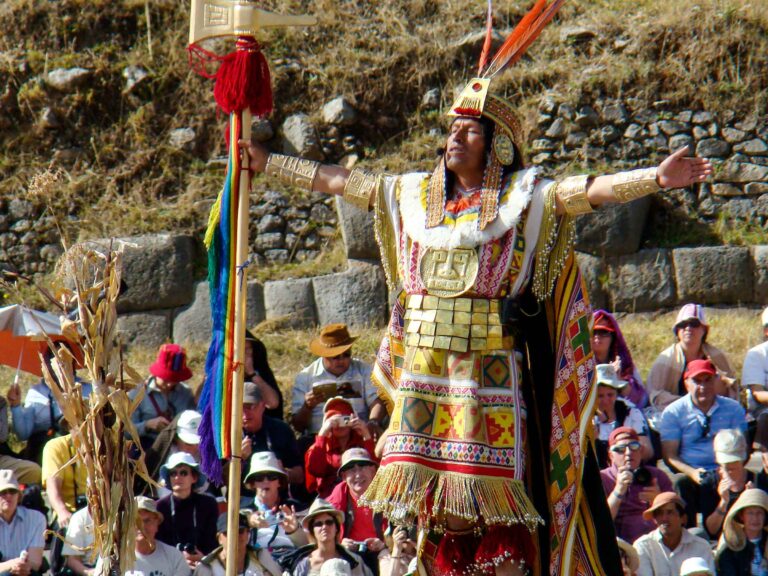
The Inkas came with the Quechuan people (same family): Maskas, Maras, and Chikes Tanpus from the Watanay Valley (Cusco’s valley), and they founded Qosqo (the spiritual capital of the Incas) by the year 1,100 AD, They brought the Quechua language but merged with the Cusqueñian Quechua, then born Quechua called: Qhapaq Simi, a language from the high scientific and literary quality that drove the ruling elite, while simultaneously Quechua did call: Runa Simi, which was used by masses. These two varieties, also called Cusqueñian Quechua Inca Civilizing, were out to conquer the Andean world and came to constitute the great empire of Tawantinsuyu (the four regions of the Sun).
Inkas Empire Expansion
Within five hundred years, the Incas and all ethnic groups merged to form the great Sun Empire. One hundred years were glory thanks to the unifying expansion of the great Inca ruler Pachacuteq (Ninth Inca), coming to expand the most extreme points of the Andes. Yachay wasi (house of knowledge with great scientific language teachers, Runa Simi) was established everywhere.
LEGAL PART
Until 1532, it was the official language of the Inca Empire, also known as Tawantinsuyu. On December 31, 1958, Law 13059 created the Peruvian Academy of the Quechua Language, based in Cusco, Peru, and issued a decree by Manuel Prado, President. On May 27, 1975, Law 21156 was formalized at the same level as the Castilian (Spanish Language) by the revolutionary government of General. Juan Velasco Alvarado. On June 19, Law 25260, The Major Academy of the Quechua Language, based on Law 13059, was signed by the current President, Alan García Pérez, and established in 1990. It is located in Cusco.
Conclusion: The Future of Quechua and Its Heritage
As we reflect on the journey through Quechua and its rich heritage, it becomes clear that this language is more than just a means of communication; it is a living repository of history, culture, and identity. The resilience and adaptability of Quechua have enabled it to survive and thrive in the face of modernity’s challenges, remaining a vital part of the lives of millions of people. The efforts to preserve and promote Quechua underscore its significance as a cultural treasure that deserves recognition and support.
The future of Quechua lies in the hands of those who speak it, learn it, and advocate for its preservation. As awareness of the importance of linguistic and cultural diversity grows, so too does the commitment to safeguarding Quechua and its heritage. By supporting educational programs, engaging in community initiatives, and fostering a global appreciation for Quechua, we can ensure that this remarkable language continues to flourish. The journey to unlocking the secrets of the Inca language is ongoing, and each step taken contributes to preserving a profound connection to the past and a vibrant vision for the future.
In conclusion, Quechua stands as a testament to the enduring legacy of the Inca Empire and the indomitable spirit of the Andean people. As we continue to explore, learn, and celebrate this linguistic treasure, we pay homage to the wisdom and traditions of past and present generations. The secrets of Quechua are not just locked in the annals of history but are alive in the voices of those who speak it today. By unlocking these secrets, we gain a deeper understanding of the rich cultural tapestry of the Andes and help preserve a heritage that is both ancient and ever-evolving.