Embarking on the Inca Trail is more than just a hike; it’s a journey through time, culture, and breathtaking landscapes. Stretching approximately 26 miles, this iconic route leads adventurers through lush valleys, ancient ruins, and stunning mountain vistas, culminating at the majestic Machu Picchu. As you lace up your hiking boots and prepare for the trek, you’ll find that every step unravels the rich tapestry of the Inca civilization and the natural beauty of Peru.
In this comprehensive guide, we’ll explore the Inca Trail’s length, the terrain you will encounter, essential preparation tips, and what to expect along the way. Whether you’re a seasoned trekker or a curious beginner, understanding the intricacies of this trek will ensure you are well-equipped for the journey ahead. Join us as we navigate this breathtaking adventure and unveil the secrets behind one of the most sought-after trails in the world.

The Inca Trail, known locally as Camino Inca, is a network of trails built by the ancient Inca civilization that leads to the legendary Machu Picchu. The classic Inca Trail route, which most trekkers follow, spans approximately 26 miles (42 kilometers). This journey typically takes four days and three nights to complete, although the duration can vary based on the trekker’s pace and the specific itinerary of their tour operator.
The trek is more than just a physical challenge; it’s an immersive experience that takes you through diverse landscapes, from cloud forests to alpine tundra. Trekkers traverse through lush valleys, over high mountain passes, and past numerous Inca ruins that dot the trail, each adding a layer to the rich historical and cultural tapestry of the journey. The culmination at Machu Picchu —the “Lost City of the Incas” — provides a fitting climax to this awe-inspiring adventure.
The Inca Trail is not merely a hike; it is a pilgrimage that connects the past with the present, offering a unique opportunity to walk in the footsteps of the ancient Inca people. The trail’s length and duration are designed to allow trekkers to acclimate to the high altitudes and to fully absorb the natural and archaeological wonders that lie along the way.

While the classic four-day Inca Trail is the most popular route, there are several variations of the trail that adventurers can take, each offering a unique experience. The most common alternative routes include the Short Inca Trail, the Salkantay Trek, and the Lares Trek.
The Short Inca Trail is a condensed version of the classic route, ideal for those with limited time or who prefer a less physically demanding trek. This route covers approximately 7.5 miles (12 kilometers) and can be completed in one or two days. Despite its shorter length, trekkers on this route still experience the awe of entering Machu Picchu through the Sun Gate.
The Salkantay Trek is a longer and more challenging alternative that spans about 46 miles (74 kilometers) and typically takes five to seven days to complete. This route offers a more rugged and remote experience, with stunning views of the snow-capped Salkantay Mountain and a diverse range of ecosystems. Some trekkers prefer this route for its solitude and the opportunity to experience a less-traveled path to Machu Picchu.
The Lares Trek is another alternative that combines cultural immersion with natural beauty. This route takes trekkers through remote Andean villages where they can interact with local communities and learn about traditional ways of life. The Lares Trek is less crowded than the classic Inca Trail and offers a unique blend of cultural and scenic experiences.

Day 1 of the classic Inca Trail typically begins with an early morning departure from Cusco, followed by a drive to the trailhead at Kilometer 82. The first day’s hike covers approximately 7.5 miles (12 kilometers) and takes trekkers through the lush Sacred Valley, past the ruins of Llactapata, and to the first campsite. This initial day offers a moderate introduction to the trail’s terrain and provides opportunities to acclimate to the altitude.
Day 2 is often considered the most challenging part of the trek, as it involves a steep ascent to the highest point on the trail, Dead Woman’s Pass, at an altitude of 13,780 feet (4,200 meters). This day’s hike spans about 7 miles (11 kilometers) and requires trekkers to navigate a series of switchbacks and steep inclines. The reward for this effort is panoramic views of the surrounding mountains and valleys. After reaching the pass, trekkers descend to the second campsite.
Day 3 is longer, covering approximately 9 miles (15 kilometers) and taking trekkers through a series of Inca archaeological sites, including Runkurakay, Sayacmarca, and Phuyupatamarca. The trail on this day offers a mix of ascents and descents, with diverse landscapes ranging from cloud forests to high-altitude plains. The third campsite is typically located at Wiñay Wayna, an impressive Inca site with terraced agricultural fields.
Day 4 is the culmination of the trek, beginning with an early morning hike to the Sun Gate, where trekkers catch their first glimpse of Machu Picchu. From the Sun Gate, it’s a short descent to the ancient citadel, where trekkers can spend the day exploring the ruins and soaking in the awe-inspiring views. After a guided tour of Machu Picchu, trekkers descend to Aguas Calientes for the return journey to Cusco.

The Inca Trail is considered a moderately complex trek, suitable for those with a reasonable level of fitness and some hiking experience. The trail’s difficulty is primarily due to its high altitude, steep ascents and descents, and the varying terrain. Trekkers should be prepared for long days of hiking, with each day likely to involve several hours on the trail.
One of the most critical aspects of preparing for the Inca Trail is acclimatizing to the high altitude. Cusco, the starting point for the trek, is at an altitude of 11,152 feet (3,399 meters), and the trail reaches up to 13,780 feet (4,200 meters) at Dead Woman’s Pass. Spending a few days in Cusco before the trek to acclimate can help reduce the risk of altitude sickness and improve overall comfort on the trail.
Physical preparation for the trek should include cardiovascular conditioning, strength training, and practice hikes with a loaded backpack. Cardiovascular exercises such as running, cycling, or swimming can help build endurance, while strength training can enhance the muscles used for hiking, particularly in the legs and core. Practice hikes on varied terrain, ideally at higher elevations, can help simulate trail conditions and ensure that trekkers are familiar with using their gear.
The Inca Trail offers a diverse and ever-changing landscape, with each day bringing new and breathtaking scenery. Trekkers can expect to pass through a variety of ecosystems, including lush cloud forests, high-altitude tundra, and subtropical jungle. The trail is often shrouded in mist, adding an air of mystery to the journey and revealing stunning vistas as the clouds part.
In addition to the natural beauty, the Inca Trail is dotted with numerous archaeological sites that provide insights into the ancient Inca civilization. Trekkers will have the opportunity to explore well-preserved ruins, including terraced agricultural fields, ceremonial sites, and ancient fortresses. Each site offers a glimpse into the ingenuity and craftsmanship of the Inca people, enhancing the cultural richness of the trek.
The weather on the Inca Trail can be unpredictable, with conditions ranging from sunny and warm to cold and rainy. Trekkers should be prepared for a range of weather conditions and pack accordingly. Nights can be particularly chilly, especially at higher elevations, so warm clothing and a good-quality sleeping bag are essential.
Packing for the Inca Trail requires careful consideration to ensure that trekkers are well-equipped for the journey while keeping their backpacks manageable. The following is a list of essential items to pack for the trek:
The best time to trek the Inca Trail is during the dry season, which runs from May to September. During these months, trekkers can expect clear skies, mild temperatures, and relatively stable weather conditions. The dry season coincides with the peak tourist season so that the trail can be crowded, but the stunning views and optimal conditions make it worth the extra foot traffic.
The shoulder months of April and October can also be great times to trek the Inca Trail. These months offer fewer crowds, and the weather is generally still favorable, though there is a higher chance of rain than during the peak dry season. The landscapes are lush and vibrant, thanks to the recent rains, adding to the trail’s natural beauty.
The wet season, from November to March, is generally not recommended for trekking the Inca Trail due to heavy rainfall, muddy trails, and the increased risk of landslides. Additionally, the Inca Trail is closed for maintenance every February. However, if trekkers choose to go during the wet season, they will experience fewer crowds and a more serene atmosphere, but should be prepared for wet, challenging conditions.
To ensure a successful and enjoyable Inca Trail experience, consider the following tips:
Trekking the Inca Trail is a once-in-a-lifetime adventure that offers a unique blend of natural beauty, historical significance, and cultural immersion. From the lush valleys and high mountain passes to the ancient ruins and the awe-inspiring Machu Picchu, every step on the trail is a journey through time and a testament to the ingenuity of the Inca civilization.
Proper preparation, including physical conditioning, acclimatization, and thoughtful packing, can help ensure a successful and enjoyable trek. Whether you choose the classic route or an alternative trail, trekking the Inca Trail will leave you with lasting memories and a deep appreciation for Peru’s history and landscapes.
As you lace up your hiking boots and embark on this iconic journey, remember to savor each moment, embrace the challenges, and connect with the rich tapestry of culture and nature that the Inca Trail offers. Happy trekking!


Capturing the Short Inca Trail Photos: Tips & Iconic Locations Embarking on the Short Inca Trail is a…

Machu Picchu, the iconic Lost City of the Incas, has captivated the imagination of travelers and historians alike…
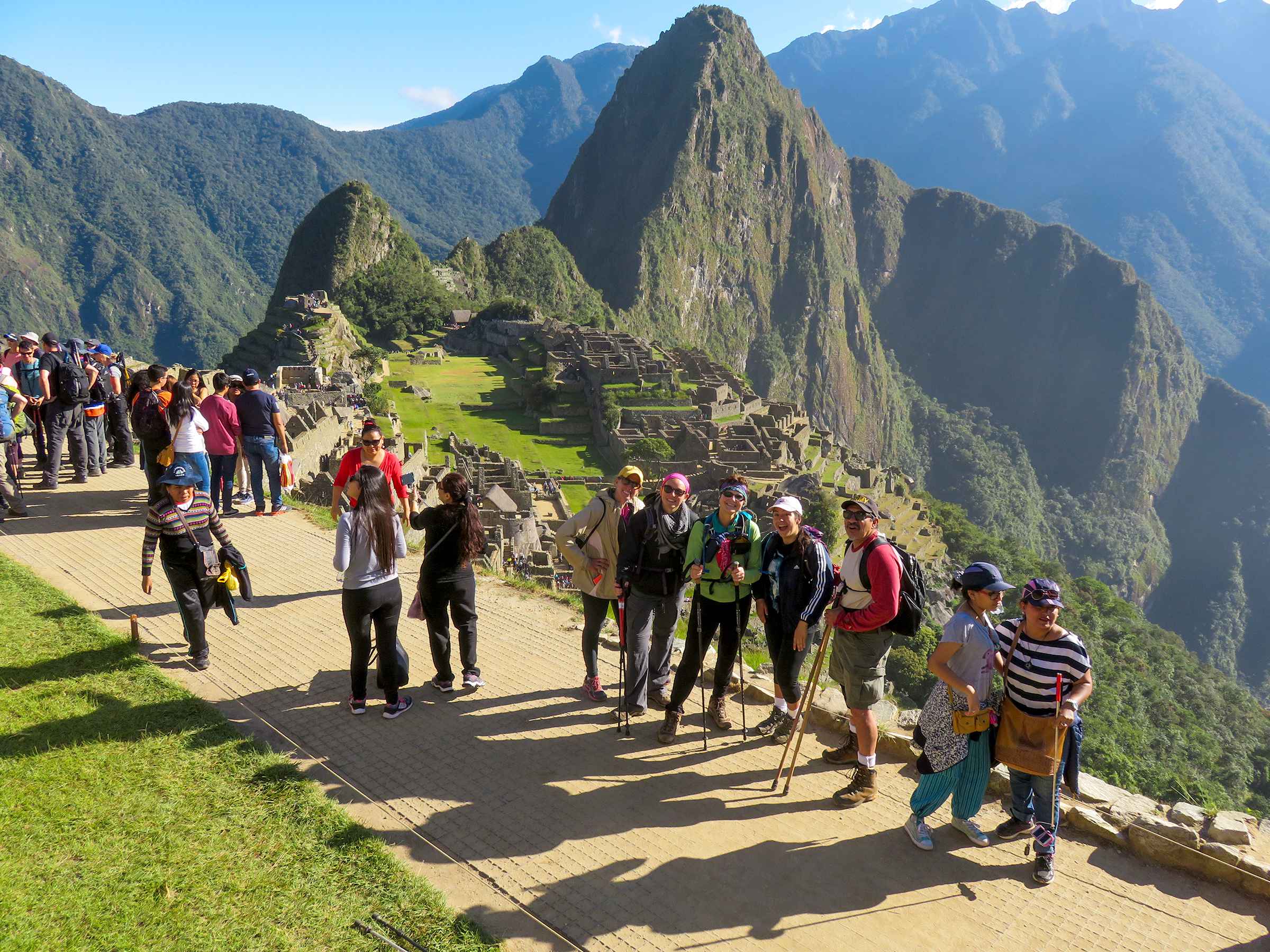
How to hike the Inca Trail 4 days to Machu Picchu Embarking on the Inca Trail hike is…
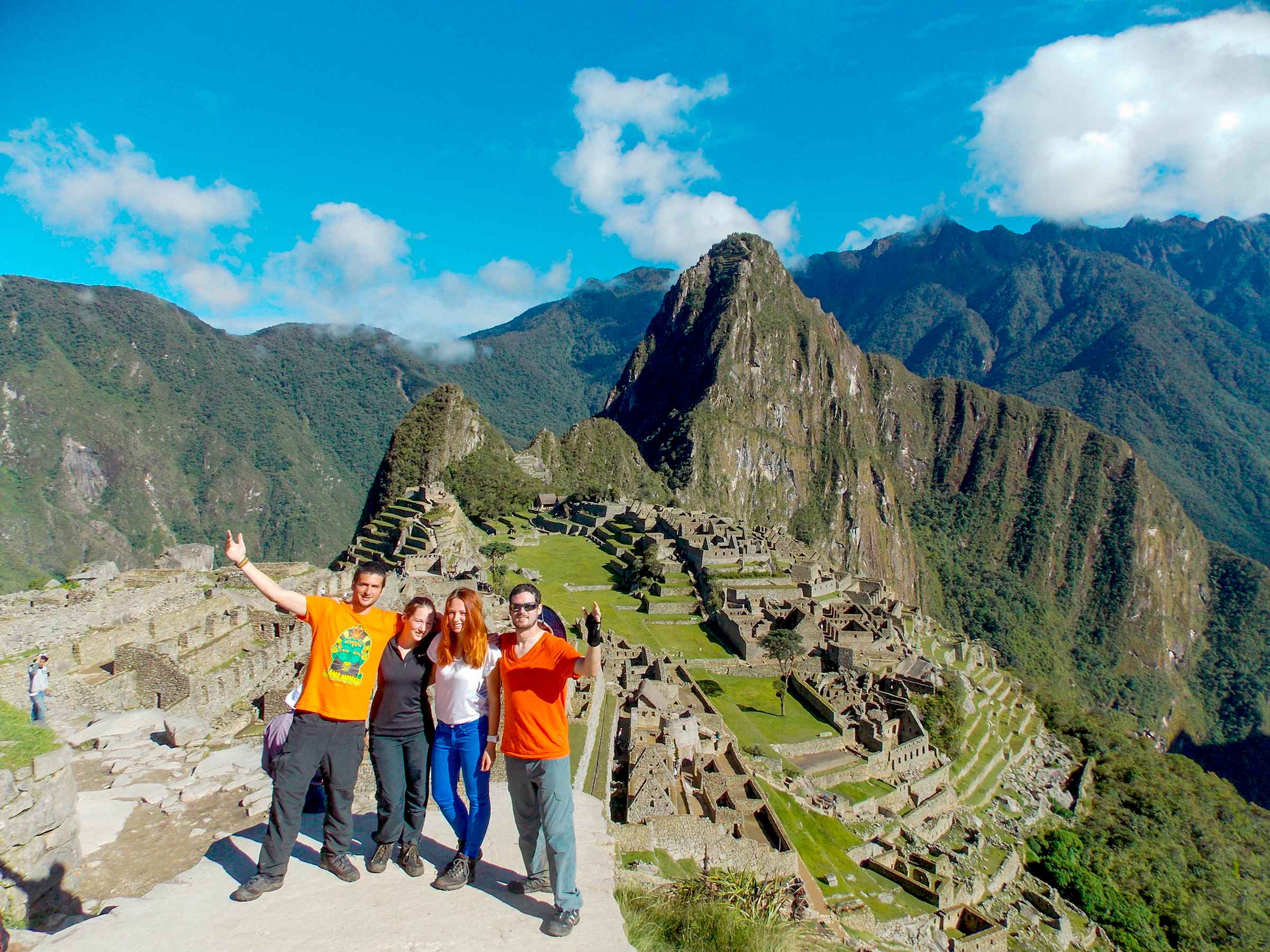
Many dream of embarking on the Inca Trail to Machu Picchu. This ancient trail, set in the stunning Andes…

How to Get to Machu Picchu Peru Machu Picchu is a dream destination for many travelers. Nestled in…

The Inca Jungle Trek offers an extraordinary journey that combines the thrill of adventure with the awe of…

The 4 Day Inca Trail Experience Embarking on the 4 Day Inca Trail is more than just a…
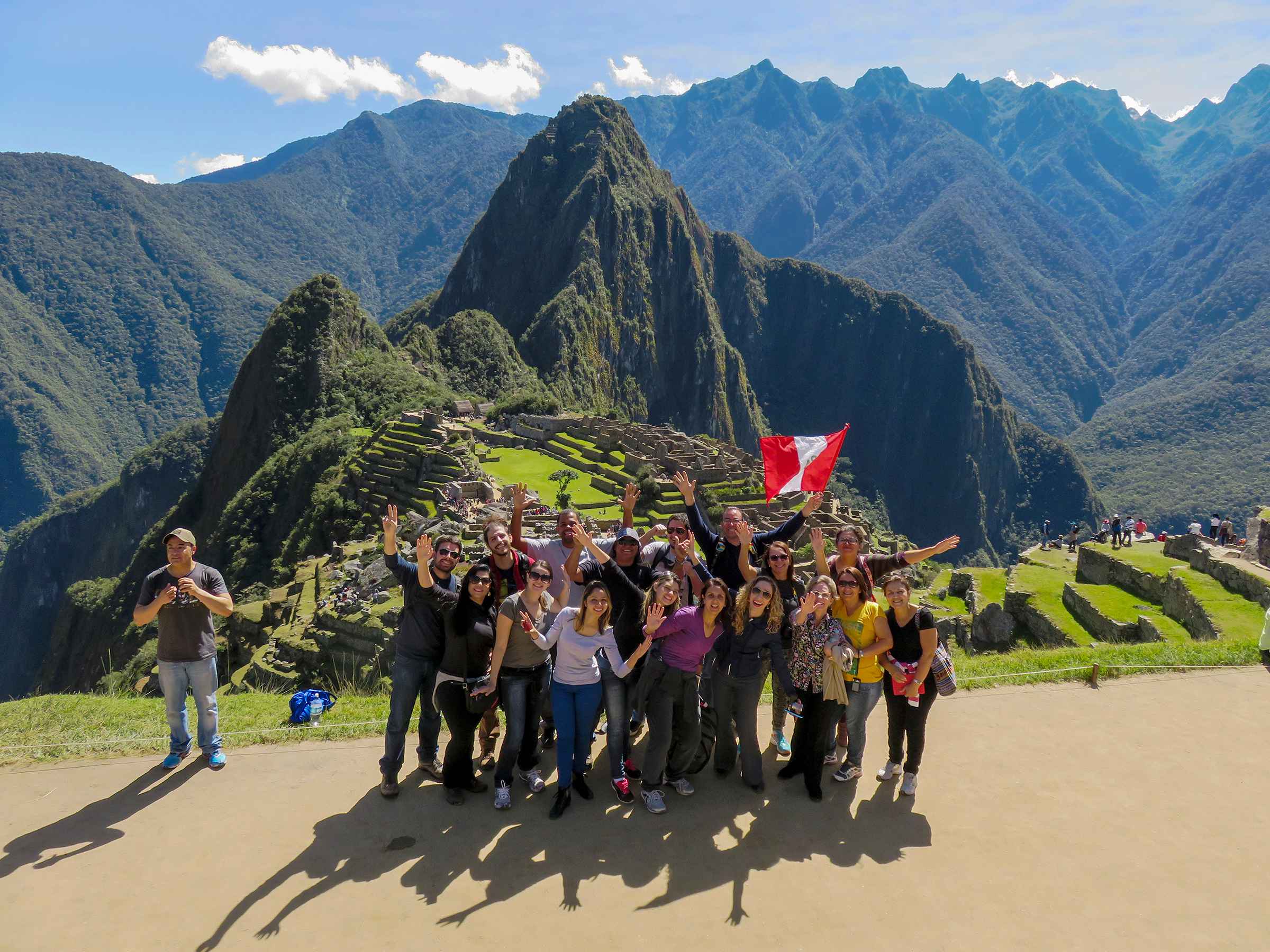
Understanding the Inca Trail Elevation Challenges The Inca Trail is one of the most famous trekking routes in…

Culinary Delights Along the Inca Trail Embarking on the Inca Trail is a journey through history and breathtaking…

Short Inca Trail vs Classic Inca Trail Choosing between the Short Inca Trail and the Classic Inca Trail…

Short Inca Trail Highlights The Short Inca Trail is a captivating journey through history and nature. This two-day…

Planning Your Inca Jungle Trek The Inca Jungle Trek is not your typical trek to Machu Picchu. Unlike…