
Preparing for the Inca Trail 4-Day Trek: What You Must Know
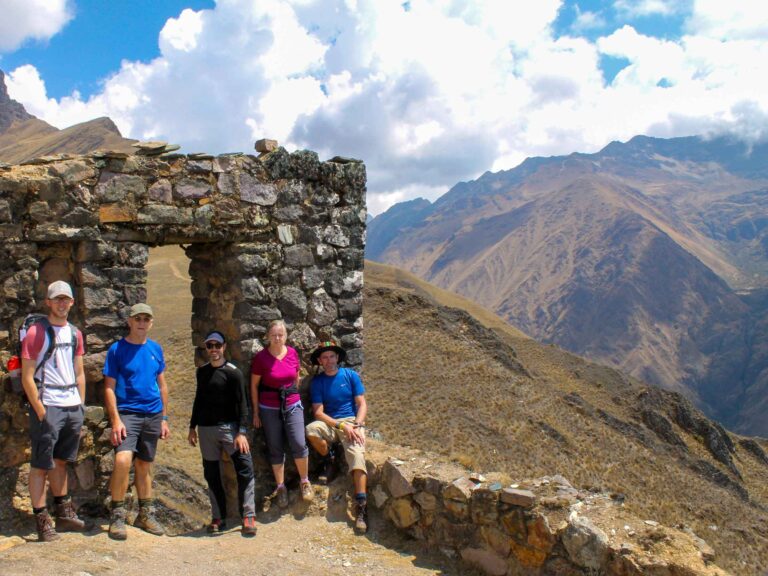
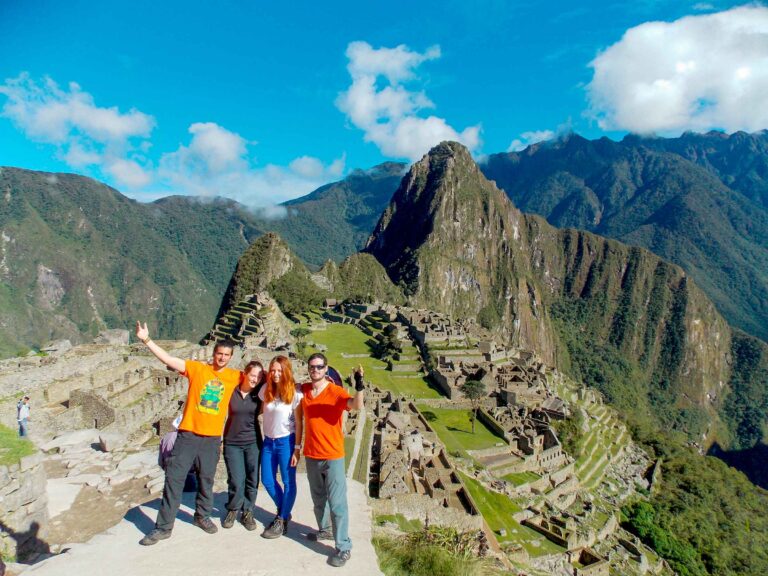
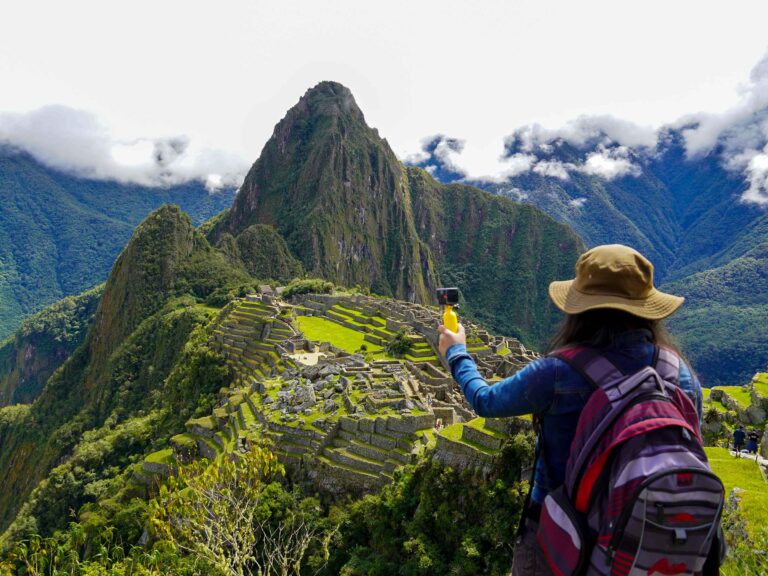
The Inca Trail is one of the most famous trekking routes in the world, stretching approximately 26 miles through the Peruvian Andes. It combines lush cloud forests, alpine tundra, and archaeological sites that offer a glimpse into the grandeur of the ancient Incan civilization. While the trek is challenging, it’s accessible to anyone in good physical condition with the proper preparation. The classic Inca Trail is the most famous trekking route in the Americas due to its historical importance, the indescribable beauty of its landscapes, and numerous archaeological sites. Many people want to hike this impressive route, so the Inca Trail Backpacker offers physical preparation tips before embarking on this remarkable adventure.

The Inca Trail is more than just a path; it’s a historical corridor that offers insights into the Incan empire. As you trek, you pass through sites that were once bustling centers of trade and religious ceremonies. Each ruin tells a story, offering a peek into the ingenuity and culture of the Incas. Understanding this history not only enriches your experience but also deepens your appreciation for the trail.
The trail traverses diverse ecosystems, from dense cloud forests to stark alpine tundra. Each zone supports unique flora and fauna, offering trekkers a chance to see a variety of wildlife and plant species. The ever-changing landscape keeps the trek interesting and challenging, requiring hikers to adapt to different environmental conditions. This diversity is a testament to the rich natural heritage of the Andes.

Along the trail, you’ll encounter local communities whose way of life has changed little over the centuries. These interactions offer a unique opportunity to learn about traditional Andean customs and values. Many locals work as porters or guides, sharing their knowledge and stories with trekkers. Engaging with these communities adds a personal dimension to your journey and supports sustainable tourism practices.
The best time to hike the Inca Trail is during the dry season, which runs from May to September. During these months, you can expect clearer skies and more predictable weather. However, this is also peak tourist season, so permits (which are required) should be booked well in advance. The trail is closed in February for maintenance.
Each season on the Inca Trail offers its own unique challenges and rewards. The dry season promises stunning views and minimal rain, but it also means more crowds. In contrast, the wet season, from October to April, sees fewer tourists but presents the challenge of muddy paths and frequent rain showers. Weighing these factors helps you choose the timing that best suits your preferences.

Understanding the weather patterns is crucial for a successful trek. The dry season is characterized by warm days and chilly nights, while the wet season can bring unpredictable rains and cloud cover. Preparing for these conditions with appropriate gear can significantly improve your comfort during the trek. Additionally, the weather can affect the condition of the trail, altering its difficulty and safety.
Due to the trail’s popularity, securing a permit requires planning. The Peruvian government limits the number of daily trekkers to preserve the integrity of the trail. Booking several months in advance, especially for peak-season treks, is essential. This planning ensures you don’t miss out on this once-in-a-lifetime experience due to unavailable permits.
Due to its popularity, the Inca Trail requires a permit, and only a limited number are available each day. It’s crucial to book your permit several months ahead of your planned departure. This is typically done through a licensed tour operator, as independent trekking is not allowed. Ensure your tour operator is reputable and follows ethical practices regarding porter welfare and environmental conservation.
Selecting the right tour operator is a critical step in your preparation. Research potential operators thoroughly, checking reviews and recommendations. A good operator will not only secure your permits but also provide knowledgeable guides and ensure ethical treatment of porters. Additionally, they should have a strong commitment to environmental conservation and leave a minimal footprint on the trail.
Ethical trekking practices are vital to preserving the trail and supporting local communities. This includes fair wages and working conditions for porters, as well as sustainable tourism practices. When selecting a tour operator, inquire about their policies on porter welfare and environmental impact. Supporting responsible operators helps maintain the trail for future generations.
Understanding the permit process helps streamline your planning. Permits are issued for specific dates and cannot be changed once booked. They are non-transferable and require your passport number at the time of booking. Being aware of these details ensures you have all the necessary documents ready and avoids any last-minute surprises.
Hiking the Inca Trail is physically demanding, with long days of walking and steep ascents. It’s recommended to start training at least two to three months before your trek.
Building cardiovascular fitness is essential for tackling the Inca Trail’s demanding terrain. Engage in activities like running, cycling, or swimming to improve your stamina and heart health. Consistent cardiovascular exercise helps your body adapt to the prolonged physical exertion required on the trail.
Simulating trail conditions during your training is highly beneficial. Go on day hikes carrying a backpack similar in weight to what you’ll have on the trail. This practice helps condition your body to the weight and prepares you for the physical demands of daily trekking. Additionally, familiarizing yourself with hiking boots and gear helps ensure comfort and reduces the risk of blisters.
Building strength and flexibility enhances your trekking capability. Focus on exercises that strengthen your legs, core, and back, such as squats, lunges, and planks. Incorporate stretching routines to increase flexibility, which helps prevent injuries. A balanced training regimen improves overall endurance and reduces the likelihood of strain or injury.
Altitude acclimatization is crucial for avoiding altitude sickness on the trail. Spend a few days in Cusco or other high-altitude areas before starting your trek to help your body adjust. Gradually increasing your altitude exposure allows your body to produce more red blood cells, improving oxygen delivery and reducing the risk of altitude-related issues.
Packing wisely is crucial for a comfortable and successful trek.
Here’s a comprehensive packing list to ensure you’re well-prepared:
- Layered Clothing: Temperatures can vary significantly, so pack layers that you can add or remove. Consider moisture-wicking shirts, thermal tops, and a lightweight fleece. Layers allow you to adapt to changing temperatures and conditions throughout the day.
- Waterproof Jacket and Pants: Essential for protection against rain and wind. Waterproof outerwear keeps you dry and comfortable, especially during unexpected weather changes.
- Hiking Boots: Sturdy, well-broken-in boots with good ankle support are a must. Proper footwear is crucial for preventing injuries and ensuring stability on uneven terrain.
- Socks: Bring several pairs of moisture-wicking hiking socks. Quality socks reduce the risk of blisters and provide added comfort on long hiking days.
- Hat and Gloves: Useful for cold mornings and nights. These accessories help retain body heat and protect against the elements.
- Backpack: A comfortable, supportive backpack (approximately 30-40 liters) for your daily essentials. Choose one with adjustable straps and padding for optimal comfort during long hikes.
- Sleeping Bag: A warm, lightweight sleeping bag suitable for cold nights. Ensure it’s rated for low temperatures, as nights on the trail can be chilly.
- Trekking Poles: Helpful for balance and reducing strain on your knees. Poles provide stability, particularly on steep ascents and descents.
- Headlamp: For navigating campsites in the dark. A reliable headlamp is essential for early morning starts and late-night camp activities.
- Water Purification Tablets: To ensure safe drinking water. Purification tablets prevent waterborne illnesses and are a lightweight, effective solution.
- Snacks: High-energy snacks like nuts, dried fruit, and granola bars. These provide quick fuel for your body during long trekking days.
- Personal First Aid Kit: Include basics like blister treatment, pain relievers, and altitude sickness medication. A well-stocked kit is vital for addressing minor injuries and ailments.
- Sun Protection: Sunscreen, lip balm with SPF, and sunglasses are essential to protect against intense UV rays. High-altitude exposure increases the risk of sunburn, making protection crucial.
Before setting out on your adventure, make sure you’ve covered these critical travel checklist items:
- Passport and Documents: Ensure your passport is valid for at least six months beyond your travel dates and that you have a printed copy of your permit. Proper documentation is essential for entry into Peru and for accessing the trail.
- Travel Insurance: Make sure your policy covers high-altitude trekking. Comprehensive insurance provides peace of mind, covering potential medical emergencies or trip cancellations.
- Vaccinations: Check with your healthcare provider for any recommended vaccinations for travel to Peru.
- Staying up to date on vaccinations protects against preventable diseases.
- Money: Carry a mix of cash and cards. Small denominations are valid for tipping and small purchases. Having multiple payment options ensures you can handle any financial situation.
- Currency Exchange: Exchange some money into Peruvian soles before you arrive. This prepares you for immediate expenses upon arrival and avoids the hassle of finding exchange services.
- Pre-Trek Briefing: Attend any pre-trek meeting organized by your tour operator to understand the itinerary and any last-minute details. These briefings provide valuable information and allow you to clarify any questions.
- Packing Check: Double-check your packing list to ensure you have all necessary items. A thorough review helps prevent last-minute stress and ensures you’re fully prepared.
- Health Check: Visit your doctor for a health check-up to ensure you’re fit for the trek. A professional assessment helps identify any potential health concerns that could impact your trek.
- Hydration: Drink plenty of water to stay hydrated, especially given the high altitude. Proper hydration helps prevent altitude sickness and maintains energy levels.
- Pace Yourself: Walk at a steady, manageable pace and take breaks as needed. Listening to your body and pacing yourself reduces fatigue and enhances your overall trekking experience.
- Respect the Environment: Follow Leave No Trace principles to preserve the trail’s natural beauty. Responsible trekking ensures the trail remains pristine for future adventurers.
- Engage with the Culture: Take the opportunity to learn from your guides about the Incas’ history and culture. Cultural engagement enriches your trek, providing a deeper understanding of the region and its people.
Preparing for the Inca Trail is as much about mental preparation as it is about physical preparation. Being well-informed and properly equipped will not only enhance your trekking experience but also help you appreciate the rich cultural tapestry and breathtaking landscapes you’ll encounter. With careful planning and preparation, you’ll be ready to tackle one of the world’s most iconic trails and create memories that will last a lifetime. Safe travels!
Traveling is undoubtedly one of life’s pleasures, but you should always take the necessary precautions. This way, you can make the most of your trip and avoid emergencies. Contact Kondor Path Tours for the best support for all your trekking needs. Of course, we always have the guarantee, responsibility, and security that set us apart.