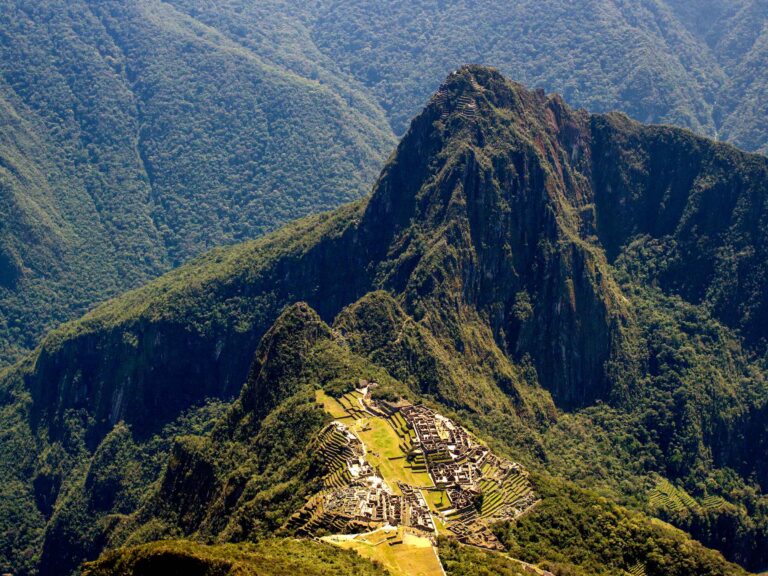

How to Hike Machu Picchu in One Day: Complete Guide
Imagine standing amidst the mystical ruins of Machu Picchu, surrounded by lush green mountains and the whispering winds of history. It’s a dream for many travelers, but not everyone has the time for the full multi-day Inca Trail. Luckily, there’s a way to experience the magic of Machu Picchu in just one day. This guide will walk you through everything you need to know about hiking the Machu Picchu short Inca Trail in one day.
The short Inca Trail is a condensed version of the classic four-day trek, designed for those who are short on time. This one-day hike covers approximately 11 kilometers (about 7 miles) and typically takes around 6 to 7 hours to complete. Though shorter, it still offers a taste of the stunning landscapes and historical sites that make the Inca Trail famous.
The Inca Trail has been traversed by adventurers and historians alike, each uncovering layers of history. The short version gives you a direct route through time, offering a condensed experience of what the ancient Incas might have walked. The trail was once a religious pilgrimage, connecting different Inca sites, and walking it today still feels like stepping into a sacred past.
While the classic Inca Trail spans about 43 kilometers over four days, the short trail highlights the highlights, perfect for those short on time. The classic trail offers more varied terrain and sites, but the short trail is an intense immersion into the core experiences. Both trails lead to Machu Picchu, promising a rewarding conclusion regardless of the path chosen.
For travelers who may be limited by time or physical ability, the short Inca Trail is an excellent choice. It offers a compact, yet comprehensive glimpse into the Inca civilization, combining cultural insights with the natural beauty of the Andes. This trail is ideal for those who want a taste of adventure without committing to a multi-day hike.
The journey begins with an early morning train ride from Cusco to the starting point at Kilometer 104. From there, you’ll embark on a hike through stunning Andean scenery, passing by archaeological sites and lush cloud forests. The trail is moderately challenging, with a mix of uphill and downhill sections.
The train ride itself is an experience, whisking you away from modernity into the heart of the Andean wilderness. As you travel along the Urubamba River, the landscape transforms, revealing snow-capped peaks and verdant valleys.
This scenic journey sets the tone for the adventure ahead, leaving you anticipating and excited.
Once you disembark, the trail begins to weave through a tapestry of vibrant flora and fauna unique to the region. The Andean scenery is a mosaic of colors and textures, with every step bringing new sights and sounds. The path is adorned with wild orchids and exotic birds, offering a feast for the senses and a glimpse into the biodiversity of the cloud forests.
As you hike, you’ll encounter remnants of ancient civilizations, each telling a story of the past. The trail is dotted with archaeological sites that reveal the ingenuity and artistry of the Incas. These historical treasures are not just ruins; they are narratives etched in stone, offering a tangible connection to the lives of the people who once thrived here.
To hike the short Inca Trail, you’ll need a permit. These permits are limited and can sell out months in advance, so it’s crucial to book early. Many tour operators offer packages that include permits, transportation, and guides, making the process smoother.
Securing a permit is the first step in planning your adventure. The demand for these permits is high, reflecting the trail’s popularity and limited availability. Booking several months in advance is advisable to ensure your spot, particularly during the peak tourist season from May to September.
Selecting the right package can simplify your journey, bundling essential services into one. Tour packages often include transportation, guides, and sometimes even meals, allowing you to focus on the experience rather than logistics. Research different operators to find a package that suits your preferences and budget.
Costs can vary depending on the services included in your package, so it’s important to understand what you’re paying for. While some packages might seem expensive, they often cover all necessary expenses, providing value for money. Consider the inclusions and exclusions carefully to avoid unexpected costs during your trip.
Packing wisely is key to a successful hike. Here’s a list of essentials to bring:
- Sturdy Hiking Shoes: Comfortable and durable footwear is a must.
- Layered Clothing: The weather can vary, so wear layers you can easily add or remove.
- Rain Gear: A lightweight rain jacket is advisable, as rain can occur unexpectedly.
- Sun Protection: Don’t forget sunglasses, a hat, and sunscreen to protect against the high-altitude sun.
- Water and Snacks: Stay hydrated and fueled with plenty of water and energy-boosting snacks.
- Camera: Capture the breathtaking scenery and unforgettable moments.
Comfort is paramount when embarking on a trek like this, and your shoes play a critical role. Invest in high-quality hiking boots that offer support and grip, reducing the risk of injury on uneven terrain. Layered clothing is your best ally against the variable weather, allowing you to adapt to changing conditions seamlessly.
The Andean climate can be unpredictable, with sunshine giving way to rain in moments. A lightweight rain jacket and quick-drying clothing can protect you from sudden showers, keeping you dry and comfortable. Sun protection is equally important, as the high-altitude sun can be surprisingly intense.
Proper nutrition and hydration are crucial for maintaining energy levels throughout your hike. Pack easy-to-carry snacks like nuts, energy bars, and dried fruits, which provide quick, sustained energy. Carry a refillable water bottle and drink regularly to stay hydrated, as the altitude can increase the risk of dehydration.
Your adventure begins with an early morning train ride from Cusco or Ollantaytambo to Kilometer 104. As the train chugs along the Urubamba River, you’ll be treated to stunning views of the Andean landscape. Once you arrive at Kilometer 104, your hike officially begins.
The train journey from Cusco is a visual delight, taking you through landscapes that shift from urban sprawl to rural beauty. The rhythmic sound of the train is calming, and the panoramic windows offer unobstructed views of the dramatic scenery. As you approach Kilometer 104, anticipation builds for the adventure that awaits.
Disembarking at Kilometer 104 feels like stepping into another world, where the modern conveniences of the train are replaced by the raw beauty of nature. The trailhead is marked by a rustic sign, signaling the start of your trek. Here, you’ll meet your guide and prepare for the day’s hike, ensuring you have everything you need.
Before setting off, take a moment to adjust your gear and mentally prepare for the trek. Your guide will offer a brief overview of the trail, providing insights into the terrain and what to expect. This initial briefing is valuable, giving you the confidence to tackle the hike with enthusiasm and awareness.
The initial part of the trail climbs gradually through lush, green vegetation. As you ascend, the air becomes crisper, and the views more spectacular. Keep an eye out for orchids and other unique flora that thrive in this cloud forest environment.
The trail’s terrain is varied, with sections of gentle ascents and challenging climbs. Each step brings a new perspective, with the landscape unfurling in layers of green and gold. The path is well-trodden yet retains a sense of wilderness, offering a balance between challenge and enjoyment.
The cloud forest is a living tapestry, home to an array of plant and animal species found nowhere else on Earth. Orchids bloom in vibrant colors, while birds flit between the trees, adding music to the natural soundtrack. This biodiversity is a testament to the ecological richness of the Andes, providing endless fascination for nature lovers.
The hike is moderately challenging, requiring endurance and determination. Embrace the physical demands as part of the adventure, knowing that each step brings you closer to your goal. The sense of achievement upon reaching key milestones is profound, fueling your motivation to continue.
After a few hours of hiking, you’ll reach Wiñay Wayna, a magnificent Inca site that showcases their architectural prowess. Take some time to explore the terraces and structures, and imagine what life might have been like for the Incas who once inhabited this area.
Wiñay Wayna is a marvel of Inca engineering, with its terraces cascading down the mountainside. These terraces were used for agriculture, showcasing the Incas’ advanced understanding of irrigation and crop cultivation. Wander through these ancient structures, marveling at the ingenuity that enabled them to thrive in such a challenging environment.
Wiñay Wayna, meaning “Forever Young,” holds a special place in Inca history, believed to have been a spiritual and agricultural center. The site’s strategic location and construction reflect the Incas’ reverence for the natural world. As you explore, consider the cultural and spiritual significance that this place held for its original inhabitants.
Standing amidst the ruins, it’s easy to imagine the daily life of the Incas who once called Wiñay Wayna home. Picture farmers tending the terraces, priests performing rituals, and families going about their day. This connection to the past enriches the hiking experience, offering a deeper appreciation for the history you’re walking through.
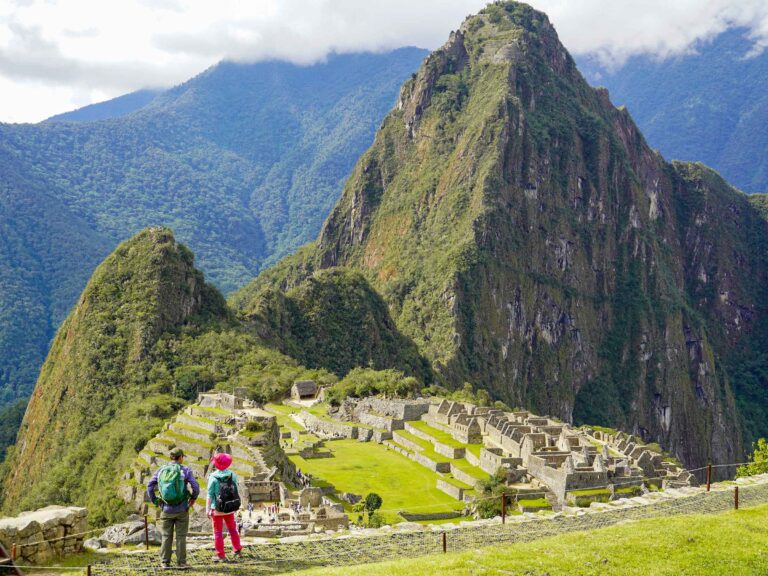
From Wiñay Wayna, the trail continues uphill towards the Sun Gate. This is the final push, and though challenging, the reward is worth it. As you approach the Sun Gate, the first glimpse of Machu Picchu will unfold before you, nestled between the peaks of the Andes. It’s a moment that often leaves hikers speechless.
The ascent to the Sun Gate is a test of endurance, with the path becoming steeper and the air thinner. Each step requires focus and determination, but the promise of what lies ahead drives you onward. As you near the top, the anticipation builds, knowing that the iconic view of Machu Picchu is within reach.
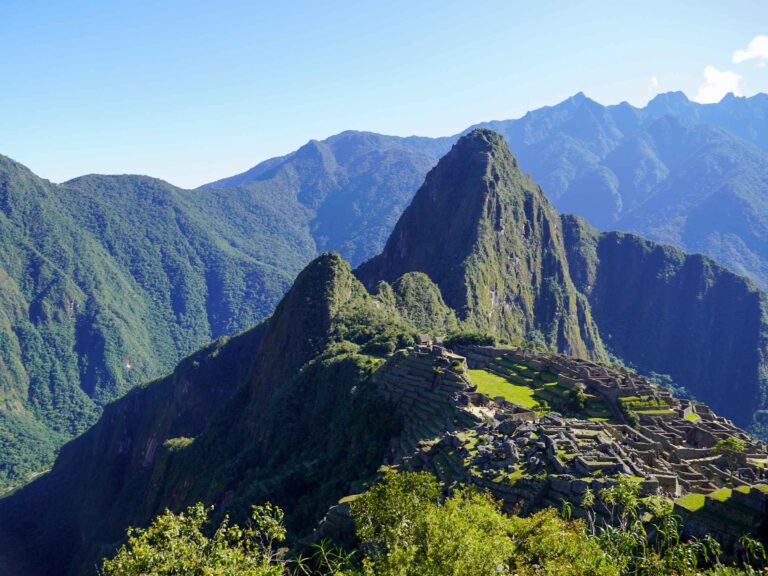
Arriving at the Sun Gate is a moment of triumph, with Machu Picchu revealed in all its glory. The ancient city appears as if suspended in time, framed by the rugged peaks of the Andes. This breathtaking view is a culmination of your efforts, offering a sense of wonder and achievement that words can hardly capture.
Pause at the Sun Gate to savor the moment, taking in the panoramic view before descending to Machu Picchu. This is a perfect spot for photographs, allowing you to capture the beauty and emotion of the experience. Let the majesty of the scene sink in, appreciating the journey that brought you here.
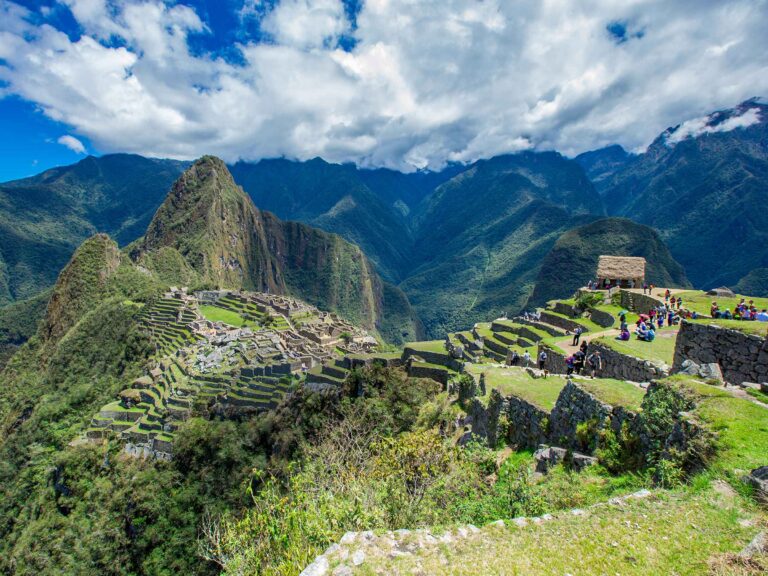
Once you arrive at Machu Picchu, you’ll have time to explore the ancient city. A guided tour can enrich your experience, providing insights into the history and significance of this UNESCO World Heritage site. Stroll through the temples, plazas, and terraces, and soak in the awe-inspiring atmosphere.
A guided tour of Machu Picchu unveils the secrets of its construction and purpose, offering a deeper understanding of its historical significance. Explore the intricate stonework and architectural marvels, each telling a story of innovation and spiritual devotion. Guides can provide context and anecdotes that bring the ruins to life, enhancing your visit.
Machu Picchu is a complex tapestry of temples, plazas, and residential areas, each with its unique function and design. Visit iconic sites like the Temple of the Sun, the Intihuatana Stone, and the Room of the Three Windows, each a testament to the Incas’ architectural genius. These landmarks are not just structures but symbols of a civilization’s achievements.
As you explore, remember that Machu Picchu is a fragile historical site that deserves respect and care. Follow designated paths and guidelines to minimize your impact and preserve this treasure for future generations. Your actions can help maintain the integrity and beauty of Machu Picchu for years to come.
Cusco sits at an elevation of 3,400 meters (11,150 feet), so spending a few days here before your hike can help your body adjust to the altitude. Take it easy, stay hydrated, and avoid strenuous activities to reduce the risk of altitude sickness.
Allowing your body time to adapt to the altitude is essential for a successful hike. Gradual acclimatization can involve spending several days in Cusco, giving your body the chance to adjust. During this time, engage in light activities and take short walks to help your body acclimate without overexertion.
Understanding the symptoms of altitude sickness is crucial for your safety. Be aware of signs such as headaches, nausea, and dizziness, which can indicate that your body is struggling to adapt. If you experience severe symptoms, seek medical attention promptly and consider descending to a lower altitude.
Hydration is a key component of acclimatization, helping your body cope with the altitude. Drink plenty of water and consume a balanced diet rich in carbohydrates, which can provide energy and aid in acclimatization. Avoid alcohol and caffeine, as they can exacerbate dehydration and altitude-related symptoms.
Selecting a reliable tour operator is crucial for a safe and enjoyable experience. Look for companies with positive reviews, knowledgeable guides, and a commitment to responsible tourism practices.
Research is essential when choosing a tour operator to ensure they meet high standards of safety and quality. Look for operators with certifications from recognized tourism bodies, indicating their commitment to excellence. Check for reviews and testimonials from past clients to gain insights into the company’s reliability and service.
A knowledgeable guide can elevate your experience, providing insights and stories that enrich your understanding of the trail. Experienced guides are trained to handle emergencies and offer valuable advice on navigating the terrain. Their expertise ensures a safer and more informative journey, enhancing your appreciation of the Inca Trail.
Supporting operators who prioritize ethical and sustainable practices is vital for preserving the environment and supporting local communities. Look for companies that employ local guides, adhere to Leave No Trace principles, and contribute to conservation efforts. Your choice can make a positive impact on the region’s ecological and cultural heritage.
Preserving the natural beauty and historical significance of the Inca Trail and Machu Picchu is vital. Follow Leave No Trace principles by packing out all trash, staying on designated paths, and respecting wildlife.
Adhering to Leave No Trace principles is essential for minimizing your impact on the environment. This includes packing out all trash, avoiding picking plants or disturbing wildlife, and staying on designated trails. By following these guidelines, you help maintain the trail’s natural beauty and ecological balance.
The Inca Trail is home to diverse flora and fauna, some of which are endangered. Respect wildlife by observing from a distance and not interfering with their natural behaviors. Your actions can help protect these species and their habitats, ensuring their survival for future generations.
Preserving the cultural and historical integrity of the Inca Trail and Machu Picchu is a shared responsibility. Respect archaeological sites by not touching or climbing on structures to prevent damage and erosion. By honoring these guidelines, you help preserve these invaluable historical treasures.
Hiking the Machu Picchu short Inca Trail in one day is a perfect option for those with limited time who still want to experience the wonder of this iconic destination. With proper preparation and a spirit of adventure, this journey will leave you with memories to last a lifetime.
Whether you’re a seasoned trekker or a first-time adventurer, the one-day Inca Trail offers a unique opportunity to connect with Peru’s rich history and breathtaking landscapes. Embrace the challenges and triumphs of the hike, knowing that each step brings you closer to the heart of the Inca legacy. This journey is not just about reaching the destination but also about the experiences and insights gained along the way.
The sights and sounds of the Inca Trail and Machu Picchu will linger in your memory long after you’ve returned home. The sense of accomplishment and wonder experienced during this hike is unparalleled, leaving an indelible mark on your soul. These memories are treasures to be cherished, inspiring future adventures and a deeper appreciation for the world’s cultural heritage.
As you conclude your journey, consider the other adventures awaiting you in Peru and beyond. The country’s diverse landscapes and rich history offer countless opportunities for exploration and discovery. Let the spirit of the Inca Trail inspire your future travels, fueling a lifelong passion for adventure and cultural immersion.
Many roads lead to Machu Picchu, but none like the Inca Trail—the most popular among travelers and the most famous pedestrian trail on the American continent. The trail consists of 43 kilometers of paths between forests, dense fogs, stone steps, and majestic views from Cusco. In the end, the reward is the famous Intipunku and its impressive views of Machu Picchu’s ruins. Making the Inca Trail is an initiatory rite for the traveler and a unique adventure, but planning well in advance is necessary.
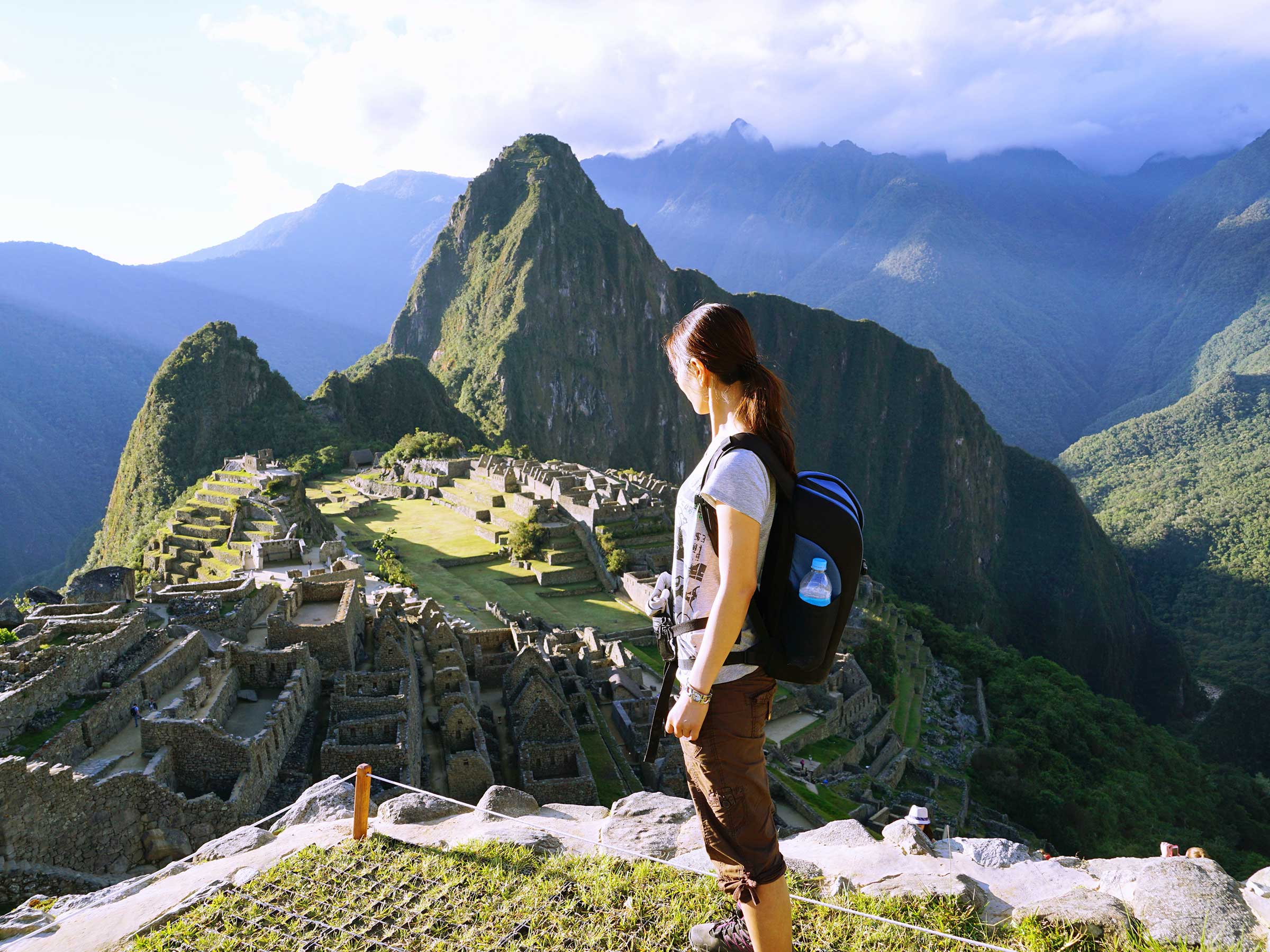
How to Hike Peru’s Machu Picchu in One Day
Hiking Peru’s Machu Picchu in one day is a challenging but rewarding experience. Here are some tips to help you make the most of your trip:
- Start early: The hike to Machu Picchu starts in Aguas Calientes, so it’s recommended to begin as early as possible to avoid crowds and have enough time to complete the walk. Aim to catch the first bus from Aguas Calientes to Machu Picchu, which typically leaves around 5:30 a.m.
- Train for the hike: The hike to Machu Picchu is steep and challenging, so advanced training is essential. Focus on cardio exercises like running or cycling, and try to include some hiking or stair climbing in your routine.
- Pack light: Since you’ll be hiking for several hours, bring only the essentials. Bring plenty of water, snacks, sunscreen, a hat, and a rain jacket.
- Take breaks: It’s essential to rest and stay hydrated during the hike. Look for shady spots along the trail, and take a few minutes to catch your breath and enjoy the scenery.
- Hire a guide: While it’s possible to hike to Machu Picchu on your own, hiring a guide can help you navigate the trail and learn about the area’s history and culture.
- Pace yourself: The hike to Machu Picchu is not a race, so it’s essential to listen to your body and pace yourself. Take breaks when necessary, and don’t push yourself too hard.
- Enjoy the journey: The hike to Machu Picchu is challenging but rewarding, so enjoy the trip and appreciate the stunning views along the way.
By following these tips, you can have a successful and memorable hike to Machu Picchu in one day.
Information on the Two-day Inca Trail
A guided route with a stop at the road’s highlights consists of a steep climb of three to four hours from kilometer 104 to Wiñay Wayna, followed by another two hours on mostly flat terrain to Machu Picchu. Overnight in Aguas Calientes and visit Machu Picchu the next day.

The two-day Inca Trail is an excellent option for those who want to experience its beauty and history but don’t have the time or physical ability to complete the long trek. However, the two-day tour still involves steep climbs and high altitudes, so being prepared and in good physical condition is essential.