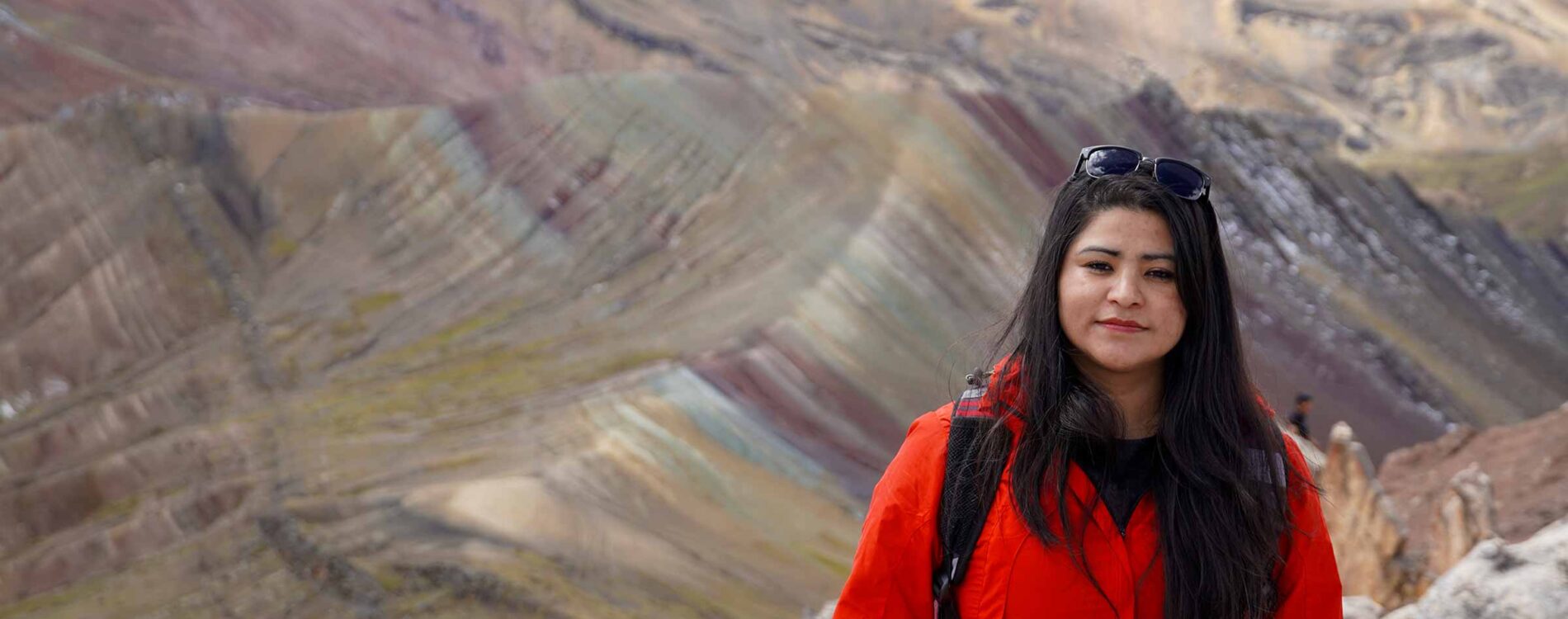
Rainbow Mountain, known as Vinicunca, is a breathtaking destination nestled in the Peruvian Andes. With its vibrant, multi-colored peaks, it has become a must-see for adventurers and nature enthusiasts alike. Here, we answer some of the most frequently asked questions to help you prepare for your visit.
Rainbow Mountain is a natural wonder located about 100 kilometers southeast of Cusco, Peru. Its unique coloration is due to sedimentary mineral layers in the mountain that have been exposed over time. The result is a stunning display of red, yellow, green, and blue stripes that resemble a rainbow.
To reach Rainbow Mountain, most travelers start their journey in Cusco. From there, you can join a guided tour that typically includes transportation, meals, and a local guide. The drive from Cusco takes about three hours, followed by a hike to the mountain.
The hike to Rainbow Mountain is considered moderate to challenging, depending on your fitness level and acclimatization to the altitude. The trek is approximately 10 kilometers round-trip and reaches elevations of up to 5,200 meters (17,060 feet). It’s essential to take your time, stay hydrated, and be aware of the symptoms of altitude sickness.
When preparing for the Rainbow Mountain hike, consider packing the following items:
The ideal time to visit Rainbow Mountain is during the dry season, which runs from May to September. During these months, you’ll enjoy clear skies and minimal rainfall, creating better hiking conditions and stunning views. However, keep in mind that this is also the busiest time of year, so expect more visitors on the trail.
Due to the high altitude, it’s essential to acclimate properly before attempting the hike. Spend a few days in Cusco to help your body adjust. If you have pre-existing health conditions, consult with your doctor before traveling. Additionally, consider carrying altitude sickness medication as a precaution.
Visiting Rainbow Mountain is an unforgettable experience, and with the proper preparation, you’ll be able to enjoy its splendor fully. Whether you’re a seasoned trekker or a first-time visitor, these tips will help ensure a safe and memorable adventure.
Tour Montaña 7 Colores is a beautiful tour that will allow you to get to know yourself better. The hiking level for this tour ranges from moderate to complex. Therefore, excellent physical performance is recommended. Besides, you must be willing to embark on a new adventure.
The famous mountain of seven colors is located more than 100 kilometers from Cusco, at an altitude of 5,200 m.a.s.l. Vinicunca is one of the most impressive mountains of the Nevado Ausangate in the Andes of Peru, located between the districts of Cusipata, province of Quispicanchi, and Pitumarca, province of Canchis.

Frequently Asked Questions Rainbow Mountain
Below, we will answer the most frequently asked questions from our travelers before embarking on the 7 Colors Mountain Tour.
Cusco has two seasons: the rainy and the dry seasons. The latter is the best season for tourism of all kinds; from March to October, you can enjoy the blue skies of Cusco, and rainfall is minimal.
Your clothing will depend on the season and month you choose for the 07 Colors Mountain Tour. For example, during the dry season, an outfit during the day is essential because you will find warm weather, with the sun shining in the blue sky of Cusco. However, during the afternoon and evening, it is recommended to wear a warmer outfit, as the cold can be intense. There are even days when Cusco dawns with dew on the roofs of houses and in the parks, the result of frost.
Trekking shoes are recommended for all types of trekking in the Cusco region. Preferably, these should already be molded to your feet. This way, the hike will be less heavy than a new pair of shoes.
The 7 Colors Mountain Tour trekking level varies from moderate to complex, so trekking poles are recommended. If you do not have a trekking pole, you can rent or buy one at the Kondor Path Tours office.
Of course, most hotels in Cusco have a space where you can leave things you don’t need to take on the tour. In this case, the hotel you are staying at does not have this service. Don’t worry; you can leave your things in our offices at no additional cost, and they will be safe.
Reaching Vinicunca Mountain is somewhat tedious because the road is dirt, the weather is cold and windy, and it takes a long walk to reach the place. For this reason, taking a tour with minors is not recommended. If there are minors in your group, they may be able to go, but you must take the expedition under the responsibility of an adult. No agency is responsible for any possible incident with the minor.
You can participate in any of our hikes, whether the Montana 7 Colors or another walk. To do so, you must inform us about your allergic condition at the time of booking, the severity of your reaction, and any medication you take in an emergency.
If your allergy is severe, we ask that you be accompanied by a friend who is aware of your situation and entirely responsible for you and who is ready with any medication.
WE CAN NOT ACCEPT CUSTOMERS WITH LIFE-THREATENING ALLERGIES.
Travel insurance is optional but highly recommended, whether for a visit to the 7 Colores Mountains or another trek. In the event of an incident en route, travel insurance allows you to make support arrangements with the relevant institutions and to receive support as soon as possible. Your travel insurance will cover the cost.
For example, in an accident, it compensates you financially for expenses such as consultation, hospitalization, or medication. It also helps if you experience any decompensation or discomfort. Likewise, it provides you with support in getting an ambulance wherever you are. In case of any problem, it also provides 24-hour telephone assistance.
The main entrance to the tour to the “Mountain of Colors” is through a town called Pitumarca, located on the road to the snowy Ausangate in the Vilcanota mountain range, between the Cusco provinces of Quispicanchi and Canchis, two hours from the city of Cusco by car, followed by a hike on foot along the slopes of the mountain. Then, you can climb on horseback or on foot the rest of the way to reach the viewpoint of the “Mountain of Colors.”
It is at an altitude of 5,200 m.a.s.l. So we recommend staying at least two days in the imperial city of Cusco for acclimatization; remember that the hike is approximately five hours (round trip). If you are not well-acclimatized, you may have difficulties during the tour.
The route to this beautiful mountain depends on which tour you prefer.
Leaving the city of Cusco, you drive along the road of the Sierra del Sur Peruvian towards the town of Checacupe, from where you take the fork to the village of Pitumarca, and from this town, you travel along a carriage road passing through several rural communities such as Ocefina, Japura, and Anchipacha, until arriving at the community of Quesyuno, where the road ends and begins the walk of approximately 5km to Vinincunca, where you can see the Natural Formation in the shape of a rainbow, considered the Mountain of Colors.
From there, we can observe the mountains in all their splendor in a 360-degree view. These are the domains of the great Apu Ausangate.
At the request of the community of Pitumarca and the Cultural Landscape Office of the Decentralized Directorate of Culture of Cusco, we prepared a study to obtain technical information about these mountains and offer them to tourists.
The red is composed of claystone (iron) and clays belonging to the Upper Tertiary. The green is due to the compound of phyllites and clays rich in ferromagnesian minerals. The fanglomerate, made of Quaternary rocks containing manganese, is responsible for the earthy brown hue. The calcareous sandstones’ abundance of sulfide minerals gives them their mustard-yellow hue.
Its name comes from two Quechua words: “Wini,” for the rounded and heavy black stones that abound in the area, which were called “Wini Rumi” (pebble). The second is “Kunka,” which means “neck,” because the narrowness of the hill resembles a pass. Initially, the muleteers of the altiplano and the settlers knew it as “Qolla Ñan,” or “road of the Qollas.”
It is of medium difficulty and takes 3 hours (uphill) at an average pace. This trail requires an acceptable physical condition, including steep climbs and progressively ascending plains.
We should not ignore this problem, especially in a relatively high area. Therefore, it is advisable to take medication for soroche or altitude sickness and to carry “coca leaves,” which are well-known for their calming and therapeutic properties.
One of Peru’s newest and greatest tourist destinations is the mountain of the seven colors, popularly known as Vinicunca or just “rainbow.” Situated at 5,200 meters above sea level, about 100 kilometers from Cusco, this alpine formation is colored in different tones by a complex combination of minerals.
Various red, purple, green, yellow, and pink tints are dyed on the slopes and peaks. Not very long ago, there was ice all around this tourist destination. This location has had hundreds of tourists every day since 2016, ranking among Cusco, Peru’s most popular tourist destinations.
At the moment, you can get to Vinicunca by hiring a cab or a private minivan; this will take you to the beginning of the hike, and by coordinating with the carrier, you can wait or turn around when you leave. Be very clear with the transporter, because there have been cases where tourists have been left with problems on their return.
Vinicunca is located in Cusco, the province of Canchis, and the district of Pitumarca. It is reached by the road south of Cusco.
The mandatory items to carry are:
Warm clothes—at least one for the descent—it’s cold when coming down from Vinicunca! Sunblock, hat or cap, windbreaker, good trekking shoes—not new ones, because new ones can hurt your feet and make the hike more challenging, and extra money for some unexpected expenses.
Rainponcho, you never know when it might rain. Gloves for the cold. Some extra snacks and expenses, such as saddle horse rental, are included. In case you have a special diet, walking sticks are for support.
It is recommended for this trip and any trip you want to make.
Depending on your physical condition, the hike can take 2.5 to 4 hours, and the return hike is the same. We strongly recommend some hiking preparation to make the most of this excursion and avoid disappointment.
If you are adventurous and would like to create your itinerary, you can do it independently, but always take the necessary precautions. On the other hand, if you want everything arranged (logistics) and enjoy it, we recommend you take an organized tour.
When you go to the Plaza de Armas in Cusco, you will find every agency offering the same tour at “low” prices, but remember: you get what you pay for. In many cases, some agencies may charge much less but send you a tour where the groups are 20, 30, or more tourists with only one guide.
We offer our exclusive tour service, with a minimum of 2 and a maximum of 15 per group. This way, the excursion becomes more pleasant, the guide is more comfortable explaining, and the tourists listen more attentively. You can also choose the private service option, which includes mobility and focus. This hiking trail is recommended for couples, families, or those who do not want to share the tour with others.
It is mandatory to acclimatize before doing this route; remember that you will walk up to 5000 m.a.s.l. This hiking trail demands significant physical and emotional effort, especially for those not used to hiking at high altitudes. If you have the opportunity, you can gradually acclimate by visiting high places like Puno.
This tour is not recommended for children, as they may have difficulty walking. However, you can do it if you are a child who enjoys walking at high altitudes.
If you have medical problems, we recommend that you consult your doctor and inform them that you plan to hike in the Peruvian Andes at an altitude of around 5000 m.a.s.l. If you have medication, you should take it to continue your treatment.
Suppose you have trouble walking, or there are children on the excursion. In that case, we recommend hiring a horse (local people rent them) to lighten your trip. Remember that the horse will not be able to carry you all the time, as there are very steep climbs for which you will have to get off the horse and then continue on horseback or foot.

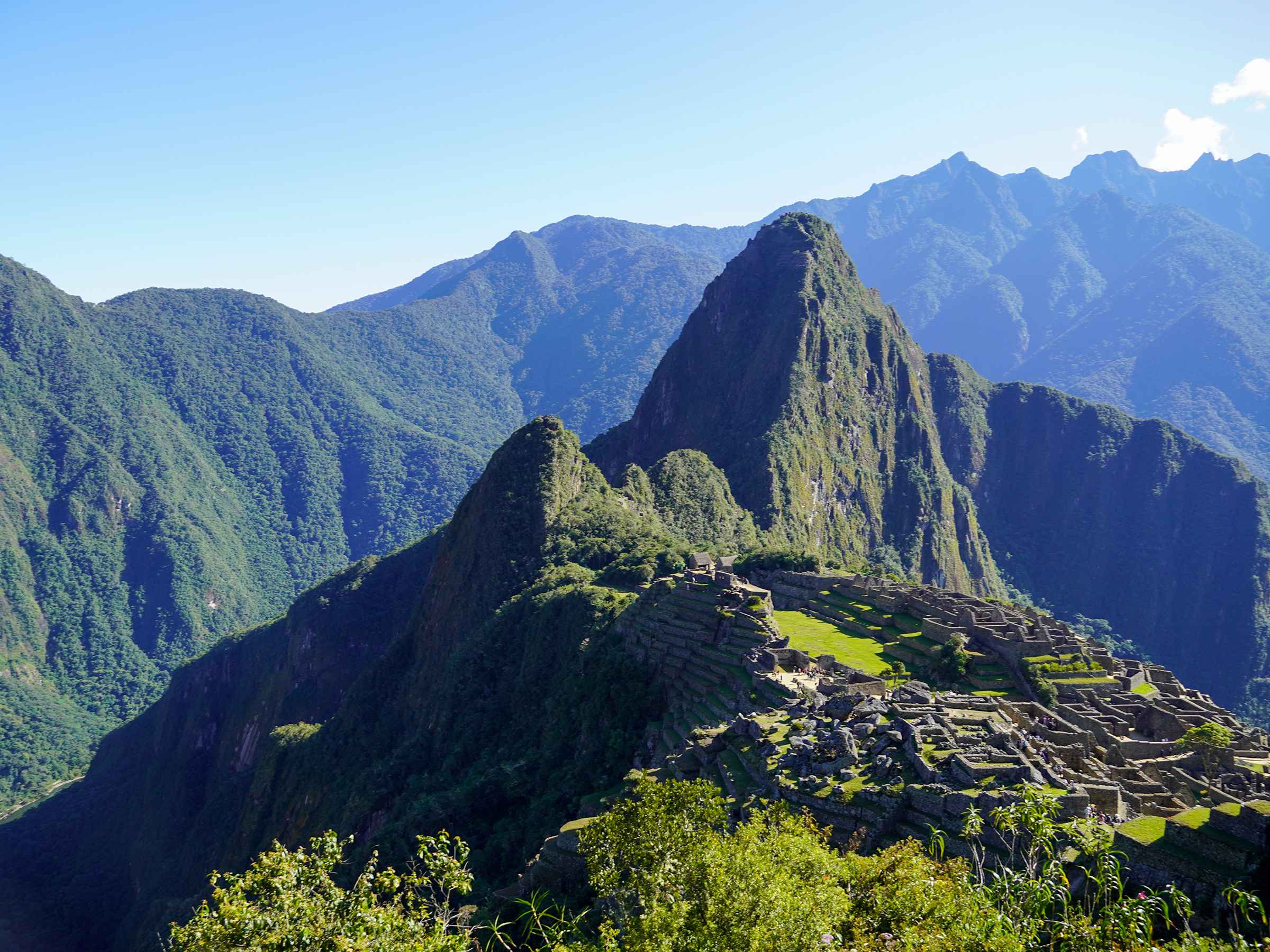
Last-Minute Machu Picchu: How Travelers Still Visit Without Tickets from Cusco The Reality of Last-Minute Travel in Cusco…

Machu Picchu and Hiram Bingham’s Legacy: Rediscovery, Debate, and Historical Impact Machu Picchu, a marvel of Inca engineering,…
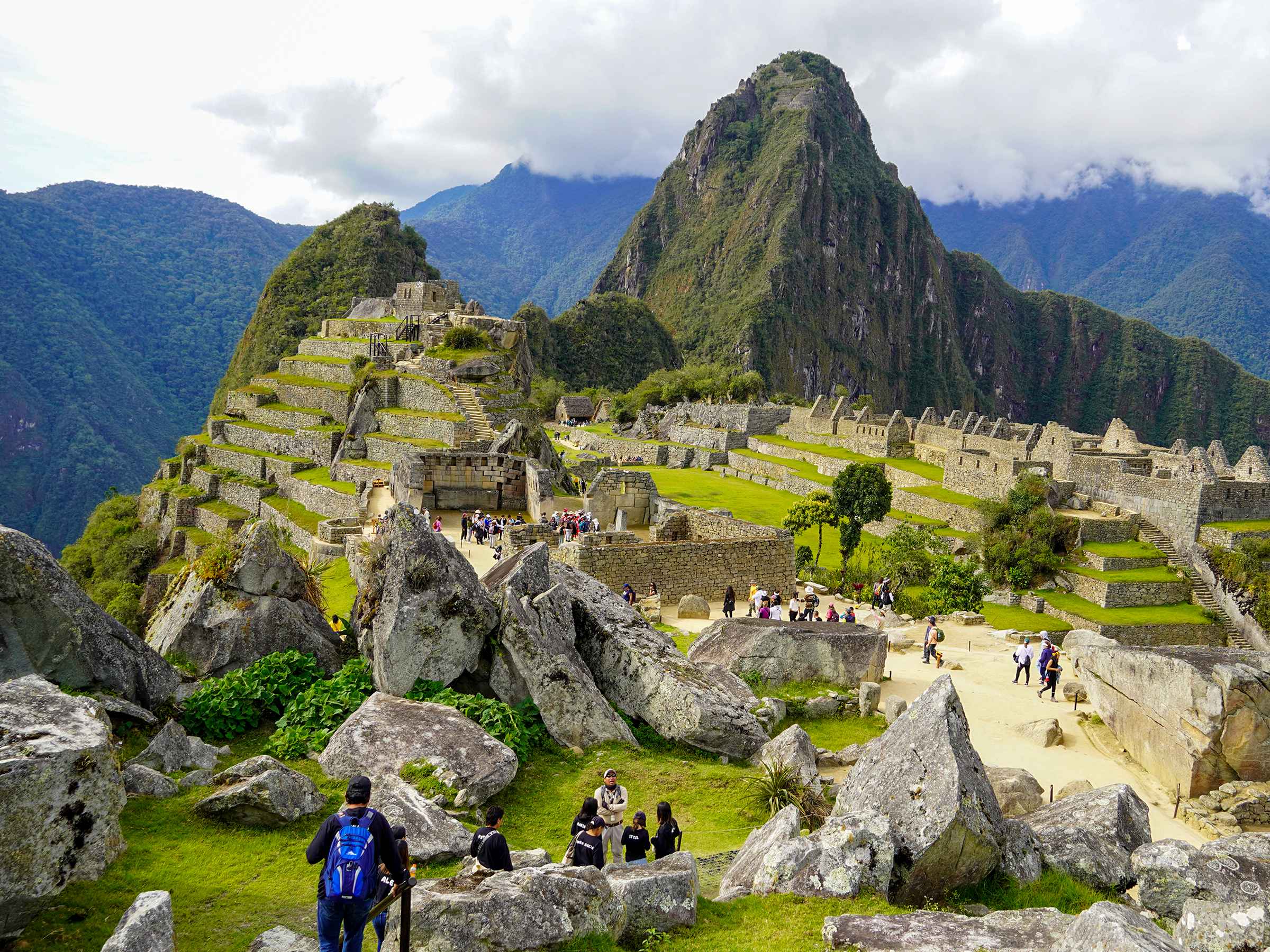
Machu Picchu Seismic Design: How Inca Engineering Defied Earthquakes Machu Picchu stands as a marvel of ancient engineering.…

Machu Picchu Terrace Engineering: How the Incas Mastered Mountain Agriculture Machu Picchu stands as a marvel of ancient…

Machu Picchu Quarry Sources: Where the Incas Obtained Their Building Stone Machu Picchu stands as a marvel of…

Machu Picchu Sacred Mountains Guide: Spiritual Meaning of the Andean Landscape Machu Picchu, the renowned 15th-century Incan citadel,…
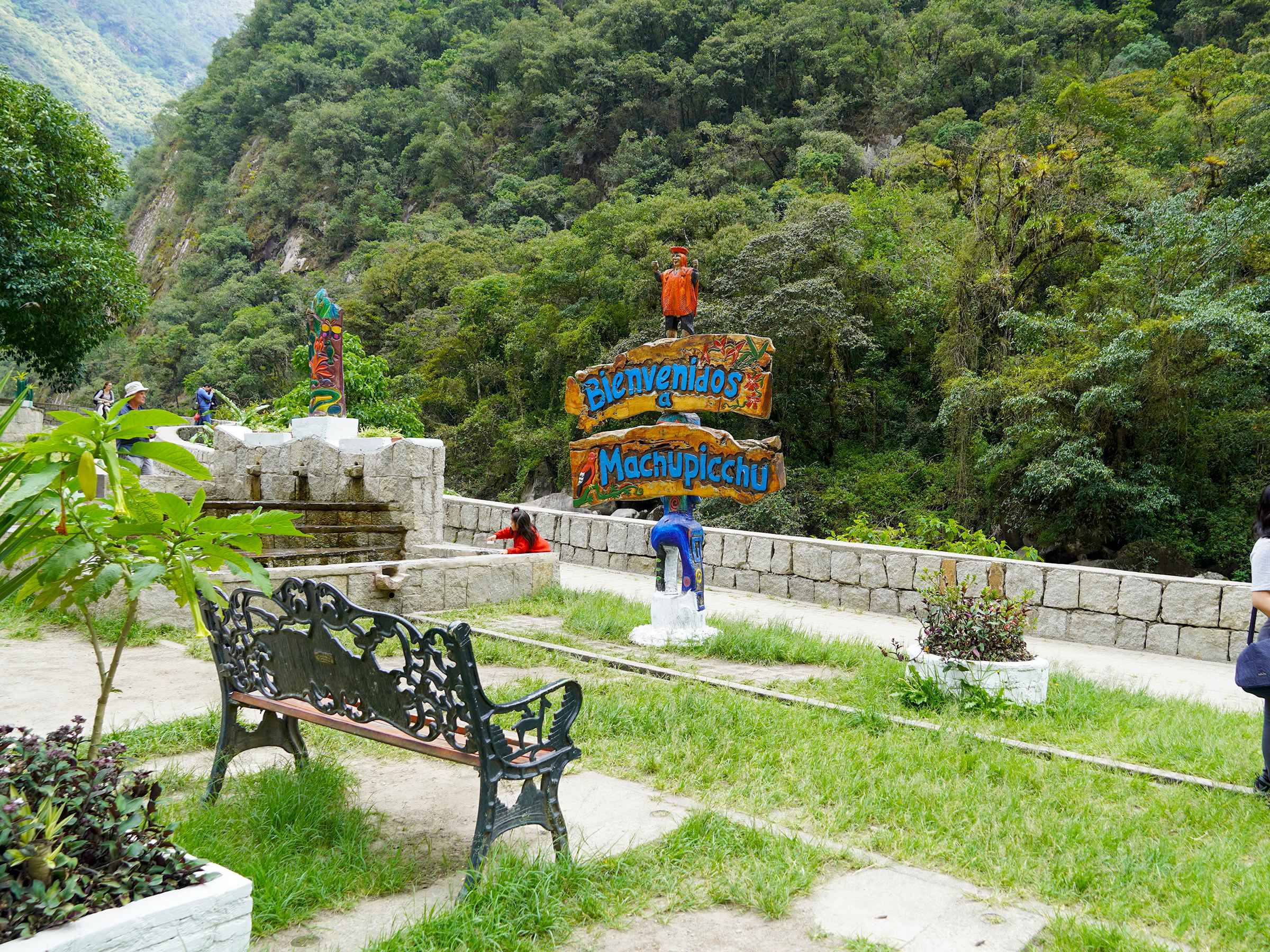
Aguas Calientes Town: The Charming Gateway to Machu Picchu Nestled in the heart of the Andes, Aguas Calientes…

Peru Altitude Guide Peru is a land of breathtaking landscapes and rich cultural heritage. Its diverse geography includes…

Machu Picchu Climb Machu Picchu is a dream destination for many travelers. Nestled high in the Andes, it…

Discover the Amazing Sacred Valley Cusco Nestled in the heart of the Andes, the Sacred Valley of Cusco…

The best time to visit Machu Picchu in Peru depends on what matters most to you: weather, crowds,…

Cusco Altitude Cusco, a city nestled in the Andes, is renowned for its breathtaking altitude. At 11,152 feet…