Peru Highlights 10-Day Tour


A 10-day journey through Arequipa, Colca Canyon, Lake Titicaca, Rainbow Mountain, and Machu Picchu.
Most Peru itineraries treat destinations as photo opportunities — a fortress here, a monastery there, a market elsewhere. This approach misses what matters most about Peru.
The Andean region is not a collection of sites — it is a living cultural stratigraphy where pre-Inca civilizations (Colla, Wari, Tiwanaku) built ceremonial architecture that Inca imperial engineers absorbed and elevated, upon which Spanish colonial reconstruction imposed Baroque cathedrals and cloistered monasteries, beneath which contemporary Quechua and Aymara communities continue ancestral practices as they have for 500+ years of continuous cultural transmission.
The Peru Highlights 10-Day Southern Peru Andean Cultural Grand Circuit is the ONE tour designed for travelers who want this depth — not the fastest route through Peru, not the most Instagram-friendly, not the most adventure-packed. The most culturally comprehensive.
Five reasons cultural depth seekers choose this specific format:
1. Southern Peru cultural depth as the deliberate focus ⭐. The multi-day catalog is intentionally divided by traveler intent: 12-Day Peru Vacation Package integrates coastal adventure (Paracas + Nazca + Huacachina) for adventure-diversity travelers; 8-Day Amazon COMBO delivers a dual-ecosystem bucket list at the LUXURY tier. This 10-Day format commits fully to Southern Peru cultural stratigraphy — Arequipa colonial + Colca pastoral + Titicaca ethnic + Cusco imperial + Sacred Valley traditional + Machu Picchu cultural — nothing else. The deliberateness matters: adding coastal or Amazon segments here would dilute the cultural depth this itinerary is built to deliver.
2. Ethnographic depth beyond standard tourism. Where surface tours visit “Uros Islands” as a tourist stop, this tour engages Uros people as a 500-year-old continuous aquatic civilization with specific construction traditions, social structures, and adaptation strategies. While surface tours mention Taquile Island briefly, this tour explores UNESCO Intangible Cultural Heritage men’s knitting tradition—a gender-reversed textile knowledge system where boys begin knitting at age 6 and adult male knitting skill signals marriageability. Every ethnic community engagement carries this depth.
3. Colonial architecture depth is impossible in shorter tours. Arequipa’s Santa Catalina Monastery is not a “photo stop” — it’s a 20,000 m² 400-year-old cloistered convent where Spanish and criollo noblewomen lived entirely enclosed lives, developing a distinct architectural and social culture visible in painted colonial walls, cobblestone alleys with Spanish street names, and preserved cells. The tour provides extended time to actually experience this — not the 30-minute tourist visit but the immersive engagement it deserves.
4. Pre-Inca cultural continuity emphasis. Sillustani chullpas are pre-Inca Colla funerary towers up to 12 meters tall, showing precision stone-fitting that rivals Inca work and was later absorbed into the Inca cultural sphere through respectful conquest. Cruz del Condor is not merely a wildlife viewing site — it is a traditional Andean cosmological pilgrimage location where the condor represents a sacred spiritual messenger between the middle world (Kay Pacha) and the upper world (Hanaq Pacha). This depth transforms every site visit.
5. Andean-Christian syncretism throughout. Every colonial religious site in Southern Peru embeds pre-Christian Andean spiritual practices beneath a Catholic veneer. Cusco Cathedral contains Cuzco School paintings in which Andean artists depicted Christian saints using traditional Andean visual codes—the Virgin Mary as Pachamama, Christ crowned with Inca imperial symbols. Coricancha (Sun Temple) literally has Santo Domingo Convent built on its stripped-gold Inca foundations. This tour reveals the syncretism explicitly rather than pretending Christianity replaced Andean spirituality.
| ⏱️ Duration | 10 days / 9 nights — Cultural depth pace |
| 🎯 Category | Cultural + Heritage + Ethnographic ⭐ |
| 📚 Voice | CULTURAL ANTHROPOLOGIST — ethnographic depth |
| 🏨 Accommodation | Casa Andina 3-star cultural texture standard (5 cities) |
| 📅 Day 1 | Arrival in Arequipa + UNESCO White City colonial exploration ⭐ |
| 📅 Day 2 | Arequipa → Chivay/Colca (via Pampa Cañahuas vicuña reserve + hot springs) |
| 📅 Day 3 ⭐ | Cruz del Condor Andean cosmological pilgrimage + Chivay → Puno (via Sillustani Colla chullpas) |
| 📅 Day 4 | Titicaca Uros aquatic civilization + Taquile UNESCO knitting tradition |
| 📅 Day 5 ⭐⭐ | Puno → Cusco via Rainbow Mountain, Pitumarca, sacred Q’ero territory |
| 📅 Day 6 | Free acclimatization day in Cusco — imperial capital contemplation |
| 📅 Day 7 | Pisac Ruins + Cusco City Tour (Sacsayhuaman puma-head + Coricancha syncretism) |
| 📅 Day 8 | Chinchero Quechua textile + Moray agricultural laboratory + Maras salt continuum + Ollantaytambo living Inca town + train |
| 📅 Day 9 | Machu Picchu Circuit 2A/2B/3B cultural visit + Munaycha lunch + return Cusco |
| 📅 Day 10 | Free morning + Airport transfer to Lima |
| ⛰️ Max altitude | Rainbow Mountain 5,100m Day 5 ⭐ |
| ⛰️ Min altitude | Aguas Calientes 2,065m Day 8 |
| 🎓 Guide | Cultural expert bilingual guides throughout |
| 🚂 Trains | PeruRail Expedition round-trip |
| 🏍️ Rainbow Mountain access | Pitumarca + 2-wheel motorcycles ida y vuelta ⭐ |
| 🍽️ Meals | 13 (9 breakfasts + 4 signature cultural lunches) |
| 🎫 Entrance fees | All cultural sites included (8+ heritage sites) |
| 🎯 Format | PRIVATE TOUR (1-10 travelers) |
| 🎓 Age | 7+ with guardian — cultural maturity |
| 📅 Operating | Throughout the year, daily |
| 💪 Physical | Moderate cultural walking (not adventure-focused) |
| 🚐 Transfers | All included |
| 💰 From | $1,792 USD par person PRIVATE group 10 |




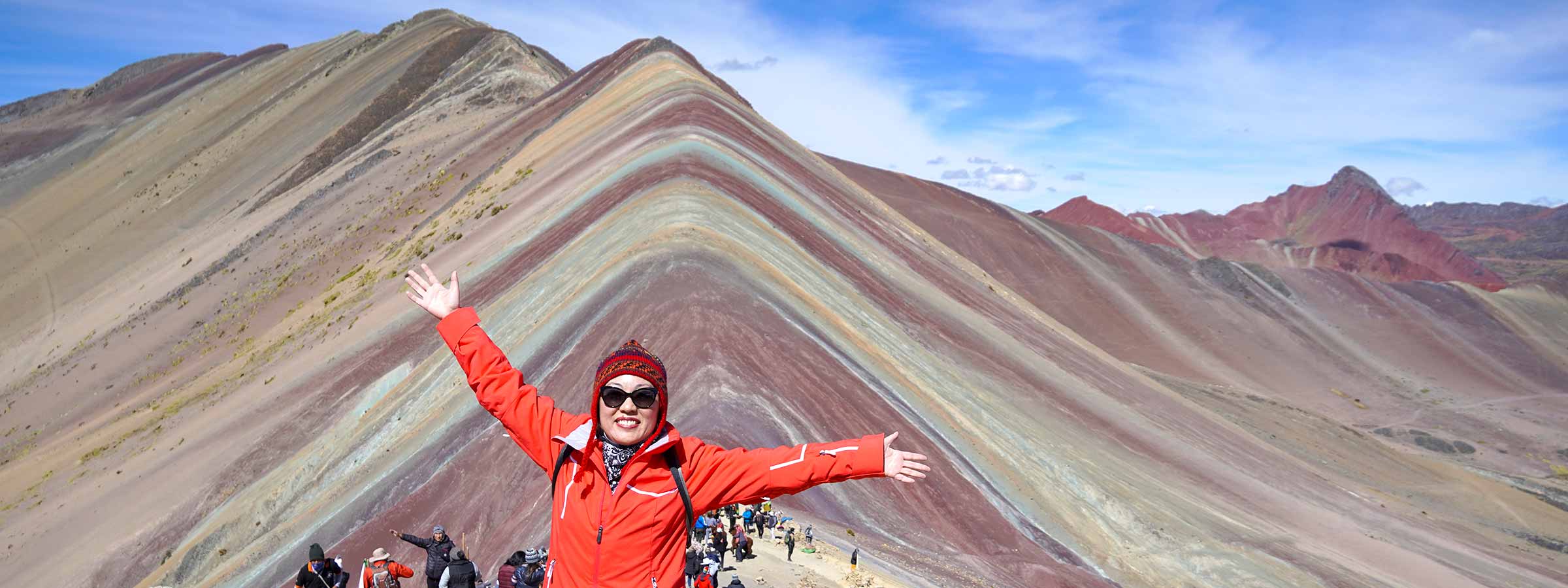
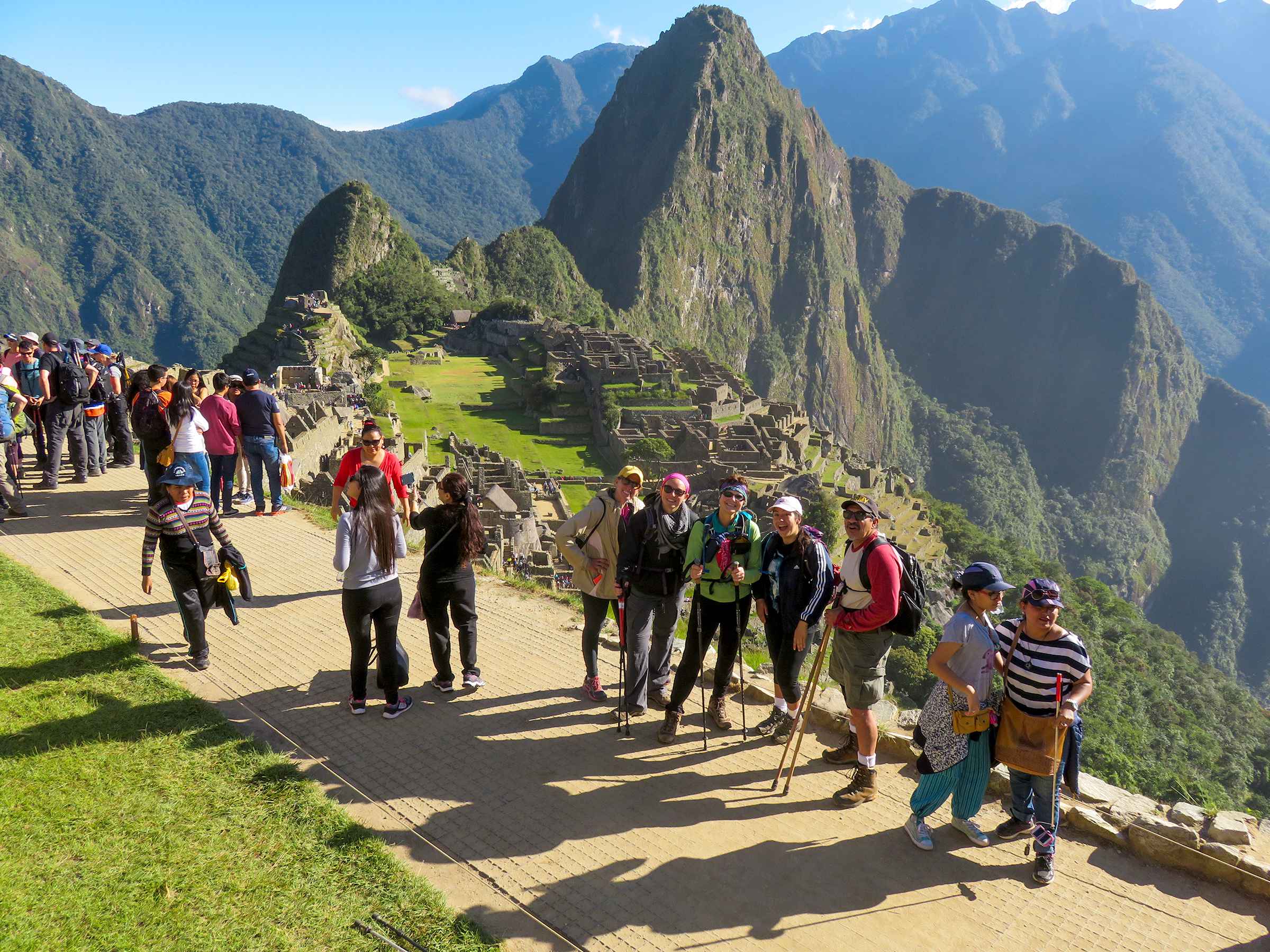
Southern Peru’s essential landscapes, connected in a single well-paced route. – Explore Arequipa’s colonial architecture and the Santa Catalina Monastery. – Watch Andean condors ride the thermals at Colca Canyon’s Cruz del Condor. – Visit the floating Uros Islands and Taquile Island on Lake Titicaca. – Close the trip with Rainbow Mountain, the Sacred Valley, and Machu Picchu. This is the Peru Highlights 10-Day Tour, start to finish.
The Peru Highlights 10-Day Tour commits fully to Southern Peru cultural depth—designed for travelers who know fast-paced, multi-region Peru tours miss what makes the Andes worth traveling to.
Fundamental design philosophy: Cultural depth over surface coverage. Where the 12-Day Peru Vacation Package adds coastal adventure diversity (Paracas + Nazca + Huacachina) for adventure-diversity travelers, this 10-Day format deliberately excludes coastal segments to maintain a pure Andean cultural focus. Every day engages Andean cultural stratigraphy — pre-Inca + Inca + colonial + contemporary Quechua/Aymara layers.
This IS the tour for:
Every day of this tour engages Peru’s cultural stratigraphy explicitly:
🏛️ Pre-Inca Layer (2,000 BCE – 1400 CE):
👑 Inca Imperial Layer (1400-1533 CE):
⛪ Spanish Colonial Layer (1533-1821 CE):
🎭 Contemporary Living Cultural Layer (1821-present):
Casa Andina 3-star throughout — deliberately chosen for cultural texture rather than LUXURY isolation. LUXURY 5-star hotels (Aranwa, Titilaka) separate travelers from local cultural context. Casa Andina’s mid-range positioning maintains cultural immersion while providing modern comfort, breakfast, WiFi, and heating.
Different accommodation philosophy than:
Four signature cultural lunches — each chosen for cultural significance, not just cuisine:
Different lunch positioning than 12-Day Peru Vacation — that tour includes the same signature restaurants but positions them as a “coastal-to-Andean culinary progression” rather than pure Andean cultural context.
The Complete 10-Day Southern Peru Cultural Stratigraphy — Ethnographic Depth Beyond Surface Tourism
This 10-day itinerary follows a genuinely dramatic altitude arc, rising from Arequipa’s 2,333 m through the Colca Canyon and Lake Titicaca’s roughly 3,800 m, before reaching the trip’s single highest point — Rainbow Mountain’s pass at 5,100 m — on Day 5.
Because that peak comes on Day 5, after four full days of gradual altitude exposure across Arequipa, Chivay, and Puno, travelers are considerably better acclimatized than they’d be attempting Rainbow Mountain on Day 1 or 2 of a trip. The remaining days in Cusco and the Sacred Valley sit in a comparatively gentle 2,065-3,800 m range.


“The Colonial White City Awakens — Baroque Architecture Under Volcanic Skies”
Your Southern Peru cultural journey begins at Arequipa — Peru’s second-largest city + UNESCO World Heritage historical center + colonial “White City” named for its distinctive sillar (white volcanic stone) architecture.
Cultural context: Spanish conquistadors founded Arequipa in 1540 on pre-existing Inca and Yarabaya cultural sites. The city developed distinctive criollo colonial culture blending Spanish, indigenous, and mestizo elements — with unique architectural, culinary, and social traditions still visible today. Arequipa’s cultural identity is famously independent — Arequipeños maintain a distinct identity from the Lima-centric Peruvian mainstream.
Kondor Path cultural guide + driver meet you at arrivals — the first cultural conversation begins immediately.
Casa Andina Standard Arequipa — colonial-inspired décor + traditional Peruvian textiles + private room + private bathroom + heating + WiFi.
Extended cultural briefing over welcome coca tea (deliberate slow start):
Insider Cultural Tip: Ask your guide to explain the puna/quechua/yunga altitudinal cultural zones — Andean civilizations organized culture by elevation zones (each with distinct crops, animals, and cultural practices). This framework will enrich everything you observe.
Deep cultural exploration (not a tourist checklist walk):
Arequipa Plaza de Armas — UNESCO-recognized main plaza displaying integrated colonial urban planning:
Cultural depth: Notice how plaza layout mirrors Spanish colonial urban template imposed throughout the Americas — but built with local sillar volcanic stone, creating a distinctive Arequipa aesthetic impossible elsewhere. This is architectural syncretism — Spanish form + Andean materials.
Arequipa Cathedral interior features:
Cuzco School painting introduction (foundational for understanding all subsequent days):
This colonial religious art system is genuinely unique — no other Christian culture developed this level of syncretic visual language.
Jesuit church 1590-1698 — masterpiece of Andean colonial Baroque:
Cultural observation: Look for cantuta flowers, corn, and Andean fauna carved into “Christian” church façade. This is not decoration — it’s Andean religious presence embedded in colonial religious architecture, visible to indigenous congregations who understood the visual language.
Free evening for traditional Arequipeña dinner (own account). Culturally recommended restaurants:
Cultural cuisine context: Arequipa cuisine is one of Peru’s most distinctive regional traditions — spicy (rocoto peppers), meat-focused (given altitude), and integrating Spanish culinary influence with pre-Columbian Andean ingredients. This is one of Peru’s officially recognized “picantería” cuisines.
Total Day 1: UNESCO White City cultural introduction · Altitude 2,335m · Physical: Easy cultural walking

None

Easy

A light walk

5 to 13 minutes
Arequipa: 2,333m (7,654 ft)
Arequipa: 2,333m (7,654 ft)
Yanahuara: 2,362m (7,749 ft)
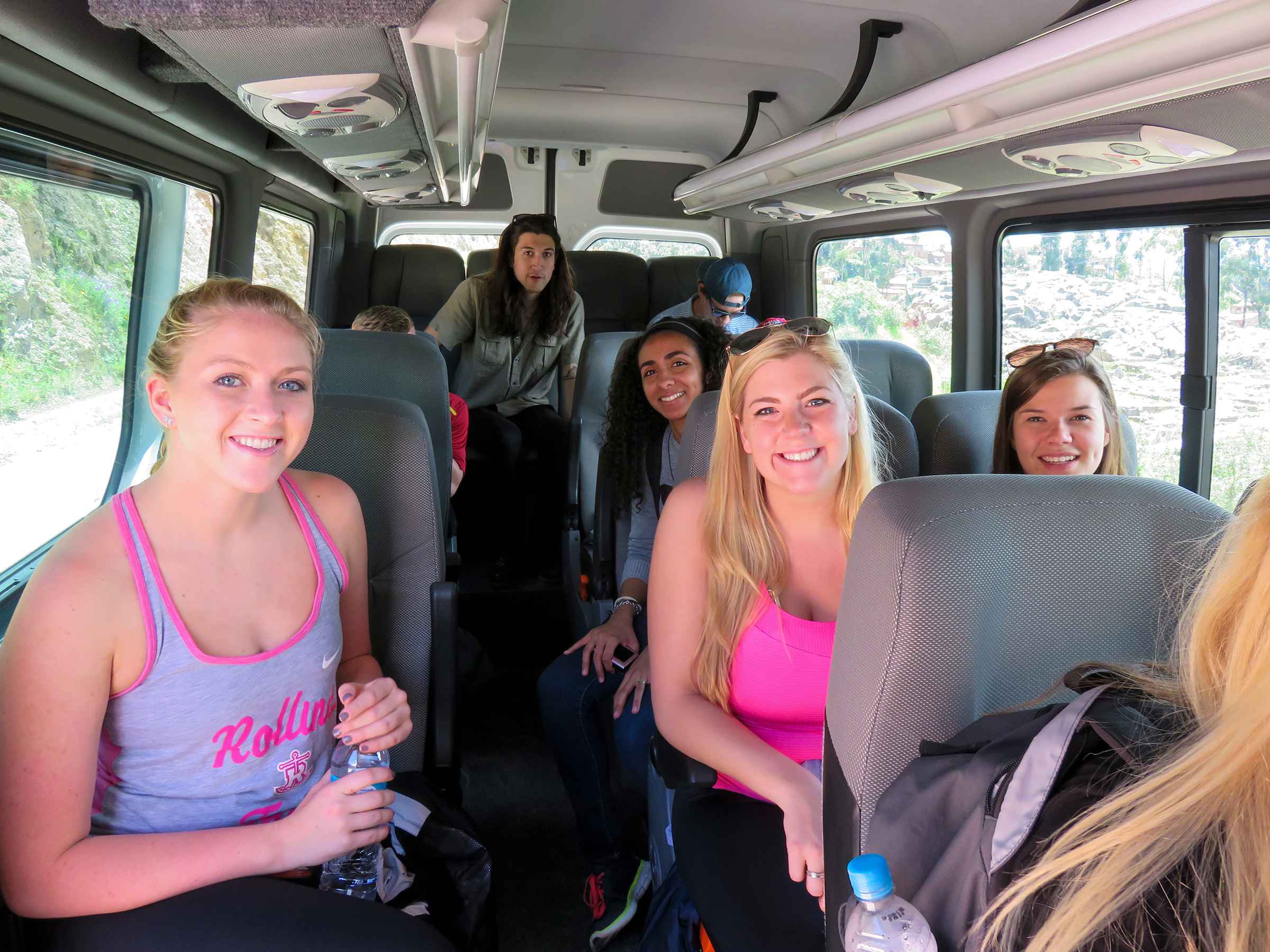


“The Andean Pastoral Culture Journey — From Colonial Baroque to Traditional Camelid Herding”
Approximately 4-hour scenic drive — but this is not just travel. It’s a cultural ascent from colonial Arequipa to pre-Inca pastoral culture.
Aguada Blanca Nature Reserve — a protected habitat for wild vicuñas, the smallest South American camelid.
Cultural anthropology depth:
Cultural observation moment: Traditional Andean pastoralism represents a 5,000-year continuous cultural practice — from pre-Inca (Chavín + Wari + Tiwanaku) through the Inca imperial period, through colonial disruption, through contemporary revival.
Patapampa Viewpoint (4,910m) ⭐ — panoramic view of Southern Peru’s active volcanoes:
Cultural context: These volcanoes are not merely geological features — they are Apus (mountain deities) in Andean cosmology. Ampato famously housed the “Juanita” Ice Maiden mummy — a 500-year-old Inca ceremonial sacrifice discovered in 1995, providing archaeological evidence of Inca high-mountain ceremonial practices.
Small Aymara-Quechua-speaking villages — traditional adobe architecture + terraced agriculture + traditional pastoralism.
Cultural observation: Traditional Andean village architecture uses local materials, aligned with wind, sun, and water patterns, and evolved over millennia. Colonial Spanish architecture (sillar Arequipa) contrasts dramatically with these traditional forms visible en route.
Chivay — Colca Valley market town — traditional Andean commercial center serving surrounding pastoral communities.
Recommended traditional lunch venues — local markets or family restaurants (rocoto relleno + trout + traditional soups).
Traditional Andean thermal baths — 38-42°C sacred waters used by Colca cultures for centuries. Alpine views + cultural relaxation.
Cultural note: Thermal springs in Andean tradition are considered female energy sacred sites — different sacred protocols than mountain (Apu) worship.
Casa Andina 3-star Chivay — mountain-view + heating essential at 3,635m.
Traditional dinner at Casa Andina or a Chivay restaurant (own account). Try: cuy chactado (traditional Andean prep of guinea pig), quinoa soup, alpaca steak with Andean spices.
Cultural evening context: In Colca Valley communities, evening gatherings traditionally involve oral history transmission — family stories, agricultural lore, spiritual teachings passed generation to generation. This tradition continues among traditional families today.
Total Day 2: Colonial → pastoral cultural transition · Altitude 2,335m → 3,635m · Physical Moderate
1B.
Moderate
A light walk
5 to 10 minutes, mainly by car
Arequipa: 2,333m (7,654 ft)
Cruz Del Condor: 3,802m (11,646 ft)
Patabamba: 4,469m (14,662 ft)


“The Sacred Bird Circuit + Pre-Inca Funerary Culture”
Deliberate early start — Cruz del Condor optimal viewing at dawn/morning + long travel day ahead.
Drive through traditional Andean villages at dawn:
Cultural observation opportunity: Notice traditional Collagua/Cabana women’s hats — distinctive embroidered forms indicating ethnic identity. Collagua hats are elaborately embroidered rounded forms. Cabana hats are flat-topped with different decorative traditions. This visible ethnic differentiation predates Inca conquest and continues today.
Cruz del Condor — most reliable Andean condor viewing site on Earth, but understood in this tour as a traditional Andean cosmological pilgrimage location.
Beyond wildlife observation:
Andean condor facts:
Photography Cultural Note: Approach with respect — this is not merely a photo opportunity but participation in the cultural tradition of condor observation. Local Andean traditions consider direct condor eye contact significant.
Long scenic drive through traditional Aymara + Quechua cultural territories to Puno.
High-altitude Andean lake + traditional Aymara-Quechua pastoral communities in the area.
Sillustani — Peru’s most impressive pre-Inca cultural site overlooking Lake Umayo — deserves more time.
Chullpas are funerary towers built by the Colla civilization (pre-Inca, 1200-1450 CE) — an advanced Aymara-speaking civilization that preceded the Inca in the Titicaca region.
Colla civilization cultural characteristics:
Sillustani specific features:
Cultural significance beyond archaeology: Contemporary Aymara people still living in the Titicaca region are direct cultural descendants of the Colla civilization. Traditional practices survive despite 500+ years of Spanish/Christian influence.
Photography opportunity: Late afternoon light on chullpas + Lake Umayo backdrop — cultural + landscape photography combined.
⚠️ Altitude cultural adaptation: Puno is one of the world’s highest cities. Traditional Andean altitude adaptation includes:
Cultural evening context: Puno cultural identity blends Quechua + Aymara + Spanish colonial + mestizo elements — distinctive from other Peruvian regional cultures.
Total Day 3: Cruz del Condor cosmological pilgrimage + Colla pre-Inca cultural inheritance · Altitude 3,635m → 3,802m → 3,810m · Physical Moderate
1B.
Easy
A light walk
15 to 25 minutes
Chivay: 3,663m (12,017 ft)
Puno City: 3,827m (12,555 ft)
Patabamba: 4,469m (14,662 ft)
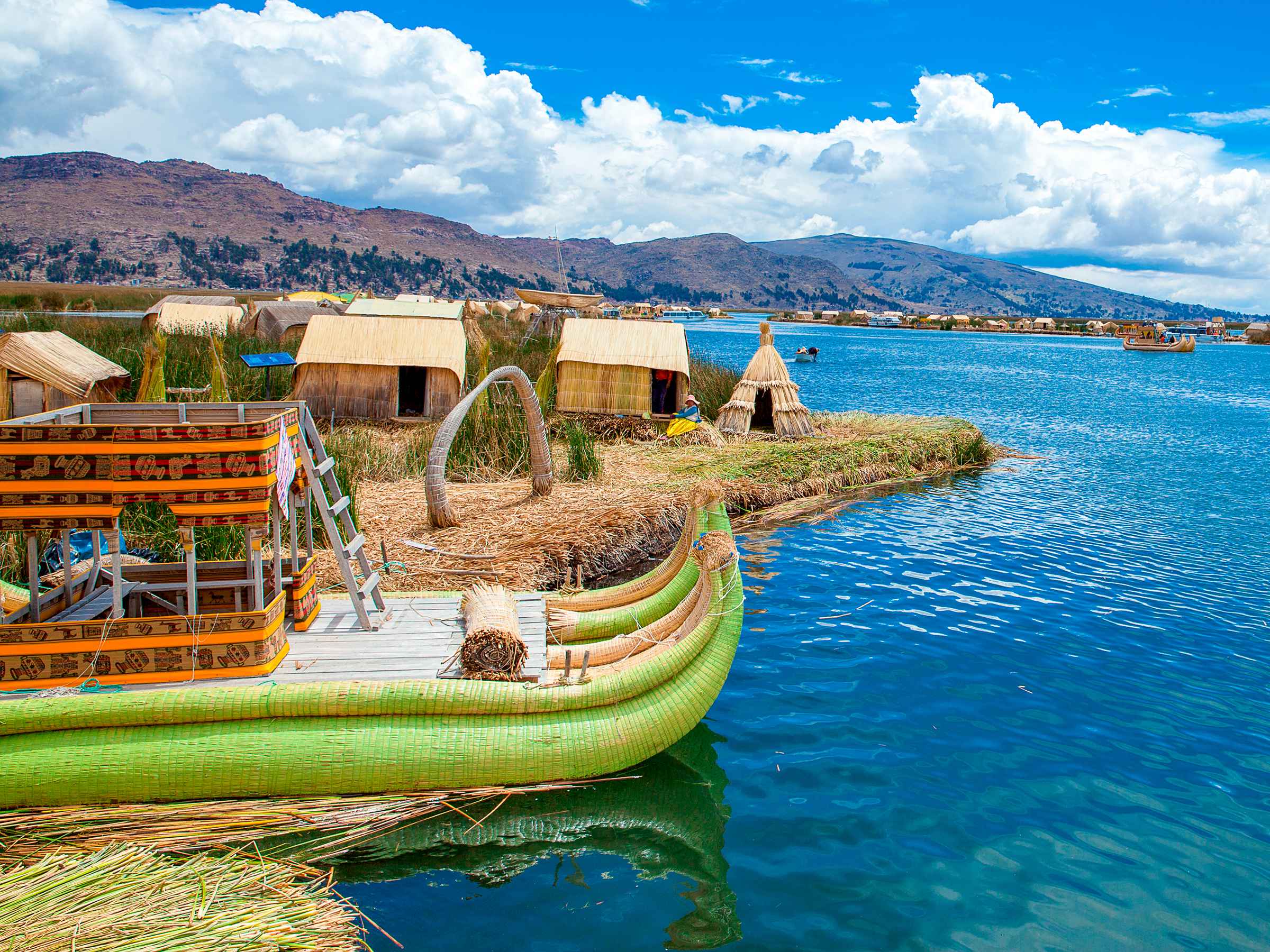


“The Living Sacred Lake Cultures — 500 Years of Continuous Ethnic Traditions”
Speedboat for full-day Titicaca cultural circuit.
Lake Titicaca cultural context:
Uros people — indigenous community living on hand-woven totora reed islands for over 500 years — represent one of Earth’s most distinctive adaptive civilizations.
Ethnographic context:
Construction technique (unchanged for 500+ years):
Cultural engineering significance: This is genuine adaptive civilization — humans developing a complete cultural system in an aquatic environment previously considered uninhabitable. Anthropological importance comparable to other adaptive civilizations globally.
Respectful cultural engagement:
Cultural sensitivity protocol:
Longer boat journey to Taquile Island — panoramic lake views + traditional Aymara-Quechua fishing boats + distant Bolivian Andes.
Taquile Island — UNESCO Intangible Cultural Heritage of Humanity (2005) for the “Art of Weaving in Taquile.”
Ethnographic profile:
Taquile Island represents a genuinely unique gender-reversed textile knowledge system:
Men knit + Women weave — gender roles inverted from most world cultures:
Traditional Taquile textiles are visual narrative systems — not decoration but encoded knowledge:
Stone paths ascending 3,950m — this walk itself is a cultural experience:
⚠️ Altitude cultural note: Walk slowly. This is not a fitness test — it’s a cultural pilgrimage pace.
Traditional family-prepared meal — this is the signature cultural experience of the tour:
Traditional Taquile menu:
Cultural significance: This meal provides direct economic support to Taquile families and supports participation in traditional Andean hospitality culture, where meal-sharing carries spiritual significance beyond food consumption.
Extended cultural engagement:
Early rest — Day 5 EXTREMELY early wake-up.
Cultural reflection evening: Consider journaling ethnographic observations — Uros aquatic adaptation + Taquile gender-reversed knitting tradition = two genuinely unique cultural systems observed in a single day.
Total Day 4: Uros + Taquile ethnographic depth · Altitude 3,810m → 3,950m Taquile · Physical Moderate
1B, 1L.
Moderate
A light walks
10 to 25 minutes
Puno City: 3,827m (12,555 ft)
Uros Island: 3,827m (12,555 ft)
Taquile: 3,827m (12,555 ft)

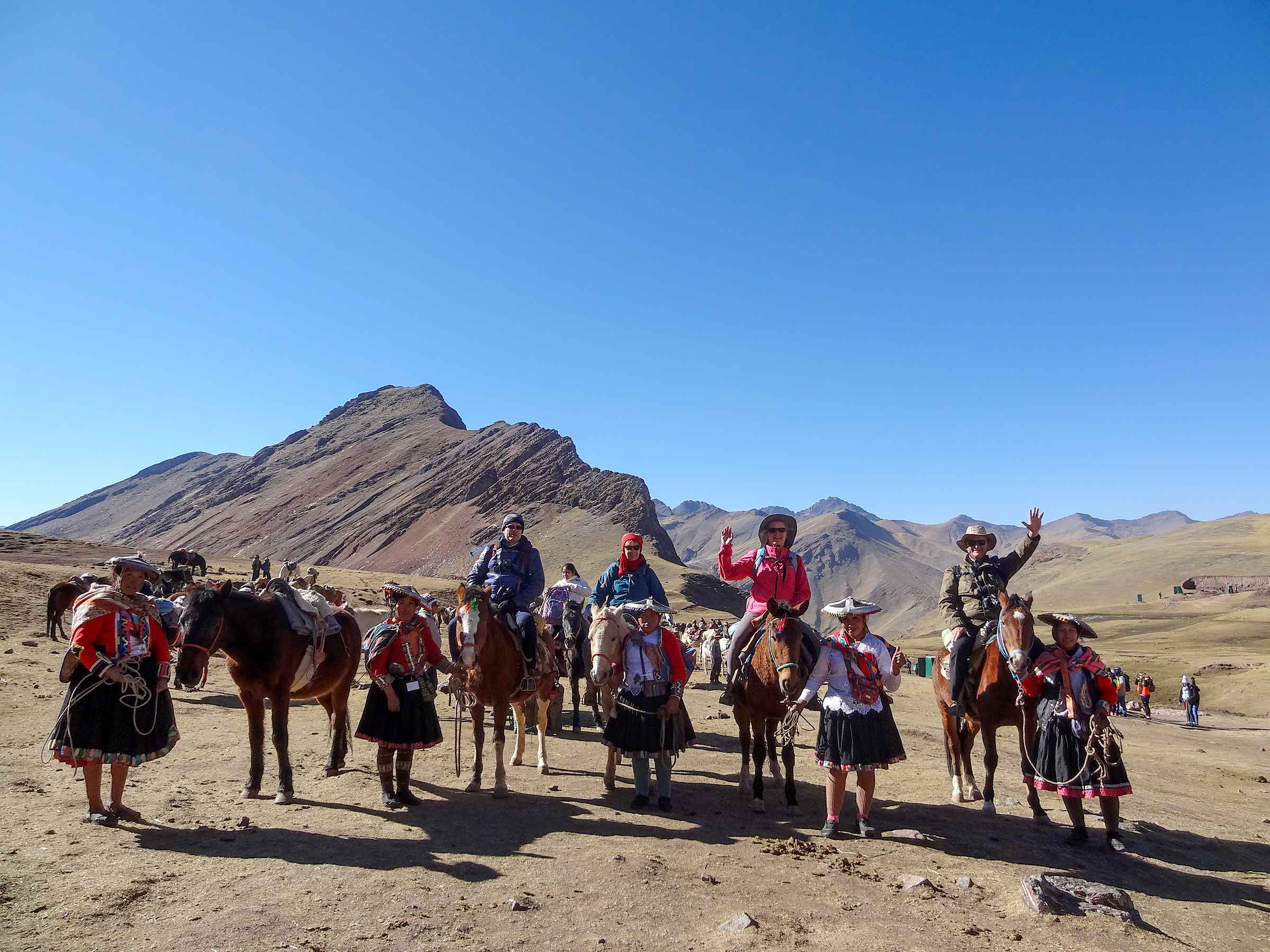
“The Sacred Mountain Circuit — Pitumarca Q’ero Cultural Territory + Ausangate Apu Pilgrimage”
Cultural note: While other tours treat Rainbow Mountain purely as a geological wonder, this tour engages the Pitumarca approach as passage through sacred Q’ero cultural territory — the Q’ero people being direct spiritual descendants of the Inca who preserved ancestral practices in remote high-altitude villages after Spanish conquest.
Long travel day — approximately 8-10 hours total driving to complete Rainbow Mountain visit + Cusco arrival.
Long scenic drive north through:
Pitumarca — small Quechua-speaking community providing alternative Rainbow Mountain access + passage into sacred Q’ero cultural territory.
Q’ero people — often considered “the last Incas“:
Note: Deep Q’ero cultural engagement available through separate 13-Day Peru Spiritual Journey with Master Shaman Amaru Katari Katari. This 10-Day tour passes through Q’ero territory but does not include shamanic ceremonies (deliberately preserved for spiritual pilgrimage tour).
Transition from vehicle to motorcycles:
Cultural economic note: This transportation model provides direct economic support to Pitumarca community — motorcycle owners are local Quechua-speaking residents whose livelihood depends on cultural tourism.
Less than 10 minutes walking — dramatically shorter than the standard Cusipata route, appropriate for cultural-focused (not adventure-focused) travelers.
What you’ll see (with cultural framing):
Geological + cultural explanation: Rainbow Mountain’s colors come from mineral oxidation over 24 million years — but only became visible after the 2013- 2015 glacial retreat. The mountain has always been sacred to Q’ero cultural tradition — recent visibility is a contemporary discovery of a long-standing spiritual site.
⚠️ Altitude cultural reality: 5,100m = 50% sea-level oxygen. Traditional Andean altitude wisdom: move slowly, rest often, chew coca leaves (traditional respiratory support).
Photography with cultural respect: This is a sacred landscape to the traditional Q’ero people. Photographs with cultural awareness — you’re documenting a sacred site, not just Instagram content.
Traditional buffet lunch — recovery meal after altitude effort at trusted Colca-area restaurant:
Most travelers rest — cultural + physical effort exhaustion.
Cusco cultural context: You are entering the historical capital of the Inca Empire — the “navel of the world” (Qusqu in Quechua) — center of one of the largest empires in human history.
Coca tea welcome + extended rest + light dinner (own account) + early bedtime.
Total Day 5: Q’ero territory + Rainbow Mountain sacred landscape · Altitude 3,810m → 5,100m → 3,350m ⚠️ EXTREME · Physical Challenging
1L.
Challenging
A light walk, mainly by horse
A short hike (35 min), mainly by horse (100 min)
Llactoq: 4,900m (16,076 ft)
Llactoq: 4,900m (16,076 ft)
Rainbow Pass: 5,100m (16,732 ft)


“The Cusco Cultural Recovery Day — Absorbing the Imperial Capital at Your Own Pace”
Cultural context: Cusco is most historically dense city in the Americas — 3,000+ years of continuous cultural layering. This free day lets you absorb that density at a cultural traveler’s pace, rather than a compressed tourist schedule.
Deliberately positioned after Rainbow Mountain for rest + cultural absorption of Cusco.
Leisurely breakfast — cultural recovery day begins slowly.
🏛️ Historical Cusco Cultural Immersion:
Plaza de Armas — colonial main plaza built directly on Inca Huacaypata (ceremonial plaza) — layered cultural stratigraphy in a single location:
Cathedral of Cusco (independent visit, ~US$8):
Qorikancha (Sun Temple) (independent visit, ~US$5):
San Blas Artisan District:
San Pedro Central Market:
Recommended Cusco cultural cuisine venues (own account):
Recommended cultural museums:
⚠️ What NOT to do (cultural recovery):
Total Day 6: Free cultural acclimatization · Altitude 3,350m constant · Physical: Easy
1B.
Easy
None, optional
🙂
Cusco: 3,350m (10,990 ft)
Cusco: 3,350m (10,990 ft)


“The Sacred Valley Cultural Gateway + Imperial Cusco Ceremonial Circuit”
~1-hour drive to Pisac — Sacred Valley cultural gateway.
Pisac — extensive Sacred Valley Inca cultural + administrative + ceremonial + agricultural center.
Cultural depth:
Historical cultural significance: Strategic Inca administrative center controlling Sacred Valley eastern entrance. Continuous cultural importance from the Inca imperial period through the colonial period to contemporary Quechua communities.
Full guided tour of Cusco’s ceremonial architecture + colonial cultural sites.
Massive Inca ceremonial fortress with cultural significance far beyond military function.
Cultural depth:
Cultural observation: Notice precision stone-fitting — no mortar, stones interlocking with such precision that a knife blade cannot fit between them. This represents peak Inca cultural achievement in stone masonry.
Inca hydraulic engineering cultural marvel:
Small military outpost controlled access to Cusco from the northeast:
Carved from a single limestone outcrop — most mysterious Cusco cultural site:
Colonial religious art center:
Inca’s principal sun temple, with a colonial church built above (Santo Domingo Convent) — Cusco’s most visible cultural syncretism.
Cultural stratigraphy in a single site:
Cultural observation: The physical evidence of colonial destruction visible in Coricancha walls (colonial construction rebuilt after earthquakes, Inca walls unchanged since 15th century) provides the most compelling architectural argument for Andean engineering superiority.
Cultural dinner recommendations (own account) — see Day 6 recommendations.
Total Day 7: Sacred Valley gateway + Cusco imperial ceremonial + colonial syncretism · Altitude 3,350m → 3,765m Tambomachay · Physical: Moderate cultural walking.
Breakfast
Moderate
A light walks
10 to 35 minutes
Cusco: 3,350m (10,990 ft)
Sacsayhuaman: 3,500m (11,482 ft)
Tambomachay: 3,765m (12,352 ft)


“The Sacred Valley Cultural Density Day — From Inca Agronomy to Living Inca Town”
Pack for overnight in Aguas Calientes — main luggage stays at Casa Andina Cusco.
Chinchero — traditional Quechua-speaking village considered “birthplace of the rainbow” in Inca mythology:
Women’s cooperative preserving ancient Quechua textile techniques — cultural knowledge preservation:
Traditional weaving depth:
Chinchero-specific patterns additional to universal Andean symbols:
Cultural economic note: Direct traveler purchases support the cooperative — women receive fair prices for ancestral craft. Textile purchases are acts of cultural preservation, not mere shopping.
Moray — Inca concentric circular terraces — agricultural experimentation cultural site.
Cultural context:
Cultural anthropology significance: Moray represents Inca approach to agriculture as science + spirituality — combining practical crop breeding with sacred geometric principles.
Maras — ~5,000 pre-Inca salt evaporation ponds — continuous active production for over 500 years by local Quechua families.
Cultural continuum depth:
Ethnographic details:
Cultural photography opportunity: Geometric salt-pond patterns — culturally significant landscape shaped by 500 years of continuous human cultural activity.
Ollantaytambo — one of the world’s few living Inca towns — continuous inhabitation since the Inca imperial period (1400s):
Cultural historical significance: Manco Inca defeated Spanish conquistadors here in 1536 — one of the few Inca military victories against invaders. The fortress served as a temporary Inca capital before the retreat to the Vilcabamba jungle refuge.
Cultural site features:
Traditional Sacred Valley cultural gathering venue — Fernando-selected trusted Urubamba restaurant:
Essential Sacred Valley cultural culinary experience.
Additional time in Ollantaytambo for:
1h 40min scenic journey through Sacred Valley + cloud forest transition — cultural landscape observation during train transit.
Aguas Calientes cultural context: Small tourism-focused town serving as Machu Picchu access point — cultural texture heavily shaped by tourism industry rather than traditional Quechua patterns.
Free evening — dinner (own account) + hot springs (optional ~US$5) + early bedtime.
Recommended dinner venues: Indio Feliz + The Tree House + Chullpi Machu Picchu.
Total Day 8: Sacred Valley cultural density · Altitude 3,350m → 2,065m · Physical Moderate
Box Lunch
Easy
A light walks
10 to 35 minutes
Chinchero Ruins: 3,800m (12,467 ft)
Machu Picchu Pueblo: 2,065m (6,774 ft)
Chinchero Ruins: 3,800m (12,467 ft)


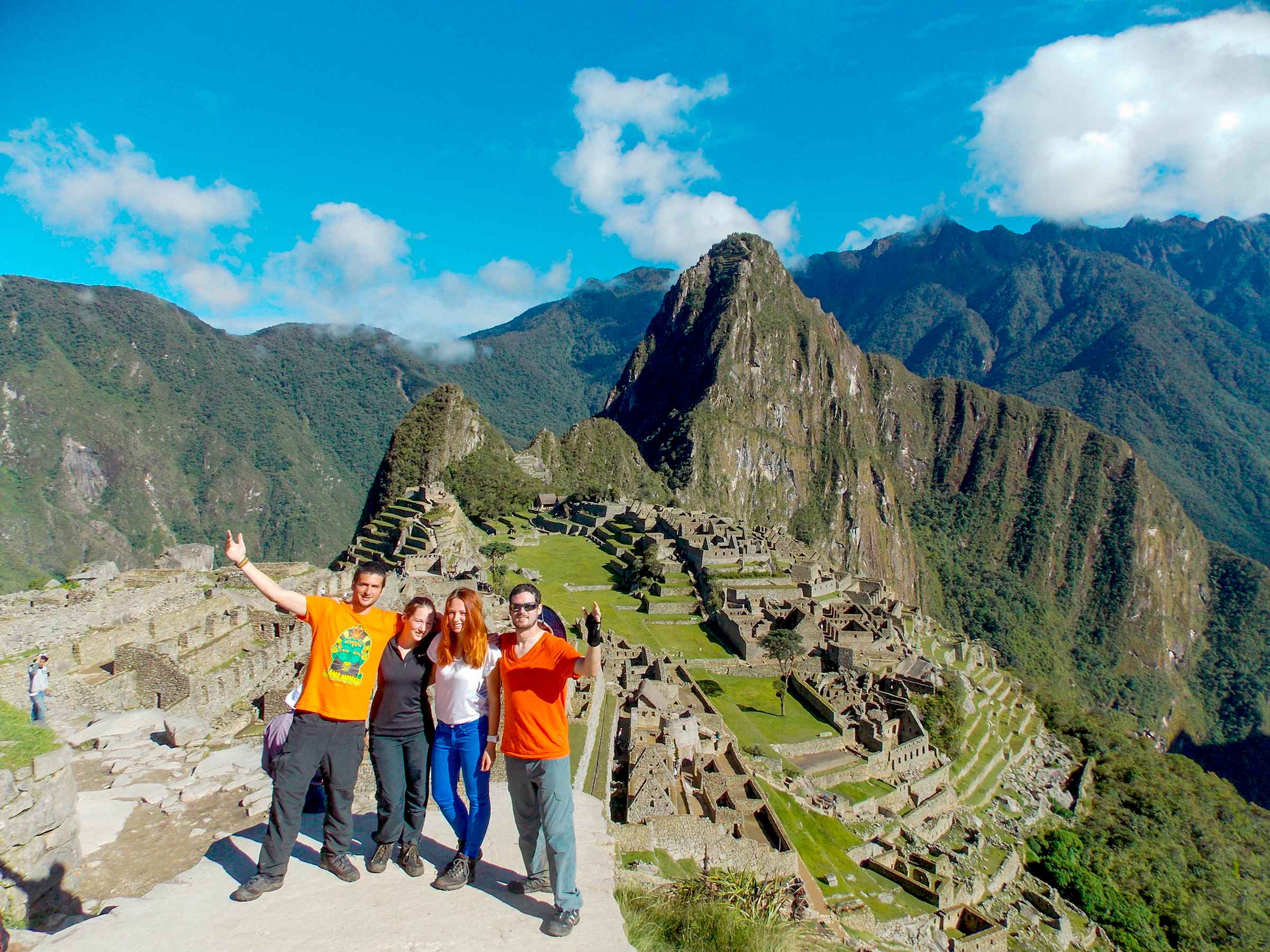
“The Sacred Citadel Cultural Encounter — Machu Picchu as Cultural Heritage”
Prepare daypack: passport (mandatory) + camera + water + rain jacket + snacks.
25-minute Consettur bus up switchback road.
Comprehensive cultural guided tour following 2027-2028 regulations.
Machu Picchu cultural depth:
Cultural cornerstones:
Cultural anthropology observations:
~60 min free time for cultural photography reflection.
Optional cultural extensions (require advance permits, +$75 each):
Traditional Peruvian cultural cuisine at Munaycha — Fernando’s selected post-MP restaurant:
1.5h scenic journey — cultural landscape reflection during transit.
2h scenic drive — cultural landscape observation.
Rejoin main luggage + free evening for cultural dinner reflection.
Total Day 9: MP cultural encounter + return · Altitude 2,065m → 2,400m → 3,350m · Physical Moderate
1B
Easy
A light walk
2-hour guided tour
Machu Picchu Pueblo: 2,065m (6,774 ft)
Machu Picchu Ruins: 2,400m (7,874 ft)
Cusco: 3,350m (10,990 ft)
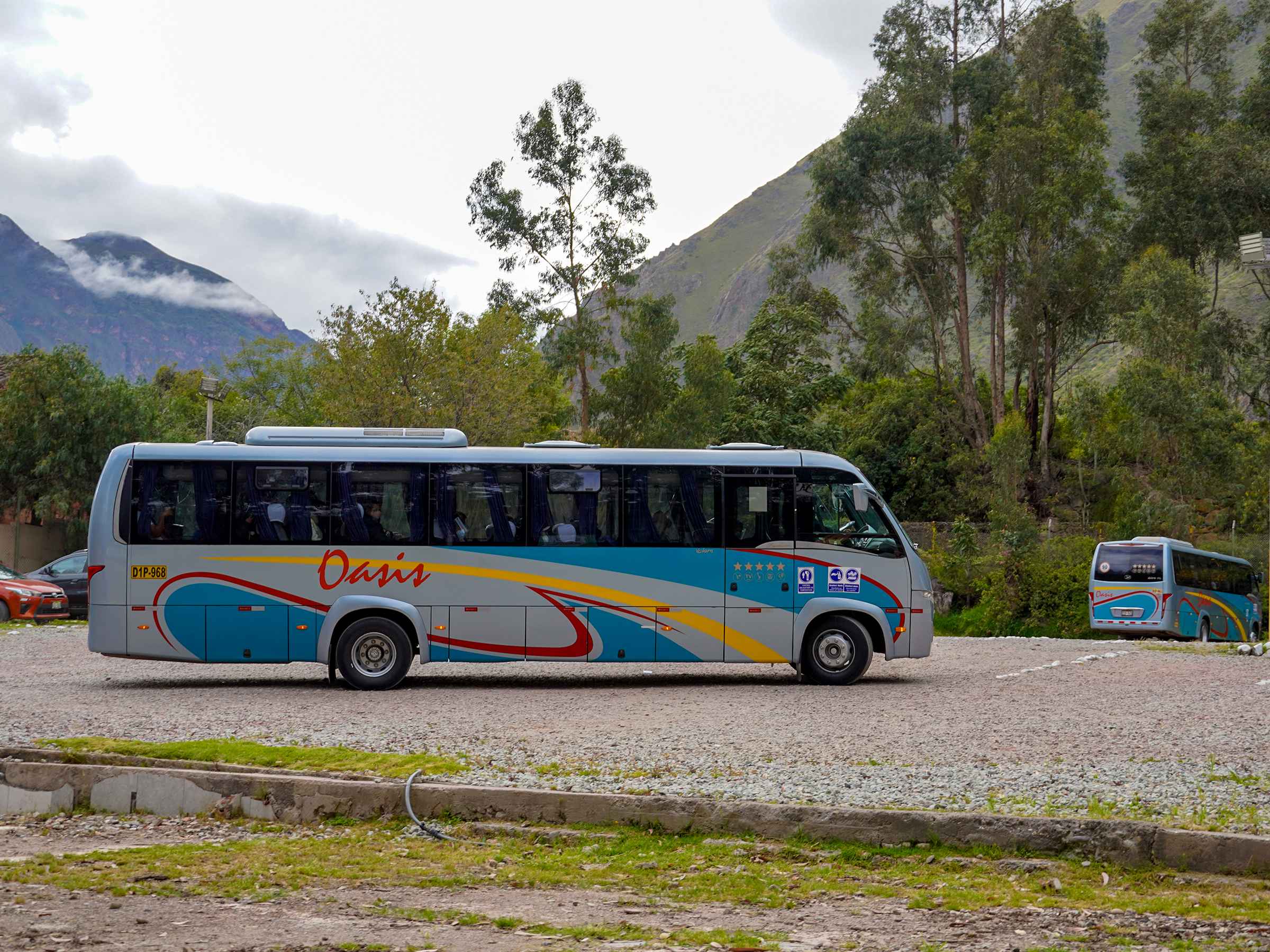
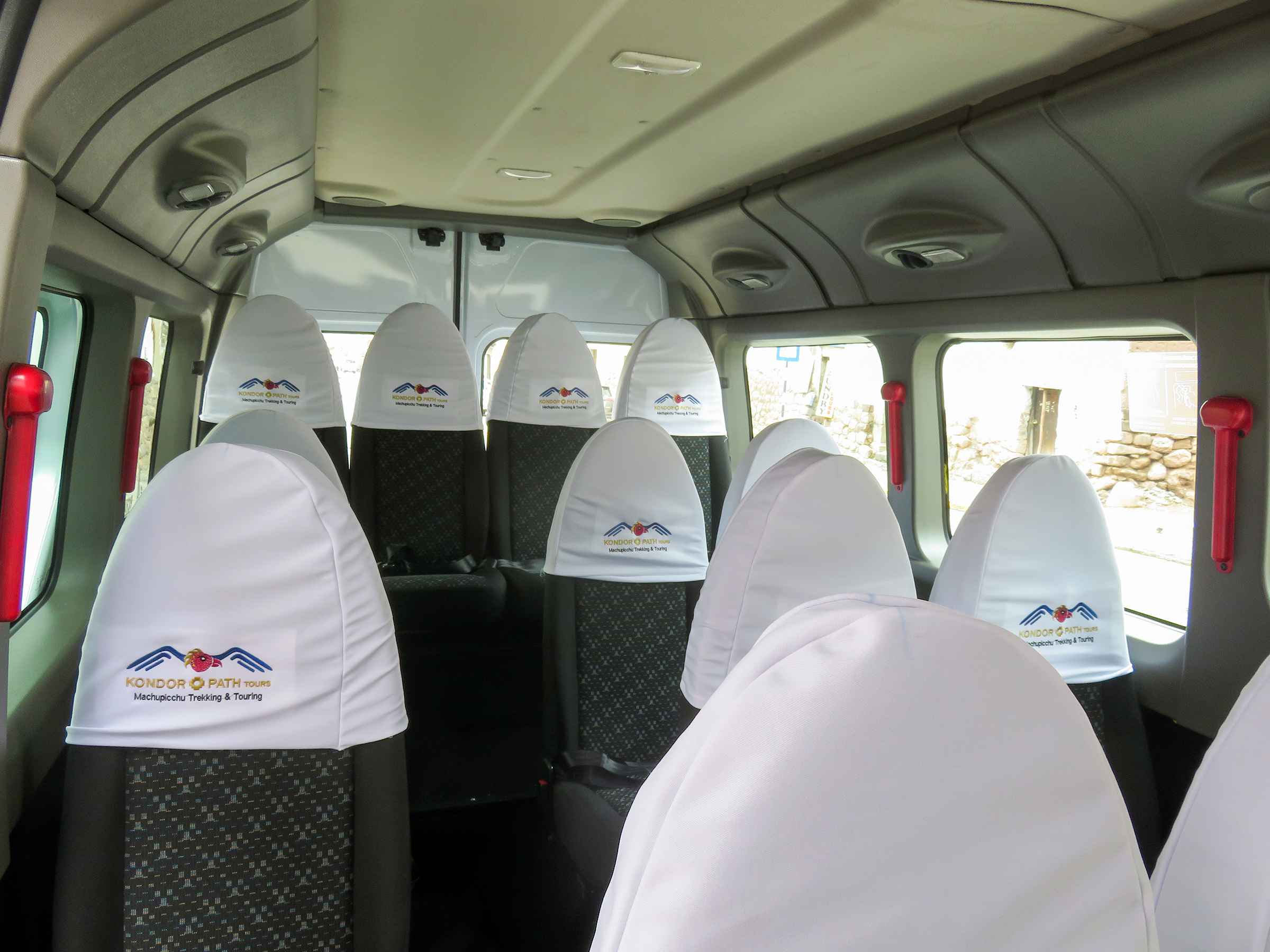
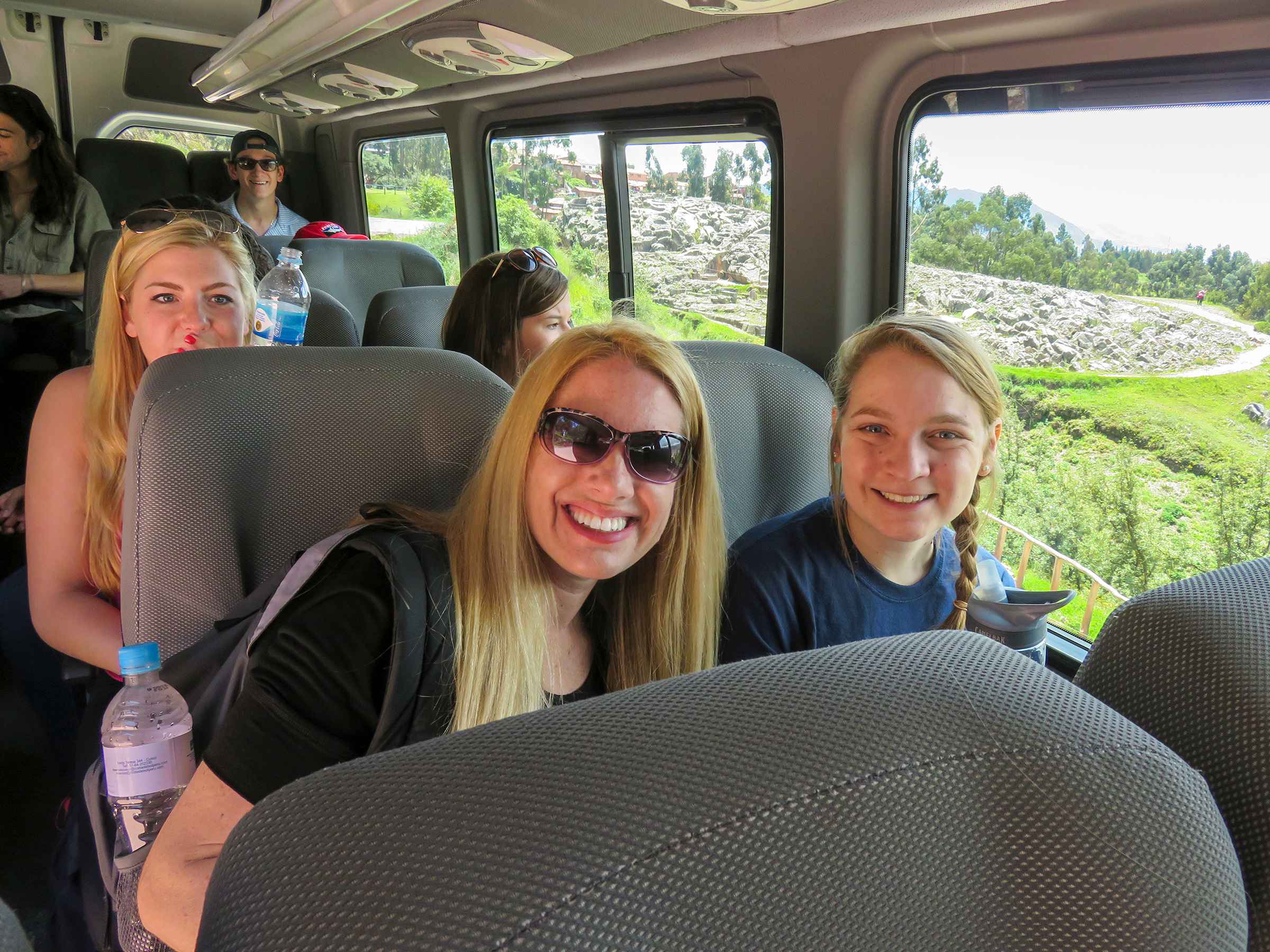
“The Cultural Journey’s Reflection — Final Cusco Time Before Return”
Free morning for personal cultural reflection + optional Cusco activities:
Final Peruvian breakfast — Andean cultural cuisine appreciation.
Kondor Path driver provides transfer to Cusco’s Alejandro Velasco Astete International Airport for departure.
Recommended departure: After 12:00 PM to preserve morning cultural time.
Cultural depth achievement: In 10 days, you engaged cultural stratigraphy across pre-Inca + Inca + colonial + contemporary Quechua/Aymara layers through UNESCO White City + Colca pastoral + Colla chullpas + Uros/Taquile + Rainbow Mountain Q’ero territory + Cusco imperial + Sacred Valley + Machu Picchu. Substantially deeper than surface tourism.
Total Day 10: Cultural farewell · Altitude 3,350m · Physical Easy
| Category | Statistic |
|---|---|
| ⏱️ Duration | 10 days / 9 nights — Cultural depth pace |
| 📚 Voice | Cultural anthropologist — ethnographic depth |
| 🌍 Cultural focus | Southern Peru Andean Grand Circuit |
| ⛰️ Altitude range | 2,065m Aguas Calientes → 5,100m Rainbow Mountain |
| 🏨 Accommodation | 9 nights Casa Andina 3-star (5 cultural cities) |
| 🏛️ Cultural sites | 15+ (Arequipa colonial + Colca + Sillustani + Uros/Taquile + Rainbow Mountain sacred + Cusco imperial 4-site + Sacred Valley 5-site + MP) |
| 🏛️ UNESCO sites | Arequipa historic center + Santa Catalina + Machu Picchu + Taquile Intangible Heritage |
| 🎭 Ethnic cultural encounters | Uros + Taquile + Q’ero territory + Chinchero + Ollantaytambo living Inca town |
| 🚂 Trains | PeruRail Expedition round-trip |
| 🍽️ Meals | 13 (9 breakfasts + 4 signature cultural lunches) |
| 🎫 Entrance fees included | All 8+ cultural site fees |
| 🚐 Transfers | All included |
| 🎓 Guide team | Cultural expert bilingual guides throughout |
| 💪 Physical difficulty | Moderate cultural walking (not adventure-focused) |
1B.
Easy
None
🙂
Cusco: 3,350m (10,990 ft)
Lima: 79m (259 ft)
Accommodation (9 nights Casa Andina 3-star)
Guides
Transport (All Included)
Meals — 13 Included
Guided Cultural Activities
Entrance Fees (All Cultural Sites Included)
Safety
Other
Documents:
Cultural clothing (variable Andean altitudes 2,065m-5,100m):
Rainbow Mountain Day 5 specific:
Cultural equipment:
Cultural reading (optional pre-trip):
The Kondor Path multi-day portfolio is deliberately structured by traveler intent, not by “similar tours with different lengths.” Each format solves a different Peru problem: 12-Day Peru Vacation Package integrates coastal adventure (Paracas + Nazca + Huacachina) for adventure-diversity travelers; 8-Day Amazon COMBO delivers a dual-ecosystem bucket list with LUXURY accommodations. This 10-Day commits fully to Southern Peru cultural depth — deliberately non-coastal, non-Amazon, pure Andean cultural stratigraphy focus.
| Difference | 10-Day Cultural (this) | 12-Day Peru Vacation |
|---|---|---|
| Voice | Cultural anthropologist | Adventure ecosystem explorer |
| Focus | Pure Andean cultural depth | Coast-to-Andes ecosystem diversity |
| Coastal segment | ❌ Deliberately excluded | ✅ Paracas + Nazca + Huacachina |
| Duration | 10 days | 12 days |
| Starting city | Arequipa | Lima |
| Age minimum | 7+ | 5+ |
| Traveler type | Cultural depth seekers | Complete Peru + adventure seekers |
Choose 10-Day for cultural depth focus. Choose 12-Day for coastal wonders + wider ecosystem coverage.
Cultural stratigraphy refers to the layered cultural inheritance visible throughout Southern Peru:
Every site on this tour reveals multiple layers simultaneously—the tour explicitly explores these layers rather than treating sites as isolated.
Syncretism = blending of religious/cultural traditions. In the Southern Peru context, this refers to how Christian Spanish colonial religion incorporated Andean spiritual practices:
Understanding syncretism transforms Andean religious site visits from tourist stops into deeper cultural engagements.
Q’ero — often called “the last Incas”:
Deep Q’ero cultural engagement available through separate 13-Day Peru Spiritual Journey with Master Shaman Amaru Katari Katari.
UNESCO Intangible Cultural Heritage 2005 recognition for:
Nowhere else on Earth has this specific gender-reversed textile cultural system developed.
YES — Casa Andina 3-star hotels included throughout (5 cities cultural bases). Breakfast, private rooms, heating, and WiFi included. Cultural texture standard — deliberately mid-range rather than LUXURY 5-star (which separates travelers from local cultural context).
13 meals included:
Dinners not included — plan ~$15-30/day for cultural cuisine restaurants.
No specific vaccinations required — no Amazon exposure. Basic vaccinations up-to-date recommended.
Moderate cultural walking overall — varies by day:
Gradual across 5 days — from 2,335m Arequipa (Day 1) → 5,100m Rainbow Mountain (Day 5), giving your body 5 days to adjust before the highest point.
Age 7+ with guardian over 21. Older minimum than 12 days because cultural depth engagement requires an attention span that younger children may not have.
Strongly recommended given multi-region + altitude exposure. World Nomads recommended.
Yes — LUXURY upgrades:
| Persons | Price (p/p) | |
| 1 | $ 6 057.00 USD | |
| 2 | $ 3 392.00 USD | |
| 3 | $ 3 148.00 USD | |
| 4 | $ 2 499.00 USD | |
| 5 | $ 2 444.00 USD | |
| 6 | $ 2 129.00 USD | |
| 7 | $ 2 113.00 USD | |
| 8 | $ 1 918.00 USD | |
| 9 | $ 1 929.00 USD | |
| 10 | $ 1 792.00 USD |