
Exploring Machu Picchu: An Informative Infographic
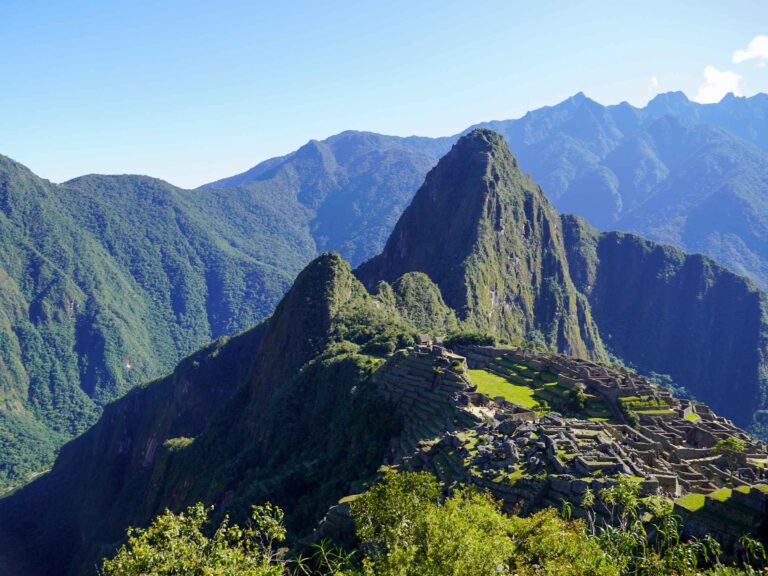
Machu Picchu is one of the world’s most famous archaeological sites, drawing travelers and history enthusiasts alike. Nestled high in the Peruvian Andes, it offers not only breathtaking views but also a profound glimpse into the ancient Incan civilization. This guide, complete with an informative infographic, will help you understand the layout and significance of Machu Picchu, enriching your exploration.

How to get to Machu Picchu – Machu Picchu Infographic
The Historical Significance of Machu Picchu
Machu Picchu, often called “The Lost City of the Incas,” was built in the 15th century during the reign of Emperor Pachacuti. It was later abandoned during the Spanish Conquest and remained hidden until it was rediscovered in 1911 by Hiram Bingham. Today, it stands as a UNESCO World Heritage site and one of the New Seven Wonders of the World.
Understanding the Layout of Machu Picchu
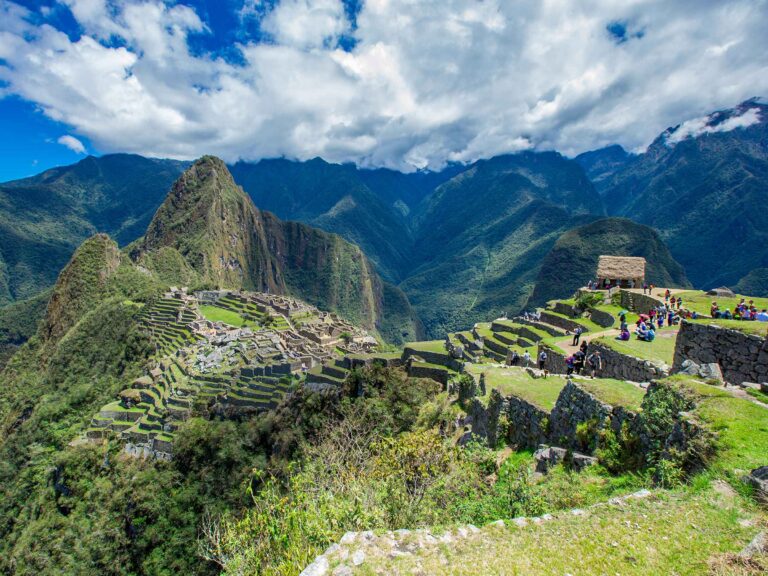
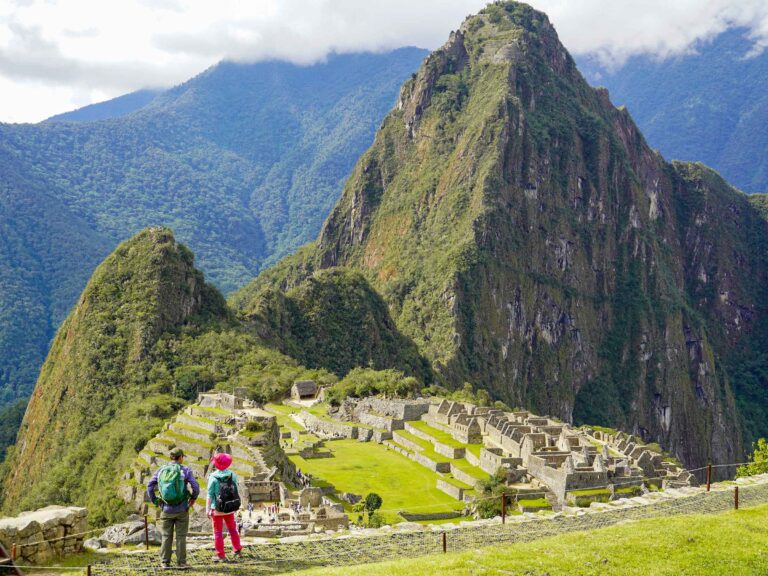
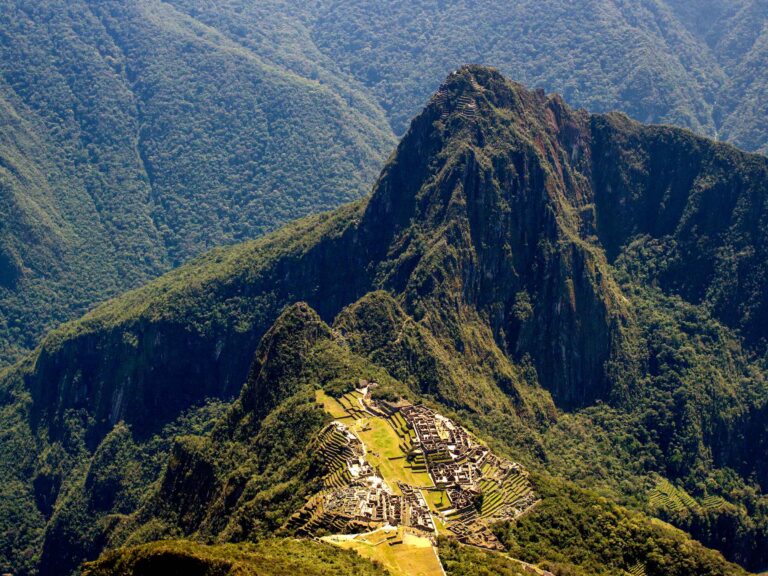
The layout of Machu Picchu is a marvel of ancient urban planning. The site is divided into two main areas: the agricultural sector and the urban sector.
The Agricultural Sector
This area consists of a series of terraces built into the mountainside. These terraces were used for farming and are a testament to the Incas’ advanced agricultural techniques. They prevented soil erosion and maximized arable land.
The Urban Sector
The urban sector is where the Incas lived, worshipped, and conducted their daily activities. It includes several key structures:
- The Temple of the Sun: A semi-circular building with a curved wall, used for astronomical observations.
- The Room of the Three Windows: A structure with three large windows that offer stunning views and are believed to have symbolic significance.
- The Intihuatana Stone: A ritual stone associated with astronomy, believed to be an astronomical clock or calendar.
Exploring the Key Features of Machu Picchu
Machu Picchu is rich with unique features and structures that offer a glimpse into the Incan way of life.
The Sacred Plaza
The Sacred Plaza is a significant ceremonial area comprising the Main Temple, the Temple of the Three Windows, and the Intihuatana Stone. This space was likely used for important rituals and gatherings.
The Royal Tomb
Believed to be the burial site of the Incan emperor, the Royal Tomb features carved stone steps and platforms. It is one of the most sacred spots in Machu Picchu and showcases the Incas’ intricate stonework.
The Inca Bridge
A hidden gem of Machu Picchu, the Inca Bridge is a stone pathway carved into the cliffside. It served as a secret entrance and a defensive measure against invaders.
Visiting Machu Picchu: Tips and Recommendations
Planning a visit to Machu Picchu requires careful preparation. Here are some tips to enhance your experience:
When to Visit
The best time to visit Machu Picchu is during the dry season, from April to October. The weather is more predictable, offering clear skies and optimal hiking conditions.
How to Get There
Visitors typically reach Machu Picchu by train from Cusco to Aguas Calientes, then by bus to the site. Alternatively, the Inca Trail offers a multi-day trek for those seeking adventure.
What to Bring
Pack essentials like sunscreen, a hat, water, and a camera. Wear comfortable hiking shoes, as you’ll be doing a lot of walking. Remember that Machu Picchu has strict regulations, so avoid bringing large bags or food.
The Cultural Impact of Machu Picchu
Machu Picchu is not just a tourist attraction; it is a cultural icon. Its discovery sparked renewed interest in Incan history and culture, influencing modern architecture and art.
Preservation Efforts
Preserving Machu Picchu is crucial for maintaining its historical and cultural significance. Efforts include limiting daily visitors, promoting sustainable tourism, and conducting ongoing archaeological research.
Global Recognition
Machu Picchu’s beauty and mystery continue to captivate people worldwide. Its designation as a UNESCO World Heritage site and inclusion in the New Seven Wonders of the World highlight its global importance.
Why Was Machu Picchu Built?
The exact purpose of Machu Picchu remains a mystery. However, scholars believe it served as a royal estate or a religious site. Its strategic location suggests it could have been a military stronghold. The city is a testament to the Incas’ architectural prowess, featuring sophisticated terraces, aqueducts, and temples.
Machu Picchu is a journey into the heart of the Incan Empire, offering insights into their advanced engineering, spirituality, and way of life. Whether you’re planning a visit or intrigued by its history, an informative infographic that explains the site’s layout and significance enhances your appreciation of this ancient wonder.
By immersing yourself in the stories and structures of Machu Picchu, you connect with a civilization that, despite its centuries-old silence, continues to speak volumes about human ingenuity and resilience.