Rainbow Mountain, also known as Vinicunca, is a breathtaking natural wonder located in the Andes of Peru. It has become a must-see destination for adventurers and nature lovers alike. With its vibrant colors and stunning landscapes, the hike to Rainbow Mountain is an experience you’ll never forget. In this article, we’ll discuss everything you need to know about hiking Rainbow Mountain, including preparation, the hike itself, and what to expect along the way.
Embark on a breathtaking adventure with the Rainbow Mountain Cusco Hike, a mesmerizing journey through the Andes. Discover the vibrant hues of the iconic Vinicunca, or Rainbow Mountain, as you trek through the high-altitude landscapes. Immerse yourself in Peru’s natural wonder, where the surreal beauty of colorful mineral deposits creates a stunning tapestry. Explore the enchanting allure of Rainbow Mountain and witness nature’s artistry at its finest.

Rainbow Mountain Cusco Hike
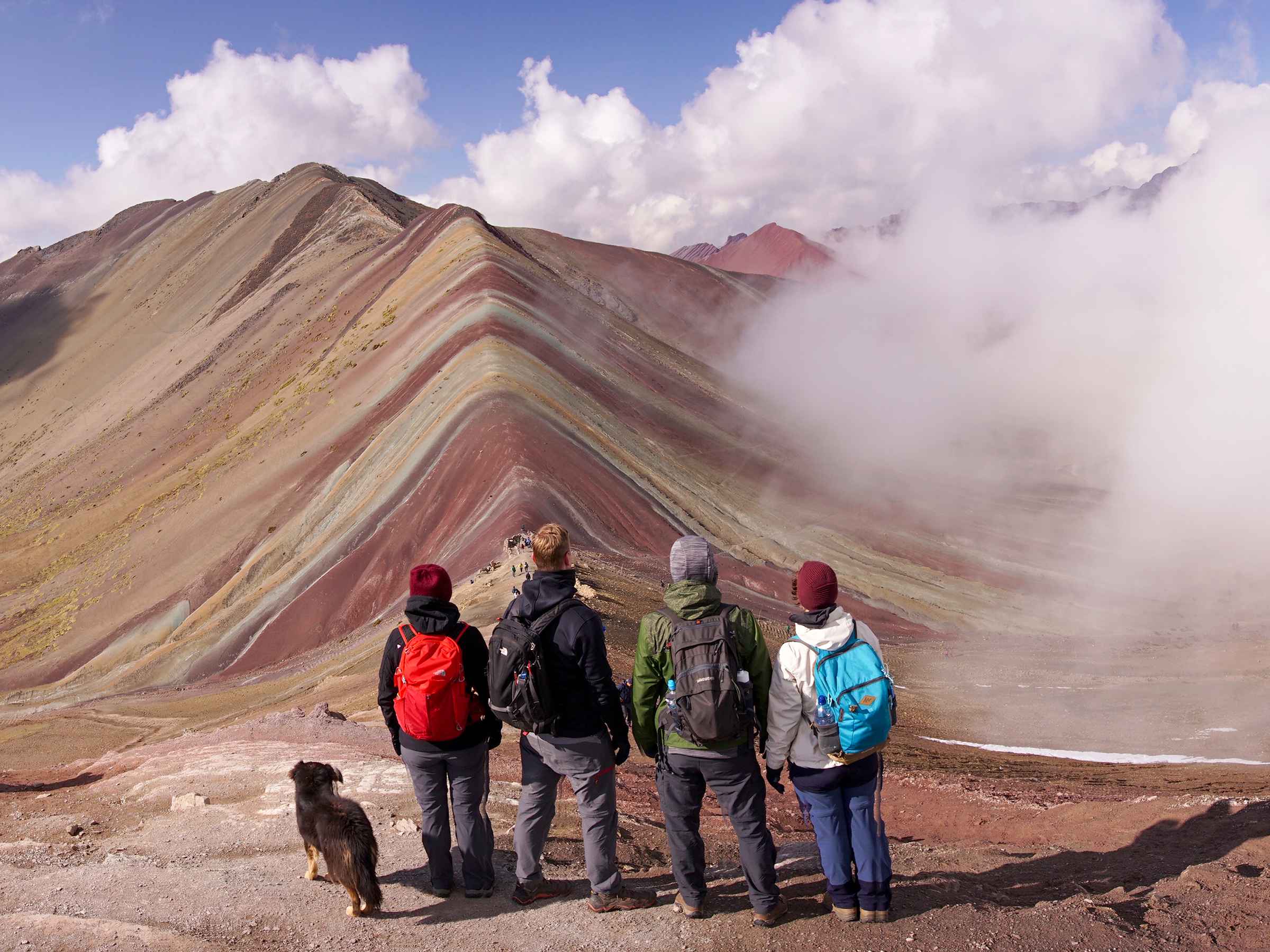
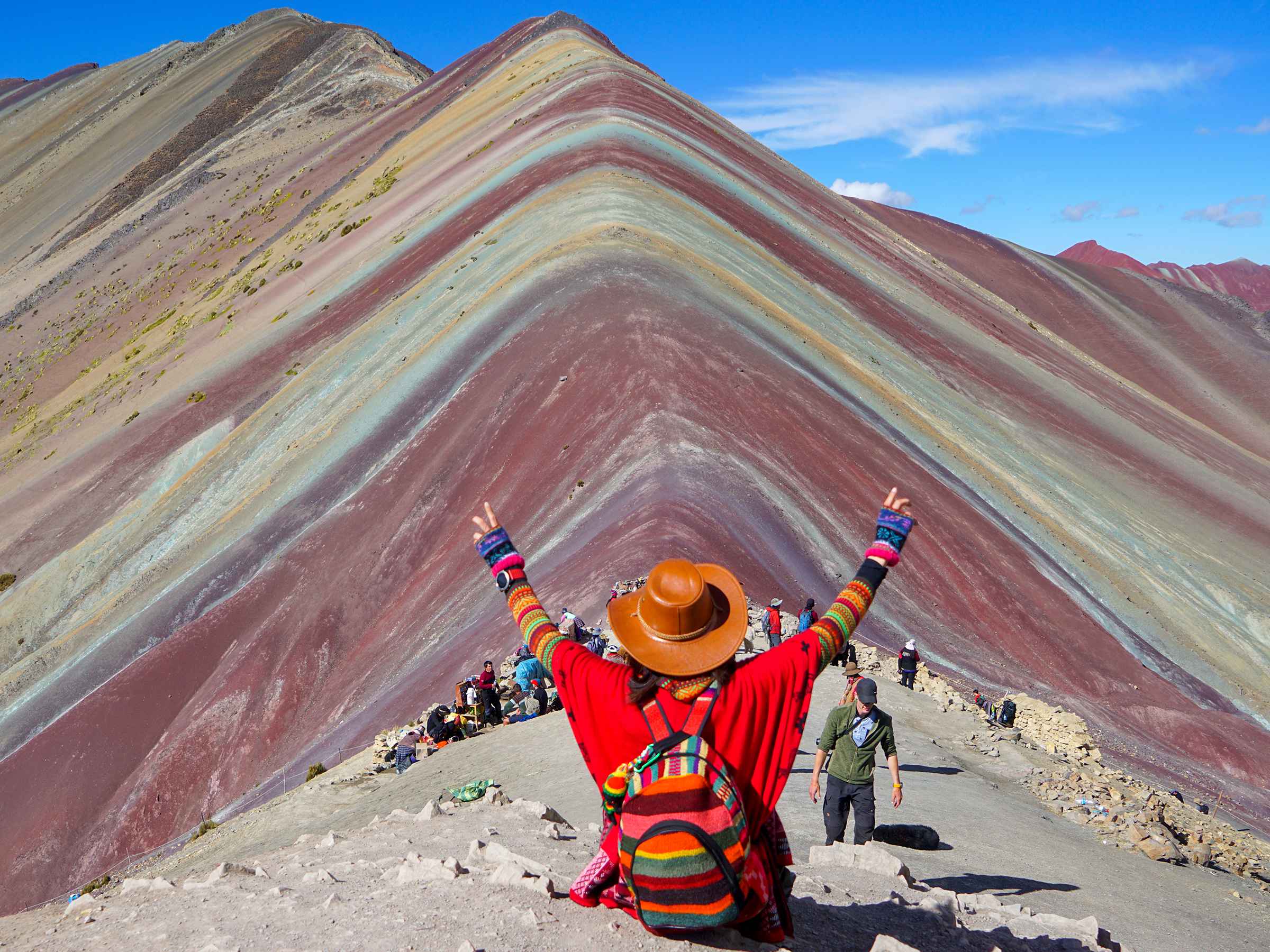
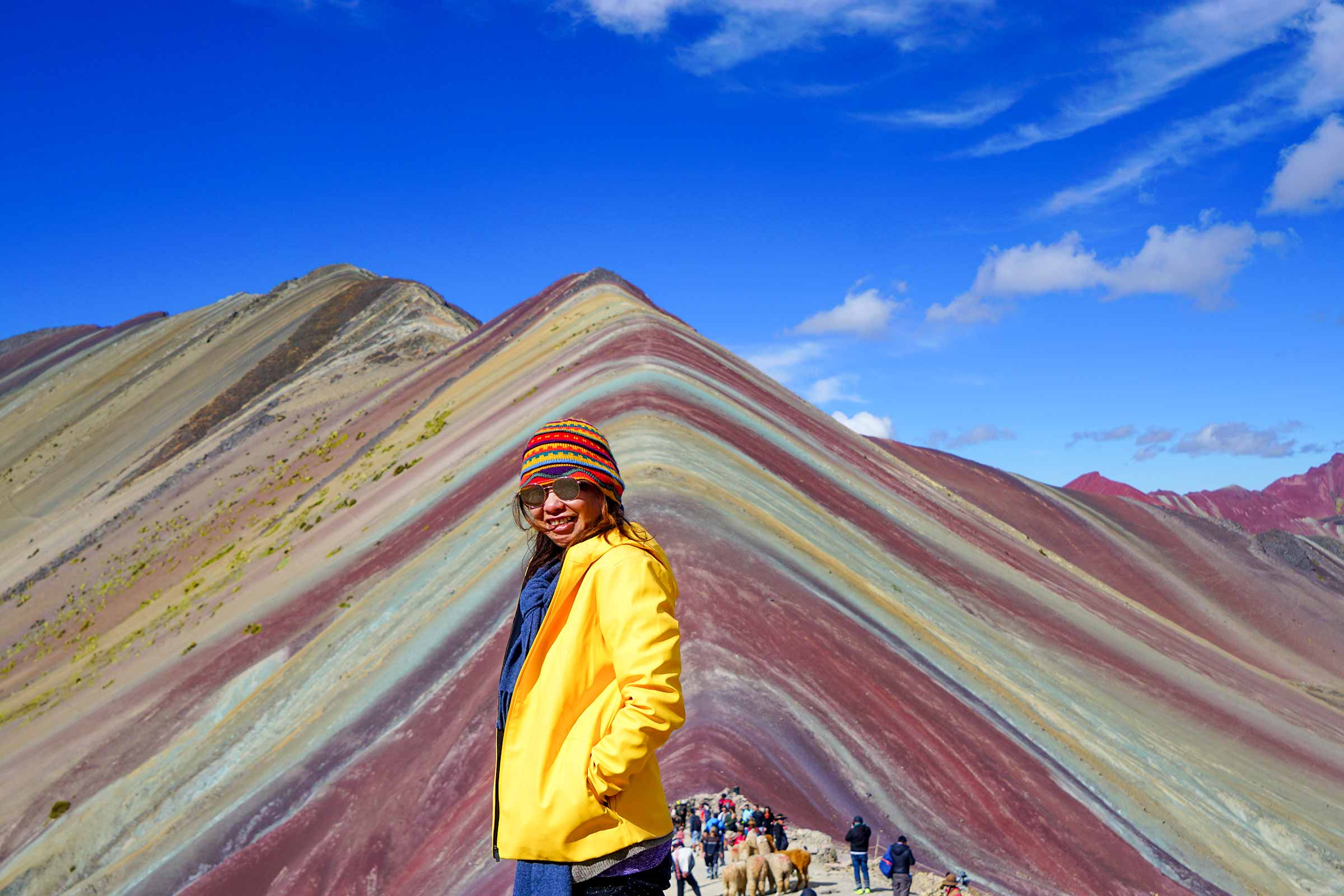
Rainbow Mountain is famous for its striking colors, which are a result of weathering and mineral deposits over time. The mountain’s hues of turquoise, gold, lavender, and red are created by sedimentary mineral layers that have been exposed by erosion. These colors are a natural work of art, painting the landscape in a way that seems almost surreal.
Located in the Cusco region of Peru, Rainbow Mountain is approximately 100 kilometers southeast of the city of Cusco. The journey to the mountain is part of the adventure, often involving a scenic drive through the Andes followed by a trek. Accessibility has improved in recent years, with more tours and guides available to assist travelers.
Rainbow Mountain isn’t just a natural wonder; it holds cultural importance for the local communities. Known as “Vinicunca” in Quechua, the mountain has been a part of local legends and traditions for centuries. Understanding its cultural context can enrich your experience and appreciation of this magnificent landscape.

One of the most important aspects of preparing for the Rainbow Mountain hike is acclimatizing to the high altitude. The elevation can cause altitude sickness, which can make your hike uncomfortable or even dangerous. To minimize the risk, spend a few days in Cusco or another high-altitude location before attempting the hike. Staying hydrated, eating light meals, and avoiding alcohol can also help your body adjust to the altitude.
Acclimatization is crucial because the mountain’s elevation reaches over 5,000 meters (16,500 feet). At such heights, the oxygen level decreases, and your body needs time to adjust. Spending time at a high-altitude base like Cusco can help your body acclimate gradually, reducing the risk of altitude sickness.
Altitude sickness can manifest as headaches, dizziness, nausea, and shortness of breath. It’s important to recognize these symptoms early. If you experience them, descending to a lower altitude can alleviate the symptoms. It’s wise to carry altitude sickness medication as a precaution, but always consult a healthcare professional before taking new medications.
Staying hydrated is key when acclimatizing to high altitudes. Drinking plenty of water can help your body adjust more effectively. Eating a diet rich in carbohydrates can provide the energy needed for the hike, while avoiding heavy meals and alcohol can prevent further strain on your body. Herbal teas made from coca leaves, a traditional remedy, are also popular among locals for combating altitude effects.

The Rainbow Mountain hike is considered moderately difficult due to its high altitude and steep inclines. The trek is about 10 kilometers (6.2 miles) round trip, and it takes most hikers between 3 to 4 hours to complete. While the distance may not seem long, the combination of altitude and elevation gain can be challenging for some hikers. It’s essential to pace yourself, take breaks when needed, and listen to your body.
The trail to Rainbow Mountain is well-trodden but can be rugged and uneven. It starts with a gentle ascent that gradually becomes steeper as you approach the mountain. The path is marked, but weather conditions can affect its visibility and safety, making it important to stay alert.
Preparing physically for the hike can enhance your experience. Cardiovascular exercises, such as running or cycling, can improve your stamina and endurance. Strength training, focusing on your legs and core, can help you manage the steep inclines more effectively.
The hike is as much a mental challenge as it is a physical one. Maintaining a positive mindset, being patient with your pace, and staying motivated by focusing on the stunning views can make the journey more enjoyable and rewarding.
Many people wonder if the Rainbow Mountain hike is worth the effort. The answer is a resounding yes! The stunning views of the colorful mountain and surrounding landscapes make the hike a truly unforgettable experience. The sense of accomplishment you’ll feel upon reaching the summit is unmatched, and the memories you’ll create will last a lifetime.
Reaching the summit of Rainbow Mountain is a moment of triumph. The panoramic views of the vibrant mountain and the surrounding Andean peaks are spectacular. This is the perfect time to take in the scenery, snap some memorable photos, and relish in your accomplishment.
The hike to Rainbow Mountain is not just a physical endeavor; it’s an emotional journey. Many hikers find the experience deeply fulfilling, offering a sense of peace and connection with nature. The mountain’s beauty and the effort required to reach it often leave a lasting impression on those who undertake the trek.
Whether you’re hiking solo or with a group, sharing the experience with fellow adventurers can enhance the journey. The camaraderie among hikers, the shared challenges, and the collective awe at the mountain’s beauty create a sense of community that can turn strangers into friends.
Proper packing is crucial for a successful and enjoyable hike. Here’s a list of essential items to bring on your Rainbow Mountain adventure:
Dressing in layers is crucial because of the variable weather conditions on the mountain. A moisture-wicking base layer keeps sweat away from your body, preventing chills. A thermal mid-layer provides warmth, while a waterproof outer layer protects against rain and wind. Accessories like a hat, gloves, and a scarf are essential to shield you from the cold at high altitudes.
Your choice of footwear can make or break your hiking experience. Invest in quality hiking boots that offer excellent traction and ankle support. A well-fitting backpack is equally important, allowing you to carry your essentials without straining your shoulders or back. Opt for a pack with adjustable straps and compartments for organization.
Carrying enough water is vital, as dehydration can exacerbate altitude sickness. A hydration pack or reusable water bottles are convenient options. Energy-boosting snacks like trail mix, protein bars, and dried fruits provide quick nutrition and help maintain your energy levels throughout the hike.
At high altitudes, the sun’s rays are more intense, making sun protection crucial. Apply a broad-spectrum sunscreen with high SPF, wear UV-protective sunglasses, and don a wide-brimmed hat. A compact first aid kit equipped with essentials like band-aids, antiseptic wipes, and altitude sickness medication ensures you’re prepared for minor injuries or ailments.
The best time to hike Rainbow Mountain is during the dry season, which runs from May to September. During this time, the weather is more predictable, and the trails are less muddy. However, this is also the peak tourist season, so expect larger crowds. If you prefer a quieter experience, consider visiting during the shoulder months of April and October, when the weather is still relatively dry, but there are fewer visitors.
Weather plays a significant role in your hiking experience. The dry season offers clearer skies and more stable conditions, which enhance visibility and safety on the trail. However, temperatures can still vary significantly between day and night, so be prepared for cool mornings and evenings.
The dry season’s popularity means that trails and viewpoints can become crowded. If you value solitude, aim to start your hike early in the morning or choose the shoulder months when visitor numbers are lower. Experiencing the mountain’s beauty in relative solitude can offer a more personal and reflective encounter with nature.
Each season brings unique opportunities to witness the region’s flora and fauna. During the dry season, the landscape is adorned with vibrant wildflowers, while the shoulder months might offer glimpses of seasonal wildlife. Observing these natural wonders adds another layer of richness to your hiking adventure.
Here are some additional tips to ensure a successful and enjoyable hike:
Starting your hike early not only helps you avoid crowds but also offers the best lighting conditions for photography. The soft morning light enhances the mountain’s colors, creating breathtaking photo opportunities. Capture these moments to cherish the memories long after the hike.
A local guide can enrich your hiking experience by providing insights into the region’s history, geology, and culture. Guides are also familiar with the trail conditions and can assist in navigating challenging sections safely. Joining a guided tour can offer peace of mind and a deeper understanding of the landscape.
Paying attention to your body’s signals is crucial for a successful hike. Take regular breaks, hydrate frequently, and eat small snacks to maintain your energy levels. If you start feeling unwell, don’t hesitate to descend. The mountain will be there for another day, and your safety should always be the priority.
Weather in the Andes can change rapidly, so be prepared for sudden shifts in conditions. Keep an eye on the forecast and be ready to adjust your plans if needed. Staying informed about the trail conditions ensures a safer and more enjoyable hike, allowing you to focus on the stunning surroundings.

palccoyo rainbow mountain
The Rainbow Mountain, located in the Ausangate Mountain Range in Cusco, boasts an elevation of over 5,000 meters above sea level. Its distinct multicolored appearance results from the intricate interplay of various minerals, giving rise to vivid hues of red, orange, yellow, green, blue, and purple across its slopes. The sight of this unique landscape is a testament to the marvels of our planet’s geological history.
Rainbow Mountain’s formation spans millions of years and results from tectonic movements and glacial activity. The uplifting of marine sediments containing diverse mineral deposits, coupled with weathering and erosion, contributed to the creation of this awe-inspiring geological masterpiece. The presence of iron oxide (red), sulfur (yellow), and copper (green) adds to the kaleidoscope of colors.
rainbow mountain peru trek
Embarking on a hike to Rainbow Mountain requires adequate preparation to ensure a safe and enjoyable experience.
Given Rainbow Mountain’s high altitude, acclimatization in Cusco is crucial to minimize the risk of altitude sickness. Spending a few days exploring Cusco’s wonders allows your body to adjust gradually to the thin air.
Proper hiking gear is essential to tackle the challenging terrain. Sturdy hiking boots, layered clothing, a hat, sunglasses, sunscreen, and a backpack are among the items you should pack.
Rainbow Mountain’s hike is moderately strenuous, so maintaining good physical fitness will enhance your experience. Engage in regular cardiovascular and strength exercises to prepare for the adventure.
The journey to Rainbow Mountain begins in the historic city of Cusco, a UNESCO World Heritage Site renowned for its rich cultural heritage and ancient ruins. The city serves as a gateway to the mesmerizing Andean landscapes.
The trek to Rainbow Mountain typically spans around 6 kilometers. You can hire a horse or mule to assist in the ascent. The trail unveils breathtaking vistas of snow-capped peaks, pristine valleys, and alpine lakes.
The hike to Rainbow Mountain is a treat for nature enthusiasts, offering glimpses of unique flora and fauna that have adapted to the harsh, high-altitude environment.
Rainbow Mountain’s geological composition is fascinating for enthusiasts and geologists alike. Understanding the processes that shaped this vibrant landscape adds depth to the hiking experience.
The captivating colors of Rainbow Mountain owe their existence to various minerals present in the soil. Iron, for instance, forms the red bands, while chlorite contributes to the green hues.
Rainbow Mountain and its surrounding region are ecologically significant, home to unique wildlife and delicate ecosystems. Responsible tourism and conservation efforts are essential to preserving this natural wonder for future generations.
Hiking Rainbow Mountain is an incredible adventure that offers breathtaking views and a sense of accomplishment. By properly preparing for the altitude, packing the right gear, and choosing the best time to visit, you can ensure a memorable and successful hike. Whether you’re an experienced hiker or a first-timer, Rainbow Mountain is a destination that should be on every adventurer’s bucket list. So lace up your hiking boots, pack your bags, and get ready to explore the beauty of Rainbow Mountain!
The journey to Rainbow Mountain is more than just a hike; it’s a voyage of discovery and self-reflection. Embrace the adventure with an open heart and mind, ready to be awed by the wonders of nature. The memories created along the way will remain with you, inspiring future adventures.
Once you’ve conquered Rainbow Mountain, you’ll likely be inspired to explore more of Peru’s natural wonders. The country is home to diverse landscapes and cultural heritage, offering endless opportunities for exploration. Use your experience at Rainbow Mountain as a stepping stone for future travels, fostering a lifelong love for adventure.
Your Rainbow Mountain experience is a story worth sharing. Whether through photos, travel blogs, or conversations with fellow travelers, recounting your journey can inspire others to embark on their own adventures. Sharing your insights and tips can help future hikers have an equally rewarding experience, contributing to the global community of nature lovers and explorers.
Peru is a country of diverse landscapes and rich cultural heritage, boasting two of the most iconic landmarks…
Rainbow Mountain of Palcoyo Tours in Peru If you’re seeking an extraordinary adventure in Peru, the Rainbow Mountain…

The Rainbow Mountain Trek Peru: Nature and Color in the Andes The Rainbow Mountain Trek in Peru has…

This high-altitude hike in Peru has become one of the most popular day trips from Cusco. Hiking Rainbow…

Deep in the heart of the Peruvian Andes lies a breathtaking natural wonder that has captured the imagination…

Explore Rainbow Mountain Rainbow Mountain, locally known as Vinicunca, is a breathtaking natural wonder in the Peruvian Andes.…
Exploring the Wonders of Peru’s Rainbow Mountain Peru’s Rainbow Mountain is a marvel of nature. Known locally as…

Palccoyo Rainbow Mountain – The Ultimate Guide The newest undiscovered treasure in the Ausangate Andes, south of Cusco,…

Rainbow Mountain in Cusco, also known as Vinicunca, is one of the most unique natural attractions in Peru,…

Inca Jungle Trek Ultimate Travel Guide to Machu Picchu Embarking on the Inca Jungle Trek to Machu Picchu…
Exploring the Wonders of Cusco’s Rainbow Mountain Nestled in the heart of the Andes, Rainbow Mountain is a…
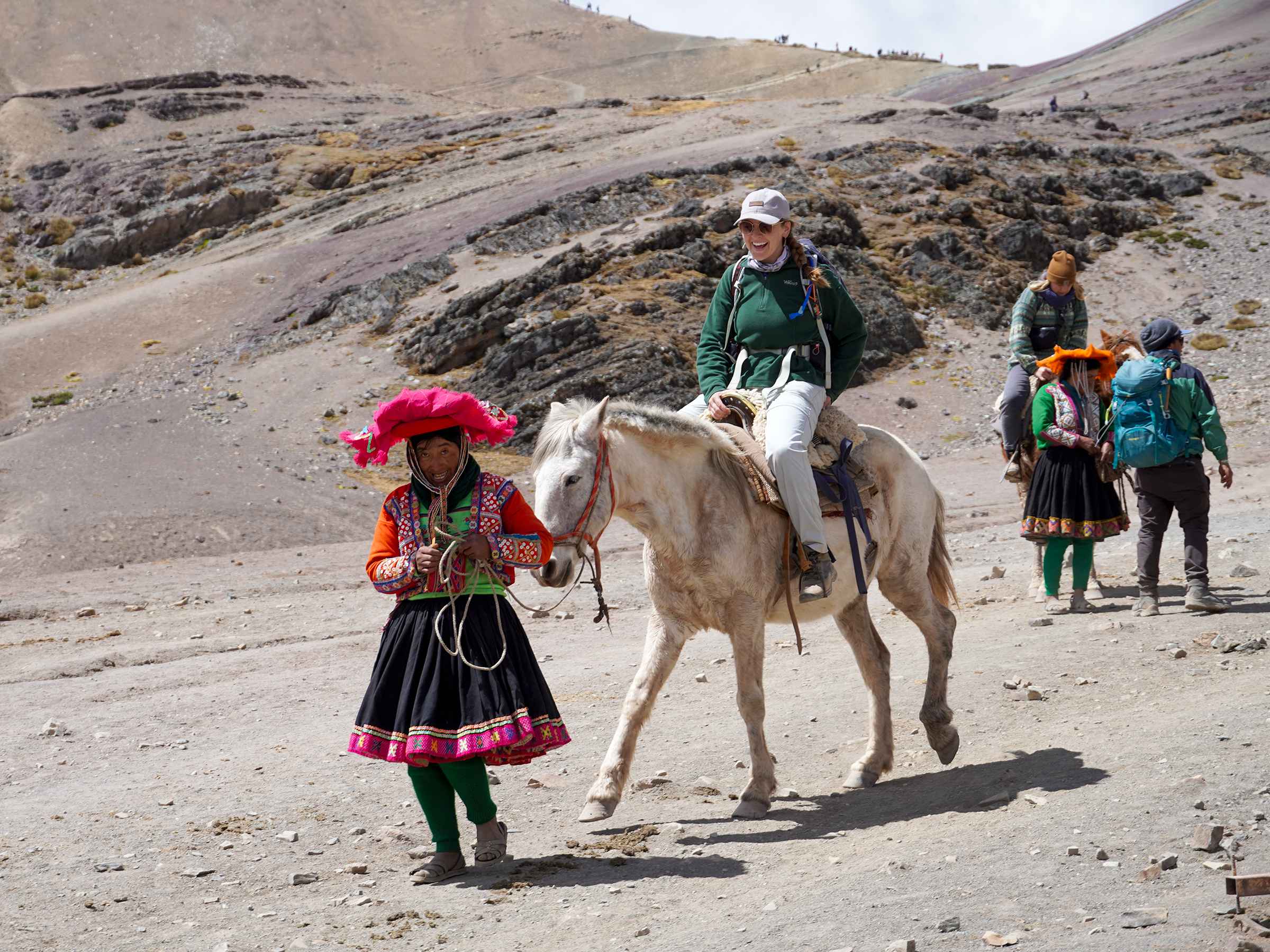
Rainbow Mountain Tour by Horse Vinicunca Travel Guide The Rainbow Mountain horseback tour is one of the easiest…