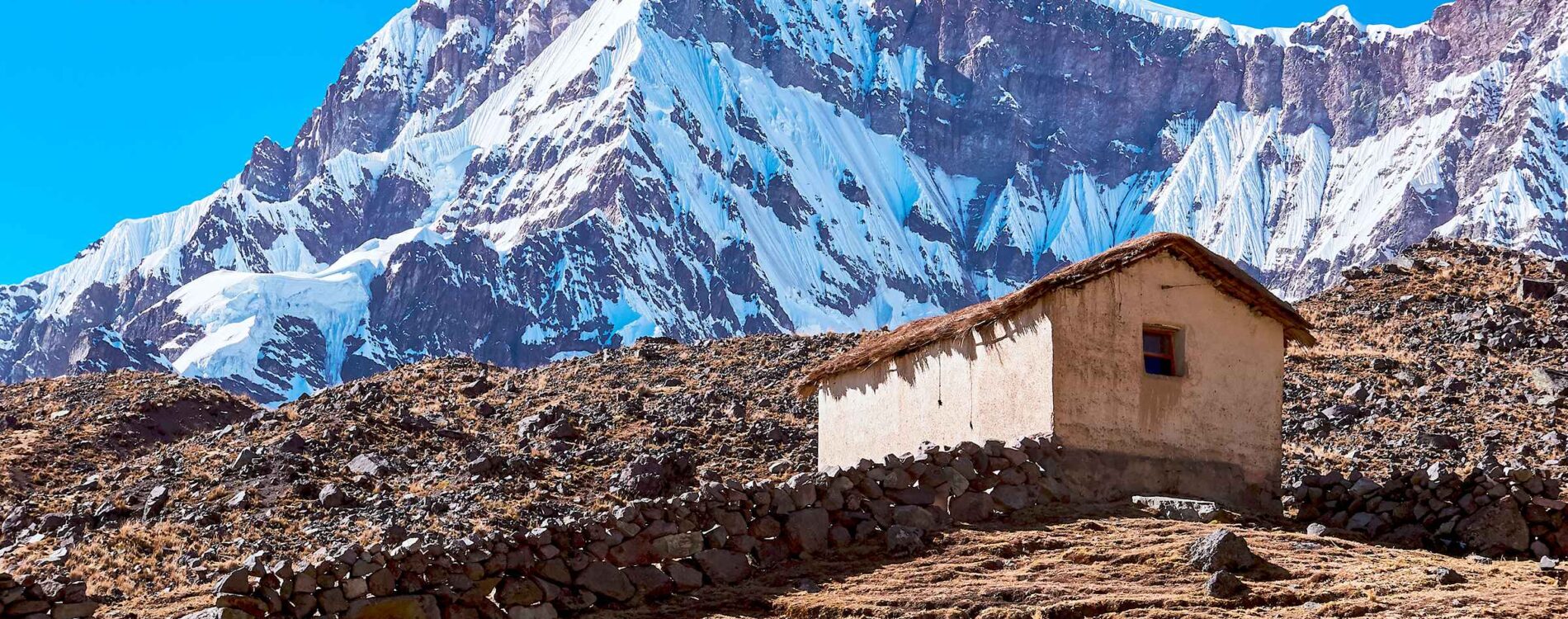
The Ausangate Trek is a hidden gem in the Andes of Peru. It’s a journey through breathtaking landscapes and vibrant cultures.

The Ausangate Trek is an extraordinary hike in the Peruvian Andes. Situated near Cusco, it loops around the majestic Ausangate Mountain.
This trek spans 5-7 days, depending on your pace. It’s a remote route, offering fewer crowds than popular alternatives like the Inca Trail.
Hikers tackle high-altitude paths, with elevations exceeding 5,000 meters (16,404 feet). The challenging terrain demands resilience and preparation.
Highlights of the trek include stunning natural beauty. Snow-capped peaks, vibrant lakes, and rainbow-colored mountains create a visual feast.
Another draw is the opportunity to encounter local Andean villages. These communities provide glimpses into a way of life untouched by time.
Key features of the Ausangate Trek include:
Trekking the Ausangate is a journey of both natural and cultural discovery. It promises adventure and tranquility in equal measure.

Located in the heart of the Peruvian Andes, Ausangate is a magnificent mountain standing south of Cusco. This region is known for its towering peaks and deep valleys.
The Ausangate range forms part of the Vilcanota mountain belt. It is one of Peru’s most significant natural landmarks.
This area is deeply intertwined with local customs and traditions. Many Andean communities regard Ausangate as sacred and mystical.
The mountain’s geographical significance is profound. It serves as a vital water source for Cusco and neighboring locales.
Key geographical features of the Ausangate region include:
The exceptional beauty and cultural importance of Ausangate make it a vital part of Peru’s natural and cultural tapestry. This region promises awe for adventurers and cultural enthusiasts alike.
In the fabric of Andean life, Ausangate holds a prominent place. It is not merely a towering peak but a revered Apus, or spirit of the mountain. Many Andean communities see Ausangate as a guardian and a source of spiritual energy.
Throughout history, the mountain has been a site for traditional rituals and offerings. These practices are intended to honor the spirits and seek their protection. Such ceremonies highlight the deep spiritual and cultural bonds that tie the people to this landscape.
Beyond its spiritual role, Ausangate has also been a backdrop for legends and storytelling. Many tales reflect the mountain’s influence on community identity and life. Key cultural and historical elements of Ausangate include:
The rich cultural history of Ausangate enriches any trek, offering an insightful glance into the Andean world. The trek is as much an artistic journey as it is a physical endeavor.

The Ausangate Trek stands out for its sheer natural beauty. Hikers are treated to panoramic views of snow-capped peaks and vibrant lakes. The surrounding landscape seems to stretch endlessly in all directions.
One of the trek’s highlights is its serene nature. Unlike busier trails, Ausangate offers solitude that enhances the wilderness experience. This allows for reflection and authentic immersion in nature.
Cultural encounters with the Andean communities add depth to the trek. You’ll often find yourself welcomed into traditional villages. These interactions provide insights into age-old traditions and local lifestyles.
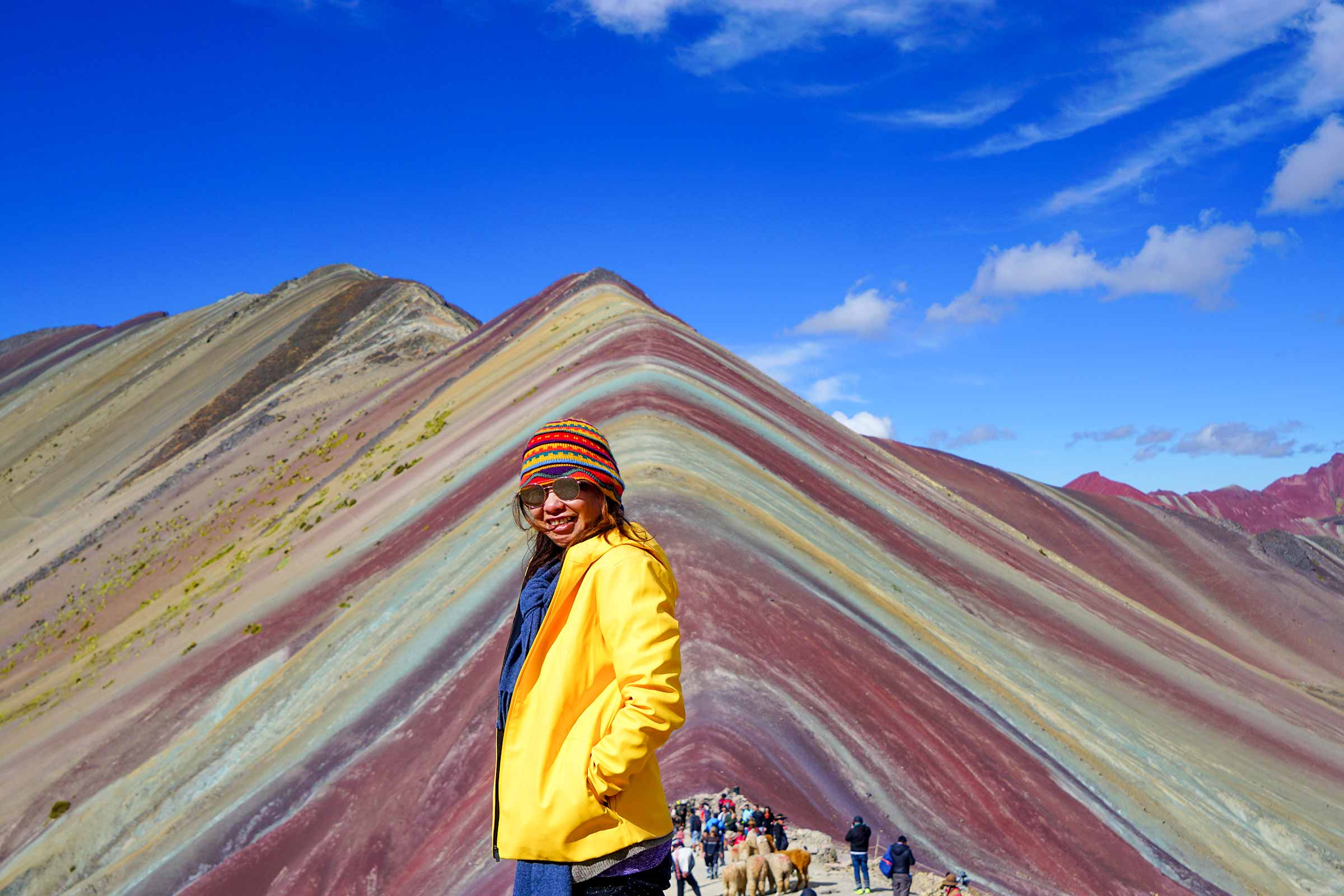
Aside from its cultural richness, the trek offers breathtaking scenery. From captivating Rainbow Mountain to the stark beauty of the red valleys, every day presents a new spectacle. The dynamic scenery keeps the trek exciting and unforgettable.
Unique features of the Ausangate Trek include:
Choosing to hike the Ausangate Trek means embracing an authentic adventure. Each moment offers a chance to connect with both nature and culture. In this untouched paradise, you can truly appreciate the grandeur of Peru’s natural wonders.
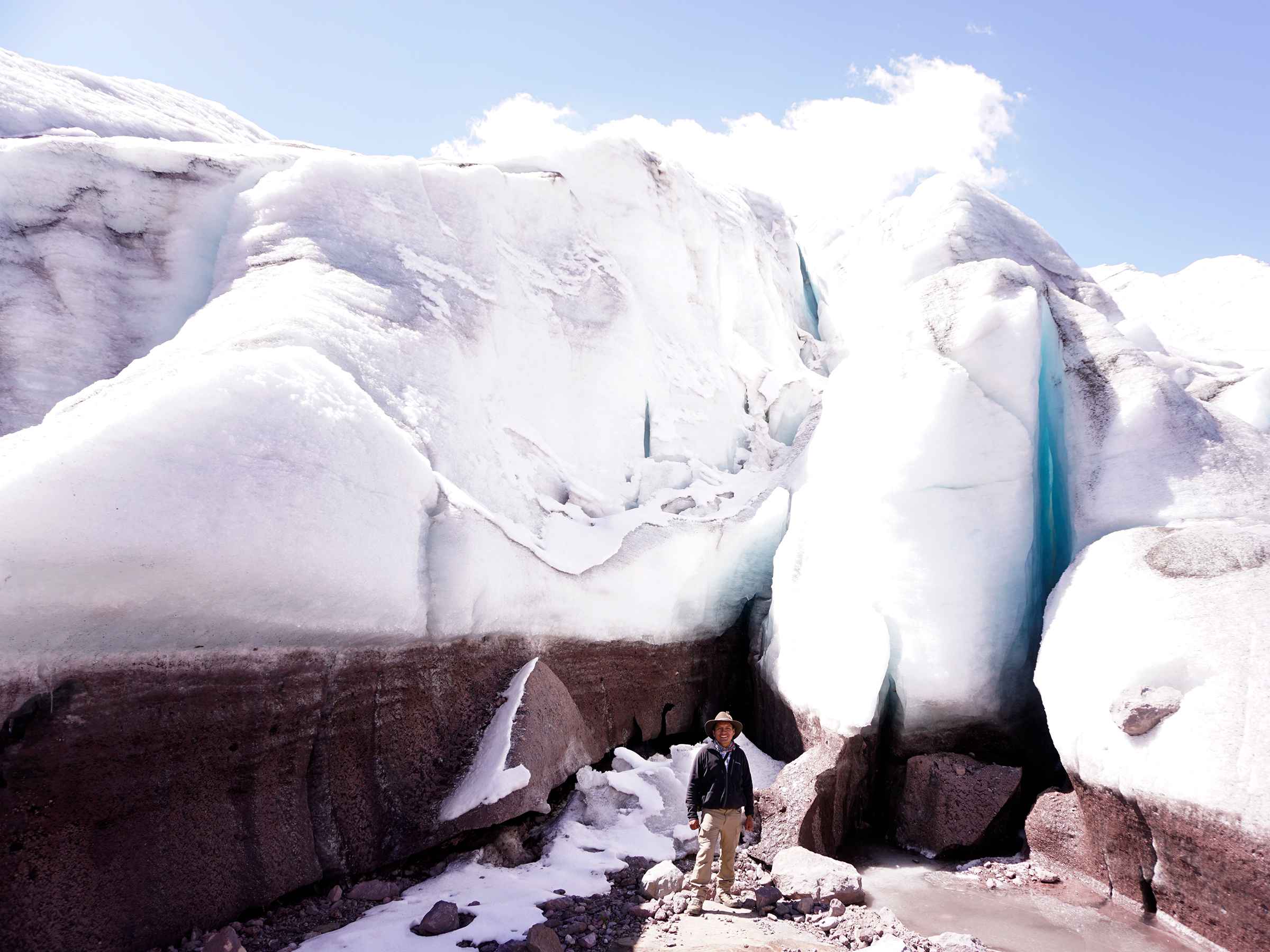
Choosing the right time for the Ausangate Trek can make a significant difference. The trek is best done in the dry season, which spans from May to September. During these months, hikers enjoy clear skies and stable weather conditions.
Daytime dry-season temperatures are pleasant but can dip at night. This is especially true when trekking at high altitudes. Therefore, it’s crucial to pack warm clothing for those chilly evenings.
The rainy season stretches from November through March and is less ideal for hiking. Trails can become muddy, and visibility may be compromised due to cloud cover. This can make certain parts of the trek challenging or unsafe.
Key weather considerations:
The shoulder months of April and October can still be viable for the trek. Some hikers prefer these months to avoid crowds, though occasional rain may still occur. Always check current weather forecasts before starting your adventure.
The weather on the Ausangate Trek is a crucial factor for hikers to consider. The trek experiences distinct weather patterns due to its high-altitude location. During the dry season, days are generally sunny and clear.
Daytime temperatures can be pleasantly mild, especially when the sun is shining. However, temperatures can drop significantly at night, often below freezing. This requires hikers to have appropriate gear for warmth and comfort.
Weather conditions tend to be more unpredictable during the rainy season. The trails can become slick, increasing the difficulty of the trek. It’s essential to plan accordingly and be prepared for sudden weather changes.
Key climate points to note:
The Ausangate Trek is known for its challenging nature. Its difficulty primarily arises from high altitudes and rugged terrain. Hikers ascend above 5,000 meters, which demands good physical fitness.
The trek consists of steep ascents and descents. These can test even the most seasoned trekkers. Altitude can also pose a significant challenge, affecting stamina and breathing.
The route is remote and requires self-sufficiency. Weather conditions can be harsh, with cold winds and the possibility of snow. Endurance and preparation are key to a successful trek.
Preparation for the Ausangate Trek should include:
Aspiring trekkers should assess their fitness levels. It’s crucial to ensure they’re ready for both the physical and mental demands of this beautiful yet challenging trek.
Proper acclimatization is vital when tackling the Ausangate Trek. The trek’s high elevations can lead to altitude sickness. Preparing in advance can help minimize risks.
Spend a few days in Cusco before starting the trek. This allows your body to adjust to the high altitude. Gradual exposure is key to increasing your tolerance to elevation.
Altitude sickness symptoms include headaches, nausea, and dizziness. Understanding these signs enables timely action to prevent worsening. Hydration is crucial, as it supports acclimatization.
Follow these tips to combat altitude sickness:
It’s also wise to have altitude sickness medication on hand. Consultation with your doctor before the trek is recommended. Some hikers choose to carry prescription pills as a precaution.
In case of severe symptoms, descending to a lower altitude is essential. Prompt action ensures safety during the trek. Preparation and awareness are critical components of a successful hiking experience.
Choosing between guided and independent trekking on the Ausangate Trek is a personal decision. Each option offers distinct benefits and challenges. Your experience level and preferences will guide your choice.
Guided tours can simplify your trekking experience. They offer logistical support, including meals and camping arrangements. Professional guides enhance your journey with their local knowledge.
Advantages of guided trekking include:
On the other hand, independent trekking allows for greater flexibility. You’re free to set your pace and modify the itinerary as desired. This option may suit experienced hikers comfortable with self-navigation.
When considering independent trekking, keep in mind:
Both options offer unique experiences on the Ausangate Trek. Weighing your priorities and capabilities is crucial. Whether guided or independent, preparation is the key to an unforgettable trek.
Reaching the Ausangate Trek trailhead involves a journey from Cusco. This vibrant city serves as a convenient starting point. From Cusco, several transport options are available to begin your trek.
Public buses and private transport are standard modes of transportation. Buses provide an economical way to travel. They connect Cusco to the village of Tinqui, a typical starting point for the trek.
For a more comfortable and personalized journey, consider hiring a private car. This option offers flexibility in terms of departure time and stops along the way. Choosing a transport option depends on your preferences and budget.
To summarize, the main routes to the trailhead include:
Planning your transport is an essential part of a smooth start to your adventure.
Deciding on an itinerary is a crucial aspect of planning your Ausangate trek. Depending on your time and fitness level, different itineraries cater to a range of preferences.
The trek typically spans 5 to 7 days. The number of days depends on your route and pace. Each itinerary offers unique experiences and exploration opportunities.
The classic trek spans five days. This is suitable for those with moderate experience. It covers all major highlights, ensuring a comprehensive journey.
If you prefer a more leisurely pace, consider a 6-7 day itinerary. This extended version allows for acclimatization and deeper exploration.
Including Rainbow Mountain and Red Valley is a popular choice. These natural wonders enrich your trekking experience significantly.
Here are the main itinerary options:
Including:
Organizing your itinerary thoughtfully ensures a rewarding trek. Explore the stunning landscapes of Ausangate Peru, at your preferred pace.

The 5-day classic itinerary is compact yet rewarding. It balances the essentials of the Ausangate Trek. Each day brings its own unique set of experiences.
On Day 1, the journey begins in Tinqui. It involves a gentle ascent towards Upis.
Days 2 and 3 take you through breathtaking passes. Expect to encounter stunning lakes and towering glaciers.
Day 4 offers a chance to marvel at the landscapes of Ausangate. Warmiwanusca Pass provides panoramic views. It’s a photographer’s paradise.
The final day, Day 5, is a descent back to Tinqui. It’s a perfect farewell to the Andean beauty.
Key highlights include:
This itinerary encapsulates the best of Ausangate in a memorable journey.
For those who want to savor more, the 6-7 day itinerary is ideal. It allows for acclimatization. This slower pace benefits hikers sensitive to altitude.
Day 1 involves a straightforward hike to Upis, just like the 5-day trek.
Days 2 through 4 involve exploring remote terrain. You’ll take in spectacular natural sights and Andean villages.
The extended itinerary provides a rest or acclimatization day. It is usually Day 3 or 4. This helps manage elevation changes effectively.
Days 5 to 6 follow the same route back. Tinqui welcomes you home on the final day.
Highlights of this itinerary include:
This option offers a comprehensive, relaxed trek.
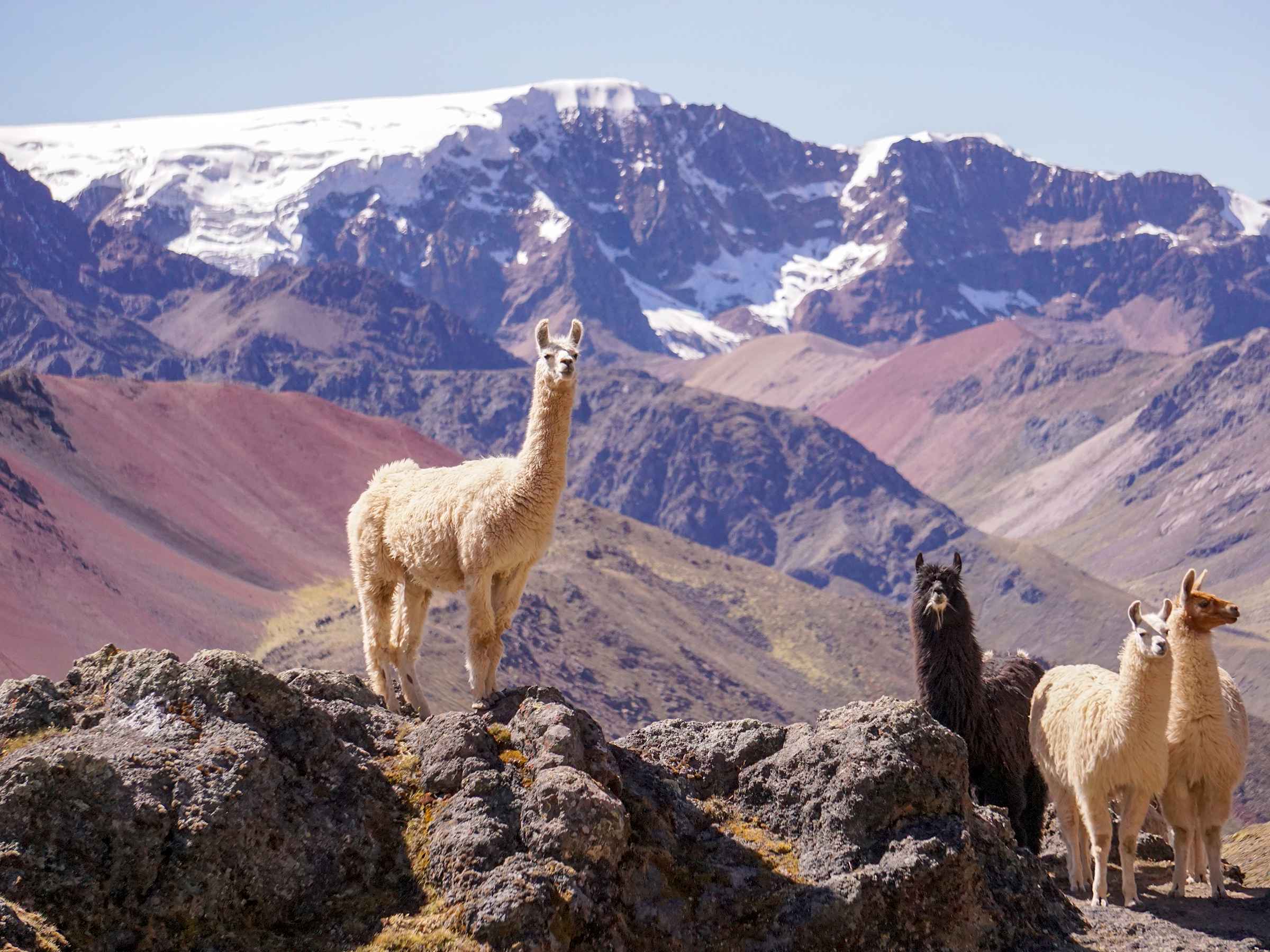
Rainbow Mountain is a must-see on your trek. Its vibrant colors captivate countless visitors. The Red Valley, too, offers an ethereal landscape.
Including these sites in your trek adds an extra day. This integration enriches your experience beyond traditional routes.
The additional day can slot into the middle of your trek. This means more time to appreciate Ausangate’s distinct beauty.
Key points to remember:
Incorporating these wonders makes for a truly unforgettable adventure.
Breaking down the Ausangate Trek day by day offers a clearer picture of what to expect. Each day features unique challenges and rewards.
Day 1: Tinqui to Upis Start your journey from the town of Tinqui. It serves as the perfect introduction to the trek. The hike to Upis begins with a gradual ascent. You’ll pass verdant pastures where alpacas graze. The day concludes at Upis Campsite, known for stunning hot springs.
Day 2: Upis to Pucacocha. This day is filled with breathtaking views. Ascend the Arapa Pass, the trek’s first major pass. Expect views of snow-capped peaks and vibrant lakes. Your destination, Pucacocha, provides prime spots for nature photography.
Day 3: Pucacocha to Ausangatecocha. Prepare for a more challenging trek as you cross the highest pass, the Palomani Pass. Here, incredible panoramas of the Andes await. The landscape is more rugged but rewarding. Descend towards Ausangatecocha for rest.
Day 4: Ausangatecocha to Jampa. The day starts with easier terrain. The path leads you through beautiful valleys and over the scenic Vilcanota mountain range. At Jampa Campsite, enjoy the serene surroundings and ample stargazing.
Day 5: Jampa to Pacchanta Follow the trail to Pacchanta while soaking in the verdant valley views. Here, warm springs invite tired trekkers to relax. Soothe your muscles and enjoy the thermal waters.
Day 6: Return to Tinqui. The final day entails a straightforward descent. It’s a reflective walk back to Tinqui. Say goodbye to the spectacular Andes and cherish your accomplishments.
Quick Daily Highlights:
Essential Elements of the Trek:
Each day unveils a new chapter in your trekking adventure. Through varied landscapes and experiences, the journey is always captivating.
During the Ausangate Trek, you’ll find a mix of camping and rustic lodges. Most trekkers choose to camp, immersing themselves fully in nature. Campsites are strategically located near beautiful landscapes.
Some trekkers prefer more comfort, opting for basic lodges along the route. These lodges provide simple amenities, such as a bed and meals. Lodges are ideal if you’re not keen on camping.
Here’s a quick list of accommodation options:
Choosing the right option depends on your comfort level and preference. Whether camping or staying in lodges, both offer unique experiences on the trek.
Packing the right gear is crucial for a successful Ausangate Trek. The key to an enjoyable trek lies in preparedness.
First, focus on clothing layers to combat varying temperatures. You’ll need moisture-wicking base layers and a warm fleece. Waterproof outerwear is essential due to unpredictable weather patterns.
Footwear should be sturdy, comfortable, and broken in. A good pair of hiking boots can make a difference in your trekking experience. Consider packing extra socks to keep your feet dry.
Here’s a list of essential items:
In addition to clothing and footwear, don’t forget about other essential items. A high-quality sleeping bag suited for cold temperatures is critical for chilly nights.
Also, pack navigational tools and a first aid kit. A lightweight backpack to carry your gear comfortably is indispensable.
Additional gear to consider:
By packing wisely, you’ll enhance your overall comfort and safety on the trek. Proper preparation ensures you can fully enjoy the stunning beauty of the Ausangate region.
Maintaining proper nutrition and hydration on the Ausangate Trek is essential for energy. The high altitude requires extra care in selecting your food.
Focus on high-energy, lightweight meals that are easy to prepare. Dehydrated meals, energy bars, and nuts are convenient options. These are easy to pack and carry.
It’s crucial to have access to clean and safe water. You should treat all water sources to avoid any health issues. Water purification tablets or a filter are good choices.
Here’s a list of essentials:
By planning your food and water supplies wisely, you can ensure that you stay energized and healthy throughout the trek. Proper nutrition and hydration are vital for a successful adventure in the Andean mountains.
The Ausangate Trek is a natural wonderland teeming with diverse wildlife. The region’s remote setting ensures that nature thrives in its purest form.
While trekking, you may spot various animals. Llamas and alpacas graze along the trails, and if you’re fortunate, you could glimpse an Andean condor soaring above. The condor’s majestic wingspan is a sight to behold.
The trek also showcases breathtaking landscapes. Snow-capped peaks, vibrant lakes, and rainbow-colored mountains create a kaleidoscope of colors. This natural diversity makes each day on the trek uniquely beautiful.
Key sights include:
Experiencing the rich wildlife and stunning vistas makes the Ausangate Trek a journey like no other. This trek is a true immersion into nature’s grandeur.
One of the highlights of the Ausangate Trek is the opportunity to engage with traditional Andean villages. These communities offer a glimpse into a lifestyle deeply connected to nature and ancient traditions.
As you pass through, you’ll observe daily life practices, vibrant textiles, and welcoming locals. It’s crucial to respect their customs and seek permission before taking photos.
Key aspects of interacting with locals include:
Embracing these interactions enriches your trek. It fosters a deeper understanding of the cultural heritage in this stunning region.
Safety is paramount when hiking the Ausangate Trek. The remote location and high altitude require careful preparation and awareness. Before setting out, ensure you have a clear emergency plan in place.
Travel insurance is essential, particularly one that covers high-altitude trekking. It provides peace of mind in unexpected situations, such as illness or evacuation needs.
For added safety, consider these tips:
Always inform someone of your itinerary and expected return. Preparedness and caution can make a significant difference in emergency scenarios while exploring the Ausangate Trail.
Trekking the Ausangate is a chance to be immersed in stunning nature. It’s essential to respect and preserve this environment. Adopting sustainable practices helps protect the landscape and its inhabitants.
Being a responsible hiker means following Leave No Trace principles and supporting local communities. Consider these actions to minimize your impact:
Tread lightly, both in your actions and footprints, ensuring future generations can also experience Ausangate’s beauty. Every trekker has a role in safeguarding this remarkable region.
Budgeting for the Ausangate Trek involves various expenses. Consider transportation, guides, food, and gear. Costs can vary based on chosen options.
Hiring a guide or joining a tour adds a sense of comfort. Guides help with navigation and logistics. They often provide meals and gear rental:
Independent trekking is less costly but demands more preparation. Transportation to the trailhead, food supplies, and permits are necessary:
Plan your budget for a seamless adventure. Choose wisely between convenience and cost-saving options. Proper budgeting ensures you enjoy the trek without financial stress.
How long does it take to hike the Ausangate Trek? The trek typically ranges from 5 to 7 days, depending on your pace and chosen route.
Do I need permits to hike the Ausangate Trek? No licenses are required, but some areas may charge entrance fees.
What is the best time of year to hike? The dry season, from May to September, offers the best conditions.
Is the Ausangate Trek suitable for beginners? Due to its challenging terrain and altitude, it’s best suited to experienced hikers.
What kind of wildlife might I see? You might see llamas, alpacas, and the majestic Andean condor.
How can I prepare for altitude sickness? Acclimatize in Cusco and consider taking preventive medication. Proper hydration also helps.
For ease, here are quick answers to some common concerns:
Be mindful of your pace to avoid burnout. The high altitude demands careful attention to your body’s signals. Staying within your limits ensures a safer journey.
Stay adequately hydrated by drinking plenty of water, especially at high altitudes. Dehydration can exacerbate altitude sickness symptoms.
Bringing all necessary supplies is crucial. Organize your backpack the night before. Ensure all essentials are easily accessible for the day.
Quick Tips:
Enjoy the beauty and serenity of the Ausangate mountains responsibly.


Embarking on the Ausangate Trek is a rewarding adventure. The stunning landscapes and vibrant cultures enrich every step taken.
Remember to prepare thoroughly and respect the Andean environment. This memorable trek in Peru offers both a physical challenge and the chance to reconnect with nature. Enjoy this incredible journey safely and responsibly.

Peru is a country of incredible diversity and natural beauty, and one of its most breathtaking regions is…

Rainbow Mountain Peru, the best Scenery in Cusco, Peru Peru’s magic lies in its impressive Andean landscapes, and…
Ausangate Trek Peru Everything you need to know to do this trek through the Ausangate Trek and Rainbow…
The best time to visit Rainbow Mountain in Cusco, Peru, is from May to September, when the weather…

Cusco Amazing Treks and Trails Cusco is a gem for trekkers, offering a rich blend of history, culture,…

Ultimate Ausangate Trek Guide: Your Complete Journey Through Peru’s Stunning Andes Embark on an unforgettable adventure with our…