
Ultimate Ausangate Trek Guide: Your Complete Journey Through Peru’s Stunning Andes
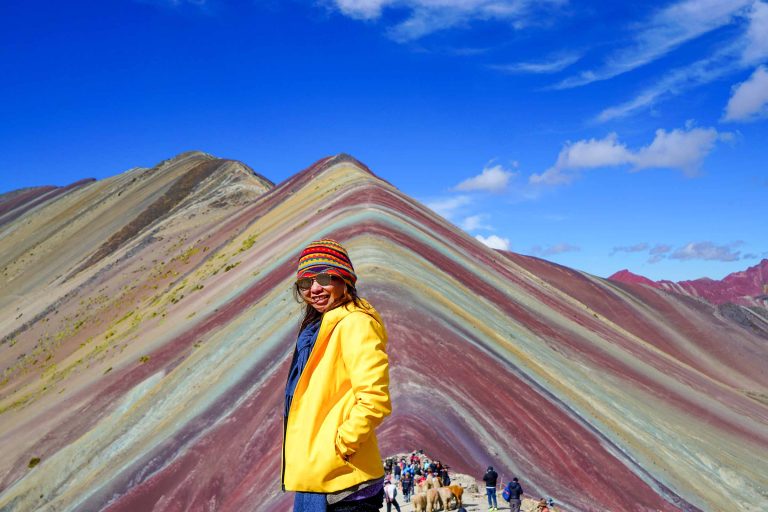
Embark on an unforgettable adventure with our Ultimate Ausangate Trek Guide, which takes you through the breathtaking landscapes of Peru’s majestic Andes. This trek is not just a hike; it’s a pilgrimage through vibrant ecosystems, iconic glaciers, and traditional Andean villages that seem to float in time. As you navigate the challenging terrain, you’ll be rewarded with mesmerizing views, including the stunning Rainbow Mountain, whose colors will leave you in awe. Whether you’re a seasoned trekker or a curious traveler seeking a meaningful experience, this guide will equip you with essential tips, packing lists, and route details to ensure a seamless journey. Along the way, you’ll connect with the rich culture of the Andean people, sample local delicacies, and witness the untamed beauty of nature. Ready to lace up your boots and experience one of the most remarkable treks in South America? Let’s dive into the adventure that awaits!
Overview of the Ausangate Region
Nestled in the heart of Peru, the Ausangate region is a haven for adventurers and nature enthusiasts alike. Dominated by the towering Ausangate Mountain, which stands at an impressive 6,384 meters, this area is part of the greater Vilcanota mountain range in the Peruvian Andes. The region boasts a variety of landscapes, from rugged peaks and glacial lakes to verdant valleys and high-altitude pastures. It’s a place where nature’s raw beauty is on full display, painting a picturesque backdrop for those daring enough to explore its trails.
The Ausangate region is also deeply rooted in Andean culture and history. The local Quechua-speaking communities have inhabited these lands for centuries, maintaining their traditional ways of life and spiritual practices. The mountain itself is considered sacred, often referred to as an “Apu,” a mountain deity believed to be a protector and provider for the people. This cultural tapestry enriches the trekking experience, offering trekkers a glimpse into a way of life that has remained essentially unchanged over time.
One of the most striking features of the region is the diversity of ecosystems encountered along the trek. From high-altitude deserts and alpine tundra to lush wetlands and vibrant wildflower meadows, the variety of flora and fauna is astounding. Each step along the trail reveals new wonders, making the journey as much about the small, intricate details of the natural world as it is about the grand, sweeping vistas. It’s this combination of natural splendor and cultural depth that makes the Ausangate trek a genuinely unique and enriching adventure.
Best Time to Trek Ausangate
Choosing the right time to embark on the Ausangate trek is crucial for a successful and enjoyable adventure. The best time to trek is during the dry season, which typically runs from May to September. During these months, the weather is more stable, with clear skies and minimal rainfall, providing optimal conditions for trekking. Daytime temperatures are generally mild, though it can still get quite chilly at night, especially at higher altitudes. This period also offers the best visibility for the stunning landscapes and mountain views that make the trek so memorable.
While the dry season is ideal, it’s worth noting that the shoulder months of April and October can also be suitable for trekking. These months may see slightly more rainfall, but the trails are less crowded, and the landscapes are lush and vibrant from recent rains. However, trekkers should be prepared for unpredictable weather and possibly more challenging trail conditions. Proper gear and a flexible itinerary can help mitigate these challenges, allowing for a rewarding trekking experience even outside the peak season.
Conversely, the wet season, from November to March, is generally not recommended for trekking in the Ausangate region. Heavy rains can lead to slippery, dangerous trail conditions and reduced visibility due to persistent cloud cover. Additionally, river crossings can become more treacherous, and the risk of landslides increases. For those seeking the best possible experience, planning your trek during the dry season or shoulder months will ensure safer, more enjoyable conditions, allowing you to appreciate the breathtaking beauty of the Andes fully.
Preparing for the Trek: Essential Gear and Supplies
Proper preparation is key to a successful Ausangate trek. Ensuring you have the right gear and supplies will not only enhance your comfort but also your safety. Start with a sturdy pair of hiking boots that are well broken in. The terrain can be challenging, with rocky paths and steep inclines, so good ankle support and reliable traction are essential. Additionally, a high-quality, waterproof backpack will help protect your belongings from the elements while providing ample storage for your gear.
Layering is crucial for trekking in the Andes, where weather conditions can change rapidly. Pack moisture-wicking base layers to keep sweat away from your body, insulating mid-layers for warmth, and a waterproof, windproof outer layer to protect against rain and wind. Don’t forget to bring a hat, gloves, and a buff or scarf for added warmth and sun protection. Sunglasses with UV protection and a high-SPF sunscreen are also necessary to shield your skin and eyes from the intense high-altitude sun.
In addition to clothing, you’ll need essential trekking supplies such as a map, compass, or GPS device for navigation. A first aid kit with basic medical supplies, including altitude sickness medication, is vital. Hydration is crucial, so carry a reusable water bottle or hydration bladder, and consider bringing a water purification system or tablets. High-energy snacks like nuts, dried fruit, and energy bars will help keep your energy levels up during long days on the trail. Finally, a high-quality sleeping bag rated for cold weather and a lightweight, durable tent will ensure you get a restful night’s sleep, ready for the next day’s adventure.
Trekking Routes and Itineraries
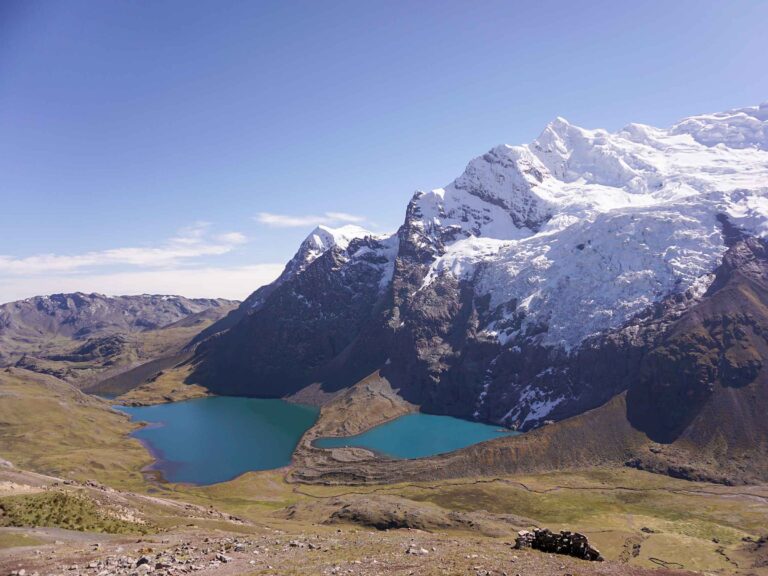
The Ausangate trek offers a variety of routes to suit different skill levels and time constraints. The classic Ausangate Circuit, typically completed in 5 to 7 days, is the most popular route. This trek takes you through diverse landscapes, including high mountain passes, glacial lakes, and traditional Andean villages. Starting and ending in the town of Tinqui, the circuit covers approximately 70 kilometers, with challenging ascents and descents that test both stamina and endurance. Each day brings new sights and experiences, from the turquoise waters of Laguna Ausangatecocha to the colorful mineral deposits of Rainbow Mountain.
For those with limited time, shorter routes, such as the 4-day mini-circuit, offer an equally rewarding experience. This route still offers spectacular views and cultural encounters but follows a more condensed itinerary. Key highlights include the serene beauty of Laguna Sibinacocha and the dramatic Palomani Pass, the trek’s highest point at 5,200 meters. Despite the shorter duration, trekkers should still be prepared for demanding terrain and significant altitude changes.
Another option is the combined Ausangate and Rainbow Mountain trek, which extends the adventure by incorporating a visit to the iconic Vinicunca, or Rainbow Mountain. This route typically takes 6 to 8 days and offers the best of both worlds: the rugged beauty of the Ausangate region and the stunning, multi-colored slopes of Rainbow Mountain. This trek is perfect for those seeking a comprehensive Andean experience, combining physical challenge with visual splendor. Whichever route you choose, careful planning and a flexible approach will ensure a memorable and fulfilling journey through one of Peru’s most captivating regions.
AUSANGATE TREK is a vital mountain god among the Incas and is still worshiped daily by locals. Besides the occasional herder, you’ll see very few people as you leave the start and finish of this trail, one of the most challenging and exciting hikes in southern Peru, at 3800m above the town of Tinki. Tinki is a three- to four-hour drive through Urcos.
KONDOR PATH TOURS management can arrange trek guides, mules, and muleteers (Arriero) for hikers. The Ausangate Circuit explores the Cordillera Vilcanota, winding around multiple peaks over 6,000m. The highest peak, Ausangate, at 6,372m, is still the midpoint of the standard trail. Many camps exceed 4,600m, and two exceed 5,000m.

The first day of hiking uphill from Tinqui takes you to a natural camp at the bottom of a valley almost 4500m above sea level, near the hot springs near Upis, with stunning views of Nevado Ausangate. Rainbow Mountain Trek Full Day

The second day requires approximately six hours of hiking, following the valley up and into the next valley through the high pass of Arapa (4800m), heading for the camping area at the red-colored lake of Laguna Jatun Pucacocha. You can see and hear the western Nevada Ausangate Icefalls against a backdrop of herds of alpacas. Reasons to do the Rainbow Mountain Tour

The third day tackles the highest pass of all: Palomani (5170m). From the start, there are views of the Laguna Ausangate Cocha. The trek continues up and down, passing the Ausangate Climb Base Camp for another three to four hours, and offers some of the best scenery, particularly of Ausangate Peak. Red Valley, all you need to know is to hike in Peru.

The fourth day continues downhill to the Pitumarca Valley and uphill to a campsite beyond Jampa, a remote settlement beyond the power grid. But just on this side of the magical Campa pass (5050 m), where piles of stones or burial mounds left for centuries by locals and travelers adorn the landscape in honor of the god of the mountain, there are spectacular views of the snow-capped peaks of Puka Punta and Tres Picos.

The fifth day takes you uphill through the pass and next to Lake Minaparayoc. From here, it’s a three- to four-hour descent to the campsite at Pacchanta, where hikers traditionally enjoy some inviting hot springs near the end of this trail. After that, it’s another three hours of walking back to Tinqui, then a road transport to Cusco.

Acclimatization and Altitude Sickness
Acclimatization is a critical aspect of preparing for the Ausangate trek, given the high altitudes encountered along the route. The trek takes place at elevations ranging from 4,000 to over 5,000 meters, where the risk of altitude sickness is significant. Symptoms can include headaches, dizziness, nausea, and shortness of breath, which can severely impact your ability to enjoy and complete the trek. Proper acclimatization involves spending several days at intermediate altitudes before beginning the trek, allowing your body to adjust to the reduced oxygen levels gradually.
One effective strategy for acclimatization is to spend time in Cusco or another high-altitude location before the trek. Cusco, at 3,400 meters above sea level, provides an excellent starting point for acclimatization. Spend at least two to three days exploring the city and its surroundings while your body adjusts. During this period, it’s essential to stay hydrated, eat light, nutritious meals, and avoid strenuous activities. Gentle hikes to nearby ruins or day trips to sites like the Sacred Valley can help you acclimate without overexerting yourself.
In addition to gradual acclimatization, consider taking altitude sickness medication such as acetazolamide (Diamox) as a preventive measure. Consult with your healthcare provider before your trip to discuss the appropriate dosage and potential side effects. It’s also helpful to recognize the symptoms of altitude sickness early and take action if they occur. If symptoms persist or worsen, descending to a lower altitude is the most effective treatment. By taking these precautions and listening to your body, you can minimize the risk of altitude sickness and fully enjoy the breathtaking beauty of the Ausangate trek.
Wildlife and Natural Wonders Along the Trek
The Ausangate trek is a journey through some of the most pristine and diverse natural environments in the Andes. As you traverse the varied landscapes, you’ll encounter a wide array of wildlife that call this region home. Among the most iconic animals are the majestic Andean condors, often seen soaring gracefully above the mountain peaks. These magnificent birds, with their impressive wingspans, are a symbol of the Andean highlands and a highlight for many trekkers. Please keep your eyes peeled for these avian giants, especially in the early morning or late afternoon when they are most active.
In addition to condors, the region is home to herds of vicuñas, the wild relatives of llamas and alpacas. These graceful animals, with their slender necks and soft, tawny coats, are often seen grazing in the high-altitude grasslands. Vicuñas are highly valued for their fine wool, and their presence is a testament to the healthy, unspoiled ecosystems of the Ausangate region. Other notable wildlife includes Andean foxes, vizcachas (a type of chinchilla), and a variety of bird species such as the mountain caracara and the Andean goose.
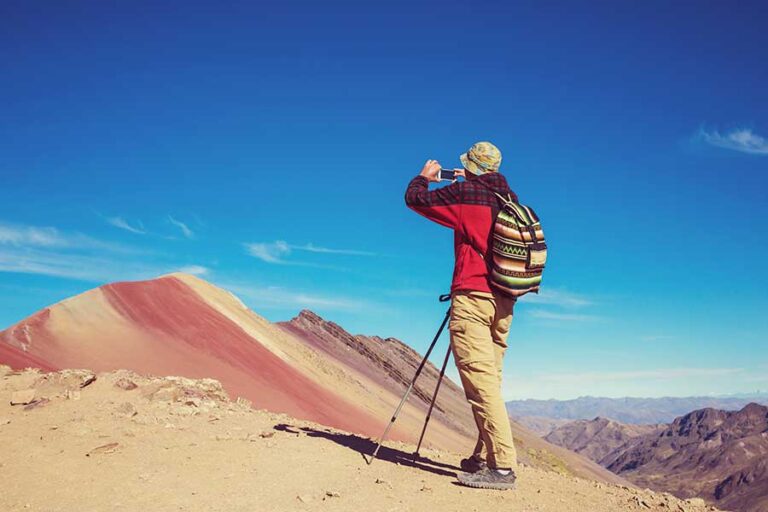
The natural wonders along the trek are equally mesmerizing. Glacial lakes, such as Laguna Ausangatecocha and Laguna Sibinacocha, offer serene, turquoise waters that reflect the surrounding peaks. These lakes are often fed by the glaciers of Ausangate and other nearby mountains, creating stunning, icy blue hues. The trek also takes you past spectacular rock formations and colorful mineral deposits, particularly at Rainbow Mountain, where the vibrant stripes of red, yellow, and green create an otherworldly landscape. These natural wonders, combined with the rich biodiversity, make the Ausangate trek a feast for the senses and a truly unforgettable adventure.
Cultural Insights: Local Communities and Traditions
The Ausangate trek is not only a journey through breathtaking landscapes but also an immersion into the rich cultural heritage of the Andean people. The local communities along the route are predominantly Quechua-speaking, and their way of life has been shaped by centuries of living in harmony with the harsh yet beautiful environment. These communities maintain many traditional practices, from agriculture and weaving to spiritual rituals, providing trekkers with a unique opportunity to learn about and connect with Andean culture.
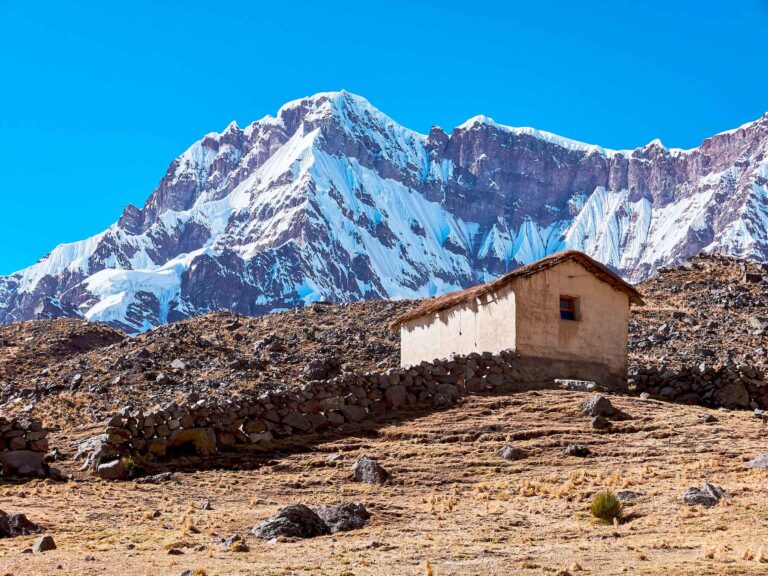
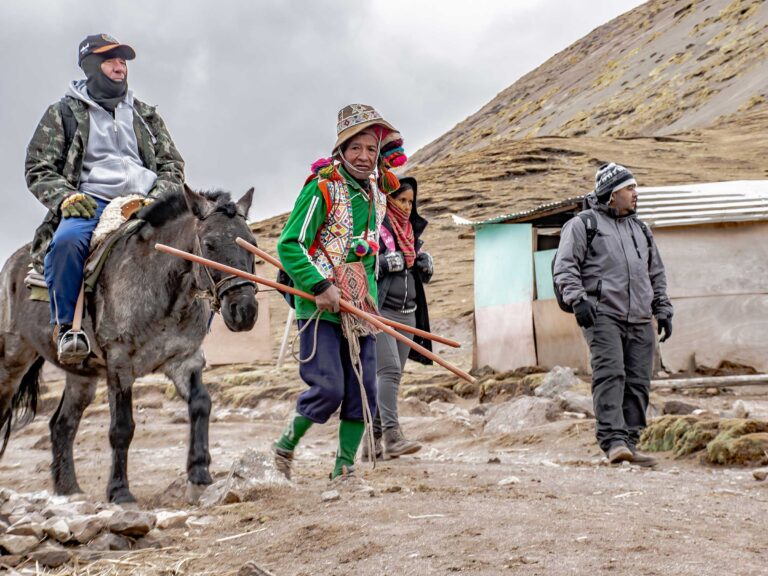
One of the most profound cultural experiences on the trek is the opportunity to interact with local villagers and witness their daily lives. Many communities still rely on subsistence farming and herding, with terraces carved into the mountainsides and herds of llamas and alpacas grazing in the pastures. The traditional clothing, often adorned with vibrant colors and intricate patterns, is a testament to the region’s rich textile heritage. Weaving is a critical cultural practice, and you may have the chance to observe artisans at work, creating beautiful textiles using ancient techniques passed down through generations.
Spirituality and connection to the land are central to Andean culture, and the Ausangate region is steeped in sacred traditions. The mountain itself, Ausangate, is considered an Apu, or mountain deity, revered as a protector and provider. Throughout the trek, you may encounter small shrines and offerings left by locals to honor the Apus and seek their blessings. Participating in or observing these rituals, such as the offering of coca leaves, provides a deeper understanding of the spiritual significance of the land and the profound respect the Andean people have for their natural surroundings. These cultural insights enrich the trekking experience, adding a layer of meaning and connection that goes beyond the physical journey.
Tips for a Successful Trekking Experience
Embarking on the Ausangate trek requires careful planning and preparation to ensure a successful and enjoyable experience. Here are some tips to help you make the most of your adventure. First and foremost, physical fitness is essential. The trek involves long days of hiking with significant altitude changes, so it’s necessary to be in good shape. Regular cardiovascular exercise, strength training, and practice hikes with a loaded backpack can help prepare your body for the demands of the trek. Start training several months in advance to build up your stamina and endurance.
Another key aspect of a successful trek is proper acclimatization, as discussed earlier. Spend time at high altitudes before starting the trek to allow your body to adjust. Stay hydrated, eat well, and listen to your body to avoid altitude sickness. Additionally, it’s important to pace yourself during the trek. The high altitudes and challenging terrain can be taxing, so take it slow and steady. Rest frequently, and don’t be afraid to take extra time to acclimatize if needed. Remember, it’s not a race, and enjoying the journey is just as important as reaching the destination.
Finally, respect the environment and local communities. The Ausangate region is a pristine natural area and a cultural treasure. Practice Leave No Trace principles by packing out all your trash, staying on designated trails, and minimizing your impact on the environment. Be mindful and respectful when interacting with local villagers and their customs. Supporting local guides and services not only enhances your experience but also contributes to the well-being of the communities that call this region home. By following these tips and approaching the trek with a spirit of respect and adventure, you’ll be well on your way to a successful, unforgettable Ausangate trek.
Conclusion: Embrace the Adventure of Ausangate
The Ausangate trek is more than just a hiking journey; it’s an immersive experience that combines the awe-inspiring beauty of the Andes with the rich cultural heritage of the Andean people. From the towering peaks and glacial lakes to the vibrant communities and sacred traditions, every step of the trek offers something new and wondrous. Whether you’re a seasoned trekker or a curious traveler seeking a meaningful adventure, the Ausangate trek promises to challenge, inspire, and reward you in ways you never imagined.
As you lace up your boots and set out on this remarkable journey, remember that the true essence of the trek lies in the connections you make along the way—with the land, with the people, and with yourself. Embrace the challenges and the moments of awe, taking time to appreciate the small details and grand vistas alike. The memories you create and the lessons you learn on the Ausangate trek will stay with you long after you’ve returned home, enriching your life and perspective.
So, gear up, prepare well, and embark on the adventure of a lifetime. The Ausangate trek awaits, ready to reveal its secrets and share its beauty with those who dare to explore its trails. With our comprehensive guide in hand, you’re equipped to navigate the journey with confidence and curiosity. Here’s to the adventure that awaits you in the stunning Andes of Peru—may it be as transformative and unforgettable as the landscapes themselves.