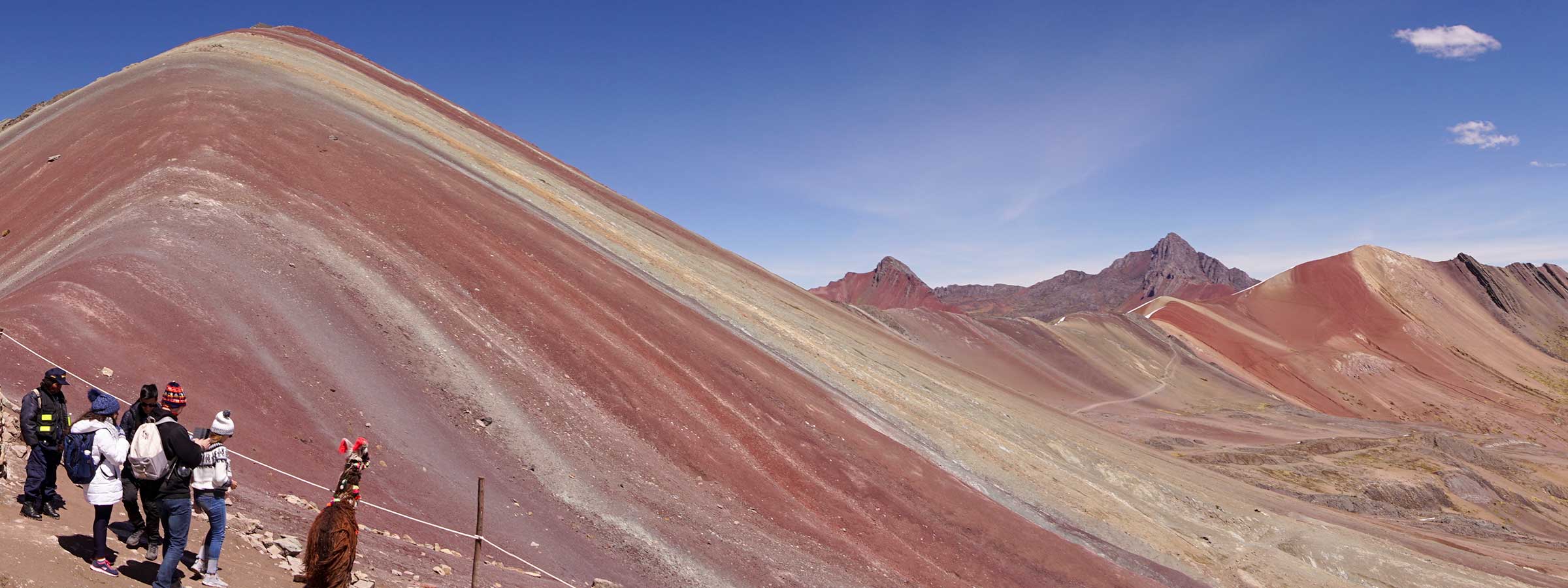

Rainbow Mountain, or Vinicunca, as it is locally known, is one of the most breathtaking natural wonders in Peru. With its vibrant hues of red, yellow, and green, it offers a unique spectacle for travelers seeking adventure and beauty. Nestled in the Andes, this stunning destination has become a must-visit for anyone exploring Peru’s trekking routes. In this article, we’ll delve into everything you need to know about visiting Rainbow Mountain and how it fits into Peru’s adventure trips.
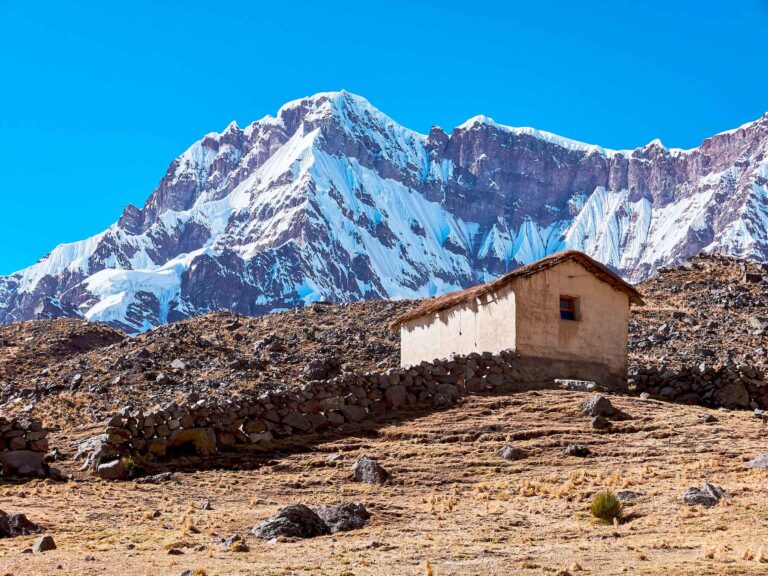
The most famous Rainbow Mountain in Peru attracts more affluent visitors every year. Trekking is an adventure through unique landscapes and local fauna at their peak, and the tiny houses reflect daily life in the surrounding communities. Consider Vinicunca’s elevation to choose the best time to see the mountain’s seven colors.

Visit Rainbow Mountain
Travelers often wonder which season is best for visiting the Seven Colors Mountain. Vinicunca is 5,200 meters above sea level and has a markedly changeable climate.
To choose the best time to enjoy and see the mountain of colors, we must consider the location, the altitude of Vinicunca, and, of course, the weather.
The best time to hike Rainbow Mountain in Peru is from April to November, during the dry season in the Andes. Blue skies, incredible views, and sunshine make hiking comfortable.
However, some months are better than others. We recommend the low season, just before and after the rains, i.e., late April, May, September, October, and early November.

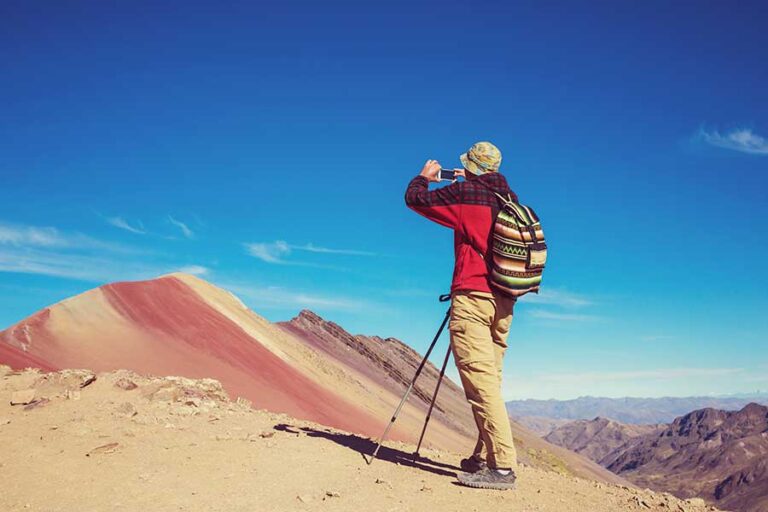
Hiking scene in Vinicunca, Cusco Region, Peru. Montana de Siete Colores, Rainbow Mountain.
During those months, the weather remains dry, temperatures are pleasant, and the trail is less crowded.
Note: The weather can change drastically at any time, regardless of the season.
Rainbow Mountain’s striking colors are not the work of an artist’s brush but rather a masterpiece of geology. The mountain’s vibrant stripes are due to mineral deposits that have accumulated over centuries. Red from iron oxide, green from chlorite, and yellow from iron sulfide, these colors combine to create a visual tapestry that attracts thousands of visitors each year.
The geological processes that shaped Rainbow Mountain began millions of years ago. Layers of sedimentary rock were deposited by water and wind, each contributing to the mountain’s distinct color bands. Over time, tectonic activity lifted these layers, exposing them to the surface and creating the incredible patterns we see today. This unique geological formation is a testament to the Earth’s dynamic processes.
The colors of Rainbow Mountain are not static; they change with the light and weather conditions. When the sun is shining brightly, the hues appear more vivid, whereas overcast days may soften the colors. This variability adds to the mountain’s allure, offering a different experience with each visit. Travelers are encouraged to take their time and observe how the mountain’s appearance changes throughout the day.
For local communities, Rainbow Mountain is more than just a pretty sight. It holds spiritual significance and is often associated with offerings to the Pachamama, or Mother Earth. The mountain is a revered place, and many local festivals and rituals are centered around it. When you visit, you are not just witnessing a natural wonder but also engaging with a piece of Peruvian culture.
The spiritual connection to Rainbow Mountain is deeply rooted in the indigenous belief systems of the Andes. The locals view the mountain as a living entity, a guardian that watches over the land and its people. This belief is reflected in the numerous ceremonies held in its honor, where offerings are made to ensure bountiful harvests and protection from natural disasters.
Festivals around Rainbow Mountain offer a glimpse into Peru’s rich cultural tapestry. During these events, traditional music, dance, and costumes fill the air, creating a vibrant celebration of life and nature. Visitors are often welcome to participate in these festivities, offering an immersive experience that goes beyond sightseeing. By participating, travelers can gain a deeper understanding of the spiritual values that have sustained Andean communities for generations.
The best time to visit Rainbow Mountain is during the dry season, which runs from May to September. During these months, the weather is clear, and the trails are more accessible. However, this is also the peak tourist season, so expect larger crowds. If you prefer a quieter experience, consider visiting at the start or end of the dry season.
Visiting during the dry season not only provides better trail conditions but also enhances the visibility of Rainbow Mountain’s colors. The clear skies and minimal rainfall reduce the risk of landslides and muddy paths, making the trek safer and more enjoyable. However, it’s essential to prepare for the higher number of visitors during these months, which can lead to crowded trails and viewpoints.
For those who don’t mind a bit of rain, the shoulder months of April and October offer a balance between decent weather and fewer tourists. While there is a chance of rain, the trails are less congested, allowing for a more intimate experience with the landscape. Additionally, cooler temperatures can be more comfortable for trekking, especially at higher altitudes.
Most visitors start their journey to Rainbow Mountain from Cusco, the nearest major city. Several tour operators offer day trips that include transportation, a guide, and meals. The drive from Cusco to the trailhead takes about three hours, followed by a hike that can range from two to three hours, depending on your pace.
Cusco serves as the perfect base for acclimatizing and preparing for the trek. The city itself is rich in history and culture, offering plenty of attractions to explore before or after your Rainbow Mountain adventure. From visiting ancient Incan ruins to sampling local cuisine, Cusco provides a comprehensive introduction to the region’s heritage.
Choosing a reputable tour operator is crucial for a successful trip to Rainbow Mountain. Look for operators who emphasize safety, sustainability, and support for local communities. Many tours feature knowledgeable guides who can enrich your experience with insights into the area’s geology, culture, and ecology. They also ensure that logistics, such as transportation and meals, are handled smoothly, allowing you to focus on the trek.
The trek to Rainbow Mountain is challenging, mainly due to the high altitude. The trail reaches an elevation of over 5,000 meters (16,400 feet), which can be tough on the body. It’s essential to acclimate in Cusco for a few days before attempting the trek. Bring plenty of water, snacks, and layers of clothing to adapt to changing temperatures.
Acclimatization is a critical step in preparing for the Rainbow Mountain trek. Spending 2 to 3 days in Cusco allows your body to adjust to the lower oxygen levels at high altitudes. Engage in light activities during this period, such as exploring the city or taking short hikes, to help your body adapt gradually.
Proper gear and supplies are vital for a successful trek. Sturdy hiking boots with good grip are essential for navigating rocky, sometimes slippery terrain. Layered clothing is recommended to accommodate the wide temperature range experienced throughout the day. Start with a moisture-wicking base layer, add insulating layers for warmth, and finish with a waterproof outer layer to protect against wind and rain.
The worst month to hike Rainbow Mountain in Peru is January, specifically late January. At this time of year, the rain is heavy. Landslides block the trail. Snow covers the mountain, and you can see only 10 meters in front of you because the fog is thick in the Mountains.

Visit Rainbow Mountain
The answer is between 07 and 09 am or anytime after 2 pm. Few people are at the viewpoint early in the morning; everyone is gone by afternoon.
If you want to beat the crowds to Rainbow Mountain, you must leave Cusco at 05 am.
June, July, and August are the busiest months to visit Rainbow Mountain. These months coincide with the dry season in the Andes and summer in the northern hemisphere.
Cusqueños and Peruvians take advantage of the weekend to hike Rainbow Mountain, so it is busier than on other days of the week.
Visiting Rainbow Mountain, Palccoyo, and Red Valley
One of the things you can do in these months, which are the best to visit Vinicunca, is:
Palccoyo is a new option for seeing the mountain of seven colors. This place is less crowded with tourists, making it preferred by many. It also offers more options, such as visiting the Stone Forest, the Red Valley, and part of the Seven-Colored Mountain.
The Red Valley is a chain of reddish-colored mountains. Some Rainbow Mountain tours include a visit to this area.

Hiking scene in Vinicunca, Cusco Region, Peru. Montana de Siete Colores, Rainbow Mountain.
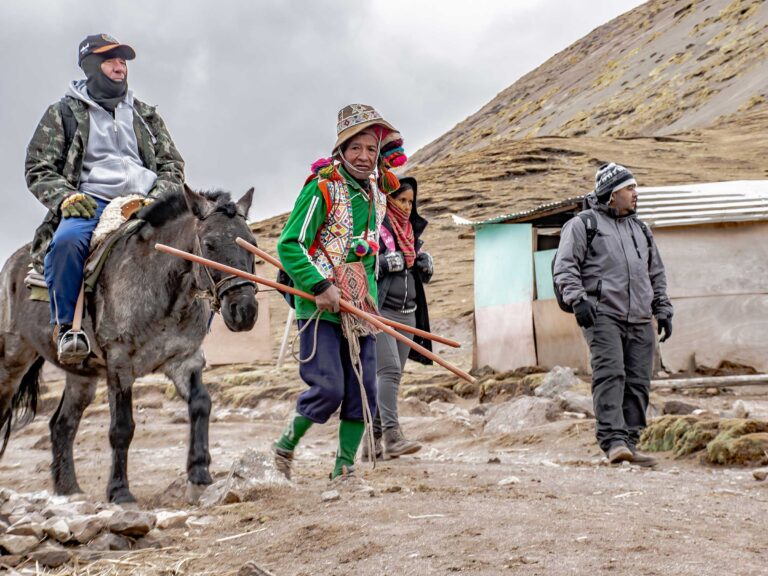
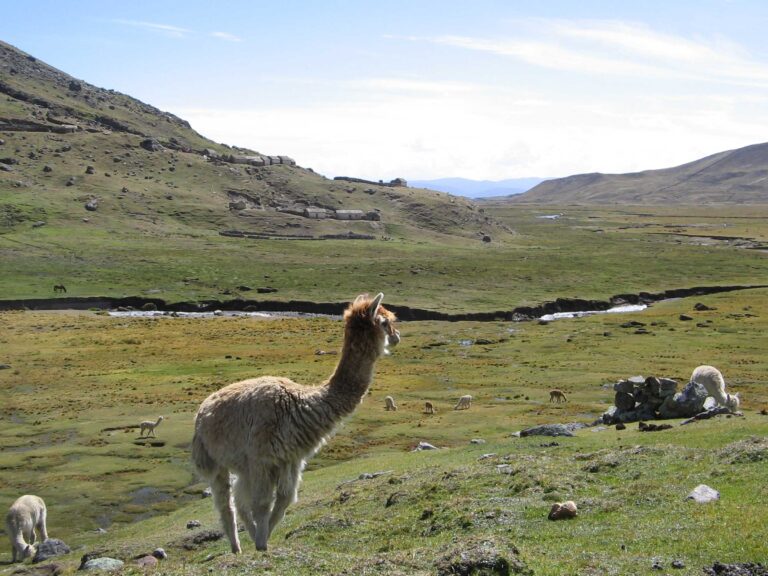
The trek to Rainbow Mountain is not just about the destination; the journey itself is a rewarding experience. As you hike, you’ll pass through remote Andean villages, see herds of alpacas and llamas, and enjoy panoramic views of the surrounding snow-capped peaks. The trail is well-marked, but the terrain can be rocky and steep, so sturdy hiking boots are a must.
Along the trail, you’ll have the opportunity to interact with locals who live in the Andean villages. These communities maintain traditional ways of life, offering a glimpse into their rich cultural heritage. Some villagers sell handmade crafts and textiles, providing an opportunity to support the local economy while acquiring unique souvenirs.
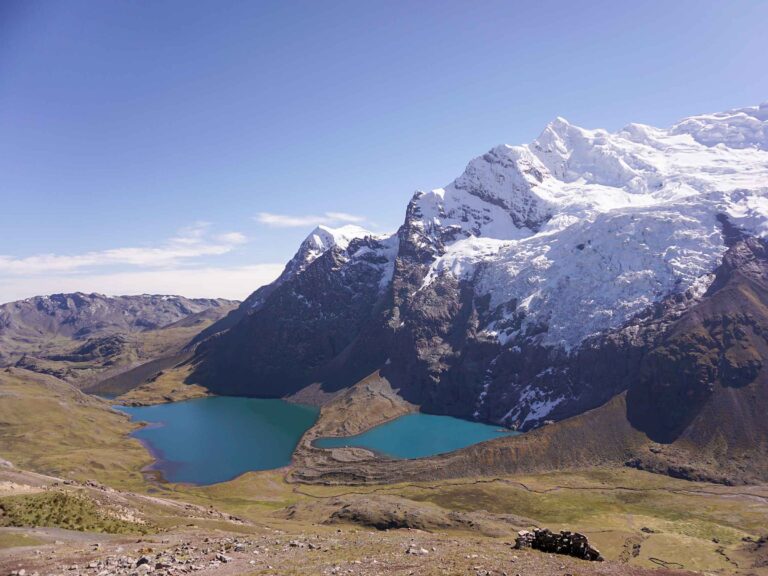
The Andean landscape is diverse and captivating, with each turn revealing new vistas. Snow-capped peaks frame the horizon, while the vibrant colors of the mountain contrast with the surrounding greenery. Keep an eye out for wildlife, as the region is home to a variety of species, including Andean foxes, condors, and vicuñas.
As you approach the summit, the anticipation builds. The final stretch can be challenging, but the sight of Rainbow Mountain is worth every step. The colors are even more vivid up close, and the view from the top is nothing short of spectacular. Take your time to soak in the scenery and snap some unforgettable photos.
Reaching the summit of Rainbow Mountain is a moment of triumph and awe. The panoramic views extend across the Andes, offering a sweeping vista of peaks and valleys. The mountain’s vibrant colors are a testament to nature’s artistry, captivating all who gaze upon them. This is a moment to savor and reflect on the journey that brought you here.
Photography enthusiasts will find endless opportunities to capture the beauty of Rainbow Mountain. From wide-angle shots that encompass the entire landscape to close-ups that highlight the intricate color bands, each photo tells a story of adventure and wonder. Consider visiting during the golden hours of sunrise or sunset for softer lighting and fewer crowds.
Rainbow Mountain is a true gem in Peru’s treasure trove of natural wonders. Its vibrant colors, cultural significance, and breathtaking landscapes make it a must-see for any adventurer. Whether you’re a seasoned trekker or a first-time visitor, Rainbow Mountain offers an unforgettable experience. As you plan your Peru adventure trip, make sure to include this incredible destination on your itinerary. With the proper preparation and a spirit of adventure, you’ll create memories that last a lifetime.
Incorporating Rainbow Mountain into your travel plans allows you to connect deeply with nature, history, and culture. The experience goes beyond mere sightseeing; it’s an opportunity to engage with the world in a meaningful, transformative way. Whether you’re drawn by the geological marvels, the spiritual significance, or the thrill of the trek, Rainbow Mountain promises to leave an indelible mark on your journey. Embrace the adventure and discover the wonders that await in this extraordinary corner of the Andes.
Peru is a country of incredible diversity and natural beauty, and one of its most breathtaking regions is…
How to Hike the Ausangate Trek The Ausangate Trek is a hidden gem in the Andes of Peru.…
Rainbow Mountain, Peru, the best Scenery in Cusco, Peru Peru’s magic lies in its impressive Andean landscapes, and…
Ausangate Trek Peru Everything you need to know to do this trek through the Ausangate Trek and Rainbow…
Salkantay treks Salkantay requires more physical and logistical preparation regarding trekking opportunities in the Sacred Valley. The jewel…
Ultimate Ausangate Trek Guide: Your Complete Journey Through Peru’s Stunning Andes Embark on an unforgettable adventure with our…