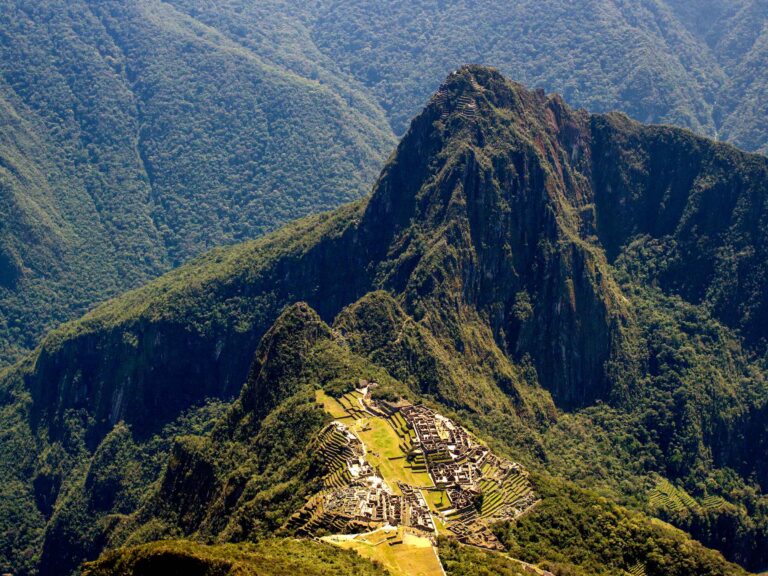

Scenic Paths of the Sacred Valley: Ruins, Markets & Culture

Scenic Paths of the Sacred Valley: Ruins, Markets & Culture


Tabla de Contenidos

Routes to Sacred Valley Cusco

The Sacred Valley of the Incas, nestled in the Andean highlands of Peru, is a picturesque region rich in history and culture. Stretching between Cusco and Machu Picchu, this valley is a treasure trove of archaeological sites, traditional markets, and breathtaking landscapes. Whether you’re planning a trek or a leisurely tour, understanding the routes to the Sacred Valley from Cusco is essential. In this guide, we will explore the main routes, scenic alternatives, and what you can expect on your journey.

A trip to the Sacred Valley of the Incas in Cusco will be an incredible journey, offering you the chance to experience nature’s harmony. And what better way to get there, considering there are three routes? Each route provides a unique panorama, making this trip an unforgettable experience. Now it’s your turn to choose which roads you like the most; let’s go!

Routes to Sacred Valley Cusco

Routes to Sacred Valley Cusco

Geographical Overview

The Sacred Valley, also known as the Urubamba Valley, is located about 15 kilometers (approximately 9 miles) north of Cusco. This proximity makes it an accessible and popular destination for tourists visiting Peru. The valley’s unique geographic position offers diverse landscapes, ranging from lush river plains to high-altitude terrains, creating a microcosm of natural beauty and ecological diversity.

Historical Significance

Historically, the Sacred Valley was the heartland of the Inca Empire. Its fertile lands were crucial to agriculture, supporting the empire’s capital, Cusco, and helping sustain the Inca population. Today, the remnants of this historical significance are visible in the valley’s archaeological sites, which attract historians and tourists alike, eager to witness the grandeur of ancient civilizations.

Cultural Connection

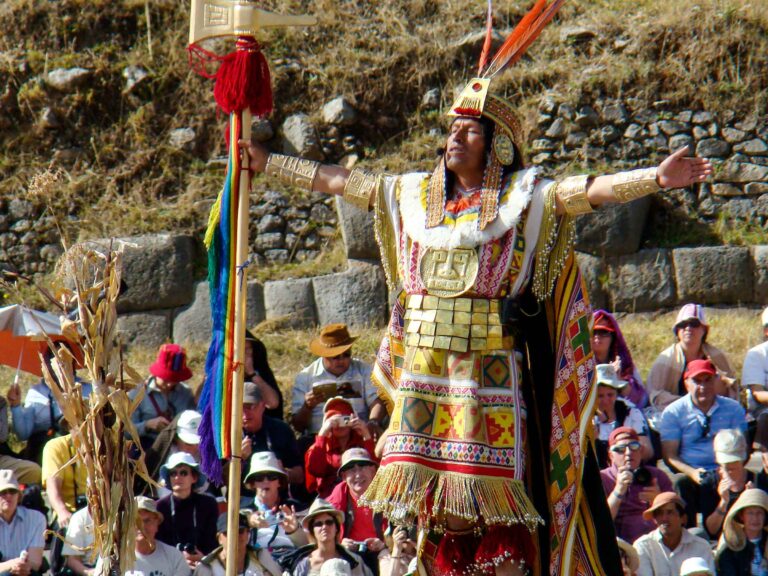
The valley is home to charming towns like Pisac, Ollantaytambo, and Urubamba, each offering unique insights into both Inca and contemporary Andean culture. These towns serve as cultural hubs, preserving traditional practices, crafts, and festivals that highlight the rich heritage of the Andean people. Visitors can immerse themselves in local customs, from vibrant markets to traditional music and dance, experiencing a living culture that thrives amidst the valley’s scenic backdrop.

Main Routes from Cusco to the Sacred Valley

Travelers can choose from several routes to reach the Sacred Valley, each offering a different experience. Let’s take a look at the primary options:

The Direct Route: Cusco to Pisac

One of the most straightforward ways to enter the Sacred Valley is by taking the route from Cusco to Pisac. This journey is about 33 kilometers (20 miles) and typically takes an hour by car.

Scenic Views

The road winds through the Andean mountains, offering stunning views of the landscape. As you travel, the dramatic vistas of terraced hills and snow-capped peaks create a mesmerizing panorama that captivates travelers, inviting them to pause and absorb the tranquil beauty of the Andean highlands.

Pisac’s Attractions

Pisac itself is known for its vibrant market and impressive Inca ruins. The town’s market is a bustling hub of activity, where artisans display their handcrafted goods, from textiles to ceramics, offering visitors a chance to purchase unique souvenirs. The Inca ruins, perched on a hilltop overlooking the town, provide a glimpse into the architectural prowess of the Incas, with terraced farming areas and ceremonial structures.

Cultural Insights

Visitors can gain insights into local life, as Pisac is a place where ancient traditions seamlessly blend with modern practices. The town’s festivals and daily activities reflect the enduring spirit of the Andean people, allowing travelers to engage with a culture that has thrived for centuries.

The Scenic Route: Cusco to Ollantaytambo via Chinchero

For those seeking a more scenic drive, the route from Cusco to Ollantaytambo via Chinchero is an excellent choice. This journey covers approximately 75 kilometers (47 miles) and takes around two hours.

Chinchero’s Historical Charm

Along the way, you’ll pass through the town of Chinchero, known for its beautiful colonial church and colorful textiles. The church, built on the foundations of an Inca temple, stands as a testament to the blending of Inca and Spanish cultures. At the same time, the town’s weaving communities preserve traditional textile-making techniques.

Urubamba Valley

The road continues to the town of Urubamba before reaching Ollantaytambo, a living Inca town with an impressive fortress. This route offers a look at the lush agricultural heart of the Sacred Valley, where the Urubamba River nourishes fields of corn and quinoa, providing a verdant contrast to the rugged mountain terrain.

Ollantaytambo’s Living History

Ollantaytambo itself is a treasure trove of history, with its well-preserved Inca streets and buildings. The fortress, with its massive stone terraces and strategic hilltop position, invites exploration, allowing visitors to walk in the footsteps of the Incas who once defended this vital site.

The Alternative Route: Cusco to Urubamba via Maras and Moray

An alternative yet equally captivating route takes travelers from Cusco to Urubamba via the towns of Maras and Moray. This 60-kilometer (37-mile) journey takes about 1.5 hours and offers a glimpse into the Sacred Valley’s agricultural heritage.

Maras Salt Mines

The salt mines of Maras provide a unique and photogenic stop. These salt pans, used since Inca times, create a mosaic of white pools against the mountain backdrop, offering an intriguing glimpse into traditional salt-harvesting methods passed down through generations.

Moray’s Agricultural Innovation

The circular terraces of Moray are believed to have been an Inca agricultural laboratory. These terraces, descending like amphitheaters into the earth, showcase the Incas’ innovative farming techniques, where they experimented with crops at different altitudes and microclimates, demonstrating their sophisticated understanding of agriculture.

Cultural and Natural Wonders

Travelers on this route can expect to encounter both cultural and natural wonders, as the journey weaves through landscapes that reveal the ingenuity and adaptability of the Inca civilization. The harmony between human activity and nature is evident, providing a profound appreciation of the Andean way of life.

Inca Trail Alternatives: Exploring Ancient Routes

While the Inca Trail is the most famous trek to Machu Picchu, there are alternative trails that offer a less crowded experience with equally impressive views.

The Lares Trek

The Lares Trek is a popular alternative to the Inca Trail, taking hikers through remote Andean villages and breathtaking landscapes.

Cultural Encounters

Starting in Lares, the trek usually lasts three to four days and ends in Ollantaytambo. Along the way, hikers have the opportunity to interact with local communities, gaining insight into traditional Andean lifestyles, from weaving techniques to agricultural practices, providing a rich cultural experience.

Diverse Landscapes

The trek traverses diverse landscapes, from glacial lakes and high mountain passes to verdant valleys and thermal springs. Each day’s journey reveals new vistas, offering hikers a chance to connect with nature’s beauty and the tranquility of the Andean environment.

A Unique Adventure

For those seeking a path less traveled, the Lares Trek offers a unique adventure that combines physical challenge with cultural immersion. The trek’s relative solitude allows for a more intimate exploration of the region, making it a rewarding alternative to the more crowded Inca Trail.

The Salkantay Trek

The Salkantay Trek is another excellent option for those seeking a challenging adventure.

Challenging Terrain

This five-day trek offers a diverse range of scenery, from snow-capped mountains to lush cloud forests. The trail’s challenging terrain demands physical endurance but rewards hikers with breathtaking views, as the towering Salkantay Mountain serves as a majestic backdrop throughout the journey.

Natural Beauty

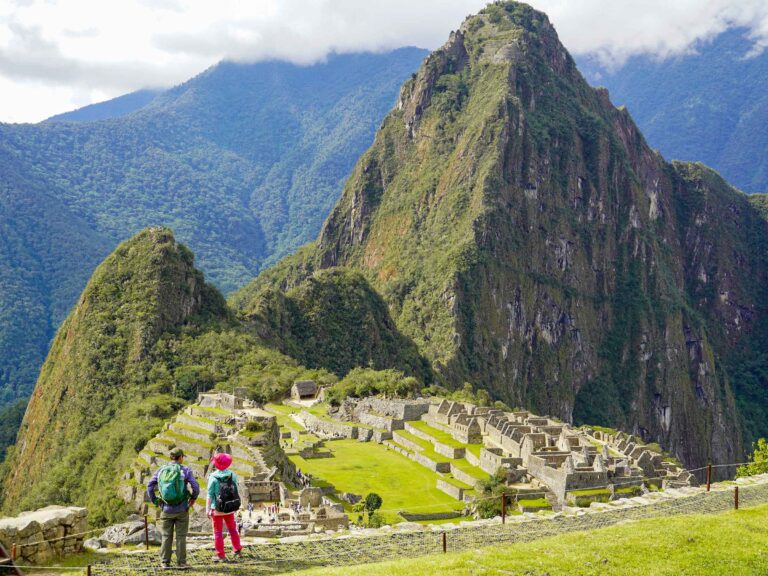
The trail eventually connects to Aguas Calientes, the gateway to Machu Picchu. Hikers experience the transition from high-altitude landscapes to subtropical cloud forests, encountering diverse flora and fauna along the way, which enhances the trek’s appeal for nature enthusiasts.

A Memorable Journey

For adventurers seeking a memorable journey, the Salkantay Trek offers an unparalleled experience, combining the thrill of high-altitude hiking with the allure of Peru’s most iconic landscapes. The trek’s varied environments and stunning vistas leave a lasting impression on all who undertake this epic journey.

What to Expect When Traveling the Sacred Valley

Traveling through the Sacred Valley is a journey through time and beauty. Here’s what you can anticipate:

Cultural Richness

The Sacred Valley is a living testament to both ancient and contemporary Andean cultures.

Traditional Music and Dance

Expect to encounter traditional music, vibrant textiles, and time-honored customs in each town you visit. Local festivals often feature traditional music and dance, bringing communities together to celebrate their heritage and offering visitors a captivating glimpse into the region’s cultural vibrancy.

Artisanal Crafts

Artisans in the valley produce a wide range of crafts, from intricately woven textiles to handcrafted jewelry, reflecting the region’s artistic traditions. Visitors can observe artisans at work, gaining an appreciation for the skill and creativity involved in these time-honored crafts.

Culinary Delights

The valley’s culinary scene offers authentic Andean cuisine, featuring local dishes made with ingredients like corn, potatoes, and quinoa. Dining in the Sacred Valley allows travelers to savor the flavors of the Andes, experiencing the region’s rich agricultural heritage through its food.

Varied Landscapes

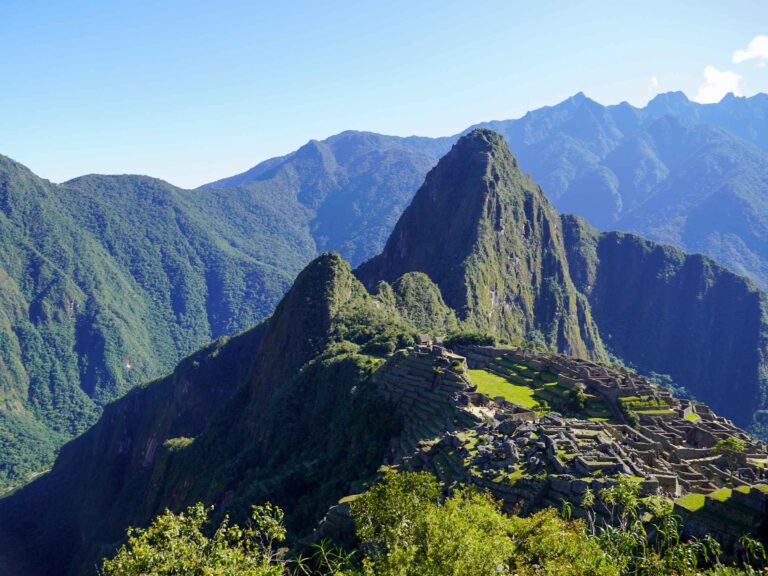
From the rolling hills of Pisac to the rugged peaks near Ollantaytambo, the valley’s geography is diverse and stunning.

River Valleys and Plains

The Urubamba River winds its way through the valley, providing a lush contrast to the arid mountains. The river nourishes fertile plains and terraced fields, creating a patchwork of green that stands in stark contrast to the rocky slopes, illustrating the region’s agricultural abundance.

Mountainous Terrains

The surrounding mountains offer opportunities for hiking and exploration, with trails leading to breathtaking viewpoints and hidden archaeological sites. The diverse topography invites adventurers to explore its varied environments, from high-altitude passes to sheltered valleys.

Natural Wonders

The Sacred Valley’s natural beauty is complemented by its biodiversity, with a variety of plant and animal species inhabiting its ecosystems. Visitors can observe colorful birdlife, unique plant species, and the stunning interplay of light and shadow across the landscape, enhancing the valley’s allure.

Historical Sites

Each town in the Sacred Valley offers its own unique historical attractions.

Inca Ruins

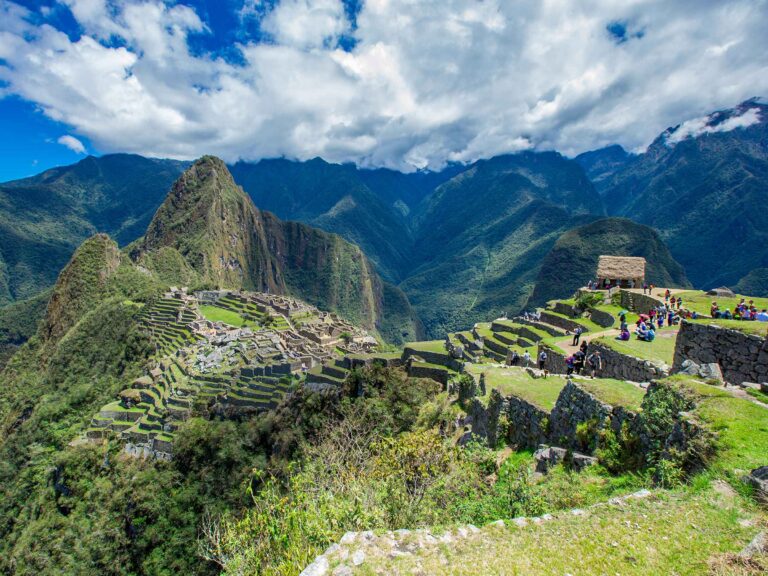
Whether it’s the agricultural terraces of Moray, the fortress of Ollantaytambo, or the bustling market of Pisac, history buffs will find plenty to explore. The valley’s archaeological sites reveal the ingenuity and architectural mastery of the Incas, providing a window into the past and the legacy of a civilization that once thrived here.

Colonial Influence

In addition to Inca sites, the valley’s towns showcase colonial influences, with churches and buildings reflecting the Spanish impact on the region. These historical layers offer a fascinating blend of cultures, illustrating the valley’s complex history and cultural evolution.

Living History

As a living historical region, the Sacred Valley continues to preserve its heritage through festivals, traditions, and the daily lives of its inhabitants. Visitors can witness this living history in action, gaining a deeper understanding of the valley’s enduring cultural significance.

Travel Distances and Geography Explained

Understanding the travel distances and geography of the Sacred Valley can help you plan your itinerary more effectively. Here’s a quick breakdown:

  • Cusco to Pisac: 33 kilometers (20 miles), approximately 1 hour by car.
  • Cusco to Ollantaytambo via Chinchero: 75 kilometers (47 miles), around 2 hours by car.
  • Cusco to Urubamba via Maras and Moray: 60 kilometers (37 miles), about 1.5 hours by car.

Strategic Planning

These routes showcase the valley’s rich geography, from high-altitude plains to fertile river valleys. Planning your journey according to these distances allows for a more efficient exploration of the region, maximizing your time and experiences in the Sacred Valley.

Diverse Itineraries

Travelers can tailor their itineraries to their interests, choosing routes that highlight specific attractions or offer the desired level of adventure. Whether seeking cultural immersion, historical exploration, or natural beauty, the Sacred Valley’s routes provide diverse options to suit every traveler’s preferences.

Accessibility and Adventure

The valley’s routes offer varying levels of accessibility and adventure, from leisurely drives to challenging treks. Understanding these options helps travelers select the best route for their physical capabilities and travel style, ensuring a safe and enjoyable journey through this enchanting region.

Sacred Valley Tours: Guided Experiences

For those who prefer a guided experience, there are numerous tours available that cover the main attractions of the Sacred Valley.

Benefits of Guided Tours

These tours often include transportation, meals, and expert guides who provide insights into the region’s history and culture. Guided tours offer the convenience of organized travel, allowing visitors to relax and enjoy their journey without the stress of planning logistics or navigating unfamiliar terrain.

Tailored Experiences

Whether you’re interested in archaeology, hiking, or local crafts, there’s a tour that caters to your interests. Tour operators offer a variety of packages, from day trips to multi-day excursions, each designed to highlight different aspects of the Sacred Valley’s appeal, ensuring a personalized experience that aligns with your travel goals.

Expert Knowledge

Tour guides are typically knowledgeable locals who share their expertise and passion for the region, enriching your understanding of the Sacred Valley’s cultural and historical significance. Their insights and storytelling bring the valley’s sites to life, providing context and depth to your exploration.

Sacred Valley Tours

WHERE IS THE INCA SACRED VALLEY LOCATED?

The Sacred Valley of the Incas is located in the Peruvian Andes and jungle. It features numerous rivers that descend through ravines and small valleys, along with countless archaeological monuments and indigenous peoples in the provinces of Urubamba and Calca. It is located 35 kilometers from Cusco and approximately 600 meters below the historic center.

WHAT ARE THE ROUTES TO REACH THE SACRED VALLEY OF THE INCAS?

Whatever the time of the year you choose to visit this splendorous place, you can select any of the following ways to get there:

  1. 1st Option: From the north of Cusco, enter through the town of Chinchero.
  2. 2nd option: Via the city’s east side, passing through the village of Pisac.
  3. 3rd Option: Through the valley south of Cusco, starting in Tipon.

The three routes to reach the Sacred Valley of the Incas are unique because they allow you to observe and enjoy the diversity of flora, fauna, culture, and people, as well as visit different archaeological sites. Choosing the best route according to your needs remains a personal decision.

1ST OPTION: NORTH OF THE CITY OF CUSCO, ENTERING THROUGH THE TOWN OF CHINCHERO.

One of the first routes to reach the Incas’ Salgado Valley starts in Cusco, which is the most frequent and best known to our visitors. Through this route, you will know places like:

  • Cusco
  • Maras
  • Moray
  • Pisaq
  • Chinchero
  • Calca
  • Urubamba
  • Ollantaytambo

Of course, the average time for this tour with a travel agency is approximately 10 hours. It includes visits to archaeological sites and the Textile Center in Chinchero. The villagers will share part of their culture and how they make their fabrics and dye their wool.

2ND OPTION: VIA THE EAST SIDE OF THE CITY, PASSING THROUGH THE TOWN OF PISAC.

On the second route to the Sacred Valley, we will head east of Cusco; our first stop will be the town of Pisaq. Here, we will be able to visit the following:

Maras, Moray, Calca, Urubamba, and Ollantaytambo will continue using this second route. The travel time will depend a lot on whether you do it on your own or with a tour agency. If you want to arrive in the Sacred Valley by this route with an agency, it is recommended to have a minimum of 4 people, and the service will be private.

3RD OPTION: THROUGH THE VALLEY SOUTH OF THE CITY OF CUSCO, STARTING IN THE TOWN OF TIPON

As the last option to reach the Sacred Valley of the Incas, we have the road south of Cusco. The comment is that we offer the South Valley Tour on this side of Cusco. Through this route, you will be able to know the following:

  • Saylla
  • Huasao
  • Tipon
  • Oropesa

In addition to visiting the Sistine Chapel and taking with you the delicious pieces of bread of Oropesa that you will only find in the district of the same name

RECOMMENDATIONS TO GET TO THE SACRED VALLEY OF THE INCAS

  • Valid personal documents
  • Cash, preferably Peruvian soles
  • A change of clothes
  • Backpack with what you need
  • Sun hat
  • Sunscreen (Also, we recommend at least factor 35 sunscreen)
  • Waterproof jacket/rain poncho for the rain
  • Water
  • A camera and a video camera.

TOURS THAT MAY INTEREST YOU

Conclusion

The Sacred Valley of Cusco is a destination that promises adventure, culture, and natural beauty. With multiple routes to explore, travelers can tailor their journey to match their interests and time constraints.

Diverse Routes

Whether you choose a direct path or a more scenic alternative, the Sacred Valley offers unforgettable experiences that bring the magic of the Inca civilization to life. Each route presents unique opportunities for discovery, from ancient ruins and vibrant markets to breathtaking landscapes and cultural encounters.

A Journey of Discovery

Embark on this journey with an open heart and a sense of wonder, and you’ll be rewarded with memories that last a lifetime. The Sacred Valley invites exploration and reflection, allowing travelers to connect with both the past and the present in a region where history and culture are woven into the fabric of everyday life.

Lasting Impressions

As you explore the Sacred Valley, you’ll gain a deeper appreciation for the resilience and creativity of the Andean people, whose traditions and innovations continue to shape this remarkable region. The experiences and insights gained here will leave a lasting impression, inspiring a newfound respect for the beauty and complexity of the Inca civilization and its enduring legacy.

Inquire Now

Contact form footer
Need help? Speak with us