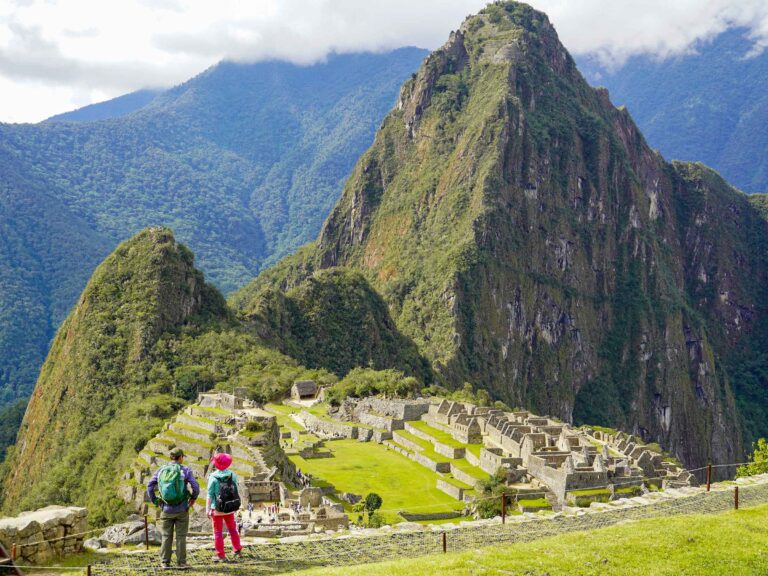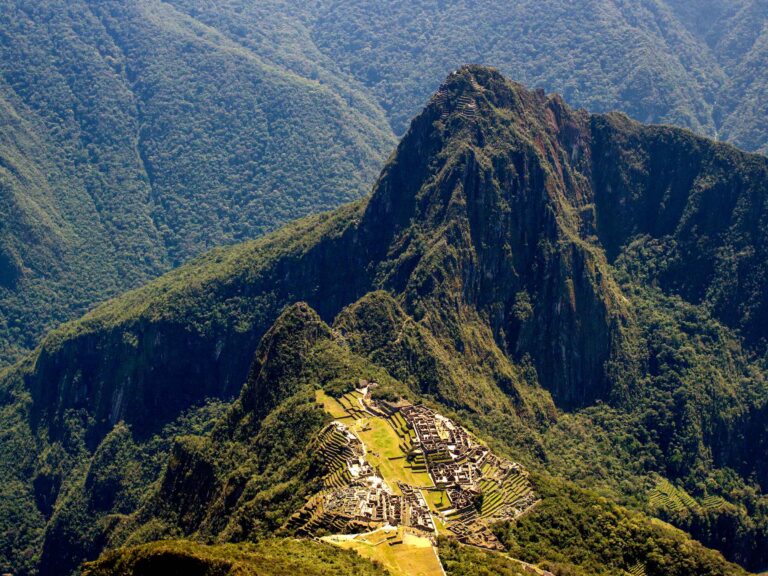

Exploring Peru’s Sacred Valley is one of the most unforgettable experiences in the Andes. Located between Cusco and Machu Picchu, the Sacred Valley combines breathtaking mountain landscapes, ancient Inca cities, colorful artisan markets, traditional villages, and outdoor adventures into one extraordinary destination.
This travel guide highlights the best places to visit in the Sacred Valley, including Pisac, Ollantaytambo, Moray, Maras, Chinchero, and several lesser-known attractions that showcase the region’s history, culture, and natural beauty.
Best Sites to Visit the Sacred Valley
The Sacred Valley of the Incas stretches along the Urubamba River and was one of the most important agricultural, cultural, and spiritual regions of the Inca Empire.
Today, the valley remains one of Peru’s most visited travel destinations because of its unique combination of:
- Inca archaeological sites
- Traditional Andean villages
- Mountain landscapes
- Adventure activities
- Colorful artisan markets
- Cultural experiences
Many travelers explore the Sacred Valley before visiting Machu Picchu because the lower altitude helps with acclimatization while offering incredible historical and cultural experiences.
Travelers planning a broader Cusco itinerary may also enjoy this Cusco travel guide.

Best Sites to Visit the Sacred Valley
Pisac: Inca Ruins and Traditional Markets
Pisac is one of the most famous destinations in the Sacred Valley, combining impressive Inca ruins with one of the region’s most vibrant artisan markets.
The archaeological site sits high above the valley and features:
- Inca agricultural terraces
- Ceremonial structures
- Ancient temples
- Panoramic valley views
Below the ruins, the Pisac Market offers handmade textiles, jewelry, ceramics, alpaca products, and local handicrafts created by artisan communities throughout the Andes.
The town itself also has a relaxed atmosphere popular with travelers interested in culture, local food, and mountain scenery.
Travelers interested in local shopping experiences may also enjoy this Cusco handicraft shopping guide.
Ollantaytambo: The Living Inca Town
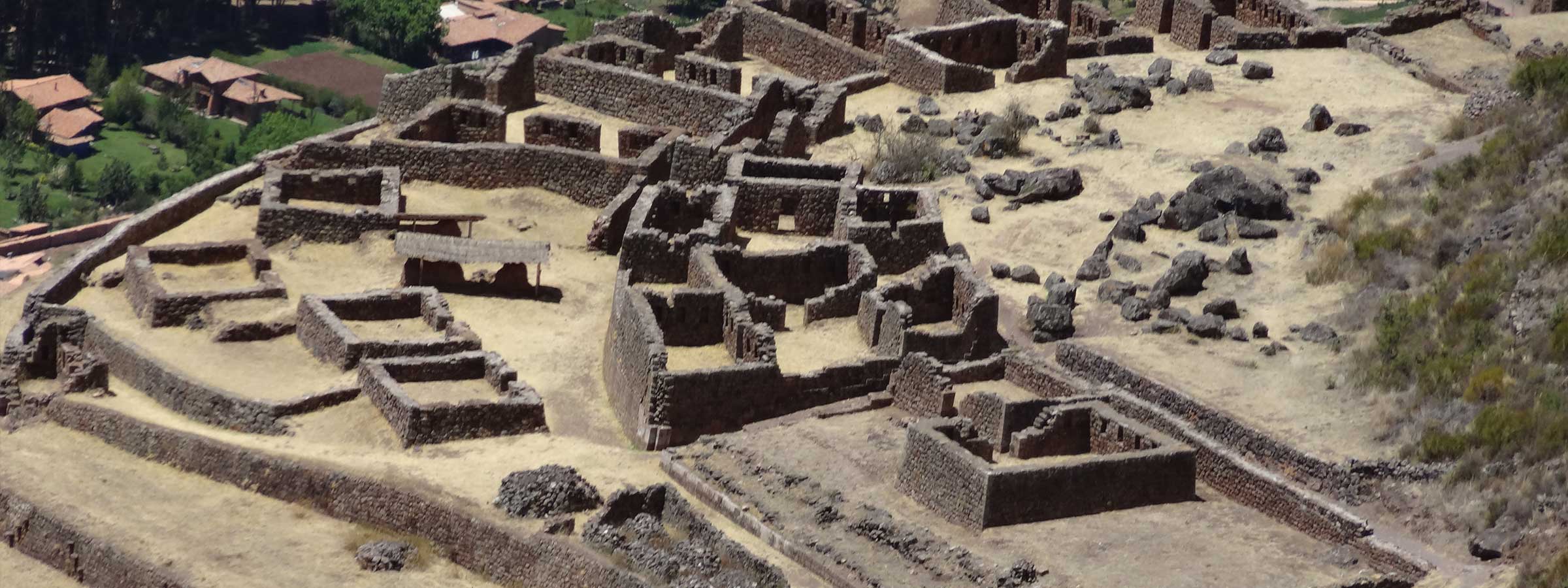
Ollantaytambo is one of the best-preserved Inca towns in Peru and an essential stop in the Sacred Valley.
The town still maintains its original Inca street layouts, stone channels, and ancient urban planning, which continue to function today.
The massive archaeological complex above the town includes:
- Temple sectors
- Stone terraces
- Military structures
- Ceremonial areas
Ollantaytambo is also one of the main gateways to Machu Picchu, as many trains depart from here for Aguas Calientes.
The surrounding mountains and Inca architecture create one of the most photogenic locations in the Sacred Valley.
Moray: The Circular Inca Terraces
Moray is one of the Sacred Valley’s most unique archaeological sites and is famous for its enormous circular terraces.
Historians believe the Incas used Moray as an agricultural experimentation center where different microclimates helped test crop adaptation at varying temperatures.
The descending circular terraces create a fascinating geometric landscape unlike any other archaeological site in Peru.
Moray is especially popular with travelers interested in:
- Inca engineering
- Agricultural history
- Photography
- Sacred Valley landscapes
The site is often combined with nearby Maras Salt Mines on full-day Sacred Valley tours.

Maras Salt Mines: Ancient Salt Terraces
The Maras Salt Mines are among the most visually spectacular attractions in the Sacred Valley.
Thousands of white salt pools cascade down the mountainside, creating a striking contrast against the surrounding Andean landscapes.
Local families have harvested salt here for generations using traditional evaporation methods fed by natural underground saltwater springs.
Visitors can observe:
- Traditional salt harvesting
- Mountain valley scenery
- Photography viewpoints
- Local artisan salt products
The Maras Salt Mines are especially popular for photography and cultural tourism experiences.
Travelers interested in Sacred Valley landscapes may also explore this Sacred Valley route guide.

Chinchero: Textiles and Andean Traditions
Chinchero is one of the most culturally authentic villages in the Sacred Valley and is widely recognized for its traditional weaving communities.
Visitors can experience:
- Traditional textile demonstrations
- Colorful artisan markets
- Colonial architecture
- Inca terraces and ruins
- Panoramic mountain views
Many local weaving cooperatives preserve ancestral textile techniques using natural dyes and handmade weaving methods passed down through generations.
Chinchero offers one of the best opportunities to experience traditional Andean culture near Cusco.
Travelers interested in cultural experiences may also enjoy this complete Chinchero travel guide.
Urubamba: The Heart of the Sacred Valley
Urubamba is often considered the center of the Sacred Valley and is known for its pleasant climate, agricultural lands, and mountain scenery.
Many travelers stay in Urubamba because it provides easy access to the valley’s main attractions.
The area also offers:
- Traditional restaurants
- Local markets
- Luxury hotels
- Adventure activities
- Scenic countryside views
The fertile landscapes surrounding Urubamba helped make the Sacred Valley one of the Inca Empire’s most important agricultural regions.
Adventure Activities in the Sacred Valley
Beyond archaeology and culture, the Sacred Valley is also a major destination for outdoor adventures and nature activities.
Popular experiences include:
- Hiking trails
- Mountain biking
- White-water rafting
- Zipline adventures
- Paragliding excursions
- Photography tours
Many travelers combine cultural visits with outdoor activities to experience the valley from multiple perspectives.
The combination of mountains, rivers, and ancient landscapes creates ideal conditions for adventure tourism.
Lesser-Known Sacred Valley Attractions
Several lesser-known sites throughout the Sacred Valley offer quieter experiences away from the busiest tourist areas.
Interesting hidden destinations include:
- Ñaupa Iglesia
- Pumamarca ruins
- Yanacocha Lagoon
- Patacancha Valley
- Traditional farming communities
These locations allow travelers to experience more remote sections of the valley while discovering additional aspects of Andean culture and history.
Best Time to Visit the Sacred Valley
The Sacred Valley can be visited throughout the year, but weather conditions vary by season.
The dry season between May and September usually offers:
- Sunny days
- Clear mountain views
- Ideal hiking conditions
- Better photography opportunities
The rainy season between November and March brings greener landscapes and fewer tourists, but also occasional rain showers.
Both seasons offer beautiful scenery and unique travel experiences, depending on the traveler’s preferences.
Why Visit the Sacred Valley Before Machu Picchu?
Many travelers choose to explore the Sacred Valley before visiting Machu Picchu because the valley sits at a lower altitude than Cusco.
This helps travelers acclimatize gradually while still enjoying important archaeological and cultural attractions.
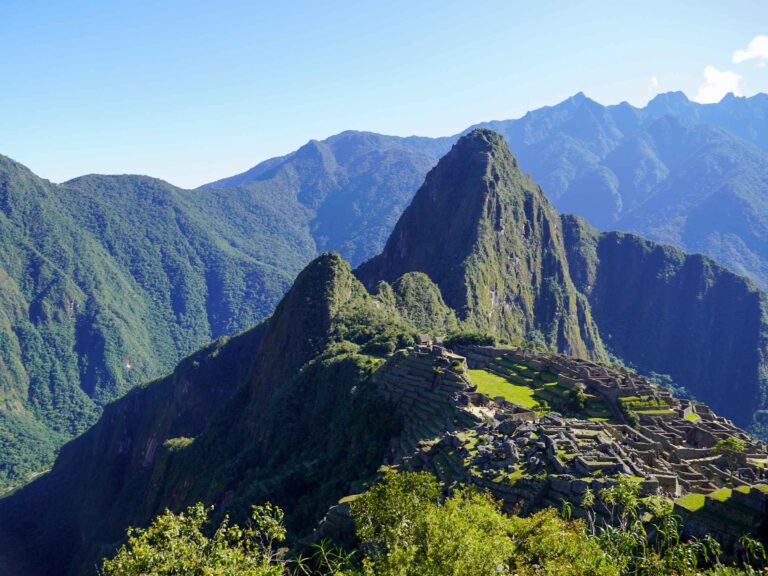
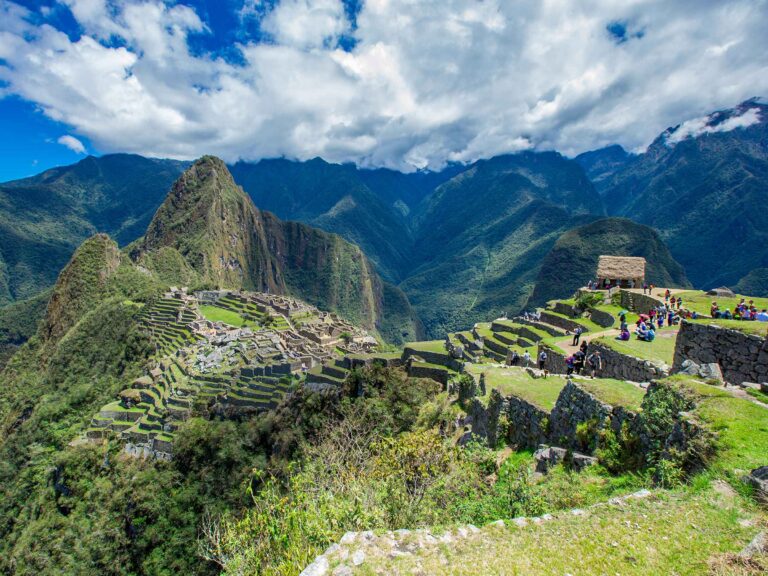
The Sacred Valley also creates a more complete understanding of Inca civilization before arriving at Machu Picchu itself.
Travelers interested in Machu Picchu planning may also enjoy this Machu Picchu transportation guide.
Explore Sacred Valley Tours and Experiences
Kondor Path Tours offers Sacred Valley experiences designed for travelers seeking archaeology, culture, landscapes, and authentic Andean experiences throughout the Cusco region.
- Private Sacred Valley Tours
- Super Sacred Valley Tour
- Moray and Maras Salt Mines Tour
- Sacred Valley Full-Day Tour
- Moray Sacred Valley Tour
- Sacred Valley and Machu Picchu 2 Days
Conclusion
The Sacred Valley of Peru is one of the country’s most extraordinary travel destinations because it combines ancient Inca history, breathtaking mountain landscapes, traditional Andean culture, and unforgettable outdoor experiences.
From the impressive ruins of Pisac and Ollantaytambo to the circular terraces of Moray, the salt pools of Maras, and the weaving traditions of Chinchero, every destination offers a different perspective on the rich heritage of the Andes.
Whether visiting for archaeology, photography, adventure, or cultural immersion, the Sacred Valley offers one of the most rewarding experiences in Peru before continuing on to Machu Picchu.