
What to Pack for Peru in 2026: Machu Picchu, Cusco, the Andes, and the Amazon
Planning a trip to Peru in 2026 requires more than packing a suitcase. Peru has very different climates in a single itinerary: Lima can be mild and humid, Cusco can be sunny during the day and cold at night, Machu Picchu can be warm, rainy, or misty, and the Amazon is hot, humid, and rainy for much of the year. This guide will help you pack smart for Peru, especially if your route includes Cusco, the Sacred Valley, Machu Picchu, trekking routes, or the jungle.
The most important rule is to pack light, practical, and in layers. Travelers often visit several regions in one trip, so your clothing and gear should work for changing temperatures, altitude, rain, sun exposure, and long travel days. If you are visiting Machu Picchu, you should also consider the official visitor rules, including the maximum backpack size and restricted items inside the archaeological site.
Quick Packing Summary for Peru
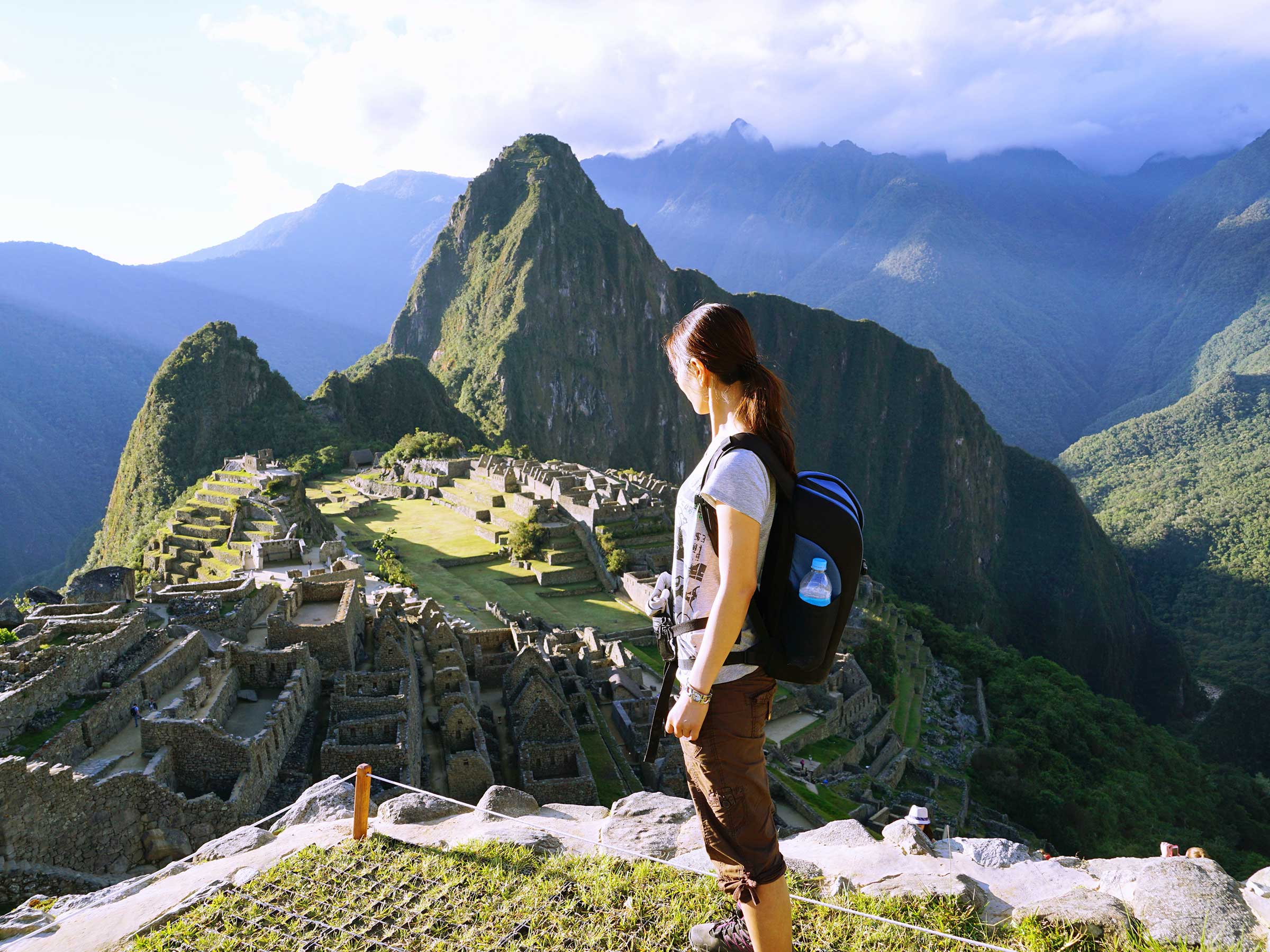
If you want a simple packing strategy, bring comfortable walking shoes, layered clothing, a rain jacket, sun protection, a small daypack, personal medication, travel documents, and a reusable water bottle. For Cusco and the Andes, include warm clothes for cold mornings and nights. For the Amazon, pack light, breathable clothing, insect repellent, and quick-dry items. For Machu Picchu, use a small backpack and avoid restricted items.
| Destination | What You Need Most | Main Packing Advice |
|---|---|---|
| Lima | Light layers, comfortable shoes, jacket | Pack for mild weather, coastal humidity, and city walks. |
| Cusco | Warm layers, sun protection, walking shoes | Days can be sunny, but mornings and nights are cold. |
| Machu Picchu | Small daypack, rain jacket, water, passport | Carry only what you need and follow the official entry rules. |
| Andes Treks | Hiking boots, warm clothing, rain gear | Prepare for altitude, strong sun, cold nights, and sudden rain. |
| Amazon Jungle | Light clothing, insect repellent, quick-dry gear | Pack for humidity, insects, mud, and frequent rain. |
Essential Documents for Traveling to Peru
Before packing clothes and gear, make sure your travel documents are ready. Your passport is essential for international travel and is also required for Machu Picchu entry. Keep a printed and digital copy of your passport, tickets, travel insurance, hotel reservations, and tour confirmations.
- Passport: Keep it safe and accessible, especially for flights, hotels, trains, and Machu Picchu entry.
- Machu Picchu ticket: Carry a printed or digital copy and make sure the name and document number match your passport.
- Train or bus tickets: Keep your transport confirmations available on your phone and offline.
- Travel insurance: Recommended for medical issues, cancellations, lost luggage, and adventure activities.
- Emergency contacts: Save your hotel, agency, guide, and embassy contact information.
- Cash and cards: Carry a mix of local cash and credit/debit cards, especially for small purchases, tips, markets, and rural areas.
What to Pack for Machu Picchu
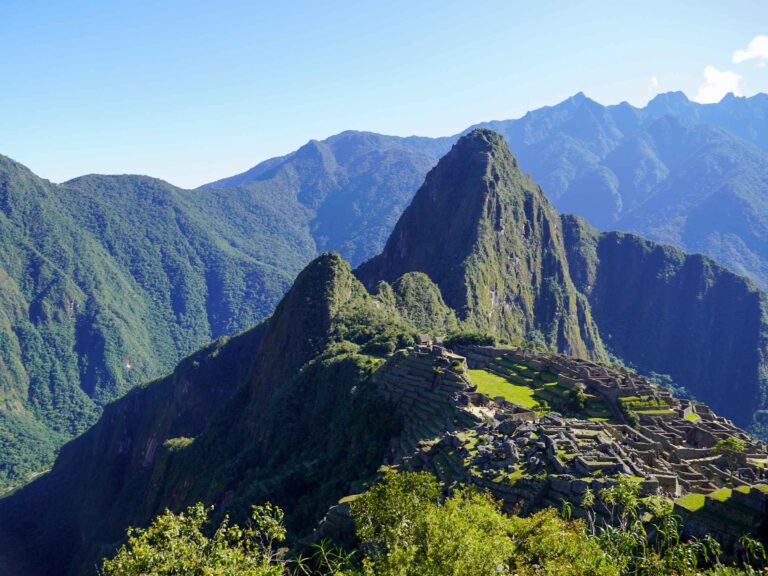
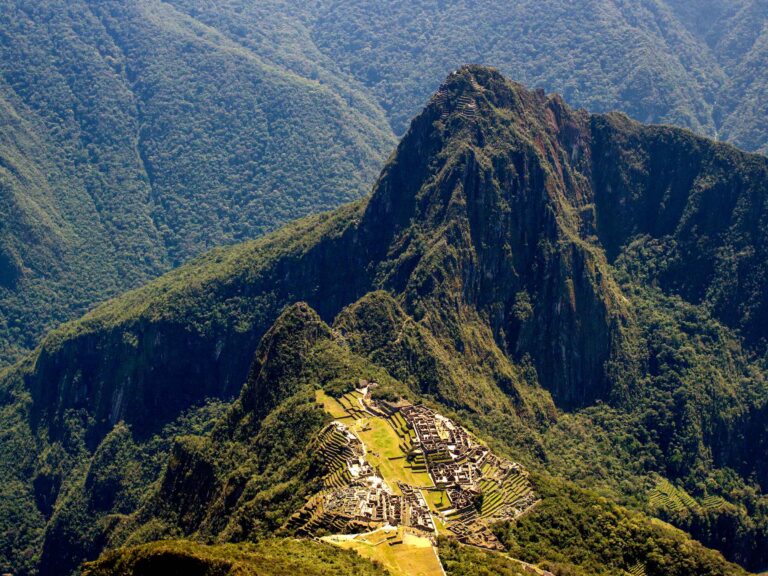
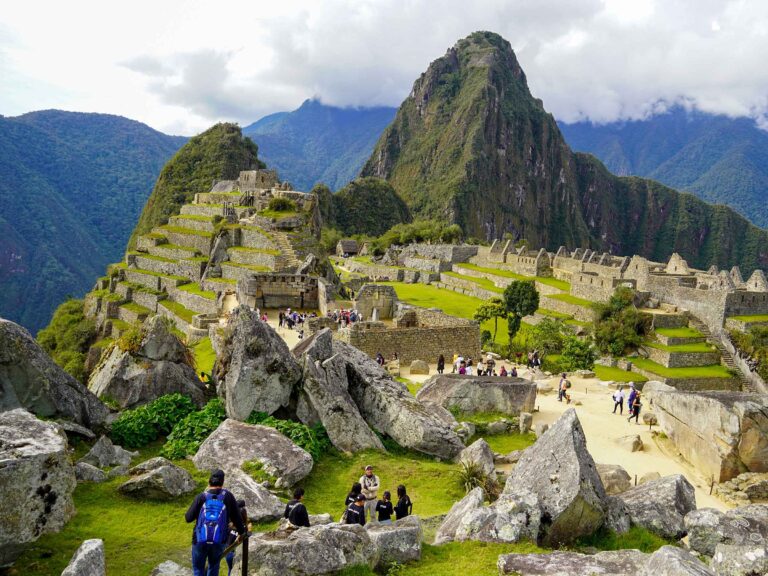
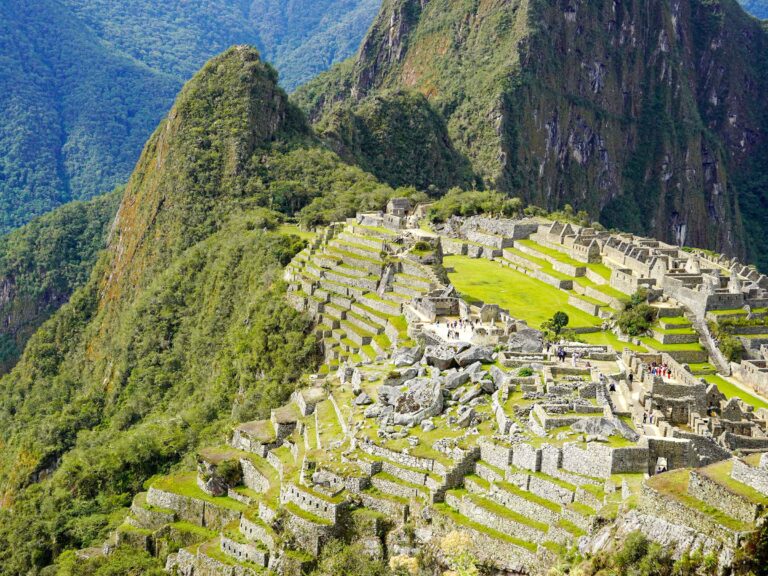
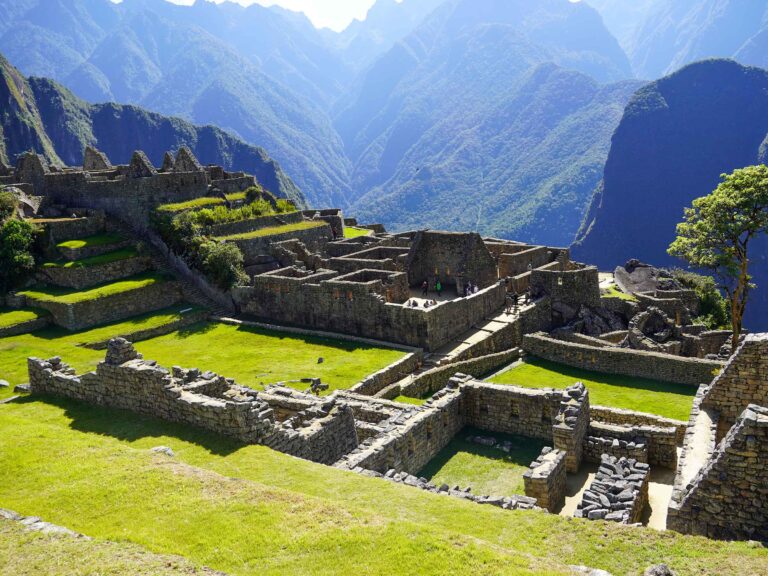
Machu Picchu is one of the most important archaeological sites in the world, and visitors must follow official rules to protect the sanctuary. According to the official Machu Picchu code of conduct, backpacks, bags, or purses larger than 40x35x20 cm are not allowed. Food, kitchenware, umbrellas, walking sticks, portable chairs, tripods, monopods, selfie sticks, aerosols, drones, and several other items are also prohibited inside the site.
Machu Picchu Daypack Checklist
- Small backpack under 40x35x20 cm.
- Passport or original identification document.
- Machu Picchu entrance ticket.
- Train, bus, or tour confirmation.
- Light rain jacket or poncho.
- Comfortable walking shoes with good grip.
- Sun hat or cap.
- Sunglasses.
- Sunscreen.
- Reusable water bottle, if accepted by your operator and transport service.
- Camera or phone.
- Small amount of cash for restrooms, snacks before or after the visit, and local expenses.
What Not to Bring Inside Machu Picchu
- Large backpacks or bags over 40x35x20 cm.
- Food, plates, cutlery, thermoses, or kitchenware.
- Alcoholic beverages.
- Umbrellas.
- Tripods, monopods, selfie sticks, or filming stabilizers.
- Drones.
- Aerosols.
- Walking sticks, unless specifically authorized for mobility needs.
- Heels or hard-sole shoes.
- Baby strollers.
- Musical instruments, speakers, banners, costumes, or advertising materials.
For a smoother visit, leave large luggage at your hotel in Cusco, Ollantaytambo, or Aguas Calientes. Bring only what you need for the visit and keep your hands free for stairs, stone paths, and viewpoints.
What to Wear in Cusco and Machu Picchu
The best clothing for Cusco and Machu Picchu is comfortable, breathable, and layered. Mornings can be cold, midday can feel warm, and rain can appear unexpectedly, especially during the rainy season. Avoid heavy city shoes, elegant clothing, or anything uncomfortable for stairs and uneven stone paths.
- Base layer: T-shirts or long-sleeve breathable shirts.
- Middle layer: Fleece, light sweater, or warm pullover.
- Outer layer: Light waterproof jacket or rain poncho.
- Pants: Comfortable hiking pants, travel pants, or leggings suitable for walking.
- Shoes: Comfortable walking shoes or light hiking shoes with good grip.
- Sun protection: Hat, sunglasses, sunscreen, and lip balm with UV protection.
Peru Weather and Seasons: What to Pack by Month
Peru’s climate changes by region. The coast, Andes, and Amazon have different weather patterns, so the best packing list depends on where you are going. In the Andes and the Amazon, the rainy season generally runs from November to March, while the lower-rainfall or dry season is generally from April to October.
Rainy Season: November to March
The rainy season is warmer but wetter in the Andes and Amazon. If you travel to Cusco, the Sacred Valley, Machu Picchu, or trekking routes during these months, bring a rain jacket, poncho, waterproof cover for your backpack, quick-dry clothing, and shoes with good grip. Trails and stone paths can be slippery.
- Waterproof jacket or poncho.
- Backpack rain cover.
- Quick-dry shirts and pants.
- Water-resistant shoes or hiking boots.
- Extra socks.
- Plastic or dry bags for documents and electronics.
Dry Season: April to October
The dry season is one of the most popular times to visit Cusco, the Sacred Valley, and Machu Picchu because there is usually less rain and better visibility. However, nights and early mornings in the Andes can be very cold, especially from June to August. Pack warm layers, sun protection, and a light jacket for changing temperatures.
- Warm fleece or sweater.
- Light down jacket or warm jacket for early mornings.
- Sun hat and sunglasses.
- Sunscreen and lip protection.
- Comfortable walking shoes.
- Scarf, gloves, or beanie if traveling in colder months.
Clothes for the Andes
The Andes include destinations such as Cusco, the Sacred Valley, Machu Picchu, Rainbow Mountain, Humantay Lake, Salkantay, Ausangate, and Colca Canyon. In these areas, altitude strongly affects the temperature. Even when the sky is clear, it can feel cold in the morning and at night.
- Long travel pants or hiking pants.
- Shorts for warmer days, if your itinerary allows.
- T-shirts and long-sleeve shirts.
- Warm fleece or wool sweater.
- Light waterproof jacket.
- Thermal underwear for treks or cold nights.
- Warm sleepwear if staying in mountain lodges or camps.
- Hiking boots or sturdy walking shoes.
- Comfortable socks for walking.
- Sandals or light shoes for hotels or hot springs.
- Sun hat or cap.
- Beanie or warm hat for cold nights.
- Gloves for high-altitude tours.

Clothing for the Amazon Jungle
The Peruvian Amazon has a hot, humid climate with frequent rain. If your trip includes Puerto Maldonado, Manu, Tambopata, Iquitos, or another jungle destination, choose lightweight, breathable, quick-dry clothing. Long sleeves and long pants are useful for mosquito protection, forest walks, and boat rides.
- Lightweight long-sleeve shirts.
- Comfortable long pants.
- Shorts for lodge areas.
- Quick-dry T-shirts.
- Long socks for walking.
- Swimwear.
- Small towel or quick-dry travel towel.
- Hat or cap for sun protection.
- Rain poncho or lightweight rain jacket.
- Walking shoes or boots that can get muddy.
- Flip-flops or sandals for the lodge.
- Insect repellent.
- Dry bag or sealed plastic bag for camera, phone, documents, and valuables.
Avoid packing only shorts and sleeveless shirts for the jungle. They may feel comfortable in the heat, but long, light clothing can protect you better from insects, sun, branches, and humidity.

Equipment for Traveling in Peru
Good travel equipment makes your trip easier, especially if you are moving between Lima, Cusco, Machu Picchu, and remote areas. Choose practical items that are light, durable, and easy to carry.
- Daypack: A small backpack is essential for tours, walks, and daily activities.
- Universal adapter: Bring a travel adapter for your devices and chargers.
- Portable charger: Useful for long travel days, trains, buses, and trekking routes.
- Reusable water bottle: Helps you stay hydrated and reduce plastic waste.
- Camera or smartphone: Peru is full of landscapes, archaeological sites, and cultural scenes worth photographing.
- Travel towel: Useful for treks, jungle lodges, hot springs, and basic accommodations.
- Headlamp or flashlight: Recommended for treks, early departures, camps, and rural lodges.
- Dry bag: Protects electronics, documents, and valuables from rain or humidity.
- Padlock: Useful for hostel lockers or luggage storage.
What to Pack for Trekking in Peru
If your Peru trip includes trekking routes such as the Inca Trail, Salkantay Trek, Lares Trek, Choquequirao, Ausangate, or multi-day hikes, your packing list should be more technical. Mountain weather can change quickly, and nights can be very cold.
- Hiking boots already broken in before the trip.
- Warm jacket or insulated layer.
- Waterproof jacket.
- Thermal base layers.
- Hiking socks.
- Gloves and warm hat.
- Sun hat and sunglasses.
- Sleeping bag suitable for cold temperatures, if not included by your operator.
- Trekking poles, if allowed on your route and useful for your knees.
- Personal snacks for energy.
- Headlamp.
- Small first aid kit.
- Blister protection.
- Water purification tablets or filter, depending on the trek.

Toiletries and Medicines
Toiletries and basic medicines are important, especially if you are traveling outside major cities. Bring what you normally use, but avoid overpacking. If you take prescription medication, carry enough for the full trip and keep it in your hand luggage.
- Personal toiletries.
- Toilet paper or tissues for road trips and basic restrooms.
- Sunscreen.
- Lip balm with UV protection.
- Insect repellent.
- Hand sanitizer.
- Basic first aid kit.
- Prescription medications.
- Pain reliever recommended by your doctor.
- Medicine for stomach discomfort, if recommended by your doctor.
- Blister pads or second-skin protection.
- Water purification tablets or filter for remote trips.
Health Tips for Cusco and High Altitude
Cusco and many Andean destinations are located at high altitude. Travelers may feel tired, short of breath, or lightheaded during the first day. To reduce discomfort, rest on arrival, drink water, avoid heavy meals and alcohol during the first hours, and plan your itinerary gradually.
- Plan an easy first day in Cusco.
- Stay hydrated.
- Avoid intense physical effort immediately after arrival.
- Eat light meals at first.
- Ask your doctor about altitude medication if you have health concerns.
- Do not ignore strong symptoms such as severe headache, vomiting, confusion, or difficulty breathing.
What to Leave at Home
One of the most common packing mistakes is bringing too much. Peru involves stairs, cobblestone streets, train stations, buses, and hotel changes, so heavy luggage can make the trip uncomfortable. Pack what you need and leave unnecessary items at home.
- Excess clothing.
- Elegant shoes or formal outfits unless needed for a specific event.
- Expensive jewelry.
- Hard suitcases for trekking routes.
- Large tripods or filming equipment if visiting Machu Picchu.
- Large bottles of toiletries.
- Items that look very expensive or attract attention.
- Heavy books or unnecessary electronics.
Recommended Packing List for a 7-Day Peru Trip
This sample packing list works well for travelers visiting Lima, Cusco, the Sacred Valley, and Machu Picchu in one week. Adjust it depending on the season, your activities, and your luggage allowance.
- 1 small daypack.
- 1 carry-on or medium suitcase.
- 4 or 5 T-shirts.
- 2 long-sleeve shirts.
- 2 travel pants or hiking pants.
- 1 pair of shorts or light pants for warm areas.
- 1 fleece or warm sweater.
- 1 light jacket.
- 1 waterproof jacket or poncho.
- 5 to 7 pairs of underwear.
- 5 to 7 pairs of socks.
- 1 comfortable pair of walking shoes.
- 1 pair of sandals or hotel shoes.
- Hat, sunglasses, and sunscreen.
- Toiletries and personal medicine.
- Reusable water bottle.
- Phone charger and portable charger.
- Passport and travel documents.
Recommended Packing List for Machu Picchu Full Day
If you are visiting Machu Picchu on a full-day tour from Cusco or from Aguas Calientes, do not carry large luggage. Use a small backpack and bring only the essentials for the day.
- Passport.
- Machu Picchu ticket.
- Train or bus ticket.
- Small backpack under the official size limit.
- Rain jacket or poncho.
- Comfortable walking shoes.
- Light layer for the morning.
- Sun hat.
- Sunglasses.
- Sunscreen.
- Camera or phone.
- Cash in soles.
Responsible Packing for Peru
Responsible packing helps protect Peru’s natural and cultural heritage. Avoid single-use plastics when possible, respect official rules at archaeological sites, and do not bring prohibited items into Machu Picchu or protected areas. Peru is a destination with fragile ecosystems, historic monuments, and living local communities, so travel with respect and awareness.
- Use a reusable water bottle where appropriate.
- Carry your trash until you find a proper bin.
- Do not remove stones, plants, or archaeological materials.
- Do not feed wildlife or domestic animals inside protected areas.
- Follow marked trails and official circuits.
- Respect local customs and dress modestly when visiting churches, communities, or sacred places.
Useful Official Links for Travelers
- Official Machu Picchu Code of Conduct
- Official Machu Picchu Online Ticket Information
- Gob.pe: Buy Machu Picchu Tickets on Tuboleto
- Peru Travel: Climate Information
- SERNANP: Protected Natural Areas of Peru
Final Packing Advice
The best way to pack for Peru is to think by region and activity. For Lima, bring comfortable city clothing. For Cusco and Machu Picchu, bring layers, walking shoes, sun protection, and rain gear. For the Andes, prepare for altitude, cold nights, and strong sun. For the Amazon, pack breathable clothing, insect repellent, and waterproof protection.
For Machu Picchu, remember that less is better. Carry a small daypack, keep your documents ready, wear comfortable shoes, and avoid restricted items. With the right packing plan, your trip to Peru will be more comfortable, organized, and enjoyable.