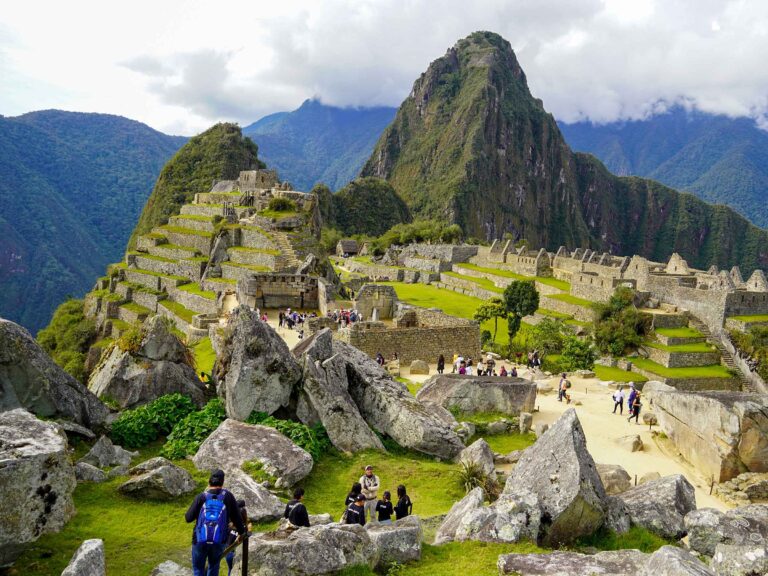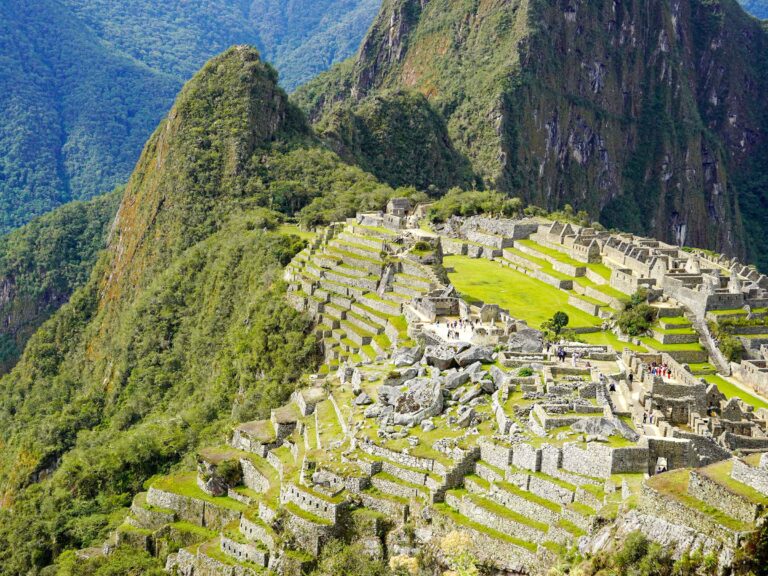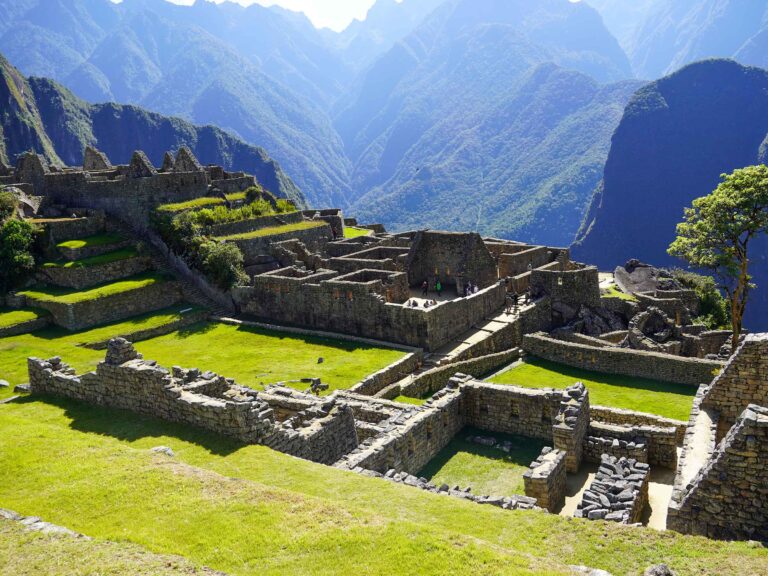

The Ancascocha Trek in Peru is one of the most remote and spectacular alternative routes to Machu Picchu. Known for its dramatic mountain scenery, high-altitude passes, glacial lakes, and authentic cultural encounters, this lesser-known trail offers an unforgettable trekking experience far from the crowds of the Classic Inca Trail.
Perfect for experienced hikers seeking solitude and adventure in the Andes, the Ancascocha Trek combines wilderness landscapes, traditional Andean communities, and breathtaking panoramic views into one of Peru’s most rewarding trekking journeys.
Why Choose the Ancascocha Trek?
The Ancascocha Trek is often considered one of the best alternative hikes to Machu Picchu because of its remote scenery and low visitor numbers.
Unlike more crowded trekking routes in Peru, this trail allows hikers to experience:
- Remote mountain valleys
- High-altitude passes
- Glacial lakes
- Traditional Andean villages
- Snow-capped mountain views
- Peaceful trekking routes
The route combines natural beauty with cultural immersion, creating an experience that feels both adventurous and authentic.
Travelers interested in alternative trekking routes may also enjoy this Salkantay Trek to Machu Picchu guide.
What Is the Ancascocha Trek?
The Ancascocha Trek is a high-altitude trekking route located in the Andes near Cusco and Machu Picchu.
The trail crosses isolated mountain regions rarely visited by large tourist groups and is known for its dramatic wilderness scenery.
Most itineraries range between 4 and 5 days and cover approximately 56 kilometers (35 miles) through challenging Andean terrain.
Trekkers experience a constantly changing landscape that includes:
- Cloud forests
- Mountain passes
- Alpine grasslands
- Remote valleys
- Traditional farming communities
- Ancient Inca pathways
The trek eventually connects with routes leading toward Machu Picchu.

National Geographic Recognition
The Ancascocha Trek gained international attention after being recognized by National Geographic as one of the world’s most impressive hiking routes.
This recognition highlights the trail’s extraordinary combination of:
- Remote mountain landscapes
- Adventure trekking
- Cultural experiences
- Natural beauty
- Andean wilderness
Despite its growing reputation, the trek remains far less crowded than many of Peru’s more famous trekking routes.
Mountain Scenery and Wilderness Landscapes
One of the greatest highlights of the Ancascocha Trek is its spectacular mountain scenery.
Trekkers enjoy panoramic views of snow-capped peaks such as:
- Salkantay Mountain
- Mount Veronica
- Humantay Peak
The trail passes through remote valleys and high mountain passes surrounded by dramatic Andean landscapes.
The changing scenery creates one of the most visually rewarding trekking experiences in Peru.

ancascocha trek short inca trail
High-Altitude Trekking Experience
The Ancascocha Trek is considered physically demanding because of its altitude and rugged terrain.
Some mountain passes exceed 4,600 meters (15,000 feet) above sea level, making acclimatization extremely important before starting the hike.
Trekkers should prepare for:
- Steep ascents and descents
- Long hiking days
- Rocky Mountain trails
- Rapid weather changes
- Cold nighttime temperatures
Despite the physical challenge, the trek rewards hikers with extraordinary landscapes and a sense of solitude rarely found on more popular trails.
Remote Andean Villages and Local Culture
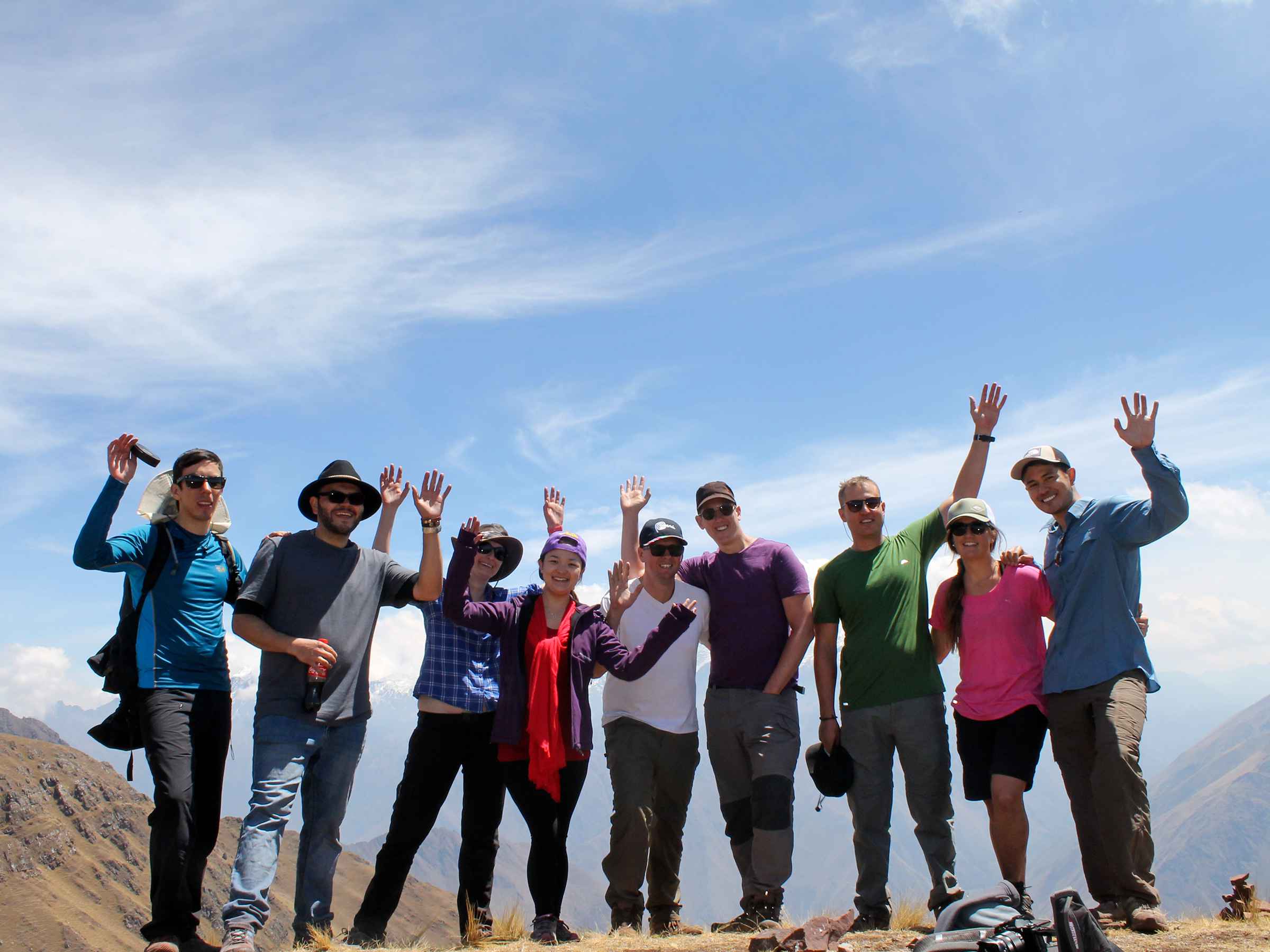
One of the most memorable aspects of the Ancascocha Trek is the opportunity to visit remote Andean communities.
Along the trail, travelers may encounter traditional villages where local families continue preserving ancestral customs and agricultural lifestyles.
These cultural interactions allow trekkers to experience:
- Traditional Quechua culture
- Andean farming practices
- Local textile traditions
- Rural mountain life
- Authentic cultural exchanges
The remote nature of the route creates a more personal and meaningful connection with the Andes.

Glacial Lakes and Diverse Ecosystems
The Ancascocha Trek traverses a variety of ecosystems, showcasing the extraordinary biodiversity of the Andes.
Trekkers pass through:
- Cloud forests
- High-altitude grasslands
- Mountain wetlands
- Alpine valleys
- Glacial lake regions
Ancascocha Lake itself is one of the most scenic highlights along the route, surrounded by dramatic mountain landscapes and peaceful wilderness scenery.
The constantly changing environments make every section of the trek visually unique.
Typical Ancascocha Trek Route
Most Ancascocha Trek itineraries begin near Cusco and continue through remote mountain regions before connecting with routes toward Machu Picchu.
Common highlights along the route include:
- Soqma village
- Perolniyoc waterfall
- Kuychicassa Pass
- Ancascocha Lake
- Paucarcancha
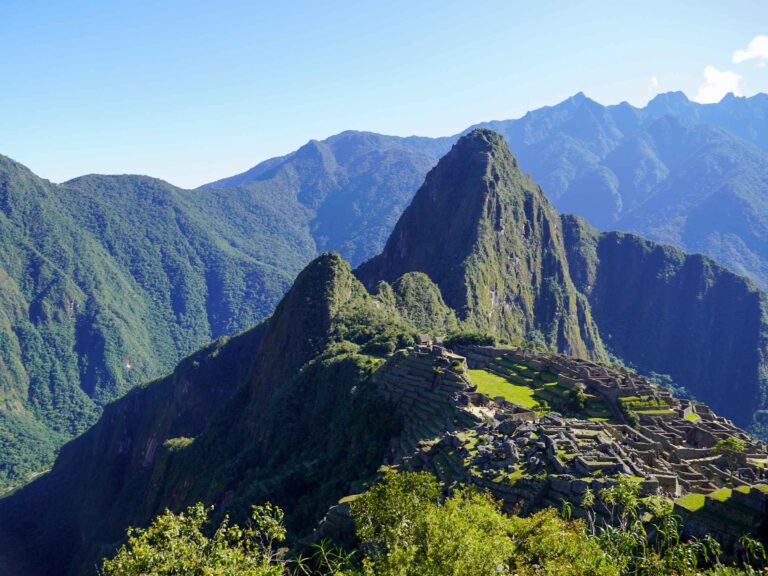
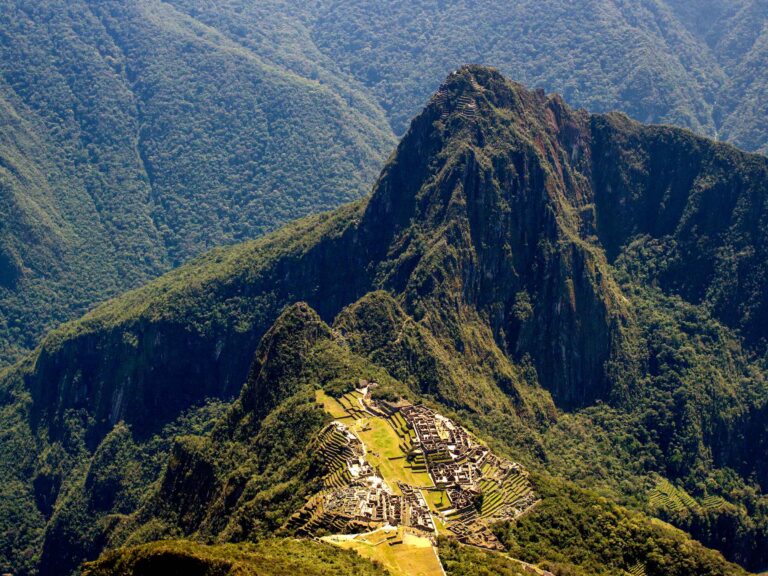
- Machu Picchu
Each day offers different landscapes and trekking conditions, creating a dynamic and adventurous experience.
Preparing for the Ancascocha Trek
Because of the altitude and physical demands of the route, preparation is essential for a successful trekking experience.
Acclimatization
Travelers should spend several days in Cusco or the Sacred Valley before starting the trek to reduce the risk of altitude sickness.
Physical Fitness
The route requires good physical condition due to steep climbs, long distances, and high-altitude terrain.
Training before the trek can greatly improve comfort and endurance during the hike.
Essential Gear
Recommended trekking equipment includes:
- Waterproof hiking boots
- Layered clothing
- Warm sleeping bag
- Rain protection
- Sunscreen and sunglasses
- Trekking poles
- Reusable water bottles

Best Time to Hike the Ancascocha Trek
The dry season between May and September is generally considered the best time to hike the Ancascocha Trek.
During these months, hikers often experience:
- Clear mountain views
- Drier trail conditions
- More stable weather
- Better trekking conditions
The rainy season between November and March can create muddy trails and more difficult trekking conditions in high-altitude areas.
Wildlife Along the Trek
The remote landscapes of the Andes provide opportunities to observe wildlife in natural mountain environments.
Depending on the season and location, trekkers may encounter:
- Andean condors
- Llamas and alpacas
- Mountain birds
- Native Andean flora
The trail’s quiet wilderness atmosphere increases the chances of observing wildlife away from heavily visited tourist areas.

Alternative Treks to Machu Picchu
The Ancascocha Trek is part of a growing group of alternative trekking routes offering less-crowded paths to Machu Picchu.
Travelers searching for more remote adventures may also consider:
- Salkantay Trek
- Lares Trek
- Moonstone Trek
- Inca Quarry Trek
Each route offers different scenery, cultural experiences, and trekking challenges throughout the Andes.
Travelers interested in alternative adventures may also enjoy this Lares Trek guide.

inca quarry trek
Explore Ancascocha Trek Tours
Kondor Path Tours offers trekking experiences designed for travelers seeking remote mountain adventures, authentic Andean culture, and unforgettable alternative routes to Machu Picchu.
- Ancascocha Trek 3 Days
- Ancascocha Trek 4 Days
- Ancascocha Trek 5 Days
- Ancascocha Trek + Short Inca Trail
- Moonstone Trek to Machu Picchu
- Inca Quarry Trek
Conclusion
The Ancascocha Trek is one of Peru’s most rewarding alternative hikes for travelers seeking remote landscapes, authentic cultural encounters, and challenging mountain adventures away from crowded trekking routes.
From glacial lakes and high mountain passes to traditional villages and breathtaking wilderness, the trail offers a deeper connection to the Andes and Peru’s natural beauty.
For experienced hikers seeking a unique, less-traveled route to Machu Picchu, the Ancascocha Trek offers one of the most unforgettable trekking experiences in South America.