
Cusco Altitude
Cusco, a city nestled in the Andes, is renowned for its breathtaking altitude. At 11,152 feet above sea level, it is one of the highest cities in the world. This elevation can pose challenges for travelers, especially those unaccustomed to high altitudes.
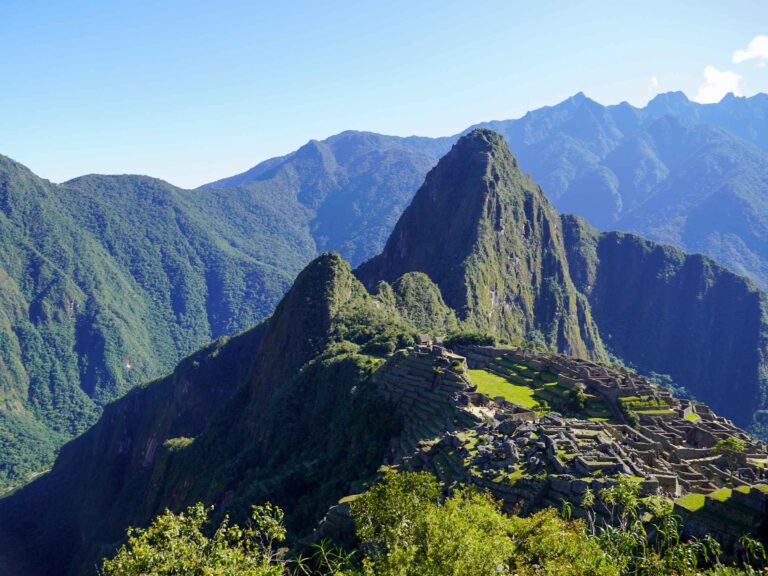
Machu Picchu, another iconic destination, sits at a lower altitude of 7,972 feet. Despite being lower than Cusco, it still requires preparation for altitude effects.
Altitude sickness is a common concern for visitors to these high-altitude sites. Symptoms can include headaches, nausea, and dizziness.
Proper acclimatization is crucial for a safe and enjoyable visit. Understanding the altitudes of Cusco and Machu Picchu is key to planning your adventure.

Understanding the Altitude of Cusco and Machu Picchu
Cusco is the gateway to Machu Picchu, offering rich historical and cultural experiences. Its altitude of 11,152 feet (3,399 meters) can surprise visitors with its sheer height. This elevation places Cusco among the highest cities in the world.
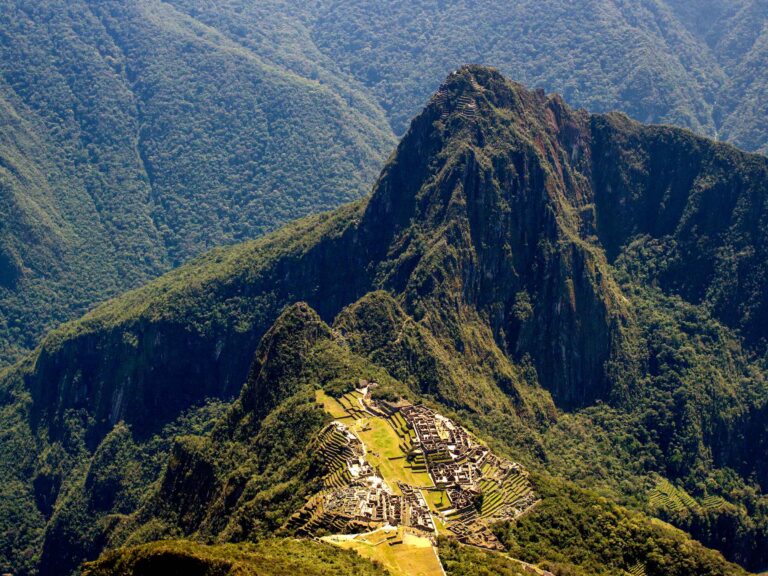
Machu Picchu, known as the “Lost City of the Incas,” is perched lower than Cusco. Situated at 7,972 feet (2,430 meters), it’s accessible but still requires awareness. The difference in altitude between the two locations is significant and affects visitors differently.
Being prepared for these elevations is crucial. Altitude can influence physical activities, making simple tasks more strenuous than usual. Understanding the altitude levels helps in planning and enjoying your trip.
Key altitude insights include:
- Cusco: 11,152 feet (3,399 meters)
- Machu Picchu: 7,972 feet (2,430 meters)
- Significant altitude difference between locations
Both Cusco and Machu Picchu provide unique experiences enriched by their elevations. Visitors should be ready for the physical challenges these high altitudes may pose. With proper preparation, these stunning destinations offer unforgettable adventures.
How High is Cusco? Key Facts and Figures
Cusco stands tall at a remarkable altitude of 11,152 feet (3,399 meters) above sea level. This elevation makes it an essential stop for travelers exploring Peru’s rich history and culture. As one of the highest cities worldwide, its lofty height offers breathtaking views of the Andean landscape.
The altitude of Cusco affects its climate, contributing to cooler temperatures year-round. Visitors can expect clear sunny days, but chilly nights. This climate diversity is one of the city’s unique charms.
Adapting to Cusco’s altitude is crucial for a comfortable visit. The city’s thin air can cause shortness of breath and fatigue. Spending a few days acclimatizing is a wise strategy for mitigating these effects.
Here are some key facts about Cusco’s altitude:
- Elevation: 11,152 feet (3,399 meters)
- Higher than most major cities globally
- Vital acclimatization stop before visiting Machu Picchu
The city’s altitude doesn’t only influence travel itineraries; it enriches the experience. Many travelers find the effort of acclimatization well worth the rewards. The majestic views and vibrant culture of Cusco await the adventurous and prepared visitor.
Cusco Day Tours
- Cusco City Tour Half Day
- Cusco City Tour Full Day
- Moray & Maras Salt Mines Tour – Half Day
- Moray Private Tour Full-Day
- South Valley Cusco Tour
- Full-Day Tour Tipon, Pisac, Sacsayhuaman
- Tour Inti Raymi 2026, Festival of the Sun
Machu Picchu Elevation: How High is the Lost City?
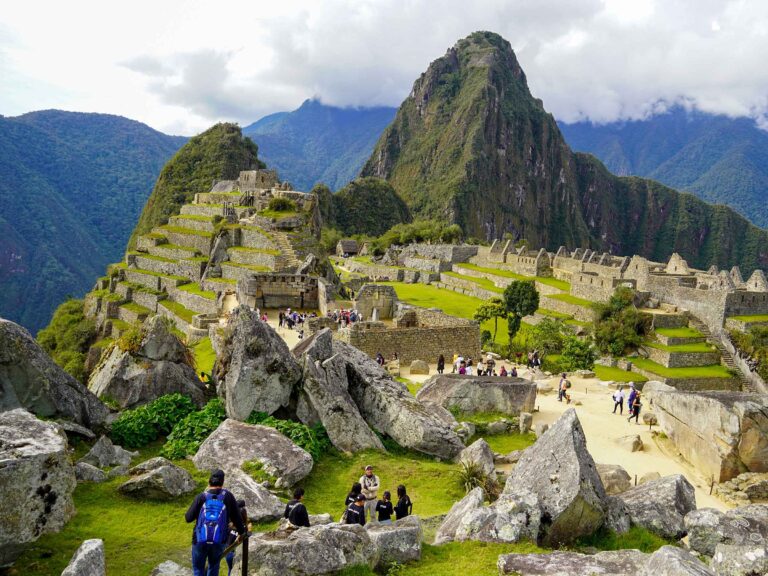
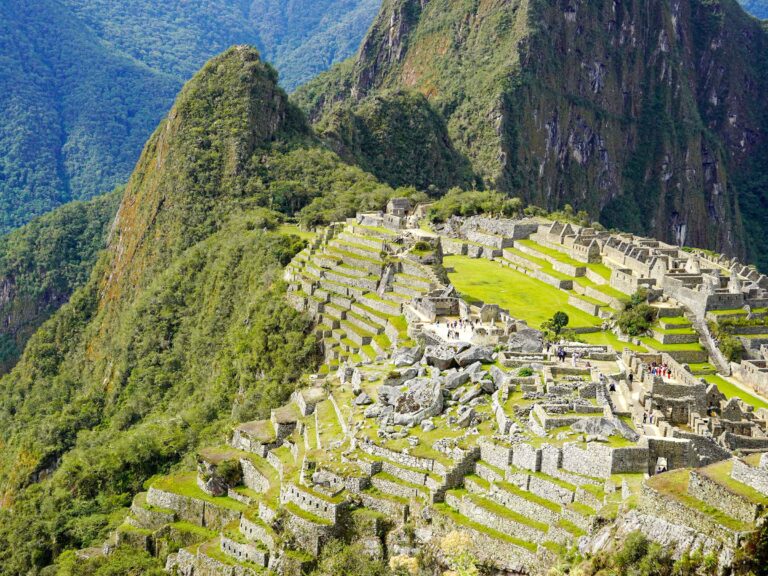
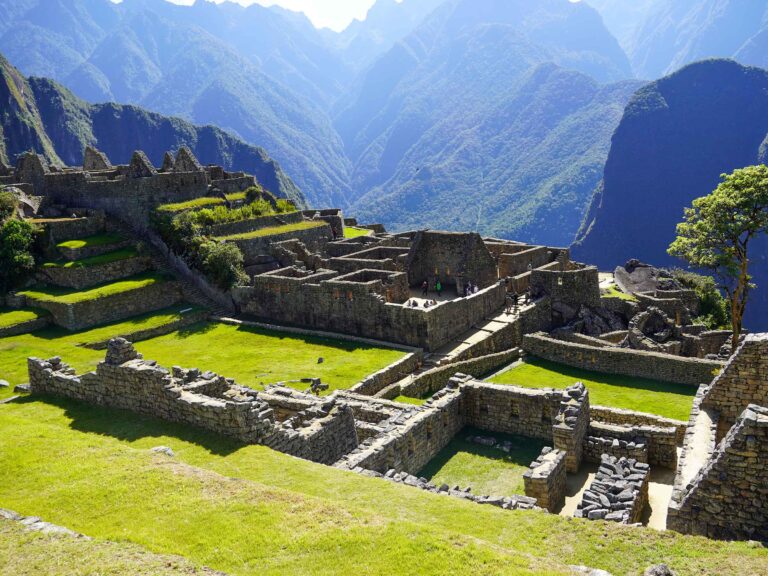
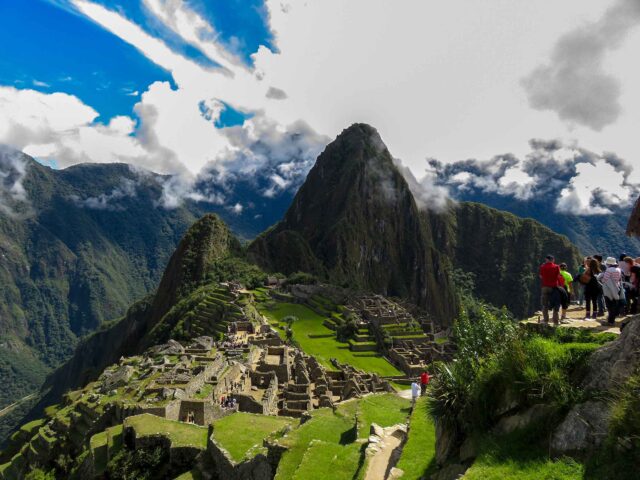
Machu Picchu, an iconic Inca site, sits at an elevation of 7,972 feet (2,430 meters). Though lower than Cusco, its altitude is still significant. This remarkable site offers a glimpse into ancient Incan engineering amidst the stunning backdrop of the Andes.
The elevation of Machu Picchu contributes to its mystique and allure. Visitors often marvel at how the Incas constructed such a breathtaking city in this remote location. The altitude provides not only awe-inspiring views but also a sense of serenity amid the clouds.
Travelers should note that while Machu Picchu’s altitude is less daunting than Cusco’s, it still requires preparation. Some visitors experience breathlessness due to the thinner air. Proper acclimatization in Cusco is a practical step before venturing here.
Key facts about Machu Picchu’s elevation include:
- Altitude: 7,972 feet (2,430 meters)
- Lower elevation than Cusco, yet challenges exist
- Offers spectacular Andean vistas and cultural insights
The allure of Machu Picchu lies not only in its historical significance but also in its majestic perch. Despite the altitude, with appropriate planning and acclimatization, visiting the Lost City is a rewarding experience. Be sure to take in the panorama and embrace the sense of wonder it inspires.

Cusco vs. Machu Picchu: Altitude Comparison
Cusco and Machu Picchu are at different elevations, offering travelers varied experiences. Cusco, perched higher, rests at 11,152 feet (3,399 meters). This elevation is significantly more challenging for most visitors than that of Machu Picchu, which is at a lower altitude.
Machu Picchu stands at 7,972 feet (2,430 meters), making it more accessible. The lower altitude means many tourists find it easier to breathe at Machu Picchu. Nevertheless, both sites demand planning and preparation to ensure an enjoyable visit.
Key altitude differences include:
- Cusco altitude: 11,152 feet (3,399 meters)
- Machu Picchu: 7,972 feet (2,430 meters)
- Machu Picchu is 3,180 feet (969 meters) lower than Cusco
Understanding these differences helps travelers prepare and anticipate how altitude may affect their journey. With the proper precautions, exploring both locations becomes an unforgettable adventure.
[trustindex no-registration=tripadvisor]
Read our Kondor Path TripAdvisor Reviews
Altitude Sickness: What You Need to Know
Travelers visiting high-altitude destinations such as Cusco and Machu Picchu may experience altitude sickness. This condition is caused by the body’s struggle to adapt to lower air pressure. It is common at elevations above 8,000 feet (2,438 meters).
Symptoms can start within hours of arrival. They may worsen if proper precautions aren’t taken. To prepare, it’s essential to know the signs and symptoms of altitude sickness.
Common symptoms include:
- Headaches
- Nausea and vomiting
- Dizziness
- Fatigue and shortness of breath
Certain travelers are more prone to altitude sickness than others. Those with respiratory issues or a history of altitude sickness may be at higher risk. Regardless of fitness level, anyone can experience symptoms.
The risk can vary, so it’s crucial to monitor your health upon arrival at high altitudes. Immediate descent can help if symptoms persist. Knowing what to expect helps travelers stay healthy while enjoying their adventures at Cusco and Machu Picchu.

machu picchu 1 day tour
Symptoms of Altitude Sickness and Who is at Risk
Altitude sickness, sometimes called acute mountain sickness, presents a variety of symptoms. These symptoms can emerge quickly as you ascend to higher elevations like Cusco and Machu Picchu.
Recognizable symptoms include:
- Persistent headaches
- Sleep disturbances
- Loss of appetite
People of all ages and health conditions are at risk for altitude sickness. However, those with previous experience or conditions are more susceptible. Individuals with heart conditions or respiratory issues should exercise extra caution.
Regardless of your fitness level, acclimatizing gradually is key. Rushing your ascent increases the likelihood of experiencing symptoms. Monitoring your condition and adapting your pace can significantly reduce risks. Staying informed about symptoms and at-risk groups helps plan a safer, more enjoyable journey in high-altitude areas.
 BEST SELLING TOUR
Cusco Imperial City Tour Full Day: 4 Ruins, Coricancha & Cathedral
📍 Cusco, Sacsayhuaman, Qenqo, Puca Pucara, Tambomachay, Cusco Cathedral, Coricancha
8 hours / from: USD 33
A Full Day Exploring Cusco’s Inca and Colonial Landmarks The Cusco Full Day City Tour is the complete cultural day for travelers with a full day in Cusco — not…
 BEST SELLING TOUR
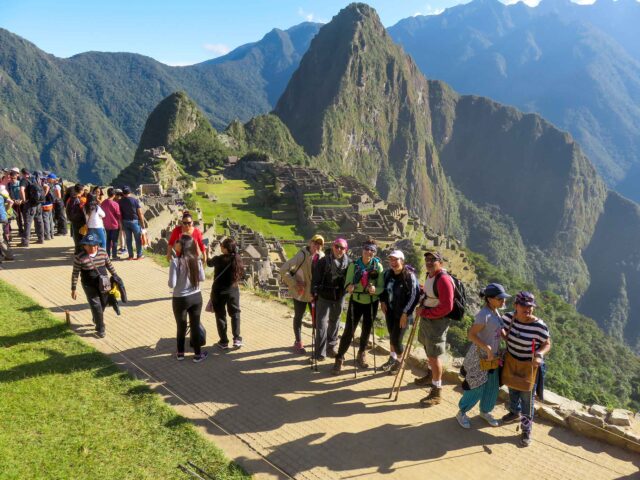
Machu Picchu 5 Day Comprehensive Tour
📍 Machu Picchu 5 Day itinerary, Cusco City Tour, Sacred Valley, Machu Picchu Ruins, Rainbow Mountain, Maras Salt Mines
5-Day / from: USD 528
The Ultimate 5-Day Cusco, Sacred Valley & Machu Picchu Experience The 5 Day Machu Picchu Tour from Cusco is carefully sequenced: you visit the five iconic destinations every traveler comes…
How to Prepare for Cusco and Machu Picchu Altitude
Preparation is essential for a safe and enjoyable adventure in the high altitudes of Cusco and Machu Picchu. Start by acclimating your body to the elevation, which can take a few days.
Staying hydrated is crucial as it helps your body adjust to the altitude. Avoiding alcohol and caffeine can also reduce dehydration and related symptoms.
Physical fitness plays a significant role in your ability to cope with high elevations. Regular exercise before your trip can improve your endurance and reduce fatigue.
When packing for your journey, include items to help with altitude adjustment. Some useful items are:
- Over-the-counter altitude sickness medication
- Sunscreen and sunglasses
- Layers of warm clothing
Being mindful of your body’s signals is important. If you feel unwell, slow down or take a rest day. Plan your itinerary with flexibility, allowing time for acclimatization before undertaking strenuous activities. This preparation ensures that your visit to Cusco and Machu Picchu is memorable for the right reasons.
Practical Tips to Prevent and Manage Altitude Sickness
Preventing altitude sickness starts with gradual acclimatization. Upon arrival in Cusco, take it easy and allow your body to adjust to the higher elevation.
Drinking plenty of water helps keep your body hydrated, minimizing the risk of altitude sickness. Aim for at least three liters of fluids each day.
Consume carbohydrates to give your body more energy at higher altitudes. Foods rich in carbs can help maintain your energy levels.
Listening to your body is crucial. If you experience symptoms like headaches or dizziness, take breaks or rest to give your body time to recover.
Here are a few practical tips:
- Drink water frequently
- Consume carbs
- Avoid alcohol and smoking
- Rest if you feel unwell
Using coca leaves or coca tea can also aid acclimatization, as it’s a traditional remedy in Peru. By following these tips, you can enjoy your journey to Cusco and Machu Picchu without altitude complications.
 BEST SELLING TOUR
Sacred Valley Tour from Ollantaytambo — 1 Day
📍 Ollantaytambo, Moray, Inca Salt Mines, Raqchi viewpoint, Chinchero
1-Day / from: USD 39
Designed exclusively for travelers already staying in Ollantaytambo or returning from Machu Picchu by train If you’re staying in Ollantaytambo — at one of the village’s traditional hotels (Pakaritampu, El…
 BEST SELLING TOUR
Sacred Valley + Machu Picchu 2-Day
📍 Taray, Pisac, Ollantaytambo, Machupicchu Pueblo, Machu Picchu Ruins
2-Day / from: USD 366
Machu Picchu 2-Day Short-Stay Essentials Tour from Cusco 2027 It IS the SHORTEST. The MINIMUM time commitment for a contextualized Machu Picchu experience. Who specifically chooses this tour: The business…
Frequently Asked Questions About Altitude in Cusco and Machu Picchu
Curious travelers often ask common questions about the altitude of Cusco and Machu Picchu. Understanding these aspects can enhance your travel experience and ensure you’re adequately prepared.
How high is Cusco? Cusco sits at an impressive elevation of 11,152 feet above sea level. It’s among the highest cities in the world.
Let’s address another frequent concern: Is Machu Picchu’s elevation a challenge? While lower than Cusco, Machu Picchu’s altitude is still significant at 7,972 feet.
Common Questions:
- How do I acclimatize in Cusco?
- What are quick remedies for altitude sickness?
- How long should I stay in Cusco before visiting Machu Picchu?
Knowing the answers to these questions can help make your adventure more enjoyable and less daunting.
Conclusion: Enjoying Your High-Altitude Adventure
Exploring Cusco and Machu Picchu is an unforgettable experience. With careful preparation and awareness, travelers can embrace the challenges of high-altitude travel.
By acclimatizing properly and adopting practical tips, you can significantly reduce the effects of altitude. This ensures you enjoy the stunning landscapes and rich history without discomfort.
Remember, being informed and proactive is key to a successful adventure in the Andes. With the right approach, your journey through these majestic sites will be both enriching and rewarding.