The Inca Trail is more than just a hike; it’s a journey through rich history, breathtaking landscapes, and vibrant culture. But timing is everything when it comes to experiencing this iconic trek to Machu Picchu. Each season offers a unique perspective — from the lush green trails of the wet season to the clear skies of the dry season — making it essential to choose your adventure wisely. Whether you’re seeking the solitude of less crowded paths or vibrant flora and fauna, understanding the best time to hike the Inca Trail can enhance your experience. Join us as we explore the seasonal nuances to help you pinpoint the ideal time to embark on this unforgettable adventure. Ready to discover when to lace up your hiking boots? Let’s dive into the seasonal guide that will prepare you for every breathtaking moment along the way!

The Inca Trail is one of the most iconic treks in the world, winding through the Andes Mountains and culminating at the breathtaking ruins of Machu Picchu. This ancient path, once traversed by Incan messengers, offers a unique blend of natural beauty and historical significance. Hikers are treated to a diverse array of landscapes, ranging from lush cloud forests to high-altitude passes, each presenting its own unique challenges and rewards. The trail is also rich with archaeological sites, giving trekkers a glimpse into the past civilizations that once thrived in this region.
Hiking the Inca Trail is not just a physical endeavor but also a spiritual journey. The trail is dotted with numerous ruins, each with its own story, and the sense of walking in the footsteps of the Incas adds a profound layer to the experience. The culmination of the trek at Machu Picchu, often shrouded in mist and mystery, is a moment many hikers describe as life-changing. The sense of achievement, combined with the awe-inspiring views, makes every step of the journey worthwhile.
However, the Inca Trail is not a one-size-fits-all adventure. The experience can vary dramatically depending on the time of year you choose to hike. From the weather conditions to the number of fellow hikers, each season brings its own set of factors that can either enhance or detract from your journey. Therefore, understanding these seasonal nuances is crucial for planning the perfect trip.

Choosing the right season to hike the Inca Trail is essential for maximizing your experience. The trail is open year-round, but each season offers distinct advantages and challenges. The dry season, from May to September, is the most popular time to hike, thanks to the clear skies and mild temperatures. This period sees the highest number of trekkers, which can lead to crowded trails and campsites, but it also offers the best conditions for photography and sightseeing.
Conversely, the wet season, from November to March, is less crowded but comes with its own set of challenges. Rain can make the trail slippery and more difficult to navigate, and some sections may even be closed due to weather conditions. However, the landscape is at its most vibrant during this time, with lush greenery and blooming flowers adding a magical touch to the scenery. For those seeking solitude and a more intimate connection with nature, the wet season can be an appealing option.
The shoulder months of April and October offer a balance between the extremes of the dry and wet seasons. These months typically see fewer crowds and milder weather, making them an excellent choice for those looking to avoid the peak season rush while still enjoying relatively good trail conditions. Ultimately, the best time to hike the Inca Trail depends on your priorities and what you hope to gain from the experience.

Understanding the weather conditions throughout the year is crucial for planning your Inca Trail hike. The dry season, which runs from May to September, is characterized by clear skies and cool temperatures. Daytime temperatures typically range from 15°C to 20°C (59°F to 68°F), while nighttime temperatures can drop to freezing, especially at higher altitudes. These conditions are ideal for hiking, as the lack of rain makes the trail easier to navigate and the clear skies offer unobstructed views of the surrounding mountains.
The wet season, from November to March, brings frequent rain showers and warmer temperatures. Daytime temperatures range from 20°C to 25°C (68°F to 77°F), while nighttime temperatures are generally milder than during the dry season. The increased humidity and rainfall can make the trail more challenging, as muddy and slippery conditions can slow your progress. However, the wet season also brings the landscape to life, with lush vegetation and vibrant flowers creating a picturesque backdrop for your hike.
The shoulder months of April and October offer a mix of dry and wet-season conditions. During these months, the weather is generally more stable, with occasional rain showers and mild temperatures. These conditions can provide a comfortable and enjoyable hiking experience, making the shoulder months a popular choice for many trekkers. Regardless of when you hike, it’s essential to be prepared for a range of weather conditions and to pack accordingly.

The peak hiking season on the Inca Trail runs from May to September, coinciding with the dry season in the region. This period is the most popular time to hike, attracting thousands of trekkers from around the world. One of the main advantages of walking during the peak season is the favorable weather conditions. Clear skies and mild temperatures make for an enjoyable hiking experience, and the lack of rain reduces the risk of muddy and slippery trails. Additionally, the dry season offers the best conditions for photography, with unobstructed views of the surrounding mountains and archaeological sites.
However, the popularity of the peak season also comes with its drawbacks. The increase in trekkers can lead to crowded trails and campsites, detracting from the sense of solitude and serenity many hikers seek. Permits for the Inca Trail are limited and can sell out months in advance during the peak season, so it’s essential to plan and book your trip well in advance. Additionally, the high demand can drive up permit and guided tour costs, making the peak season a more expensive option.
Despite these disadvantages, many trekkers find that the benefits of hiking during the peak season outweigh the drawbacks. The favorable weather conditions and the opportunity to connect with fellow hikers from around the world can enhance the overall experience. If you don’t mind sharing the trail with others and are willing to plan, the peak season can offer an unforgettable adventure on the Inca Trail.

For those seeking a more tranquil, intimate hiking experience, the off-peak season from November to March can be an appealing option. During this time, the trail sees fewer trekkers, allowing you to enjoy the natural beauty and historical significance of the Inca Trail without the crowds. The reduced number of hikers can also make it easier to secure permits and book guided tours, often at lower cost than in the peak season.
One of the main challenges of hiking during the off-peak season is the weather. The wet season brings frequent rain showers, making the trail more difficult to navigate. Muddy and slippery conditions can slow your progress and increase the risk of injury, so it’s essential to be prepared and take extra precautions. However, the wet season also brings the landscape to life, with lush vegetation and vibrant flowers creating a stunning backdrop for your hike. The dramatic contrast between the misty, cloud-covered mountains and the lush greenery can create a uniquely beautiful and memorable experience.
Another advantage of hiking during the off-peak season is the opportunity to experience the trail in a more authentic and unspoiled state. With fewer trekkers on the trail, you can enjoy a deeper connection with nature and the historical sites along the way. The sense of solitude and serenity can deepen the spiritual aspect of the journey, allowing you to fully immerse yourself in the experience. If you’re willing to embrace the challenges of the wet season and seek a more peaceful and introspective adventure, the off-peak season may be the perfect time to hike the Inca Trail.
The Inca Trail is not only a journey through breathtaking landscapes and ancient ruins but also an opportunity to immerse yourself in the region’s rich cultural heritage. Throughout the year, various special events and festivals take place along the trail and in nearby communities, offering a unique glimpse into the traditions and customs of the local people. These events can add an extra layer of meaning and excitement to your hiking experience.
One of the most significant festivals in the region is Inti Raymi, also known as the Festival of the Sun, which is held in late June. This ancient Incan celebration honors the sun god Inti and marks the winter solstice, the shortest day of the year in the Southern Hemisphere. The festival is held in Cusco, the historic capital of the Inca Empire, and features elaborate ceremonies, traditional music and dance, and colorful costumes. For those hiking the Inca Trail in June, participating in Inti Raymi can be a highlight of the trip, offering a deeper understanding of the region’s cultural and spiritual significance.
Another notable event is the Qoyllur Rit’i festival, held in late May or early June. This pilgrimage attracts thousands of participants from various indigenous communities who gather at the base of the sacred Ausangate mountain. The festival combines elements of Incan and Catholic traditions, featuring traditional dances, music, and rituals. The journey to the festival site can be challenging, but witnessing this vibrant, deeply spiritual event is well worth the effort. For those hiking the Inca Trail during this time, the Qoyllur Rit’i festival offers a unique opportunity to connect with the local culture and witness the enduring legacy of the Inca civilization.
In addition to these major festivals, numerous smaller events and celebrations throughout the year reflect the region’s rich cultural tapestry. From traditional agricultural festivals to religious processions, these events provide a fascinating glimpse into the daily lives and traditions of the local people. Incorporating these cultural experiences into your Inca Trail hike can enhance your understanding and appreciation of the region, making your journey even more memorable and meaningful.

Proper preparation is key to a successful and enjoyable Inca Trail hike, and the specific considerations vary depending on the season you choose. Regardless of the time of year, it’s essential to be physically prepared for the trail’s demands, which include steep ascents, high altitudes, and varying weather conditions. Regular cardiovascular and strength training exercises, as well as practice hikes, can help build the stamina and endurance needed for the trek.
During the dry season, from May to September, the primary considerations are the cool temperatures and the high altitude. It’s important to acclimate to the altitude before starting the hike, which can be done by spending a few days in Cusco or another high-altitude location. Packing warm clothing, including thermal layers, a hat, and gloves, is essential for staying comfortable during the chilly nights. Additionally, the dry season is the most popular time to hike, so securing permits and booking guided tours well in advance is crucial.
In the wet season, from November to March, the primary concern is the frequent rain and muddy trail conditions. Waterproof gear — including a high-quality rain jacket, rain pants, and waterproof hiking boots — is essential for staying dry and comfortable. Trekking poles can also help maintain stability on slippery terrain. It’s critical to be prepared for changing weather and to remain flexible, as rain showers can be unpredictable. Despite the challenges, the wet season offers a unique opportunity to experience the trail at its most vibrant and lush.
The shoulder months of April and October offer a mix of dry and wet-season conditions, so preparation should account for both. Packing layers and versatile clothing that can adapt to varying temperatures and weather conditions is key. Regardless of the season, it’s essential to stay hydrated, protect yourself from the sun with sunscreen and a hat, and carry a well-stocked first aid kit. By considering the specific challenges and advantages of each season, you can ensure a successful and enjoyable Inca Trail hike.
Packing the right gear is essential for a successful and enjoyable Inca Trail hike, and the specific items you’ll need can vary depending on the weather conditions during your trek. Regardless of the season, essential items include a sturdy, comfortable pair of hiking boots, a high-quality backpack, and a reliable water purification system. These basics will serve you well in any weather and are crucial for a safe and comfortable hike.
During the dry season, from May to September, the primary focus is on staying warm and comfortable in the cool temperatures. Layering is key, so packing thermal base layers, a mid-layer fleece or down jacket, and a waterproof and windproof outer shell is essential. A high-quality, cold-weather-rated sleeping bag is also vital for staying warm on chilly nights. Additionally, packing a hat, gloves, and warm socks will help keep you comfortable in the high-altitude conditions.
During the wet season, from November to March, waterproof gear is essential. A high-quality rain jacket and rain pants, along with a waterproof backpack cover, are critical for staying dry during frequent rain showers. Waterproof hiking boots with good traction will help you navigate muddy and slippery trail conditions. Trekking poles can also provide extra stability and support on challenging terrain. Packing quick-drying clothing and a moisture-wicking base layer can help manage sweat and keep you comfortable in the humid conditions.
The shoulder months of April and October require a mix of gear to handle both dry and wet conditions. Versatile clothing that can be layered and adapted to changing weather is key. A lightweight rain jacket, a warm mid-layer, and moisture-wicking base layers are essential. Additionally, packing a hat, sunglasses, and sunscreen is vital for protecting yourself from the sun at high altitudes. Regardless of the season, a well-stocked first aid kit, plenty of snacks, and a reliable navigation system are crucial for a safe and enjoyable hike.
Choosing the right time to hike the Inca Trail is a personal decision that depends on your priorities and preferences. Each season offers its own unique advantages and challenges, from the clear skies and mild temperatures of the dry season to the lush greenery and vibrant flowers of the wet season. By understanding seasonal nuances and considering factors such as weather, crowd levels, and cultural events, you can plan the perfect adventure tailored to your specific needs.
The dry season, from May to September, is ideal for those seeking the best weather conditions and clear views of the surrounding landscapes. However, the popularity of this period means you’ll need to plan and book your trip well in advance. For those seeking a more tranquil and intimate experience, the off-peak season, from November to March, offers the chance to explore the trail with fewer crowds and to witness the region’s natural beauty at its most vibrant. The shoulder months of April and October offer a balance between extremes, with milder weather and fewer crowds.
Ultimately, the best time to hike the Inca Trail is the time that aligns with your personal preferences and goals for the journey. Whether you’re drawn to the cultural events and festivals, the stunning natural landscapes, or the challenge of the high-altitude trek, there’s a perfect time for everyone to experience the magic of the Inca Trail. By carefully considering seasonal factors and preparing accordingly, you can ensure a successful, unforgettable adventure on this iconic trail. So lace up your hiking boots, pack your gear, and get ready to embark on the journey of a lifetime. The Inca Trail awaits!
The best time for the Inca Trail is between May and October. May is our favorite month because it’s just after the rainy season and just before the peak season, so the landscapes are still green and not crowded yet.
A good alternative is October. Although rainfall can be higher, conditions are usually perfect, and there will be no overcrowding when the high season is over. May and October are warmer than the peak months of June, July, and August.
Tour Options: Short Inca Trail and Classic Inca Trail
On your last day, you will arrive at Machu Picchu through the Puerta del Sol, where you can enjoy spectacular views of the “Lost City of the Incas.”
Kondor Path Tours recommends May for the Inca Trail to Machu Picchu, as this month offers suitable temperatures, minimal crowds, and beautiful green landscapes. June, July, and August are the busiest months; January and March are typically the rainiest, so we recommend avoiding these months. October is an excellent alternative to May, as conditions are similar and slightly warmer.
Ultimately, we are convinced that the experience will always be unique, no matter which month you choose. Our Sacred Valley Tour is an excellent option for those who want to visit before embarking on the Inca Trail.

Capturing the Short Inca Trail Photos: Tips & Iconic Locations Embarking on the Short Inca Trail is a…

Machu Picchu, the iconic Lost City of the Incas, has captivated the imagination of travelers and historians alike…
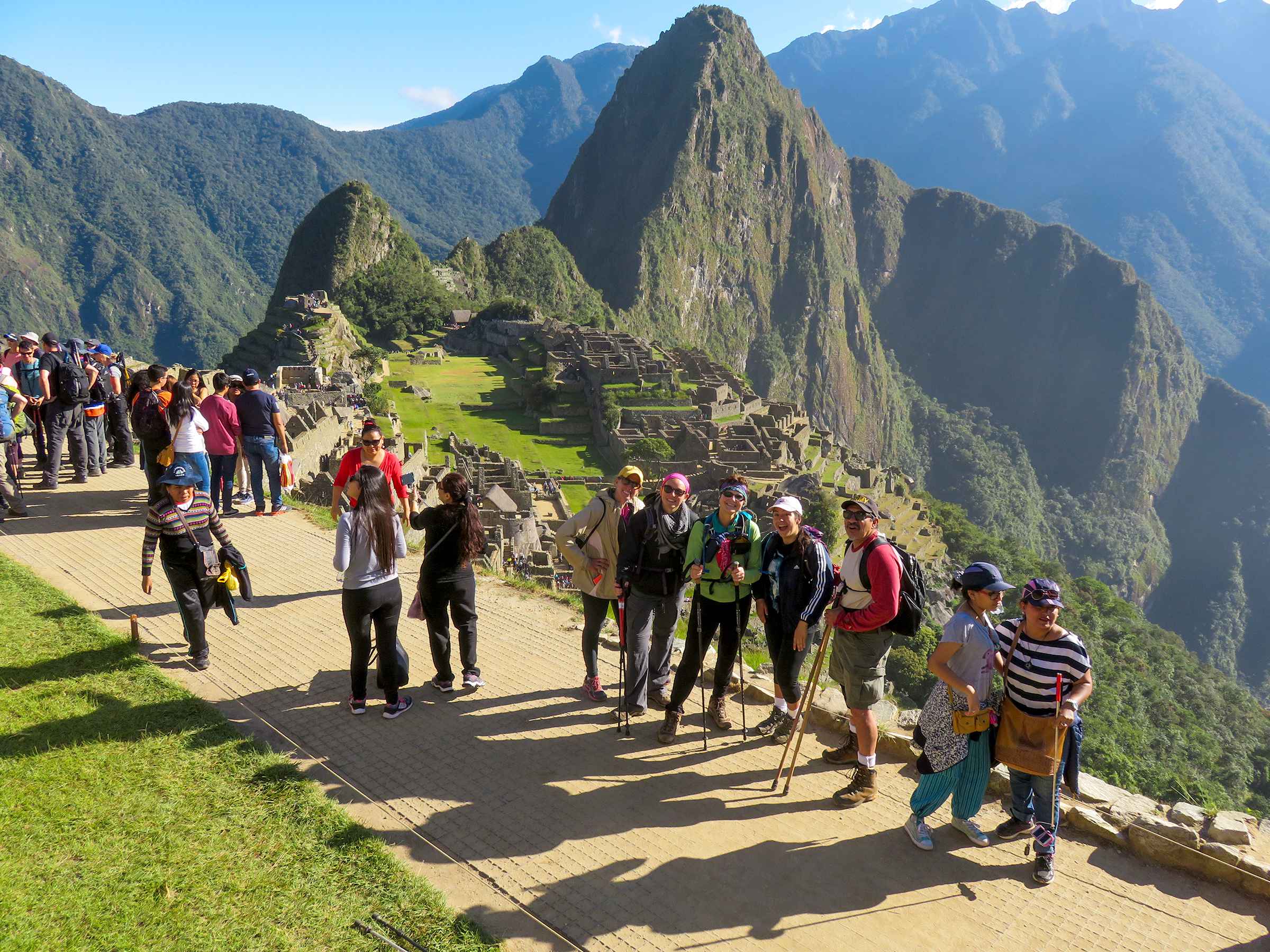
How to hike the Inca Trail 4 days to Machu Picchu Embarking on the Inca Trail hike is…
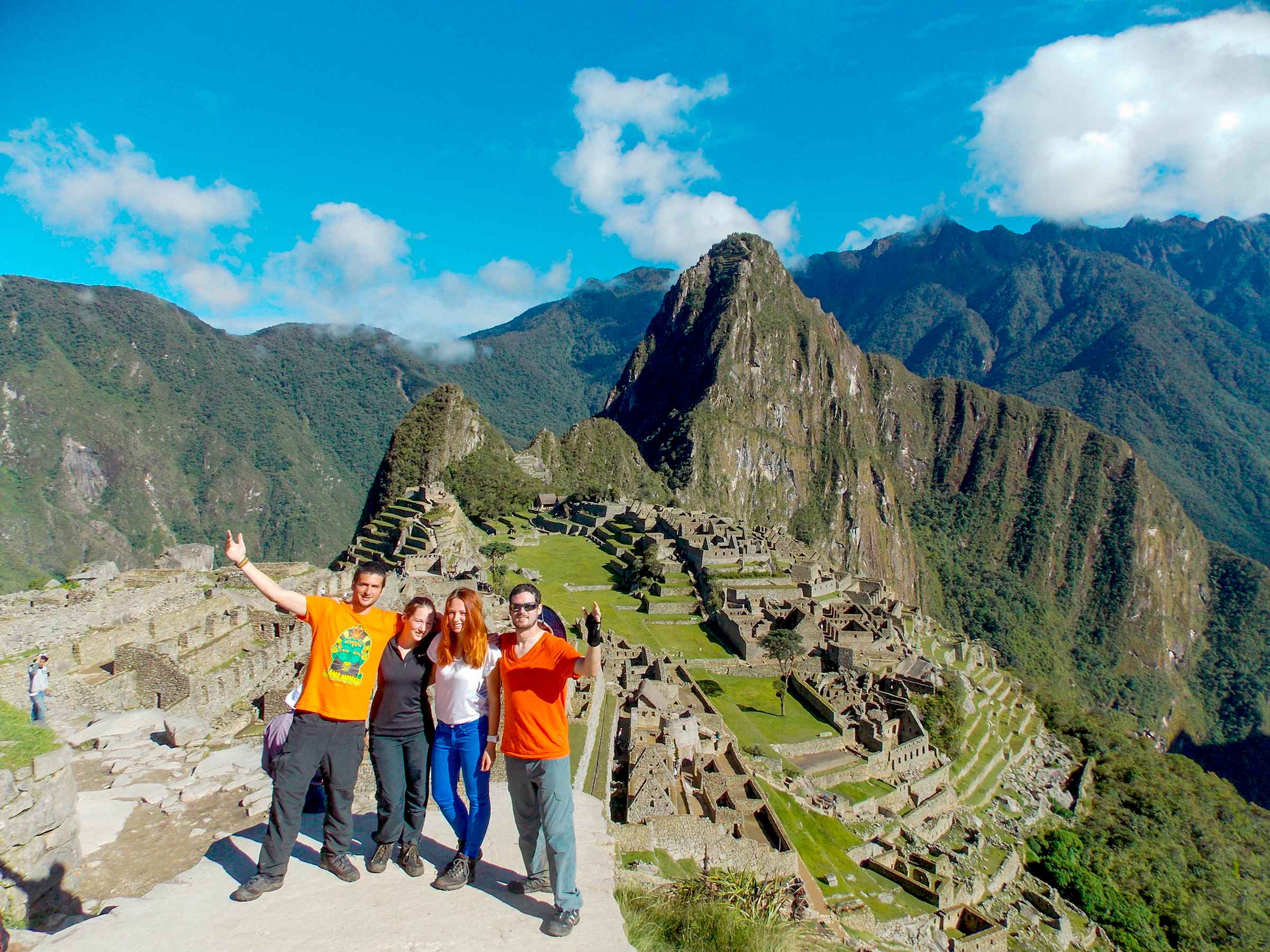
Many dream of embarking on the Inca Trail to Machu Picchu. This ancient trail, set in the stunning Andes…

How to Get to Machu Picchu Peru Machu Picchu is a dream destination for many travelers. Nestled in…

The Inca Jungle Trek offers an extraordinary journey that combines the thrill of adventure with the awe of…

The 4 Day Inca Trail Experience Embarking on the 4 Day Inca Trail is more than just a…
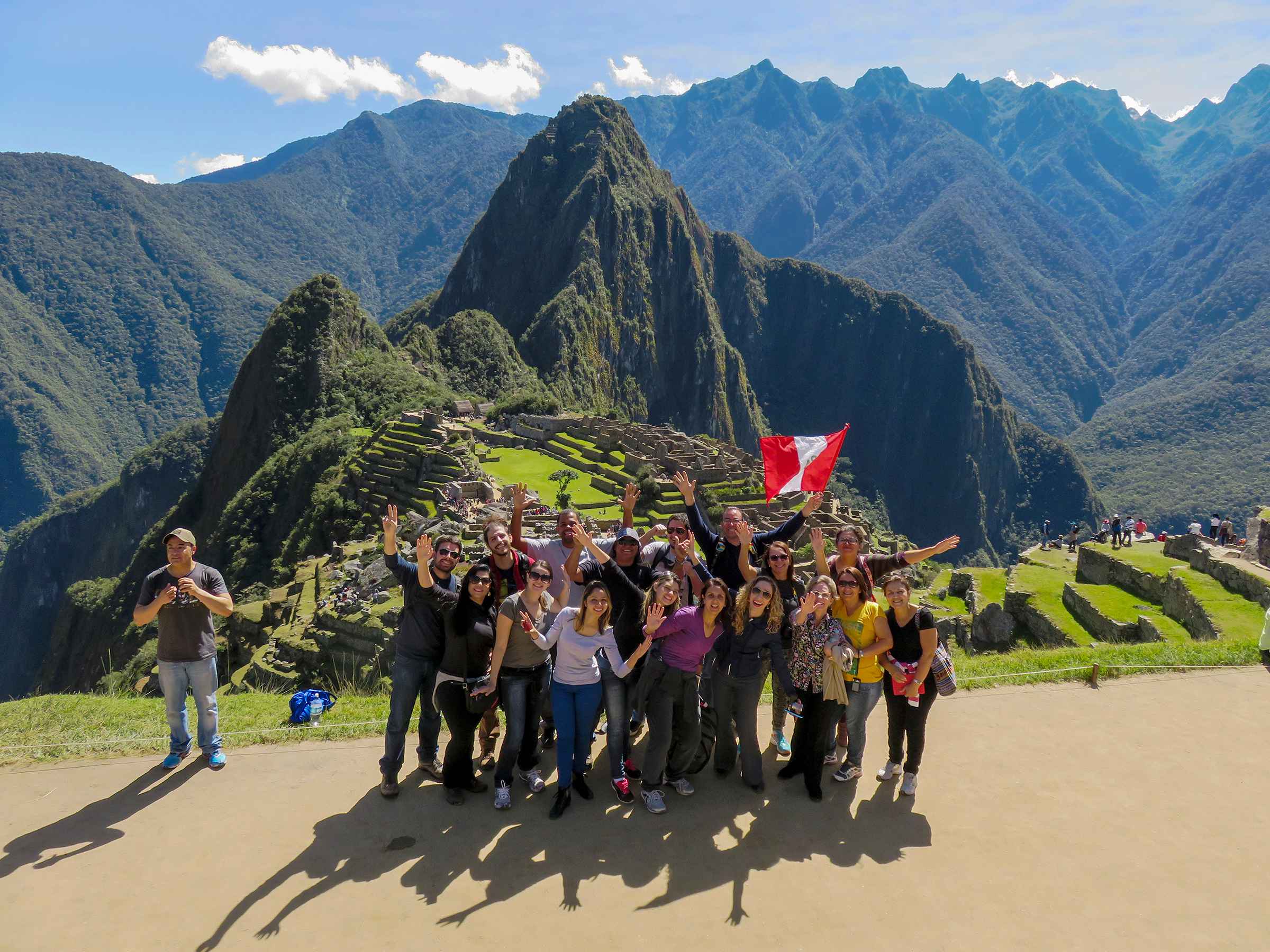
Understanding the Inca Trail Elevation Challenges The Inca Trail is one of the most famous trekking routes in…

Culinary Delights Along the Inca Trail Embarking on the Inca Trail is a journey through history and breathtaking…

Short Inca Trail vs Classic Inca Trail Choosing between the Short Inca Trail and the Classic Inca Trail…

Short Inca Trail Highlights The Short Inca Trail is a captivating journey through history and nature. This two-day…

Planning Your Inca Jungle Trek The Inca Jungle Trek is not your typical trek to Machu Picchu. Unlike…