
Essential Tips for the Salkantay Trek Guide
The Salkantay Trek is a high-altitude hike that stretches about 46 miles (74 kilometers) through the Peruvian Andes. It typically takes four to five days to complete, depending on the pace you choose. The trek is known for its dramatic changes in scenery—from snow-capped peaks to lush cloud forests.
The Route and Its Challenges
The route of the Salkantay Trek takes you through varied terrains, each posing its own set of challenges. Starting from Mollepata, the trek winds through steep inclines and rocky paths, testing your endurance and agility. The high-altitude regions require careful pacing to avoid fatigue and altitude sickness. As you descend into the cloud forests, the path becomes muddy and slippery, demanding good balance and sturdy footwear.
Flora and Fauna
One of the most enchanting aspects of the Salkantay Trek is the rich biodiversity. The trek is home to a vast array of flora and fauna. In the lower altitudes, you’ll encounter colorful orchids and exotic birds. Higher up, the landscape is dominated by hardy shrubs and grasses, adapted to the harsh mountain climate. If you’re lucky, you might spot the majestic Andean condor soaring above or the elusive spectacled bear in the forests.
Cultural Significance
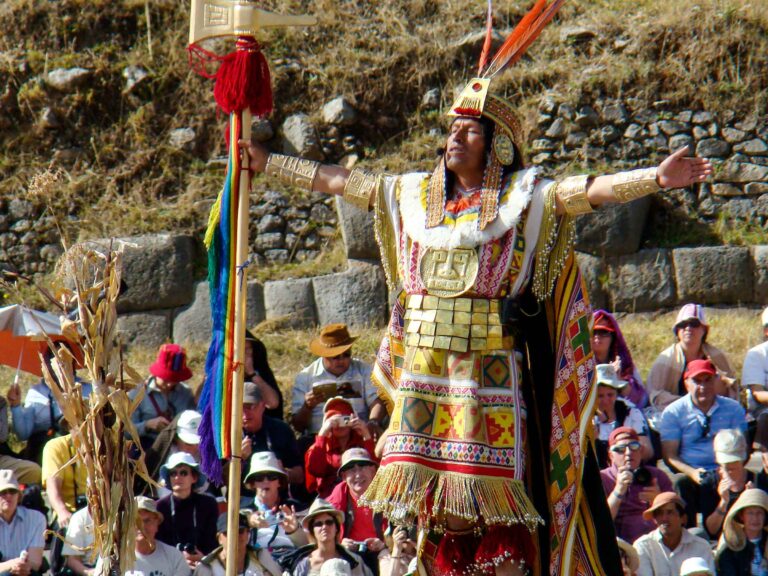
The Salkantay Trek is not just a journey through nature but also a cultural odyssey. The trail passes through several remote Andean villages where you can witness traditional lifestyles. The locals, known for their hospitality, often share stories of the Inca heritage and their spiritual connection to the land. This cultural immersion adds a profound layer to the trekking experience, making it more than just a physical challenge.
Preparation for the Trek
Proper preparation is key to enjoying your trek. Here are some steps you can take to get ready.
Physical Fitness
Before you set out on the Salkantay Trek, ensure you are in good physical shape. The trek involves long days of hiking at high altitudes. Regular cardiovascular exercises, such as running, cycling, or hiking, can help build the stamina you’ll need.
Building Endurance
Endurance is crucial for the Salkantay Trek, where you’ll be hiking for several hours each day. Incorporate long-distance hikes into your training routine to mimic the conditions you’ll face. Gradually increase the distance and difficulty of your hikes to prepare your body for the sustained effort required on the trail.
Strength Training
In addition to cardiovascular fitness, focus on building muscular strength. Strong leg muscles are essential for tackling the steep ascents and descents of the trek. Include exercises like squats, lunges, and calf raises in your training regimen. Don’t forget core exercises; a strong core helps maintain balance on uneven terrain.
Flexibility and Recovery
Flexibility exercises, such as yoga or stretching routines, can help prevent injuries and improve your overall trekking experience. They ensure your muscles remain pliable and resilient. Prioritize recovery days in your training schedule to allow your body to repair and strengthen, making you more resilient to the trek’s physical demands.
Acclimatization
Acclimatizing to the altitude is crucial. Spend a few days in Cusco or a nearby high-altitude area before starting the trek. This helps your body adjust to the lower oxygen levels and can prevent altitude sickness.
Importance of Gradual Ascent
A gradual ascent is key to minimizing the risk of altitude sickness. Start your journey with easier hikes around Cusco to help your body adapt. Ascend slowly as you begin the trek, allowing your body to adjust to the decreasing oxygen levels.
Recognizing Symptoms of Altitude Sickness
Be aware of the symptoms of altitude sickness, such as headaches, nausea, and dizziness. If you experience these symptoms, it’s essential to rest and hydrate. If symptoms persist, consider descending to a lower altitude before continuing your ascent.
Hydration and Nutrition at Altitude
Staying hydrated is essential at high altitudes, as the dry air can lead to dehydration. Drink plenty of water and consider electrolyte drinks to maintain your body’s balance. Eat high-energy, easily digestible foods to fuel your trek and support acclimatization.
Packing Essentials
- Packing the right gear is essential for a comfortable trek. Consider the following:
- Clothing: Layered clothing is ideal for adjusting to temperature changes. Include thermal underwear, a waterproof jacket, a hat, and gloves for cold mornings.
- Footwear: Invest in a good pair of hiking boots with ankle support and break them in before the trek.
- Backpack: A comfortable, durable backpack with a rain cover is essential for carrying your gear.
- Other Essentials: Sunscreen, sunglasses, a water bottle, and a headlamp are must-haves.
Elemental information of Salkantay of Cusco, Peru
| Elevation | 6,271 meters (20,574 ft) or 6,264 meters (20,551 ft) |
| Location | Cusco Region, Peru |
| Mountains | Cordillera Vilcabamba, Andes Peruanos |
| Prominence | 2,540 meters (8,330 ft) |
| Coordinates | 13°20′09″S, 72°32′57″W |
| First ascent | August 4, 1952, by Fred D. Ayres, David Michael, Jr., W. V. Graham Matthews, George I. Bell, Claude Kogan, and M. Bernard Pierre |
| Easier route | Northeast ridge: technical glacier/snow/ice climb (French grade AD) |
The Salkantay Trail in Peru connects Cusco with the Inca Citadel of Machu Picchu. It runs approximately 89 km (55 miles) through the high Andean peaks of the Salkantay ranges, into cloud forests and steamy jungles. The walk begins in the town of Mollepata, near Souraypampa to the northwest, and a few kilometers from Cusco.
The Inca Trail from Ollantaytambo is not the only route to reach Machu Picchu.

Description
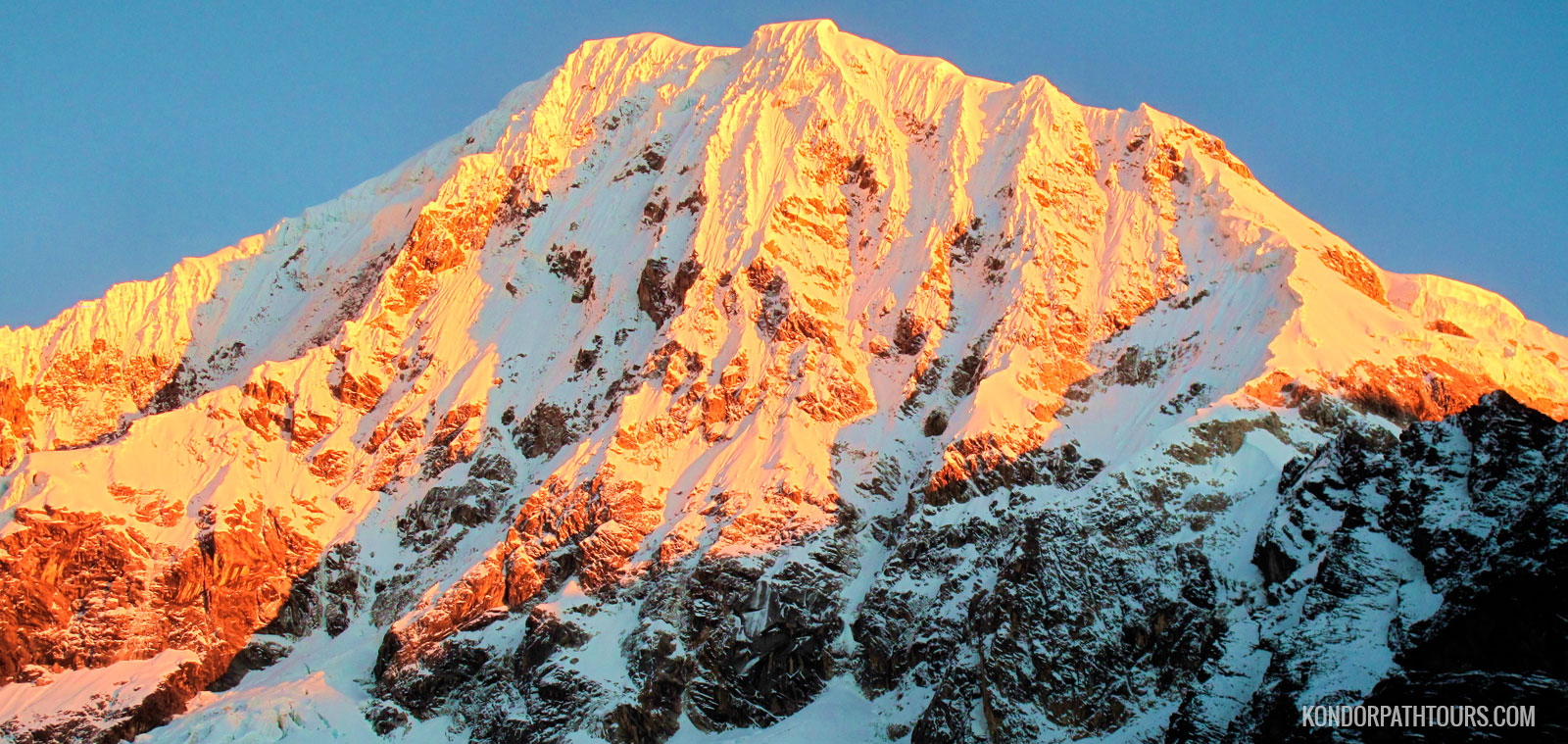
It presents two summits covered by snow, known as China Salcantay and Salcantay Female, separated by a pass that opens to the valley of Santa Ana in the province of Urubamba. Both rivers flow into the Urubamba on its left bank.
The Salkantay to Machu Picchu route is a beautiful trek across the immense Andes. To complete this trek, you will need all the necessary information to make your trip unforgettable.
| Elevation | Weather | |
| Cusco | Capital: 3,350 m.s.n.m. (Cusco) Minimum: 2,000 m.s.n.m. (Aguas Calientes) Maximum: 4,650 m.s.n.m. (Open Salkantay) | Semi-tropical, hot, and humid days and cold nights with constant rain all year round Minimum: Between -5 ° C and 11 ° C Open Salkantay (June) Maximum: Between 20 ºC and 26 ºC, Sahuayaco Beach (June) Rainfall: November to April |
We hope all this information is helpful.
How to get to Salkantay:
To begin our Salkantay trek, we will pick you up from your hotel in Cusco and take you to Mollepata. The trip lasts approximately 2 to 3 hours and 30 minutes; if you want to make this trip independently, you can take local buses departing from Arcata.

Location of Nevado Salkantay:
It is located to the north of Cusco. Quechua of this snowy means “Wild Mountain,” a snowy, difficult ascent to the top.
Altitudes:
The maximum height of the Salkantay trek is 4,600 meters, and the minimum elevation is 2,200 meters at Sahuayaco.

Conditions to make the Inca Trail to Salkantay
If you are healthy, moderately fit, and accustomed to walking, you will have no problem completing the Salkantay trek.
Age: Recommended making the trek.
Children under ten years old are the responsibility of their parents
The difficulty level:
- Easy: Accessible to all people in good health.
- Challenging: Accessible to physically active people with some experience on walks lasting 6 to 7 hours.

Tours information
- Activities: Excursion by snow from the Salkantay Trek to Machu Picchu
- Our Departures: Daily
- Minimum number of passengers: 1 or more
- Months of Operation: All Year
- Type of Tour: Adventure – Cultural
- Type of service: Private-Group
Recommendations to take on the Salkantay adventure trip:
- Bring a backpack with a change of clothing for the walk, including shorts and warm clothing.
- Maximum recommended 6 kilos for personal items.
- Comfortable and sturdy shoes.
- Flashlight and batteries.
- A cap to protect from the sun.
- Sunblock.
- Snacks: energy bars, chocolates, etc.
- Bottle of water and purification tablets (Micropur, available at local pharmacies in Cusco).
- Trekking stick.
Salkantay Mountain
Layering for Weather Variability
The Salkantay Trek features diverse weather conditions, from freezing mountain passes to humid cloud forests. Layer your clothing to adapt to these changes easily. Start with a moisture-wicking base layer, add an insulating layer for warmth, and finish with a waterproof shell to protect against rain and wind.
Footwear and Foot Care
Your feet are your most important asset on the trek. Ensure your hiking boots are well-fitted and broken in to prevent blisters. Consider wearing moisture-wicking socks and carrying blister pads or moleskin to address any hot spots that develop during the trek.
Essential Trekking Accessories
In addition to clothing and footwear, certain accessories can enhance your trekking experience. Trekking poles provide stability on uneven terrain and reduce strain on your knees. A hydration system, such as a CamelBak, makes water easy to access, encouraging regular hydration. Don’t forget a reliable camera to capture the stunning landscapes along the way.
During the Trek
As you embark on your trek, keep these tips in mind to make the most of your journey.
Stay Hydrated and Nourished
Altitude and physical exertion can quickly lead to dehydration. Drink plenty of water throughout the day and consider using hydration tablets. Pack energy-rich snacks like nuts, dried fruits, and chocolate to keep your energy levels up.
Importance of Regular Hydration
At high altitudes, dehydration can occur rapidly due to increased respiration and perspiration. Make it a habit to sip water regularly, even if you don’t feel thirsty. Set reminders on your watch or phone to help you drink enough throughout the day.
Nutritional Needs on the Trail
Your body will burn more calories at high altitudes, so it’s essential to fuel up with nutrient-dense foods. Opt for snacks high in carbohydrates and healthy fats to provide sustained energy. Consider packing lightweight, easy-to-prepare meals for longer stops.
Recognizing Dehydration Symptoms
Be vigilant for signs of dehydration, such as dark urine, fatigue, and headaches. If you notice these symptoms, increase your fluid intake immediately. Electrolyte tablets or drinks can help replenish lost salts and minerals, aiding in recovery.
Respect the Environment
Preserving the natural beauty of the Salkantay region is crucial. Always follow the Leave No Trace principles: carry out all your trash, stay on designated trails, and avoid disturbing wildlife.
Leave No Trace Principles
The Salkantay Trek traverses pristine environments that must be preserved for future generations. Pack out all waste, including biodegradable items, as they can disrupt the local ecosystem. Stick to marked trails to minimize erosion and habitat damage.
Wildlife Conservation
Respect the wildlife you encounter along the trek by maintaining a safe distance. Avoid feeding animals human food, as it can harm their health and alter their natural behavior. Use a zoom lens for photography to capture wildlife without causing disturbance.
Supporting Local Communities
Contribute positively to the local economy by purchasing goods and services from village vendors. This support helps sustain the communities and encourages the preservation of their cultural heritage. Consider hiring local guides and porters, who possess invaluable knowledge of the region.
Take it Slow
The trek is challenging, and rushing can lead to exhaustion or injury. Listen to your body and take breaks when needed. Enjoy the journey and the magnificent views along the way.
Pacing Yourself
Pacing is critical on the Salkantay Trek, where overexertion can lead to altitude sickness or injury. Start with a slower pace to conserve energy and gradually increase your speed as you acclimatize. Use breaks to rest, hydrate, and take in the scenery.
Mindfulness on the Trail
Engage in mindfulness practices to enhance your trekking experience. Focus on your breathing and your surroundings, and fully appreciate the beauty of the Andes. Take time to pause and soak in the breathtaking vistas, creating lasting memories.
Listening to Your Body
Pay attention to your body’s signals and adjust your pace accordingly. If you experience discomfort or fatigue, take a break or adapt your itinerary. Prioritize your well-being to ensure a safe and enjoyable trek.
Best Time to Trek
The best time to embark on the Salkantay Trek is during the dry season, which runs from May to October. This period offers the most stable weather conditions and clear views of the mountains. However, it’s also the most popular time for trekking, so consider booking your trek in advance.
Weather Considerations
The dry season offers the most reliable weather, but conditions can still be unpredictable. Mornings are typically clear, with clouds and rain more likely in the afternoons. Be prepared for temperature fluctuations, especially at higher altitudes.
Advantages of Off-Peak Trekking
While the dry season is popular for trekking, the shoulder months of April and November also offer favorable conditions with fewer crowds. Trekking during these months provides a more peaceful experience and greater availability of accommodation and permits.
Booking in Advance
Due to the Salkantay Trek’s popularity during the dry season, it’s advisable to book well in advance. Secure permits, accommodation, and transportation early to ensure a smooth experience. Consider booking with reputable tour operators to guarantee quality service.
Hiring a Guide or Going Solo
Deciding whether to hire a guide or trek independently depends on your experience and comfort level.
Benefits of Hiring a Guide
A guide can enhance your trekking experience by providing insights into the local culture, history, and ecology. They handle logistics so you can focus on the trek itself. Additionally, guides are invaluable in emergencies or unexpected weather changes.
Cultural and Historical Insights
Guides offer unique perspectives on the trail’s cultural and historical significance. They can share stories of the Inca civilization and explain the spiritual importance of the mountains, enriching your understanding of the region.
Safety and Support
A guide provides an added layer of safety, particularly for those unfamiliar with the terrain. They are trained to handle emergencies and can assist with navigation, allowing you to trek with peace of mind.
Convenience and Comfort
Hiring a guide can simplify logistics, from arranging accommodation to organizing meals. This convenience allows you to focus on the experience rather than the details, enhancing your enjoyment of the trek.
Trekking Independently
If you choose to trek without a guide, be sure you are well-prepared and have a good map or GPS device. Being self-sufficient offers flexibility and a sense of adventure but requires a higher level of experience and confidence.
Planning and Preparation
Independent trekking demands thorough planning and preparation. Research the route, familiarize yourself with the terrain, and ensure you have the necessary permits and equipment. A well-thought-out itinerary is crucial for a successful solo trek.
Navigational Skills
Strong navigational skills are essential for independent trekking. Carry a detailed map and a reliable GPS device, and be proficient in using them. Familiarize yourself with the trail markers and local landmarks to avoid getting lost.
Embracing Solitude
Trekking independently allows for a deeper connection with nature and self-reflection. Embrace the solitude and enjoy the freedom to explore at your own pace. However, be mindful of your safety and keep communication devices handy in case of emergencies.
Reaching Machu Picchu
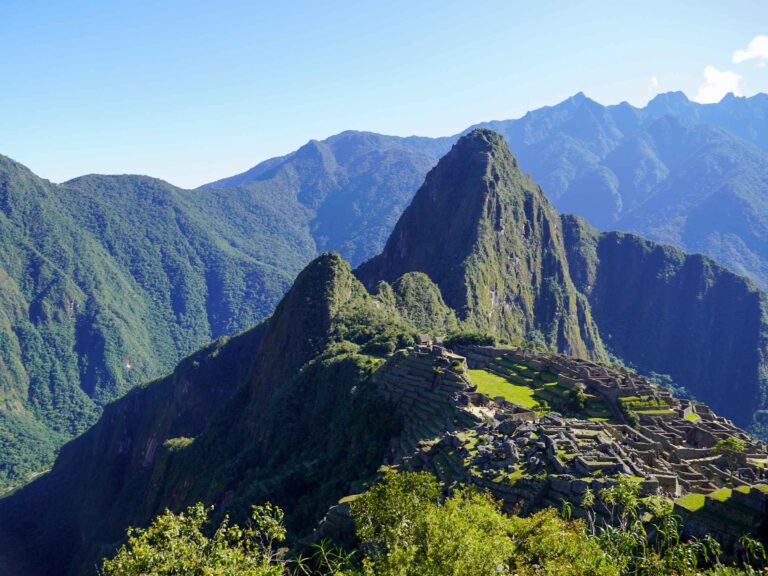
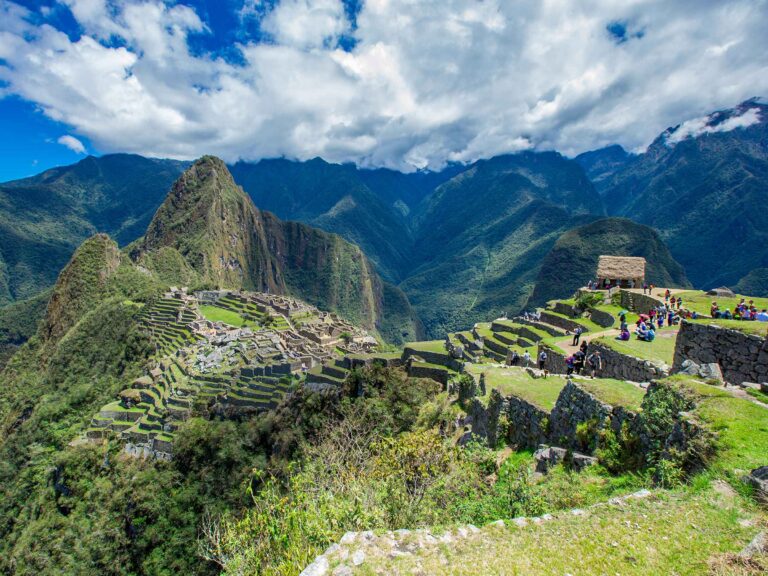
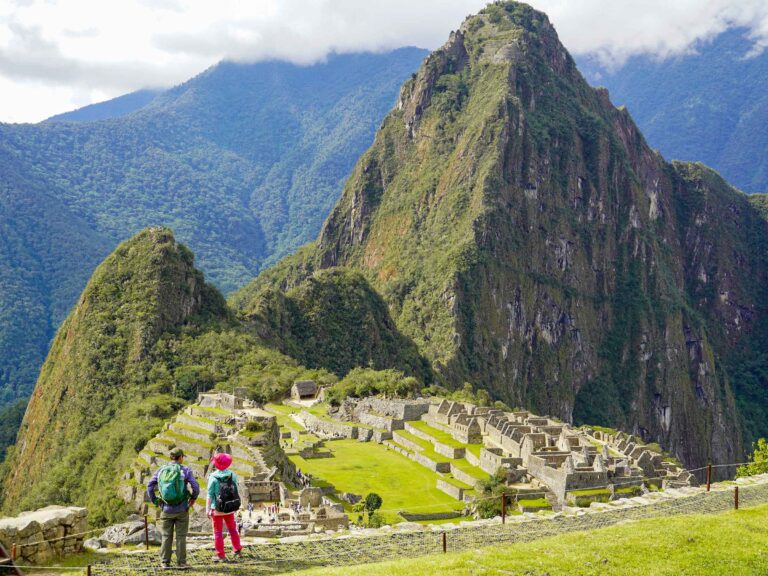
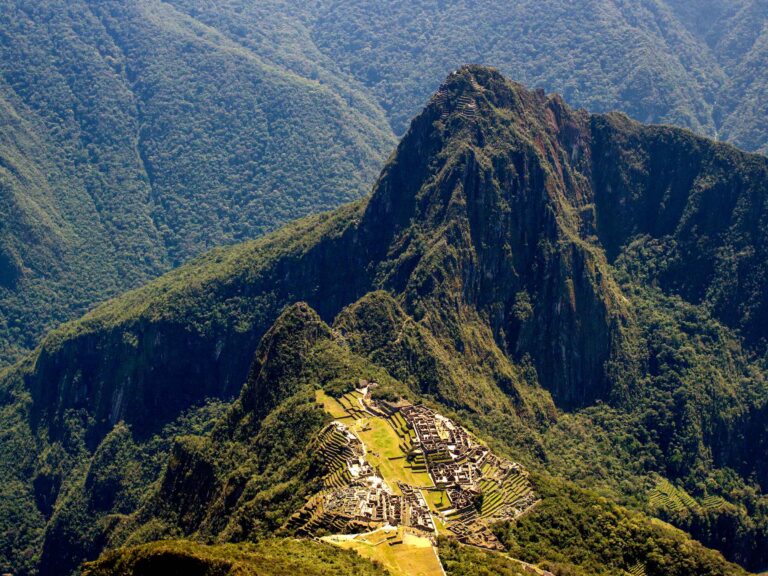
The ultimate reward of the Salkantay Trek is reaching Machu Picchu, an iconic symbol of the Inca Empire. Arriving at this UNESCO World Heritage Site after days of trekking is an unforgettable experience.
Exploring Machu Picchu
Plan your visit to Machu Picchu to make the most of your time there. Early morning visits often offer fewer crowds and a mystical atmosphere as the mist rises. Be sure to explore both the well-known structures and the less-visited areas for a comprehensive experience.
Iconic Landmarks
Machu Picchu is home to several iconic landmarks, each with its own significance. Visit the Sun Gate for breathtaking views of the site and explore the Temple of the Sun, known for its intricate stonework. Don’t miss the Intihuatana stone, believed to have been used for astronomical observations.
Guided Tours
Consider joining a guided tour to gain deeper insights into the history and architecture of Machu Picchu. Knowledgeable guides can provide context and stories that bring the site to life, enhancing your appreciation of its cultural heritage.
Respectful Exploration
While exploring Machu Picchu, adhere to the guidelines to protect the site. Stay on designated paths, avoid touching the ruins, and follow park officials’ instructions. Respectful exploration ensures the preservation of this historical treasure for future generations.
Conclusion
The Salkantay Trek is a challenging yet rewarding journey that offers incredible natural beauty and a deep connection to the Andean culture. With proper preparation and respect for the environment, you’ll have an unforgettable adventure leading to the majestic ruins of Machu Picchu. Whether you go with a guide or venture out on your own, the Salkantay Trek promises memories that will last a lifetime. Safe travels!