
Recommendations To Do the Short Inca Trail
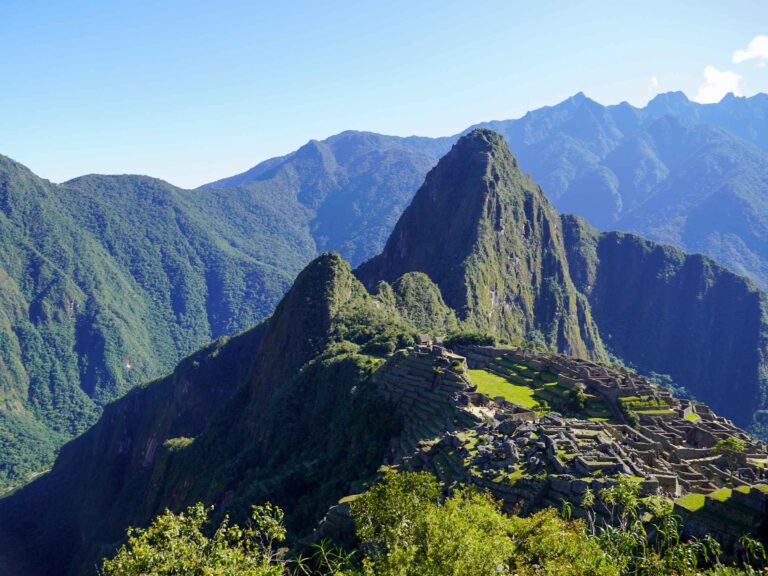
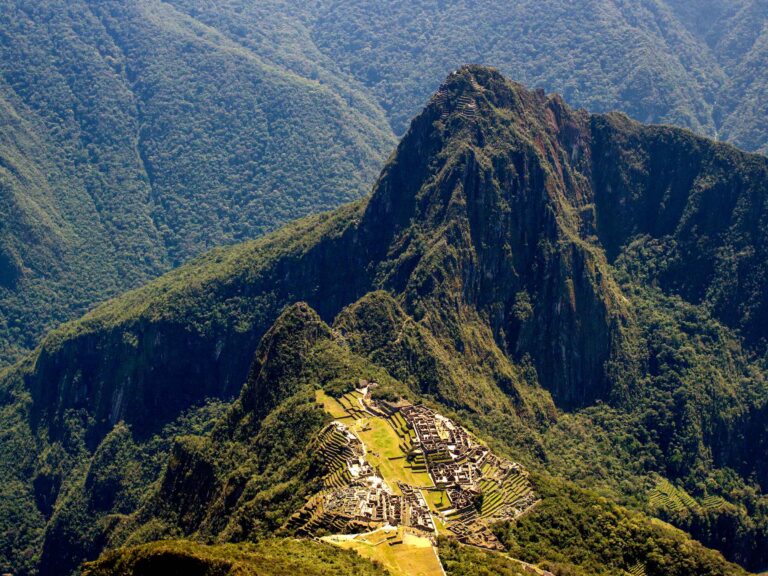
The Short Inca Trail is a condensed version of the classic Inca Trail, typically lasting two days and covering approximately 10 kilometers (6.2 miles). This trek is perfect for those who want to experience the magic of the Inca Trail but have limited time. The trail begins at Kilometer 104 on the train line to Machu Picchu. It leads you through stunning Andean landscapes, lush cloud forests, and remarkable archaeological sites, culminating at the iconic Sun Gate of Machu Picchu.
We congratulate you on your decision to hike the Short Inca Trail. Here, we present a list of the seven best travel tips to make this excursion without any problems. This hike involves adventure, nature, fun, information, tips, and more, so let’s begin.

Recommendations To Do the Short Inca Trail
Historical Significance
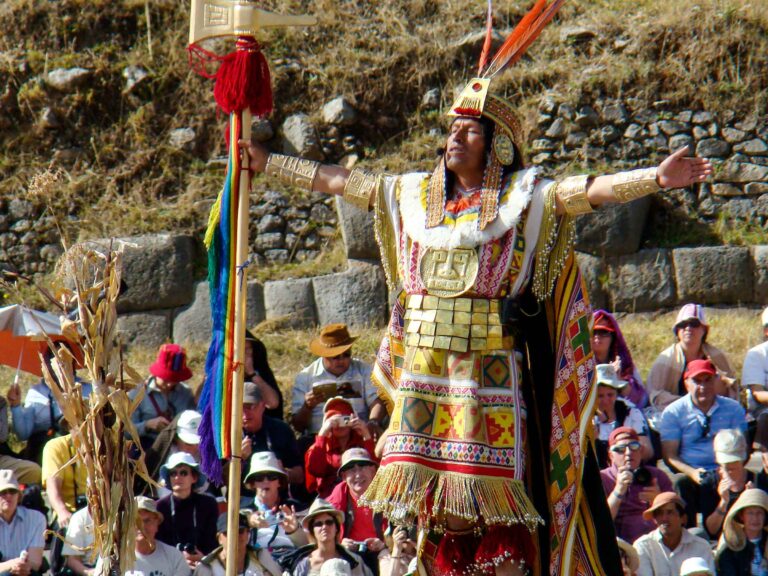
The Short Inca Trail holds immense historical significance as it follows the ancient paths of the Inca Empire. These trails were used by messengers and royalty to connect the vast Inca Empire. Walking these paths offers a glimpse into the past, allowing trekkers to follow in the footsteps of the Incas and experience the enduring legacy of this remarkable civilization.
Scenic Beauty
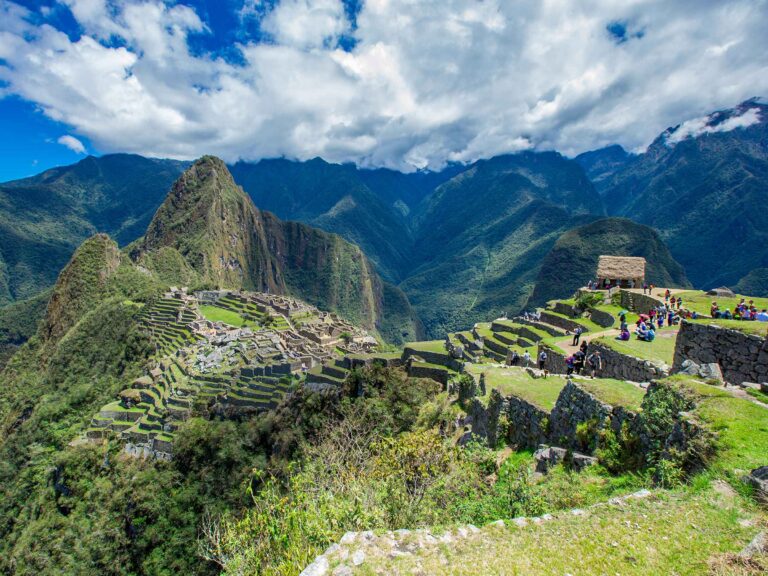
The trail offers a diverse range of landscapes, from verdant cloud forests to panoramic views of the Andean mountains. As you trek, you’ll be surrounded by lush flora and fauna, making each step a visual delight. The changing scenery keeps the journey engaging, with every turn revealing a new and breathtaking vista.
Archaeological Sites
One of the highlights of the Short Inca Trail is the opportunity to explore several significant archaeological sites. These include the impressive ruins of Chachabamba and Wiñay Wayna, both of which offer insight into the architectural prowess and cultural practices of the Incas. Each site is a testament to the ingenuity and artistry of this ancient civilization.
Altitude and Fitness Considerations

Understanding Altitude
Altitude can significantly affect your trekking experience. The Short Inca Trail reaches altitudes of up to 2,720 meters (8,923 feet) above sea level. While this is lower than the Classic Inca Trail, it’s still high enough to cause altitude-related symptoms like headaches, dizziness, or shortness of breath.
Altitude Sickness Symptoms
Understanding the symptoms of altitude sickness is crucial for a safe trek. Common symptoms include headaches, nausea, fatigue, and difficulty sleeping. Being aware of these signs can help you take immediate action, such as descending to a lower altitude or seeking medical attention if needed.
Acclimatization Process
Acclimatization is the process by which your body adjusts to high altitudes. Spending time at a higher altitude before your trek, such as in Cusco, allows your body to adapt gradually. This period of adjustment is essential to reduce the risk of altitude sickness and ensure a more comfortable hiking experience.
Staying Hydrated
Hydration is a key factor in combating altitude sickness. Drinking plenty of water helps your body acclimate and reduces the risk of dehydration, which can exacerbate altitude-related symptoms. Always carry a reusable water bottle and aim to drink regularly throughout your trek.
Preparing for the Altitude
To minimize altitude-related effects, consider spending a couple of days in Cusco (3,400 meters or 11,152 feet) before your trek. This will help your body acclimatize and reduce the risk of altitude sickness.
Pre-Trek Acclimatization
Spending time in Cusco not only allows for acclimatization but also offers a chance to explore its rich culture and history. Take advantage of this time to visit local attractions, enjoy traditional Peruvian cuisine, and immerse yourself in the city’s vibrant atmosphere, all while your body adjusts to the altitude.
Oxygen Levels and Breathing Techniques
The reduced oxygen levels at high altitudes can be challenging, but practicing breathing techniques can be beneficial. Deep breathing exercises can help improve oxygen intake, alleviate shortness of breath, and enhance your overall trekking experience.
Medication and Remedies
Some trekkers choose to use medication, such as acetazolamide, to help with acclimatization. Additionally, coca tea, a traditional remedy in the Andes, is believed to alleviate altitude symptoms. Always consult with a healthcare professional before using any medication or remedy.
Fitness Level Required
While the Short Inca Trail is less demanding than its longer counterpart, a moderate level of fitness is still necessary. The trail includes steep ascents and descents, and you’ll be hiking for several hours each day. Regular cardiovascular exercises, such as walking, cycling, or swimming, can help prepare your body for the trek.
Building Endurance
Building endurance is crucial for a successful trek. Incorporate activities such as hiking, jogging, or stair climbing into your routine to improve your stamina. Gradually increase the intensity and duration of your workouts to ensure your body is well-prepared for the demands of the trail.
Strengthening Muscles
Strength training can improve your performance on the trail. Focus on exercises that target your legs, core, and upper body to enhance overall strength and stability. Exercises such as lunges, squats, and planks are excellent for building the necessary muscle groups for trekking.
Mental Preparation
Mental preparation is just as necessary as physical readiness. Visualize your trek, set realistic goals, and cultivate a positive mindset. Being mentally prepared can help you overcome challenges and stay motivated throughout your journey.
What to Expect on the Short Inca Trail
Day 1: The Journey Begins
Your adventure starts with a scenic train ride from Cusco or Ollantaytambo to Kilometer 104. From there, you’ll set off on foot, visiting the beautiful Chachabamba ruins and the impressive Wiñay Wayna site along the way. The day’s hike ends with your arrival at the Sun Gate, where you’ll catch your first glimpse of Machu Picchu.
Scenic Train Ride
The journey begins with a picturesque train ride through the Sacred Valley, offering stunning views of the Andean landscape. The train ride sets the tone for the adventure ahead, providing a relaxing start to your trek while you soak in the breathtaking scenery.
Exploring Chachabamba
The first archaeological site you’ll encounter is Chachabamba, a ceremonial and religious site with well-preserved stone structures. Exploring these ruins offers insight into the Incas’ spiritual practices and sets the stage for the historical journey ahead.
Arrival at the Sun Gate
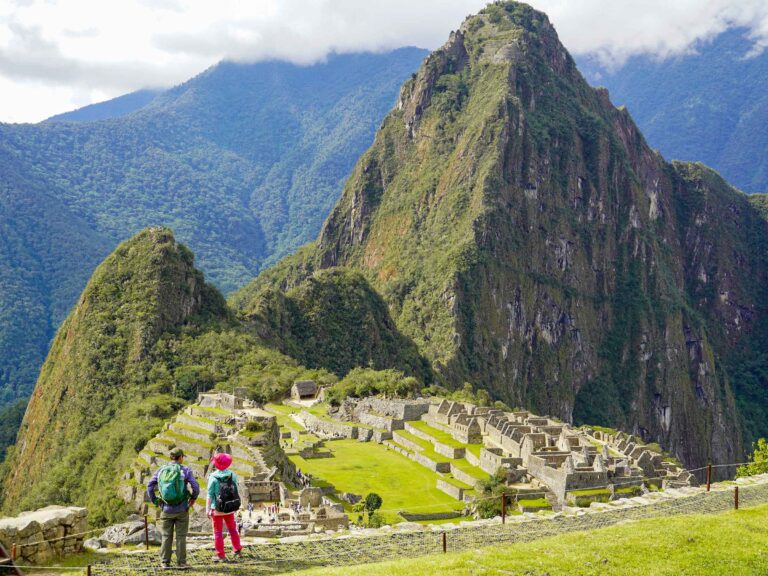
Reaching the Sun Gate is a momentous occasion, as it marks the end of your first day on the trail. From this vantage point, you’ll have your first awe-inspiring view of Machu Picchu, a sight that is sure to leave a lasting impression and fill you with a sense of accomplishment.
Day 2: Exploring Machu Picchu
On the second day, you’ll enter Machu Picchu early in the morning, when it’s less crowded. You’ll have ample time to explore the ancient city, learn about its history from a knowledgeable guide, and capture stunning photographs. Afterward, you’ll return to Cusco by train, concluding your adventure.
Early Morning Entry
Entering Machu Picchu early in the morning offers a tranquil experience. The soft morning light bathes the ancient city in a golden glow, offering the perfect opportunity to explore and photograph before the crowds arrive.
Guided Exploration
A knowledgeable guide will lead you through the site, sharing fascinating insights into the history, architecture, and significance of Machu Picchu. This guided exploration enriches your understanding of the Inca civilization and enhances your appreciation of this UNESCO World Heritage site.
Reflecting on the Journey
As you conclude your trek and make your way back to Cusco, take time to reflect on the incredible journey you’ve just completed. The memories, experiences, and newfound knowledge gained from the Short Inca Trail will stay with you long after your adventure has ended.
Packing and Gear Recommendations
Having the right gear can make a significant difference in your trekking experience. Here’s a list of essential items to pack for the Short Inca Trail:
Clothing
- Layered Clothing: Weather in the Andes can change rapidly, so pack layers to stay comfortable. Include moisture-wicking base layers, a warm fleece or down jacket, and a waterproof outer shell.
- Trekking Pants and Shorts: Lightweight, quick-drying pants are ideal for hiking. Consider convertible pants that can be turned into shorts as the day warms up.
- Sturdy Footwear: Invest in a pair of comfortable, waterproof hiking boots with good ankle support.
Layering for Comfort
Layering is key to staying comfortable in the unpredictable Andean weather. Start with a moisture-wicking base layer to keep sweat away from your skin. Add a warm fleece or down jacket for insulation, and top it off with a waterproof outer shell to protect against rain and wind.
Choosing the Right Pants
Opt for lightweight, quick-drying pants that offer flexibility and comfort during your trek. Convertible pants offer the versatility of transforming into shorts as temperatures rise, providing comfort throughout the day.
Importance of Footwear
Investing in quality hiking boots is essential for your safety and comfort. Look for boots with good ankle support and waterproofing to protect against the rugged terrain and potential wet conditions on the trail.
Accessories
- Hat and Gloves: Protect yourself from the sun and cold with a wide-brimmed hat and warm gloves.
- Sunglasses and Sunscreen: The sun can be intense at high altitudes, so pack UV-protective sunglasses and high SPF sunscreen.
- Trekking Poles: These can help reduce strain on your knees during steep descents.
Sun Protection Essentials
High-altitude sun exposure can be intense, so protect yourself with a wide-brimmed hat and UV-protective sunglasses. Apply high SPF sunscreen regularly to shield your skin from harmful rays.
Cold Weather Gear
Even in warmer months, temperatures can drop significantly, especially in the early morning or evening. Pack warm gloves to keep your hands comfortable and warm during these colder periods.
Benefits of Trekking Poles
Trekking poles provide stability and support, particularly on steep descents. They help reduce strain on your knees, improve balance, enhance your overall trekking experience, and reduce the risk of injury.
Gear
- Daypack: A small, lightweight backpack to carry your essentials, such as water, snacks, and a camera.
- Reusable Water Bottle: Staying hydrated is crucial, so bring a reusable water bottle or hydration system.
- First Aid Kit: Include basic supplies like band-aids, blister treatment, and any personal medications.
Choosing the Right Daypack
Select a comfortable and lightweight daypack with adjustable straps to carry your essentials. Ensure it has enough space for water, snacks, a camera, and any additional gear you may need throughout the day.
Hydration on the Trail
Staying hydrated is vital for your health and performance during the trek. Use a reusable water bottle or hydration system to ensure a constant water supply, and refill whenever possible.
Importance of a First Aid Kit
A well-stocked first-aid kit is essential for treating minor injuries and ailments on the trail. Include band-aids, blister treatment, pain relievers, and any personal medications to ensure you’re prepared for any situation.
Responsible Travel Recommendations
Protecting the Environment
The Inca Trail is a protected area, and preserving its natural beauty is essential. Follow these guidelines to minimize your environmental impact:
- Stay on Designated Trails: Avoid creating new paths that can damage fragile ecosystems.
- Pack Out All Trash: Carry all waste with you and dispose of it properly in designated areas.
- Use Biodegradable Products: Opt for eco-friendly toiletries and cleaning products.
Trail Conservation
Staying on designated trails is crucial to preserving the fragile ecosystems of the Andes. Straying off the path can cause erosion and damage to native plants, so always follow marked routes and respect trail signs.
Leave No Trace Principles
Adopt the “Leave No Trace” principles by packing out all trash, including biodegradable waste, and disposing of it properly in designated areas. This practice ensures the trail remains clean and pristine for future visitors.
Eco-Friendly Practices
Use biodegradable toiletries and cleaning products to minimize your environmental impact. These eco-friendly choices help protect the delicate ecosystems and waterways along the trail.
Cultural Respect
Respecting local customs and traditions is key to being a responsible traveler:
- Learn Basic Quechua Phrases: Knowing a few words in the native language can enhance your interactions with locals.
- Ask Before Taking Photos: Always request permission before photographing people, especially in rural communities.
Language and Communication
Learning basic Quechua phrases demonstrates respect and appreciation for the local culture. Simple greetings and expressions can foster positive interactions and create meaningful connections with the people you meet.
Photography Etiquette
Always ask for permission before taking photos of people, particularly in rural communities. Respecting their privacy and cultural practices shows consideration and helps build trust with residents.
Supporting Local Communities
Consider supporting local businesses and communities during your trip:
- Choose Local Guides and Porters: Hiring local guides and porters not only enriches your experience but also supports the local economy.
- Purchase Handcrafted Souvenirs: Buy souvenirs directly from artisans to ensure fair compensation for their work.
Engaging with Local Guides
Hiring local guides and porters enhances your trekking experience by providing valuable insights into the region. It also contributes to the local economy, supporting the livelihoods of those who call the Andes home.
Supporting Artisans
Purchasing handcrafted souvenirs from local artisans ensures they receive fair compensation for their work. Look for unique, locally made items that reflect the area’s culture and traditions, providing you with meaningful mementos of your journey.
Travel Recommendations for the Short Inca Trail
Booking Your Trek
Due to its popularity, permits for the Inca Trail are limited and can sell out months in advance. To secure your spot, book through a reputable tour operator well in advance.
Choosing a Tour Operator
Selecting a reputable tour operator is essential for a safe and enjoyable trek. Look for operators with good reviews, experienced guides, and a commitment to responsible tourism practices to ensure a memorable experience.
Planning Ahead
Permits for the Short Inca Trail are limited, so plan your trek well in advance. Booking several months ahead increases your chances of securing a spot and allows you to prepare adequately for the adventure.
Understanding Permit Regulations
Familiarize yourself with the permit regulations for the Short Inca Trail. These regulations are in place to protect the trail and ensure a sustainable trekking experience. Adhere to all guidelines and requirements.
Health and Safety
- Vaccinations: Consult your healthcare provider about any necessary vaccinations before traveling to Peru.
- Travel Insurance: Ensure you have comprehensive travel insurance that covers trekking activities.
Health Precautions
Consult with your healthcare provider regarding necessary vaccinations and health precautions for travel to Peru. Being informed and prepared helps protect your health and well-being during your trek.
Importance of Travel Insurance
Comprehensive travel insurance is essential for covering unexpected events, including medical emergencies or trip cancellations. Ensure your policy includes coverage for trekking activities to provide peace of mind throughout your journey.
Currency and Budget
- Currency: The Peruvian currency is the Sol (PEN). It’s advisable to carry some cash, as not all places accept credit cards.
- Budget: Consider additional expenses such as meals, tips, and souvenirs.
Currency Tips
Familiarize yourself with the Peruvian currency, the Sol (PEN), and carry some cash for transactions, especially in remote areas where credit cards may not be accepted. Having cash on hand ensures you’re prepared for any situation.
Budgeting for Your Trip
Create a budget that accounts for additional expenses beyond the trek itself, such as meals, tips for guides and porters, and souvenirs. Planning your budget helps manage costs and ensures a stress-free travel experience.
Best time to hike the Short Inca Trail
You should know the best time of the year. Peru is one of those diverse countries with different geographies and climates, so determining the ideal travel time is difficult. But if we focus on this trek, the best time to hike the Short Inca Trail is from April to October, during the dry season in this region, when there is no rain. It is more pleasant to trek on sunny and cold days than on persistently rainy days.
In February, we should also note that this route is closed for maintenance, but Machu Picchu is open every month.

Make your reservation for the Short Inca Trail well in advance.
If you decide to do this trek, it is advisable to book several months in advance: 6 to 10 months in the high season (May to September) and 2 to 4 months in the low season (later months), as there is a limit on the number of spaces per day.
We also tell you that Kondor Path Tours is authorized to hike the Inca Trail. We provide quality service that will allow you to complete your trip fully without any setbacks, so decide to hire our services.
Conditions of the route
The Short Inca Trail is one of the best alternatives to the Traditional Inca Trail. Nowadays, thousands of tourists try to do it because it is the ancient Incas’ route to Machu Picchu.
5. Acclimatization for the Short Inca Trail
Acclimatization is essential to concluding this tour satisfactorily. Two days in the city of Cusco are required for acclimatization. In addition to resting properly, eating bland foods, and drinking plenty of water, this tour will take you to altitudes above 4,000 meters to help prevent altitude sickness. Follow our tips.

Sacred Valley + Short Inca Trail 3-Day Combo
Sacred Valley culture, an official Short Inca Trail permit hike, and Machu Picchu in 3 days.
View Trip
Lares + Short Inca Trail + MP + Rainbow 4 Days
Four Peru experiences in four days: the Lares Trek, Short Inca Trail, Machu Picchu, and Rainbow Mountain.
View Trip
Salkantay + Classic Inca Trail 6 Days
Discover Peru's beautiful landscapes on the classic 6-day Salkantay & Inca Trail Hike!
View Trip
Classic 4-Day Inca Trail to Machu Picchu 2027
The world's most famous trek: four days to Machu Picchu through the Sun Gate on foot.
View Trip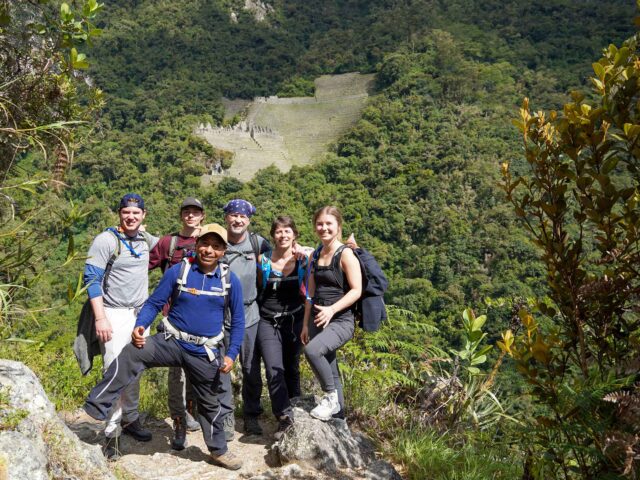
Short Inca Trail 2 Days — Sun Gate to Machu Picchu
The Inca Trail's most cinematic stretch, followed by a full day dedicated to Machu Picchu.
View Trip6. What to bring for the Short Inca Trail
We recommend taking only what is necessary to avoid weight gain and fatigue during the trek. Remember that you must walk several kilometers to reach Machu Picchu; therefore, here is a list of items to consider taking along the Inca Trail.
- Passport
- Cash
- Camera or cell phone
- Backpack cover
- Windproof, waterproof jacket
- small towel and bathing suit
- 04 shirts/t-shirts
- Sun hat
- One pair of shorts
- Two pairs of long pants
- Hiking boots / solid and comfortable shoes
- Sport Sandals
- Sunscreen
- Sunglasses
- Toiletries (biodegradable)
- Bottle of water
- Flashlight
- First aid kit.
7. Enjoy the Inca Trail Short Route
Enjoy the tour to the fullest. Please do not consider it a race to see who gets to Machu Picchu first. Take your time and live it, because this hike offers a combination that other tours won’t: adrenaline and fun, lots of nature, amazing landscapes, archaeological sites, and new experiences.
Final Thoughts
The Short Inca Trail is a journey like no other, offering a unique blend of adventure, history, and natural beauty. By preparing adequately and following these recommendations, you’ll be well-equipped to make the most of your trek while respecting the environment and local culture. So lace up your hiking boots, pack your bags, and get ready for an unforgettable experience on the Short Inca Trail.