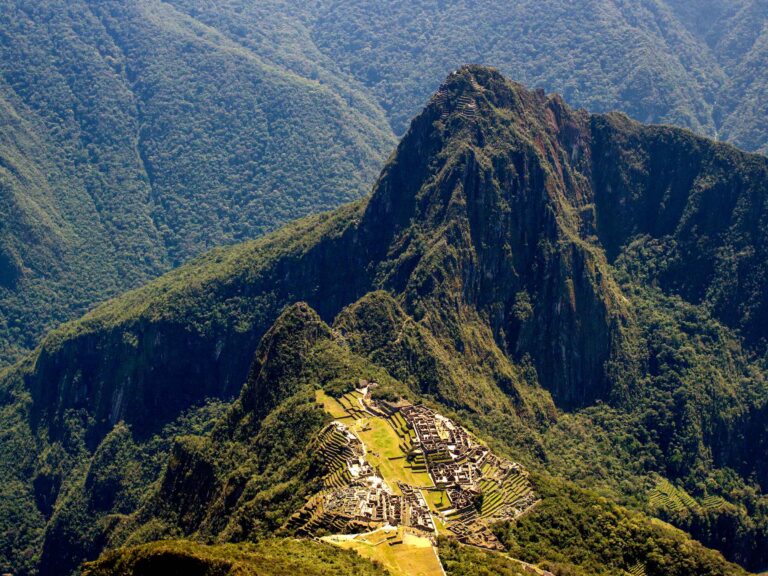

Everything you need to know about Hiking The 2 day Trek Machu Picchu

Everything you need to know about Hiking The 2 day Trek Machu Picchu


Short Inca Trail Best Information on the Inca City

Embarking on the Short Inca Trail is a journey steeped in history and natural beauty. This trail offers an adventurous yet shorter alternative to the classic Inca Trail, allowing trekkers to experience the remarkable Andean landscapes and ancient Incan ruins without the commitment of a longer trek. As you walk the paths once traversed by the Incas, you’ll uncover a world rich in history and breathtaking vistas.

In this Kondor Path Tours comprehensive guide, we’ll cover everything you need to know about the Short Inca Trail, including its geography, route, and connections to sacred valleys. Whether you’re a seasoned hiker or a curious traveler, this information will help you prepare for an unforgettable adventure to Machu Picchu.

Short Inca Trail Best Information

Short Inca Trail Best Information

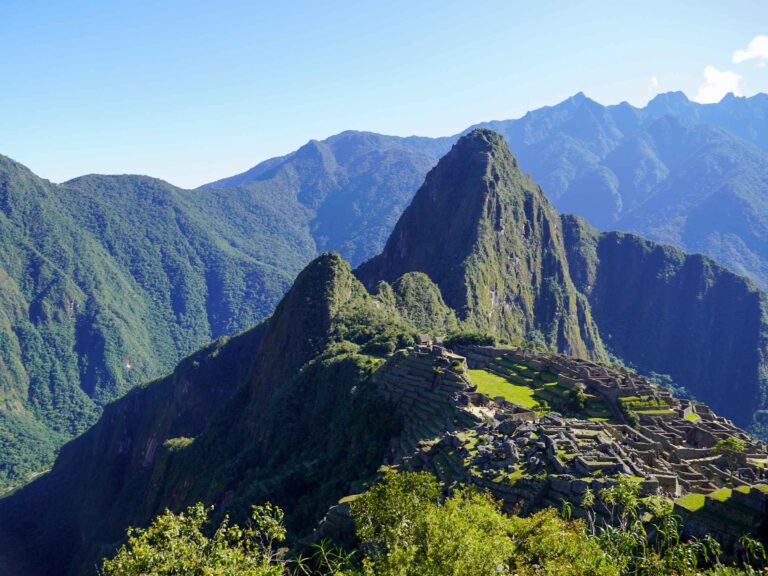
The Short Inca Trail traverses through the breathtaking Andes Mountains, a region characterized by its rugged terrain and high altitudes. The Andes are not just a geographical feature but a living testament to the natural forces that have shaped this land over millions of years. Each peak and valley tells a story of geological evolution and the vibrant cultures that have called this region home.

The trail is located in the Sacred Valley of Peru, a region rich in history and culture, making it an essential destination for any traveler interested in exploring ancient civilizations and stunning natural landscapes. This valley, cradled by towering mountains, offers a fertile ground for understanding the Incan way of life and their profound connection to nature. Visitors can witness how the Incas ingeniously adapted to their environment, creating a harmonious existence amidst the challenging terrains.

The trail itself is approximately 11 kilometers (6.8 miles) long, making it a more accessible option for those who might find the whole Inca Trail too demanding. The journey begins near the town of Ollantaytambo and culminates at the world-renowned Machu Picchu. Along this path, trekkers will encounter diverse ecosystems, each offering unique flora and fauna that thrive in these elevations. From lush cloud forests to stark mountain passes, the trail is a microcosm of the larger Andean landscape.

The 2-day trek to Machu Picchu travels 12 kilometers in 2 days until Machu Picchu is reached. The tour already includes what is necessary to support the weight of the days of walking. However, tourists should bring extra luggage for the trip. This includes personal items, batteries, water, a sleeping bag, a camera, and more.

Trail Details: The fast Inca Trail is a 10 km (6.2 mile) trek that starts at km 104 on the railway line from Cusco to Machu Picchu. The trail passes through beautiful Andean landscapes, lush forests, and ancient Inca ruins. It ends at the famous Sun Gate, which looks over Machu Picchu.

2-day trek to the Inca City Permits: Like the longer Inca Trail, the Full Day Inca Trail requires a permit to hike. These limited permits must be obtained in advance through a licensed tour operator.

Difficulty: While the 2-day trek to Machu Picchu is shorter than the classic four-day trek, it still involves steep climbs and high altitudes, so good physical condition is essential. The hike takes about 6 hours and reaches a maximum elevation of 2,720 m (8,920 ft).

Inca Trail and the Lost Inca City Guided Tours:

  • If you want to learn about the history and culture, consider a guided tour. We recommend the Premium Inca Trail.
  • Many tour operators offer guided tours, which include transportation, permits, and meals.

Map of the Short Inca TrailRoute of the Short Inca Trail Explained

The Short Inca Trail route is a condensed version of the classic Inca Trail, but it still offers a rich tapestry of experiences. Hikers begin their journey at Km 104, a point on the railway that connects Cusco to Machu Picchu. This starting point is not just a physical location but a gateway into a world where history, nature, and adventure converge.

From here, the trail ascends through lush cloud forests and past Incan ruins, such as Wiñay Wayna, a stunning archaeological site perched on a mountainside. As you climb, the trail reveals a series of breathtaking vistas, each more spectacular than the last, inviting trekkers to pause and appreciate the natural beauty that surrounds them.

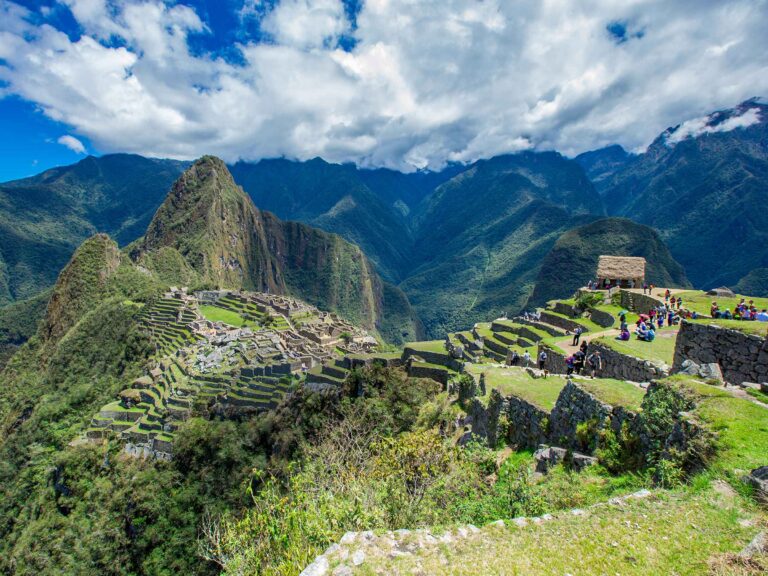
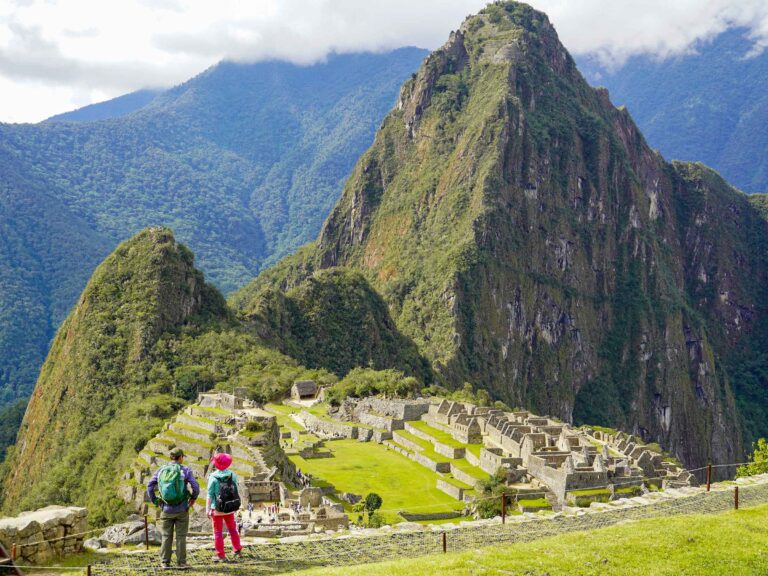
As you trek along the trail, you’ll be treated to panoramic views of the Sacred Valley and the surrounding mountains. These views are not merely scenic backdrops but an integral part of the experience, providing context to the Incan way of life and their reverence for the natural world. The trail eventually leads to the Sun Gate (Inti Punku), the original entrance to Machu Picchu, where trekkers can catch their first glimpse of the majestic ancient city. This moment is often described as a spiritual experience, as the first sight of Machu Picchu against the backdrop of the rising sun is nothing short of magical.

Historical Significance of the Trail

The Short Inca Trail is more than just a physical path; it’s a journey through history. The trail was part of the extensive network of roads built by the Incas, known as the Qhapaq Ñan, which connected various parts of their vast empire. Walking this trail offers a unique opportunity to step back in time and gain insight into the logistical and engineering prowess of the Incas.

These paths were not merely routes of travel; they were lifelines that facilitated trade, communication, and cultural exchange across the empire. Along the trail, trekkers will find evidence of the sophisticated infrastructure, such as retaining walls, drainage systems, and terraced fields, that the Incas developed to conquer the challenging Andean terrain.

Connections to Sacred Valley Trails

Sacred Valley Trail Connections

The Short Inca Trail is part of a network of trails that crisscross the Sacred Valley, connecting various Incan sites and offering a deeper understanding of the region’s cultural heritage. These trails are a testament to the engineering prowess of the Incan civilization, which built extensive pathways to connect their empire. Each trail offers a unique glimpse into the past, revealing the strategic importance of the Sacred Valley in the Incan empire.

Hiking these trails provides a unique opportunity to explore lesser-known Incan ruins and experience the local culture of the Andean communities. These communities, with their rich traditions and customs, offer a glimpse into a way of life that has remained largely unchanged for centuries. Engaging with the locals provides a deeper appreciation for the enduring legacy of the Incas and their descendants.

Many of these trails can be combined to create custom itineraries for those who wish to delve deeper into the region’s history and landscape. Whether you’re interested in a short day hike or an extended exploration, the network of trails in the Sacred Valley offers endless possibilities for adventure and discovery. Each trail has its own story to tell, from hidden ruins to breathtaking vistas, ensuring that every trekker can find a path that resonates with their interests.

Cultural Significance of the Sacred Valley

The Sacred Valley is not just a geographical area; it’s a cultural heartland that has nurtured civilizations for millennia. The valley was a crucial agricultural hub for the Incas, thanks to its fertile soil and favorable climate. It served as the breadbasket of the empire, providing the resources needed to sustain the Incan population.

Today, the valley continues to be a vibrant center of cultural heritage, where traditional practices and beliefs are preserved and celebrated. Festivals, music, and art are integral parts of life here, offering visitors a chance to immerse themselves in the living traditions of the Andean people.

Exploring Lesser-Known Trails

While the Short Inca Trail and the classic Inca Trail are well-known, the Sacred Valley is home to numerous lesser-known trails waiting to be explored. These trails offer a more intimate experience, away from the crowds, where trekkers can connect with nature and history on a deeper level.

Exploring these trails allows visitors to uncover hidden gems, such as secluded ruins, remote villages, and stunning natural landscapes. Each trail offers a unique perspective on the Sacred Valley, revealing the diverse beauty and rich history of the region. For those seeking an off-the-beaten-path adventure, the lesser-known trails of the Sacred Valley promise an unforgettable journey.

Highlights of the Short Inca Trail

Inca Ruins and Scenic Views

One of the main attractions of the Short Inca Trail is the opportunity to explore ancient Incan ruins. Wiñay Wayna, meaning “Forever Young” in Quechua, is a highlight of the trail. This site features impressive agricultural terraces, stone structures, and ceremonial fountains that offer a glimpse into the Incan way of life. These ruins are a testament to the sophisticated engineering and architectural skills of the Incas, who were able to construct complex structures in the challenging Andean environment.

The trail’s scenic views are another major draw. The high-altitude vantage points provide breathtaking panoramas of the Andean peaks and the lush green valleys below. As you make your way towards Machu Picchu, the trail offers a sense of anticipation and wonder, culminating in the awe-inspiring sight of the ancient city. The views along the trail are not just visually stunning; they also evoke a sense of connection to the natural world, inspiring reflection and contemplation.

Wildlife and Flora Along the Trail

The Short Inca Trail is not only rich in history but also in biodiversity. As you trek through the varied ecosystems, you’ll encounter a wide array of wildlife and flora unique to the Andes. From colorful orchids to vibrant hummingbirds, the trail is a haven for nature lovers and photographers alike.

The cloud forests, in particular, are teeming with life, offering a chance to observe species that have adapted to the high-altitude environment. Keep your eyes peeled for the elusive Andean bear or the majestic condor soaring above. Each encounter with the local wildlife adds a layer of wonder to the trekking experience, reminding visitors of the incredible biodiversity of the Andes.

Experiencing the Incan Legacy

Walking the Short Inca Trail is more than just a physical journey; it’s an opportunity to connect with the enduring legacy of the Incan civilization. Each step along the trail is a step through history, where the past comes alive through the ruins, landscapes, and stories of the region.

The Incan legacy is evident in the engineering marvels, agricultural techniques, and cultural practices that continue to influence the Andean people today. By experiencing the trail, visitors gain a deeper appreciation for the ingenuity and resilience of the Incas, whose impact can still be felt in the modern world.

Preparing for the Short Inca Trail

High Altitude Considerations

Hiking the Short Inca Trail requires preparation, particularly because of the high altitudes involved. The trail reaches elevations of over 2,600 meters (8,500 feet), and altitude sickness can be a concern for some travelers. It’s advisable to spend a few days acclimating in Cusco or the Sacred Valley before embarking on the trek. This acclimatization period allows your body to adjust to the reduced oxygen levels, reducing the risk of altitude-related issues.

Hydration, proper nutrition, and a gradual pace are key to managing the effects of high altitude. Drinking plenty of water, eating balanced meals, and taking regular breaks can help your body cope with the demands of the trail. Additionally, packing essentials such as sun protection, comfortable hiking shoes, and layers for varying weather conditions will enhance your trekking experience. Being well-prepared ensures that you can fully enjoy the journey without being hindered by altitude-related challenges.

Physical Fitness and Training

While the Short Inca Trail is more accessible than the full Inca Trail, it still requires a reasonable level of physical fitness. Preparing for the trek involves building endurance and strength to handle the varied terrain and steep ascents. Regular cardiovascular exercise, such as hiking, running, or cycling, can help improve your stamina and prepare your body for the demands of the trail.

Strength training, focusing on your legs and core, can also be beneficial in navigating the rugged terrain. Incorporating exercises like squats, lunges, and planks into your routine can help build the necessary muscle strength. By preparing physically for the trek, you’ll be able to enjoy the journey to its fullest and appreciate the stunning landscapes without being overwhelmed by fatigue.

Permits and Regulations

To preserve the integrity of the trail and the archaeological sites, the Peruvian government regulates access to the Short Inca Trail. Permits are required and must be obtained through a licensed tour operator. It’s essential to book your trek well in advance, as permits can sell out quickly, especially during peak seasons. Ensuring you have the necessary permits guarantees a smooth and hassle-free experience, allowing you to focus on the adventure ahead.

The regulations are in place to protect the trail and its surrounding environment, ensuring that future generations can continue to experience the beauty and history of the Incan civilization. By adhering to these guidelines, trekkers play a role in preserving the trail’s cultural and natural heritage. Responsible trekking practices, such as packing out all waste and respecting the archaeological sites, contribute to the long-term sustainability of the trail.

What does the 2-day trek to Machu Picchu include?

The Inca Trail is a hiking route protected by the Peruvian State, so we can only do it with a tour that includes the following:

  • Transportation: Most tour operators include transportation from your hotel in Cusco to the Ollantaytambo train station and from the Aguas Calientes train station to Machu Picchu.
  • Train Ride: The fast Inca Trail full day from Ollantaytambo starts at km 104 on the railway line from Cusco to Machu Picchu. The train ride from Ollantaytambo to km 104 offers stunning views of the Andean mountains and the Urubamba River.
  • Entrance Fee: Hiking requires a permit, which includes the entrance fee to Machu Picchu.
  • Machu Picchu Guided Tour: Most tour operators offer a guided 2-Day Express Inca Trail tour led by a knowledgeable guide who provides information about the area’s history and culture.
  • Meals and Snacks: Tour operators provide meals and snacks during the trek, including a box lunch and water.
  • Machu Picchu Entrance Tickets: After completing the trek, hikers will enter Machu Picchu, explore the ruins, and learn about the Inca Empire.

It’s essential to check with your tour operator to see what’s included in the 2-day trek to Machu Picchu package and what additional expenses you may need to cover, such as personal items like hiking gear and souvenirs.

What does it not include?

  • The Inca Trail, like any other hiking tour in Cusco, does not include the following:
  • Sleeping bags.
  • Walking sticks.
  • Snacks.
  • Rehydrating.
  • Personal articles.

How many kilos of luggage should be taken for the 2-day trek to Machu Picchu?

The maximum luggage weight is 7 kg (15 lbs) per person, including your sleeping bag and personal items. This weight limit is strictly enforced to protect the environment and ensure hiker safety. Packing light is recommended; bring only essential items for the trek, such as extra clothes, toiletries, and personal medication.

You can store excess luggage in your Cusco hotel or Machu Picchu Pueblo storage facility. However, you must check with your tour operator whether they have any specific luggage requirements for the Express Inca Trail in South America.

Considering the route’s difficulty, the mountainous roads it travels on, and the same duration, we recommend luggage weighing no more than 5 kilos.

Carrying more than 5 kilos can make the most challenging walk sections even more difficult. Likewise, it can cause back pain.

What must be contained in this luggage in a backpack suitable for walking (waterproof, spacious, and fitting nicely on the back)?

When packing for a full-day Inca Trail, bring a spacious, waterproof backpack that fits comfortably on your back. Here are some critical items to consider packing in your bag:

  • Water: Bring at least 2 liters per person to stay hydrated during the trek.
  • Snacks: Pack energy bars, nuts, or dried fruit to keep your energy up during the hike.
  • Layers: The weather can be unpredictable, so it’s important to pack layers, including a waterproof jacket, fleece, and a hat.
  • Sun protection: Bring sunscreen, sunglasses, and a hat to protect yourself from the sun.
  • Comfortable footwear: Wear sturdy, broken-in hiking shoes.
  • Camera: Bring a camera to capture the stunning scenery along the trail.
  • Personal items: Pack toiletries, medication, and any other items.

Remember to pack light and bring only essential items, as the luggage weight limit is strictly enforced. It’s also a good idea to check with your tour operator for any specific packing requirements for hiking a Trail.

How do you organize the travel backpack for the 2-day trek to Machu Picchu?

The backpack should hold at least 15-20 liters of water and spare clothes. Having a raincoat cover the pack or using a bag inside is recommended. Check that the mountain equipment meets the following characteristics:

It’s just comfortable to wear.

  • A chest and waist strap will help distribute the weight.
  • Have side pockets for small items.
  • Have ties and straps to store clothes or other items.
  • You can hire an extra porter for extra luggage. This option involves an additional cost over the tour price and varies depending on your hired tourism agency.

Final Thoughts

The Short Inca Trail is a remarkable journey that offers a perfect blend of adventure, history, and natural beauty. Whether you’re drawn to the trail by its ancient ruins, stunning landscapes, or the allure of Machu Picchu itself, this trek is sure to provide an unforgettable experience. As you walk in the footsteps of the Incas, you’ll gain a deeper appreciation for their achievements and the enduring legacy they left behind.

By understanding the trail’s geography, route, and connections to the Sacred Valley, you’ll be well-prepared to embark on this incredible adventure. So lace up your hiking boots, grab your camera, and get ready to explore one of the world’s most iconic trails. Each step along the path is a step towards discovery, where the past and present intertwine to create lasting memories.

Embarking on the Short Inca Trail is more than just a hike; it’s an opportunity to walk in the footsteps of the ancient Incas and connect with a rich cultural heritage that continues to captivate travelers from around the world. The trail invites you to slow down, appreciate the beauty of the natural world, and reflect on the history that has shaped this remarkable region.

Inquire Now

Contact form footer
Need help? Speak with us